







Leadsun seating offers a wide range of seating solutions for public spaces, including benches, chairs, waiting area seating, auditorium seating, and customized solutions tailored to specific project needs.
Antimicrobial surfaces for public waiting chairs post-COVID
Practical guide to antimicrobial surfaces for public waiting chairs after COVID-19: materials, standards, cleaning protocols, testing, procurement considerations, and how Leadsun's seating solutions combine durability and hygienic design for high-traffic public spaces.
- Rethinking Hygiene in Shared Seating: Lessons from COVID-19
- Why antimicrobial surfaces matter for public waiting chair design
- Key user needs embedded in public waiting chair choices
- Antimicrobial technologies applicable to public waiting chairs
- Common antimicrobial strategies for public waiting chair surfaces
- Comparing materials and treatments for public waiting chair surfaces
- Standards and testing to validate antimicrobial claims for public waiting chair surfaces
- Cleaning protocols and lifecycle considerations for public waiting chairs
- Practical cleaning checklist
- Procurement decisions: balancing cost, risk, and perceived safety for public waiting chairs
- Decision framework
- Case examples and real-world evidence for antimicrobial seating in public spaces
- Leadsun: Partnering for hygienic, durable public waiting chair solutions
- How Leadsun addresses antimicrobial and hygiene needs for public waiting chairs
- Implementation checklist for facility managers specifying antimicrobial public waiting chairs
- Frequently Asked Questions (FAQ)
- 1. Are antimicrobial surfaces required for all public waiting chairs?
- 2. Do antimicrobial coatings make chairs maintenance-free?
- 3. Is copper better than silver for public waiting chair parts?
- 4. What standards should I ask suppliers to meet for antimicrobial claims?
- 5. How should I factor antimicrobial options into total cost of ownership (TCO)?
- 6. Can UV-C be used with public waiting chairs for disinfection?
- Contact & Product Inquiry
- References
Rethinking Hygiene in Shared Seating: Lessons from COVID-19
The COVID-19 pandemic transformed how facility managers, architects, and procurement teams think about hygiene in public spaces — especially in high-touch, high-density furniture like public waiting chairs. This article synthesizes current evidence, standards, and practical approaches to antimicrobial surfaces for public waiting chairs so you can make informed decisions that balance infection risk mitigation, durability, user comfort, and lifecycle cost.
Why antimicrobial surfaces matter for public waiting chair design
Public waiting chairs are used by thousands of people in airports, hospitals, transit hubs, and government offices. Although SARS-CoV-2 transmission is primarily respiratory, fomite transmission (via contaminated surfaces) remains a concern for other pathogens (influenza, norovirus, MRSA). Selecting appropriate antimicrobial materials and surface treatments reduces bioburden between cleanings, lowers cleaning labor and chemical use, and improves perceived safety for users.
Key user needs embedded in public waiting chair choices
- Frequent high-touch points (armrests, seat surfaces, shared tabletops)
- Durability to resist abrasion, cleaning chemicals, and vandalism
- Ease of cleaning and maintenance to ensure consistent hygiene practices
- Aesthetics and comfort that do not compromise antimicrobial function
- Regulatory and procurement compliance (healthcare vs. transit vs. education)
Antimicrobial technologies applicable to public waiting chairs
There are multiple approaches to reducing microbes on seating surfaces. Selecting the right combination depends on setting, budget, traffic intensity, and cleaning protocols.
Common antimicrobial strategies for public waiting chair surfaces
- Intrinsic antimicrobial metals (copper and copper alloys)
- Antimicrobial coatings (silver nanoparticles, quaternary ammonium-based coatings, photocatalytic coatings)
- Antimicrobial polymers and composite materials
- Antimicrobial upholstery treatments (durable finishes on fabrics and vinyls)
- Non-chemical options: design for cleanability, antimicrobial geometry, and UV-C disinfection routines
Comparing materials and treatments for public waiting chair surfaces
Below is a practical comparison of common surface options for public waiting chairs. This table focuses on infection-control relevance, maintenance, and real-world evidence level.
| Material / Treatment | Antimicrobial Mechanism | Durability & Maintenance | Cost | Evidence Level |
|---|---|---|---|---|
| Stainless steel (standard) | No intrinsic antimicrobial activity; easy to clean | Very durable; resists cleaners; may show fingerprints | Low–Medium | Widely used; lab studies on survival but no killing effect |
| Copper / Copper alloys | Contact killing via copper ions | Durable; patination changes appearance; low maintenance | Medium–High | Lab and clinical evidence showing reduced surface bioburden and lower HAI in controlled settings |
| Silver-based coatings | Release of Ag+ ions; disrupts microbes | Variable durability; commercial coatings vary; chemical cleaners may reduce longevity | Medium | Good lab evidence; clinical evidence mixed and product-dependent |
| Quaternary ammonium coatings (polymeric) | Surface-bound antimicrobials disrupt cell membranes | Many are durable; recurrent abrasion reduces efficacy; compatible with frequent cleaning if rated | Low–Medium | Lab-proven; real-world durability varies by product |
| Antimicrobial textiles / vinyl | Embedded silver, copper, or biocidal finishes | Durability depends; specified for healthcare-grade cleaning cycles | Medium | Product- and standard-dependent (ISO 18184 / ISO 22196 used for claims) |
| Photocatalytic coatings (TiO2) | Reactive oxygen species under UV/visible light | Durable; needs light activation; limited effect in dark areas | Medium | Promising lab results; site-specific performance |
Standards and testing to validate antimicrobial claims for public waiting chair surfaces
Procurement teams should require verifiable testing. Common standards include ISO 22196 (antibacterial activity on plastics and other non-porous surfaces) and ISO 18184 (antiviral activity on textiles). ASTM and national health agencies provide guidance for disinfectant testing, while the EPA manages antimicrobial pesticide registration in the U.S.
When evaluating suppliers for public waiting chair solutions, ask for:
- Test reports referencing the standard used (ISO 22196, ISO 18184, ASTM methods)
- Independent lab testing (third-party) rather than manufacturer-only data
- Durability testing to simulate abrasion and real-world cleaning cycles
- Safety and regulatory compliance documentation (e.g., EPA registration for antimicrobial claims where required)
Cleaning protocols and lifecycle considerations for public waiting chairs
Antimicrobial surfaces are not a replacement for routine cleaning — they are an adjunct. For best results combine material choice with a clear cleaning regimen aligned to expected traffic and risk level.
Practical cleaning checklist
- Define cleaning frequency by risk zone (e.g., healthcare waiting rooms vs. airport gates).
- Use disinfectants listed for the target pathogens (consult local public health guidance or the EPA List N for SARS-CoV-2-era choices).
- Train staff on correct contact times and avoid products that degrade antimicrobial finishes.
- Schedule periodic inspection and reapplication or replacement of treated upholstery and coatings as part of lifecycle planning.
Procurement decisions: balancing cost, risk, and perceived safety for public waiting chairs
When procuring public waiting chairs, consider total cost of ownership (TCO). Higher upfront cost for intrinsic antimicrobial materials (e.g., copper components, healthcare-grade upholstery) can be offset by reduced cleaning costs, fewer replacements, and improved public confidence.
Decision framework
- Risk assessment: What pathogens are a primary concern? What is footfall?
- Set performance requirements: durability, cleanability, validated antimicrobial efficacy.
- Require third-party testing and maintenance protocols in the contract.
- Factor in replacement cycles and maintenance costs to calculate TCO.
Case examples and real-world evidence for antimicrobial seating in public spaces
Controlled studies have demonstrated reductions in surface bacterial loads with copper and some antimicrobial coatings. For example, copper-containing surfaces have shown reduced survival times for multiple bacteria and some viruses in laboratory testing; some hospital trials reported lower infection-associated outcomes where copper was deployed on high-touch surfaces.
However, evidence for routine use in large public waiting areas is mixed — success depends on proper material selection, installation, cleaning protocols, and managing user expectations. A blended strategy (durable antimicrobial surfaces on high-touch components plus rigorous cleaning) is often the most pragmatic approach.
Leadsun: Partnering for hygienic, durable public waiting chair solutions
Leadsun: High Quality Seating Solutions for Global Public Spaces Since 1998. As a China-based manufacturer with over 25 years of experience, Leadsun specializes in commercial-grade seating engineered for durability, comfort, and maintainability — crucial attributes when integrating antimicrobial features into public waiting chairs.
How Leadsun addresses antimicrobial and hygiene needs for public waiting chairs
- Durability & Value: Use of High Quality materials and rigorous factory testing to ensure finishes and upholstery survive frequent cleaning cycles.
- Ergonomic Comfort: Designs that do not compromise user well-being while enabling easy cleaning of contact points.
- Global OEM/ODM: Customizable options to integrate antimicrobial materials (e.g., antimicrobial fabrics, treated plastics, metal components) into mass-volume orders.
- Tailored Solutions: Experience in airports, hospitals, educational facilities and offices where hygiene, security, and lifespan are priorities.
Leadsun core products that relate to antimicrobial seating strategies include: Lecture hall seating, Waiting chairs (public waiting chair solutions), Fixed desks and chairs, Activity desks and chairs, Beam seating, Tandem seating, Airport seating, Ergonomic chairs, and Desk chairs. Leadsun's production scale, quality control, and export logistics make it a competitive partner for large B2B contracts that require validated performance and long-term reliability.
Implementation checklist for facility managers specifying antimicrobial public waiting chairs
- Define the risk profile and cleaning frequency for each location.
- Specify measurable antimicrobial performance standards (ISO 22196 / ISO 18184 where appropriate).
- Require third-party lab reports and durability testing against expected cleaning agents.
- Include maintenance and warranty clauses that address coating longevity and upholstery resilience.
- Opt for modular designs (replaceable armrests, cushions) to simplify refurbishment and lower lifecycle costs.
- Plan user communication and signage to set realistic expectations: antimicrobial surfaces reduce but do not eliminate infection risk.
Frequently Asked Questions (FAQ)
1. Are antimicrobial surfaces required for all public waiting chairs?
No. Antimicrobial surfaces are a risk-mitigation tool. Their appropriateness depends on site-specific risk, traffic density, and cleaning capabilities. Low-risk, low-traffic areas may do well with standard durable materials plus routine cleaning.
2. Do antimicrobial coatings make chairs maintenance-free?
No. Antimicrobial coatings can reduce microbial burden between cleaning cycles but do not replace routine cleaning and disinfection. Coating durability must be monitored because abrasion and incompatible cleaners can reduce efficacy over time.
3. Is copper better than silver for public waiting chair parts?
Copper has strong contact-killing properties demonstrated in both lab and some clinical settings. Silver also has antimicrobial activity but performance varies by formulation and durability. Selection should consider cost, appearance changes (patina on copper), and supplier test data.
4. What standards should I ask suppliers to meet for antimicrobial claims?
Request third-party test reports referencing ISO 22196 (antibacterial activity on non-porous surfaces) and ISO 18184 (antiviral activity on textiles) where applicable. For products marketed in the U.S., check EPA registration for antimicrobial pesticides if the supplier claims long-term antimicrobial action.
5. How should I factor antimicrobial options into total cost of ownership (TCO)?
Calculate TCO by combining purchase price, expected maintenance and cleaning costs, expected service life, and replacement frequency. Antimicrobial materials with higher upfront cost can be cost-effective by lowering replacement cycles and cleaning labor when they are demonstrably durable.
6. Can UV-C be used with public waiting chairs for disinfection?
Yes, scheduled UV-C disinfection can supplement cleaning for unoccupied seating areas. UV-C efficacy depends on exposure time, distance, and line-of-sight. UV-C does not provide residual antimicrobial action and cannot replace material selection or regular cleaning.
Contact & Product Inquiry
To evaluate seating solutions that balance hygiene, durability, and comfort for your facility, contact Leadsun for catalogues, third-party test reports, and OEM/ODM options. For tailored proposals and sample requests, visit Leadsun or reach out to their sales team to discuss public waiting chair configurations and antimicrobial material integrations.
References
- Centers for Disease Control and Prevention (CDC). How COVID-19 Spreads. https://www.cdc.gov/coronavirus/2019-ncov/prevent-getting-sick/how-covid-spreads. (accessed 2025-11-25).
- U.S. Environmental Protection Agency (EPA). List N: Disinfectants for Coronavirus (COVID-19). https://www.epa.gov/pesticide-registration/list-n-disinfectants-use-against-sars-cov-2 (accessed 2025-11-25).
- International Organization for Standardization. ISO 22196: Measurement of antibacterial activity on plastics and other non-porous surfaces. https://www.iso.org/standard/54431. (accessed 2025-11-25).
- International Organization for Standardization. ISO 18184: Determination of antiviral activity of textile products. https://www.iso.org/standard/66405. (accessed 2025-11-25).
- Frequently cited clinical reviews on copper surfaces: Noyce JO, Michels H, Keevil CW. Inactivation of influenza A virus on copper versus stainless steel surfaces. Appl Environ Microbiol. 2007;73(8):2748-2750. https://www.ncbi.nlm.nih.gov/pmc/articles/PMC1898551/ (accessed 2025-11-25).
- Review: Antimicrobial coatings—considerations and practical application in healthcare settings. (Select reviews on PubMed and Materials journals). Example review: D. Chaloupka et al., ‘‘Nanosilver as a new antibacterial agent’’ (Materials, 2010). PubMed/Journal links vary; consult peer-reviewed literature for product-specific data (accessed 2025-11-25).
Tags
lecture hall auditorium seats
lecture hall auditorium seats
beam seating for mls
beam seating for mls
Airport seating with USB ports
Airport seating with USB ports
airport beam seating
airport beam seating
alumininum public chair
alumininum public chair
light wood beam seating
light wood beam seating
Recommended for you
Best professional lecture hall auditorium seats manufacturers and supplier brands
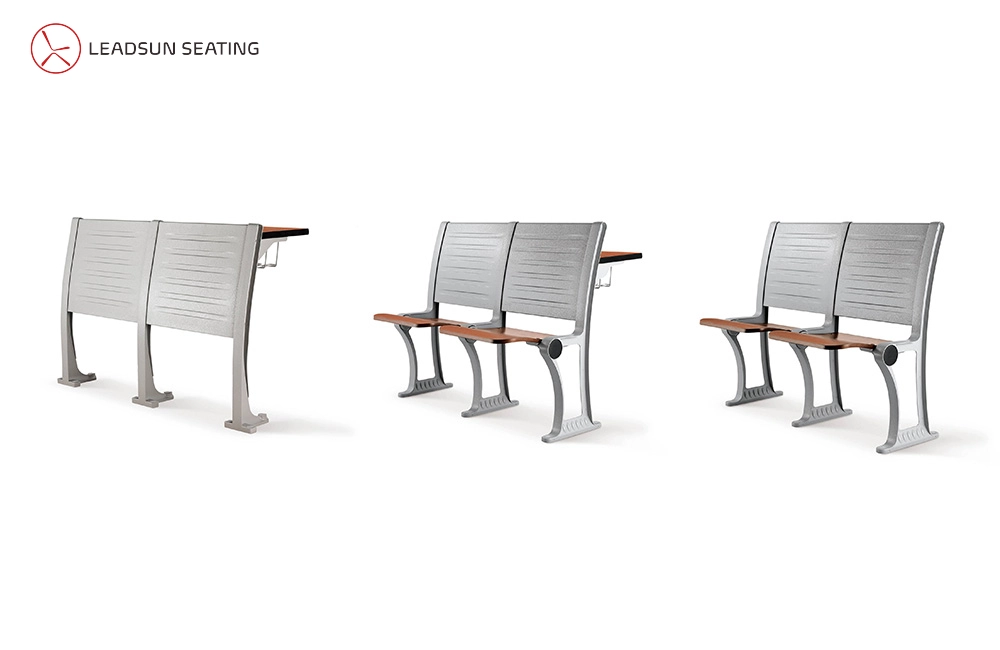
LS-908 Series Fixed Lecture Hall Seating — Tiered Classroom Solutions by Leadsun
Top 5 fancy lecture hall stadium seating Company List and Products Compared
Top design public chair Manufacturers and Suppliers in us
Prdoucts Categories
Question you may concern
FAQs
What types of public seating solutions does Leadsun seating provide?
What maintenance is required for your seating solutions?
The maintenance required depends on the material and location of the seating. Generally, regular cleaning and periodic inspections are recommended. We provide maintenance guidelines with each product to ensure long-term durability.
Are your products compliant with safety and accessibility standards?
-
Absolutely. All of our seating solutions comply with relevant safety regulations and accessibility standards, ensuring comfort and safety for all users, including those with special needs.
-
One Stop Airport Terminal Seating
Can the solution meet the needs of airports of different sizes?
Whether it’s a small regional airport or a large international hub, we can customize the seating types and layout plans according to passenger flow, terminal area size, and functional positioning. This ensures we flexibly meet the requirements of all types of airports.
Are there any successful cases we can refer to?
We’ve provided services to numerous international and major domestic airports. We can offer detailed case materials, on-site photos, and client testimonials, so you can get a clear understanding of the solution’s effectiveness.
You may also like
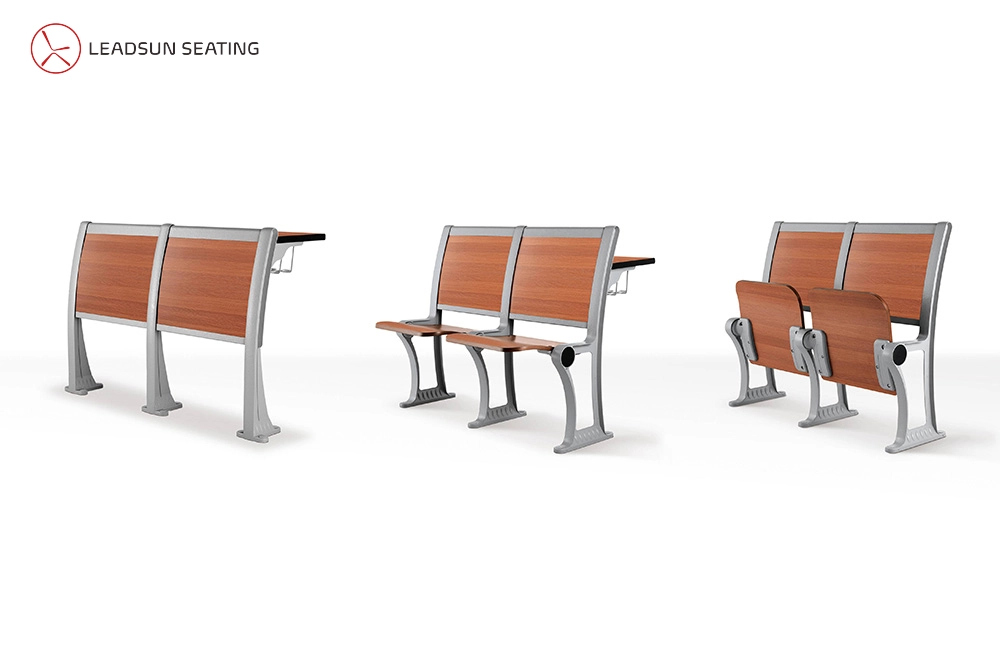
LS-908 Series Fixed Public Auditorium Chair or Tiered Classroom Solutions by Leadsun Seating
Introducing the LS-908 Series by Leadsun, your ideal solution for tiered classroom seating and fixed public auditorium chairs. Designed for comfort and durability, this series enhances audience engagement in educational and corporate settings. Discover the perfect blend of functionality and style with Leadsun Seating.
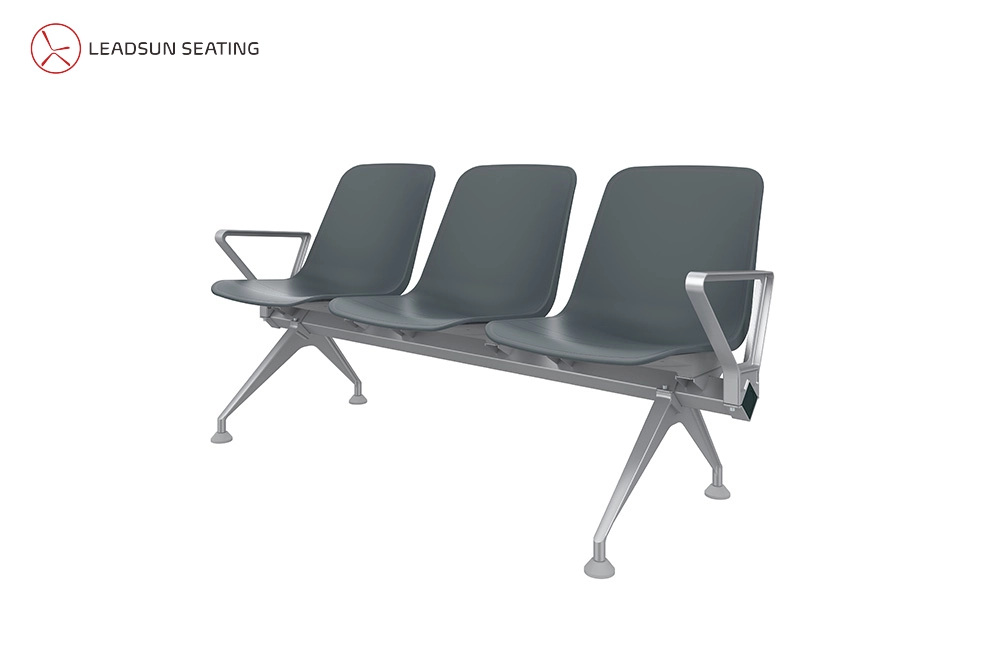
LS-550 Comfortable and Durable Waiting Chair | Customizable Waiting Chair Supplier Leadsun Seating
The LS-550 waiting chair from Leadsun offers superior comfort and durability for any public place. Customize your seating with Leadsun, a leading customizable waiting chair supplier. Ideal for high-traffic areas, the LS-550 ensures lasting performance and style.
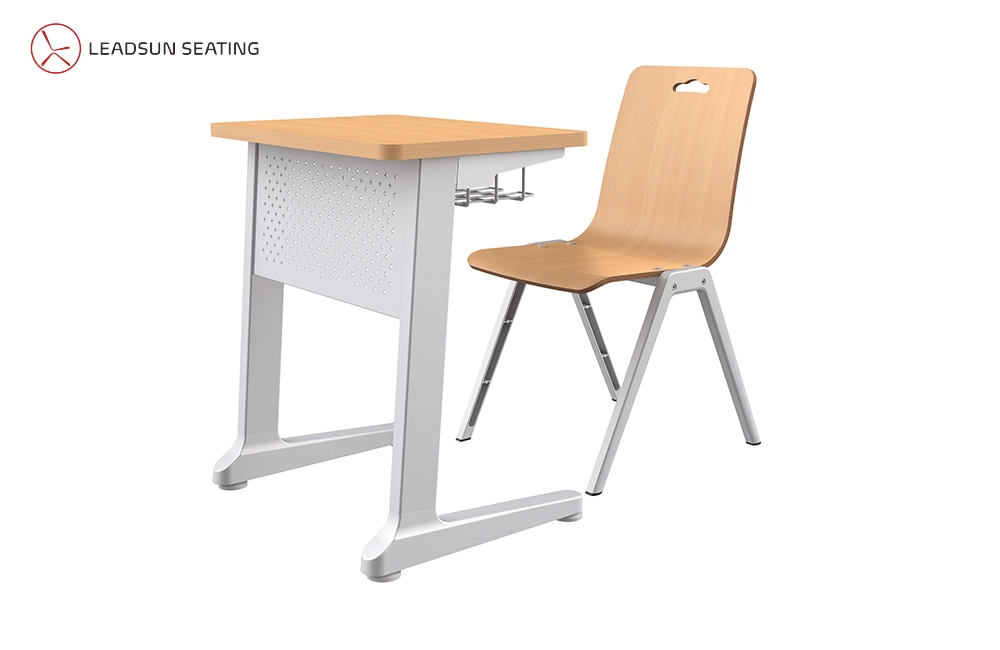
LS-9301 Single movable classroom chair |The Ultimate Flexible Solution for Modern Classrooms by Leadsun Seating
Leadsun's LS-9301 single movable classroom chair offers ultimate flexibility for modern learning environments. This activity desk and chair solution ensures comfortable and adaptable seating for students. Ideal for dynamic classrooms.
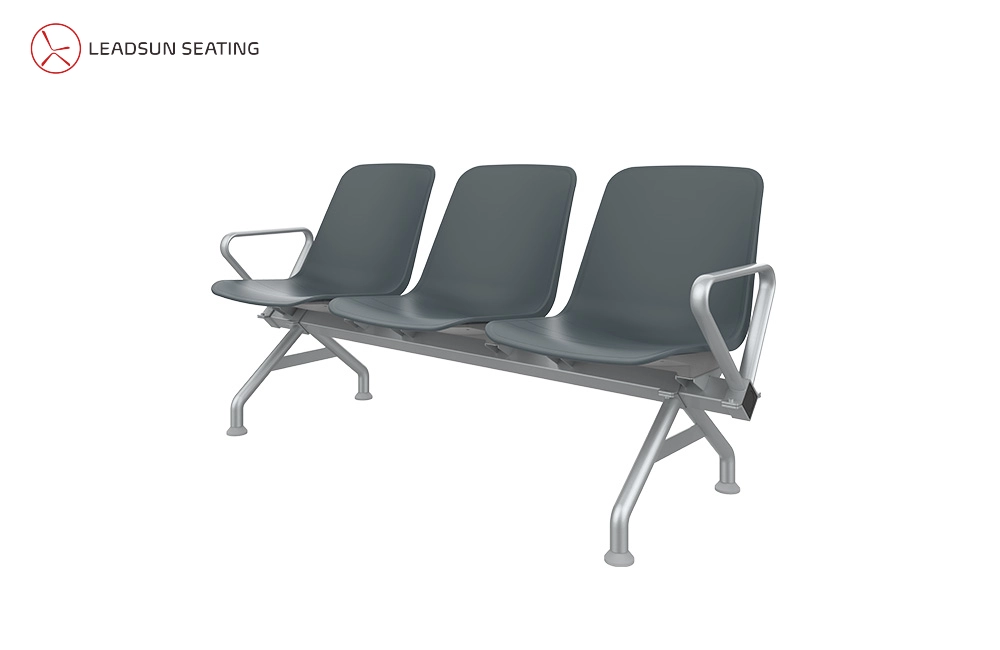
LS-551 Ergonomic Modular Waiting Chairs | Commercial Seating Solutions by Leadsun Seating
Leadsun's LS-551 Ergonomic Modular Waiting Chairs offer superior comfort for any commercial space. Ideal for hospitals, airports, and more, these modular chairs provide flexible configurations and ergonomic support. Experience unmatched comfort and style with Leadsun Seating.
Get in touch with us
If you have any comments or good suggestions, please leave us a message, later our professional staff will contact you as soon as possible.

Leadsun Seating is also engaged in the design, development, production, and marketing of lightweight public seats in public places, with an annual output of desks and chairs.
 Scan QR Code