







Comparing airport chairs materials: metal vs plastic
- Choosing the Right Material for Airport Waiting-Area Seating
- Material properties that matter for airport chairs (airport chairs)
- Durability and lifecycle costs for airport chairs
- Maintenance, cleaning and infection control for airport chairs (airport chairs)
- Comfort and ergonomics: what passengers feel (airport chairs)
- Fire safety and regulatory considerations for airport chairs
- Environmental impact and recyclability (airport chairs)
- Design and vandal-resistance strategies (airport chairs)
- Comparative summary table: metal vs plastic airport chairs
- Which material should your airport choose? Decision guide (airport chairs)
- Leadsun: product solutions and why manufacturers matter for airport chairs
- Leadsun core expertise & airport seating products (airport chairs)
- Why choose Leadsun — value, durability and customization (airport chairs)
- How Leadsun helps buyers decide metal vs plastic
- Real-world examples and use-cases (airport chairs)
- Frequently asked questions (FAQ)
- 1. Are metal airport chairs always better than plastic?
- 2. How long should airport chairs last?
- 3. Can plastic seats meet fire safety regulations?
- 4. Which material is easier to disinfect and maintain?
- 5. Is recycling a convincing reason to select metal over plastic?
- 6. How should airports plan procurement to minimize TCO?
- Contact and next steps — request samples, technical data and quotes
- References
Choosing the Right Material for Airport Waiting-Area Seating
Selecting materials for airport chairs affects passenger comfort, lifecycle cost, maintenance workload, and the visual identity of a terminal. Airport operators and procurement managers must weigh metal and plastic options across objective performance criteria — strength, weight, vandal resistance, cleanability, fire safety, and sustainability — to match local needs and budgets. This article compares metal and plastic solutions for airport chairs, provides data-driven guidance, and outlines how to choose the right product for your terminal.
Material properties that matter for airport chairs (airport chairs)
When architects and procurement teams evaluate materials for airport chairs, they typically compare mechanical properties (tensile strength, stiffness), density (weight), wear resistance, and thermal/chemical resistance. These properties determine how a seat behaves under heavy use, whether surfaces scratch or crack, and how easy the chairs are to move, install and maintain.
| Property | Typical metal (stainless or powder-coated steel) | Typical plastic (polypropylene/HDPE/ABS) | Why it matters for airport chairs |
|---|---|---|---|
| Tensile strength (MPa) | ~350–700 MPa (depending on alloy) | ~25–50 MPa (polypropylene/HDPE/ABS) | Higher strength supports thin frames and long spans, reducing deflection under load. |
| Density (kg/m³) | ~7,800–8,100 kg/m³ | ~850–1,050 kg/m³ (PP/HDPE/ABS) | Lower density reduces shipping and handling weight; heavier metal anchors seating in place. |
| Typical in-service lifespan | 15–30+ years (with proper finish/maintenance) | 6–15 years (varies with UV exposure, load, and grade) | Life expectancy affects replacement cycles and total cost of ownership. |
| Vandal resistance | High (dents, scratchable paint; can be brushed or polished) | Medium (can crack, gouge, or be burned; depends on grade) | Resistance to graffiti, impacts and misuse is crucial in public terminals. |
| Cleanability & disinfection | High (smooth metal finishes tolerate aggressive cleaners) | High for non-porous plastics; some grades may be sensitive to solvents | Ease of cleaning affects infection control and labor cost. |
| Recyclability | Very high (steel is widely recycled) | Variable: recyclable (PE/PP), but local rates vary | End-of-life options and embodied carbon matter for sustainability targets. |
Durability and lifecycle costs for airport chairs
Durability is often the decisive factor for airports. Metal chairs — particularly stainless steel and heavy-gauge powder-coated steel — typically outperform plastics on long-term mechanical durability and vandal resistance. Typical in-service lifespans for metal airport seating are commonly 15–30+ years under heavy use if coatings and fasteners are maintained; many airports report multi-decade service for metal assemblies. Plastic seating shells are robust for many contexts but are more susceptible to UV degradation, crazing, and impact cracking, with realistic lifespans commonly in the 6–15 year range for high-traffic terminals. These lifespan estimates are consistent with materials property databases and industry experience .
When calculating total cost of ownership (TCO), include purchase price, installation, routine maintenance, repairs due to vandalism, downtime cost, and replacement cycles. Although plastic shells can be cheaper up-front and lighter for shipping, the frequency of replacement and increased repair cost in harsher environments often tip TCO in favor of metal in busy international terminals.
Maintenance, cleaning and infection control for airport chairs (airport chairs)
Airports require seating that tolerates aggressive cleaning regimens and frequent disinfection. Metal surfaces — particularly stainless steel with a smooth finish — can withstand a wide range of detergents and disinfectants and typically resist staining. Many plastics used for seating are also easy to clean, but some polymer grades may soften or discolor with repeated exposure to solvents or high-concentration disinfectants. Always confirm chemical compatibility between cleaning agents and seat materials before rollout. The CDC publishes general cleaning guidance for public spaces; material compatibility checks remain essential for long-term cosmetic and structural performance .
Comfort and ergonomics: what passengers feel (airport chairs)
Comfort is not purely a material question — shell shape, seat pitch, cushioning (if any), and arm/leg geometry all matter. However, materials influence perceived comfort: metal seats often require thermal breaks or polymer pads because metal can feel cold; plastics provide warmer surface temperatures and can be shaped into contoured shells that improve short-term comfort. For extended waiting areas, consider hybrid designs: metal frames for structure and durability combined with plastic or upholstered seating surfaces for comfort. Ergonomic standards and user testing (e.g., seat depth, lumbar support, and seat height) should drive final choices as much as raw material properties.
Fire safety and regulatory considerations for airport chairs
Materials must meet local fire and building codes. Metals are inherently non-combustible and perform well under fire-safety requirements, although coatings must be evaluated. Plastics vary: some grades are engineered with flame retardants and meet strict flammability standards, while others may produce hazardous smoke or melt. Verify compliance with applicable codes and standards (local building codes, NFPA guidelines, and aviation authority requirements) before specification .
Environmental impact and recyclability (airport chairs)
Environmental decisions increasingly affect procurement. From a material-recycling perspective, steel ranks highly due to mature recycling streams and high recycled content in modern steel products. Plastics can be recyclable (PE/PP) but face lower collection and recycling rates in many regions; additives and multi-material assemblies complicate recycling. Life-cycle assessments (LCAs) show that lighter plastic components can reduce transportation emissions but may have higher end-of-life impacts if not recycled. Consider embodied carbon, local recycling infrastructure, and potential for reuse/refurbishment when selecting materials .
Design and vandal-resistance strategies (airport chairs)
Regardless of material, design choices can improve durability: tamper-resistant fasteners, reinforced mounting points, continuous frames (beam seating), and minimal seams reduce weak points. For high-risk locations, choose heavy-gauge metal beams and welded assemblies; in lower-risk or aesthetic-first terminals, molded polymer shells or upholstered seats may be acceptable. Surface finishes (powder coat, anodizing, or anti-graffiti coatings) and modular spare parts (replaceable shells or armrests) reduce downtime and maintenance cost.
Comparative summary table: metal vs plastic airport chairs
| Metric | Metal (stainless/powder-coated steel) | Plastic (PP/HDPE/ABS) |
|---|---|---|
| Typical upfront cost | Moderate–high | Low–moderate |
| Installation weight per seat (approx.) | 6–12 kg (per seat, varies by beam/frame) | 3–7 kg (molded shell seat) |
| Maintenance frequency | Low–moderate (periodic finish maintenance) | Moderate (check for cracks, UV damage) |
| Typical in-service life | 15–30+ years | 6–15 years |
| Vandal resistance | High | Medium |
| Fire performance | Excellent (non-combustible) | Variable (depends on grade and additives) |
| Recyclability | High | Moderate–variable |
Which material should your airport choose? Decision guide (airport chairs)
Use the following decision logic when specifying seating:
- If the terminal is high-traffic, high-risk (international arrivals, 24/7 operations) — prefer metal frames with durable finishes or hybrid metal frames with replaceable plastic shells for comfort. Metal reduces vandal repairs and replacement cycles.
- If the terminal is low-traffic, domestic, or prioritizes low upfront cost and rapid replacement — high-grade molded plastic seating can be appropriate.
- For projects with strong sustainability targets — compare embodied carbon and local recycling streams; high-recycled-content steel often performs well on end-of-life metrics, while plastics require a clear recycling path to be sustainable.
- For passenger experience-led terminals — consider hybrid solutions that combine the structural advantages of metal with ergonomic plastic or upholstered surfaces where comfort matters.
Leadsun: product solutions and why manufacturers matter for airport chairs
Leadsun: High Quality Seating Solutions for Global Public Spaces Since 1998. With more than 25 years of experience, Leadsun is a China-based manufacturer that engineers airport seating for durability, ease of maintenance, and passenger comfort. Leadsun’s expertise is especially relevant when comparing metal and plastic options because durable design, quality control and supply-chain reliability often determine real-world lifecycle performance.
Leadsun core expertise & airport seating products (airport chairs)
- Airport Seating Manufacturer: Robust, easy-maintain airport waiting area seating engineered for high traffic, security, and ergonomics.
- Ergonomic Chair Specialist: Office and task chairs with proven support and durability for staff areas and lounges.
- Lecture Hall Seating Supplier: Space-efficient, durable lecture hall seating, fixed desks and chair systems for educational facilities.
- Public Waiting Area Seating: Heavy-duty waiting chairs and beam seating tailored for long service life and low maintenance.
Why choose Leadsun — value, durability and customization (airport chairs)
Leadsun differentiates itself through:
- Durability & Value: High Quality materials and strict QA deliver longer lifespans and lower total cost of ownership.
- Ergonomic Comfort: Design focused on user well-being even in extended waits, with hybrid options combining metal frames and ergonomically shaped shells.
- Global OEM/ODM Partner: Reliable bulk manufacturing, customization, and export logistics tailored to airport procurement cycles.
- Tailored Solutions: Experience across airports, educational facilities, offices and healthcare waiting areas ensures best-fit technical recommendations.
Leadsun’s product range includes Lecture hall seating, Waiting Chair, Fixed desks and chairs, Activity desks and chairs, Beam seating, Tandem seating, Airport Seating, Ergonomic Chairs and Desk Chairs. These products are engineered for competitive pricing, consistent quality, and long-term performance in demanding public environments.
How Leadsun helps buyers decide metal vs plastic
Leadsun supports procurement with: lifecycle cost estimates, sample testing, custom finishes (anti-graffiti coatings, powder-coat color matching), flame-retardant grade plastics, and modular parts for fast field repair. This support reduces uncertainty and ensures the chosen material meets both performance and budget requirements.
Real-world examples and use-cases (airport chairs)
Common successful deployments:
- Large international hubs: stainless-steel beam seating in gate holdrooms and baggage areas for decades-long performance.
- Domestic/regional terminals: molded polymer shells on aluminum frames in lower-risk concourses to reduce upfront cost and weight for retrofit projects.
- VIP lounges: hybrid metal frames with upholstered or molded surfaces for comfort and High Quality appearance.
These real-world patterns reflect the trade-offs covered earlier: metal for permanence and vandal resistance, plastic for cost and ergonomic shaping, hybrids for balanced outcomes.
Frequently asked questions (FAQ)
1. Are metal airport chairs always better than plastic?
No. Metal chairs generally last longer and resist vandalism better, but plastics can be more economical up-front, lighter for shipping and offer molded ergonomic shapes. The right choice depends on traffic, security risk, budget, and sustainability goals.
2. How long should airport chairs last?
Well-specified metal seating often serves 15–30+ years. High-grade plastic seating typically lasts 6–15 years depending on UV exposure, load cycles and maintenance. Actual life depends on product quality and operating conditions.
3. Can plastic seats meet fire safety regulations?
Yes, some engineered plastics include flame retardants and can be certified to local flammability standards. Always verify material certificates and test reports for your jurisdiction before acceptance.
4. Which material is easier to disinfect and maintain?
Both metal and non-porous plastics are easy to disinfect, but metal finishes (stainless steel, high-quality powder coatings) tolerate a broader range of cleaning agents over time. Verify chemical compatibility for plastics when aggressive disinfectants are required.
5. Is recycling a convincing reason to select metal over plastic?
Often yes. Steel has an established, high-rate recycling stream and high recycled content; plastics can be recyclable but depend on local infrastructure and polymer additives. For low environmental impact, consider recycled-content steel and design for disassembly.
6. How should airports plan procurement to minimize TCO?
Run a lifecycle cost analysis including purchase price, installation, maintenance, average replacement interval, and disposal. Require warranty periods, specify replaceable modules, and request references from similar airport projects.
Contact and next steps — request samples, technical data and quotes
If you are specifying seating for a terminal project and need help choosing between metal, plastic, or hybrid options, contact Leadsun for detailed product datasheets, lifecycle cost comparisons, sample units and OEM/ODM customization. Leadsun’s experience across airports and public spaces helps reduce procurement risk and optimize total cost of ownership.
Request a quote or technical consultation to compare recommended models, finishes, and modular service plans tailored to your airport’s passenger flow and maintenance capabilities.
References
- Engineering Toolbox — Steel Properties (tensile strength, density). Retrieved 2025-11-26 from https://www.engineeringtoolbox.com/steel-properties-d_50
- British Plastics Federation — Polypropylene (material properties overview). Retrieved 2025-11-26 from https://www.bpf.co.uk/plastipedia/polymers/PP.aspx
- Centers for Disease Control and Prevention — Cleaning and Disinfection for Community Facilities. Retrieved 2025-11-26 from https://www.cdc.gov/coronavirus/2019-ncov/community/organizations/cleaning-disinfection.
- NFPA — Codes and Standards (including Life Safety Code considerations for public spaces). Retrieved 2025-11-26 from https://www.nfpa.org/Codes-and-Standards/All-Codes-and-Standards/List-of-Codes-and-Standards
- PlasticsEurope — Resources on plastics and environment, lifecycle context. Retrieved 2025-11-26 from https://www.plasticseurope.org/en/resources/publications/431-plastics-and-the-environment
- World Steel Association — Why steel (recycling and sustainability benefits). Retrieved 2025-11-26 from https://worldsteel.org/why-steel
Top 5 engineering lecture hall uci seating Company List and Products Compared
Best airport beam seating amazon manufacturers and supplier brands
Wholesale airport waiting chair manufacturer and supplier
Top public health chair Manufacturers and Suppliers in us
One Stop Airport Terminal Seating
What is the one-stop airport terminal lounge seating solution?
This solution covers the entire process, from initial needs assessment, personalized design, and professional manufacturing, to installation, delivery, and after-sales maintenance. It offers an integrated seating configuration service for airports, eliminating the need for coordinating with multiple parties.
How long is the production cycle? Can you deliver on time?
The production cycle depends on the order size and customization complexity. We’ll create a detailed production plan in advance and have a professional logistics and installation team in place to ensure on-time delivery and efficient implementation.
How does the seat design ensure passenger comfort?
The solution adopts ergonomic design principles. We optimize seat curves, backrest angles, and seat surface materials to effectively relieve the fatigue of passengers during long waits.
What are the advantages of the one-stop solution compared to traditional procurement methods?
The one-stop solution integrates the entire service process, saving communication costs and time. It avoids coordination issues that arise when working with multiple parties and ensures consistency and coherence in design, production, and after-sales service.
Can the solution meet the needs of airports of different sizes?
Whether it’s a small regional airport or a large international hub, we can customize the seating types and layout plans according to passenger flow, terminal area size, and functional positioning. This ensures we flexibly meet the requirements of all types of airports.
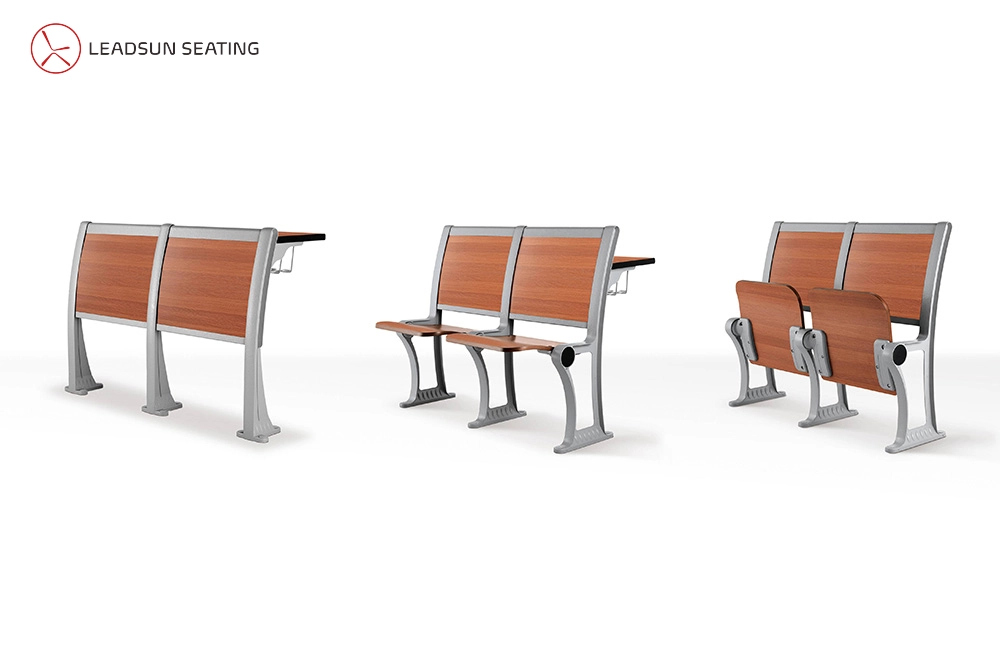
LS-908 Series Fixed Public Auditorium Chair or Tiered Classroom Solutions by Leadsun Seating
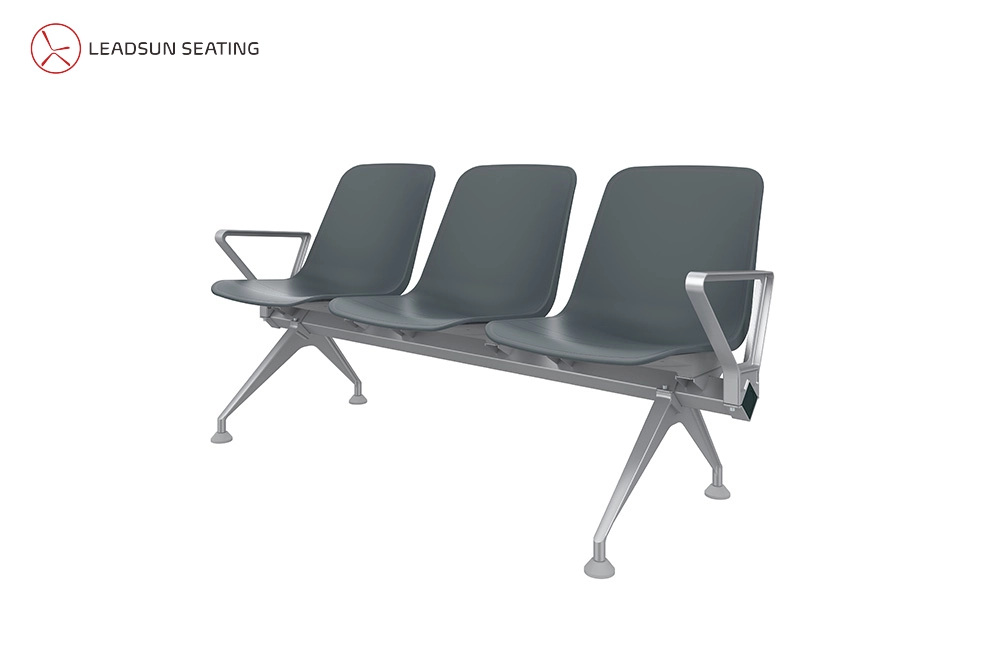
LS-550 Comfortable and Durable Waiting Chair | Customizable Waiting Chair Supplier Leadsun Seating
The LS-550 waiting chair from Leadsun offers superior comfort and durability for any public place. Customize your seating with Leadsun, a leading customizable waiting chair supplier. Ideal for high-traffic areas, the LS-550 ensures lasting performance and style.
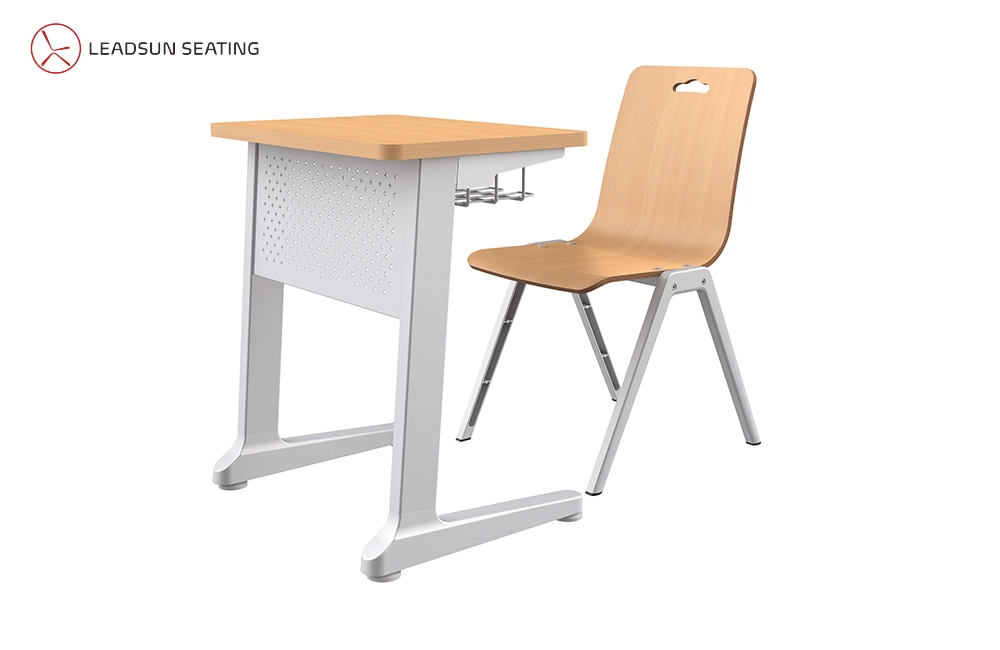
LS-9301 Single movable classroom chair |The Ultimate Flexible Solution for Modern Classrooms by Leadsun Seating
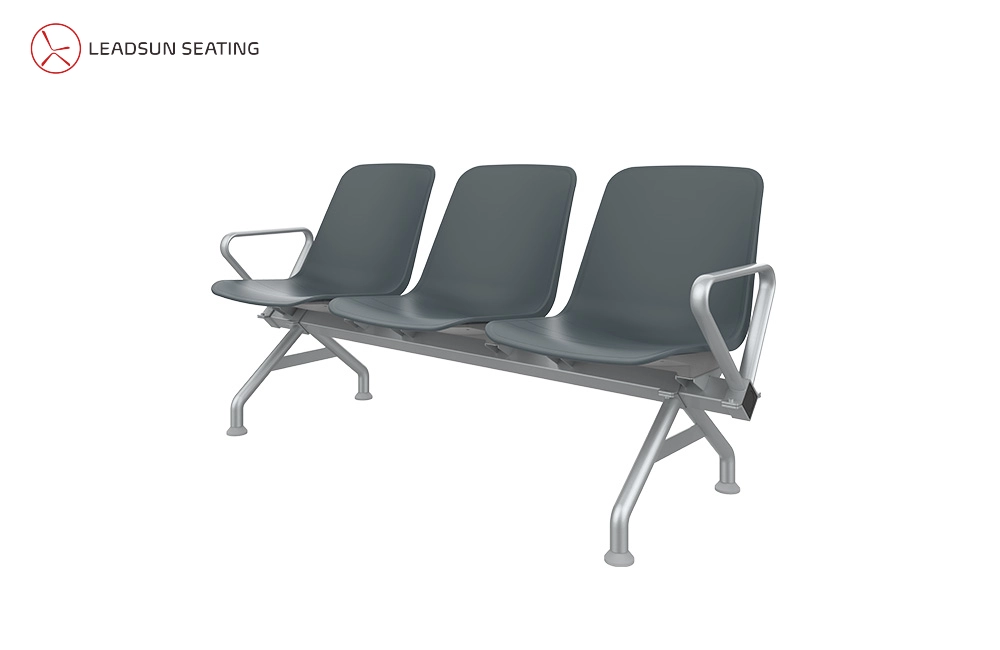
LS-551 Ergonomic Modular Waiting Chairs | Commercial Seating Solutions by Leadsun Seating

Leadsun Seating is also engaged in the design, development, production, and marketing of lightweight public seats in public places, with an annual output of desks and chairs.
 Scan QR Code