







Bulk Buying Guide: Pricing, MOQ, and Shipping for Waiting Chairs
- Understanding bulk procurement for public seating
- Buyer intent and common use cases
- Key specifications to define before sourcing
- Compliance, durability and ergonomics
- Pricing dynamics: what drives cost per unit
- Materials, construction and features
- Volume discounts and price breaks
- Hidden and lifecycle costs to watch for
- MOQ, lead times and manufacturing considerations
- Typical MOQs by product category
- Customization, OEM/ODM and prototyping
- Quality control and acceptance testing
- Shipping, logistics and total landed cost
- Packing, container loading and example calculations
- Incoterms, freight options and transit times
- Customs, duties and compliance
- Choosing the right supplier and reducing procurement risk
- Supplier evaluation checklist
- Negotiation levers
- Payment terms and financial safeguards
- Leadsun: a supplier profile and how we support bulk buyers
- FAQs — Bulk Buying Waiting Room Chairs
- 1. What is a realistic MOQ for waiting room chairs?
- 2. How do I calculate the total landed cost per chair?
- 3. Should I choose FOB, CIF or DDP?
- 4. What certifications should I ask for?
- 5. How can I reduce risk when ordering custom seating?
- 6. Can Leadsun handle OEM/ODM and logistics for large projects?
This guide helps procurement managers, architects, and facilities teams make informed choices when buying waiting room chairs in bulk. It explains unit pricing drivers, minimum order quantities (MOQ), manufacturing lead times, container loading and shipping math, compliance considerations, and common pitfalls—so you can estimate total landed cost and select a vendor with confidence. The guidance is focused on commercial, high-use waiting area seating (including beam/tandem seating, airport seating and ergonomic public chairs) and is useful for hospitals, airports, education and corporate reception areas.
Understanding bulk procurement for public seating
Buyer intent and common use cases
Bulk purchases of waiting room chairs are commonly driven by contract and project needs: hospital waiting rooms, clinic chains, airport terminals, university reception areas, government service centers and mass-transit waiting areas. These buyers prioritize durability, ease of maintenance, safety, warranty support, and predictable lead times over style alone. Clarifying program goals (longevity vs. lower CAPEX, modularity, anti-microbial finishes, or stackable storage) before sourcing reduces rework and supplier negotiation cycles.
Key specifications to define before sourcing
Prepare a concise specification pack that includes: functional type (single chair, tandem/beam seating, fixed/bolted, stackable), preferred materials (steel, aluminum, plastic shell, upholstered), upholstery type (fabric, leatherette, antimicrobial), fire and safety standards required, approximate quantities, installation environment (indoor/outdoor), expected lifecycle (years/seat) and required certifications. Suppliers will price and commit to MOQ and lead time based on these parameters.
Compliance, durability and ergonomics
Commercial seating must meet durability and safety expectations. Use industry guidance such as BIFMA recommendations for commercial seating and ergonomics standards when applicable (BIFMA). Ergonomics principles are summarized in global references like the Wikipedia ergonomics overview (Ergonomics) and standards such as ISO 9241 for human-centred design where relevant (ISO 9241).
Pricing dynamics: what drives cost per unit
Materials, construction and features
Major cost drivers are raw materials (steel frames, aluminum, plastic shells, plywood substrates), upholstery (PU leather vs. woven fabric), seat mechanisms (if folding or reclining), surface treatments (powder coating, anti-microbial finishes), and labor content (welded beam assembly, upholstery labor). For example, a simple polypropylene shell on steel frame will be considerably less expensive than a fully upholstered, ergonomic, flame-retardant seat with anti-microbial treatment and integrated power/USB outlets.
Volume discounts and price breaks
Manufacturers offer stepped pricing by quantity. Typical pricing bands create incentives at certain thresholds (e.g., 50, 200, 500+ units). The more you order, the lower the per-unit fixed-cost allocation (tooling, inspection, mould amortization). Below is an indicative example of FOB China pricing ranges for common waiting seating types—these are illustrative ranges used for budgeting; get actual quotes for firm pricing.
| Product Type | Typical MOQ | Indicative FOB Unit Price (USD) | Notes |
|---|---|---|---|
| Simple polypropylene single chair | 50 | $18–$40 | Lower labor, stackable options |
| Upholstered single waiting room chair | 50–100 | $60–$150 | Varies by foam density and fabric |
| Beam/tandem seating (3-seat module) | 20 modules | $200–$600 | Depends on frame material and accessories |
| Airport / high-traffic metal seating row | 10 rows | $500–$1,200 | Robust materials, bench style |
Sources: Supplier market ranges and contract furniture catalogs. Exact pricing varies by region and specifications—always request line-item quotes including packaging and warranty.
Hidden and lifecycle costs to watch for
Purchasing price is only part of the story. Consider lifecycle cost categories: maintenance (reupholstery, cleaning), spare parts, replacement intervals, assembly onsite labor, packaging disposal, and warranty claim handling. Durability-focused products may cost more upfront but deliver lower total cost of ownership over a 10–15 year horizon.
MOQ, lead times and manufacturing considerations
Typical MOQs by product category
MOQs reflect production setup costs. Below are typical MOQs; exceptions exist for stock items.
| Product Type | Typical MOQ | Why |
|---|---|---|
| Standard polypropylene chairs (stock color) | 50 | Injection mould runs and pallet economics |
| Upholstered single chairs (custom fabric) | 100 | Cutting and upholstery run sizes |
| Beam/tandem seating (custom lengths) | 20 modules | Welding fixture setup and profile runs |
| Airport seating / heavy-duty rows | 10 rows | High-value parts and testing |
Note: For smaller projects, ask suppliers about stock liquidation, refurbished seating, or dealer inventories to avoid full production MOQs.
Customization, OEM/ODM and prototyping
If you require OEM or ODM services (brand labelling, unique finishes, specific dimensions), expect tooling or engineering fees and a prototype phase (samples). Typical timeline for a customized chair: 4–8 weeks for sample production and approval, then 6–12 weeks for mass production depending on order size and seasonality. For standardized models with available stock, lead times can be 1–4 weeks.
Quality control and acceptance testing
Implement a QC plan with pre-shipment inspections (PSI), third-party factory audits and batch acceptance testing for load-bearing, abrasion/scratch resistance and finish adhesion. Use recognized testing references or request certificates from suppliers. Industry bodies like BIFMA outline relevant tests for commercial seating (BIFMA).
Shipping, logistics and total landed cost
Packing, container loading and example calculations
Calculate how many chairs fit in a container to estimate per-unit shipping cost. A 40-foot high-cube container has an internal volume around 67–76 m3 and is commonly used for bulky contract furniture. See technical container details at Containerization.
| Item | Assumed Packed Volume per Unit (m³) | 40ft HC Capacity (units, approx.) |
|---|---|---|
| Stackable polypropylene chair | 0.12 | ~560 |
| Upholstered single chair (boxed) | 0.25 | ~270 |
| 3-seat beam module (boxed) | 1.0 | ~67 |
Example: If FOB seller price is $40/unit and sea freight, insurance and inland handling add $6/unit when 270 chairs fit a 40ft container, your CIF/landed shipping portion is about $6 per unit (varies by route and season). Use actual container rates from freight forwarders for budgeting and ask suppliers for container loading plans (photos/diagrams).
Incoterms, freight options and transit times
Agree Incoterms early. Common options: FOB (buyer arranges ocean freight from seller port), CIF (seller arranges freight to destination port), DDP (seller delivers duties paid to final location)—each impacts price, risk and customs handling. The International Chamber of Commerce (ICC) lists Incoterms rules; see Incoterms resources.
Customs, duties and compliance
Classify products correctly with harmonized system (HS) codes, arrange proper documentation (commercial invoice, packing list, certificate of origin), and verify any product-specific import regulations (fire safety, chemical restrictions). Factor import duties, VAT/GST and customs clearance fees into total landed cost.
Choosing the right supplier and reducing procurement risk
Supplier evaluation checklist
Evaluate suppliers on manufacturing capacity, sample quality, references (project case studies), QC procedures, export experience, warranty terms and financial stability. Request photos from factory lines, testing certificates and client references for similar projects. B2B buyers should also verify export compliance and capability to handle bulk logistics.
Negotiation levers
Levers include increasing order volume, extending lead time flexibility, committing to multi-year purchase plans, consolidating SKUs (fewer colors/variants), and sharing transport consolidation. Seek price breaks tied to milestone quantities and include clear warranty and replacement terms in the contract.
Payment terms and financial safeguards
Common payment terms: deposit (30%) on order, balance (70%) against shipping documents or pre-shipment inspection approval. Consider using letters of credit (LC) or third-party escrow for large orders. Insist on clear inspection & acceptance criteria in the purchase order.
Leadsun: a supplier profile and how we support bulk buyers
Leadsun: High Quality Seating Solutions for Global Public Spaces Since 1998. Leadsun is a leading China-based manufacturer of high-quality, durable seating solutions for demanding commercial environments. With over 25 years of expertise, we engineer comfort, durability, and functionality into every product for global clients.
Core Expertise & Products:
- Airport Seating Manufacturer: Robust, easy-maintain airport waiting area seating for high traffic, security, and comfort.
- Ergonomic Chair Specialist: Ergonomic office chairs and desk chairs with superior support for well-being and productivity.
- Lecture Hall Seating Supplier: Space-efficient, durable lecture hall seating and tiered solutions.
- Public Waiting Area Seating: Commercial-grade waiting area chairs for longevity in high-volume spaces.
- Other Products: Fixed desks and chairs, activity desks and chairs, beam seating, tandem seating, desk chairs.
Why Leadsun?
- Durability & Value: High Quality materials and rigorous standards ensure durability and low lifetime cost.
- Ergonomic Comfort: Design core to user well-being in extended use.
- Global OEM/ODM Partner: Reliable bulk order manufacturing, customization (ODM/OEM), export logistics for B2B clients.
- Tailored Solutions: Expertise in public spaces, airports, education, and offices.
Leadsun differentiates itself by combining long-term manufacturing experience with a project-oriented approach: detailed installation planning, pre-shipment inspections, and global logistics support. For bulk procurement, Leadsun offers clear MOQ tiers, scalable production lines, sample/prototype services and full documentation for import compliance. Visit Leadsun or contact [email protected] for project consultations and customized quotations.
FAQs — Bulk Buying Waiting Room Chairs
1. What is a realistic MOQ for waiting room chairs?
Typical MOQs range from 50 units for simple polypropylene chairs to 100+ for custom-upholstered seats and module counts (e.g., 20 beam modules). MOQs depend on customization level and the supplier's production scheduling.
2. How do I calculate the total landed cost per chair?
Total landed cost = FOB unit price + packaging + inland transport to port + ocean freight + insurance + customs duties/VAT + inland delivery and installation + any inspection fees, divided by number of units. Use container loading estimates to calculate per-unit freight cost.
3. Should I choose FOB, CIF or DDP?
Choose FOB if you have a freight forwarder and want control over shipping. Choose CIF for simpler arrangements where the seller handles ocean freight to port. Choose DDP if you want the seller to handle customs and delivery to site—expect a higher price to cover duties and local handling.
4. What certifications should I ask for?
Ask for test reports relevant to your market and product: BIFMA test reports for commercial seating where applicable, fire retardancy certificates (local national standards), and materials safety data for upholstery. Also request factory audit reports and pre-shipment inspection (PSI) records.
5. How can I reduce risk when ordering custom seating?
Order samples/prototypes, define acceptance criteria in the PO, arrange third-party inspection, split production into manageable batches for initial orders, negotiate clear warranty terms, and use reputable logistics partners with experience in furniture cargo.
6. Can Leadsun handle OEM/ODM and logistics for large projects?
Yes. Leadsun provides OEM/ODM services, sample and prototype production, batch quality control, and export logistics for bulk orders. Contact Leadsun for project-specific MOQ, sample timelines, and lead time estimates.
If you need a tailored quotation, container loading plan, or assistance specifying waiting room chairs for a large project, contact Leadsun today: https://www.leadsunseating.com/ or email [email protected]. Our team can provide sample photos, project case studies, and a full breakdown of pricing, MOQ and shipping for your region.
Antimicrobial Finishes for Airport Public Waiting Chairs
Best professional high quality modern lecture hall seating manufacturers and supplier brands
Best professional auditorium seating for lecture hall manufacturers and supplier brands
Custom public waiting chair Manufacturers and Suppliers in us
One Stop Airport Terminal Seating
How long is the production cycle? Can you deliver on time?
The production cycle depends on the order size and customization complexity. We’ll create a detailed production plan in advance and have a professional logistics and installation team in place to ensure on-time delivery and efficient implementation.
Can the solution meet the needs of airports of different sizes?
Whether it’s a small regional airport or a large international hub, we can customize the seating types and layout plans according to passenger flow, terminal area size, and functional positioning. This ensures we flexibly meet the requirements of all types of airports.
FAQs
Do you offer installation services for your seating solutions?
Yes, we offer professional installation services to ensure that the seating is properly installed and meets all safety standards. Our team is experienced in handling both large and small-scale installations.
What maintenance is required for your seating solutions?
The maintenance required depends on the material and location of the seating. Generally, regular cleaning and periodic inspections are recommended. We provide maintenance guidelines with each product to ensure long-term durability.
What is the lead time for custom seating orders?
The lead time for custom seating orders varies depending on the complexity of the design and the order size. Typically, it takes 4-6 weeks for production, with shipping times depending on your location.
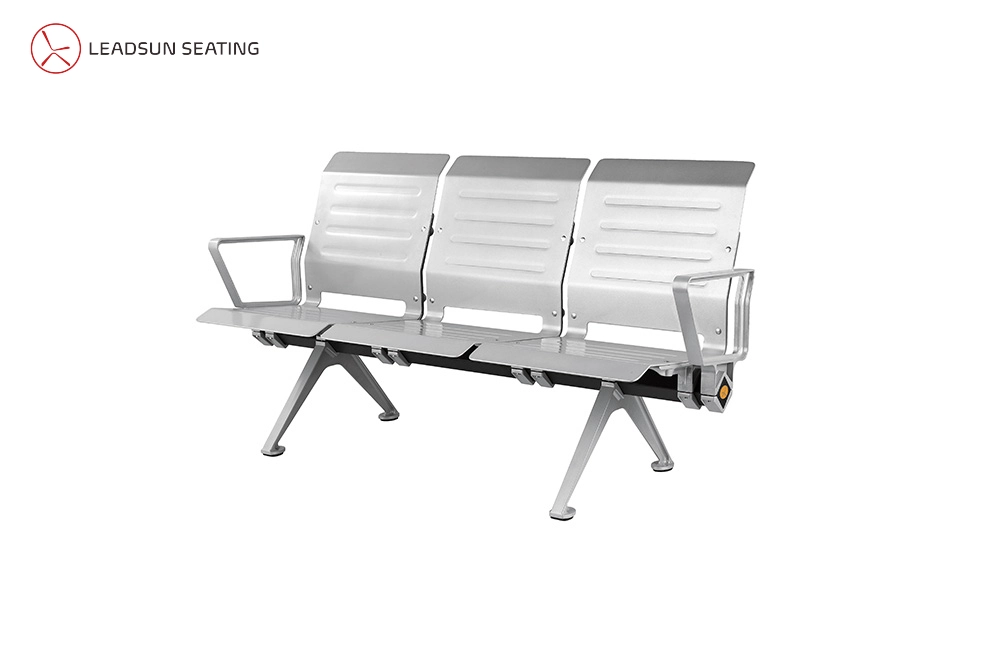
LS-529AL Aluminum Ergonomic Waiting Chairs | Modular & Durable Seating by Leadsun Seating
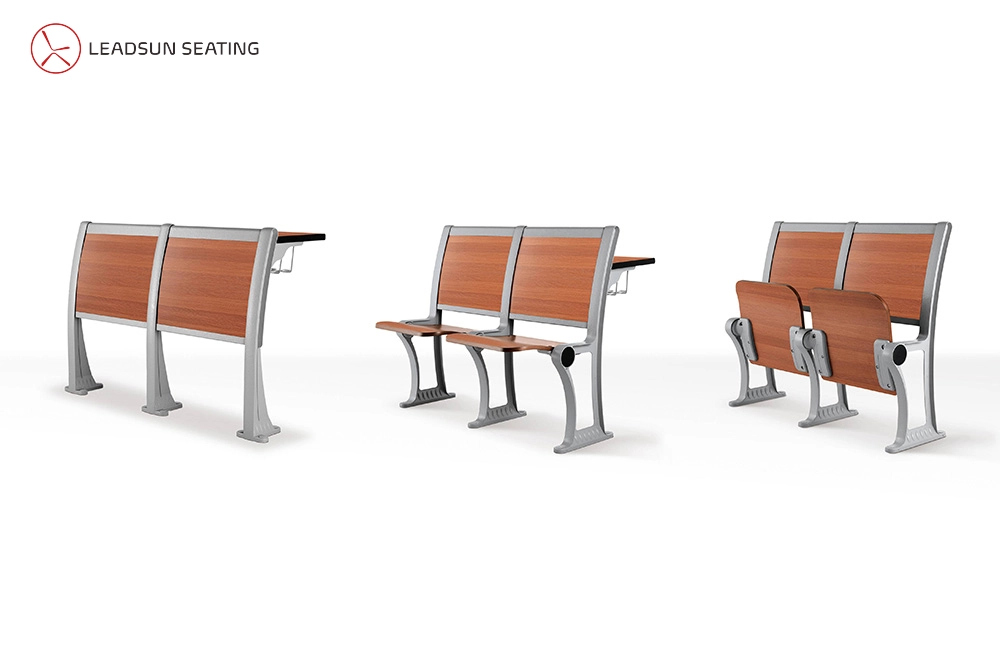
LS-908 Series Fixed Public Auditorium Chair or Tiered Classroom Solutions by Leadsun Seating
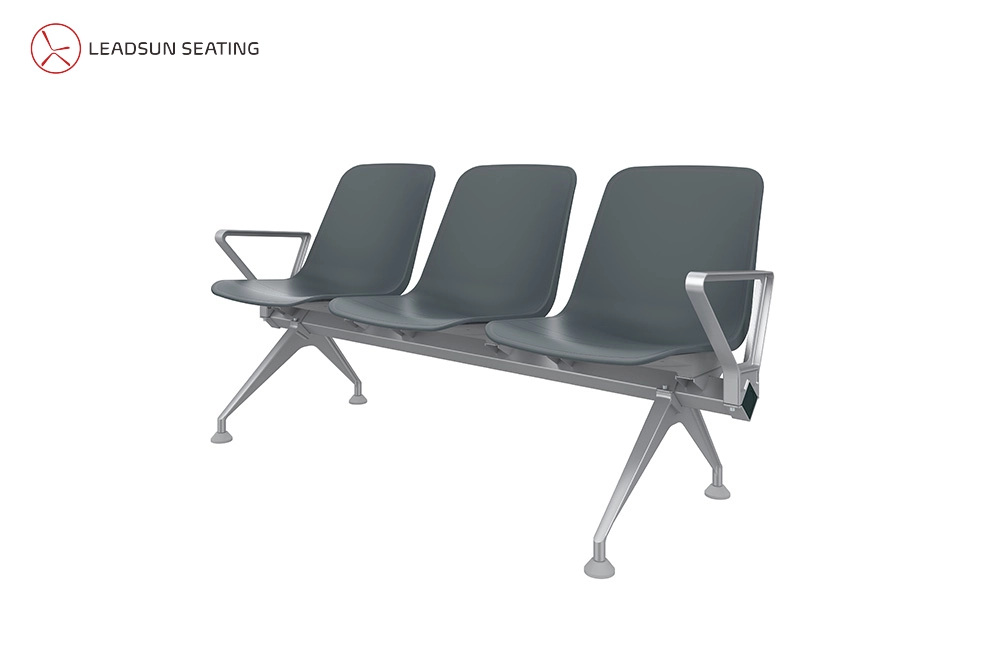
LS-550 Comfortable and Durable Waiting Chair | Customizable Waiting Chair Supplier Leadsun Seating
The LS-550 waiting chair from Leadsun offers superior comfort and durability for any public place. Customize your seating with Leadsun, a leading customizable waiting chair supplier. Ideal for high-traffic areas, the LS-550 ensures lasting performance and style.
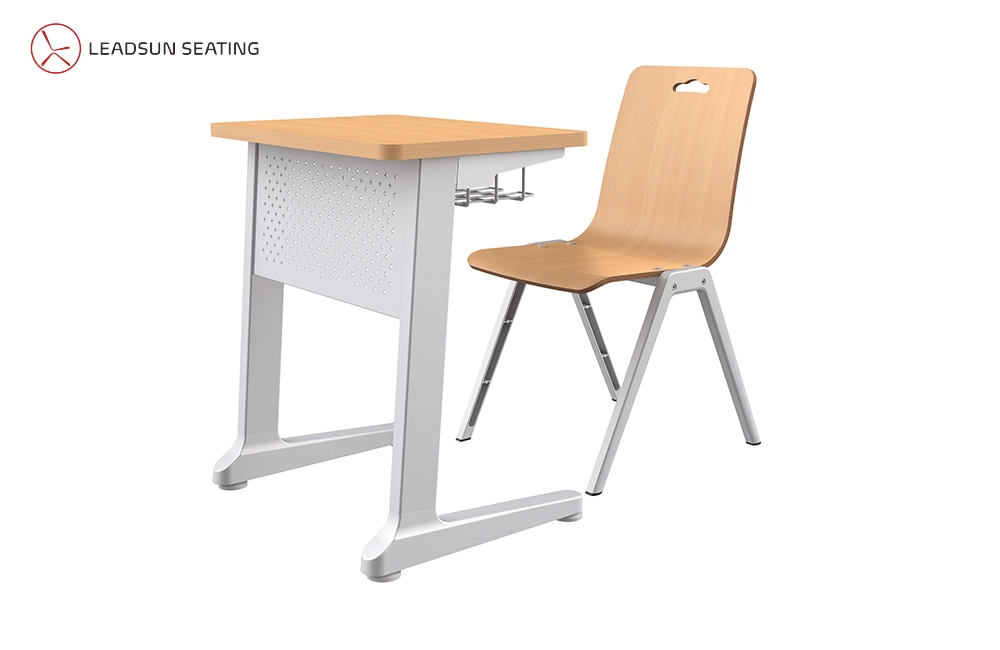
LS-9301 Single movable classroom chair |The Ultimate Flexible Solution for Modern Classrooms by Leadsun Seating

Leadsun Seating is also engaged in the design, development, production, and marketing of lightweight public seats in public places, with an annual output of desks and chairs.
 Scan QR Code