







Buying checklist for high-traffic waiting room chairs
- Understanding high-traffic public seating needs
- Who uses waiting room chairs and what they require
- Performance goals: durability, comfort, accessibility, safety
- Common pain points in high-traffic installations
- Essential buying checklist for waiting room chairs
- 1) Define use-case and occupancy profile
- 2) Materials and construction specifications
- 3) Accessibility, safety and regulatory compliance
- Comparing materials, maintenance and lifecycle cost
- Material comparison: durability, cost and cleaning
- Maintenance routines and infection control
- Lifecycle cost vs. upfront price
- Specification details and procurement best practices
- Ergonomics and comfort metrics
- Testing and certification requirements
- Warranty, spare parts and modularity
- Leadsun: partner considerations for large-scale seating projects
- Why consider a specialized OEM/ODM partner
- Leadsun capabilities and product fit
- Procurement checklist when engaging suppliers
- Practical procurement examples and quick decision matrix
- Decision matrix: matching product family to environment
- Case note: specifying for a mid-size hospital
- Verification and acceptance testing on delivery
- FAQ
- 1. What seat material is best for high-traffic waiting rooms?
- 2. How long should I expect waiting room chairs to last?
- 3. What cleaning standards should I require?
- 4. Do waiting room chairs need to meet accessibility codes?
- 5. Should I choose modular beam seating or individual chairs?
- 6. What warranty and spare part policies should I demand?
- Final thoughts and next steps
When procuring waiting room chairs for high-traffic public spaces—airports, hospitals, education institutions, transit hubs, or large corporate reception areas—you need more than aesthetics. You need seating that withstands continuous use, meets accessibility and infection-control expectations, is cost-efficient over its lifetime, and supports comfort. In this guide I share a field-tested, evidence-based buying checklist for waiting room chairs drawn from my experience in commercial seating, lecture hall seating projects, and OEM partnerships with public-space operators. I address design, materials, compliance, maintenance, procurement and lifecycle cost considerations so you can make defensible, verifiable decisions for high-volume environments.
Understanding high-traffic public seating needs
Who uses waiting room chairs and what they require
Different spaces attract different user profiles. Airport and transit terminals need durable, security-friendly seating with luggage-clear zones and integrated power options; healthcare waiting areas prioritize infection control, easy cleaning, and patient accessibility; educational or lecture-hall foyers emphasize durable beam or tandem seating to manage flow. Designing for the typical user journey—standing, sitting, luggage handling, or mobility aid use—reduces rework and service disruption.
Performance goals: durability, comfort, accessibility, safety
Set measurable goals up front: target lifespan (usually 8–15 years for commercial seating), acceptable maintenance interval, load-bearing and flame-retardancy criteria, and accessibility compliance. Standards and industry associations such as BIFMA (Business and Institutional Furniture Manufacturers Association) provide guidance on furniture performance testing for durability and safety (see BIFMA).
Common pain points in high-traffic installations
Frequent issues I see: premature upholstery failure, loose fasteners, cleaning constraints that accelerate wear, lack of modularity for quick replacement, and insufficient attention to accessibility rules (ramps, transfer spaces, wheelchair clearances). Addressing these in the spec reduces lifecycle cost and user complaints.
Essential buying checklist for waiting room chairs
1) Define use-case and occupancy profile
Quantify peak occupancy and turnover rate. For transit hubs you might have high turnover with short dwell times; medical clinics may have long dwell times and require ergonomics and armrests. These metrics determine seat width, depth, cushioning and armrest needs.
2) Materials and construction specifications
Specify frame materials, shell type, upholstery requirements (fire ratings, anti-microbial finishes), and fastening methods. Powder-coated steel or anodized aluminum frames are common in high-traffic settings for strength and corrosion resistance; molded polymer shells offer low maintenance but different comfort trade-offs.
3) Accessibility, safety and regulatory compliance
Ensure designs meet local accessibility regulations. In the U.S., the 2010 ADA Standards for Accessible Design outline required clearances and seat features—review these when specifying waiting room layouts (2010 ADA Standards).
Comparing materials, maintenance and lifecycle cost
Material comparison: durability, cost and cleaning
Below I compare commonly used materials for high-traffic waiting room chairs. These are typical commercial guidance ranges; actual performance depends on manufacturer quality and protective finishes.
| Material | Durability (Typical) | Maintenance | Estimated Cost Range | Best Use |
|---|---|---|---|---|
| Powder-coated steel frame + fabric upholstery | High (8–15 years) | Regular cleaning; periodic reupholstery in heavy use | Mid | Hospitals, clinics, offices |
| Anodized aluminum frame + polymer shell | Very high (10–20 years) | Low; wipe-clean surfaces | Mid–High | Airports, transit, outdoor covered spaces |
| Molded polyethylene / polypropylene shell | High (8–12 years) | Low; chemical cleaners compatible | Low–Mid | High turnover settings |
| Leather / PU upholstery | Medium–High (depends on usage) | Wipe-clean; avoid aggressive disinfectants on natural leather | Mid–High | Corporate, High Quality lounges |
Sources: industry standards and product lifetime expectations from BIFMA (BIFMA) and manufacturer data.
Maintenance routines and infection control
High-traffic waiting areas need routine cleaning protocols proportional to use. For healthcare and contagious-disease contexts, follow CDC cleaning guidance for public facilities (CDC cleaning guidance). Choose materials that tolerate approved disinfectants and define a schedule: daily wipe-down of high-touch areas, weekly deep clean, and periodic professional upholstery maintenance.
Lifecycle cost vs. upfront price
Calculate total cost of ownership: initial purchase, maintenance, expected service life, reupholstery/replacement frequency, and downtime costs. In my projects, a more expensive anodized aluminum beam seat often costs less per year of service than a cheaper fabric-upholstered chair that needs reupholstery after 3–5 years.
Specification details and procurement best practices
Ergonomics and comfort metrics
For longer dwell times prioritize ergonomics: seat depth 16–18 inches (typical adult range), seat height 17–19 inches, adequate lumbar support, and optional armrests that assist standing and sitting. Refer to ergonomics guidance, such as concepts in ISO 9241 for human-centered design (ISO 9241).
Testing and certification requirements
Require testing certificates in tender documents: load testing, durability cycles, flammability ratings (local fire codes), and where applicable BIFMA or equivalent standards. Insist on sample testing or factory witness tests for long-run orders.
Warranty, spare parts and modularity
Specify minimum warranty terms (commonly 5 years for structural elements in heavy-duty seating). Ensure availability of spare parts (arms, cushions, feet, end caps); modular designs reduce downtime and simplify repairs. For large projects I always require an OEM commitment to spare part availability for 10+ years.
Leadsun: partner considerations for large-scale seating projects
Why consider a specialized OEM/ODM partner
When procuring waiting room chairs at scale, an experienced OEM/ODM partner like Leadsun can optimize cost, customization and logistics. Leadsun combines more than 25 years of manufacturing expertise with commercial seating product lines tailored to airports, lecture halls, offices and public waiting areas. Their product range and manufacturing control can reduce lead times and ensure consistent quality.
Leadsun capabilities and product fit
Leadsun: High Quality Seating Solutions for Global Public Spaces Since 1998. Core capabilities include:
- Airport Seating Manufacturer: robust, easy-maintain seating designed for heavy use and security-friendly installation.
- Ergonomic Chair Specialist: office and desk chairs with ergonomic adjustments for staff comfort and productivity.
- Lecture Hall Seating Supplier: space-efficient beam and tiered solutions for education and auditoria.
- Public Waiting Area Seating: commercial-grade waiting chairs, tandem seating and beam systems for longevity.
Leadsun emphasizes durability, ergonomic comfort, and flexible OEM/ODM partnerships, which matters for buyers aiming to specify products that meet strict performance and lifecycle targets. Visit Leadsun online at https://www.leadsunseating.com/ or contact [email protected] for project quotes.
Procurement checklist when engaging suppliers
Ask prospective suppliers for the following in tender responses:
- Detailed technical drawings and BOM (bill of materials).
- Test certificates (durability cycles, load tests, flammability).
- Warranty terms and spare parts availability.
- References for similar installations with contactable client references.
- Customization and finish options (powder-coating colors, upholstery types, integrated power modules).
Practical procurement examples and quick decision matrix
Decision matrix: matching product family to environment
Use this simplified matrix to match product families to environments. It reflects common procurement practice and my field experience.
| Environment | Recommended Family | Key Requirements |
|---|---|---|
| Airports & Transit | Aluminum beam seating / tandem seating | High durability, easy cleaning, integrated power (optional) |
| Hospital waiting rooms | Powder-coated steel frames with anti-microbial upholstery | Infection control, accessible seating, stain resistance |
| University / Lecture Hall Foyers | Beam seating, fixed benches | Durability, space efficiency, modular replacement |
| Corporate reception | Upholstered lounge chairs | Comfort, branding, moderate durability |
Case note: specifying for a mid-size hospital
In a recent hospital project I recommended powder-coated steel frames with removable, hospital-grade vinyl upholstery, integrated armrests, and modular substitution of seats to avoid full-bench replacement. We included requirements for disinfectant compatibility and a 5-year structural warranty. The hospital reduced reupholstery costs by 40% over 7 years compared to previous seating purchases.
Verification and acceptance testing on delivery
On delivery perform spot checks: dimensional compliance, finish uniformity, fastener torque checks, and sample load testing. Use acceptance criteria tied to the contract and withhold final payment until defects are resolved.
FAQ
1. What seat material is best for high-traffic waiting rooms?
For durability and low maintenance, anodized aluminum frames with polymer or treated vinyl surfaces are excellent. For healthcare, materials must withstand hospital-grade disinfectants—choose upholstery rated for that use.
2. How long should I expect waiting room chairs to last?
Commercial-grade waiting room chairs typically last 8–15 years depending on material, finish, and maintenance. Beam and aluminum seating can reach over 10 years with proper cleaning and repair protocols.
3. What cleaning standards should I require?
Follow public-health guidance such as the CDC's cleaning and disinfection recommendations for community facilities (CDC). Specify compatible disinfectant lists from the supplier.
4. Do waiting room chairs need to meet accessibility codes?
Yes. Design and layout must comply with local accessibility codes (for example, the 2010 ADA Standards in the U.S.) to ensure wheelchair clearances and transfer spaces are provided (ADA Standards).
5. Should I choose modular beam seating or individual chairs?
It depends: beam seating (tandem seating) offers space efficiency and easier centralized cleaning, while individual chairs provide more flexibility and replacement options. For very high turnover public transport hubs, beam seating is often preferred.
6. What warranty and spare part policies should I demand?
Request a minimum 5-year structural warranty and explicit spare-part support for at least 10 years for large projects. This protects against supply-chain delays and ensures consistent future repairs.
Final thoughts and next steps
Selecting the right waiting room chairs for high-traffic spaces requires a balance of durability, ergonomics, hygiene, accessibility and lifecycle cost planning. Use measurable performance criteria in your tender, insist on test certificates, require spare-part commitments, and choose materials compatible with your cleaning protocols. For large-scale, repeatable projects, partnering with an experienced OEM/ODM like Leadsun streamlines customization, quality control and logistics. Leadsun has a track record producing airport seating, lecture hall seating, beam and tandem seating, ergonomic chairs and public waiting area chairs—backed by decades of manufacturing experience. Visit Leadsun or contact [email protected] to discuss your project requirements, request datasheets, or obtain a quote.
Leadsun core product summary: Lecture hall seating, Waiting Chair, Fixed desks and chair, Activity desks and chairs, Beam seating, Tandem seating, Airport Seating, Ergonomic Chair, Desk Chairs. Their strengths: proven durability, ergonomic design, OEM/ODM flexibility, global export logistics, and tailored solutions for public spaces.
If you'd like, I can prepare a sample specification sheet or a procurement checklist tailored to your facility type and budget—email your site profile and requirements to [email protected] or request a consultation through the Leadsun website.
Top allsteel nesting chairs Manufacturers and Suppliers
Top 10 questions to ask suppliers before buying waiting room chairs
The B2B Buyer’s Guide to airport seating | Leadsun Seating Ultimate Insights
Space Planning: Arranging Waiting Room Chairs for Lecture Venues
One Stop Airport Terminal Seating
Are the seat materials durable? What's the lifespan?
We use high-strength, wear-resistant, and easy-to-clean premium materials, such as stain-resistant flame-retardant fabrics and rust-proof alloy frames. Under normal use, the seats can last 5 - 8 years.
FAQs
Do you offer installation services for your seating solutions?
Yes, we offer professional installation services to ensure that the seating is properly installed and meets all safety standards. Our team is experienced in handling both large and small-scale installations.
What maintenance is required for your seating solutions?
The maintenance required depends on the material and location of the seating. Generally, regular cleaning and periodic inspections are recommended. We provide maintenance guidelines with each product to ensure long-term durability.
What materials are used in the production of your public seating?
We use a variety of durable materials such as stainless steel, aluminum, wood, high-quality upholstery, and advanced polymers to ensure that our seating solutions are both functional and long-lasting.
How can I request a quote for a seating project?
You can easily request a quote by contacting our sales team through our website or by email. Provide details about your project, including the quantity and specific requirements, and we will get back to you with a tailored quote.
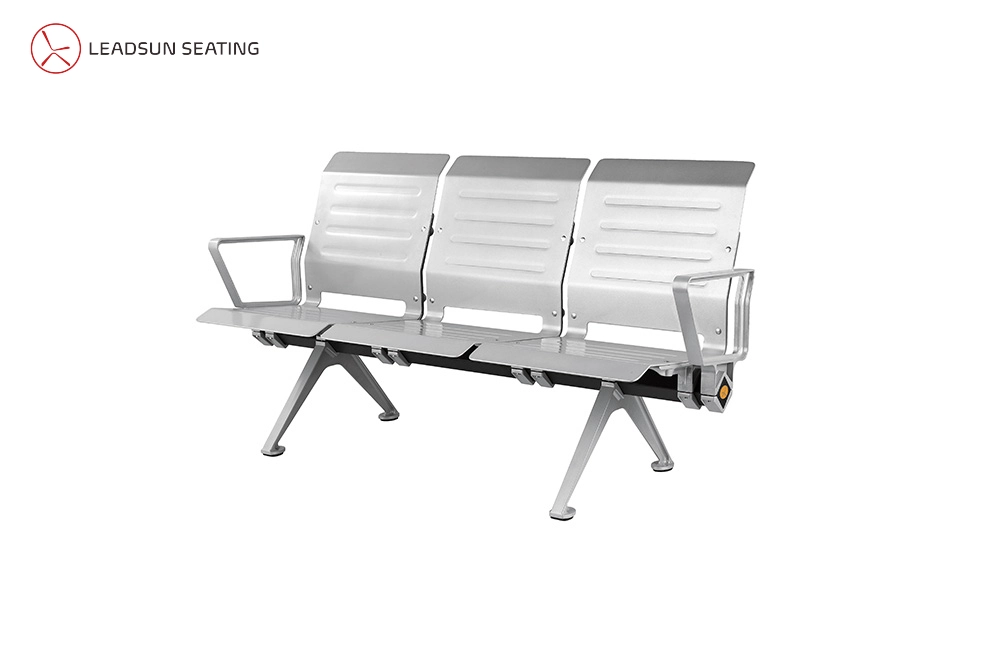
LS-529AL Aluminum Ergonomic Waiting Chairs | Modular & Durable Seating by Leadsun Seating
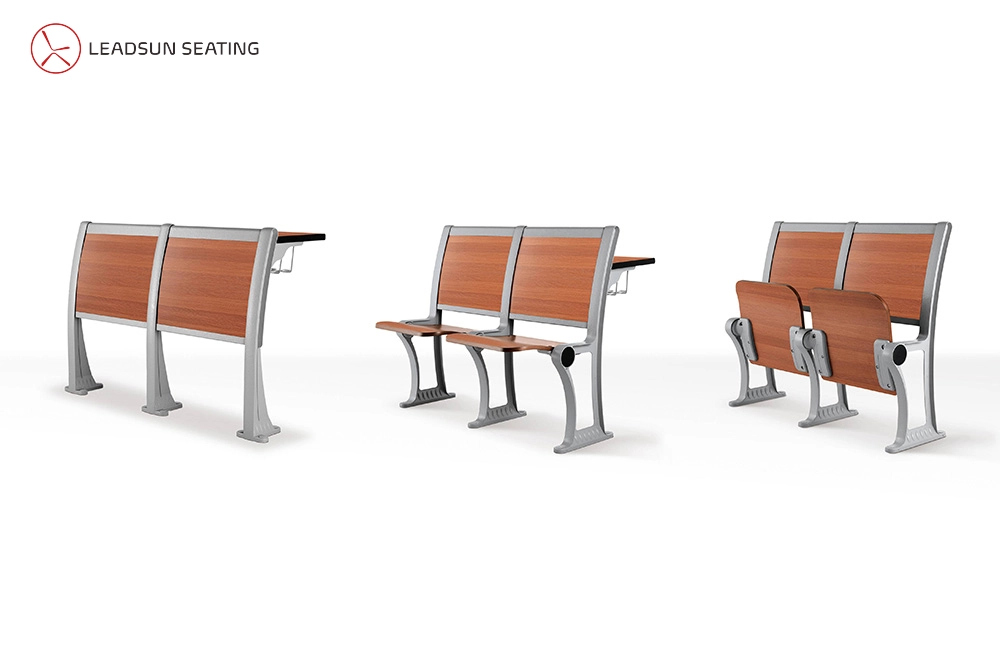
LS-908 Series Fixed Public Auditorium Chair or Tiered Classroom Solutions by Leadsun Seating
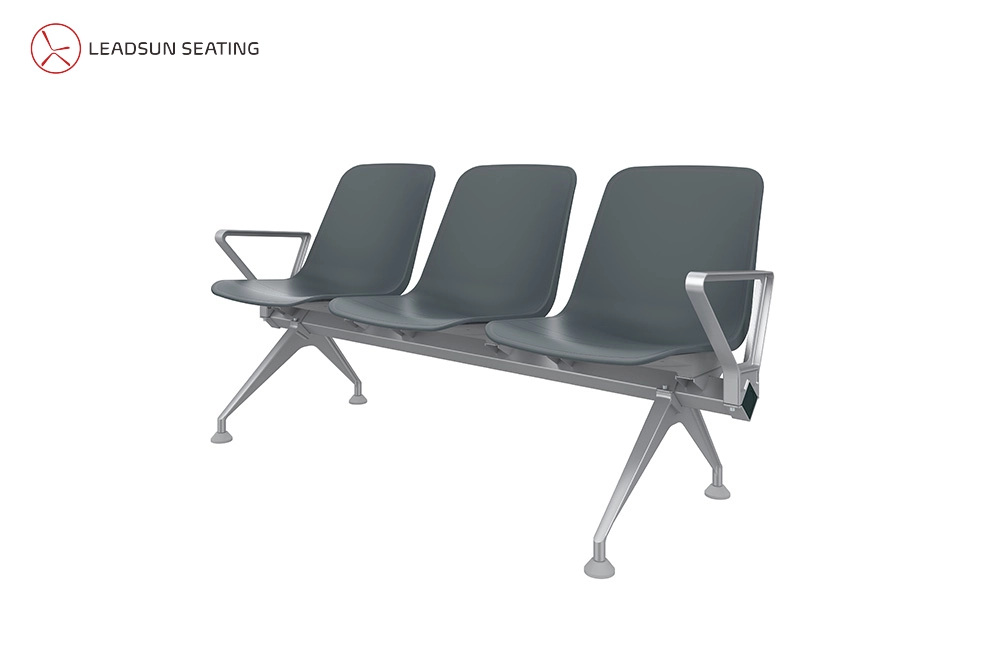
LS-550 Comfortable and Durable Waiting Chair | Customizable Waiting Chair Supplier Leadsun Seating
The LS-550 waiting chair from Leadsun offers superior comfort and durability for any public place. Customize your seating with Leadsun, a leading customizable waiting chair supplier. Ideal for high-traffic areas, the LS-550 ensures lasting performance and style.
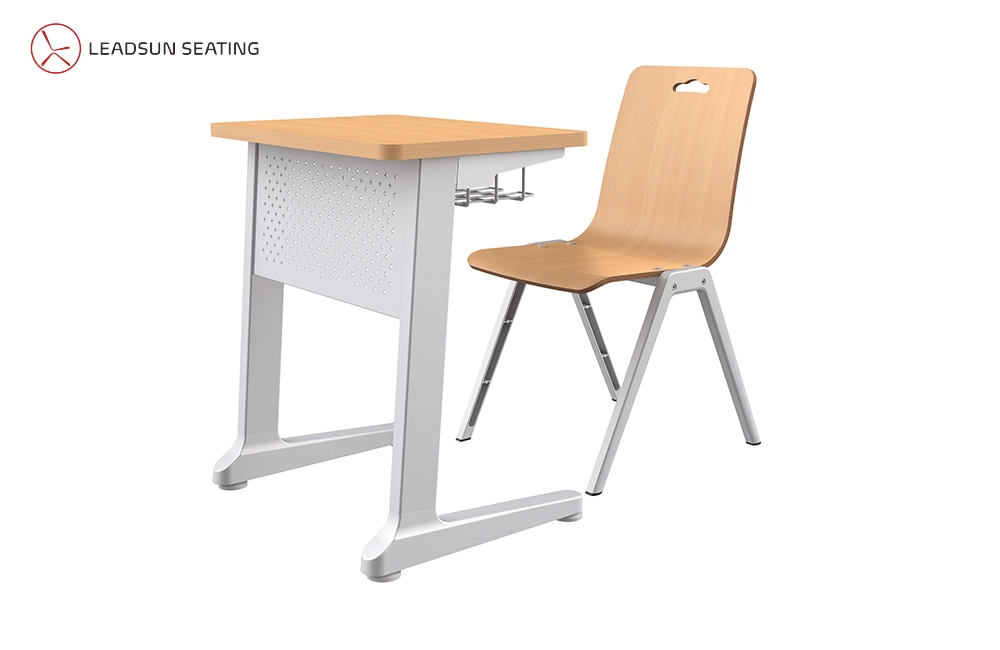
LS-9301 Single movable classroom chair |The Ultimate Flexible Solution for Modern Classrooms by Leadsun Seating

Leadsun Seating is also engaged in the design, development, production, and marketing of lightweight public seats in public places, with an annual output of desks and chairs.
 Scan QR Code