







Leadsun seating offers a wide range of seating solutions for public spaces, including benches, chairs, waiting area seating, auditorium seating, and customized solutions tailored to specific project needs.
Space Planning: Row Spacing for Cappuccino Beam Seating
This in-depth guide explains how to plan row spacing for cappuccino beam seating in lecture halls and public venues. It covers ergonomic and code-driven metrics, sightline and rake considerations, accessibility and egress, space-saving vs. comfort trade-offs, recommended dimensions with a quick-reference table, maintenance and lifecycle factors, and how Leadsun's seating solutions support effective implementation.
- Optimizing Lecture Hall Comfort and Capacity
- What is cappuccino beam seating and why row spacing matters
- Human factors and standards that inform row spacing for cappuccino beam seating
- Ergonomics and anthropometrics
- Regulatory and code influences
- Recommended row spacing ranges for cappuccino beam seating (practical guidance)
- Quick-reference table: recommended dimensions
- Sightlines, rake and the C-value — ensuring unobstructed view
- How seat spacing interacts with vertical risers
- Accessibility, egress and aisle planning for beam-seated rooms
- Practical aisle spacing and wheelchair provisions
- Fixed desks, writing tablets, and their impact on row spacing
- Integrating furniture features with cappuccino beam seating
- Space planning trade-offs: capacity vs. comfort vs. lifecycle cost
- How to choose the right spacing strategy
- Comparison of common beam seating specifications
- Maintenance, cleaning and lifecycle planning for public beam seating
- Design for durability and lower lifetime cost
- Why choose Leadsun for cappuccino beam seating projects
- Leadsun: High Quality Seating Solutions for Global Public Spaces Since 1998
- Implementation checklist for specifying row spacing with cappuccino beam seating
- Step-by-step practical checklist
- Frequently Asked Questions (FAQ)
- 1. What is the ideal row spacing for cappuccino beam seating in a university lecture hall?
- 2. How does adding fold-up writing tablets affect required spacing?
- 3. Are there minimum aisle widths for beam seating installations?
- 4. How should I accommodate wheelchair users in a beam-seated lecture hall?
- 5. How do sightlines influence row spacing decisions?
- 6. Can tighter spacing save money?
- 7. Does Leadsun provide design support for spacing and sightline studies?
- Contact and next steps
- References
Optimizing Lecture Hall Comfort and Capacity
What is cappuccino beam seating and why row spacing matters
Cappuccino beam seating refers to fixed, tandem seating mounted on continuous support beams, often finished in warm tones (hence the popular name) and used in lecture halls, auditoria, and waiting areas. Because beam seating is fixed and often specified in rows, row spacing (the fore-aft distance between a seat and the row behind it) becomes the primary determinant of comfort, accessibility, sightlines, and room capacity. Proper spacing balances occupant legroom and circulation with venue throughput and revenue-generating capacity.
Human factors and standards that inform row spacing for cappuccino beam seating
Ergonomics and anthropometrics
Design must be grounded in human dimensions and typical behaviors. Key variables include seat depth, seated elbow and knee positions, popliteal height, and the length of the lower leg. Classic anthropometric references (e.g., Panero & Zelnik) and contemporary seating design practice drive these recommendations. For practical design, consider three user-centered scenarios:
- Short-duration audience (≤ 1 hour): slightly tighter spacing acceptable.
- Standard lecture (1–2 hours): moderate spacing for comfort and note-taking.
- Long-duration or High Quality seating (> 2 hours): generous spacing to reduce fatigue.
Regulatory and code influences
Building, accessibility, and safety codes influence row spacing and aisle design. For example, the ADA 2010 Standards define accessible routes, maneuvering clearances, and wheelchair space requirements that affect layout (see References). Fire and egress codes (e.g., NFPA, IBC) govern aisle widths and means of egress capacity; these are enforced locally and must be checked against the authority having jurisdiction.
Recommended row spacing ranges for cappuccino beam seating (practical guidance)
Quick-reference table: recommended dimensions
| Use case | Seat depth (mm) | Minimum row spacing (mm) | Comfort row spacing (mm) | Notes |
|---|---|---|---|---|
| Compact lecture/auditorium | 420–450 | 700–760 | 760–840 | Maximizes capacity; suitable for short events |
| Standard lecture hall | 430–470 | 760–840 | 840–900 | Balanced comfort and capacity; recommended for most universities |
| Long-duration / executive / High Quality | 450–480 | 840–900 | 900–950+ | Recommended for extended sessions and higher-comfort classes |
| Accessible rows (wheelchair adjacent) | N/A | Comply with ADA: accessible route 915–1220 | Match adjacent rows | See ADA and local code for exact requirements |
Notes: dimensions are in millimeters (mm). 25 mm ≈ 1 in. These ranges reflect common manufacturer practice and ergonomic guidance; always verify against local codes and project-specific sightline requirements.
Sightlines, rake and the C-value — ensuring unobstructed view
How seat spacing interacts with vertical risers
Row spacing alone doesn't guarantee a good sightline. The vertical rise (riser height) between rows and the horizontal run (row spacing) together determine whether a seated viewer can see the lecturer or stage without obstruction. Theatre and auditorium planners commonly use the 'C-value' (the vertical distance between the spectator's eye and the sightline to the stage edge) as a design metric. For lecture halls, a C-value of approximately 60–120 mm is commonly targeted depending on expected viewer needs — higher values increase visibility but also require greater riser heights and potentially reduced accessibility.
Rule-of-thumb calculation: required riser height per row ≈ desired C-value × (horizontal spacing / eye-to-stage horizontal distance). Because room geometry varies widely, perform a simple sightline study (section view) during design phase to validate row spacing decisions.
Accessibility, egress and aisle planning for beam-seated rooms
Practical aisle spacing and wheelchair provisions
Accessibility mandates influence plan layout more than seat spacing ratios. Minimum accessible route widths (ADA) are a strong baseline: 36 inches (915 mm) is the minimum clear width for single wheelchair users on accessible routes, with 48 inches (1220 mm) preferred in high-traffic areas. Egress codes often require wider aisles for occupant loads above certain thresholds — for example, 44 inches (1120 mm) or more where required by local code.
Wheelchair spaces should be integrated into multiple locations (front, mid, rear, and near exits) to provide choice and sightlines. When beam seating includes fixed tables or desks, ensure that wheelchair clearances and companion seating comply with ADA and local regulations.
Fixed desks, writing tablets, and their impact on row spacing
Integrating furniture features with cappuccino beam seating
Adding fixed desks or large writing tablets increases the required fore-aft clearance. If desks are attached behind seats (desktop overhangs), allow additional clearance of 80–150 mm beyond the standard row spacing to prevent knee/desk interference. Fold-up tablets on the armrests can save space but must still accommodate users with longer thigh lengths — validate with mock-ups. Where fixed desks are used, re-evaluate aisle widths and egress capacity, as desk footprints may partially obstruct circulation paths.
Space planning trade-offs: capacity vs. comfort vs. lifecycle cost
How to choose the right spacing strategy
Decisions about row spacing depend on your program objectives:
- If capacity (seat count) is the dominant driver — e.g., revenue theaters — tighter row spacing may be acceptable, though long-term user satisfaction could suffer.
- For educational facilities with long lectures, moderate-to-generous spacing improves attention, note-taking, and retention.
- Consider lifecycle costs: higher comfort often reduces complaints and seat replacement frequency. Durable finishes and replaceable components can also extend useful life of beam seating installations.
Comparison of common beam seating specifications
| Spec | Typical value | Why it matters |
|---|---|---|
| Seat width | 450–520 mm (18–20.5 in) | Affects comfort and aisle capacity |
| Seat depth | 420–480 mm (16.5–19 in) | Impacts legroom and overall row spacing |
| Row spacing (min) | 700–760 mm (27.5–30 in) | Minimum egress/comfort for compact layouts |
| Row spacing (comfort) | 840–900 mm (33–35.5 in) | Better for longer sessions and tablets/desks |
| Aisle width | 915–1220 mm (36–48 in) | Accessibility and egress depend on occupant load |
Maintenance, cleaning and lifecycle planning for public beam seating
Design for durability and lower lifetime cost
Beam seating in public spaces faces high usage. Select materials and finishes that resist scuffs, stains, and UV exposure. Modular components (replaceable seat pads, shell covers, and armrests) reduce long-term service costs. Plan maintenance clearances: even if row spacing is tight, ensure access for vacuuming and cleaning tools around aisles and end-of-row seats.
Why choose Leadsun for cappuccino beam seating projects
Leadsun: High Quality Seating Solutions for Global Public Spaces Since 1998
Leadsun is a leading China-based manufacturer of high-quality, durable seating solutions for demanding commercial environments. With over 25 years of expertise, Leadsun engineers comfort, durability and functionality into every product for global clients. Their core expertise and product range directly support successful cappuccino beam seating implementations:
- Lecture Hall Seating Supplier: Space-efficient, durable lecture hall seating and tiered solutions designed for sightlines, ergonomic comfort and easy maintenance.
- Beam Seating & Tandem Seating: Modular beam systems engineered for high-traffic environments, available with fixed desks, fold-up tablets, and integrated power/AV options.
- Airport Seating Manufacturer & Public Waiting Area Seating: Experience in robust, low-maintenance public seating that translates into reliable lecture-hall products.
- Ergonomic Chair Specialist & Desk Chairs: Expertise in human factors ensures seat geometry balances compactness with comfort.
Why Leadsun?
- Durability & Value: High Quality materials and rigorous quality control reduce lifetime costs.
- Ergonomic Comfort: Design prioritizes well-being for longer sessions.
- Global OEM/ODM Partner: Customization options and export logistics for B2B projects.
- Tailored Solutions: Project consultation for sightlines, spacing and code compliance.
Leadsun's core product strengths relevant to cappuccino beam seating include Lecture hall seating, Waiting chairs, Fixed desks and chairs, Activity desks and chairs, Beam seating, Tandem seating, Airport seating, Ergonomic chairs and Desk chairs — each optimized for durability and efficient space planning.
Implementation checklist for specifying row spacing with cappuccino beam seating
Step-by-step practical checklist
- Define program: expected session length, occupant profile, revenue vs. comfort priorities.
- Set target seat geometry (width/depth) and choose beam seating model with required features (tablets, power, upholstery).
- Run sightline section (C-value) to establish required riser heights and validate row spacing.
- Verify aisle widths and wheelchair locations against ADA and local egress codes.
- Mock-up a sample row (full-scale) to test ergonomics and clearance with real users.
- Confirm maintenance access and choose modular components for easier future replacement.
- Engage manufacturer (e.g., Leadsun) for engineering drawings, tolerance checks, and installation plan.
Frequently Asked Questions (FAQ)
1. What is the ideal row spacing for cappuccino beam seating in a university lecture hall?
For most university lecture halls, a row spacing of 760–840 mm balances capacity and comfort. If long lectures or laptop use are frequent, aim for 840–900 mm.
2. How does adding fold-up writing tablets affect required spacing?
Fold-up tablets typically require an extra 80–150 mm of fore-aft clearance to avoid knee/desk interference. Test a mock-up to confirm clearance for taller users.
3. Are there minimum aisle widths for beam seating installations?
Minimum accessible route widths per ADA are 915 mm (36 in); preferred widths for heavy traffic are 1220 mm (48 in) or more. Egress codes may require wider aisles depending on occupant load — verify with the authority having jurisdiction.
4. How should I accommodate wheelchair users in a beam-seated lecture hall?
Provide wheelchair spaces at multiple locations (front, mid, rear and near exits) with companion seats adjacent. Ensure accessible routes to these spaces meet ADA guidelines and local code requirements.
5. How do sightlines influence row spacing decisions?
Good sightlines (often evaluated using the C-value) can allow slightly reduced row spacing if the seating rake and riser heights are properly designed. Always conduct sightline studies to ensure unobstructed views for the majority of users.
6. Can tighter spacing save money?
Tighter spacing can increase capacity and short-term revenue, but may reduce comfort, increase complaints, and raise long-term replacement rates. Consider lifecycle cost and user experience when specifying spacing.
7. Does Leadsun provide design support for spacing and sightline studies?
Yes. Leadsun offers project consultation, technical drawings, and customization (OEM/ODM) to ensure seating, row spacing, sightlines and accessibility are coordinated with architectural and MEP constraints.
Contact and next steps
If you are planning or renovating a lecture hall using cappuccino beam seating, begin with a clear program brief (session length, target seat count, accessibility goals) and request a layout consultation. Leadsun provides global project support, mock-ups, and engineering documentation to help you optimize row spacing for occupant comfort, code compliance, and long-term value. Contact Leadsun for product catalogs, CAD files, and a tailored quote.
References
- ADA Standards for Accessible Design, U.S. Department of Justice. https://www.ada.gov/2010ADAstandards_index.htm (accessed 2025-12-15)
- BIFMA — Business and Institutional Furniture Manufacturers Association. https://www.bifma.org (accessed 2025-12-15)
- NFPA (National Fire Protection Association) — codes and standards overview. https://www.nfpa.org/Codes-and-Standards (accessed 2025-12-15)
- Panero, J. & Zelnik, M., Human Dimensions & Interior Space — a source for ergonomic dimensions (summary and references). https://books.google.com/ (search: Human Dimensions & Interior Space Panero Zelnik) (accessed 2025-12-15)
- ICC (International Code Council) — building and egress code resources. https://codes.iccsafe.org/ (accessed 2025-12-15)
- Leadsun official product & company information (manufacturer data and contact). (Company-provided materials and specifications, accessed 2025-12-15)
Tags
beam seats
beam seats
airex beam seating
airex beam seating
nesting table and chairs
nesting table and chairs
china infusion public chair supplier
china infusion public chair supplier
airport seating suppliers
airport seating suppliers
beam seating australia
beam seating australia
Recommended for you
Top 5 lecture hall auditorium seats Company List and Products Compared
Maintenance Checklist for Airport Public Waiting Chairs
Leadsun Best professional china infusion public chair suppliers manufacturers and supplier brands
Leadsun Best professional lecture hall seating manufacturers and supplier brands
Prdoucts Categories
Question you may concern
One Stop Airport Terminal Seating
What is the one-stop airport terminal lounge seating solution?
This solution covers the entire process, from initial needs assessment, personalized design, and professional manufacturing, to installation, delivery, and after-sales maintenance. It offers an integrated seating configuration service for airports, eliminating the need for coordinating with multiple parties.
What are the advantages of the one-stop solution compared to traditional procurement methods?
The one-stop solution integrates the entire service process, saving communication costs and time. It avoids coordination issues that arise when working with multiple parties and ensures consistency and coherence in design, production, and after-sales service.
What does the after-sales service include?
Our after-sales service covers daily maintenance guidance, regular inspections, fault repairs, and component replacements. Our professional after-sales team is available 24/7 to ensure the long-term stable operation of the seats.
How do you ensure seat installation doesn't disrupt airport operations?
We’ll develop a detailed installation plan, giving priority to non-peak hours for construction. We also use a modular installation approach to minimize any impact on airport operations.
FAQs
What types of public seating solutions does Leadsun seating provide?
You may also like
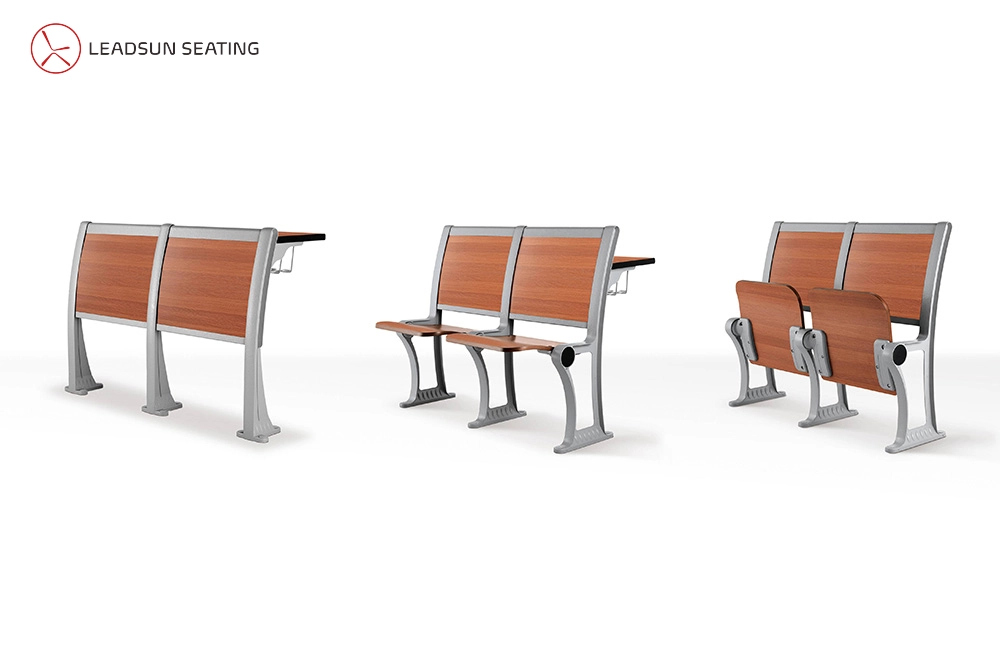
LS-908 Series Fixed Public Auditorium Chair or Tiered Classroom Solutions by Leadsun Seating
Introducing the LS-908 Series by Leadsun, your ideal solution for tiered classroom seating and fixed public auditorium chairs. Designed for comfort and durability, this series enhances audience engagement in educational and corporate settings. Discover the perfect blend of functionality and style with Leadsun Seating.
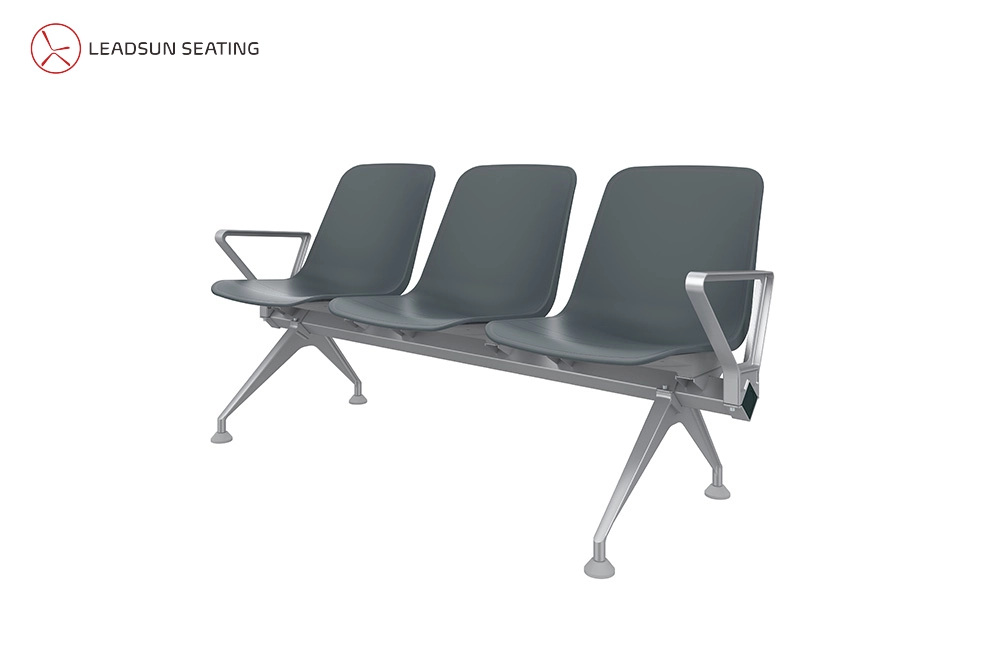
LS-550 Comfortable and Durable Waiting Chair | Customizable Waiting Chair Supplier Leadsun Seating
The LS-550 waiting chair from Leadsun offers superior comfort and durability for any public place. Customize your seating with Leadsun, a leading customizable waiting chair supplier. Ideal for high-traffic areas, the LS-550 ensures lasting performance and style.
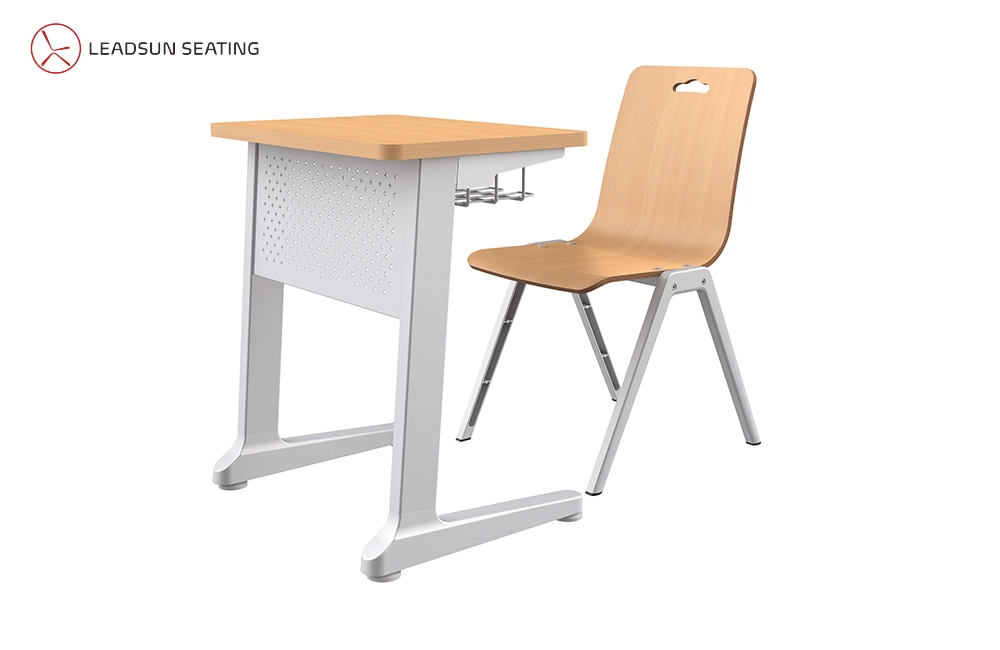
LS-9301 Single movable classroom chair |The Ultimate Flexible Solution for Modern Classrooms by Leadsun Seating
Leadsun's LS-9301 single movable classroom chair offers ultimate flexibility for modern learning environments. This activity desk and chair solution ensures comfortable and adaptable seating for students. Ideal for dynamic classrooms.
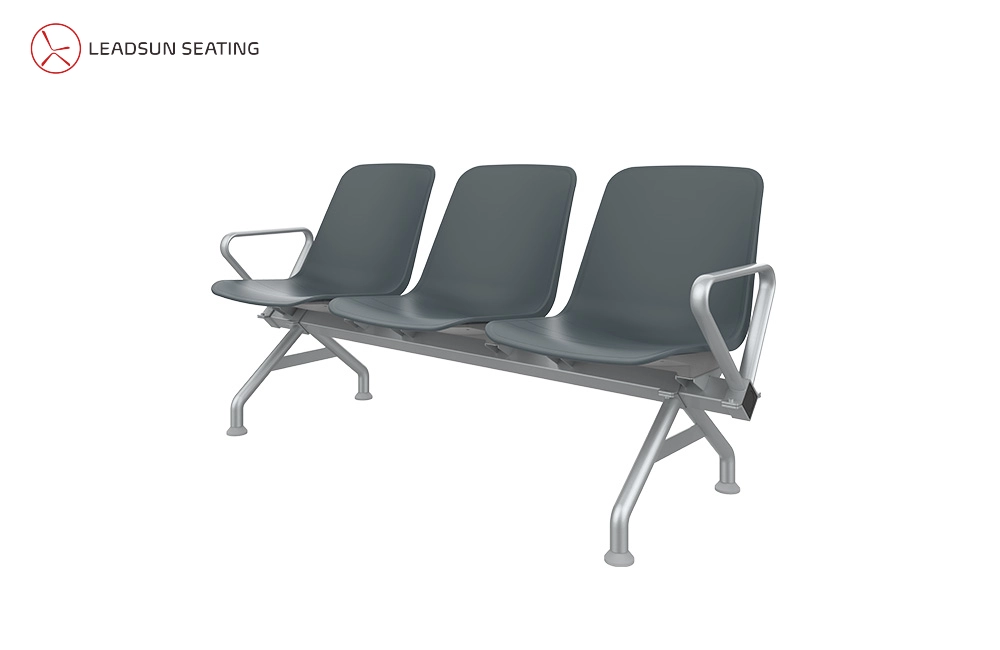
LS-551 Ergonomic Modular Waiting Chairs | Commercial Seating Solutions by Leadsun Seating
Leadsun's LS-551 Ergonomic Modular Waiting Chairs offer superior comfort for any commercial space. Ideal for hospitals, airports, and more, these modular chairs provide flexible configurations and ergonomic support. Experience unmatched comfort and style with Leadsun Seating.
Get in touch with us
If you have any comments or good suggestions, please leave us a message, later our professional staff will contact you as soon as possible.

Leadsun Seating is also engaged in the design, development, production, and marketing of lightweight public seats in public places, with an annual output of desks and chairs.
 Scan QR Code