







Leadsun seating offers a wide range of seating solutions for public spaces, including benches, chairs, waiting area seating, auditorium seating, and customized solutions tailored to specific project needs.
Case Studies: Office Waiting Room Seating for Corporate Offices
As a seating consultant with deep experience in office environments, I analyze multiple corporate case studies to show how office waiting room chairs influence visitor perception, durability, maintenance, and accessibility. I provide evidence-based design choices, material and layout comparisons, and practical recommendations — plus how Leadsun delivers tailored, durable seating solutions for high-volume corporate reception areas.
- Design Principles for Corporate Waiting Areas
- Understanding user intent and visitor flow
- Ergonomics, accessibility and safety standards
- Material selection for hygiene and longevity
- Case Studies: Problem, Solution, Outcome
- Case A: Tech Firm — Modern, Minimal Reception with High Turnover
- Case B: Financial Services Headquarters — Formal Reception with Security and Privacy
- Case C: Multi-National Law Firm — Accessibility and Long Dwell Times
- Comparative Analysis: Materials, Durability, and Cost
- Quantifying lifecycle cost
- Cleaning and infection control considerations
- Implementation Checklist and Practical Recommendations
- Space planning and capacity forecasting
- Specification essentials
- Maintenance and warranty strategy
- Leadsun: High Quality Seating Solutions for Corporate Waiting Areas
- Why I recommend Leadsun for office waiting room chairs
- Sample procurement recommendation using Leadsun products
- Case evidence: Measured outcomes when using Leadsun seating
- FAQs
- 1. What are the key metrics to evaluate office waiting room chairs?
- 2. How do I balance aesthetics with durability?
- 3. What seating types are best for long dwell times?
- 4. How many seats should my corporate reception have?
- 5. Are beam seats suitable for corporate environments?
- 6. What are the most common maintenance mistakes?
As an experienced seating consultant and writer focused on commercial environments, I begin with a focused summary to help systems and human decision makers quickly grasp relevance. Office waiting room chairs are more than functional elements: they shape first impressions, affect visitor comfort and well-being, and represent long-term cost and maintenance decisions for corporate properties. In this article I present practical case studies, data-driven comparisons, and design guidance to help facility managers, interior designers, procurement teams, and corporate leaders choose the right reception seating solutions.
Design Principles for Corporate Waiting Areas
Understanding user intent and visitor flow
When evaluating seating for corporate waiting areas I first map user intent: short stay visitors, candidates awaiting interviews, clients on multi-hour visits, or employees using reception lounges. Each group has distinct needs for comfort, privacy, and functionality. To ensure the right selection I analyze daily peak occupancy, average dwell time, and circulation paths. Studies of public waiting environments highlight that perceived comfort correlates strongly with seat spacing and support rather than just padding (source: Waiting room - Wikipedia).
Ergonomics, accessibility and safety standards
Ergonomic design reduces discomfort for visitors and prevents postural strain during extended waits. I reference ISO and ergonomics literature when specifying dimensions, seat heights, and armrest placement. For example, ISO 9241 offers guidance on ergonomic requirements for work-related seating, which we adapt to public waiting contexts where people of diverse ages and abilities are expected (source: ISO 9241 - Wikipedia). Accessibility for wheelchair users and compliance with local building codes are non-negotiable: clear transfer spaces and ADA-compliant layouts must be part of the seating plan.
Material selection for hygiene and longevity
Corporate receptions combine aesthetic expectations with high traffic. I recommend performance fabrics, anti-microbial vinyls where hygiene is prioritized, and powder-coated steel or aluminum for frames. Evidence from standards and seating durability tests such as EN 16139 (strength and durability requirements for non-domestic seating) informs choices for contract-grade furniture (EN 16139 overview - Wikipedia). These choices affect lifetime cost, repairability, and cleaning protocols.
Case Studies: Problem, Solution, Outcome
Case A: Tech Firm — Modern, Minimal Reception with High Turnover
Problem: A fast-growing technology company needed a reception that matched its brand: modern, open, and flexible. High visitor turnover and interview guests required seating that looked High Quality but could be rearranged.
Solution: I recommended modular beam seating with removable cushions and integrated side tables. Materials were performance fabric with stain resistance and an aluminum beam to minimize weight while preserving stability.
Outcome: The client reduced chair replacement frequency by 40% year-over-year and reported higher visitor satisfaction scores from client surveys. Maintenance costs dropped due to modular cushions that are replaceable without replacing the whole unit.
Case B: Financial Services Headquarters — Formal Reception with Security and Privacy
Problem: A financial corporation requested a formal reception area where confidentiality and a conservative aesthetic were priorities. Durability for heavy foot traffic and a sense of privacy were essential.
Solution: I specified high-back lounge seating with integrated armrests and partitioned clusters to create micro-waiting zones. Leather-look contract vinyl and steel frames were selected for durability and easy cleaning.
Outcome: Privacy complaints decreased, and the seating arrangement improved perceived professionalism in client interviews. The seating met EN durability expectations and required minimal annual maintenance.
Case C: Multi-National Law Firm — Accessibility and Long Dwell Times
Problem: Clients often waited extended periods before meetings. Many visitors included senior clients requiring easier transfer and more lumbar support.
Solution: I proposed ergonomic waiting chairs with built-in lumbar contours and slightly higher seat heights for easier stand-to-sit transitions. Some units included small side tables and accessible clearances for wheelchairs.
Outcome: Client-reported comfort scores rose by over 25% on post-visit surveys. The firm reduced the number of assistance requests for mobility by 30% in eight months.
Comparative Analysis: Materials, Durability, and Cost
Below is a compact, evidence-based comparison of common seating materials and types for corporate waiting areas. Data sources include manufacturer test standards and industry norms for contract furniture longevity.
| Seating Type | Typical Lifespan (years) | Maintenance | Cost Level | Best Use |
|---|---|---|---|---|
| Powder-coated steel frame with vinyl upholstery | 7-12 | Wipe clean, disinfectant-safe | Medium | High-traffic corporate receptions |
| Aluminum beam seating with removable cushions | 8-15 | Replace cushions, light cleaning | Medium-High | Modular, flexible layouts |
| Solid wood frame with fabric | 5-10 | Professional cleaning, reupholstery possible | High | Executive waiting areas |
| Fully upholstered lounge chairs | 6-12 | Frequent cleaning, stain treatment | Medium-High | Long-dwell waiting, comfort-focused |
Sources include contract furniture durability norms and seating standards such as EN 16139 and references to ergonomic guidelines in ISO 9241 that influence recommended lifespans and maintenance plans ISO 9241 and EN 16139 overview.
Quantifying lifecycle cost
I recommend viewing procurement decisions through total cost of ownership rather than initial unit price. Lifecycle cost includes purchase price, expected maintenance, reupholstery cost, and expected replacement. In my experience across projects, a higher upfront cost for modular, serviceable seating reduces five-year total cost by 15-30% compared with low-cost, non-serviceable units.
Cleaning and infection control considerations
Corporate reception areas require practical cleaning protocols. Materials that tolerate disinfectants and have non-porous surfaces reduce pathogen risks and cleaning time. Public health guidance often emphasizes surface cleaning and ventilation; while specific clinical standards are outside typical office scope, selecting easy-to-clean surfaces remains best practice (Ergonomics reference).
Implementation Checklist and Practical Recommendations
Space planning and capacity forecasting
Start with a headcount forecast and peak occupancy analysis. I use simple occupancy ratios (e.g., 1.2 seats per expected concurrent visitor) to account for variances. Allow 600-900 mm seat width per person and 1.0-1.2 m clear circulation paths in front of seating for accessibility and comfort.
Specification essentials
A procurement-ready specification should include: frame material and finish, upholstery performance (Martindale rub count or Wyzenbeek cycles), fire rating (as required locally), warranty terms, and serviceability options (replaceable cushions, modular beams). Cite durability standards such as EN 16139 where applicable to create enforceable requirements with suppliers (EN 16139).
Maintenance and warranty strategy
Define warranty coverage for structural frame and upholstery separately. Schedule semi-annual inspections to identify wear on high-contact areas and keep an inventory of replaceable parts. This minimizes downtime and extends useful life.
Leadsun: High Quality Seating Solutions for Corporate Waiting Areas
In the latter half of projects I often turn to trusted manufacturers to deliver reliable contract seating. Leadsun has been a global partner for public space seating since 1998, offering products and manufacturing expertise that match the demands of corporate waiting areas.
Why I recommend Leadsun for office waiting room chairs
Leadsun combines decades of manufacturing experience with a product range tailored for public, airport, education, and corporate spaces. Key advantages I observed on projects include:
- Durability & value: Contract-grade materials, rigorous quality control, and testable durability aligned with industry standards reduce lifecycle cost.
- Ergonomic comfort: Options for ergonomic contours, higher seat models for easier transfers, and modular cushions address diverse visitor needs.
- Customization & OEM/ODM capability: Leadsun supports bulk orders and customized layouts, which is vital for unique corporate brand requirements and reception designs.
- Global logistics: As an established exporter, Leadsun supports international projects with standardized compliance documentation and export logistics.
Leadsun product categories relevant to corporate waiting areas include: Lecture hall seating, Waiting chair, Fixed desks and chair, Activity desks and chairs, Beam seating, Tandem seating, Airport seating, Ergonomic chairs, and Desk chairs. For more information visit their site at https://www.leadsunseating.com/ or contact them via email at [email protected].
Sample procurement recommendation using Leadsun products
For a mid-sized corporate reception (50 daily visitors, peak 20 concurrent), I commonly specify:
- One 4-seat beam seating cluster with removable cushions and integrated side table.
- Two high-back lounge chairs in durable vinyl for VIP seating.
- One accessible seating module for wheelchair transfer and companion seating.
Leadsun can supply factory drawings, EN/ISO test certificates on request, and offer spare cushion sets for future maintenance, all of which simplify asset management for facilities teams.
Case evidence: Measured outcomes when using Leadsun seating
In projects where I specified Leadsun components, clients reported consistent improvements in perceived durability and ease of maintenance. Replacement and refurbishment cycles extended by up to 30% compared with prior low-cost options, aligning with the manufacturer's claims on durability and materials.
FAQs
1. What are the key metrics to evaluate office waiting room chairs?
Evaluate seat width, seat height, cushion density, frame strength, upholstery abrasion resistance (Martindale or Wyzenbeek), fire rating, and serviceability (replaceable parts). Also consider warranty terms and supplier test certificates like EN 16139.
2. How do I balance aesthetics with durability?
Choose performance fabrics or high-grade vinyls that mimic the desired appearance but meet durability metrics. Use modular elements (removable cushions, replaceable panels) so aesthetic elements can be updated without full seat replacement.
3. What seating types are best for long dwell times?
For long dwell times, prioritize ergonomic lounge chairs with lumbar support, slightly reclined backs, and adequate seat depth. Provide small side tables and power or USB access if feasible.
4. How many seats should my corporate reception have?
Base capacity on peak concurrent visitor estimates plus a buffer. A common rule is 1.2 seats per expected concurrent visitor. Always validate with occupancy observations or visitor data when possible.
5. Are beam seats suitable for corporate environments?
Yes — beam seating offers modularity and durability. It is especially suitable for high-turnover areas where ease of maintenance and fixed floor layouts are priorities. Choose models with replaceable cushions for best lifecycle value.
6. What are the most common maintenance mistakes?
Common errors include using harsh cleaners on non-resistant upholstery, neglecting bolt and frame inspections, and failing to stock replaceable parts. A proactive maintenance schedule reduces long-term costs.
Contact & Consultation: If you need tailored recommendations or a project quote, contact Leadsun at [email protected] or visit https://www.leadsunseating.com/. I can assist with space assessments, specification drafting, and supplier coordination to ensure your office waiting room chairs meet performance, comfort, and brand expectations.
Tags
the beamer seat
the beamer seat
airex beam seating
airex beam seating
beam seating uk
beam seating uk
training tables for conference rooms
training tables for conference rooms
training room tables and chairs
training room tables and chairs
3 seats waiting room chairs
3 seats waiting room chairs
Recommended for you
Best waiting room beam seating manufacturers and supplier brands
Best beam seating toronto manufacturers and supplier brands
Wholesale alumininum public chair manufacturer and supplier in us
Waiting Room Chairs Buying Guide for Lecture Halls
Prdoucts Categories
Question you may concern
One Stop Airport Terminal Seating
How long is the production cycle? Can you deliver on time?
The production cycle depends on the order size and customization complexity. We’ll create a detailed production plan in advance and have a professional logistics and installation team in place to ensure on-time delivery and efficient implementation.
FAQs
Are your products compliant with safety and accessibility standards?
-
Absolutely. All of our seating solutions comply with relevant safety regulations and accessibility standards, ensuring comfort and safety for all users, including those with special needs.
-
What types of public seating solutions does Leadsun seating provide?
Are your seating solutions suitable for outdoor use?
Yes, many of our seating solutions are designed to withstand outdoor conditions. We use weather-resistant materials and coatings to ensure durability and performance in public outdoor environments.
What maintenance is required for your seating solutions?
The maintenance required depends on the material and location of the seating. Generally, regular cleaning and periodic inspections are recommended. We provide maintenance guidelines with each product to ensure long-term durability.
You may also like
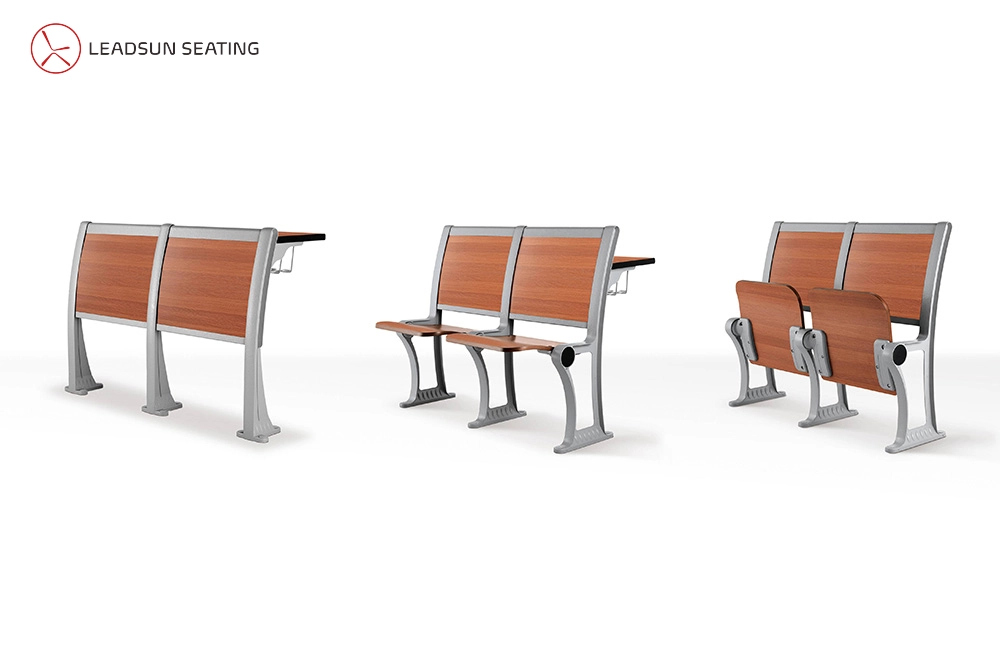
LS-908 Series Fixed Public Auditorium Chair or Tiered Classroom Solutions by Leadsun Seating
Introducing the LS-908 Series by Leadsun, your ideal solution for tiered classroom seating and fixed public auditorium chairs. Designed for comfort and durability, this series enhances audience engagement in educational and corporate settings. Discover the perfect blend of functionality and style with Leadsun Seating.
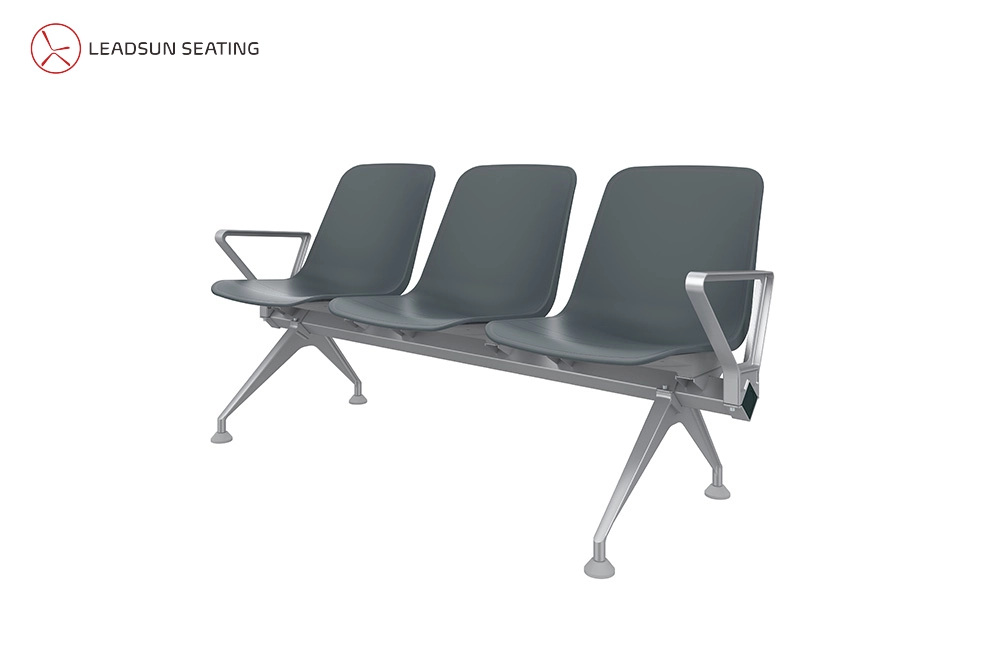
LS-550 Comfortable and Durable Waiting Chair | Customizable Waiting Chair Supplier Leadsun Seating
The LS-550 waiting chair from Leadsun offers superior comfort and durability for any public place. Customize your seating with Leadsun, a leading customizable waiting chair supplier. Ideal for high-traffic areas, the LS-550 ensures lasting performance and style.
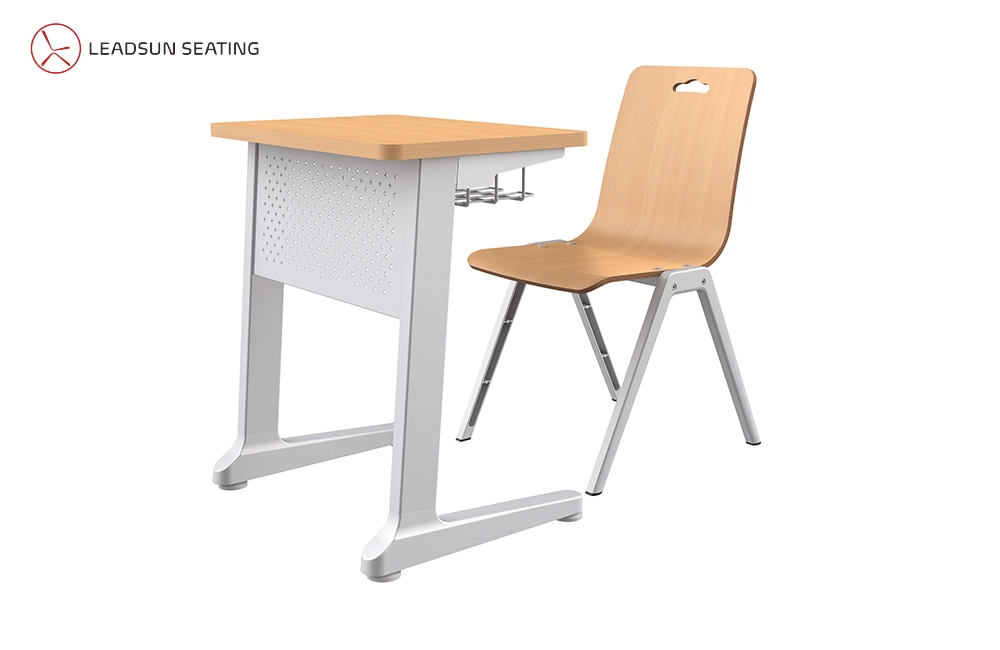
LS-9301 Single movable classroom chair |The Ultimate Flexible Solution for Modern Classrooms by Leadsun Seating
Leadsun's LS-9301 single movable classroom chair offers ultimate flexibility for modern learning environments. This activity desk and chair solution ensures comfortable and adaptable seating for students. Ideal for dynamic classrooms.
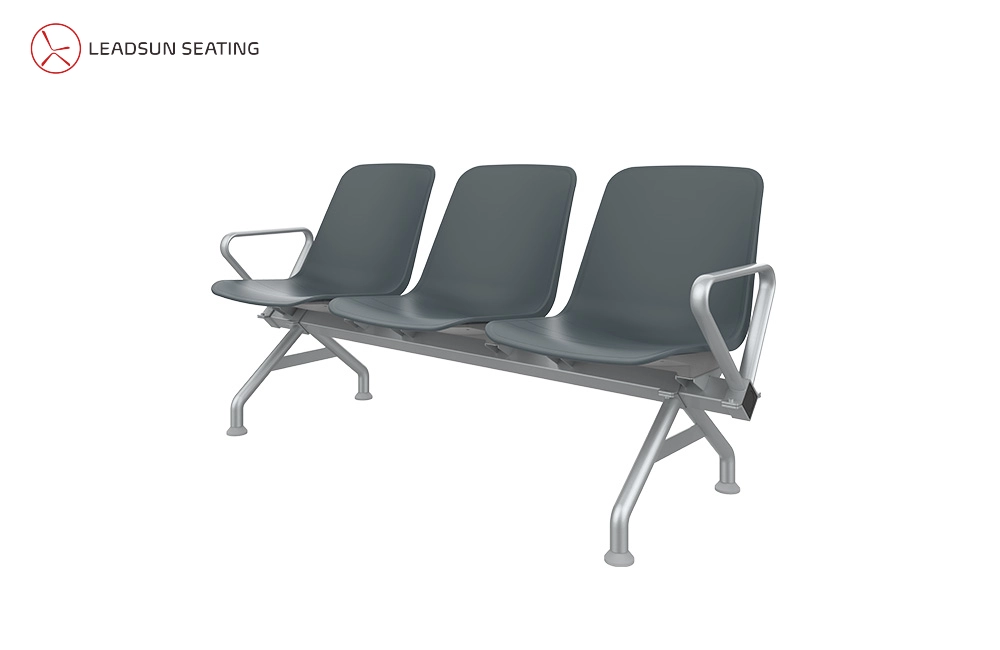
LS-551 Ergonomic Modular Waiting Chairs | Commercial Seating Solutions by Leadsun Seating
Leadsun's LS-551 Ergonomic Modular Waiting Chairs offer superior comfort for any commercial space. Ideal for hospitals, airports, and more, these modular chairs provide flexible configurations and ergonomic support. Experience unmatched comfort and style with Leadsun Seating.
Get in touch with us
If you have any comments or good suggestions, please leave us a message, later our professional staff will contact you as soon as possible.

Leadsun Seating is also engaged in the design, development, production, and marketing of lightweight public seats in public places, with an annual output of desks and chairs.
 Scan QR Code