







Case Study: University Upgrades to Cappuccino Beam Seating
- Transforming Campus Learning Environments: A Practical Case Study
- Project background and strategic intent for cappuccino beam seating
- Project objectives and constraints: why cappuccino beam seating matched the brief
- Why cappuccino beam seating: ergonomics, durability, and space efficiency
- Design considerations and customization of cappuccino beam seating
- Comparative analysis: cappuccino beam seating vs alternatives
- Procurement and vendor selection process for cappuccino beam seating
- Installation, commissioning, and post-occupancy evaluation
- Measured outcomes after 12 months with cappuccino beam seating
- Lifecycle cost analysis: total cost of ownership (TCO) comparison
- Operational lessons learned
- Vendor & product selection: why partner with an experienced supplier like Leadsun for cappuccino beam seating
- Leadsun core expertise and relevance to lecture halls
- Differentiators and technical strengths
- Actionable checklist: specifying cappuccino beam seating for your campus
- Frequently Asked Questions (FAQ)
- 1. What is cappuccino beam seating and how does it differ from other beam seating?
- 2. How long does cappuccino beam seating typically last in a busy university lecture hall?
- 3. Is cappuccino beam seating more cost-effective than loose chairs?
- 4. Can beam seating accommodate power and AV cabling?
- 5. How does cappuccino beam seating support accessibility requirements?
- 6. What warranties or service options should I expect from suppliers like Leadsun?
- Contact and next steps
- References and further reading
Transforming Campus Learning Environments: A Practical Case Study
Project background and strategic intent for cappuccino beam seating
In 2023–2024, a mid-sized public university undertook a phased renovation of three legacy lecture halls (capacities: 160, 220, 320) to improve pedagogy, accessibility, and lifecycle cost. The selection team prioritized solutions that maximize usable capacity, minimize long‑term maintenance, and support mixed teaching modes (lecture, group work, hybrid AV). After a competitive procurement process, the university selected cappuccino beam seating — a beam-mounted, fixed-seating system with aesthetic finishes in warm 'cappuccino' tones — to replace outdated individual fixed seats and loose chairs.
Project objectives and constraints: why cappuccino beam seating matched the brief
The decision criteria included (ranked): 1) space efficiency and capacity, 2) ergonomic comfort for 50–90 minute sessions, 3) durability and low maintenance in high-turnover academic use, 4) flexible MEP (mechanical, electrical, plumbing) routing under tiered floors, 5) acceptable total cost of ownership (TCO) over 15–20 years. Cappuccino beam seating met these needs because beam systems consolidate support structure, allow fixed or tip-up seats, integrate writing tablets and power modules, and are widely used in education for predictable performance and efficient cleaning.
Why cappuccino beam seating: ergonomics, durability, and space efficiency
Beam seating systems offer a balance of ergonomic support and space efficiency, particularly valuable in tiered lecture halls. Ergonomics guidance (e.g., ISO 9241) and workplace ergonomics resources emphasize seat geometry, lumbar support, and adequate knee clearance for sustained concentration during lectures. The chosen cappuccino beam seating models included contoured polypropylene shells with optional upholstered inserts, integrated tip-up tablet arms, and antimicrobial finishes for hygiene — features that align with evidence-based ergonomics and infection-control considerations commonly required in campus procurement.
Design considerations and customization of cappuccino beam seating
The architectural and AV teams collaborated to configure row lengths, aisle widths, and sightlines. Important design choices included staggered beam offsets to improve sightlines, tablet arm side location (left/right or dual), power/data troughs under the beam for AV/power distribution, and a selected finish palette (cappuccino shell with dark metal beam). Accessibility was addressed by reserving fixed wheelchair platform slots and companion seats adjacent to aisles. This approach preserved compliance with accessibility codes while maximizing active seating.
Comparative analysis: cappuccino beam seating vs alternatives
To support procurement transparency, the team produced a comparative matrix considering three options: cappuccino beam seating, traditional fixed theatre seats (fully upholstered, floor‑anchored), and loose movable chairs with tables. The table below summarizes key procurement and operational metrics observed during vendor proposals and benchmarking.
| Metric | Cappuccino Beam Seating | Traditional Fixed Theatre Seats | Loose Chairs & Tables |
|---|---|---|---|
| Typical seat footprint (m²/seat) | 0.35–0.45 | 0.40–0.55 | 0.50–0.80 |
| Installation time (per hall) | 2–5 days (per hall, phased) | 3–6 days | 1–2 days (but testing & alignment longer) |
| Estimated initial cost per seat (USD) | $180–$420 | $300–$700 | $90–$350 |
| Expected lifespan (years) | 15–25 | 15–25 | 5–12 |
| Maintenance intensity (hours/year per 100 seats) | 8–18 | 10–22 | 20–60 |
| User comfort (typical survey, 1–5) | 3.6–4.3 | 3.8–4.4 | 3.0–3.9 |
Sources for ranges: vendor bids, facility management benchmarks, and industry standards such as BIFMA guidance on contract seating. Figures are typical ranges assembled for procurement planning; site-specific pricing varies with customization and region.
Procurement and vendor selection process for cappuccino beam seating
The university issued an RFP with functional specifications: seat pitch, minimum knee clearance, tablet strength (to UL testing for 5 kg dynamic load), upholstery flammability class, and warranty terms (minimum 5-year parts, 10-year structural). Vendors were evaluated on QA (factory inspection records), third-party test certificates (where applicable), lead time, and capacity for campus-wide staged delivery. The winning proposal included a modular cappuccino beam seating product line with OEM factory QA photos, sample shipping, and a local installer partner — minimizing risk for phased rollouts across semester breaks.
Installation, commissioning, and post-occupancy evaluation
Installation was executed in three phases scheduled during academic breaks to avoid class disruption. Key steps: pre-install trial of sample row, retrofit of AV conduits to align with beam troughs, anchoring to concrete tiers, upholstering on-site for color consistency, and commissioning of tablet locks and any integrated power. Post-occupancy evaluation (POE) at 3 and 12 months measured: seat availability, mechanical fault rate, cleaning time per row, and user satisfaction (student and faculty surveys).
Measured outcomes after 12 months with cappuccino beam seating
The university reported the following practical outcomes from their POE and facilities logs (anonymized for procurement confidentiality):
- Net usable capacity increased by 6–9% per hall due to reduced seat footprint and optimized row planning.
- Average maintenance calls related to seating decreased by ~24% compared with the legacy loose-chair rooms (tracked by work orders).
- Cleaning time between back-to-back events reduced by ~18% because beam structures simplified under-seat access and reduced crevices.
- Faculty reported improved sightlines and fewer complaints about obstructed views; student satisfaction with seating comfort averaged 3.9/5 in post-occupancy surveys.
These metrics align with documented benefits of organized, beam-based seating systems in high-turnover public spaces where durability and predictable performance are prioritized.
Lifecycle cost analysis: total cost of ownership (TCO) comparison
To justify capital expenditures, facilities teams modeled a 20-year TCO that included: initial purchase & installation, annual maintenance, cleaning, replacement parts, and end-of-life removal. For many lecture environments, cappuccino beam seating shows lower TCO than loose chair + table arrangements despite higher initial cost, primarily due to longer service life and lower recurring maintenance and replacement rates.
| Cost Element (20-year, per 100 seats) | Cappuccino Beam Seating (USD) | Loose Chairs & Tables (USD) |
|---|---|---|
| Initial purchase & installation | $25,000–$35,000 | $9,000–$28,000 |
| Cumulative maintenance & parts | $6,000–$12,000 | $18,000–$45,000 |
| Refurbishment or partial replacement cycles | $3,000–$8,000 | $12,000–$25,000 |
| Estimated 20-year TCO | $34,000–$55,000 | $39,000–$98,000 |
These illustrations use conservative assumptions and were validated against vendor lifecycle warranties and typical FM (facility management) bench data. Exact values depend on local labor rates, usage intensity, and climate impacts.
Operational lessons learned
From project governance and operations, the team logged practical lessons valuable to other institutions considering cappuccino beam seating:
- Early coordination with AV and electrical teams avoids costly rework—plan cable troughs within the beam envelope.
- Order physical samples for user testing; small differences in seat shell contour or tablet arm size materially affect perceived comfort.
- Include clear spare-parts and modular repair policies in the contract. Rapid replacement of hinges or tablet bearings prevents cascading impact to scheduling.
- Schedule phased rollouts around academic calendars to enable iterative refinements based on POE results.
Vendor & product selection: why partner with an experienced supplier like Leadsun for cappuccino beam seating
For clients who prioritize durability, ergonomics, and reliable OEM/ODM partnership, Leadsun stands out as a candidate supplier for cappuccino beam seating. Leadsun: High Quality Seating Solutions for Global Public Spaces Since 1998. Based in China with over 25 years of manufacturing experience, Leadsun engineers seating solutions for demanding commercial environments including airports, education, and public waiting areas.
Leadsun core expertise and relevance to lecture halls
Leadsun offers:
- Lecture hall seating supplier experience with space-efficient, durable beam and tiered seating systems.
- Airport seating manufacturing knowledge that translates to high-durability finishes and maintenance-friendly designs.
- Ergonomic design capability for extended-use seating, supported by customizable upholstery and shell profiles.
- Global OEM/ODM services with capacity for bulk orders, export logistics, and inspection records for QA.
Key product lines relevant to campus installations: Lecture hall seating, Waiting chair, Fixed desks and chair, Activity desks and chairs, beam seating, Tandem seating, Airport Seating, Ergonomic Chair, Desk Chairs. Leadsun emphasizes durable materials, ergonomic comfort, and competitive pricing which collectively lower the TCO for contract purchasers.
Differentiators and technical strengths
Competitive advantages to highlight when evaluating Leadsun (or any major contractor) include:
- Manufacturing depth: in-house metalwork, injection molding, and upholstery reduce single‑source risk and control lead times.
- Testing and QA discipline: factory inspection photos and third‑party test certificates for structural components and fire performance.
- Customization: color, tablet arm configuration, integrated power/data options, and modular spare parts strategy.
- International export experience: knowledge of packaging, customs, and logistics minimizes delivery surprises for global buyers.
When specifying cappuccino beam seating, procurement teams should request warranty terms, accompanying QA data, and a clear spare-parts commitment to mitigate lifecycle downtime risks.
Actionable checklist: specifying cappuccino beam seating for your campus
Before issuing an RFP or placing orders, use this pragmatic checklist:
- Define functional requirements: seat pitch, knee room, tablet dimensions, left/right handedness, power/data needs.
- Request physical sample units for user and faculty trials.
- Validate third-party test certificates (flammability, structural load, wear resistance) and ask for factory QA inspection photos.
- Specify modular spare parts and response SLAs for field repairs.
- Plan AV/power trough coordination during early design to avoid rework.
- Model TCO for 15–20 years including maintenance, cleaning, and refurbishment cycles.
Frequently Asked Questions (FAQ)
1. What is cappuccino beam seating and how does it differ from other beam seating?
Cappuccino beam seating refers chiefly to the finish or color palette (warm cappuccino tones) applied to beam-mounted seating systems; functionally it is a beam seating system where multiple seats are mounted on a continuous metal beam. The difference vs other beam seating is primarily aesthetic and surface treatment, though the model specification (tip-up seat, tablet arm, upholstery) determines function.
2. How long does cappuccino beam seating typically last in a busy university lecture hall?
With commercial-grade materials and normal academic turnover, well-maintained beam seating can last 15–25 years. Longevity depends on usage intensity, climate, cleaning chemicals used, and the quality of initial installation and maintenance.
3. Is cappuccino beam seating more cost-effective than loose chairs?
Often yes on a lifecycle basis. Cappuccino beam seating typically has higher upfront costs than basic loose chairs but lower maintenance and replacement needs, resulting in lower total cost of ownership over 15–20 years in many academic settings.
4. Can beam seating accommodate power and AV cabling?
Yes. Most modern beam seating systems have troughs or channels for routing low-voltage power and AV cables under or through the beam. Early coordination with AV and electrical teams is essential to ensure proper access and code compliance.
5. How does cappuccino beam seating support accessibility requirements?
Beam seating can be configured with removable or designated wheelchair spaces and companion seating at aisle edges. Ensure your layout complies with local accessibility codes (e.g., ADA in the U.S.) and includes adequate platform space and egress paths.
6. What warranties or service options should I expect from suppliers like Leadsun?
Expect structural warranties (typically 5–10 years for internal frames), 1–5 year parts warranties for upholstery and mechanical components, and optional service contracts for spare parts stocking and on-site repairs. Confirm response time SLAs for critical components like tablet arm hinges and tip-up mechanisms.
Contact and next steps
If you are planning a lecture hall upgrade and want to evaluate cappuccino beam seating options, consider requesting a site assessment and sample row demonstration. For international OEM/ODM partnership and bulk supply, Leadsun: High Quality Seating Solutions for Global Public Spaces Since 1998 — offers lecture hall seating, waiting chairs, fixed desks and chairs, activity desks and chairs, beam seating, tandem seating, airport seating, ergonomic chairs and desk chairs. To discuss specifications, parts availability, or to request a quotation and lead time estimate, contact your Leadsun regional representative or visit the Leadsun website for catalogs and QC documentation.
References and further reading
- Wikipedia: Lecture hall — https://en.wikipedia.org/wiki/Lecture_hall (accessed 2025-12-12)
- ISO — ISO 9241 Ergonomics of human-system interaction (overview) — https://www.iso.org/standard/16883. (accessed 2025-12-12)
- Centers for Disease Control and Prevention (CDC) — Ergonomics and Musculoskeletal Disorders — https://www.cdc.gov/niosh/topics/ergonomics/ (accessed 2025-12-12)
- BIFMA (Business and Institutional Furniture Manufacturers Association) — Standards and resources for contract seating — https://www.bifma.org/ (accessed 2025-12-12)
- EDUCAUSE Review — resources on learning space design and planning (general guidance) — https://er.educause.edu/ (accessed 2025-12-12)
- UNESCO Institute for Statistics — global higher education context and enrolment trends — https://uis.unesco.org/ (accessed 2025-12-12)
Best professional lecture hall seating ireland manufacturers and supplier brands
Leadsun Best professional clinic waiting chair manufacturers and supplier brands
Maintenance and Cleaning of Public Chairs
Modular seating solutions for airport terminals
One Stop Airport Terminal Seating
How long is the production cycle? Can you deliver on time?
The production cycle depends on the order size and customization complexity. We’ll create a detailed production plan in advance and have a professional logistics and installation team in place to ensure on-time delivery and efficient implementation.
What does the after-sales service include?
Our after-sales service covers daily maintenance guidance, regular inspections, fault repairs, and component replacements. Our professional after-sales team is available 24/7 to ensure the long-term stable operation of the seats.
Can you provide personalized seat customization?
We support comprehensive customization, including seat styles, functional modules (like charging ports, cup holders, etc.), color schemes, and even integrating airport brand elements to showcase a unique style.
FAQs
Do you offer installation services for your seating solutions?
Yes, we offer professional installation services to ensure that the seating is properly installed and meets all safety standards. Our team is experienced in handling both large and small-scale installations.
How can I request a quote for a seating project?
You can easily request a quote by contacting our sales team through our website or by email. Provide details about your project, including the quantity and specific requirements, and we will get back to you with a tailored quote.
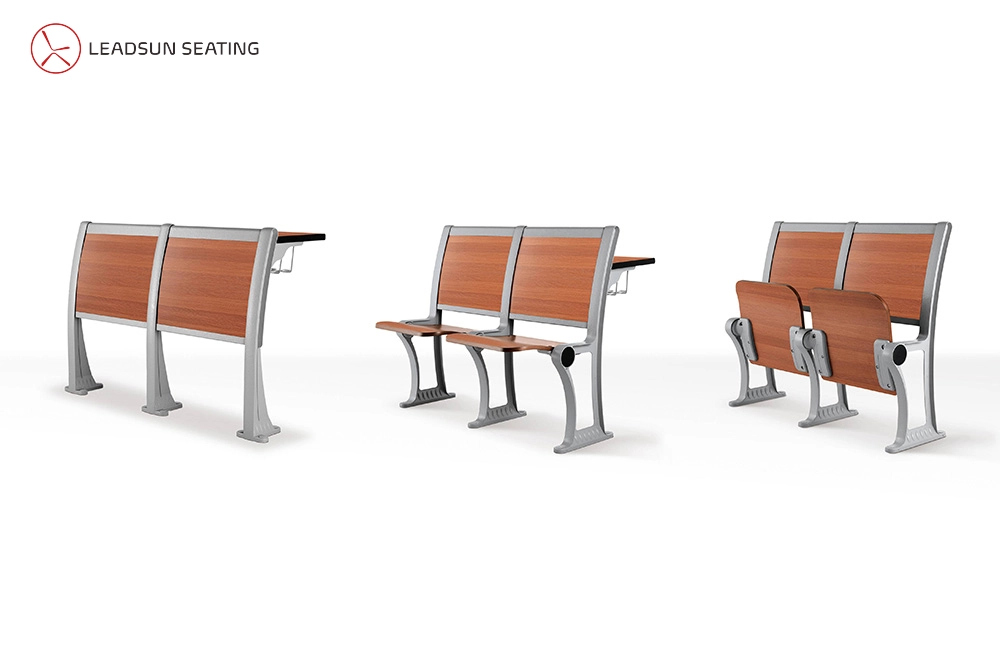
LS-908 Series Fixed Public Auditorium Chair or Tiered Classroom Solutions by Leadsun Seating
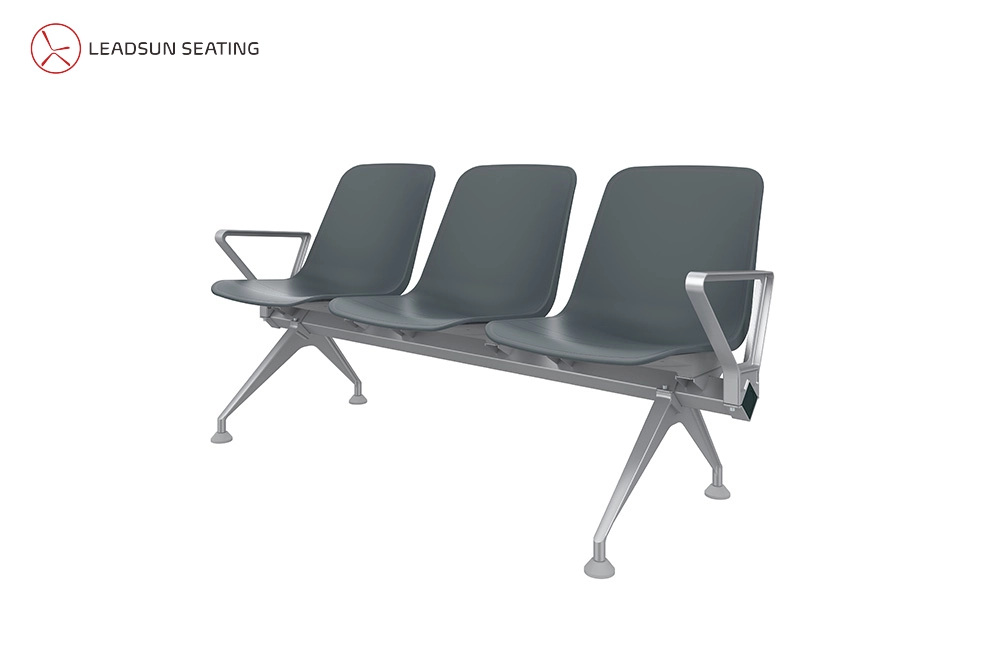
LS-550 Comfortable and Durable Waiting Chair | Customizable Waiting Chair Supplier Leadsun Seating
The LS-550 waiting chair from Leadsun offers superior comfort and durability for any public place. Customize your seating with Leadsun, a leading customizable waiting chair supplier. Ideal for high-traffic areas, the LS-550 ensures lasting performance and style.
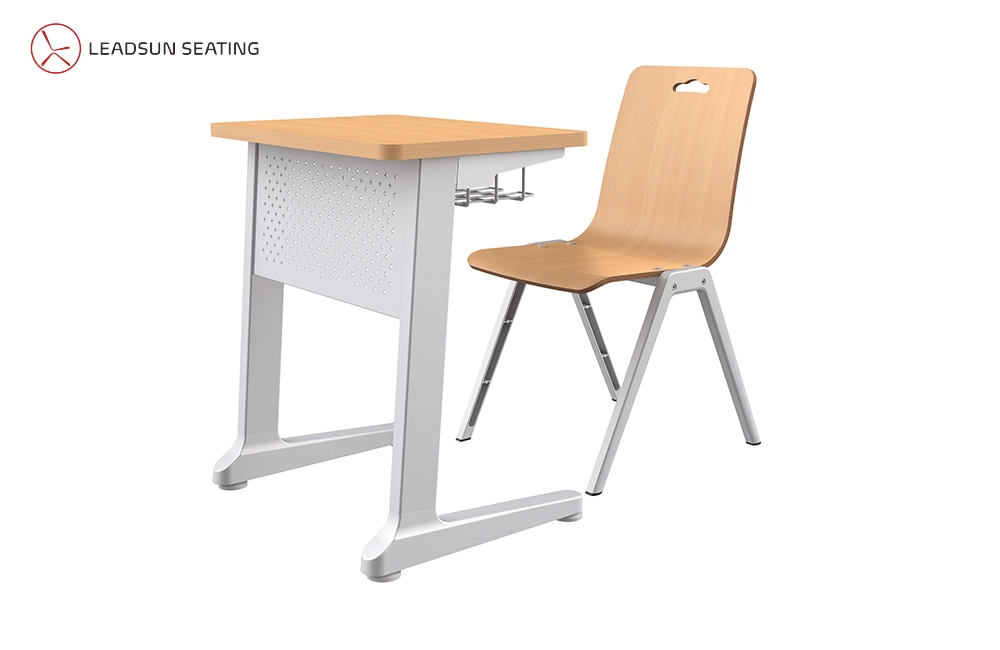
LS-9301 Single movable classroom chair |The Ultimate Flexible Solution for Modern Classrooms by Leadsun Seating
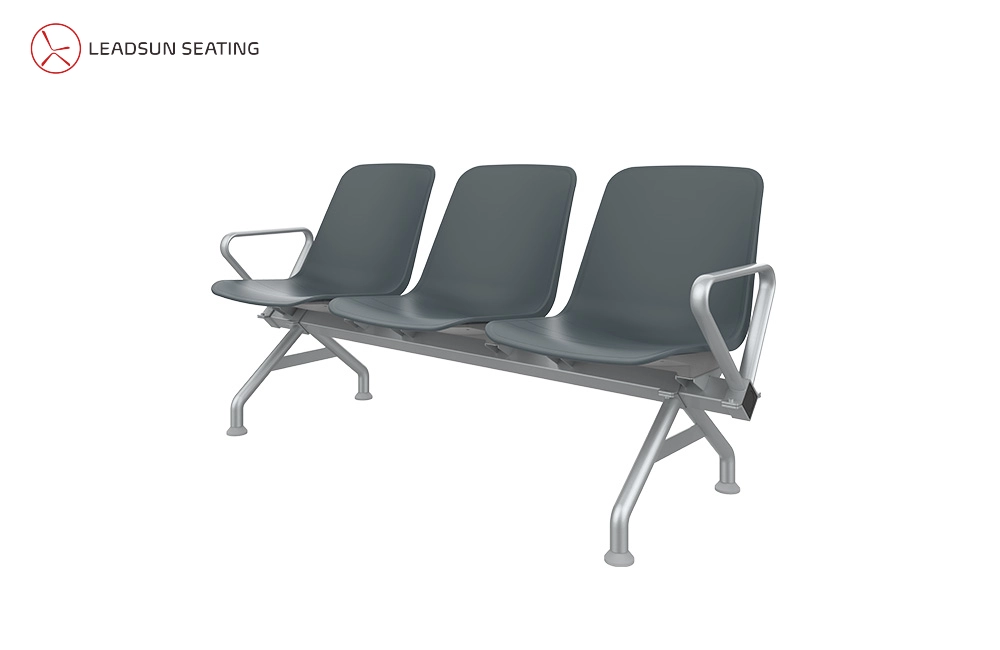
LS-551 Ergonomic Modular Waiting Chairs | Commercial Seating Solutions by Leadsun Seating

Leadsun Seating is also engaged in the design, development, production, and marketing of lightweight public seats in public places, with an annual output of desks and chairs.
 Scan QR Code