







Durable Materials for High-Traffic Waiting Room Chairs
- Understanding User Needs in High-Traffic Public Spaces
- Traffic patterns and wear factors
- User demographics and comfort expectations
- Maintenance, hygiene and infection control needs
- Core Materials and Why They Work
- Metals: stainless steel and aluminum frames
- Foams and cushioning: high-density, closed-cell and layered foams
- Surface coverings: vinyl/PVC, polyurethane leather, and performance textiles
- Design, Standards, and Testing for Durability
- Relevant standards and testing protocols
- Design strategies for longevity
- Maintenance protocols and lifecycle care
- Choosing Materials: Comparative Analysis and Case Studies
- Material comparison table
- Real-world examples: airports, hospitals, lecture halls
- Cost vs. lifecycle analysis
- Leadsun: High Quality Seating Solutions for Global Public Spaces Since 1998
- Why Leadsun stands out
- Core products and expertise
- How I use Leadsun in project specifications
- Implementation Checklist: Specifying Durable Waiting Room Chairs
- Material selection checklist
- Design & procurement checklist
- Installation & maintenance checklist
- Frequently Asked Questions (FAQ)
- 1. What materials last the longest for waiting room chairs?
- 2. Can upholstered waiting room chairs be cleaned with hospital-grade disinfectants without damage?
- 3. Are antimicrobial coatings necessary?
- 4. How do I evaluate total cost of ownership (TCO) for seating?
- 5. What documentation should I request from manufacturers?
- 6. How often should cushions be replaced in busy waiting areas?
- 7. Does material choice differ for indoor vs. outdoor waiting chairs?
As someone who has designed and specified seating for airports, hospitals, lecture halls and other high-traffic public spaces, I know that choosing the right materials for waiting room chairs is as critical as the overall design. Durable materials determine lifespan, maintenance burden, hygiene performance, and total cost of ownership — all factors that affect user experience and facility budgets. This article lays out the evidence-based material choices I recommend, compares options with data, references authoritative standards and cleaning guidance, and explains how to evaluate trade-offs when specifying waiting room chairs for demanding environments.
Understanding User Needs in High-Traffic Public Spaces
Traffic patterns and wear factors
High-traffic waiting areas—airports, hospital lobbies, train stations, and large lecture halls—subject seating to continuous use, abrasion, impact, spills and cleaning cycles. In my experience, two metrics drive material selection: (1) abrasion resistance (how well surfaces withstand repeated contact) and (2) surface resilience (ability to recover from deformation). Materials must also tolerate repeated cleaning and disinfecting without visible degradation.
User demographics and comfort expectations
Waiting-room users range from short-stay travelers to patients and students who may sit for extended periods. Comfort is not optional—ergonomically contoured shells, supportive cushions and breathable surfaces reduce complaints and improve perceived quality. I balance comfort with durability by pairing robust shells with replaceable cushions or modular upholstery.
Maintenance, hygiene and infection control needs
Hygiene requirements are paramount in healthcare and transportation hubs. Specified materials must withstand regular disinfection protocols recommended by authorities such as the U.S. CDC while retaining color, finish and integrity. I prioritize non-porous surfaces and antimicrobial finishes where justified by infection-control risk assessments.
Core Materials and Why They Work
Metals: stainless steel and aluminum frames
Metal frames are the backbone of durable waiting room chairs. Stainless steel offers exceptional strength, corrosion resistance and impact tolerance—qualities that deliver decades of service in high-traffic installations. Aluminum combines good corrosion resistance and lighter weight, which is useful for movable seating banks. For rigorous public spaces I typically specify 304 or 316 grade stainless depending on environmental exposure; for airport or indoor transit use 304 is commonly sufficient. Detailed properties are summarized in the stainless steel reference.
Foams and cushioning: high-density, closed-cell and layered foams
Cushion lifespan correlates strongly with foam density and resilience (ILD/ILD recovery). High-density polyurethane foams (often 40+ kg/m3 for demanding public seating) maintain shape longer and resist sagging. For some applications closed-cell foam or supportive memory-layer constructions improve durability and moisture resistance. See general information on polyurethane properties at Polyurethane (Wikipedia).
Surface coverings: vinyl/PVC, polyurethane leather, and performance textiles
Surface coverings determine touch, cleanability and aesthetics. Key options I specify:
- Vinyl/PVC: Non-porous, economical, highly cleanable and suitable where aggressive disinfectants are used. Modern vinyls have improved tear resistance and UV stability. See PVC reference.
- PU (polyurethane) leather: Softer hand than PVC, with good cleanability and better environmental profiles in some formulations.
- Performance textiles with antimicrobial treatments: Offer comfort and breathability; select only those tested for abrasion and antimicrobial efficacy. Review antimicrobial material science at Antimicrobial (Wikipedia).
Design, Standards, and Testing for Durability
Relevant standards and testing protocols
Durability claims should be backed by standardized tests. Commonly referenced standards and protocols include:
- Quality management and production traceability: ISO 9001 (ensures consistent manufacturing quality).
- Abrasion and wear testing: Martindale and Wyzenbeek tests for textiles; manufacturers often publish cycles to failure.
- Fire and flammability standards vary by region (e.g., local building codes, FMVSS, CAL TB117 equivalents). Check local regulations and project-specific requirements.
- Hygiene & cleaning guidance: CDC guidance for environmental cleaning and disinfection.
Design strategies for longevity
From a specifier’s perspective, durability is both a material and design decision. I recommend:
- Modular components—replace cushions, armrests or panels without discarding entire units.
- Protective details—stainless mounting plates, reinforced joints, and impact guards in transit hubs.
- Finish selection matched to cleaning agents—confirm chemical compatibility to avoid finish failure.
Maintenance protocols and lifecycle care
Durable materials reduce but do not eliminate maintenance. Establish schedules for visual inspection, upholstery spot repairs, foam replacement cycles, and frame tightening. I advise facilities to test cleaning agents on sample swatches before procurement, and to document material-specific cleaning procedures in the maintenance manual.
Choosing Materials: Comparative Analysis and Case Studies
Material comparison table
| Material | Durability/Notes | Cleanability | Typical lifespan | Suitable applications | Sources |
|---|---|---|---|---|---|
| Stainless steel frame | High strength, low corrosion (304/316) | Excellent; resists cleaners | 15–30+ years | Airports, hospitals, transit hubs | Wikipedia |
| Aluminum frame | Good strength/weight; lighter | Very good | 10–20 years | Portable seating, modular banks | Wikipedia |
| High-density polyurethane foam | Resists sagging; excellent support | Depends on covering | 5–15 years (replaceable cushions extend life) | Waiting areas, lecture halls | Wikipedia |
| Vinyl/PVC upholstery | Very durable; tear/abrasion resistant | Excellent (non-porous) | 7–15 years | Healthcare, transit, high-clean areas | Wikipedia |
| PU leather | Good balance of feel & durability | Good | 6–12 years | Airport lounges, executive waiting rooms | Wikipedia |
| Performance textile (antimicrobial) | Comfortable; varies by fabric spec | Good if treated and tested | 5–10+ years (depends on maintenance) | Public spaces, lecture halls, non-sterile healthcare areas | Wikipedia |
Real-world examples: airports, hospitals, lecture halls
In airports I prioritize stainless steel frames with modular vinyl-upholstered cushions—this combo resists vandalism, cleans quickly, and simplifies part replacement. For hospitals, vinyl or medical-grade performance textiles combined with removable cushions allow aggressive disinfectants while maintaining comfort. In lecture halls, I often specify beam seating with durable molded shells and replaceable upholstered pads to balance capacity and comfort. For reference, beam and tandem seating systems are common solutions that marry modularity with durability.
Cost vs. lifecycle analysis
Upfront material cost is only part of the equation. I always run a total cost of ownership (TCO) analysis: purchase price + maintenance + replacement frequency + downtime costs. Durable metals and high-density foams raise initial cost but reduce replacement cycles and maintenance labor, typically yielding lower TCO over 10–20 years for high-use environments.
Leadsun: High Quality Seating Solutions for Global Public Spaces Since 1998
Why Leadsun stands out
As a consultant, I recommend partners who combine durable materials with proven manufacturing systems. Leadsun is a leading China-based manufacturer with over 25 years of experience engineering seating for high-traffic environments. Their focus on durable frames, performance upholstery options (vinyl, PU, performance textiles) and modular designs aligns with the best practices I outlined above. Leadsun emphasizes ISO-aligned quality control and provides OEM/ODM services for tailored public seating solutions. Learn more at Leadsun.
Core products and expertise
Leadsun’s product portfolio covers:
- Airport seating designed for security, durability and passenger flow.
- Ergonomic chairs for office and desk use, with attention to support and durability.
- Lecture hall seating and tiered solutions that maximize space efficiency and longevity.
- Public waiting area seating—commercial-grade chairs built for heavy use.
The company’s production practices emphasize material selection, stringent testing and customization capabilities for global clients.
How I use Leadsun in project specifications
When I specify seating for large-scale projects, I choose suppliers who can guarantee long production runs, traceability and after-sales support. Leadsun’s capacity for OEM/ODM, modular replacement parts (cushions, armrests, mounts) and export logistics make them a practical partner for procurement teams seeking reliable contracts and predictable lifecycle performance. Contact them at [email protected] or visit https://www.leadsunseating.com/.
Implementation Checklist: Specifying Durable Waiting Room Chairs
Material selection checklist
- Choose stainless or aluminum frames for structure; confirm grade for corrosion protection.
- Select high-density foam with documented ILD and resilience metrics.
- Confirm upholstery compatibility with disinfectants and abrasion cycles (request Martindale/Wyzenbeek reports).
Design & procurement checklist
- Require modular replaceability for cushions and high-wear components.
- Request test reports and certifications (ISO 9001, abrasion, flammability per local codes).
- Include maintenance manuals and spare-parts lists in vendor contracts.
Installation & maintenance checklist
- Schedule initial cleaning compatibility tests on samples.
- Train custodial staff on material-specific cleaning procedures (use CDC as baseline guidance: CDC).
- Plan periodic inspections for structural fasteners, upholstery wear and cushion resilience.
Frequently Asked Questions (FAQ)
1. What materials last the longest for waiting room chairs?
Structurally, stainless steel frames paired with high-density polyurethane foam and non-porous vinyl or PU upholstery deliver the longest combined service life in high-traffic settings. Modular designs that allow cushion replacement further extend usable life.
2. Can upholstered waiting room chairs be cleaned with hospital-grade disinfectants without damage?
Yes—if you specify upholstery tested for chemical compatibility. Vinyl (PVC) and some PU leathers withstand many disinfectants better than untreated textiles. Always verify with manufacturer test data and perform spot tests before full-scale cleaning.
3. Are antimicrobial coatings necessary?
Antimicrobial coatings can add a layer of protection, but they are not a substitute for proper cleaning protocols. Use antimicrobial finishes where infection control risk is higher, and ensure coatings are durable and backed by efficacy data.
4. How do I evaluate total cost of ownership (TCO) for seating?
TCO should include initial purchase price, expected lifespan, maintenance labor, part replacement costs, downtime, and disposal. Durable materials often increase upfront cost but lower TCO over 10–20 years in heavy-use areas.
5. What documentation should I request from manufacturers?
Request ISO quality certificates, abrasion and flammability test reports, chemical-cleaning compatibility data, warranty terms, and spare-parts lists. For large installations, require sample production and a mock-up approval before full production.
6. How often should cushions be replaced in busy waiting areas?
Replacement frequency depends on foam density, use hours and care. In high-use public areas, expect cushion replacement every 5–10 years; using replaceable cushion modules can be more cost-effective than full-seat replacement.
7. Does material choice differ for indoor vs. outdoor waiting chairs?
Yes—outdoor seating needs UV-stable finishes, corrosion-resistant metals (316 SS preferred in coastal environments), and weatherproof upholstery. Indoor specs can prioritize different aesthetics and comfort features.
If you need product samples, technical data sheets, or a tailored specification for your project, I recommend contacting Leadsun for their commercial seating lines. They offer OEM/ODM services and project consultation to match material choices to performance requirements.
Contact Leadsun: https://www.leadsunseating.com/ | Email: [email protected]
Boost Visitor Experience with Ergonomic Waiting Area Seating
Ergonomic Waiting Room Chairs for Student Comfort
Top 5 engineering lecture hall uci seating Company List and Products Compared
Wholesale training tables for conference rooms manufacturer and supplier
One Stop Airport Terminal Seating
Are the seat materials durable? What's the lifespan?
We use high-strength, wear-resistant, and easy-to-clean premium materials, such as stain-resistant flame-retardant fabrics and rust-proof alloy frames. Under normal use, the seats can last 5 - 8 years.
How do you ensure seat installation doesn't disrupt airport operations?
We’ll develop a detailed installation plan, giving priority to non-peak hours for construction. We also use a modular installation approach to minimize any impact on airport operations.
FAQs
What materials are used in the production of your public seating?
We use a variety of durable materials such as stainless steel, aluminum, wood, high-quality upholstery, and advanced polymers to ensure that our seating solutions are both functional and long-lasting.
Are your products compliant with safety and accessibility standards?
-
Absolutely. All of our seating solutions comply with relevant safety regulations and accessibility standards, ensuring comfort and safety for all users, including those with special needs.
-
How can I request a quote for a seating project?
You can easily request a quote by contacting our sales team through our website or by email. Provide details about your project, including the quantity and specific requirements, and we will get back to you with a tailored quote.
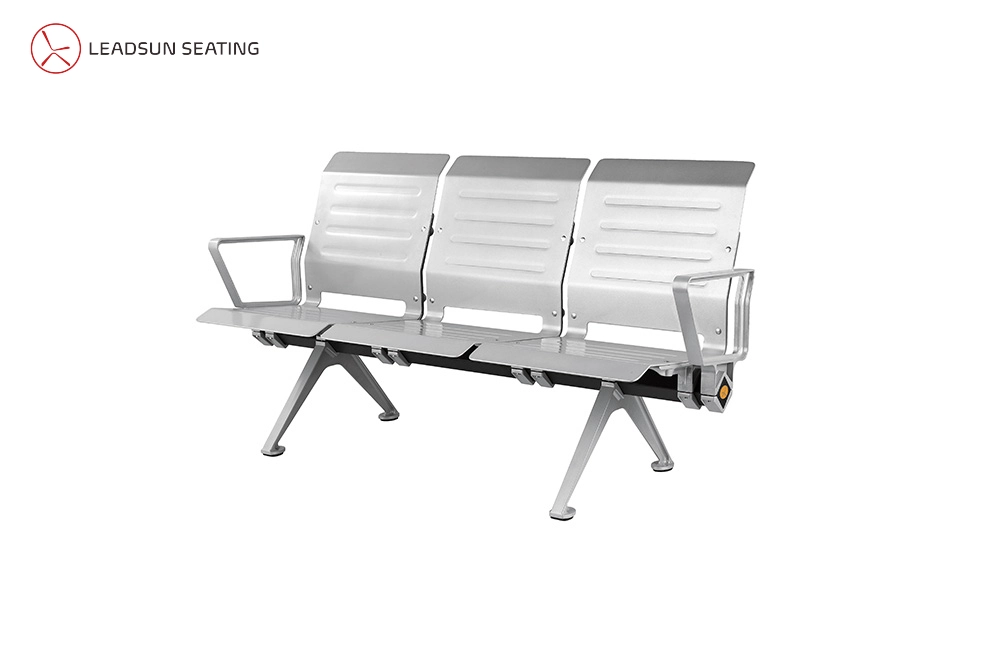
LS-529AL Aluminum Ergonomic Waiting Chairs | Modular & Durable Seating by Leadsun Seating
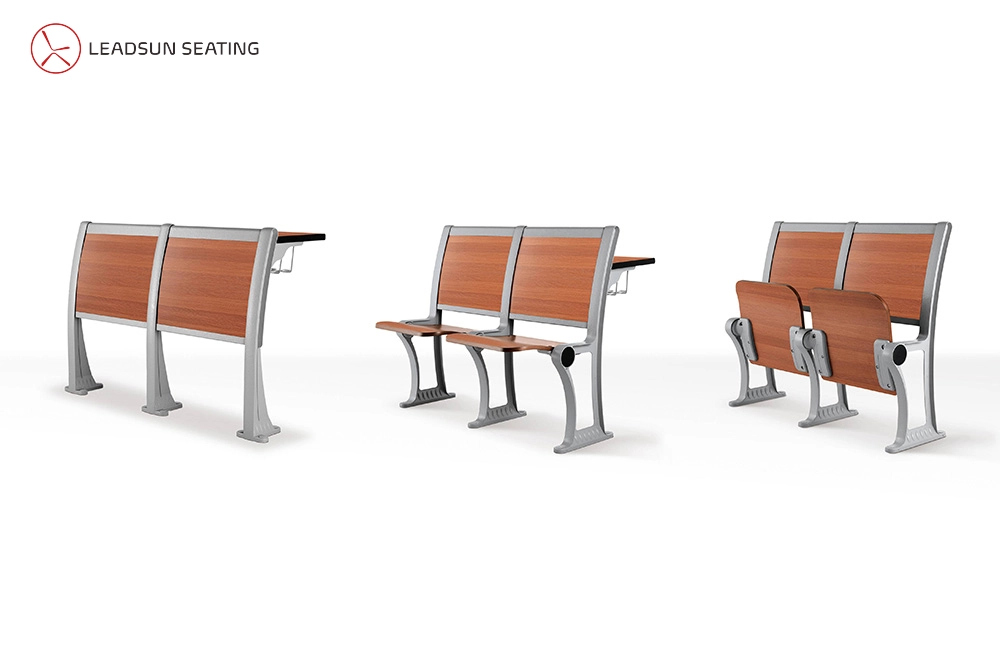
LS-908 Series Fixed Public Auditorium Chair or Tiered Classroom Solutions by Leadsun Seating
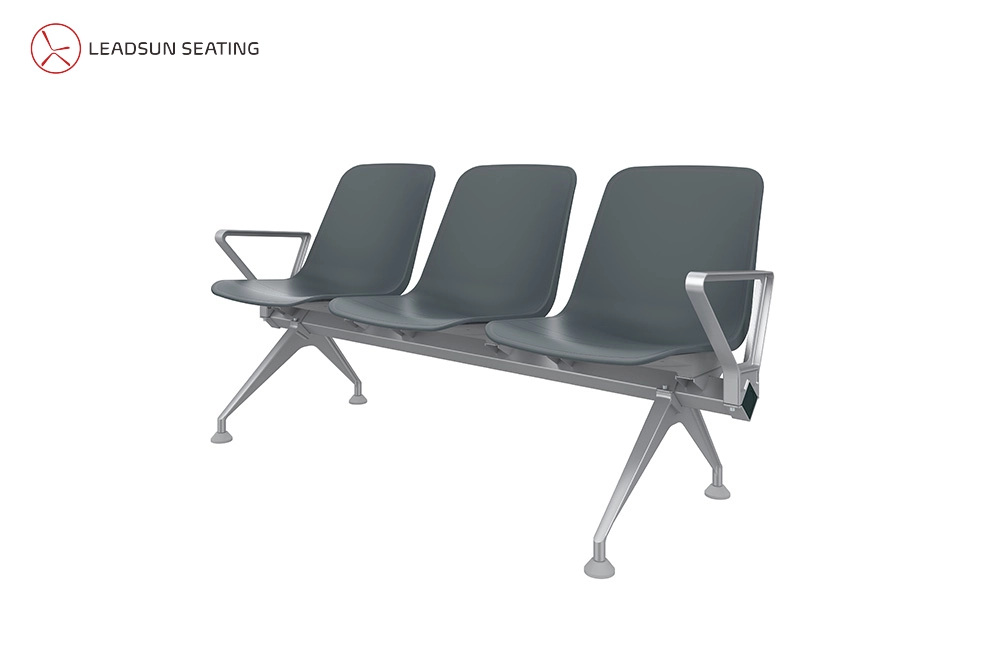
LS-550 Comfortable and Durable Waiting Chair | Customizable Waiting Chair Supplier Leadsun Seating
The LS-550 waiting chair from Leadsun offers superior comfort and durability for any public place. Customize your seating with Leadsun, a leading customizable waiting chair supplier. Ideal for high-traffic areas, the LS-550 ensures lasting performance and style.
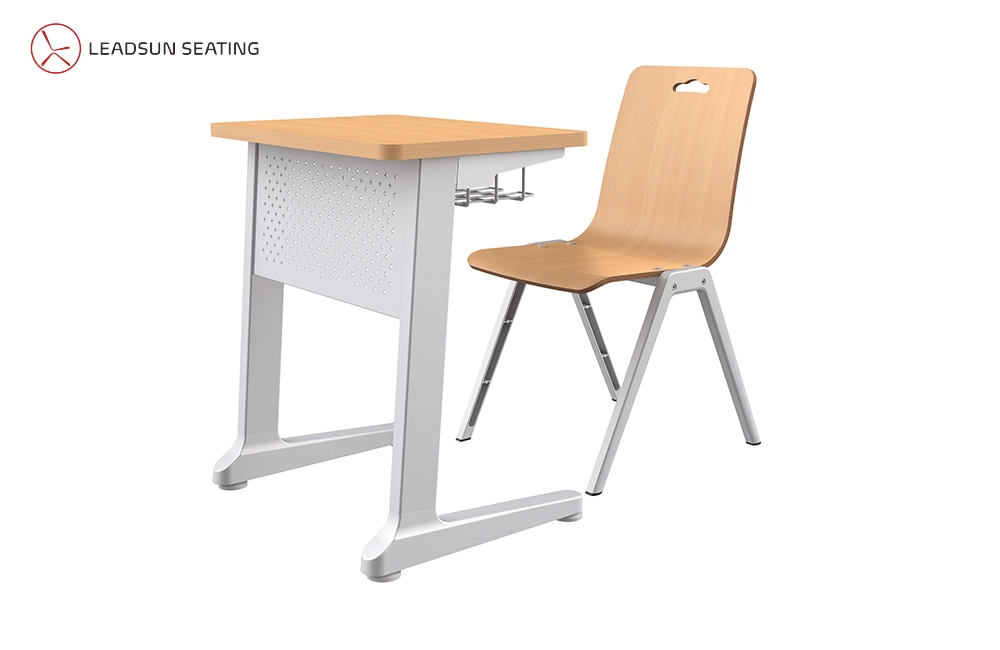
LS-9301 Single movable classroom chair |The Ultimate Flexible Solution for Modern Classrooms by Leadsun Seating

Leadsun Seating is also engaged in the design, development, production, and marketing of lightweight public seats in public places, with an annual output of desks and chairs.
 Scan QR Code