







Durable Waiting Room Chairs: Materials, Testing, and Lifespan
- Understanding user needs and use environments
- Types of spaces and usage profiles
- Functional requirements beyond comfort
- Cost versus lifetime value
- Materials and construction: what makes waiting room chairs last?
- Frame materials: steel, aluminum, and composites
- Seat shells, cushions, and upholstery
- Fasteners, joints, and ergonomics
- Testing standards and methodologies that prove durability
- International and industry standards to check
- Common laboratory tests and what they measure
- How to read test claims on datasheets
- Predicting lifespan, maintenance practices, and procurement checklist
- Typical lifespan ranges and influencing factors
- Maintenance protocols that extend life
- Procurement checklist for long-term performance
- Leadsun: High Quality Seating Solutions & why manufacturer choice matters
- About Leadsun and core capabilities
- Why choose Leadsun: durability, ergonomics, and global manufacturing
- How Leadsun supports verification and lifecycle planning
- Conclusion and action steps
- Frequently Asked Questions (FAQ)
- 1. How long should commercial waiting room chairs last?
- 2. What upholstery is best for infection control?
- 3. Which tests should I request from a supplier?
- 4. How important is frame finish and corrosion resistance?
- 5. Can warranty length indicate product quality?
- 6. How do I balance upfront cost vs long-term value?
Summary for and site indexing: Durable waiting room chairs are essential assets in airports, hospitals, schools, and other public venues where high throughput, hygiene, and low total cost of ownership matter. This article explains how different frame and upholstery materials behave under heavy use, which international standards and tests validate durability, realistic lifespan expectations, and maintenance tactics that extend service life. It also explains procurement considerations and why partnering with an experienced manufacturer matters for customized, reliable seating.
Understanding user needs and use environments
Types of spaces and usage profiles
Waiting areas vary widely: hospital clinics require frequent cleaning and infection control, airports demand continuous high-traffic seating with integrated power or bag rests, education commons focus on durability and modularity, and government offices prioritize easy maintenance and vandal resistance. Understanding the typical dwell time, turnover rate, and user demographics (children, elderly, travelers with luggage) is the first step in specifying waiting room chairs that perform over years rather than months.
Functional requirements beyond comfort
Durability is multi-dimensional: structural strength, upholstery abrasion resistance, stain and flame resistance, and maintainability. Additional needs include space planning (beam/tandem versus individual chairs), accessibility (ADA compliance in many markets), and infection control materials (non-porous surfaces or antimicrobial finishes). These requirements drive choices in frame, seat shell, finish, and fastening methods.
Cost versus lifetime value
Procurement decisions should focus on total cost of ownership (TCO) rather than just purchase price. A higher upfront investment in corrosion-resistant frames and abrasion-resistant fabric often reduces replacement, repair, and cleaning costs. Many facility managers aim for a 7–15 year service life in high-use public waiting areas; specific target depends on the site’s traffic and maintenance budget.
Materials and construction: what makes waiting room chairs last?
Frame materials: steel, aluminum, and composites
Steel frames (typically tubular or welded) are preferred where maximum strength and long-term structural integrity are required. Proper surface treatment (zinc plating, powder coating, or chrome plating) prevents corrosion. Aluminum offers a lighter weight option with good corrosion resistance and is widely used on modern airport seating. Engineered composites and reinforced plastics can be effective for shell-style seating with integrated curves and easy cleaning.
Seat shells, cushions, and upholstery
Seat shells may be molded polypropylene or polyurethane for easy cleaning and impact resistance. Cushioned seating uses foam cores—high-resilience (HR) foam retains shape longer than standard foam. Upholstery options include vinyl/PVC for easy disinfection, performance woven fabrics for abrasion resistance, and leather or faux leather for High Quality environments. For clinical or high-cleanliness environments, closed-cell materials and sealed seams reduce pathogen harboring.
Fasteners, joints, and ergonomics
Durability often fails at joints and fasteners. Bolted connections with captive washers and tamper-resistant screws resist loosening. Weld quality in metal frames affects fatigue life—look for continuous welds and post-weld treatments. Ergonomically, waiting room chairs don't require the adjustability of office chairs but should support neutral posture for dwell times of 30–90 minutes; contoured shells and slightly reclined backrests improve perceived comfort without complex mechanisms.
Testing standards and methodologies that prove durability
International and industry standards to check
Look for testing and certification references on product literature. Relevant standards include BIFMA (Business and Institutional Furniture Manufacturers Association) tests for office and public seating (details at BIFMA.org), and the European standard EN 16139 for strength, durability and safety of non-domestic seating (EN 16139 on Wikipedia). For upholstery abrasion resistance, Martindale and Wyzenbeek tests are industry norms (see Martindale abrasion test).
Common laboratory tests and what they measure
Key tests include:
- Static load and strength tests—verify frame and fastener safety under concentrated and distributed loads.
- Fatigue/cyclic loading—simulate repeated sitting cycles to expose weld or joint fatigue and hinge wear.
- Abrasion testing (Wyzenbeek/Martindale)—measures upholstery wear in cycles; 30,000–100,000 double rubs are common thresholds for heavy commercial fabrics.
- Surface tests (scratch, chemical resistance)—assess surface finishes against cleaning agents and graffiti.
- Fire and smoke testing—regional requirements vary (e.g., CAL TB 117 in the U.S., European fire classes).
How to read test claims on datasheets
Validated claims should reference the test method (e.g., Wyzenbeek: 100,000 double rubs, ASTM D4157) and ideally be supported by third-party lab reports. Beware of vague claims such as commercial grade without specifying standards or test values. For procurement, require test certificates or third-party lab reports as part of the bid package.
Predicting lifespan, maintenance practices, and procurement checklist
Typical lifespan ranges and influencing factors
Lifespan depends on traffic level (low, medium, high), material selection, maintenance, and environmental exposure. Typical observed service-life ranges:
| Material / Configuration | Expected Lifespan (typical) | Key Strengths | Vulnerabilities |
|---|---|---|---|
| Steel frame with vinyl upholstery | 8–15 years (high traffic) | High strength, easy cleaning, cost-effective | Corrosion if finish damaged, vinyl cracking over time |
| Aluminum frame with molded shell | 10–20 years | Corrosion resistant, lightweight, long-lasting | Higher upfront cost, damage to molded shells from impact |
| Cushioned HR foam with performance fabric | 7–12 years (depending on fabric rating) | Comfortable, retains shape longer | Fabric abrasion, staining; requires scheduled cleaning |
| Molded polypropylene shell seating | 8–15 years | Easy to clean, vandal-resistant | Color fade with UV, potential brittle failure at impact points |
These ranges are typical industry observations and will vary by manufacturer, site conditions, and maintenance regimen.
Maintenance protocols that extend life
Preventive maintenance drives longevity: scheduled inspections to tighten fasteners, address finish chips, and replace worn cushions early. Cleaning regimes should use manufacturer-recommended agents—harsh solvents can degrade finishes and fabrics. For healthcare and transit environments, implement daily cleaning of high-touch areas and periodic deep cleaning to remove embedded soils that accelerate fabric wear.
Procurement checklist for long-term performance
When evaluating waiting room chairs, require the following in bids or RFPs:
- Referenced durability tests and third-party certificates (BIFMA, EN 16139, Wyzenbeek/Martindale results).
- Material and finish specifications with maintenance instructions and recommended cleaning agents.
- Warranty terms that cover structural and functional failures for a defined period (e.g., 5–10 years for frames).
- Availability of spare parts and on-site service or installation support.
- Customization options (color, power modules, accessibility features) and pro forma drawings for space planning.
Leadsun: High Quality Seating Solutions & why manufacturer choice matters
About Leadsun and core capabilities
Leadsun: High Quality Seating Solutions for Global Public Spaces Since 1998. Leadsun is a leading China-based manufacturer of high-quality, durable seating solutions for demanding commercial environments. With over 25 years of expertise, Leadsun engineers comfort, durability, and functionality into every product for global clients. Core products include airport seating, ergonomic office and desk chairs, lecture hall seating, fixed desks with integrated chairs, beam and tandem seating, and public waiting area chairs. Visit Leadsun Seating for product lines and technical data.
Why choose Leadsun: durability, ergonomics, and global manufacturing
Leadsun differentiates itself through a combination of materials expertise, stringent quality control, and large-scale OEM/ODM production capacity. Key strengths:
- Durability & Value: High Quality materials, corrosion-resistant finishes, and rigorous production checks reduce lifetime costs.
- Ergonomic Comfort: Design focus on lumbar support, seat contouring, and appropriate seat height for public dwell times.
- Global OEM/ODM Partner: Reliable bulk manufacturing, customization options, and export logistics for B2B buyers.
- Tailored Solutions: Experience serving airports, educational institutions, healthcare, and office projects worldwide.
For inquiries and technical consultations, contact Leadsun at [email protected].
How Leadsun supports verification and lifecycle planning
Leadsun provides product datasheets that reference applicable durability tests, recommended maintenance schedules, and warranty information. For large projects such as airport terminals or lecture halls, Leadsun can supply sample testing data, on-site mock-ups, and lifecycle cost models to demonstrate total cost-of-ownership and expected replacement cycles.
Conclusion and action steps
Choosing waiting room chairs for public spaces requires matching materials and construction to the real-world demands of the site, verifying durability through recognized standards and tests, and planning maintenance to maximize service life. Prioritize suppliers who provide transparent test data, spare parts, and a clear warranty. For tailored solutions backed by decades of production experience, vendors such as Leadsun offer the product range and verification documentation needed for long-lasting, low-maintenance seating in airports, hospitals, schools, and other public venues.
Frequently Asked Questions (FAQ)
1. How long should commercial waiting room chairs last?
Typical service life ranges from about 7 to 20 years depending on materials, traffic intensity, and maintenance. High-traffic areas (airports, large clinics) should expect 8–15 years with appropriate materials and maintenance; lower-traffic municipal offices may see 12–20 years.
2. What upholstery is best for infection control?
Non-porous materials such as certain vinyls, sealed polyurethane, or solid molded shells are easiest to clean and disinfect. Choose materials compatible with approved disinfectants and follow manufacturer cleaning guides to avoid premature degradation.
3. Which tests should I request from a supplier?
Ask for test reports referencing BIFMA standards (for office/public seating), EN 16139 (where applicable), and fabric abrasion ratings (Wyzenbeek or Martindale). Also request static load and cyclic fatigue tests and any regional fire-safety certifications that apply to your project.
4. How important is frame finish and corrosion resistance?
Very important—finish damage can lead to rust and structural weakening. For installations near coastlines or in humid environments, specify stainless or treated aluminum frames and powder-coated finishes with proven salt-spray resistance.
5. Can warranty length indicate product quality?
Warranty length is a useful indicator but read the fine print. A long warranty that excludes structural failure or offers pro-rated coverage may be less valuable than a shorter, comprehensive warranty that includes parts and labor. Prefer suppliers who back structural elements for multiple years and provide spare parts support.
6. How do I balance upfront cost vs long-term value?
Calculate total cost of ownership: include replacement cycles, maintenance, cleaning costs, downtime, and user satisfaction. Often mid- to high-tier commercial seating reduces TCO through longer life and lower maintenance needs despite higher initial price.
If you would like personalized recommendations, layout optimization, or sample testing documentation for a project, contact Leadsun for a consultation or request product catalogs at https://www.leadsunseating.com/ or email [email protected]. Explore tailored seating solutions including Lecture hall seating, Waiting Chair, Fixed desks and chair, Activity desks and chairs, Beam seating, Tandem seating, Airport Seating, Ergonomic Chair, and Desk Chairs.
Wholesale alone waiting chair manufacturer and supplier in us
Wholesale auditorium seating manufacturer and supplier in us
Wholesale commercial training tables manufacturer and supplier
Cleaning and Maintenance of Lecture Hall Chairs
One Stop Airport Terminal Seating
Are there any successful cases we can refer to?
We’ve provided services to numerous international and major domestic airports. We can offer detailed case materials, on-site photos, and client testimonials, so you can get a clear understanding of the solution’s effectiveness.
What is the one-stop airport terminal lounge seating solution?
This solution covers the entire process, from initial needs assessment, personalized design, and professional manufacturing, to installation, delivery, and after-sales maintenance. It offers an integrated seating configuration service for airports, eliminating the need for coordinating with multiple parties.
FAQs
What is the lead time for custom seating orders?
The lead time for custom seating orders varies depending on the complexity of the design and the order size. Typically, it takes 4-6 weeks for production, with shipping times depending on your location.
What materials are used in the production of your public seating?
We use a variety of durable materials such as stainless steel, aluminum, wood, high-quality upholstery, and advanced polymers to ensure that our seating solutions are both functional and long-lasting.
What maintenance is required for your seating solutions?
The maintenance required depends on the material and location of the seating. Generally, regular cleaning and periodic inspections are recommended. We provide maintenance guidelines with each product to ensure long-term durability.
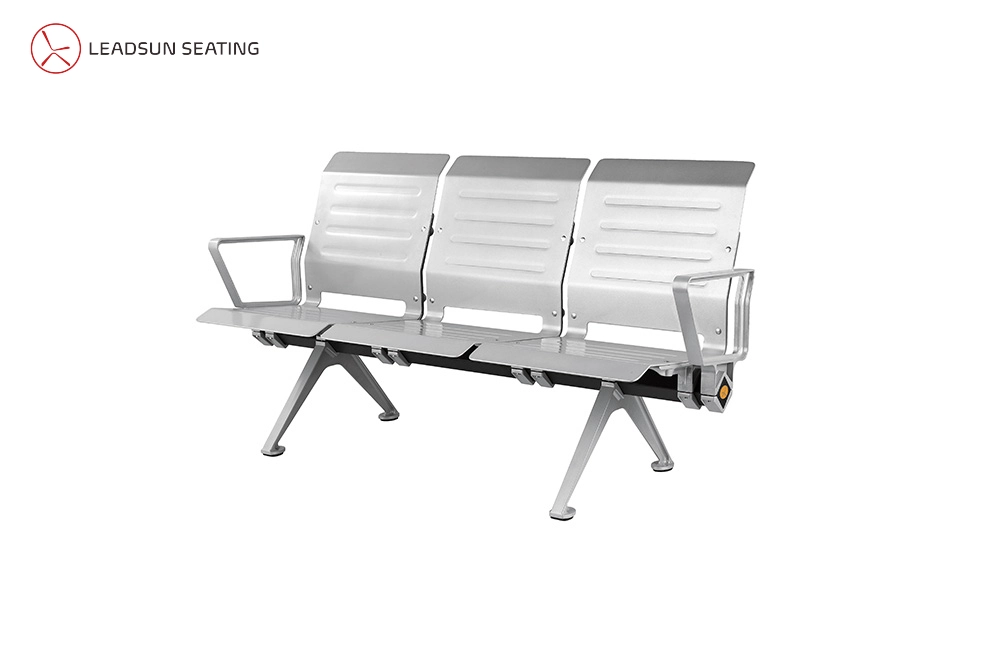
LS-529AL Aluminum Ergonomic Waiting Chairs | Modular & Durable Seating by Leadsun Seating
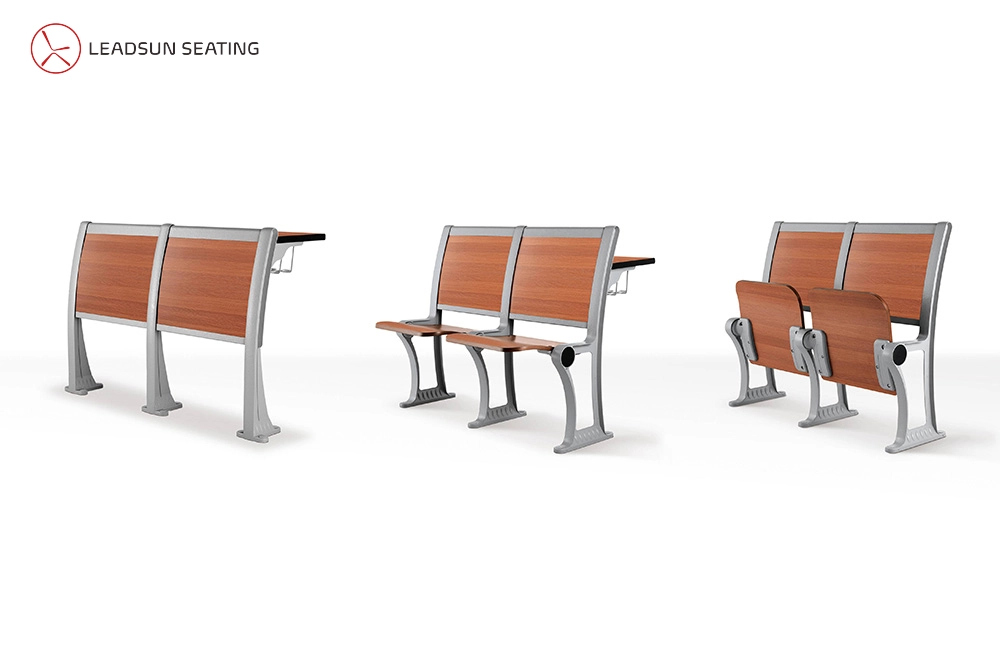
LS-908 Series Fixed Public Auditorium Chair or Tiered Classroom Solutions by Leadsun Seating
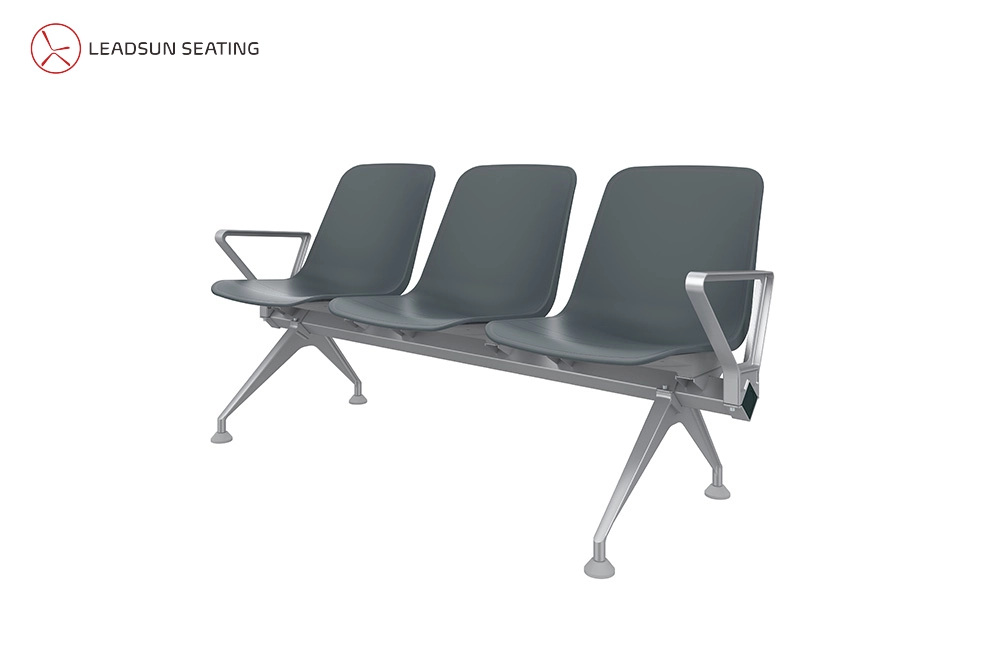
LS-550 Comfortable and Durable Waiting Chair | Customizable Waiting Chair Supplier Leadsun Seating
The LS-550 waiting chair from Leadsun offers superior comfort and durability for any public place. Customize your seating with Leadsun, a leading customizable waiting chair supplier. Ideal for high-traffic areas, the LS-550 ensures lasting performance and style.
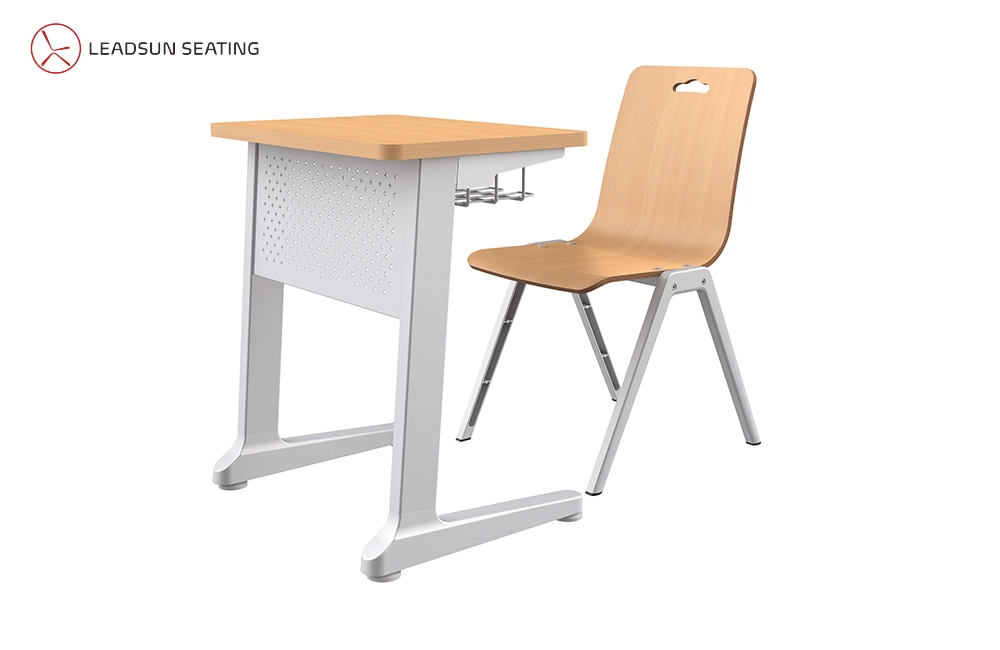
LS-9301 Single movable classroom chair |The Ultimate Flexible Solution for Modern Classrooms by Leadsun Seating

Leadsun Seating is also engaged in the design, development, production, and marketing of lightweight public seats in public places, with an annual output of desks and chairs.
 Scan QR Code