







Leadsun seating offers a wide range of seating solutions for public spaces, including benches, chairs, waiting area seating, auditorium seating, and customized solutions tailored to specific project needs.
Ergonomic Features to Look for in Beam Seating
This article reviews the key ergonomic features to consider when specifying cappuccino beam seating for lecture halls, auditoria, and public waiting areas. It covers seat dimensions, lumbar support, materials, maintenance, accessibility, and safety standards, includes a comparative table of specifications, and explains why choosing a qualified supplier like Leadsun ensures long-term value and compliance.
- Designing Comfort and Durability in Public Seating
- Why cappuccino beam seating matters for user comfort and facility performance
- Key ergonomic dimensions: seat height, depth, and pitch for cappuccino beam seating
- Embed user anthropometrics into your specification
- Lumbar support, backrest design and posture support in beam seating
- What to test: static curvature, dynamic support and backrest height
- Seat materials, cushioning and cover choices for high-traffic cappuccino beam seating
- Balancing comfort, durability and cleanability
- Accessibility, inclusive design and compliance for beam seating
- Ensuring ADA/accessible seating and inclusive layouts with cappuccino beam seating
- Durability testing and safety standards to require from your cappuccino beam seating supplier
- Specify EN/ISO/BIFMA test reports and flammability compliance
- Maintenance, serviceability and lifecycle cost of cappuccino beam seating
- Design for rapid service, minimal downtime and low total cost of ownership
- Acoustics, sightlines and integrated features for lecture hall beam seating
- Ergonomics extends beyond the seat—consider sightlines, acoustics and in-seat amenities
- Comparing ergonomic features: quick reference table
- Why choose a specialist supplier for cappuccino beam seating: the case for Leadsun
- Leadsun: High Quality Seating Solutions for Global Public Spaces Since 1998
- Spec sheet checklist before ordering cappuccino beam seating
- Ensure compliance, ergonomics and serviceability
- Conclusion: specifying ergonomic cappuccino beam seating that performs
- Prioritize human factors, durability and supplier transparency
- Frequently Asked Questions (FAQ)
- 1. What makes cappuccino beam seating different from other beam seating options?
- 2. How long should commercial cappuccino beam seating last?
- 3. Are there ergonomic standards I must follow for lecture hall seating?
- 4. Can cappuccino beam seating be customized with writing tablets and power outlets?
- 5. How should I specify upholstery for high-use public spaces?
- 6. What warranty and after-sales support should I expect from a beam seating supplier?
- Contact & Product Inquiry
- References
Designing Comfort and Durability in Public Seating
Why cappuccino beam seating matters for user comfort and facility performance
Specifying the right cappuccino beam seating—beam-mounted seating finished in a popular cappuccino color or finish—has both human and commercial consequences. For educational institutions, airports, and public venues, seating affects occupant comfort, circulation, sightlines, cleaning time, lifetime cost, and brand perception. Choosing ergonomic beam seating reduces complaints, decreases absenteeism and turnover for staff who use the spaces regularly, and lowers maintenance and replacement costs over the lifecycle.
Key ergonomic dimensions: seat height, depth, and pitch for cappuccino beam seating
Embed user anthropometrics into your specification
Correct seat geometry is the foundation of ergonomic beam seating. When evaluating cappuccino beam seating, examine three primary dimensions:
- Seat height — For general adult public seating, a seat height range of 430–480 mm (17–19 in) accommodates most users. Lower heights may be needed for junior auditoria or K–12 seating.
- Seat depth — Recommended depth is typically 380–420 mm (15–16.5 in). Too deep a seat forces forward slouching; too shallow reduces thigh support.
- Seat pitch and row spacing — For lecture halls, row-to-row pitch should allow 800–900 mm knee clearance to balance capacity and legroom.
These ranges align with ergonomic standards and BIFMA/office seating guidance adapted for public seating. Always verify exact measurements with real-world mock-ups or manufacturer templates before ordering for a specific cohort or space.
Lumbar support, backrest design and posture support in beam seating
What to test: static curvature, dynamic support and backrest height
A well-shaped backrest helps maintain the lumbar curve and reduces fatigue during extended sitting. For cappuccino beam seating, look for:
- Integrated lumbar sculpting or adjustable lumbar pads that support the L3–L5 region.
- Backrest height sufficient to support the lower thoracic region (typically 350–450 mm above the seat pan for auditorium seating).
- Recline geometry or flexible backrests that encourage micro-movements—static rigid backs increase discomfort over time.
Testing prototypes with representative user groups gives the best indication of long-term comfort, especially where long lectures or waiting times are expected.
Seat materials, cushioning and cover choices for high-traffic cappuccino beam seating
Balancing comfort, durability and cleanability
Material selection is critical for public beam seating which must endure heavy use. Key considerations:
- Cushion foam density — High-resilience (HR) foam with densities of 35–50 kg/m³ provides durable support. Lower-density foams may flatten quickly under frequent use.
- Upholstery — Commercial-grade fabrics and vinyls rated to industry abrasion tests (e.g., Martindale or Wyzenbeek per BS EN ISO 12947 or ASTM standards) extend life. A cappuccino-colored finish in vinyl offers easy cleaning; woven textiles provide warmth but require higher abrasion ratings.
- Hygiene — For spaces requiring frequent cleaning, antimicrobial finishes, water-resistant coatings, and removable covers simplify maintenance.
Accessibility, inclusive design and compliance for beam seating
Ensuring ADA/accessible seating and inclusive layouts with cappuccino beam seating
Ergonomic seating must also be inclusive. When planning cappuccino beam seating rows consider:
- Designated wheelchair spaces and companion seats integrated into sightlines.
- Seat heights and armrest designs suitable for people with mobility aids—armrests should aid lateral transfers where required.
- Clear circulation paths, handrail placement, and adequate egress width consistent with local codes (e.g., ADA Standards for Accessible Design in the U.S.).
Confirm local accessibility legislation for your region and include those requirements in procurement documents.
Durability testing and safety standards to require from your cappuccino beam seating supplier
Specify EN/ISO/BIFMA test reports and flammability compliance
Ask suppliers for third-party test certificates. Typical standards to request include:
- EN 15373 / EN 1728 — Strength and durability test standards for non-domestic seating.
- BS EN ISO 12947 or ASTM D4966 / Wyzenbeek — Fabric abrasion tests (Martindale/Wyzenbeek).
- Flammability standards such as CAL TB 117-2013 (USA), or local fire-safety codes for public seating.
- BIFMA compliance or ergonomic assessment reports where applicable.
Require fatigue and cycle testing data for beam fixings, seat hinges (if flip-up seats), and mounting hardware to predict lifetime cost and maintenance intervals.
Maintenance, serviceability and lifecycle cost of cappuccino beam seating
Design for rapid service, minimal downtime and low total cost of ownership
Consider features that reduce operating cost:
- Replaceable seat pads and upholstery panels that can be swapped without removing the entire beam.
- Anti-vandal and tamper-resistant fixings for public spaces.
- Standardized modular components across the venue to simplify spare-parts stock.
A lifecycle cost analysis that includes maintenance labor, cleaning, and replacement parts will often show that higher initial investment in quality materials returns value over time.
Acoustics, sightlines and integrated features for lecture hall beam seating
Ergonomics extends beyond the seat—consider sightlines, acoustics and in-seat amenities
For lecture halls, good ergonomic design integrates:
- Staggered seating layout and tapered backrests to maintain sightlines toward the lectern or screen.
- Acoustic materials in seat backs to reduce reverberation and enhance speech intelligibility.
- Optional integrated features—writing tablets, power modules, cup holders—that must be tested for stability and ergonomic reach.
Comparing ergonomic features: quick reference table
| Feature | Recommended Specification / Benchmark | Why It Matters |
|---|---|---|
| Seat height | 430–480 mm | Supports feet flat on floor and neutral knee angle for most adults |
| Seat depth | 380–420 mm | Balances thigh support and back contact |
| Backrest height | 350–450 mm above seat pan | Supports lumbar and lower thoracic regions |
| Foam density | HR foam, 35–50 kg/m³ | Durable comfort under heavy use |
| Upholstery abrasion | Wyzenbeek ≥ 30,000 cycles or Martindale ≥ 50,000 rubs | Ensures fabric longevity in public spaces |
| Durability testing | EN 15373; EN 1728 test reports | Confirms structural integrity and safety |
Why choose a specialist supplier for cappuccino beam seating: the case for Leadsun
Leadsun: High Quality Seating Solutions for Global Public Spaces Since 1998
For project owners and specifiers seeking ergonomic, durable cappuccino beam seating, selecting an experienced manufacturer is crucial. Leadsun is a China-based manufacturer with over 25 years of experience delivering high-quality seating for demanding commercial environments worldwide. Leadsun’s core strengths include:
- Durability & value — High Quality materials, rigorous quality control and testing reduce lifecycle cost and downtime.
- Ergonomic comfort — Designs focused on extended-use comfort for lecture halls, airports and waiting areas.
- Global OEM/ODM partner — Capabilities for high-volume production, customization, and export logistics tailored to B2B projects.
- Tailored solutions — Expertise across public spaces, including lecture hall seating, waiting chairs and beam seating systems.
Leadsun’s product range relevant to ergonomic beam seating projects includes Lecture Hall Seating, Waiting Chair, Fixed Desks and Chair, Activity Desks and Chairs, Beam Seating, Tandem Seating, Airport Seating, Ergonomic Chairs and Desk Chairs. The combination of industry experience, test-backed product development, and configurable options (e.g., cappuccino finish, fold-away tablets, integrated power) makes Leadsun a competitive partner for institutions seeking reliable long-term performance.
Spec sheet checklist before ordering cappuccino beam seating
Ensure compliance, ergonomics and serviceability
Before issuing a purchase order, ensure the following are included in the technical specification:
- Measured seat geometry (height, depth, pitch) and adjustable options.
- Material specifications: foam density, upholstery abrasion rating and flame retardancy standard.
- Third-party test certificates (EN 15373, EN 1728, Martindale/Wyzenbeek reports).
- Accessibility layout plan and compliance statements for local codes.
- Warranty terms, spare parts availability, and recommended maintenance schedule.
Conclusion: specifying ergonomic cappuccino beam seating that performs
Prioritize human factors, durability and supplier transparency
Ergonomic beam seating selection is a blend of human-centered design, material science, regulatory compliance and pragmatic lifecycle thinking. For cappuccino beam seating, prioritize correct seat geometry, supportive backrests, high-quality cushioning and tested upholstery. Require test certificates and demand modular, serviceable designs to minimize downtime and total cost of ownership. Working with an experienced specialist like Leadsun ensures access to tested solutions, customization options, and global manufacturing reliability.
Frequently Asked Questions (FAQ)
1. What makes cappuccino beam seating different from other beam seating options?
Cappuccino beam seating typically refers to a finish or upholstery color (cappuccino) applied to the structural beam and seat components. The ergonomics depend on geometry and materials rather than color, but cappuccino finishes are favored for hiding wear and matching interior palettes. When specifying, confirm that choice of finish does not compromise abrasion or cleaning performance.
2. How long should commercial cappuccino beam seating last?
With appropriate materials (HR foam, commercial-grade upholstery) and use in accordance with manufacturer guidance, well-specified beam seating can last 10–20 years in many public installations. Longevity depends on traffic volumes, maintenance, and whether parts (e.g., seat shells, cushions) are replaceable.
3. Are there ergonomic standards I must follow for lecture hall seating?
While specific laws vary by jurisdiction, follow recognized ergonomic and safety standards such as EN 15373 and EN 1728 for durability and BIFMA or ISO ergonomics guidance for human factors. Also check local accessibility codes (e.g., ADA in the U.S.) for required accessible seating and egress.
4. Can cappuccino beam seating be customized with writing tablets and power outlets?
Yes. Many manufacturers offer modular options like fold-away writing tablets, integrated power, USB outlets, and cup holders. These features should be tested for stability, reach, and maintenance access before final approval.
5. How should I specify upholstery for high-use public spaces?
Specify commercial-grade upholstery with abrasion resistance per Martindale/Wyzenbeek benchmarks (for example, ≥ 30,000 Wyzenbeek cycles or ≥ 50,000 Martindale rubs), stain resistance, and appropriate flammability ratings as required by local code. Consider vinyl or coated fabrics for high-cleanability areas.
6. What warranty and after-sales support should I expect from a beam seating supplier?
Expect a minimum structural warranty (commonly 5–10 years for structural components), defined warranty for upholstery and foam, availability of spare parts, and clear maintenance recommendations. Suppliers like Leadsun typically provide OEM/ODM support and logistics for large orders.
Contact & Product Inquiry
If you are planning a lecture hall, airport, or public waiting area project and need ergonomic cappuccino beam seating specifications, contact Leadsun for product catalogs, technical data sheets, test certificates, and project quotations. For tailored solutions, request a site survey or sample trial to validate comfort and dimensions before bulk ordering.
References
- BIFMA — Business and Institutional Furniture Manufacturers Association. Standards and guidance. https://www.bifma.org (accessed 2025-12-01)
- EN 15373:2007 + A1:2010 — Furniture — Strength, durability and safety — Requirements for non-domestic seating. European Committee for Standardization. https://standards.cen.eu (accessed 2025-11-20)
- EN 1728 — Furniture — Seating — Test methods for the determination of strength and durability. European Committee for Standardization. https://standards.cen.eu (accessed 2025-11-20)
- BS EN ISO 12947 / Martindale — Textiles — Tests for abrasion resistance by the Martindale method. https://www.iso.org (accessed 2025-11-25)
- ADA Standards for Accessible Design — U.S. Department of Justice. https://www.ada.gov/regs2010/2010ADAStandards/2010ADAstandards.htm (accessed 2025-11-30)
- CAL TB 117-2013 — California Technical Bulletin on furniture flammability (for U.S. specifications). https://www.bhftg.org/california-tb-117-2013/ (accessed 2025-11-28)
Tags
lecture hall seating modern aduitorium
lecture hall seating modern aduitorium
china infusion public chair factories
china infusion public chair factories
high quality lecture hall seating design
high quality lecture hall seating design
china college lecture hall seating
china college lecture hall seating
Hot Sale University Seats
Hot Sale University Seats
modular auditorium seating
modular auditorium seating
Recommended for you
Leadsun Best professional lecture hall chair with desk manufacturers and supplier brands
Custom public airport chair Manufacturers and Suppliers in us
Top Waiting chair Manufacturers and Suppliers in us
Best beam seating chairs manufacturers and supplier brands
Prdoucts Categories
Question you may concern
One Stop Airport Terminal Seating
How do you ensure seat installation doesn't disrupt airport operations?
We’ll develop a detailed installation plan, giving priority to non-peak hours for construction. We also use a modular installation approach to minimize any impact on airport operations.
How does the seat design ensure passenger comfort?
The solution adopts ergonomic design principles. We optimize seat curves, backrest angles, and seat surface materials to effectively relieve the fatigue of passengers during long waits.
FAQs
Are your products compliant with safety and accessibility standards?
-
Absolutely. All of our seating solutions comply with relevant safety regulations and accessibility standards, ensuring comfort and safety for all users, including those with special needs.
-
What types of public seating solutions does Leadsun seating provide?
What is the lead time for custom seating orders?
The lead time for custom seating orders varies depending on the complexity of the design and the order size. Typically, it takes 4-6 weeks for production, with shipping times depending on your location.
You may also like
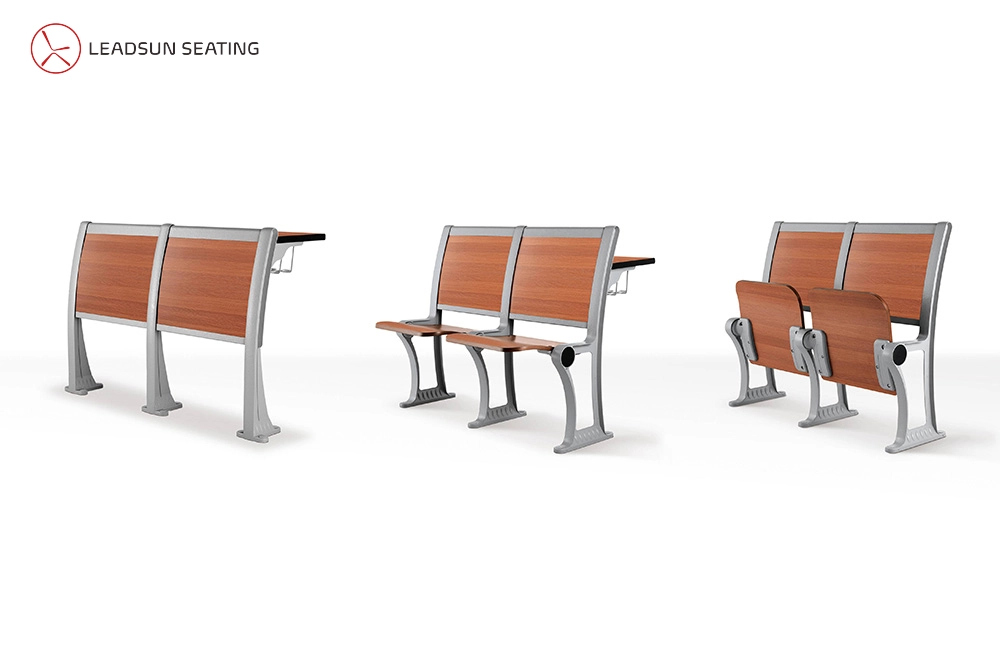
LS-908 Series Fixed Public Auditorium Chair or Tiered Classroom Solutions by Leadsun Seating
Introducing the LS-908 Series by Leadsun, your ideal solution for tiered classroom seating and fixed public auditorium chairs. Designed for comfort and durability, this series enhances audience engagement in educational and corporate settings. Discover the perfect blend of functionality and style with Leadsun Seating.
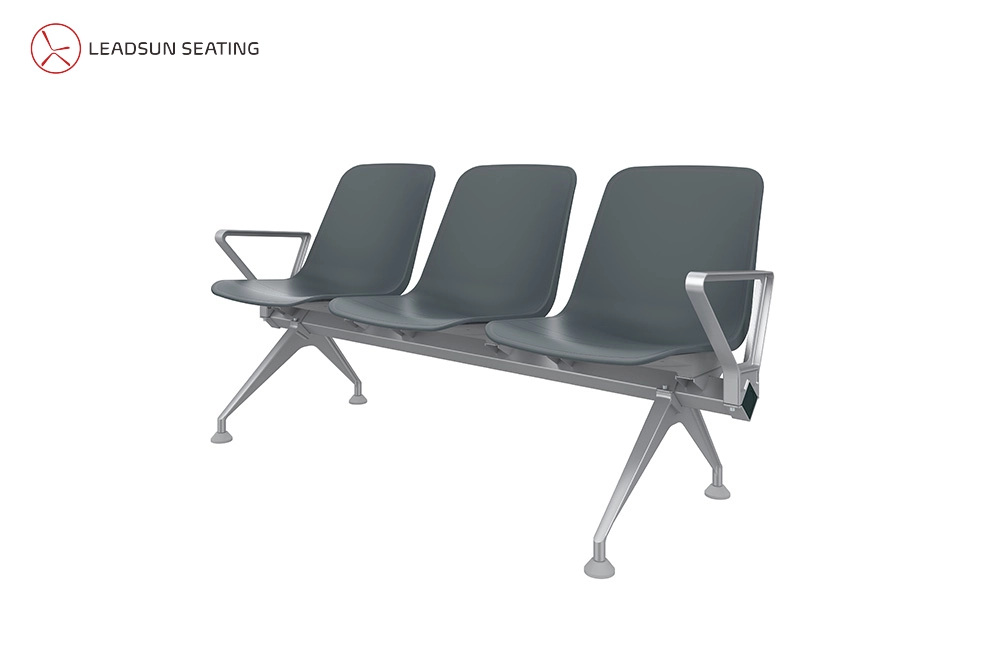
LS-550 Comfortable and Durable Waiting Chair | Customizable Waiting Chair Supplier Leadsun Seating
The LS-550 waiting chair from Leadsun offers superior comfort and durability for any public place. Customize your seating with Leadsun, a leading customizable waiting chair supplier. Ideal for high-traffic areas, the LS-550 ensures lasting performance and style.
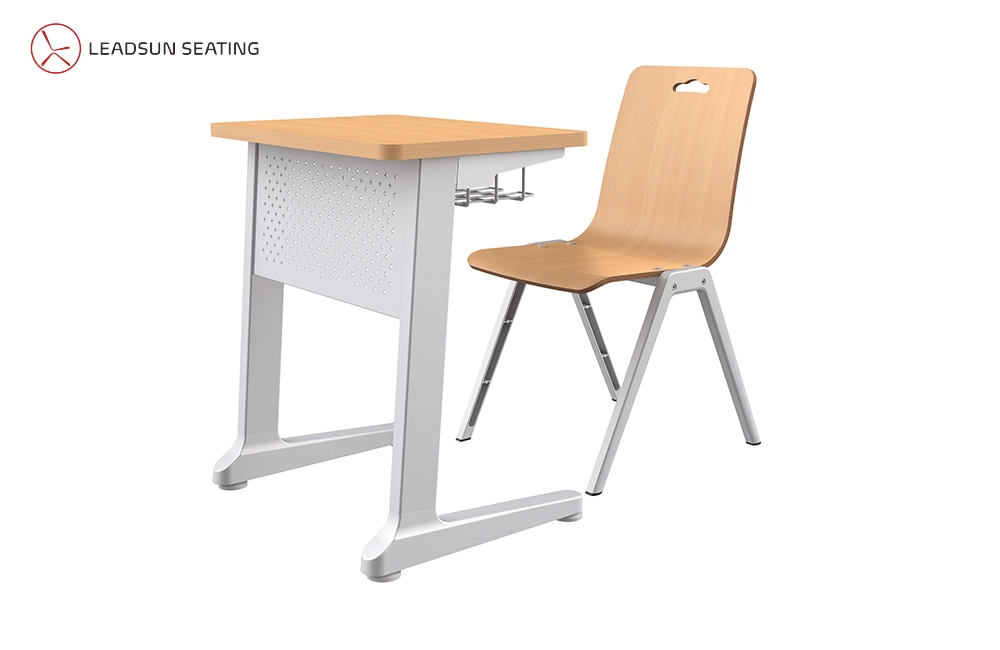
LS-9301 Single movable classroom chair |The Ultimate Flexible Solution for Modern Classrooms by Leadsun Seating
Leadsun's LS-9301 single movable classroom chair offers ultimate flexibility for modern learning environments. This activity desk and chair solution ensures comfortable and adaptable seating for students. Ideal for dynamic classrooms.
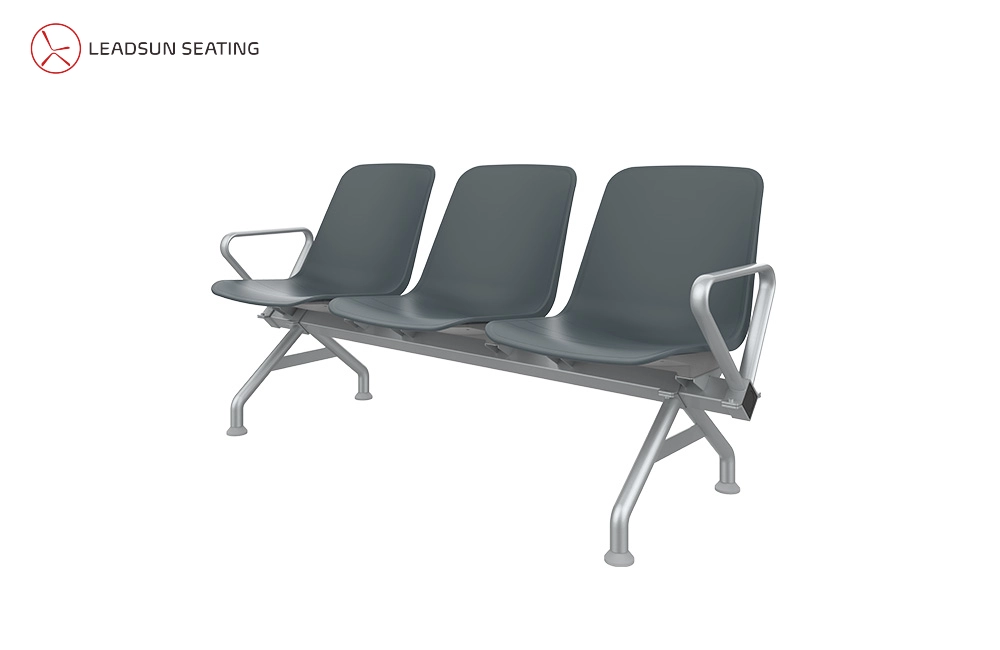
LS-551 Ergonomic Modular Waiting Chairs | Commercial Seating Solutions by Leadsun Seating
Leadsun's LS-551 Ergonomic Modular Waiting Chairs offer superior comfort for any commercial space. Ideal for hospitals, airports, and more, these modular chairs provide flexible configurations and ergonomic support. Experience unmatched comfort and style with Leadsun Seating.
Get in touch with us
If you have any comments or good suggestions, please leave us a message, later our professional staff will contact you as soon as possible.

Leadsun Seating is also engaged in the design, development, production, and marketing of lightweight public seats in public places, with an annual output of desks and chairs.
 Scan QR Code