







Ergonomic Waiting Room Chairs: Comfort for Long Waiting Times
- Why ergonomics matter in public seating
- Health and comfort outcomes
- Operational and reputational impact
- Design principles for effective waiting room chairs
- Anthropometrics and seat geometry
- Supportive features: lumbar, armrests, and cushioning
- Material choices for comfort and hygiene
- Types of waiting room seating and when to specify them
- Individual vs. beam (tandem) seating
- Fixed seating vs. movable modular units
- Specialized designs: bariatric, accessible, and family seating
- Selection criteria, procurement checklist, and lifecycle considerations
- Procurement checklist for specifiers
- Comparing common materials and their trade-offs
- Lifecycle cost vs. purchase price
- Designing waiting areas for comfort, accessibility, and infection control
- Layout: spacing, sightlines, and acoustics
- Accessibility and inclusive design
- Hygiene and infection prevention
- Testing, standards, and verification
- Durability and safety standards
- Field trials and user feedback
- Why choose Leadsun for waiting room seating
- Core expertise and product range
- Why Leadsun stands out
- Specifying Leadsun products: what to request
- Maintenance and lifecycle best practices
- Daily and periodic maintenance
- Repairability and spare parts
- End-of-life and sustainability
- FAQ
- 1. How do I choose the right seat depth and height for a mixed user population?
- 2. Are antimicrobial fabrics necessary for healthcare waiting rooms?
- 3. What warranties and test reports should I ask manufacturers for?
- 4. How often should commercial waiting room chairs be replaced?
- 5. Can beam (tandem) seating be as comfortable as individual chairs for long waits?
- 6. What standards should I reference when specifying waiting room seating?
- Next steps and contact
Ergonomic waiting room chairs are a key element of user experience and operational efficiency in public spaces such as hospitals, airports, clinics, and government offices. Well-designed seating reduces musculoskeletal strain, improves patient and passenger satisfaction, aids infection control, and minimizes lifetime cost through durable materials and easier maintenance. This article examines the evidence-based design principles, material and layout options, procurement criteria, regulatory considerations, and maintenance practices to help architects, facility managers, procurement officers, and designers choose the right waiting room chairs for long dwell times.
Why ergonomics matter in public seating
Health and comfort outcomes
Prolonged sitting in poorly designed waiting room chairs can produce lower-back pain, pressure points, reduced circulation in the legs, and general discomfort that negatively affects mood and compliance (e.g., patients leaving early or travelers missing announcements). Ergonomics research, summarized in resources such as the ergonomics overview on Wikipedia, shows that seat depth, lumbar support, seat angle, and cushioning thickness directly affect comfort for extended sitting.
Operational and reputational impact
Comfortable seating reduces complaints, lengthens positive dwell experience (important in retail and airports), and supports inclusivity. Facilities with better ergonomics typically report lower cleaning and replacement cycles because durable, well-specified chairs resist wear and require less frequent unscheduled replacement. Industry guidance from standards organizations such as BIFMA provides test methods for durability that are often referenced in procurement.
Design principles for effective waiting room chairs
Anthropometrics and seat geometry
Ergonomic seating begins with anthropometric fit: seat height should allow users' feet to rest on the floor (typical commercial range 430–480 mm for many adult populations), seat depth should support thighs without pressing the back of the knees, and seat width must accommodate intended user groups. Designers frequently consult ISO/ergonomics guidance such as ISO 9241 for human-centered design principles.
Supportive features: lumbar, armrests, and cushioning
Lumbar contouring supports the natural lordosis of the lower back and reduces slumping. Armrests provide stability when standing and sitting, especially for elderly or mobility-impaired users. Cushion density and thickness should balance immediate comfort with long-term resilience—high-resilience foam or elastomeric padding resists permanent deformation compared with low-density foams.
Material choices for comfort and hygiene
For long waiting times, breathable upholstery (e.g., technical fabrics, perforated vinyl, or mesh) reduces heat build-up. Antimicrobial treatments and cleanable surfaces aid infection control in healthcare settings; guidance from health authorities such as the World Health Organization (WHO) emphasizes surface cleaning and material selection for infection prevention. Selecting upholstery with a high abrasion rating (e.g., double-rub counts in textile testing) increases useful life in high-traffic areas.
Types of waiting room seating and when to specify them
Individual vs. beam (tandem) seating
Individual chairs offer flexibility for spacing and are user-preferred in many healthcare settings; beam or tandem seating (multiple chairs mounted on a beam) maximizes capacity and simplifies cleaning and installation in airports, terminals, and large lobbies.
Fixed seating vs. movable modular units
Fixed seating with bolted bases is durable and theft-resistant—typical for transit hubs. Modular and movable units support reconfiguration for special events, social-distancing needs, or remodels. Consider operational priorities: fixed seating lowers theft and shift but reduces layout flexibility.
Specialized designs: bariatric, accessible, and family seating
Provide bariatric-rated seating for higher weight capacities and wider seats, and include seating that meets accessibility standards such as those described by the U.S. ADA. Family seating (benches or connected seats with space for strollers) improves user experience in pediatric clinics and family waiting areas.
Selection criteria, procurement checklist, and lifecycle considerations
Procurement checklist for specifiers
- Intended dwell time and user profile (elderly, pediatric, business travelers).
- Regulatory compliance: fire-retardant materials, accessibility codes (ADA or local equivalents), and durability standards (BIFMA testing where applicable).
- Maintenance regime: cleanability, replaceable covers, modular seat components.
- Warranty and service level agreements for OEM/ODM partners.
Comparing common materials and their trade-offs
| Material | Comfort & Breathability | Durability & Maintenance | Best Use |
|---|---|---|---|
| Mesh | High breathability; good for long sits | Durable if quality mesh; easy to clean | Clinics, offices, airport lounges |
| PU/Vinyl | Moderate; can be warm | Very cleanable; resists stains; may crack over many years | Healthcare, high-traffic public areas |
| Fabric (technical) | High comfort; many finishes | Varies by abrasion rating; may require laundering | Waiting rooms, lounges |
| Plastic/Polypropylene | Lower cushioning; can be contoured | Extremely durable; low maintenance | Transit hubs, quick turnover areas |
Table data ranges and recommendations align with industry practice and manufacturer guidance, and durability testing methods are described by organizations such as BIFMA.
Lifecycle cost vs. purchase price
Specifiers should evaluate total cost of ownership: initial unit price, energy or cleaning costs (e.g., stain-resistant fabrics reduce cleaning time), expected replacement cycle, and warranty terms. Durable materials and replaceable modular parts typically reduce lifecycle costs even if upfront prices are higher.
Designing waiting areas for comfort, accessibility, and infection control
Layout: spacing, sightlines, and acoustics
Spacing needs to balance capacity and personal space. For instance, providing a mix of single chairs and small clusters improves perceived privacy and sightlines for signage or information screens. Acoustic considerations—soft surfaces, spaced seating, and barriers—reduce stress in high-noise environments.
Accessibility and inclusive design
Designs must include accessible seating at pathways, provide armrests and appropriate seat heights, and accommodate assistive devices. Compliance with local accessibility regulations such as the ADA is essential for legal and ethical reasons.
Hygiene and infection prevention
Material selection and finish matter: non-porous surfaces, antimicrobial finishes (where verified), and removable, launderable covers reduce infection risk. Cleaning protocols should align with public health guidance such as the WHO recommendations for facility hygiene.
Testing, standards, and verification
Durability and safety standards
Standards bodies provide test methods and certifications that help verify product claims. BIFMA publishes test standards for seating durability; ISO provides ergonomics guidance (ISO 9241). Purchasing teams should require test reports and third-party lab certifications when evaluating bids. See BIFMA and the ISO 9241 summary on Wikipedia for reference.
Field trials and user feedback
Run a pilot installation in a representative space before committing to a full roll-out. Collect quantitative feedback (satisfaction surveys, complaint rates) and qualitative input from regular users and staff to refine choices for cushioning firmness, armrest height, and upholstery finish.
Why choose Leadsun for waiting room seating
Leadsun: High Quality Seating Solutions for Global Public Spaces Since 1998. Leadsun is a leading China-based manufacturer of high-quality, durable seating solutions for demanding commercial environments. With over 25 years of expertise, Leadsun engineers comfort, durability, and functionality into every product for global clients. Learn more at Leadsun Seating.
Core expertise and product range
- Airport Seating Manufacturer: Robust, easy-maintain airport waiting area seating for high traffic, security, and comfort.
- Ergonomic Chair Specialist: Ergonomic office chairs and desk chairs designed for well-being and productivity.
- Lecture Hall Seating Supplier: Space-efficient, durable lecture hall seating and tiered solutions.
- Public Waiting Area Seating: Commercial-grade waiting area chairs engineered for longevity in high-volume spaces.
Why Leadsun stands out
Durability & Value: Leadsun uses High Quality materials and rigorous quality control to reduce lifetime cost. Ergonomic Comfort: Design is centered on user well-being for extended use. Global OEM/ODM Partner: Reliable bulk manufacturing, customization options, and export logistics support B2B buyers. Tailored Solutions: Expertise across public spaces—airports, hospitals, education, and offices—allows for targeted recommendations and plug-and-play solutions. Contact: [email protected]. Product range includes Lecture hall seating, Waiting Chair, Fixed desks and chair, Activity desks and chairs, beam seating, Tandem seating, Airport Seating, Ergonomic Chair, Desk Chairs.
Specifying Leadsun products: what to request
When requesting proposals, ask for durability test reports (BIFMA or equivalent), material specification sheets for upholstery and foam (abrasion/flammability ratings), warranty terms, and references from comparable installations. Leadsun can provide tailored OEM/ODM solutions and technical drawings to fit architectural constraints.
Maintenance and lifecycle best practices
Daily and periodic maintenance
Daily cleaning should focus on high-touch points—armrests and seat edges—with recommended cleaning agents provided by the manufacturer. Periodic inspection of mounting bolts, frame integrity, and upholstery wear prevents small issues from becoming replacements.
Repairability and spare parts
Choose chairs with replaceable cushions, swap-in armrests, and modular frames. This approach reduces waste and cost by enabling refurbishment rather than full replacement.
End-of-life and sustainability
Ask suppliers about recyclability of metal frames and foam, and prefer designs that facilitate disassembly. Some manufacturers offer take-back or refurbishment programs to extend product life and reduce environmental impact.
FAQ
1. How do I choose the right seat depth and height for a mixed user population?
Choose a seat height in the mid-range (approx. 430–480 mm) and moderate depth that supports most adults without backing the knees. Complement with chairs of varying sizes (including accessible and bariatric options) to serve wider user groups.
2. Are antimicrobial fabrics necessary for healthcare waiting rooms?
Antimicrobial finishes can be useful but should not replace proper cleaning protocols. Select non-porous, cleanable materials and follow public health guidance (e.g., WHO) for infection control.
3. What warranties and test reports should I ask manufacturers for?
Request warranty details on frame and upholstery, BIFMA-equivalent durability test reports, fire-retardancy certifications relevant to your jurisdiction, and documented abrasion/cleanability ratings for fabrics.
4. How often should commercial waiting room chairs be replaced?
Replacement cycles depend on traffic and material quality. With commercial-grade materials and proper maintenance, seating often lasts several years; aim for modular specifications that enable repairs and component replacement rather than full-unit disposal.
5. Can beam (tandem) seating be as comfortable as individual chairs for long waits?
Yes—modern beam seating can be ergonomically contoured, offer armrests and lumbar shape, and use high-quality padding and upholstery. The key is proper cushion design and material selection to support longer dwell times.
6. What standards should I reference when specifying waiting room seating?
Reference ergonomics guidance such as ISO 9241, seating durability standards from BIFMA, and local fire and accessibility codes such as the ADA in the United States.
Next steps and contact
Choosing the right waiting room chairs requires balancing user comfort, regulatory compliance, durability, and lifecycle cost. For tailored recommendations, pilot installations, or OEM/ODM seating solutions, contact Leadsun: visit https://www.leadsunseating.com/ or email [email protected]. Our team can provide product datasheets, test reports, and layout support for airport, healthcare, education, and public-sector projects.
Top 5 movable tablet seating lecture hall Company List and Products Compared
Top public seating chair Manufacturers and Suppliers in us
Leadsun Best professional chair for waiting area manufacturers and supplier brands
Custom waiting chair Manufacturers and Suppliers in us
One Stop Airport Terminal Seating
What does the after-sales service include?
Our after-sales service covers daily maintenance guidance, regular inspections, fault repairs, and component replacements. Our professional after-sales team is available 24/7 to ensure the long-term stable operation of the seats.
How long is the production cycle? Can you deliver on time?
The production cycle depends on the order size and customization complexity. We’ll create a detailed production plan in advance and have a professional logistics and installation team in place to ensure on-time delivery and efficient implementation.
How does the seat design ensure passenger comfort?
The solution adopts ergonomic design principles. We optimize seat curves, backrest angles, and seat surface materials to effectively relieve the fatigue of passengers during long waits.
FAQs
Do you offer installation services for your seating solutions?
Yes, we offer professional installation services to ensure that the seating is properly installed and meets all safety standards. Our team is experienced in handling both large and small-scale installations.
What maintenance is required for your seating solutions?
The maintenance required depends on the material and location of the seating. Generally, regular cleaning and periodic inspections are recommended. We provide maintenance guidelines with each product to ensure long-term durability.
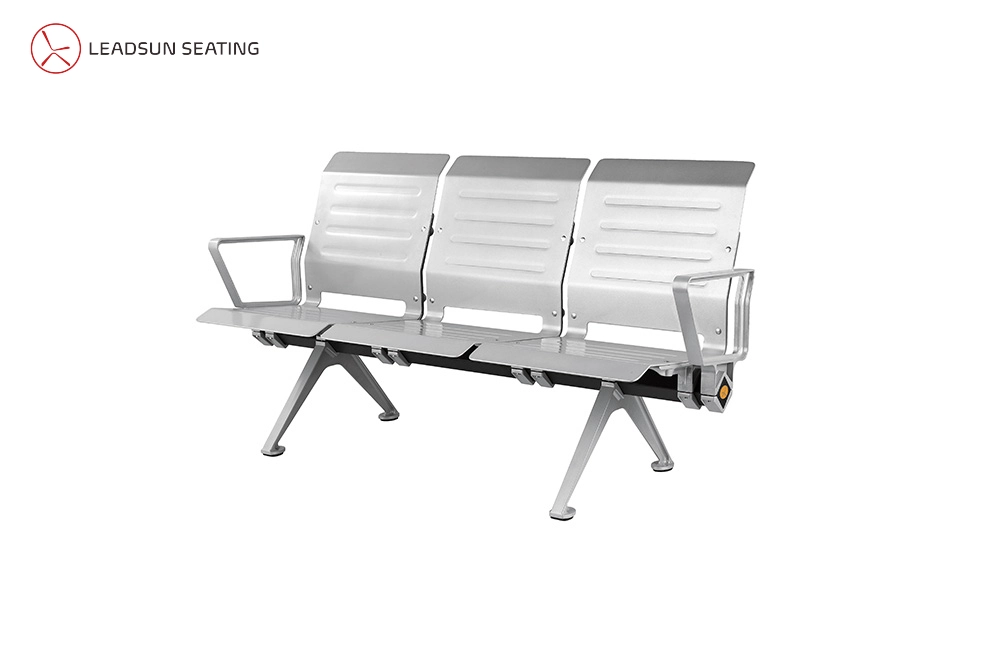
LS-529AL Aluminum Ergonomic Waiting Chairs | Modular & Durable Seating by Leadsun Seating
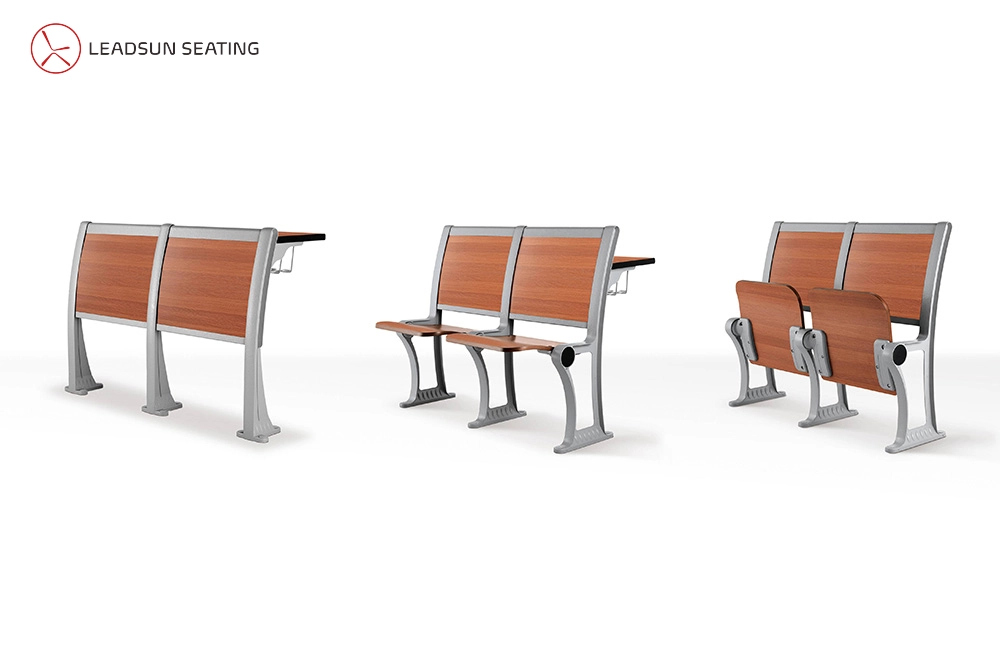
LS-908 Series Fixed Public Auditorium Chair or Tiered Classroom Solutions by Leadsun Seating
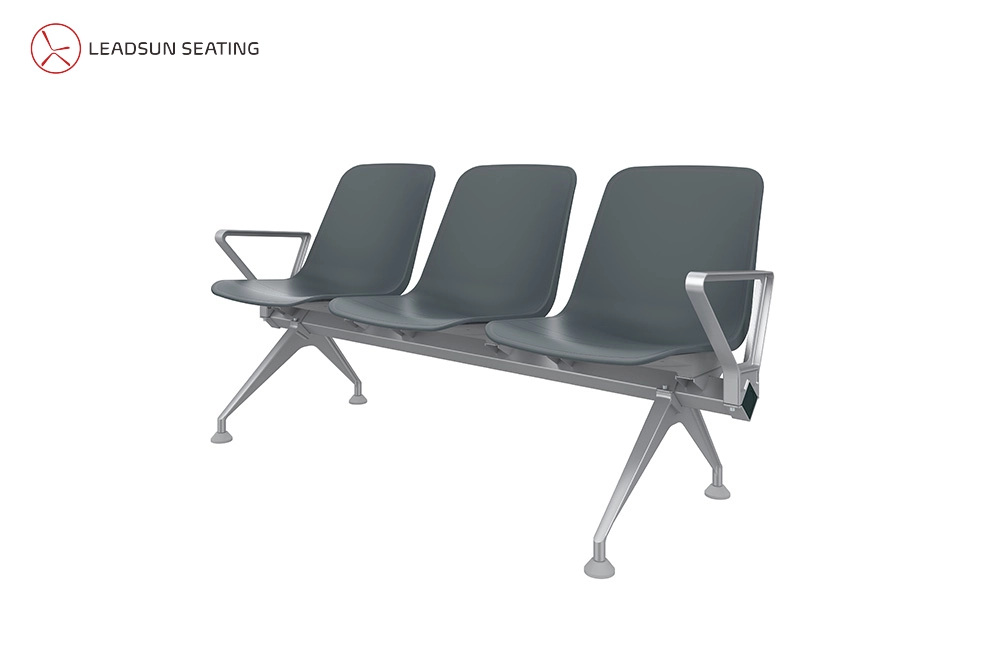
LS-550 Comfortable and Durable Waiting Chair | Customizable Waiting Chair Supplier Leadsun Seating
The LS-550 waiting chair from Leadsun offers superior comfort and durability for any public place. Customize your seating with Leadsun, a leading customizable waiting chair supplier. Ideal for high-traffic areas, the LS-550 ensures lasting performance and style.
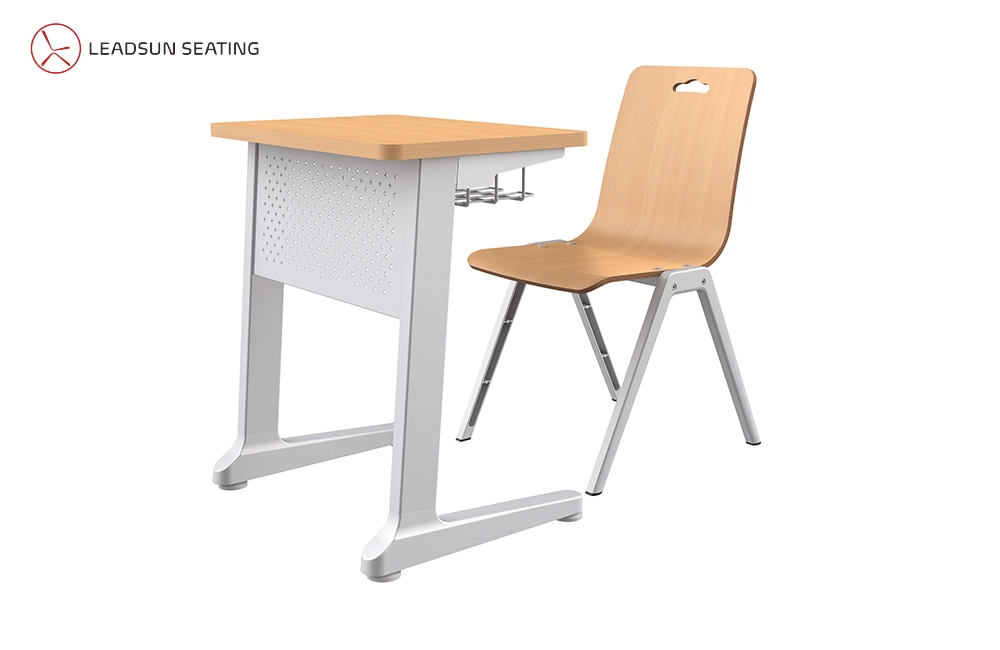
LS-9301 Single movable classroom chair |The Ultimate Flexible Solution for Modern Classrooms by Leadsun Seating

Leadsun Seating is also engaged in the design, development, production, and marketing of lightweight public seats in public places, with an annual output of desks and chairs.
 Scan QR Code