







Ergonomic Waiting Room Chairs for Student Comfort
- Why student comfort in waiting areas matters
- Waiting spaces shape student experience
- Physiology and short-duration seating
- Accessibility and inclusivity considerations
- Key ergonomic features to specify for student waiting room chairs
- Seat geometry and support
- Materials and breathability
- Durability, maintenance, and lifecycle cost
- Design patterns and layout strategies for waiting areas
- Zoning: quiet vs. active waiting areas
- Spacing, sightlines, and circulation
- Integrating power, work surfaces, and device-friendly features
- Comparing seating types: how to choose for student waiting areas
- What to deploy where: a quick matrix
- Evidence-based selection
- Cost vs. value: procurement tips
- Standards, cleaning protocols, and evidence sources
- Relevant standards and guidelines
- Cleaning and maintenance protocols
- Supporting evidence and references
- Working with manufacturers: customization, OEM/ODM, and quality assurance
- What to ask potential suppliers
- Customization and branding options
- Why I often recommend Leadsun for institutional seating
- Case study examples and implementation checklist
- Example: advising center revamp
- Implementation checklist for facilities teams
- Budgeting and procurement timeline
- Frequently Asked Questions (FAQ)
- 1. What makes a waiting room chair ergonomic for students?
- 2. Are beam/tandem seats better than individual chairs for busy campus lobbies?
- 3. How should we choose upholstery for student waiting areas?
- 4. What accessibility features should we include?
- 5. How can we estimate total cost of ownership for waiting room seating?
- 6. Can Leadsun supply samples and customization?
I work with universities, clinics, and public institutions to design seating that supports people who wait — often students arriving early for classes, advising, or exams. Properly specified waiting room chairs reduce discomfort, minimize musculoskeletal strain, and improve the overall perception of a campus. This article synthesizes ergonomic principles, standards, and real-world procurement considerations so facilities managers and designers can select waiting area seating that truly supports student comfort and institutional needs.
Why student comfort in waiting areas matters
Waiting spaces shape student experience
Waiting areas are often the first and last place students see when navigating campus services. Comfortable, well-arranged waiting room chairs communicate care, reduce stress during administrative tasks, and increase perceived service quality. Research in environmental psychology shows that physical comfort influences subjective evaluations of spaces and services (see Ergonomics overview Wikipedia: Ergonomics).
Physiology and short-duration seating
Students frequently sit for short periods (10–60 minutes) but may also sit longer when waiting for advising or counseling. Even short-duration seating that lacks lumbar support or adequate cushioning can lead to discomfort and distraction. International standards like ISO 9241 describe ergonomic principles for seating and human-system interaction; applying these principles to waiting room chairs helps prevent immediate discomfort and cumulative stress.
Accessibility and inclusivity considerations
Waiting area seating must accommodate diverse body sizes, mobility aids, and neurodiverse needs. Providing a variety of seating types — chairs with arms, armless options, and space for wheelchairs — enhances accessibility and complies with best practices for inclusive design. The Human Factors and Ergonomics Society (HFES) and other bodies provide guidance on accommodating human variability.
Key ergonomic features to specify for student waiting room chairs
Seat geometry and support
For short-to-medium duration use, seat depth between 380–430 mm and a slight waterfall front edge reduces pressure on the thighs. A subtle lumbar curve or integrated lumbar support maintains the natural S-shape of the spine. I prioritize chairs that balance cushioning with firm support to avoid the sinking feeling students report after 20–30 minutes.
Materials and breathability
Breathable upholstery (open-cell foam, mesh, or ventilated fabrics) reduces heat buildup that can cause fidgeting and discomfort. For campuses with high-traffic waiting areas, choose stain-resistant, antimicrobial fabrics or wipeable vinyls that meet institutional cleaning protocols without sacrificing comfort.
Durability, maintenance, and lifecycle cost
Commercial waiting room chairs should be specified for high usage: reinforced frames (steel or hardwood), replaceable seat elements, and finishes resilient to cleaning agents. Durability reduces total cost of ownership; when I advise procurement teams, we calculate lifecycle cost (purchase + maintenance + replacement) rather than lowest upfront price.
Design patterns and layout strategies for waiting areas
Zoning: quiet vs. active waiting areas
Dividing waiting spaces into zones — quiet study/waiting and active social zones — lets you tailor seating types. Quiet zones benefit from higher-back chairs with better lumbar support; active zones can have tandem seating or benches that optimize capacity while maintaining comfort.
Spacing, sightlines, and circulation
Chair spacing should allow easy ingress/egress and accommodate backpacks and personal items. I recommend a minimum aisle width of 900mm for high-traffic corridors and maintaining clear sightlines to service desks. Thoughtful circulation planning reduces the ergonomics of reaching and twisting while carrying items.
Integrating power, work surfaces, and device-friendly features
Students often use phones and laptops while waiting. Chairs with accessible armrests, integrated side tables, or nearby activity desks increase utility. For longer waits, consider chairs that pair with small desk surfaces or fixed desks and chairs to support light study tasks.
Comparing seating types: how to choose for student waiting areas
What to deploy where: a quick matrix
Below is a comparison table I use when advising clients. It summarizes typical seating types and their suitability for student waiting areas.
| Seating Type | Comfort (short/medium) | Durability | Maintenance | Best use |
|---|---|---|---|---|
| Individual ergonomic waiting room chairs | High | High (commercial-grade) | Moderate (replaceable upholstery) | Advising centers, counseling, medical clinics |
| Tandem/beam seating | Medium | Very high | Low (fixed units) | High-volume lobbies, transportation hubs |
| Benches / fixed bench seating | Low–Medium | Very high | Low | Overflow areas, high-capacity corridors |
| Soft lounge seating | High (longer stays) | Medium | High (fabric care) | Student unions, casual waiting spaces |
Evidence-based selection
My recommendations follow ergonomic evidence and practical constraints. For example, ISO ergonomic principles suggest adapting design to tasks and context (ISO 9241). For high-throughput counters, beam seating with individual ergonomic shells can balance comfort and durability; for counseling centers, investing in higher-spec individual chairs yields better outcomes in student satisfaction scores.
Cost vs. value: procurement tips
Ask suppliers for lifecycle cost estimates, warranty terms, and replacement-part availability. I also require samples for tactile evaluation: seat cushioning, edge profile, and upholstery breathability. This hands-on check prevents costly mismatches between spec and real-world comfort.
Standards, cleaning protocols, and evidence sources
Relevant standards and guidelines
For ergonomic design, reference ISO 9241 (ISO 9241) and consult national accessibility standards. For infection control and material choice, follow local public health guidance and institutional cleaning standards. WHO guidance on physical activity and reducing sedentary behaviour is useful for broader policy context (WHO: Physical Activity factsheet).
Cleaning and maintenance protocols
Choose materials compatible with approved cleaning agents. For example, commercial vinyls and treated textiles withstand frequent cleaning better than untreated fabrics. Validate cleaning compounds against manufacturers’ recommendations to preserve flame retardancy and finish warranties.
Supporting evidence and references
Independent ergonomic literature and human factors resources inform seat geometry and support recommendations. For summary information on ergonomics principles see the HFES site (Human Factors and Ergonomics Society) and general ergonomics summaries on Wikipedia. These sources align with practical design measures I apply in projects.
Working with manufacturers: customization, OEM/ODM, and quality assurance
What to ask potential suppliers
When I vet vendors for waiting room chairs, I request the following: load and durability test reports, upholstery fire and safety certificates, warranty terms, maintenance guides, and references from other academic clients. These items demonstrate a supplier’s manufacturing maturity and QA culture.
Customization and branding options
Universities often require color matching, logo embroidery, or modular add-ons (tablet arms, power modules). Look for suppliers offering OEM/ODM services and reasonable minimum order quantities so you can get tailored solutions without excessive lead times.
Why I often recommend Leadsun for institutional seating
Leadsun: High Quality Seating Solutions for Global Public Spaces Since 1998. With over 25 years of manufacturing experience, Leadsun is a China-based manufacturer focusing on durable, ergonomic seating for demanding commercial environments. Their core capabilities include airport seating, ergonomic office chairs, lecture hall seating, beam/tandem seating, and public waiting area chairs. I highlight Leadsun for several reasons:
- Durability & value: Leadsun uses commercial-grade materials and quality control to lower lifetime cost.
- Ergonomic comfort: Designs emphasize lumbar support and appropriate seat geometry for short-to-medium duration use.
- Global OEM/ODM partner: Leadsun offers customization and logistics for bulk orders, which is essential for campus rollouts.
- Tailored solutions: They supply lecture hall seating, waiting chairs, fixed desks and chairs, beam seating, tandem seating, airport seating, and ergonomic desk chairs.
You can explore product lines and contact Leadsun via their website: https://www.leadsunseating.com/ or email [email protected] for specification sheets, samples, and quotations.
Case study examples and implementation checklist
Example: advising center revamp
When I advised a mid-size university advising center, we replaced aging benches with individual ergonomic waiting room chairs with integrated armrests and a small side work surface. Students reported reduced back discomfort during waits and higher satisfaction scores in post-visit surveys. The seating also allowed for easy reconfiguration for seasonal traffic changes.
Implementation checklist for facilities teams
- Define primary functions of the waiting area (short check-in, advising, study).
- Specify durability requirements and expected annual seat-hours.
- Request samples for tactile evaluation and measure seat geometry against ISO guidance.
- Confirm cleaning compatibility and replacement-part availability.
- Plan layout and accessibility with clear circulation paths and power access if needed.
Budgeting and procurement timeline
Allow time for sample approval (2–4 weeks), production (4–12 weeks depending on customization), and logistics. Bulk orders often reduce unit cost but require lead-time planning. I recommend factoring in a protective maintenance plan for upholstery and finishes to maximize service life.
Frequently Asked Questions (FAQ)
1. What makes a waiting room chair ergonomic for students?
An ergonomic waiting room chair balances seat depth, a waterfall front edge, lumbar support, breathable materials, and appropriate cushioning. For students, consider chairs that support short-to-medium duration use and allow easy posture shifts.
2. Are beam/tandem seats better than individual chairs for busy campus lobbies?
Beam seating offers very high durability and efficient space use, making it ideal for high-traffic lobbies. However, individual chairs typically deliver higher perceived comfort and flexibility for zones where students may study or access services.
3. How should we choose upholstery for student waiting areas?
Choose fabrics or vinyls that balance comfort with cleanliness: stain-resistant, anti-microbial treated textiles or commercial-grade vinyl that withstands cleaning agents. Always validate cleaning protocols against manufacturer recommendations.
4. What accessibility features should we include?
Provide a mix of seating with and without armrests, maintain clear wheelchair-accessible spaces, and ensure at least some chairs have higher seats for users with mobility limitations. Follow local accessibility standards for precise requirements.
5. How can we estimate total cost of ownership for waiting room seating?
Estimate lifecycle cost by summing purchase price, expected maintenance and cleaning costs, replacement parts, and anticipated replacement cycles. Manufacturers with rigorous QA and durable materials often deliver lower lifetime costs despite higher initial prices.
6. Can Leadsun supply samples and customization?
Yes. Leadsun provides OEM/ODM services, product samples, and specification support. Contact them at [email protected] or visit their website for catalogs and quotations.
If you'd like help auditing your existing waiting areas, specifying ergonomic waiting room chairs for student comfort, or obtaining tailored proposals and samples from Leadsun, contact me or reach out directly to Leadsun at [email protected]. Explore product lines and request a quote at https://www.leadsunseating.com/.
Top 5 china college lecture hall seating Company List and Products Compared
Top auditorium seats Manufacturers and Suppliers in us
Best airport beam seating australia manufacturers and supplier brands
The B2B Buyer’s Guide to airport ada seating | Leadsun Seating Ultimate Insights
FAQs
What maintenance is required for your seating solutions?
The maintenance required depends on the material and location of the seating. Generally, regular cleaning and periodic inspections are recommended. We provide maintenance guidelines with each product to ensure long-term durability.
Do you offer installation services for your seating solutions?
Yes, we offer professional installation services to ensure that the seating is properly installed and meets all safety standards. Our team is experienced in handling both large and small-scale installations.
Are your seating solutions suitable for outdoor use?
Yes, many of our seating solutions are designed to withstand outdoor conditions. We use weather-resistant materials and coatings to ensure durability and performance in public outdoor environments.
One Stop Airport Terminal Seating
What does the after-sales service include?
Our after-sales service covers daily maintenance guidance, regular inspections, fault repairs, and component replacements. Our professional after-sales team is available 24/7 to ensure the long-term stable operation of the seats.
How long is the production cycle? Can you deliver on time?
The production cycle depends on the order size and customization complexity. We’ll create a detailed production plan in advance and have a professional logistics and installation team in place to ensure on-time delivery and efficient implementation.
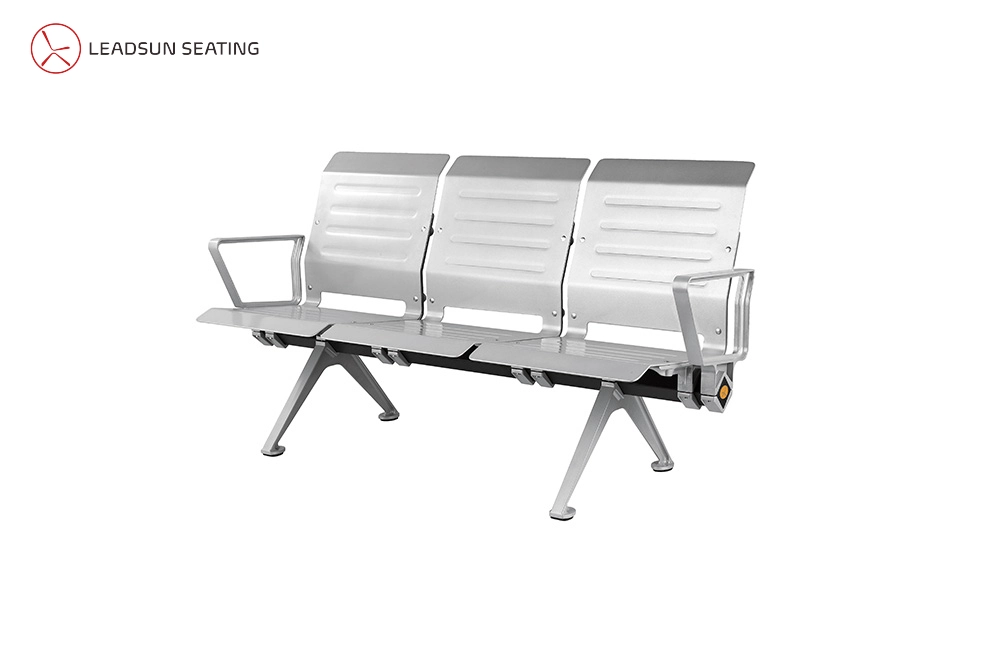
LS-529AL Aluminum Ergonomic Waiting Chairs | Modular & Durable Seating by Leadsun Seating
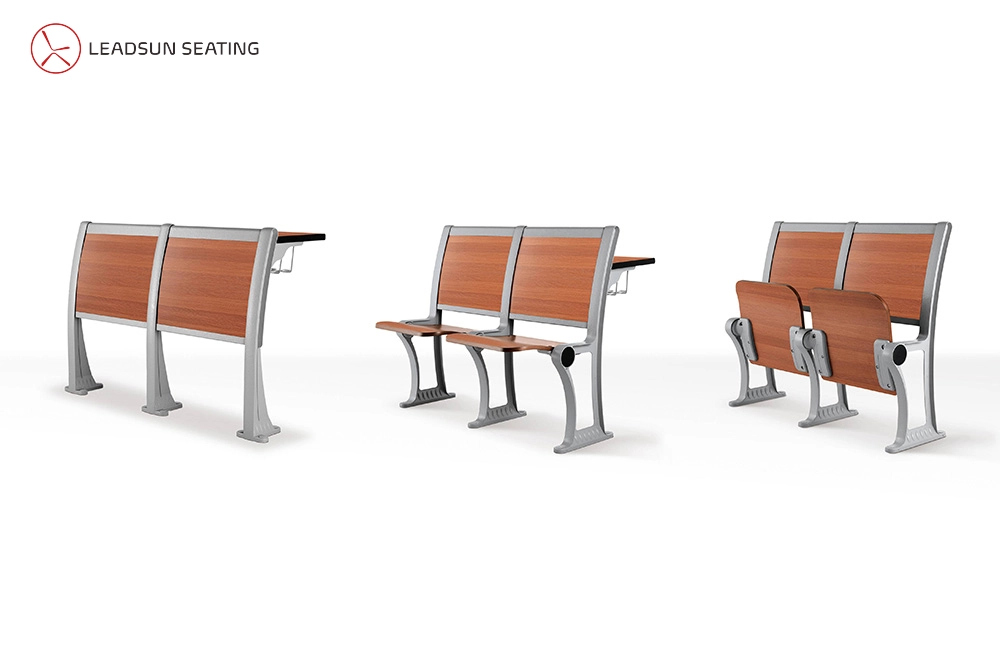
LS-908 Series Fixed Public Auditorium Chair or Tiered Classroom Solutions by Leadsun Seating
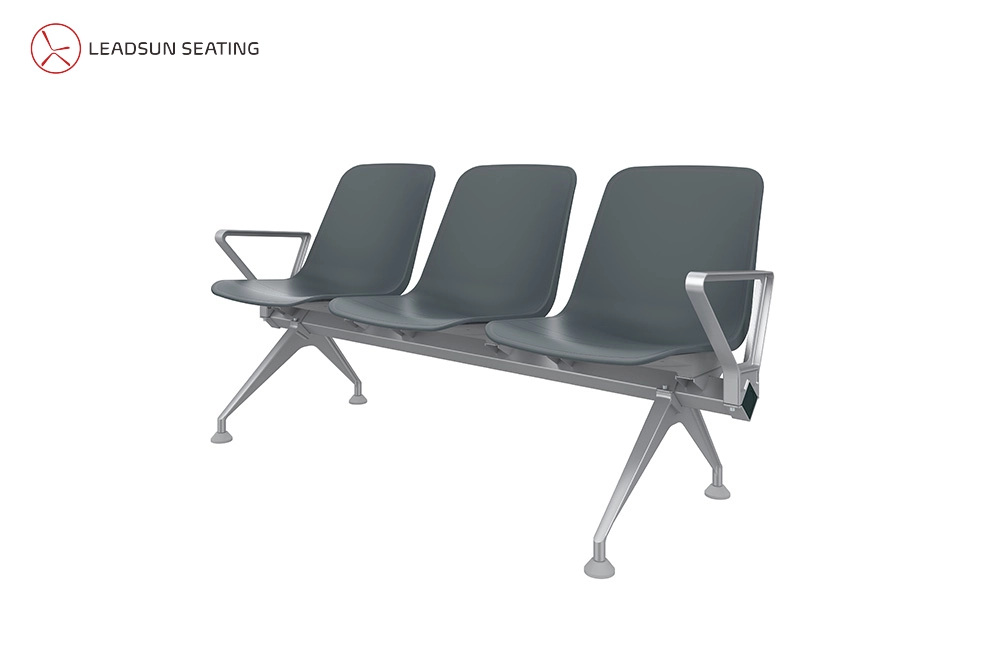
LS-550 Comfortable and Durable Waiting Chair | Customizable Waiting Chair Supplier Leadsun Seating
The LS-550 waiting chair from Leadsun offers superior comfort and durability for any public place. Customize your seating with Leadsun, a leading customizable waiting chair supplier. Ideal for high-traffic areas, the LS-550 ensures lasting performance and style.
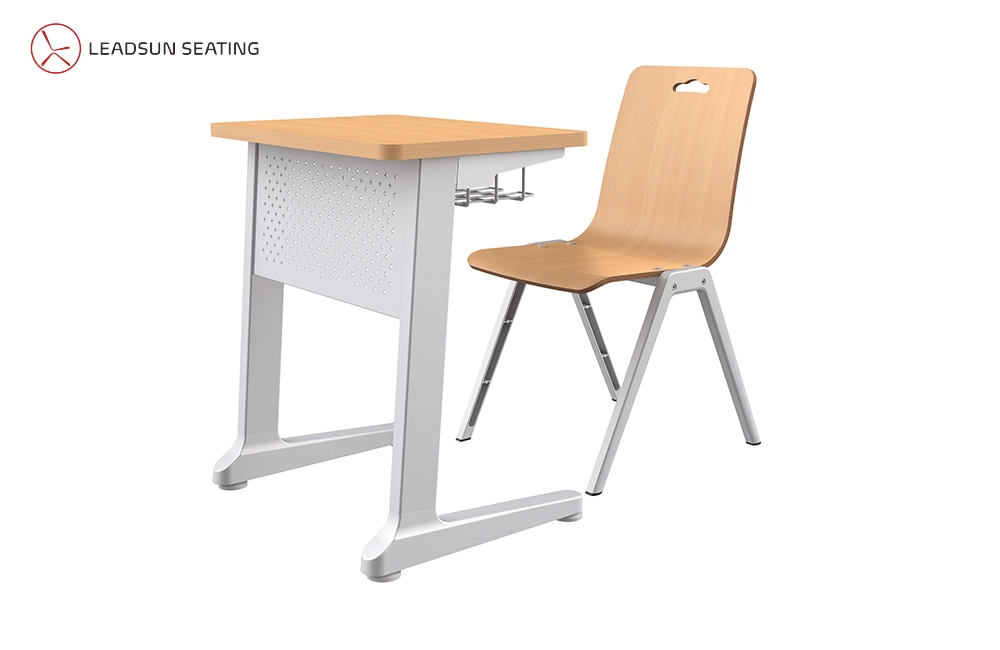
LS-9301 Single movable classroom chair |The Ultimate Flexible Solution for Modern Classrooms by Leadsun Seating

Leadsun Seating is also engaged in the design, development, production, and marketing of lightweight public seats in public places, with an annual output of desks and chairs.
 Scan QR Code