







Ergonomics of Airport Chairs: Lessons for Lecture Seating
- Rethinking Seating Comfort: What Airport Chairs Teach Lecture Halls
- Why airport chairs matter when specifying lecture seating
- What learners and facility managers really need from lecture seating (commercial intent: lecture seating)
- Core ergonomic principles from airport chairs that apply to lecture halls (keyword: airport chairs)
- Anthropometrics and accommodation
- Seat pan geometry and lumbar strategy (commercial intent: ergonomic chair)
- Materials, hygiene and maintenance: airport-grade lessons for lecture seating (keyword: airport chairs)
- Surface materials and antimicrobial considerations
- Cleaning cycles and maintainability (commercial intent: Waiting Chair)
- Durability metrics and lifecycle cost (keyword: airport chairs)
- Testing standards and expected lifespan
- Durability vs upfront cost: total cost of ownership (commercial intent: Airport Seating)
- Space efficiency and modularity: translating airport design into lecture hall layouts (keyword: lecture seating)
- Beam-mounted vs fixed-floor options
- Fold-away desktops and integrated desks (commercial intent: Fixed desks and chair)
- Empirical comparison: airport chairs vs lecture hall seating features
- Standards, testing and measurable metrics for specifying ergonomic seating (keyword: ergonomic chair)
- Which standards to require in specifications
- Quantitative metrics to include
- Design recommendations & checklist for lecture seating procurement (keyword: airport chairs)
- Practical spec checklist (commercial intent: Lecture hall seating)
- Why Leadsun: translating airport seating expertise into superior lecture hall solutions (keyword: airport chairs)
- Leadsun: Premium Seating Solutions for Global Public Spaces Since 1998 (commercial intent: Leadsun Airport Seating Manufacturer)
- Core expertise & product strengths (commercial intent: Lecture hall seating Supplier)
- Competitive differentiation and technical capability (commercial intent: Ergonomic Chai, Desk Chairs)
- Product matches: lecture hall needs served by Leadsun (commercial intent: Lecture hall seating, Waiting Chair, Fixed desks and chair, Activity desks and chairs, beam seating, Tandem seating)
- Implementation roadmap: from specification to installation (keyword: lecture seating)
- Project phases and what to expect
- Procurement tips (commercial intent: Airport Seating)
- FAQ — Ergonomics of Airport Chairs: Lessons for Lecture Seating
- 1. How do airport chairs differ from typical lecture hall chairs?
- 2. What seat dimensions should I specify to fit most students?
- 3. Are antimicrobial finishes necessary for lecture halls?
- 4. Should I require BIFMA or ISO testing in procurement?
- 5. How can we balance comfort with limited budget?
- 6. How long should lecture seating last?
- Contact & Explore Products
- References
Rethinking Seating Comfort: What Airport Chairs Teach Lecture Halls
Why airport chairs matter when specifying lecture seating
Airport chairs are a unique class of public seating engineered to accommodate wide user variety, prolonged dwell times, heavy use cycles and simplified maintenance. Lecture halls share many of the same constraints: long continuous usage, diverse body sizes, repeated daily turnover, and tight maintenance budgets. Studying airport chairs — their geometry, materials, testing and lifecycle thinking — gives specifiers of lecture seating a practical, evidence-based template to improve student comfort, attention and total cost of ownership.
What learners and facility managers really need from lecture seating (commercial intent: lecture seating)
Universities and training centers seek seating that supports concentration, reduces musculoskeletal strain, minimizes maintenance interventions, and fits into tiered/wide-plan layouts. Facility managers also require modularity, easy cleaning, and durable finishes. Airport seating design addresses all these simultaneously — making it a strong model when procuring lecture hall seating.
Core ergonomic principles from airport chairs that apply to lecture halls (keyword: airport chairs)
Anthropometrics and accommodation
Airport seating routinely uses anthropometric data to accommodate 5th–95th percentile users, ensuring a larger proportion of the population can sit comfortably without special adjustment. For lecture seating, adopting similar percentile-based dimensions for seat height, width and depth reduces pressure points and postural strain across student populations.
Seat pan geometry and lumbar strategy (commercial intent: ergonomic chair)
Key measurable features from airport chairs that improve comfort include: a slightly forward-sloping seat pan (3–5°) to promote anterior pelvic tilt, seat depths that support the thigh without compressing behind the knee (approx. 380–420 mm for adults), and strategically contoured backrests providing lumbar support at ~L3 level. These features can be implemented in fixed lecture seating through shaping and foam profiling or molded shell design.
Materials, hygiene and maintenance: airport-grade lessons for lecture seating (keyword: airport chairs)
Surface materials and antimicrobial considerations
Public seating in airports prioritizes non-porous, wear-resistant surfaces (powder-coated steel, polyurethane (PU) foams with high density, coated fabrics or leather alternatives). For lecture halls, selecting materials that withstand repeated cleaning (disinfectant tolerance), stain resistance and abrasion will reduce downtime and replacement cost. Antimicrobial finishes and removable, replaceable cushions are practical where infection-control is a priority.
Cleaning cycles and maintainability (commercial intent: Waiting Chair)
Airport chairs are often designed for quick component replacement (armrests, cushions) and minimal tools for service. Lecture seating specified with similar modularity lowers lifecycle cost: replace the seat pad, not the whole unit. This is particularly effective for waiting areas and multi-use lecture spaces where chairs undergo frequent cleaning and occasional vandalism.
Durability metrics and lifecycle cost (keyword: airport chairs)
Testing standards and expected lifespan
High-traffic public seating is typically tested to BIFMA-style durability cycles and engineered for 10–20 years use in commercial environments. For lecture seating procurement, requiring explicit lifecycle projections — Martindale abrasion tests, seat fatigue cycles, frame corrosion resistance — reduces risk of premature replacement and clarifies warranty comparisons between vendors.
Durability vs upfront cost: total cost of ownership (commercial intent: Airport Seating)
Investing in higher-spec airport-style seating materials increases upfront cost but often reduces total cost over the product lifetime. When evaluating bids for lecture hall seating, include maintenance labor hours, replacement parts, and expected downtime in procurement scoring.
Space efficiency and modularity: translating airport design into lecture hall layouts (keyword: lecture seating)
Beam-mounted vs fixed-floor options
Airport seating commonly uses beam systems to organize rows while keeping floors clear. Lecture halls can benefit from beam-mounted clusters for fixed aisles and simplified cleaning routes, or choose individual fixed bases for tiered auditoriums where individual movement is required. Beam systems speed installation and allow sections to be reconfigured if course needs change.
Fold-away desktops and integrated desks (commercial intent: Fixed desks and chair)
Combining aircraft-style ruggedness with integrated desks (folding tablet arms or fixed writing surfaces) preserves classroom functionality. Consider designs where desktops fold independently from the seat shell to minimize damage during transitions and to provide ergonomic desk height for writing and device placement.
Empirical comparison: airport chairs vs lecture hall seating features
| Feature | Typical Airport Chairs | Traditional Lecture Chairs | Recommended Lecture Seating (airport-inspired) |
|---|---|---|---|
| Seat Width | 520–610 mm (bench or modular) | 420–480 mm (many narrow models) | 480–540 mm (accommodate larger percentile range) |
| Seat Depth | 380–420 mm | 360–400 mm | 380–410 mm (support thighs, avoid popliteal pressure) |
| Back Support | Contoured shell with lumbar support | Often flat or minimally contoured | Contoured with targeted lumbar support |
| Materials | Powder-coated steel, PU foam, coated fabrics | Fabric upholstery, timber, or plastics | Durable coated fabrics, replaceable cushions, antimicrobial options |
| Maintenance | Modular, replaceable components | Often requires upholstery shop | Modular design, field-replaceable parts |
| Testing & Standards | BIFMA/Commercial durability tests | Varied; sometimes no standardized testing | Specify BIFMA/ISO equivalent cycles and finish testing |
Standards, testing and measurable metrics for specifying ergonomic seating (keyword: ergonomic chair)
Which standards to require in specifications
Ask suppliers for compliance and test reports related to BIFMA seating standards (for commercial durability), EN 1728 (residential/commercial seating test methods) or equivalent, and material test certificates for fire rating and disinfectant resistance. Where possible, require independent third-party test reports and clearly state expected fatigue cycle numbers and warranty periods.
Quantitative metrics to include
- Seat height range and nominal value (mm)
- Seat depth (mm) and usable depth after upholstery
- Seat width per occupant (mm)
- Backrest lumbar prominence location relative to seat (mm)
- Abrasion resistance (Martindale cycles)
- Fatigue cycles for seat pan/backrest (number of cycles)
- Fire ratings and disinfectant compatibility test results
Design recommendations & checklist for lecture seating procurement (keyword: airport chairs)
Practical spec checklist (commercial intent: Lecture hall seating)
Use this checklist when preparing tender documents:
- Define occupancy percentiles to be accommodated (e.g., 5th female to 95th male) and list seat dimensions accordingly.
- Require contoured backrests with lumbar support or optional lumbar pads.
- Specify materials that tolerate institutional cleaning agents; request test certificates.
- Insist on modular parts (replaceable cushions, shells, armrests) and warranty on wear surfaces.
- Include lifecycle cost analysis in bids: projected maintenance hours, part replacement rates and expected lifespan.
- Request test reports: Martindale, fatigue cycles, corrosion resistance, and flame retardancy.
- Consider beam-mounted systems for large flat-floored halls and fixed bases for tiered auditoria.
- Include options for tablet arms, power/data modules, and accessibility-compliant seats.
Why Leadsun: translating airport seating expertise into superior lecture hall solutions (keyword: airport chairs)
Leadsun: Premium Seating Solutions for Global Public Spaces Since 1998 (commercial intent: Leadsun Airport Seating Manufacturer)
Leadsun is a China-based manufacturer with over 25 years of experience designing and producing durable seating for demanding public environments. Their product portfolio and engineering processes reflect airport-grade durability, modularity, and ergonomics — attributes that directly benefit lecture hall projects.
Core expertise & product strengths (commercial intent: Lecture hall seating Supplier)
Leadsun combines manufacturing scale with contract-grade quality. Key advantages include:
- Airport Seating Manufacturer: robust waiting-area seating designed for continuous high-traffic environments.
- Ergonomic Chair Specialist: office and desk chairs engineered for lumbar support and sustained comfort.
- Lecture Hall Seating Supplier: space-efficient, durable tiered and flat-floor solutions with optional desks.
- Public Waiting Area Seating: commercial-grade finishes and replaceable components for reduced lifecycle cost.
Competitive differentiation and technical capability (commercial intent: Ergonomic Chai, Desk Chairs)
Leadsun differentiates on several fronts: rigorous quality control, in-house tooling for customized shells and foam profiles, and an OEM/ODM service that allows universities to specify dimensions, finishes, and integrated power/data options. Their products are engineered for easy maintenance (replaceable seat cushions, modular tablet arms) and tested for commercial fatigue cycles — aligning with airport seating standards but tuned for educational environments.
Product matches: lecture hall needs served by Leadsun (commercial intent: Lecture hall seating, Waiting Chair, Fixed desks and chair, Activity desks and chairs, beam seating, Tandem seating)
Recommended Leadsun offerings for institutions:
- Beam seating clusters with integrated folding tablet arms for large lecture halls.
- Fixed pedestal seats with contoured shells and replaceable cushions for tiered auditoria.
- Ergonomic desk chairs and activity desks for breakout classrooms and labs.
- Durable waiting chairs and tandem seating for lobbies and student common areas.
Implementation roadmap: from specification to installation (keyword: lecture seating)
Project phases and what to expect
1) Needs analysis and anthropometric survey — collect user profile and hall geometry. 2) Draft performance-based specification referencing ergonomic metrics and testing standards. 3) Request prototypes and conduct seat trials with real users (15–30 participants) to measure comfort and reach. 4) Finalize finishes, power/data options and modular components. 5) Plan logistics: packing, on-site assembly, and cleaning protocol. 6) Post-installation review after 6–12 months to confirm lifecycle assumptions.
Procurement tips (commercial intent: Airport Seating)
- Require sample testing and a small pilot row before bulk order.
- Score bids on total cost of ownership, not just unit price.
- Include spare-part kits and maintenance training in the contract.
FAQ — Ergonomics of Airport Chairs: Lessons for Lecture Seating
1. How do airport chairs differ from typical lecture hall chairs?
Airport chairs prioritize broad anthropometric accommodation, easy maintenance, modular replacement parts and robust finishes. Lecture chairs often prioritize aesthetics or fixed installations; airport-inspired designs add durability, hygiene, and evidence-based ergonomics.
2. What seat dimensions should I specify to fit most students?
Aim for seat width 480–540 mm, seat depth 380–410 mm, and seat height around 430–460 mm for adult populations. These ranges cover a wide percentile spectrum and improve comfort for extended sessions.
3. Are antimicrobial finishes necessary for lecture halls?
Not strictly necessary in every case, but antimicrobial coatings and easily cleanable materials are recommended for high-use or multi-shift spaces (e.g., shared classrooms, pandemic-sensitive contexts) to reduce contamination risk and maintenance time.
4. Should I require BIFMA or ISO testing in procurement?
Yes. Requiring independent test reports for fatigue cycles, abrasion resistance and finish durability provides objective evidence of performance and reduces replacement risk.
5. How can we balance comfort with limited budget?
Prioritize critical ergonomic features (seat depth, lumbar support and durable finish) and select modular products so worn components can be replaced without replacing entire seats. Include lifecycle cost in vendor evaluations.
6. How long should lecture seating last?
For high-use academic environments, plan for 10–15 years of functional life with periodic maintenance. Airport-grade materials and modular construction help reach or exceed this target.
Contact & Explore Products
If you’re planning a new lecture hall, retrofit, or public space upgrade, contact Leadsun to review case studies, request samples, and get a tailored proposal that translates airport seating ergonomics into effective lecture seating. Visit Leadsun’s product catalog or request a consultation to evaluate options like beam seating, fixed desks and chairs, ergonomic desk chairs and waiting area solutions.
References
- CDC/NIOSH — Ergonomics and Musculoskeletal Disorders. https://www.cdc.gov/niosh/topics/ergonomics/ (accessed 2024-11-01)
- BIFMA — Seating Standards and Resources. https://www.bifma.org/standards (accessed 2024-11-01)
- Human Factors and Ergonomics Society — Resources and Guidance. https://www.hfes.org/resources/ (accessed 2024-11-01)
- EN 1728:2012 — Domestic furniture — Seating — Test methods for the determination of strength and durability (for comparison). https://standards.cen.eu/ (accessed 2024-11-01)
- Airports Council International (ACI) — Airport and passenger trends (context on high-traffic public furniture needs). https://aci.aero/ (accessed 2024-11-01)
- Peer-reviewed review — ‘‘Seat comfort and discomfort: A review of current knowledge’’ (examples of literature on seating comfort). Consult major ergonomics journals for applied studies (search via PubMed/Scopus) (accessed 2024-11-01).
For product specifications, pilot samples and procurement assistance, contact Leadsun — your partner for ergonomic, durable, and cost-effective lecture hall and airport seating solutions.
Ergonomic Waiting Room Chairs for Student Comfort
ADA-Compliant Waiting Room Chairs: Accessibility Requirements
Custom china infusion public chair Manufacturers and Suppliers in us
Wholesale computer training room tables manufacturer and supplier
One Stop Airport Terminal Seating
How long is the production cycle? Can you deliver on time?
The production cycle depends on the order size and customization complexity. We’ll create a detailed production plan in advance and have a professional logistics and installation team in place to ensure on-time delivery and efficient implementation.
How does the seat design ensure passenger comfort?
The solution adopts ergonomic design principles. We optimize seat curves, backrest angles, and seat surface materials to effectively relieve the fatigue of passengers during long waits.
Are there any successful cases we can refer to?
We’ve provided services to numerous international and major domestic airports. We can offer detailed case materials, on-site photos, and client testimonials, so you can get a clear understanding of the solution’s effectiveness.
Can you provide personalized seat customization?
We support comprehensive customization, including seat styles, functional modules (like charging ports, cup holders, etc.), color schemes, and even integrating airport brand elements to showcase a unique style.
FAQs
What maintenance is required for your seating solutions?
The maintenance required depends on the material and location of the seating. Generally, regular cleaning and periodic inspections are recommended. We provide maintenance guidelines with each product to ensure long-term durability.
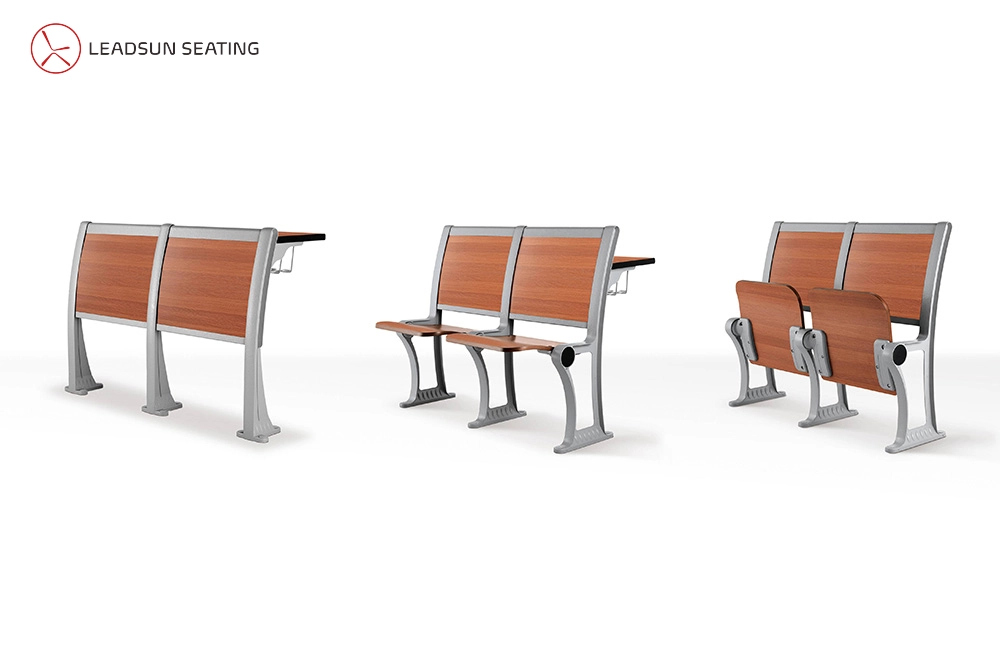
LS-908 Series Fixed Public Auditorium Chair or Tiered Classroom Solutions by Leadsun Seating
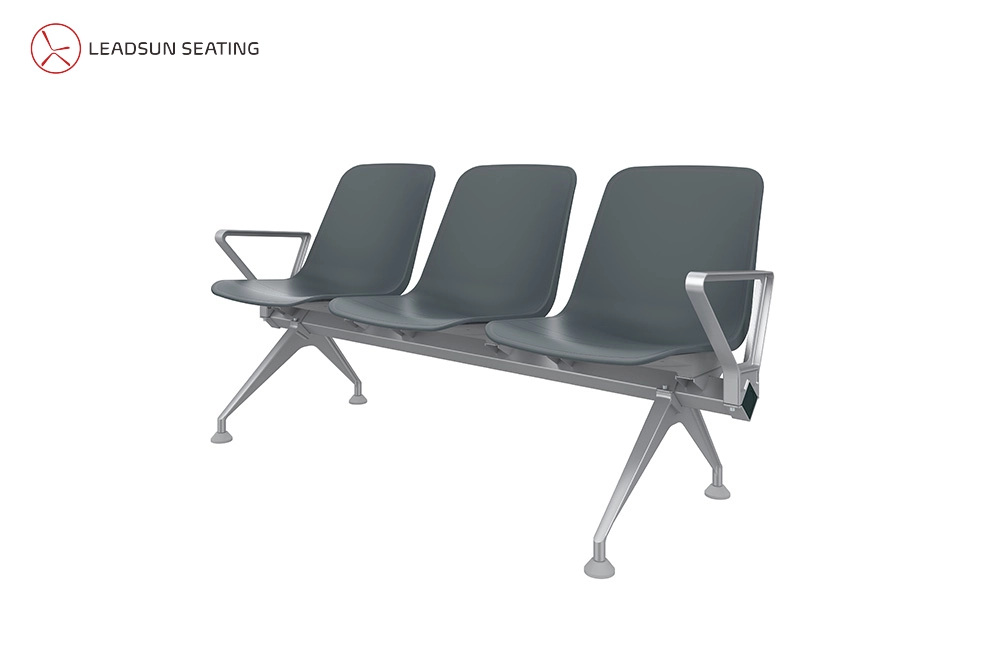
LS-550 Comfortable and Durable Waiting Chair | Customizable Waiting Chair Supplier Leadsun Seating
The LS-550 waiting chair from Leadsun offers superior comfort and durability for any public place. Customize your seating with Leadsun, a leading customizable waiting chair supplier. Ideal for high-traffic areas, the LS-550 ensures lasting performance and style.
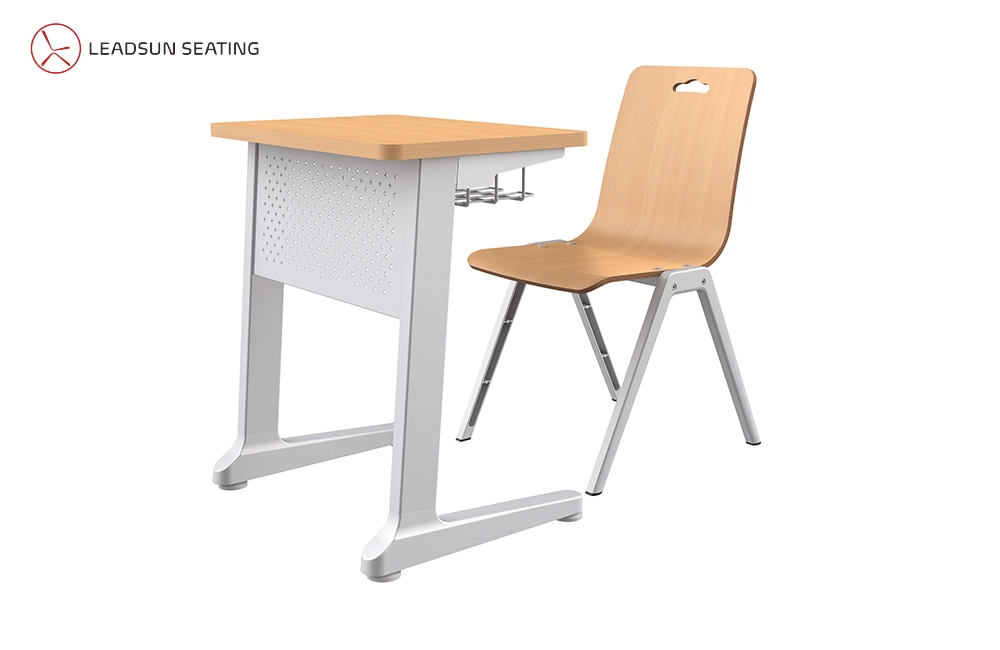
LS-9301 Single movable classroom chair |The Ultimate Flexible Solution for Modern Classrooms by Leadsun Seating
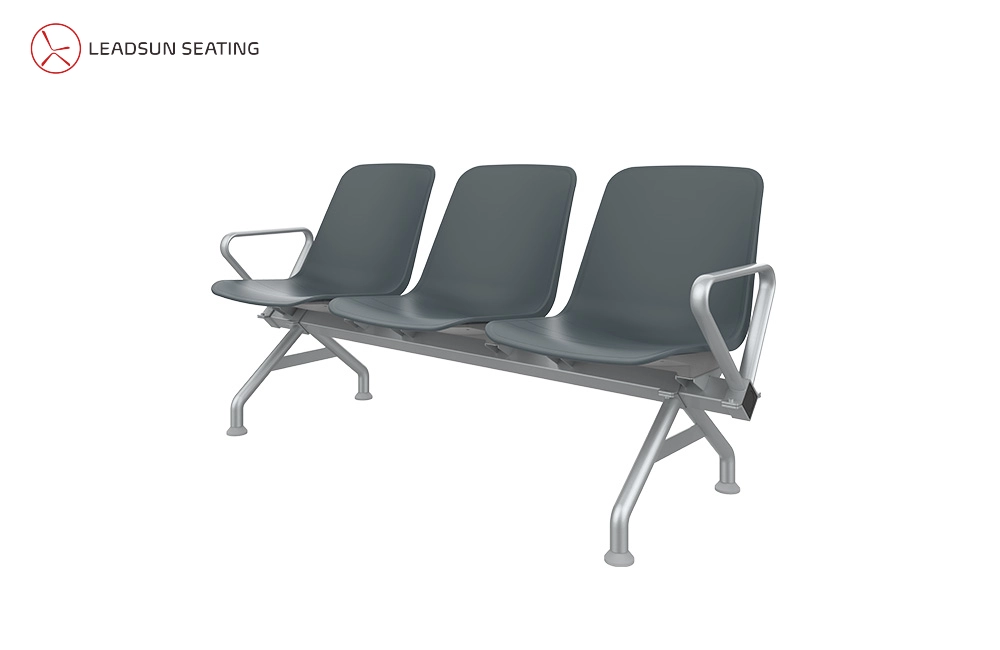
LS-551 Ergonomic Modular Waiting Chairs | Commercial Seating Solutions by Leadsun Seating

Leadsun Seating is also engaged in the design, development, production, and marketing of lightweight public seats in public places, with an annual output of desks and chairs.
 Scan QR Code