







Materials and Finishes: Airport Chairs for Educational Spaces
- Designing Durable Seating for Lecture Halls and Learning Spaces
- Why specify airport chairs for educational spaces?
- Key advantages
- Frame materials: steel, aluminum, and engineered wood for airport chairs
- Steel (powder-coated or galvanized)
- Stainless steel
- Aluminum
- Engineered wood and plywood
- Seat and back materials: plastics, plywood, and upholstery options
- Finishes and protective coatings for longevity
- Common finish technologies
- Standards and tests to require when specifying airport chairs
- Comparing materials and finishes: quick specification guide
- Maintenance, lifecycle cost and sustainability considerations
- Sustainability metrics to request
- Design considerations: ergonomics, accessibility, acoustics and modularity
- Case examples: when to choose which combination
- Leadsun: High Quality Seating Solutions for Global Public Spaces Since 1998
- Core expertise & product strengths
- Why choose Leadsun?
- Frequently Asked Questions (FAQ)
- 1. Are airport chairs suitable for lecture halls?
- 2. What finish should I pick to minimize maintenance in a university setting?
- 3. Which standards should I ask manufacturers to certify against?
- 4. How long can I expect airport-style seating to last in a lecture hall?
- 5. Are antimicrobial coatings necessary for educational seating?
- 6. Can I get custom finishes to match campus branding?
- Contact and next steps
- References
Designing Durable Seating for Lecture Halls and Learning Spaces
Selecting seating for lecture halls, auditoriums and other educational spaces requires balancing durability, comfort, maintenance, safety and aesthetics. Using products and approaches from the airport seating sector — notably robust airport chairs — can deliver long service life in high-traffic learning environments. This article explains the best materials and finishes for such seats, the standards and tests to require, lifecycle and maintenance implications, and how to specify seating that meets both functional and budget goals.
Why specify airport chairs for educational spaces?
Airport chairs are engineered for heavy use, longitudinal stress, resistance to vandalism, easy maintenance and quick turnaround between occupants. Educational facilities share many of those demands: daily high turnover during class changes, occasional intensive events, and a need for long-term value rather than short-term aesthetics. Choosing airport-style seating adapted for education helps ensure classrooms and lecture halls remain safe, functional and visually consistent for years.
Key advantages
- Durability: frames and finishes designed for continuous, high-volume use.
- Maintenance: finishes that resist stains, are easy to clean and replaceable components.
- Modularity: beam and tandem seating systems simplify layout and circulation.
- Cost-in-use: longer service life reduces total cost of ownership.
Frame materials: steel, aluminum, and engineered wood for airport chairs
Frame material determines much of a chair’s structural performance. For airport chairs adapted to education, three frame families dominate: steel (usually powder-coated), stainless steel, and aluminum. Engineered hardwood or plywood frames are sometimes used in auditorium seating where warmth and acoustics are priorities.
Steel (powder-coated or galvanized)
Powder-coated steel frames offer excellent strength and the most cost-effective durability for high-traffic environments. Powder coating provides a hard, chip-resistant finish; modern TGIC-free powders meet environmental requirements and provide long-term color retention. Recommended for beam seating and fixed tandems in lecture halls where impact resistance and low cost are priorities.
Stainless steel
Stainless steel increases corrosion resistance and is preferred for coastal or humid climates and for High Quality installations where a polished look is desired. It requires less surface repair over time but costs more upfront.
Aluminum
Aluminum frames are lighter, resist corrosion naturally, and can be anodized for durable finishes. They are common for stackable chairs and freestanding seminar seating where weight matters.
Engineered wood and plywood
Laminate-faced plywood or molded plywood veneers are used for auditorium and lecture hall seats when acoustic performance and warmth are design goals. These are typically sealed with durable UV-cured lacquer or phenolic faces to resist wear.
Seat and back materials: plastics, plywood, and upholstery options
Choice of seat surface affects comfort, acoustic properties, maintenance and aesthetics. Options include molded plastics (polypropylene, polycarbonate), upholstered foam with commercial textiles or vinyl, and wood/laminate shells. Each has trade-offs:
- Molded polypropylene/polycarbonate — extremely durable, low-maintenance, easy to clean, available in colors, and resistant to many chemicals. Good for lecture halls with heavy daily turnover and limited maintenance staff.
- Upholstered seats — offer superior comfort and decorative flexibility. For educational use, specify high-performance textiles (e.g., Crypton, Stainmaster commercial) with high Martindale abrasion ratings and antimicrobial or stain-resistant finishes.
- Wood/veneer seats — visually warm and acoustically neutral; require a robust finish (phenolic or UV-cured lacquer) to resist scuffs and spills.
Finishes and protective coatings for longevity
Finishes are as important as substrate choices. For airport chairs used in education, finishes should resist abrasion, UV fading, staining and microbial growth where hygiene is a priority.
Common finish technologies
- Powder coating — durable, uniform and available in many textures. Look for TGIC-free powders and thickness ≥60 µm for high-traffic installations.
- Anodizing (aluminum) — provides a hard, wear-resistant layer and improves corrosion resistance.
- UV-cured lacquers and phenolic coatings (wood) — provide rapid curing, chemical resistance and reduced VOCs.
- Antimicrobial and anti-viral finishes — silver ion or copper-based additives can reduce surface microbial load; these should complement, not replace, cleaning protocols.
Standards and tests to require when specifying airport chairs
Insist on documented compliance with international standards to reduce risk and ensure longevity. Relevant standards and test references include:
- EN 16139 — Strength, durability and safety of non-domestic seating (Europe).
- BIFMA standards (e.g., BIFMA X5.1) — commercial seating performance tests commonly used in North America.
- ISO 12947 / ASTM D4966 — Martindale abrasion test for textiles.
- NFPA 260 / CAL TB117-2013 / BS 5852 — fire performance for upholstery (refer to local code requirements).
- ISO 9001 and ISO 14001 — manufacturer quality and environmental management systems.
Request test reports, certificates and sample test results for frame fatigue, seat drop tests, fire testing and abrasion tests from manufacturers before procurement.
Comparing materials and finishes: quick specification guide
The table below summarizes common materials and finishes for airport chairs used in educational spaces and their typical pros/cons.
| Material / Finish | Durability | Maintenance | Typical Cost | Ideal Use in Education |
|---|---|---|---|---|
| Powder-coated steel frame | High | Low — touch-up paint, periodic cleaning | Low–Medium | Beam seating, fixed tandems, high-traffic lecture halls |
| Stainless steel frame | Very high | Low — clean, polish as needed | High | High Quality auditoria, coastal sites |
| Aluminum frame (anodized) | High | Low | Medium–High | Portable / light-weight seating |
| Molded polypropylene shell | High | Very low — wipe clean | Low | Budget lecture halls, labs, cafeterias |
| Upholstery (commercial textile, high Martindale) | Medium–High (depends on textile) | Medium — vacuum, spot clean, periodic reupholstery | Medium–High | Tiered lecture halls where comfort and acoustics matter |
| Wood veneer with phenolic finish | Medium–High | Medium — scratch repair possible | Medium–High | Lecture theatres prioritizing aesthetics and acoustics |
Sources for durability and testing approaches include BIFMA and EN 16139 test methods (see references).
Maintenance, lifecycle cost and sustainability considerations
Choosing the lowest purchase price often leads to higher lifecycle costs. Evaluate total cost of ownership (TCO) including expected lifespan, maintenance hours, cleaning resources, and replacement parts availability. Typical expected lifespans for commercial seating are 10–20 years; airport-grade seating often achieves the upper end of that range with proper maintenance.
Sustainability metrics to request
- Percentage of recycled content in metal and plastics.
- End-of-life recyclability of components (disassemblability).
- Manufacturer ISO 14001 certification and documented VOC emissions for finishes.
- Life-cycle assessment (LCA) or environmental product declarations (EPD) if available.
Design considerations: ergonomics, accessibility, acoustics and modularity
Materials and finishes should support ergonomic and accessibility requirements. For lecture halls, consider the following:
- Seat depth and back angle appropriate for session length; incorporate lumbar support in upholstered or molded shells.
- Aisle and circulation clearances and ADA-compliant spaces for wheelchair users.
- Acoustic treatments and materials that do not increase reverberation; upholstered surfaces help absorb sound.
- Modularity: beam seating or tandem systems reduce installation time and simplify reconfiguration.
Case examples: when to choose which combination
Example specifications to guide procurement:
- Large lecture hall with frequent turnover: powder-coated steel beam frame + polypropylene shells or low-pile performance textile upholstery; fire-rated fabrics, BIFMA-tested frames.
- Tiered auditorium focused on comfort: stainless steel or powder-coated steel frames, high-resilience foam with commercial textile (Martindale > 50,000), acoustic backing panels.
- Flexible seminar rooms: anodized aluminum frame, stackable or fold-away seats with replaceable upholstered pads.
Leadsun: High Quality Seating Solutions for Global Public Spaces Since 1998
Leadsun is a China-based manufacturer with over 25 years’ experience producing durable seating for demanding commercial environments. Specialising in airport seating, lecture hall seating and public waiting area furniture, Leadsun engineers seating solutions that prioritize durability, ergonomic comfort and low lifetime cost — key considerations when adapting airport chairs for educational spaces.
Core expertise & product strengths
- Airport Seating Manufacturer — robust, easy-maintain waiting area seating designed for heavy traffic and security considerations.
- Ergonomic Chair Specialist — office and desk chairs engineered for long-term support and productivity.
- Lecture Hall Seating Supplier — space-efficient, durable lecture hall seating systems including beam seating and tandem solutions.
- Public Waiting Area Seating — commercial-grade materials and finishes for long life in high-volume public spaces.
Why choose Leadsun?
Leadsun emphasizes durability & value through High Quality materials, rigorous production standards and competitive pricing. With global OEM/ODM capabilities, the company supports customization and bulk orders for educational institutions, airports and public projects. Their product range relevant to this topic includes:
- Lecture hall seating and tiered solutions
- Waiting chairs and beam seating
- Fixed desks and chair combinations
- Activity desks and chairs for multipurpose spaces
- Ergonomic desk chairs
- Airport seating for high-traffic public areas
Leadsun’s competitive advantages include an experienced engineering team, in-house testing capability aligned with international standards (e.g., BIFMA and EN tests), and export logistics suited for global B2B procurement. Their portfolio supports lecture halls where airport chairs’ robustness and modularity are required alongside academic comfort and acoustics.
Frequently Asked Questions (FAQ)
1. Are airport chairs suitable for lecture halls?
Yes. Airport chairs are engineered for high throughput and are suitable for lecture halls when selected with appropriate seat surfaces (upholstery for comfort, polypropylene for low-maintenance) and finishes that meet fire and acoustic requirements.
2. What finish should I pick to minimize maintenance in a university setting?
Powder-coated steel frames with polypropylene shells or high-performance, stain-resistant commercial textiles (with high Martindale ratings) minimize maintenance. Antimicrobial finishes can supplement cleaning protocols.
3. Which standards should I ask manufacturers to certify against?
Ask for EN 16139 or BIFMA performance reports, fire performance certificates (local code compliance such as NFPA, CAL TB or BS 5852), and evidence of manufacturing quality systems (ISO 9001).
4. How long can I expect airport-style seating to last in a lecture hall?
With correct specification and maintenance, airport-grade seating typically lasts 10–20 years. Factors include usage intensity, material choices, maintenance regime and vandalism levels.
5. Are antimicrobial coatings necessary for educational seating?
Antimicrobial coatings can reduce surface microbial load but should not replace routine cleaning. They are a useful adjunct in high-touch, high-density spaces, especially where additional hygiene reassurance is desired.
6. Can I get custom finishes to match campus branding?
Yes. Manufacturers like Leadsun offer OEM/ODM services including powder-coat colors, upholstery selections and custom logos or panel finishes to align seating with campus identity.
Contact and next steps
For specification help, samples or quotations for lecture hall seating adapted from airport chairs, contact a trusted supplier such as Leadsun. Evaluate sample panels, request test reports for strength and fire performance, and ask for lifecycle cost comparisons. Leadsun can provide tailored solutions including beam seating, tandem seating, fixed desks and chair systems, ergonomic desk chairs and more.
Request a consultation or view products: Contact Leadsun for product catalogs, technical documents and project references to ensure your next lecture hall project meets durability, safety and comfort goals.
References
- BIFMA — Business and Institutional Furniture Manufacturers Association. Standards and testing guidelines. https://www.bifma.org/ (accessed 2025-11-30).
- European Committee for Standardization (CEN) — EN 16139:2013 for non-domestic seating. https://standards.cen.eu/ (accessed 2025-11-30).
- ISO 12947 — Martindale abrasion testing for textiles. https://www.iso.org/standard/ (accessed 2025-11-30).
- NATIONAL FIRE PROTECTION ASSOCIATION (NFPA) — Fire testing and standards. https://www.nfpa.org/ (accessed 2025-11-30).
- Crypton — High-performance fabrics and stain-resistant technologies. https://www.crypton.com/ (accessed 2025-11-30).
- Grand View Research — Seating market reports and trends (market data & forecasts). https://www.grandviewresearch.com/ (accessed 2025-11-15).
- Leadsun company information and product categories — Leadsun: High Quality Seating Solutions. (Company materials, 1998–present). Manufacturer-provided specifications and catalogs (accessed 2025-11-20).
Wholesale public metal waiting chair manufacturer and supplier in us
Custom modern public chair Manufacturers and Suppliers in us
Leadsun Best professional alumininum public chair manufacturers and supplier brands
Passenger flow and seating layout optimization
One Stop Airport Terminal Seating
Are there any successful cases we can refer to?
We’ve provided services to numerous international and major domestic airports. We can offer detailed case materials, on-site photos, and client testimonials, so you can get a clear understanding of the solution’s effectiveness.
How do you ensure seat installation doesn't disrupt airport operations?
We’ll develop a detailed installation plan, giving priority to non-peak hours for construction. We also use a modular installation approach to minimize any impact on airport operations.
How long is the production cycle? Can you deliver on time?
The production cycle depends on the order size and customization complexity. We’ll create a detailed production plan in advance and have a professional logistics and installation team in place to ensure on-time delivery and efficient implementation.
Are the seat materials durable? What's the lifespan?
We use high-strength, wear-resistant, and easy-to-clean premium materials, such as stain-resistant flame-retardant fabrics and rust-proof alloy frames. Under normal use, the seats can last 5 - 8 years.
FAQs
Are your seating solutions suitable for outdoor use?
Yes, many of our seating solutions are designed to withstand outdoor conditions. We use weather-resistant materials and coatings to ensure durability and performance in public outdoor environments.
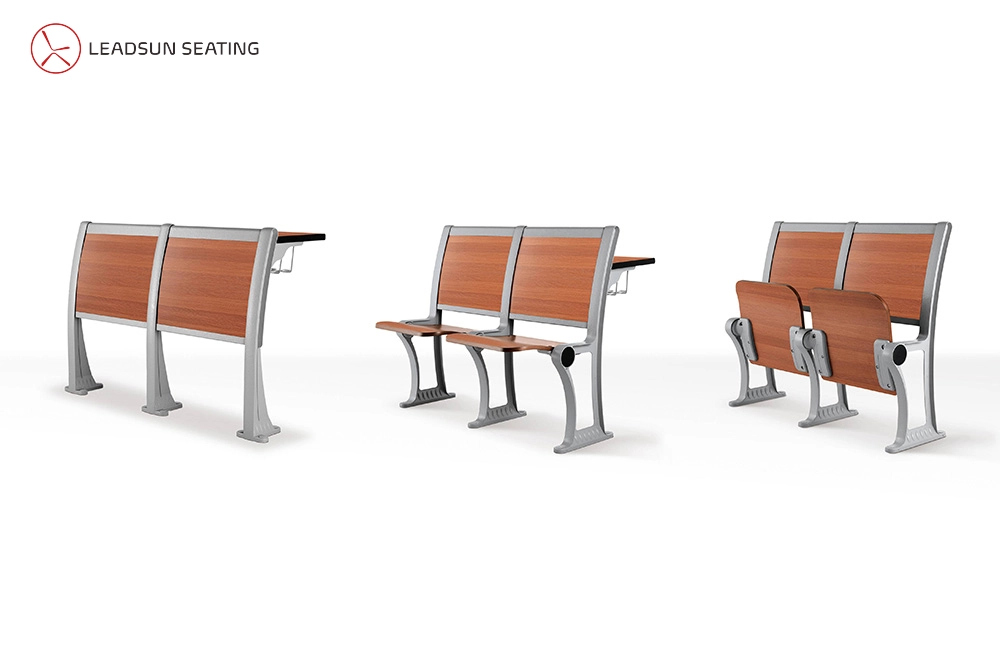
LS-908 Series Fixed Public Auditorium Chair or Tiered Classroom Solutions by Leadsun Seating
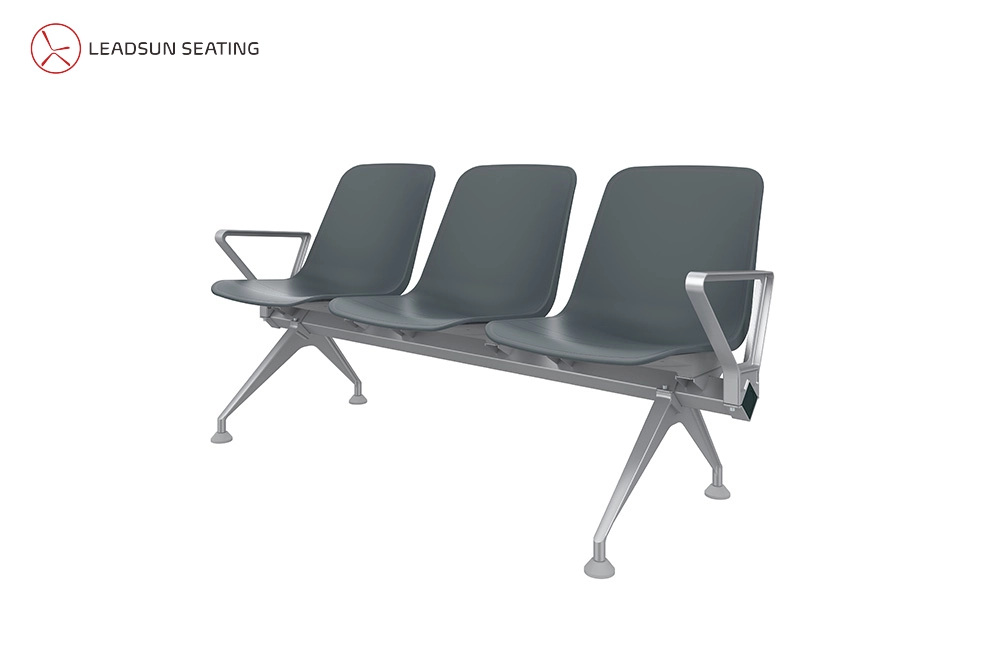
LS-550 Comfortable and Durable Waiting Chair | Customizable Waiting Chair Supplier Leadsun Seating
The LS-550 waiting chair from Leadsun offers superior comfort and durability for any public place. Customize your seating with Leadsun, a leading customizable waiting chair supplier. Ideal for high-traffic areas, the LS-550 ensures lasting performance and style.
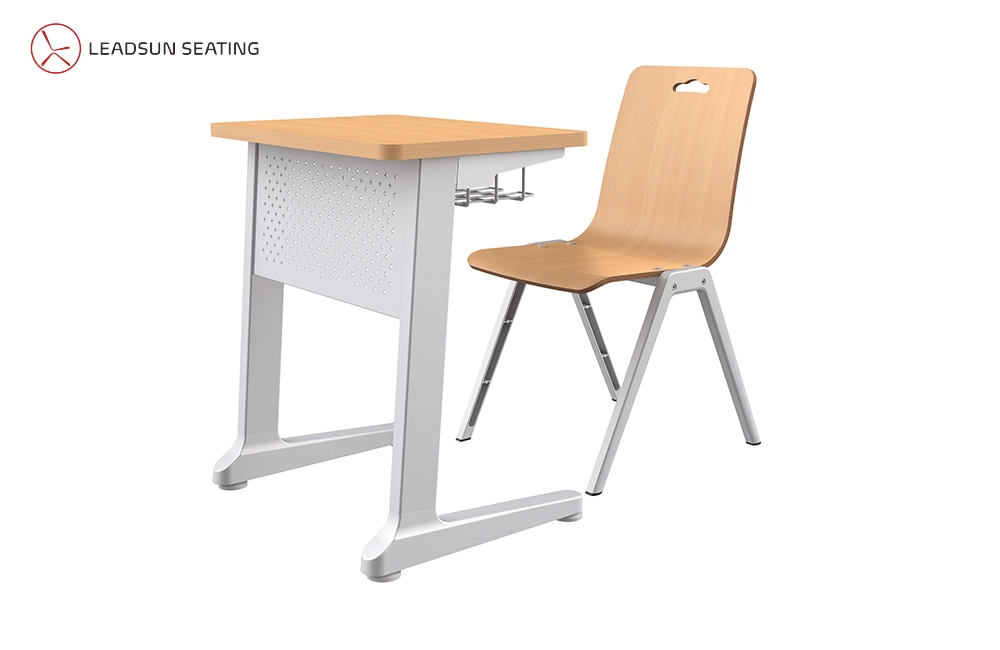
LS-9301 Single movable classroom chair |The Ultimate Flexible Solution for Modern Classrooms by Leadsun Seating
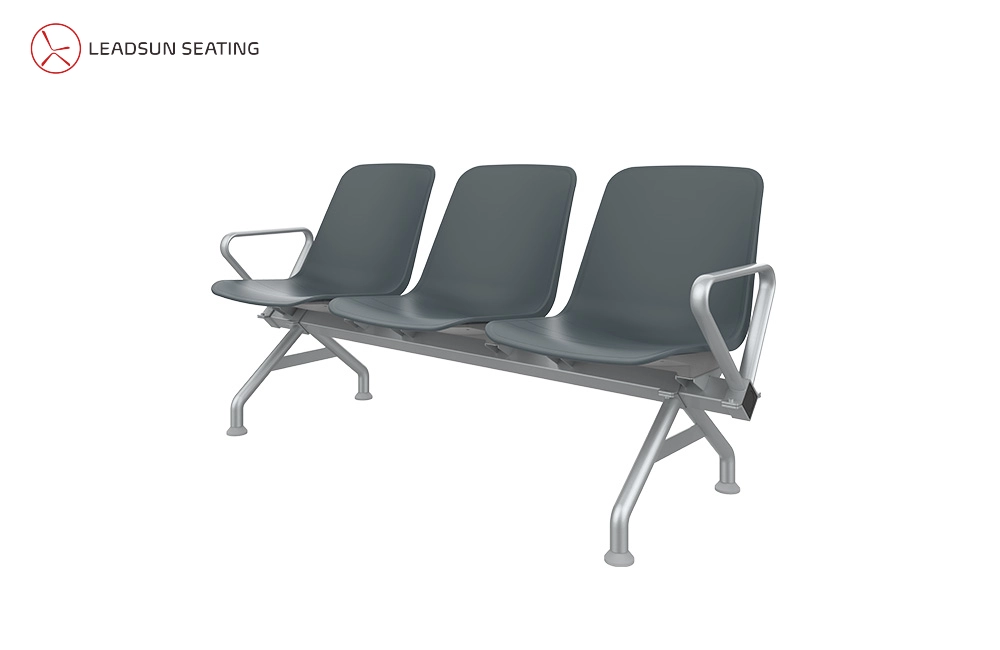
LS-551 Ergonomic Modular Waiting Chairs | Commercial Seating Solutions by Leadsun Seating

Leadsun Seating is also engaged in the design, development, production, and marketing of lightweight public seats in public places, with an annual output of desks and chairs.
 Scan QR Code