







Modular airport chairs for flexible lecture hall layouts
- Optimizing Space and Comfort in Modern Lecture Halls
- Why airport chairs work for flexible lecture hall layouts
- Key design considerations when selecting airport chairs for lecture halls
- Ergonomics and prolonged-use comfort
- Acoustic and sightline integration
- Attachment and anchoring options
- Accessory and AV integration
- Accessibility and code compliance
- Comparing seating options: strengths and tradeoffs
- Lifecycle cost and maintenance considerations
- Procurement and specification checklist for airport chairs in lecture halls
- Integrating Leadsun seating solutions into flexible lecture halls
- Core strengths and relevant product categories
- Typical implementation roadmap and timelines
- Case examples and lessons learned
- FAQs
- 1. Are airport chairs comfortable enough for long lectures?
- 2. How do modular airport chairs compare to fixed auditorium seating in cost over time?
- 3. Can airport chairs include power and data outlets?
- 4. Are modular airport chairs compatible with tiered seating?
- 5. How do I ensure accessibility when using airport chairs?
- 6. How long does it take to reconfigure a hall with modular airport chairs?
- 7. What warranty and spare parts should I expect?
- Contact and next steps
- References
Optimizing Space and Comfort in Modern Lecture Halls
Universities and corporate training centers increasingly demand lecture halls that support multiple pedagogies, rapid reconfiguration, and high occupancy while remaining durable and easy to maintain. Airport chairs, traditionally designed for heavy-duty public environments, offer an attractive modular alternative for flexible lecture hall layouts. This article unpacks why airport chairs are viable for educational settings, how to evaluate options, and practical steps to implement them to achieve comfort, longevity, and operational efficiency.
Why airport chairs work for flexible lecture hall layouts
The phrase airport chairs refers to a class of commercial seating engineered for continuous public use: high-traffic durability, simple maintenance, bench or modular configurations, and options for integrated accessories. When repurposed for lecture halls, these attributes map directly to institutional needs.
- Durability and low lifetime cost. Airport chairs are made for nonstop use, often featuring metal frames, anti-vandal finishes, and replaceable components, which reduces total cost of ownership compared with residential-style seating.
- Modularity and reconfiguration. Modular beam or tandem airport chairs can be specified as single units or linked rows, allowing rapid changes in seating density and aisle patterns.
- Maintenance friendliness. Removable seat covers, standardized parts, and surfaces designed for frequent cleaning fit campus custodial workflows and infection control policies.
- Integrated accessory readiness. Options such as fold-up tablet arms, power/USB modules, and small writing surfaces allow airport chairs to adapt to lecture and exam modes.
These benefits align with the three core objectives of modern lecture space design: support multiple teaching modes, minimize lifecycle expense, and provide consistent user comfort.
Key design considerations when selecting airport chairs for lecture halls
Selecting airport chairs for educational spaces requires more than picking a durable model. Consider the following technical and human factors criteria.
Ergonomics and prolonged-use comfort
Lecture sessions often last from 50 minutes to several hours. Choose airport chairs with contoured seats, lumbar support, and pressure-relieving materials where possible. Verify cushion densities and seat pitch to avoid discomfort and reduced attention spans. For evidence on ergonomics affecting engagement, see ergonomics guidance from CDC NIOSH and learning space research in EDUCAUSE (references below).
Acoustic and sightline integration
Tightly packed bench seating can amplify sound reflections. Pair seat selection with acoustic treatments and sightline modeling. Chairs with slim profiles help improve sightlines in raked auditoria.
Attachment and anchoring options
Decide whether seats will be floor-mounted, beam-mounted, or free-standing. Beam or tandem-mounted airport chairs offer consistent spacing and easy cleaning under seats. For multi-mode halls where furniture will be moved often, consider boltable base plates that allow secure installation with occasional removal.
Accessory and AV integration
Specify tablet arms, power modules, and tablet storage if exams or BYOD learning are expected. Ensure integrated power meets local electrical codes and consider cable management channels under rows.
Accessibility and code compliance
Design with ADA and local accessibility rules in mind. Maintain required wheelchair positions, companion seating, and minimum clearances. Verify aisle width and rise/run geometry when using tiered mounts.
Comparing seating options: strengths and tradeoffs
Below is a practical comparison of common seating approaches used in lecture halls. The comparison is qualitative and focuses on attributes decision makers weigh when choosing seating for flexible layouts.
| Attribute | Fixed lecture seating | Modular airport chairs | Beam seating | Mobile chairs with casters |
|---|---|---|---|---|
| Flexibility | Low. Permanent layout | High. Linked or single units | Medium. Rows fixed to beams, reconfigurable with effort | Very high. Easy reconfiguration but heavy management burden |
| Durability | High | Very high. Built for public spaces | High | Medium. Wheels wear, upholstery exposed |
| Maintenance | Moderate | Low. Replaceable modules | Low | High. More cleaning, moving damage |
| Comfort for long sessions | High if well specified | Medium to high depending on model | Medium | Variable |
| Initial cost | High | Medium | Medium | Low to medium |
| Best use case | Traditional fixed auditoria | Multi-purpose lecture halls and training rooms | Large lecture venues needing uniform rows | Flexible classrooms and event spaces |
Source rationale: attributes derived from industry seating guides and product specifications from commercial seating manufacturers. See references for standards and research.
Lifecycle cost and maintenance considerations
When evaluating procurement, compare lifecycle cost rather than entry price. Lifecycle cost factors include initial purchase, installation, cleaning, repairs, and expected service life. BIFMA standards and commercial seating test protocols help compare durability claims across vendors.
| Cost factor | Fixed lecture seating | Modular airport chairs |
|---|---|---|
| Initial purchase | Higher | Moderate |
| Installation complexity | High (permanent fixes) | Moderate (modular anchor systems) |
| Maintenance and repairs | Moderate to high | Low. Standardized replaceable parts |
| Expected service life | 10-20 years if well maintained | 15-20 years with heavy-duty spec |
| Estimated total cost of ownership (per seat per year) | Variable; often higher across the lifecycle | Often lower due to durability and repairability |
Note: Concrete cost figures vary by region, specification level, and installation complexity. Buyers should obtain life-cycle cost analysis from shortlisted suppliers using local labor and maintenance rates.
Procurement and specification checklist for airport chairs in lecture halls
Use this checklist to ensure seating meets program goals.
- Define use cases: lecture, exam, events, or mixed use.
- Seat specification: cushion type, seat pitch, backrest height, tablet arm presence.
- Attachment: single bolt floor plates, beam mount options, or free-standing.
- Accessibility: confirm wheelchair spaces and companion seating at necessary locations.
- Power and connectivity: number of power/USB outlets per row, cable routing.
- Finish and cleaning: anti-microbial finishes, stain-resistant fabrics, replaceable cushions.
- Warranty and spare parts: years of warranty and availability of spare components.
- Standards compliance: BIFMA or local standards for commercial seating durability.
Integrating Leadsun seating solutions into flexible lecture halls
Leadsun: High Quality Seating Solutions for Global Public Spaces Since 1998
Leadsun is a China-based manufacturer with over 25 years of expertise delivering commercial seating to airports, educational institutions, offices, and public waiting areas. For institutions evaluating modular airport chairs for lecture halls, Leadsun provides solutions that align with the technical and operational needs outlined above.
Core strengths and relevant product categories
- Airport Seating Manufacturer: Robust and easy-maintain airport waiting area seating that adapts to high-traffic lecture environments.
- Lecture Hall Seating Supplier: Space-efficient, durable seating and tiered solutions, including beam-mounted and modular tandem systems suitable for raked or flat-floor lecture halls.
- Ergonomic Chair Specialist: Office and desk chairs for staff and instructors to complement student seating.
- Public Waiting Area Seating: Commercial-grade waiting chairs designed for longevity in high-volume spaces.
Why Leadsun is a competitive choice:
- Durability and Value: High Quality materials and rigorous quality control reduce long-term cost of ownership.
- Ergonomic Comfort: Design focus on user well-being for prolonged sessions.
- Global OEM/ODM capabilities: Customization to institutional specifications, reliable bulk manufacturing, and export logistics.
- Tailored Solutions: Experience across airports, education, and public spaces allows cross-application learning and best practices.
Leadsun product lines relevant to lecture halls include Lecture hall seating, Waiting Chair, Fixed desks and chair, Activity desks and chairs, Beam seating, Tandem seating, Airport Seating, Ergonomic Chair, and Desk Chairs. These product families can be configured into modular deployments that support multi-use facilities while maintaining ease of maintenance and strong lifetime performance.
Typical implementation roadmap and timelines
A practical roll-out from concept to commissioning typically follows these phases.
- Needs assessment and programming (2-4 weeks): stakeholder workshops to define pedagogical modes and special events.
- Schematic seating and sightline modeling (2-3 weeks): determine row spacing, aisle geometry, and accessibility layout.
- Mock-up and evaluation (2-6 weeks): procure sample models for comfort and durability testing.
- Final specification and procurement (4-8 weeks): confirm finishes, accessories, and delivery schedules.
- Installation and commissioning (1-3 weeks per hall depending on size): modular systems typically reduce installation time versus built-in seating.
- Post-install evaluation (2-4 weeks): collect user feedback and make minor adjustments if necessary.
Actual timelines depend on procurement lead times, customization, and local installation constraints.
Case examples and lessons learned
Institutions that have adopted modular, heavy-duty commercial seating for lecture halls report several consistent benefits: easier maintenance, lower replacement frequency, and improved program flexibility for events and exams. Evidence on learning space effectiveness suggests that adaptable seating supports active learning methods and increases student engagement when combined with pedagogical changes and AV support. For research on flexible learning environments see EDUCAUSE and Steelcase research reports listed below.
FAQs
Below are common questions buyers and facilities managers search for when evaluating airport chairs for lecture halls.
1. Are airport chairs comfortable enough for long lectures?
Yes, many airport chairs designed for public spaces include contoured backs, adequate seat depth, and optional cushions. For long lectures choose models with higher-density foams, lumbar support, and consider tablet arms or small writing surfaces to improve ergonomics.
2. How do modular airport chairs compare to fixed auditorium seating in cost over time?
While fixed auditorium seating may have a higher initial fit-out cost, modular airport chairs often offer lower lifecycle cost due to superior durability, easier repairs, and replaceable parts. Request a life-cycle cost analysis from vendors to compare across expected service life and local maintenance rates.
3. Can airport chairs include power and data outlets?
Yes. Many manufacturers offer integrated power and USB modules that can be fitted into armrests or installed under rows with cable raceways. Ensure electrical work meets local codes and consider surge protection in shared power circuits.
4. Are modular airport chairs compatible with tiered seating?
Yes. Beam-mounted and tandem airport seating systems can be configured for raked or tiered floors. Confirm anchoring methods and sightline calculations with your supplier and local installer.
5. How do I ensure accessibility when using airport chairs?
Designate and plan required wheelchair positions and companion seating at accessible locations throughout the hall. Keep clear aisles and comply with ADA or regional accessibility standards. Work with architects to integrate accessible routes in tiered spaces.
6. How long does it take to reconfigure a hall with modular airport chairs?
Reconfiguration time depends on the anchoring approach. If chairs are free-standing or on lightweight beams designed for quick release, reconfiguration can be done in hours. Permanently bolted systems require more time. Discuss specific workflows with your vendor during specification.
7. What warranty and spare parts should I expect?
Look for multi-year warranties on frames and mechanisms, and a reliable spare parts program for cushions, armrests, and fasteners. Global manufacturers with OEM/ODM capabilities typically offer longer-term parts availability.
Contact and next steps
If you are considering modular airport chairs for your lecture halls, contact Leadsun for a detailed consultation, sample procurement, and life-cycle cost analysis. Leadsun can provide tailored configurations for lecture halls including beam seating, tandem seating, tablet arms, power integration, and custom finishes to meet institutional standards.
Request a consultation or product catalog from Leadsun to begin planning your flexible lecture hall seating solution.
References
- EDUCAUSE. 7 Things You Should Know About Active Learning Spaces. Published September 2015. https://library.educause.edu/resources/2015/9/7-things-you-should-know-about-active-learning-spaces (accessed 2025-11-29)
- Steelcase Research. Enabling Active Learning. https://www.steelcase.com/research/articles/topics/learning/enabling-active-learning/ (accessed 2025-11-29)
- BIFMA. Standards and Testing Information for Commercial Furniture. https://www.bifma.org/page/Standards (accessed 2025-11-29)
- CDC NIOSH. Ergonomics and Musculoskeletal Disorders. https://www.cdc.gov/niosh/topics/ergonomics/default. (accessed 2025-11-29)
- Grand View Research. Modular Furniture Market Size, Share Trends and Forecast. https://www.grandviewresearch.com/industry-analysis/modular-furniture-market (accessed 2025-11-29)
For additional product information and custom solutions, contact Leadsun: High Quality Seating Solutions for Global Public Spaces Since 1998. Leadsun provides lecture hall seating, waiting chairs, fixed desks and chairs, activity desks and chairs, beam seating, tandem seating, airport seating, ergonomic chairs, and desk chairs with a focus on durability, ergonomics and global OEM/ODM support.
Wholesale 4 seater airport chair manufacturer and supplier
Acoustic and comfort considerations for airport chairs
Top allsteel nesting chairs Manufacturers and Suppliers
Why Investing in Quality Waiting Area Seating Pays Off Long-Term
FAQs
Do you offer installation services for your seating solutions?
Yes, we offer professional installation services to ensure that the seating is properly installed and meets all safety standards. Our team is experienced in handling both large and small-scale installations.
What materials are used in the production of your public seating?
We use a variety of durable materials such as stainless steel, aluminum, wood, high-quality upholstery, and advanced polymers to ensure that our seating solutions are both functional and long-lasting.
One Stop Airport Terminal Seating
Are there any successful cases we can refer to?
We’ve provided services to numerous international and major domestic airports. We can offer detailed case materials, on-site photos, and client testimonials, so you can get a clear understanding of the solution’s effectiveness.
What does the after-sales service include?
Our after-sales service covers daily maintenance guidance, regular inspections, fault repairs, and component replacements. Our professional after-sales team is available 24/7 to ensure the long-term stable operation of the seats.
Can the solution meet the needs of airports of different sizes?
Whether it’s a small regional airport or a large international hub, we can customize the seating types and layout plans according to passenger flow, terminal area size, and functional positioning. This ensures we flexibly meet the requirements of all types of airports.
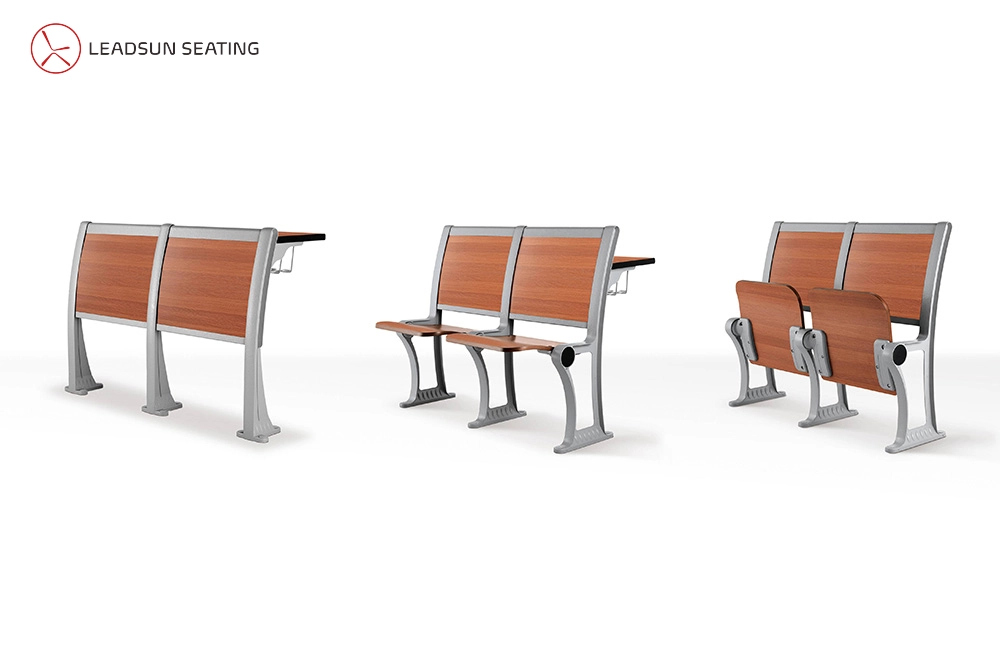
LS-908 Series Fixed Public Auditorium Chair or Tiered Classroom Solutions by Leadsun Seating
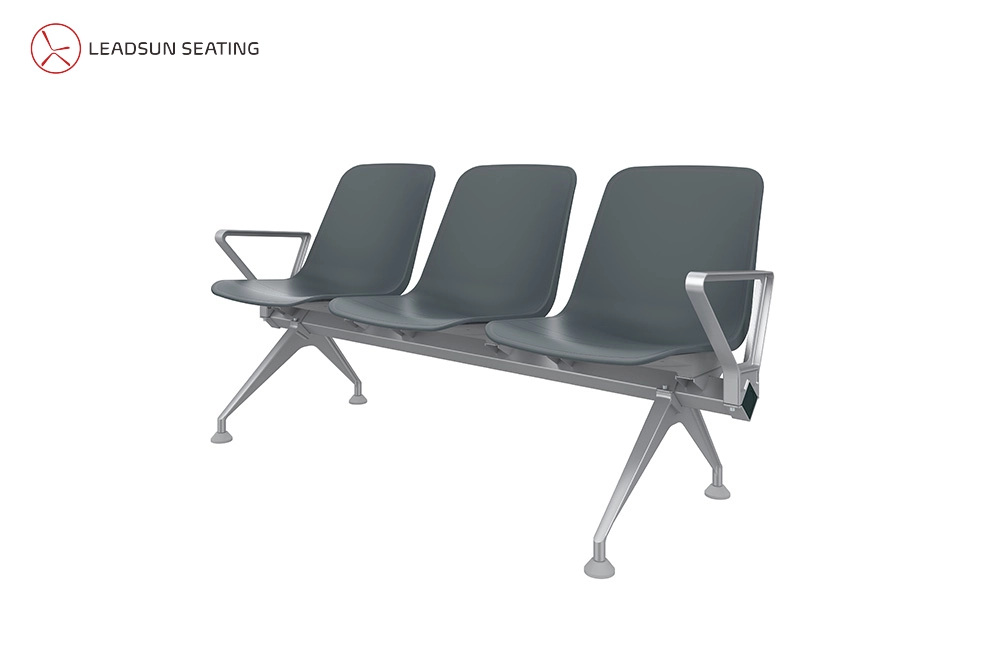
LS-550 Comfortable and Durable Waiting Chair | Customizable Waiting Chair Supplier Leadsun Seating
The LS-550 waiting chair from Leadsun offers superior comfort and durability for any public place. Customize your seating with Leadsun, a leading customizable waiting chair supplier. Ideal for high-traffic areas, the LS-550 ensures lasting performance and style.
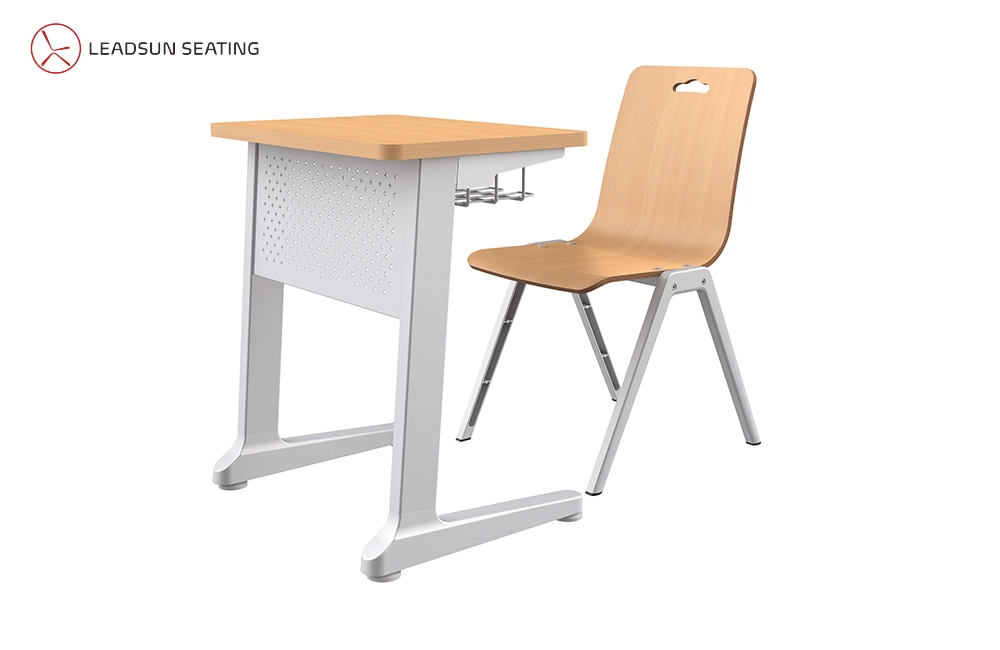
LS-9301 Single movable classroom chair |The Ultimate Flexible Solution for Modern Classrooms by Leadsun Seating
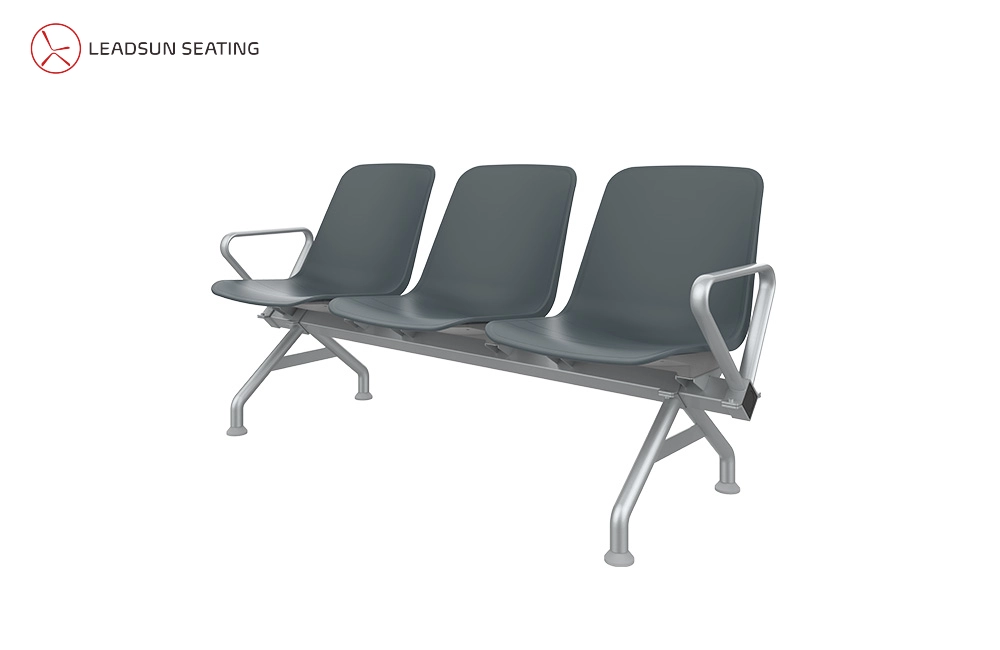
LS-551 Ergonomic Modular Waiting Chairs | Commercial Seating Solutions by Leadsun Seating

Leadsun Seating is also engaged in the design, development, production, and marketing of lightweight public seats in public places, with an annual output of desks and chairs.
 Scan QR Code