







Leadsun seating offers a wide range of seating solutions for public spaces, including benches, chairs, waiting area seating, auditorium seating, and customized solutions tailored to specific project needs.
Retrofitting Older Lecture Halls with Beam Seating
This article explains how to retrofit older lecture halls using durable, space-efficient cappuccino beam seating. It covers assessment, design and accessibility requirements, installation strategies, cost/benefit comparisons, maintenance, and case-based recommendations. Includes Leadsun product capabilities and FAQs.
- Why modernizing seating transforms learning spaces
- Assessing existing halls: structure, occupancy and constraints (includes cappuccino beam seating considerations)
- Design goals: ergonomics, space-efficiency and lifecycle cost
- Accessibility and code compliance: what retrofitters must verify
- Comparing retrofit options: beam seating versus alternatives (table)
- Installation strategies for older structures
- Acoustics, AV and integrated technology with beam seating
- Durability, cleaning and maintenance considerations
- Budgeting and lifecycle cost analysis
- Case study examples and evidence-based outcomes
- Why specify Cappuccino finishes and other material choices
- How to select a supplier: what to ask and verify
- Meet Leadsun: High Quality Seating Solutions for Global Public Spaces Since 1998
- Procurement checklist and sample timelines
- Frequently Asked Questions (FAQ)
- 1. What is cappuccino beam seating and why choose it for retrofits?
- 2. Can beam seating meet ADA and other accessibility codes?
- 3. How disruptive is installation in an older lecture hall?
- 4. What maintenance does beam seating require compared to individual chairs?
- 5. How do I estimate lifecycle cost for a retrofit project?
- 6. Are there fire and safety considerations when choosing finishes like cappuccino upholstery?
- Contact and product inquiry
- References
Why modernizing seating transforms learning spaces
Universities and colleges with aging lecture halls face declining user satisfaction, higher maintenance costs, and inefficient use of space. Retrofitting with contemporary beam seating — including popular finishes such as cappuccino beam seating — addresses these challenges by combining durability, comfort, and operational efficiency. This guide walks facility managers, architects, and procurement teams through the assessment, planning, and implementation steps for a successful retrofit that meets accessibility, acoustic, and pedagogical goals.
Assessing existing halls: structure, occupancy and constraints (includes cappuccino beam seating considerations)
Before selecting seating, perform a thorough assessment of the lecture hall’s structural system, tiering, floor loading capacity, sightlines, entry/egress, and HVAC/utility constraints. Beam seating, such as cappuccino beam seating, has a distributed load pattern and usually requires less floor anchoring than individual freestanding chairs, but column locations and slab conditions determine bracket types and anchoring methods.
Key assessment checklist:
- Structural survey: slab strength, anchor zone availability, existing fixings.
- Occupancy targets: seats per row, ADA-accessible positions, aisle widths.
- Sightlines and sight triangle checks for AV visibility.
- Existing built-in desks or fixed furniture to be retained or replaced.
- Acoustic and lighting interactions with new seating materials (upholstery vs. polypropylene).
Document everything with photos, load calculations, and seat templates to avoid costly surprises during installation.
Design goals: ergonomics, space-efficiency and lifecycle cost
A retrofit should balance immediate capital cost and long-term lifecycle cost. Beam seating often offers superior lifecycle cost because of fewer moving parts, integrated shared structures, and easier maintenance access. Ergonomic considerations (seat pan depth, lumbar support, and appropriate desk height) are crucial to sustain attention during long lectures. Choose finishes — for example, cappuccino beam seating upholstery or laminates — that resist staining, are fire-rated, and meet institutional aesthetics.
Design performance targets to set with stakeholders:
- Seat pitch and clearances that comply with local building codes and ADA requirements.
- Target seated comfort score derived from user trials (e.g., minimum 3.5/5 usability rating in pilot testing).
- Maintenance turnaround time target for refurbishing a row or replacing upholstery.
Accessibility and code compliance: what retrofitters must verify
Accessibility is non-negotiable. Retrofit projects must adhere to local codes and internationally-recognized guidance such as the ADA 2010 Standards for Accessible Design (U.S.). These standards govern clear floor spaces, wheelchair positions within seating banks, handrail continuity on aisles, and slope/step dimensions. Beam seating systems can be designed with removable modules or integrated accessible bays to comply while maintaining aesthetic uniformity.
Practical steps:
- Map out accessible seat locations to satisfy code-mandated distribution (front, middle, rear options).
- Provide companion seating and clear sightlines for wheelchair users.
- Ensure aisle widths and handrails meet egress times and fire safety rules.
Comparing retrofit options: beam seating versus alternatives (table)
| Option | Space Efficiency | Durability & Maintenance | Initial Cost | Flexibility (reconfiguration) |
|---|---|---|---|---|
| Cappuccino beam seating (integrated desks) | High — efficient shared beam reduces footprint | High — few moving parts, replaceable components | Medium | Low–Medium — modules replaceable but fixed layout |
| Individual ergonomic chairs & desks | Medium — wider clearance per seat | Medium — more components to maintain | Medium–High | High — can be reconfigured |
| Full rebuild (new tiers + seating) | Variable — depends on redesign | High — new construction lasts long | High | Medium — layout fixed by construction |
Sources: Facility planning best practices and product lifecycle data (see references).
Installation strategies for older structures
Installation in older lecture halls often requires adaptive techniques: using chemical anchors for brittle concrete, installing tensioned baseplates on timber subfloors, or introducing freestanding beam supports where slab anchoring is limited. Pre-installation mockups of a single row and trial anchoring will reduce risk. When specifying cappuccino beam seating finishes, confirm sample panels for color fastness, abrasion resistance, and fire rating.
Recommended phased installation approach:
- Pilot row installation to test sightlines and ergonomics.
- Series replacement in off-peak periods to minimize downtime.
- Documented as-built drawings and maintenance manuals for facilities staff.
Acoustics, AV and integrated technology with beam seating
Beam seating can be fitted with integrated power, connectivity, cupholders, and microphone stands. When retrofitting, coordinate seating layout with AV designers to ensure camera sightlines, microphone placement, and projection paths are unobstructed. Acoustic absorption can be improved by selecting upholstered seat backs or by adding under-seat acoustic panels without sacrificing the clean lines of cappuccino beam seating designs.
Durability, cleaning and maintenance considerations
Long-term value depends on materials and maintenance protocols. Beam seating typically reduces the number of exposed hardware elements and simplifies cleaning beneath rows. For higher-traffic lecture halls, choose flame-retardant foam, stain-resistant fabrics, or polyurethane surfaces that tolerate frequent cleaning with institutional disinfectants. Keep an inventory of replaceable parts (fixing kits, upholstery covers, desk laminates) to make rapid repairs and reduce downtime.
Budgeting and lifecycle cost analysis
Lifecycle cost (not just upfront price) should guide procurement. Consider useful life (years), expected maintenance cycles, average repair costs per seat, and time lost to out-of-service seats. Beam seating often scores better on lifecycle cost because of centralized beam anchors and modular replacement parts. For procurement, request total cost of ownership (TCO) projections from suppliers covering 10–15 years.
Case study examples and evidence-based outcomes
Institutions that have moved from loose chairs to beam seating report improvements in cleaning efficiency, lower replacement part inventories, and improved seat utilization. While outcomes vary by context, typical pragmatic benefits include reduced cleaning time per session (fewer chairs to move) and fewer individual seat failures due to shared structural support in beam systems.
Why specify Cappuccino finishes and other material choices
Color and finish matter for perception and wear. Cappuccino beam seating finishes are favored for mid-tone warmth, good camouflage of light soiling, and ability to fit varied institutional palettes. When specifying fabrics and laminates, require abrasion resistance (e.g., Martindale or Wyzenbeek ratings), flammability compliance per local codes, and supplier warranties for UV and stain resistance.
How to select a supplier: what to ask and verify
Evaluate suppliers on these dimensions: proven higher-education experience, warranty coverage, customization/OEM capacity, export and logistics competence, and documented quality control. Ask for references from retrofit projects, samples, and third-party test reports for fire and safety compliance. If your project involves bulk orders or international procurement, verify the supplier's OEM/ODM capabilities and export logistics track record.
Meet Leadsun: High Quality Seating Solutions for Global Public Spaces Since 1998
Leadsun is a China-based manufacturer with over 25 years of experience delivering durable, ergonomic, and cost-effective seating for airports, education, and public spaces. Their lecture hall seating and beam seating solutions — including customizable finishes and robust component engineering — are designed for heavy use, easy maintenance, and long lifecycles.
Core strengths:
- Durability & Value: High Quality materials and rigorous quality control to lower lifetime cost.
- Ergonomic Comfort: Seat designs that support prolonged sitting and learner well-being.
- Global OEM/ODM Partner: Customization and reliable bulk manufacturing with export logistics for B2B clients.
- Tailored Solutions: Experience across airports, lecture halls, waiting areas, and offices.
Leadsun’s product range relevant to retrofits:
- Lecture hall seating and tiered solutions
- Beam seating and tandem seating systems (available in cappuccino and other finishes)
- Fixed desks and integrated activity desks
- Waiting chairs and airport seating for public areas
- Ergonomic chairs and desk chairs for staff and faculty
Why Leadsun stands out: they combine decades of manufacturing expertise with stringent quality control, customizable design options, and competitive pricing — allowing institutions to achieve both aesthetic and performance goals in retrofit projects.
Procurement checklist and sample timelines
Typical timeline for a medium-size lecture hall (150–300 seats):
- Weeks 0–4: Site assessment, stakeholder alignment, and specification development.
- Weeks 4–8: Supplier selection, samples, and pilot mock-up installation.
- Weeks 8–12: Final procurement, manufacturing lead time begins.
- Weeks 12–20: Delivery and phased installation during academic breaks.
Procurement checklist highlights:
- Confirmed structural anchors and as-built drawings.
- Accessibility plan meeting code requirements.
- Maintenance and spare-parts agreement.
- Warranty and service level agreements (SLAs) for on-site repairs.
Frequently Asked Questions (FAQ)
1. What is cappuccino beam seating and why choose it for retrofits?
Cappuccino beam seating refers to beam-style seating systems finished in a cappuccino color or material palette. Beam systems use a continuous steel or aluminum beam to support multiple seats and desks. They are chosen for retrofits because they are space-efficient, durable, simpler to maintain, and can be customized to meet aesthetic and functional goals.
2. Can beam seating meet ADA and other accessibility codes?
Yes. Modern beam seating systems can be engineered with removable modules and designated wheelchair bays to comply with ADA and local accessibility codes. Early coordination with an accessibility consultant is recommended to ensure compliant dispersion of accessible seating across the hall.
3. How disruptive is installation in an older lecture hall?
Disruption can be minimized through phased installation, pilot row testing, and scheduling work during academic breaks. Pre-fabricated modules and efficient anchor systems also reduce on-site labor time compared to full demolition and rebuild.
4. What maintenance does beam seating require compared to individual chairs?
Beam seating typically needs less frequent maintenance of structural elements (shared beam), but shared desks and upholstery will require periodic inspection. The modular nature often reduces repair time because entire seat modules or desk surfaces can be swapped out.
5. How do I estimate lifecycle cost for a retrofit project?
Estimate lifecycle cost by calculating initial purchase and installation, expected maintenance and repair cycles, probable replacement parts, warranty coverage, and estimated useful life. Request a 10–15 year TCO estimate from suppliers and compare scenarios (beam vs. individual seating vs. rebuild).
6. Are there fire and safety considerations when choosing finishes like cappuccino upholstery?
Yes. All upholstery and laminates must meet applicable fire and smoke standards in your jurisdiction. Request third-party flammability test reports and specify materials with institutional-grade cleaning compatibility.
Contact and product inquiry
For tailored solutions, product samples, or a lifecycle cost proposal for cappuccino beam seating and other lecture hall products, contact Leadsun or your preferred supplier. For international procurement and OEM/ODM needs, request references, lead times, and warranty coverage. To start a conversation, request a pilot mock-up and receive a site-specific installation plan.
References
- ADA Standards for Accessible Design — U.S. Department of Justice, 2010. https://www.ada.gov/2010ADAstandards_index.htm (accessed 2025-12-01)
- Occupational Safety and Health Administration (OSHA) — Ergonomics. https://www.osha.gov/ergonomics (accessed 2025-12-01)
- ISO — Ergonomics of human-system interaction (overview). https://www.iso.org/standard/16883. (accessed 2025-12-01)
- Lecture hall — Wikipedia. https://en.wikipedia.org/wiki/Lecture_hall (accessed 2025-12-01)
- National Clearinghouse for Educational Facilities (NCEF) — Facility planning resources. https://ncef.org/ (accessed 2025-12-01)
For product details, samples and project quotations, contact Leadsun: Leadsun: High Quality Seating Solutions for Global Public Spaces Since 1998 — specialists in Lecture hall seating, Waiting Chair, Fixed desks and chair, Activity desks and chairs, Beam seating, Tandem seating, Airport Seating, Ergonomic Chair, Desk Chairs.
Tags
seating for airport
seating for airport
auditorium seating
auditorium seating
auditorium seats
auditorium seats
nesting chairs with arms
nesting chairs with arms
training tables for sale
training tables for sale
dr office waiting room chairs
dr office waiting room chairs
Recommended for you
Leadsun Best professional auditorium chair manufacturers and supplier brands
Leadsun Best professional customer waiting chair manufacturers and supplier brands
Eco-Friendly Waiting Room Chairs: Materials and Supplier Checklist
Leadsun Best professional comfy waiting chair manufacturers and supplier brands
Prdoucts Categories
Question you may concern
One Stop Airport Terminal Seating
Are there any successful cases we can refer to?
We’ve provided services to numerous international and major domestic airports. We can offer detailed case materials, on-site photos, and client testimonials, so you can get a clear understanding of the solution’s effectiveness.
What are the advantages of the one-stop solution compared to traditional procurement methods?
The one-stop solution integrates the entire service process, saving communication costs and time. It avoids coordination issues that arise when working with multiple parties and ensures consistency and coherence in design, production, and after-sales service.
Are the seat materials durable? What's the lifespan?
We use high-strength, wear-resistant, and easy-to-clean premium materials, such as stain-resistant flame-retardant fabrics and rust-proof alloy frames. Under normal use, the seats can last 5 - 8 years.
FAQs
What materials are used in the production of your public seating?
We use a variety of durable materials such as stainless steel, aluminum, wood, high-quality upholstery, and advanced polymers to ensure that our seating solutions are both functional and long-lasting.
What types of public seating solutions does Leadsun seating provide?
You may also like
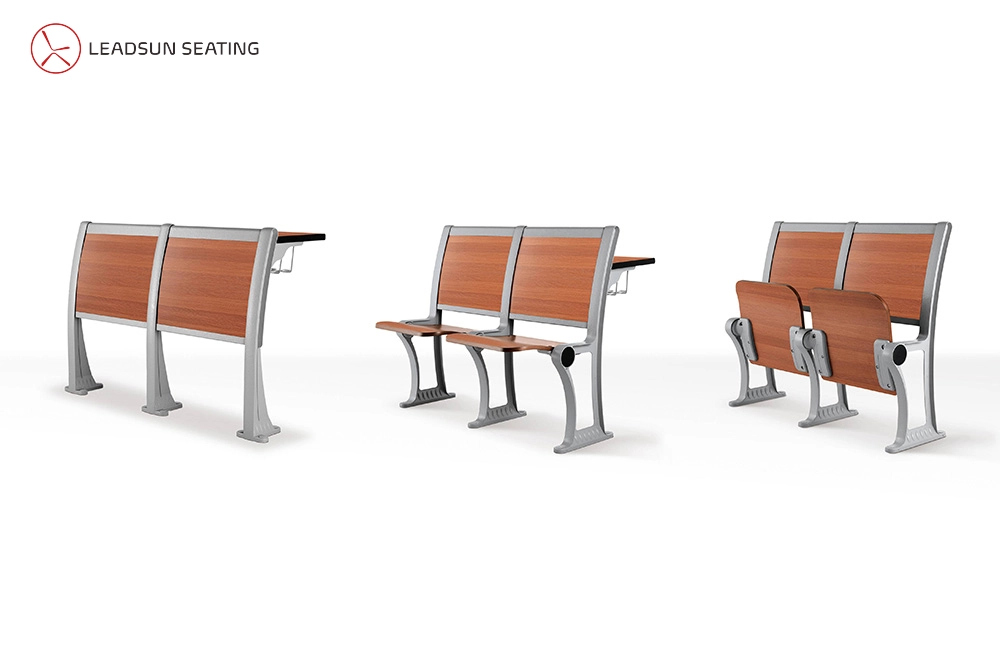
LS-908 Series Fixed Public Auditorium Chair or Tiered Classroom Solutions by Leadsun Seating
Introducing the LS-908 Series by Leadsun, your ideal solution for tiered classroom seating and fixed public auditorium chairs. Designed for comfort and durability, this series enhances audience engagement in educational and corporate settings. Discover the perfect blend of functionality and style with Leadsun Seating.
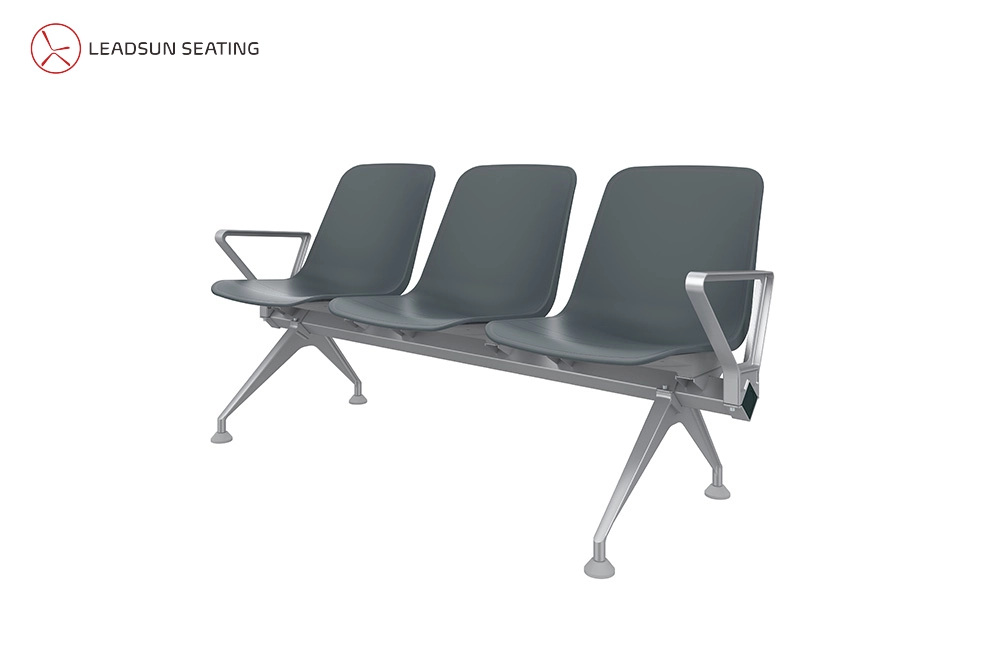
LS-550 Comfortable and Durable Waiting Chair | Customizable Waiting Chair Supplier Leadsun Seating
The LS-550 waiting chair from Leadsun offers superior comfort and durability for any public place. Customize your seating with Leadsun, a leading customizable waiting chair supplier. Ideal for high-traffic areas, the LS-550 ensures lasting performance and style.
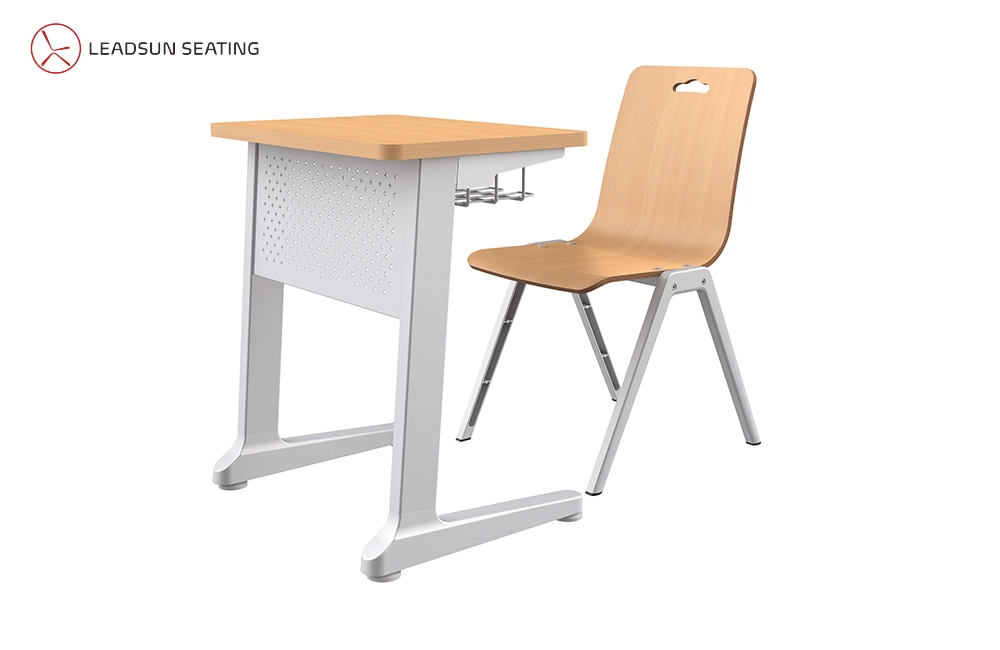
LS-9301 Single movable classroom chair |The Ultimate Flexible Solution for Modern Classrooms by Leadsun Seating
Leadsun's LS-9301 single movable classroom chair offers ultimate flexibility for modern learning environments. This activity desk and chair solution ensures comfortable and adaptable seating for students. Ideal for dynamic classrooms.
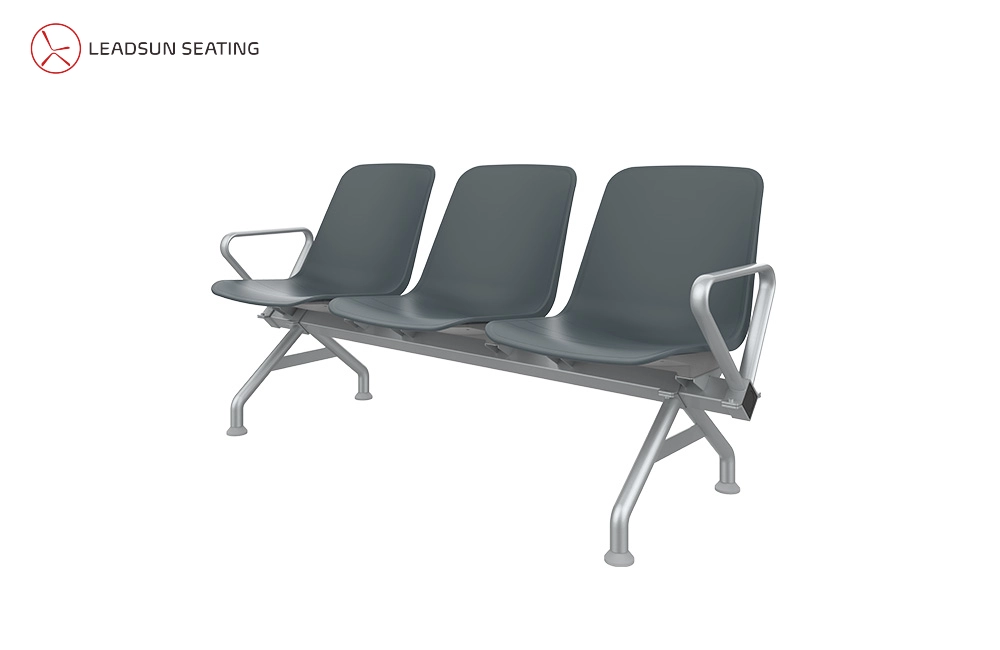
LS-551 Ergonomic Modular Waiting Chairs | Commercial Seating Solutions by Leadsun Seating
Leadsun's LS-551 Ergonomic Modular Waiting Chairs offer superior comfort for any commercial space. Ideal for hospitals, airports, and more, these modular chairs provide flexible configurations and ergonomic support. Experience unmatched comfort and style with Leadsun Seating.
Get in touch with us
If you have any comments or good suggestions, please leave us a message, later our professional staff will contact you as soon as possible.

Leadsun Seating is also engaged in the design, development, production, and marketing of lightweight public seats in public places, with an annual output of desks and chairs.
 Scan QR Code