







Safety and Fire Codes for Beam Seating Installations
- Understanding Regulatory Requirements for Public Seating
- Why fire and life-safety codes matter when you specify cappuccino beam seating
- Key codes and standards governing beam seating installations
- Material selection and upholstery flammability: testing and documentation
- Egress, aisle width, and occupant load considerations for beam seating
- Fire protection systems and seating: sprinklers, detectors and compartmentation
- Installation best practices for long-term compliance and safety
- Procurement checklist when specifying cappuccino beam seating for lecture halls
- Why choose Leadsun for lecture hall beam seating projects
- Comparing typical code impacts on seat selection and layout
- Common pitfalls and how to avoid them when installing beam seating
- FAQs
- 1. What flammability certificates should I ask for when buying cappuccino beam seating?
- 2. Do I need sprinklers in lecture halls with beam seating?
- 3. How many accessible seats are required in a lecture hall?
- 4. Can I use treated upholstery to meet flammability requirements?
- 5. What documentation should be handed over to facilities after installation?
- 6. How does cappuccino beam seating affect acoustic and sprinkler performance?
- Contact and product inquiry
- References and authoritative sources
Understanding Regulatory Requirements for Public Seating
Beam seating, including popular finishes and finishes like cappuccino beam seating, brings space-efficiency and durability to lecture halls, airports and waiting areas. But designing and installing beam seating is not just a matter of style and comfort: it must satisfy a matrix of fire, life-safety, accessibility and building-code requirements. This article translates key codes into practical steps you can use when specifying, installing and maintaining beam seating in public spaces, with an emphasis on safety, compliance and long-term performance.
Why fire and life-safety codes matter when you specify cappuccino beam seating
Owners, architects and contractors choose cappuccino beam seating for its aesthetic and functional advantages. However, an attractive finish cannot compromise safety. Non-compliant seating can obstruct egress, increase fuel load in a fire, or fail flammability testing required by local jurisdictions. Ensuring compliance reduces risk, speeds approvals, avoids costly rework, and protects reputation. From procurement to installation and ongoing maintenance, understanding how codes apply to beam seating is essential for every project stakeholder.
Key codes and standards governing beam seating installations
Beam seating must be evaluated against multiple code families: building and life-safety codes, fire protection standards, flammability tests for upholstery and components, and accessibility requirements. The most commonly referenced documents worldwide include the International Building Code (IBC), NFPA 101 Life Safety Code, NFPA 13 for sprinklers, flammability test standards (ASTM E84, NFPA 701, BS 5852), and national accessibility standards such as the Americans with Disabilities Act (ADA).
| Code / Standard | Scope | Typical requirement for beam seating | Applicability |
|---|---|---|---|
| NFPA 101 Life Safety Code | Means of egress, occupant classification, fire protection features | Requires clear aisles, calculates occupant load, affects arrangement and exit access | Hospitals, educational, assembly — widely adopted in US and internationally |
| International Building Code (IBC) | Building construction, egress sizing, fire resistance | Defines exit widths, stair requirements, fire-resistance ratings and occupancy loads | Primary model code used in many jurisdictions globally |
| NFPA 13 | Automatic sprinkler systems | Specifies sprinkler density, obstructions, and ceiling clearance considerations near seating | Where sprinklers are required by local code |
| ASTM E84 / NFPA 255 | Surface burning characteristics | Measures flame spread and smoke development for exposed materials | Applies to fabrics and exposed surfaces of seating |
| NFPA 701 / BS 5852 / CAL TB Standards | Upholstery and textile ignition resistance | Specifies methods for small-scale and full-scale flammability testing of seating fabrics | Often required by local regulations or insurance |
| ADA / Local accessibility codes | Accessible seating locations, transfer spaces and routes | Mandates minimum number of accessible seats and unobstructed access routes | Required in many countries for public assembly venues |
Note: The precise numeric requirements and the referenced edition of any standard are jurisdiction-specific. Always confirm the adopted code edition with the Authority Having Jurisdiction (AHJ).
Material selection and upholstery flammability: testing and documentation
Choice of materials strongly influences fire performance. For seating upholstery and exposed foam, typical tests include ASTM E84 for surface burning, NFPA 701 for textiles, and legacy tests like BS 5852 for smoldering and ignition from cigarettes and small flames. Some jurisdictions accept CAL TB 117-2013 compliance for upholstered furniture. Manufacturers should provide test certificates for upholstery, foam cores and finish materials. For commercial beam seating such as cappuccino beam seating, confirm that:
- Upholstery fabrics have relevant certificate(s) and are tested to the requested standard and edition.
- Foam cores used in seat and back components meet smoldering and ignition resistance requirements.
- Any exposed plastic or laminate meets surface-burning criteria (flame spread, smoke-developed index).
Having a complete test dossier in the project submittal accelerates AHJ review and reduces change orders. Retain digital copies of certificates and batch numbers for warranty and insurance purposes.
Egress, aisle width, and occupant load considerations for beam seating
Beam seating arrangements affect occupant flow and egress capacity. Key considerations include occupant load calculation, row spacing, exit access distance, and minimum aisle widths. While the exact numeric values are set by the enforced code edition, the design process follows these steps:
- Determine occupant load based on use and square footage or fixed seating count.
- Use occupant load to calculate required egress width and number of exits.
- Design aisles and cross-aisles to meet required exit access travel and to prevent pinch points—consider staggered rows and continuous handrails for steep tiers.
- Ensure any fixed desks, platforms or fixed seating bases do not encroach on egress widths and that footing/anchoring does not create tripping hazards.
Practical tips: maintain consistent row-to-row clearances so that emergency evacuation is predictable; provide adequate legroom and knee clearance for ADA transfer spaces; and coordinate seat layout with the sprinkler and detection layout so sprinklers are not obstructed by high or closely spaced backrests.
Fire protection systems and seating: sprinklers, detectors and compartmentation
Sprinkler systems and detection are part of an integrated approach to protecting spaces with beam seating. Areas to confirm with your MEP and fire protection engineer include:
- Sprinkler placement relative to seating geometry: ensure there are no concealed areas where sprinklers are blocked by tall seat backs or acoustical baffles.
- Heat and smoke detector positioning so that detection is not masked by furniture canopies or tiered seating.
- Fire-resistance-rated separations and protected corridors that interact with seating room layout—seating should not compromise required fire barriers or doors.
Coordination meetings between the seating supplier, architect, fire engineer and AHJ during design development help identify conflicts early and avoid rework during installation.
Installation best practices for long-term compliance and safety
Correct installation preserves the tested performance and code compliance demonstrated in design documents. Best practices include:
- Anchor beam seating to structural floors per supplier instructions and structural engineer approval. Use tamper-resistant fixings where public access is expected.
- Maintain specified clearances from walls, doors and sprinkler heads.
- Label and document all materials and test reports on site and in operations manuals.
- Train facility management on maintenance of upholstery, flame-retardant treatments (if used), seat folding mechanisms and obstruction prevention.
- Keep an as-installed drawing set that shows egress paths with the installed seating layout for emergency planning.
Procurement checklist when specifying cappuccino beam seating for lecture halls
When you are ready to specify or buy cappuccino beam seating, include the following checklist items in purchase documents to reduce compliance risk:
- Provide required code edition and AHJ contact in specifications.
- Request full flammability test certificates for fabrics and foam with batch numbers and test dates.
- Specify anchorage method and slip/fixity details aligned with structural loading assumptions.
- Include accessible seating locations and transfer seat details per ADA or local accessibility code.
- Require shop drawings showing egress calculations and clearances based on the proposed layout.
- Ask for maintenance and cleaning instructions that preserve flame-retardant properties.
- Define warranty, spare-parts availability and lead times for replacement components.
Why choose Leadsun for lecture hall beam seating projects
Leadsun: High Quality Seating Solutions for Global Public Spaces Since 1998. Leadsun is a leading China-based manufacturer of high-quality, durable seating solutions for demanding commercial environments. With over 25 years of expertise, we engineer comfort, durability, and functionality into every product for global clients. Core Expertise & Products include:
- Airport Seating Manufacturer: Robust, easy-maintain airport waiting area seating for high traffic, security, and comfort.
- Ergonomic Chair Specialist: Ergonomic office chairs and desk chairs with superior support for well-being and productivity.
- Lecture Hall Seating Supplier: Space-efficient, durable lecture hall seating and tiered solutions.
- Public Waiting Area Seating: Commercial-grade waiting area chairs for longevity in high-volume spaces.
Why Leadsun?
- Durability & Value: High Quality materials and rigorous standards ensure durability and low lifetime cost.
- Ergonomic Comfort: Design core to user well-being in extended use.
- Global OEM/ODM Partner: Reliable bulk order manufacturing, customization and export logistics for B2B.
- Tailored Solutions: Expertise in public spaces, airports and education.
Leadsun supplies a range of products including Lecture hall seating, Waiting Chair, Fixed desks and chair, Activity desks and chairs, beam seating, Tandem seating, Airport Seating, Ergonomic Chair and Desk Chairs. Leadsun's competitive differentiation includes decades of manufacturing experience, strict quality control, and the ability to deliver tested and documented seating solutions. If you specify cappuccino beam seating, Leadsun can provide sample finishes, documented test reports and tailored layouts to meet local code and AHJ needs.
Comparing typical code impacts on seat selection and layout
Below is a concise comparison of typical design impacts produced by common code areas. Use this as a planning tool only; confirm numbers with the AHJ and your design team.
| Design Area | Code Concern | Design Action |
|---|---|---|
| Row spacing | Egress travel and evacuation speed | Provide consistent row spacing, avoid obstructions to aisles, document clearances |
| Upholstery | Flammability and smoke generation | Request flammability certificates, choose tested fabrics, avoid untested aftermarket treatments |
| Anchorage | Structural and vandal-resistance | Use specified anchors, follow supplier torque and fixing instructions |
| Accessible seats | Accessibility regulations | Locate required number of accessible seats with unobstructed access routes |
Common pitfalls and how to avoid them when installing beam seating
Several avoidable mistakes commonly create compliance or operational problems:
- Accepting partial or outdated test reports — insist on current certificates that match materials actually supplied.
- Assuming upholstery treatments remain effective after aggressive cleaning — request cleaning/maintenance compatibility guidance.
- Failing to coordinate with sprinkler layout — tall backrests and acoustic booths can hide or obstruct fire protection elements.
- Neglecting accessible seating — retrofitting accessible locations later is costly and often impossible without reconfiguring seating banks.
FAQs
1. What flammability certificates should I ask for when buying cappuccino beam seating?
Request test certificates for the upholstery fabric and foam core to the standards required by your AHJ. Commonly requested reports include ASTM E84 (surface burning), NFPA 701 (textile ignition), or the regional equivalent such as BS 5852. Also ask for a materials declaration listing fire-retardant treatments and their longevity.
2. Do I need sprinklers in lecture halls with beam seating?
Whether sprinklers are required depends on building classification, occupant load and local adopted codes. In many jurisdictions, assembly occupancies above a threshold or certain construction types require automatic sprinklers. Consult NFPA 13 and your local AHJ to determine requirements for your project.
3. How many accessible seats are required in a lecture hall?
Accessible seating requirements are set by local accessibility codes or the ADA. The number and distribution depend on total seating capacity and the specific standard edition. Provide your seating plan to an accessibility consultant or refer to the applicable code to determine the exact count.
4. Can I use treated upholstery to meet flammability requirements?
Sometimes treated fabrics can meet required standards, but treatments can wear off with cleaning and use. It is preferable to use inherently compliant fabrics or provide documentation on treatment durability and re-treatment processes. Document cleaning procedures to preserve compliance.
5. What documentation should be handed over to facilities after installation?
Provide the owner with an as-built seating layout, anchorage specifications, all flammability certificates, maintenance instructions, warranty documents and supplier contact information. Keep digital copies accessible for insurance and AHJ inspections.
6. How does cappuccino beam seating affect acoustic and sprinkler performance?
High-backed beam seating and integrated acoustic panels can change airflow patterns and may obstruct sprinkler spray patterns. Coordinate seating geometry with fire protection and acoustic engineers to ensure both safety and acoustic performance goals are met.
Contact and product inquiry
For projects that demand code compliance, durability and a refined finish like cappuccino beam seating, talk to manufacturing partners who provide tested materials, shop drawings and installation support. Leadsun offers a complete service from specification to delivery for lecture halls, airports and public spaces. Contact Leadsun for product samples, compliance documentation and tailored seating layouts to meet your AHJ requirements.
References and authoritative sources
- NFPA 101 Life Safety Code, National Fire Protection Association. https://www.nfpa.org/ (accessed 2025-12-14)
- International Building Code (IBC), International Code Council. https://codes.iccsafe.org/ (accessed 2025-12-14)
- NFPA 13: Installation of Sprinkler Systems, NFPA. https://www.nfpa.org/ (accessed 2025-12-14)
- ASTM E84 Standard Test Method for Surface Burning Characteristics of Building Materials, ASTM International. https://www.astm.org/ (accessed 2025-12-14)
- NFPA 701 Standard Methods of Fire Tests for Flame Propagation of Textiles and Films, NFPA. https://www.nfpa.org/ (accessed 2025-12-14)
- BS 5852: Fire tests for furniture, BSI Group. https://www.bsigroup.com/ (accessed 2025-12-14)
- Americans with Disabilities Act (ADA) Standards for Accessible Design. https://www.ada.gov/ (accessed 2025-12-14)
- Leadsun official information and product capabilities (company materials provided as part of this article brief).
Integrated Power and USB in Lecture Seating
Wholesale lecture hall seat manufacturer and supplier in us
Custom 2 seater waiting chair Manufacturers and Suppliers in us
Top auditorium seats Manufacturers and Suppliers in us
One Stop Airport Terminal Seating
How do you ensure seat installation doesn't disrupt airport operations?
We’ll develop a detailed installation plan, giving priority to non-peak hours for construction. We also use a modular installation approach to minimize any impact on airport operations.
Are the seat materials durable? What's the lifespan?
We use high-strength, wear-resistant, and easy-to-clean premium materials, such as stain-resistant flame-retardant fabrics and rust-proof alloy frames. Under normal use, the seats can last 5 - 8 years.
Can the solution meet the needs of airports of different sizes?
Whether it’s a small regional airport or a large international hub, we can customize the seating types and layout plans according to passenger flow, terminal area size, and functional positioning. This ensures we flexibly meet the requirements of all types of airports.
FAQs
What is the lead time for custom seating orders?
The lead time for custom seating orders varies depending on the complexity of the design and the order size. Typically, it takes 4-6 weeks for production, with shipping times depending on your location.
What materials are used in the production of your public seating?
We use a variety of durable materials such as stainless steel, aluminum, wood, high-quality upholstery, and advanced polymers to ensure that our seating solutions are both functional and long-lasting.
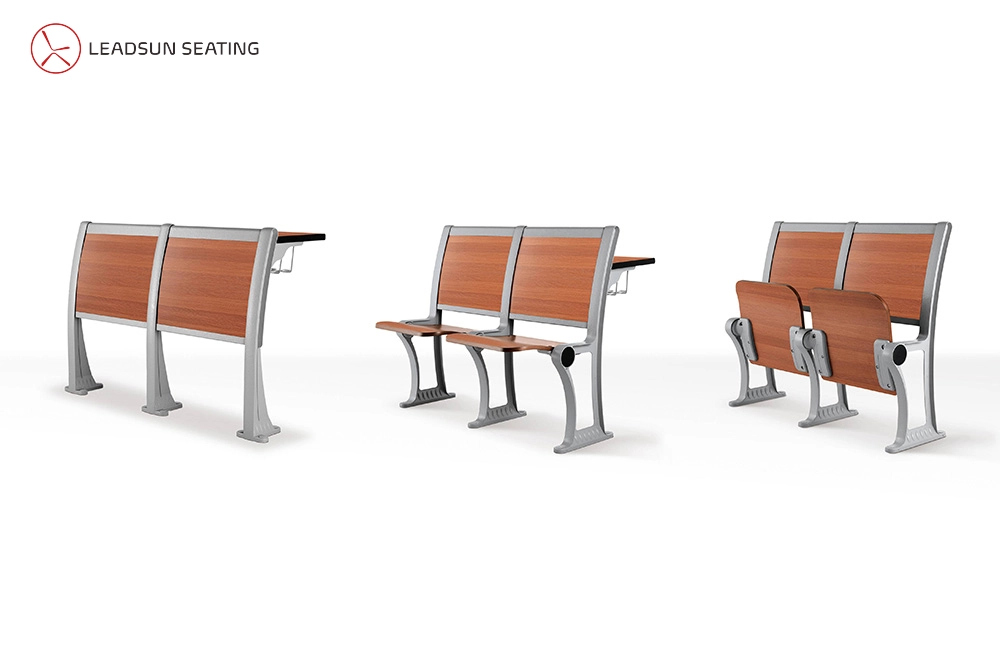
LS-908 Series Fixed Public Auditorium Chair or Tiered Classroom Solutions by Leadsun Seating
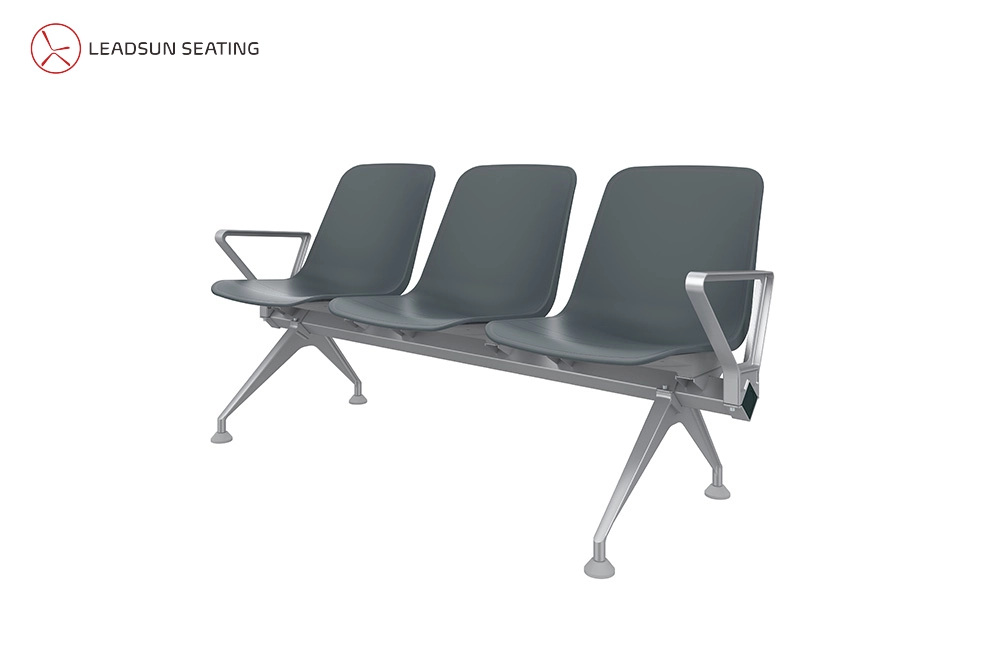
LS-550 Comfortable and Durable Waiting Chair | Customizable Waiting Chair Supplier Leadsun Seating
The LS-550 waiting chair from Leadsun offers superior comfort and durability for any public place. Customize your seating with Leadsun, a leading customizable waiting chair supplier. Ideal for high-traffic areas, the LS-550 ensures lasting performance and style.
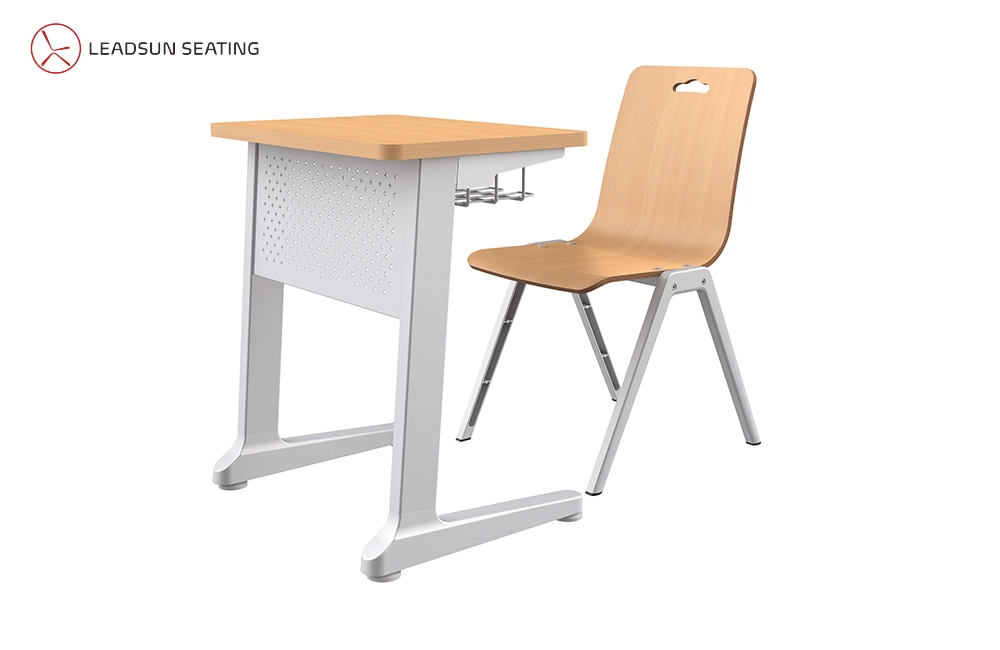
LS-9301 Single movable classroom chair |The Ultimate Flexible Solution for Modern Classrooms by Leadsun Seating
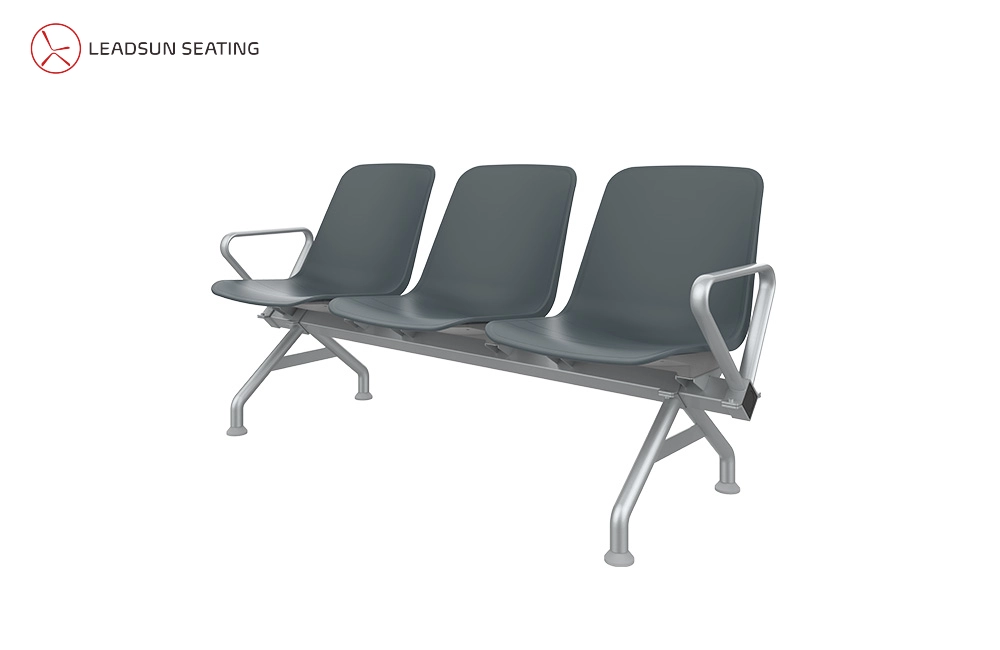
LS-551 Ergonomic Modular Waiting Chairs | Commercial Seating Solutions by Leadsun Seating

Leadsun Seating is also engaged in the design, development, production, and marketing of lightweight public seats in public places, with an annual output of desks and chairs.
 Scan QR Code