







Space-Saving Layouts Using Airport-Style Modular Seating
- Why Space Efficiency Matters for Airport Chairs in Public Venues
- Design Principles for Airport Chairs to Maximize Space
- Layout Options and Space Trade-offs for Airport Chairs
- How Airport Chairs Improve Space Utilization and Operational Costs
- Material and Ergonomic Choices for Durable Airport Chairs
- Configuring Airport Chairs for Accessibility and Safety
- Integrating Technology into Airport Chairs for Multiplied Value
- Cleaning, Maintenance, and Lifecycle Cost Planning for Airport Chairs
- Case Examples: Space-Saving Layouts with Airport Chairs
- Why Spec Airport Chairs from a Manufacturer with Proven Track Record
- Leadsun: Airport Chairs and Modular Seating Solutions for Space Efficiency
- How to Specify Airport Chairs for a Space-Saving Project
- Frequently Asked Questions about Airport Chairs and Space-Saving Layouts
- Q1: How much space does a typical airport chair take?
- Q2: Are modular airport chairs suitable for areas other than airports?
- Q3: How do I ensure ADA compliance when using compact beam seating?
- Q4: Can airport chairs include power outlets and other tech features without increasing footprint?
- Q5: What materials make airport chairs easiest to maintain?
- Q6: How should I plan seating density for peak vs. off-peak?
- Contact & Product Inquiry — See Leadsun Airport Chairs in Action
- References
Why Space Efficiency Matters for Airport Chairs in Public Venues
Optimizing seating in public spaces—from airport concourses to lecture halls and healthcare waiting rooms—directly affects capacity, passenger flow, comfort, and operating costs. Airport chairs (modular beam seating commonly used in terminals) are a proven approach to balance durability, user comfort, and footprint efficiency. This article explains how to design space-saving layouts using airport-style modular seating, with actionable guidance for architects, planners, facilities managers, and procurement teams.
Design Principles for Airport Chairs to Maximize Space
Selecting and arranging airport chairs requires attention to several design principles that control the effective footprint per user without sacrificing accessibility or comfort. Key considerations include ergonomic seat dimensions, circulation and sightlines, ADA compliance, and integrated functionality (power, luggage space, and trash receptacles).
Best practices:
- Choose beam-mounted modules with standardized seat widths (typically 17–22 in / 430–560 mm) to enable compact, repeatable layouts while maintaining comfort (see references on seating dimensions).
- Prioritize clear circulation aisles of at least 900–1200 mm depending on local code for high-traffic areas to ensure passenger flow and emergency egress.
- Integrate mixed seating types—single-seat pods and 2–4 seat beams—to create flexible density zones (high-density near gates, lower-density social or family areas).
- Plan for sightlines and queuing: orient beams parallel to walking flows where throughput is needed, and use perpendicular clusters where dwell time and group seating are important.
Layout Options and Space Trade-offs for Airport Chairs
Choosing the right layout depends on the priority: maximum seats per square meter, passenger comfort, or flexibility. Below is a comparative table summarizing common layout approaches for airport chairs and modular seating in public spaces.
| Layout Type | Relative Space Efficiency | Seats per Linear Meter | Best Use Case | Maintenance/Cleaning |
|---|---|---|---|---|
| Linear Beam Seating (continuous rows) | High | 3–6 seats/meter (depending on seat width) | High-density concourses, transit hubs | Easy (uniform surfaces) |
| Cluster Pods (4–6 seat islands) | Medium | 2–4 seats/meter effective | Family areas, social zones, shorter dwell times | Moderate (access between pods) |
| Back-to-Back Benches | High | 4–7 seats/meter (double-sided) | Space-constrained halls where two-sided seating works | Easy (central beam elevated) |
| Tandem/Tiered Seating (lecture style) | Medium–Low | 1–3 seats/meter (depends on tier depth) | Lecture halls, tiered waiting rooms | Moderate–Difficult (access to tiers) |
Notes: Seats per linear meter varies with chosen seat width and armrest spacing. References on ergonomic widths and beam seating configurations are included at the end.
How Airport Chairs Improve Space Utilization and Operational Costs
Modular airport chairs improve density and reduce lifecycle costs through standardized components. Advantages include:
- Reduced floor footprint per seat compared with bulky lounge furniture, enabling more seats per square meter without compromising code compliance.
- Lower maintenance and replacement costs due to modular replacements (swap a worn seat shell rather than replacing whole sections).
- Streamlined cleaning operations: uniform surfaces and elevated beams improve access for floor cleaning equipment (CDC guidance encourages design that facilitates routine cleaning).
- Customization options (power modules, folding tablet arms, upholstery choices) allow balancing user comfort with budget and space priorities.
Material and Ergonomic Choices for Durable Airport Chairs
Durability is central to airport chairs deployed in high-traffic environments. Material selection drives both longevity and the ability to maintain a compact layout:
- Metal frames (powder-coated steel or aluminum) for structural longevity and thinner profiles compared with bulky timber frames.
- High-performance molded shells or polyurethane cushions—easy to clean, impact resistant, and thinner than deep upholstery.
- Armrests and spacing designed to reduce seat encroachment while providing perceived personal space; fixed armrests help define individual seats and prevent overhang in high-density layouts.
Following internationally recognized ergonomics guidance (e.g., ISO ergonomics standards and BIFMA recommendations) ensures comfort without oversized footprints—key for long-dwell areas like airport gates and medical waiting rooms.
Configuring Airport Chairs for Accessibility and Safety
Space-saving must not compromise accessibility. Key compliance points:
- Reserve ADA-compliant spaces integrated within seating blocks—do not simply place a wheelchair spot at the perimeter; distribute accessible spots to maintain sightlines and equitable experience.
- Maintain required aisle widths and emergency egress clearances; consult local building and fire codes as they govern minimum dimensions.
- Provide seating with a range of heights and armrests to assist older adults and people with mobility issues.
Integrating Technology into Airport Chairs for Multiplied Value
Incorporating power outlets, wireless charging, and small work surfaces can reduce the need for additional furniture and free floor space otherwise used for charging stations or café-style seating. Modular beam seats can accept power modules at fixed intervals, enabling compact layouts where users stay seated while charging or working—reducing crowding around distant power walls.
Cleaning, Maintenance, and Lifecycle Cost Planning for Airport Chairs
Design for maintainability to preserve space efficiency over time. Guidelines:
- Use replaceable seat shells and modular components to minimize downtime and avoid large-scale replacement.
- Choose finishes resistant to disinfectants recommended by public health authorities (CDC lists common disinfectants and cleaning practices for public facilities).
- Plan maintenance access: elevated beams that allow floor cleaning equipment to pass under reduce build-up and cleaning time.
Case Examples: Space-Saving Layouts with Airport Chairs
Example design scenarios and layout rationale:
- Regional Airport Gate: Long parallel beam seating aligned with gate seating, broken into 4–6 seat modules with integrated USB power every 3–4 seats. Result: high seat count with distributed charging and unobstructed aisles.
- University Lecture Lobby: Back-to-back beam seating near entrances to provide rapid turnaround and clear circulation to lecture halls. Combined with fixed desks in tiered areas for student study.
- Hospital Outpatient Waiting: Mixed clusters with some single-seater modules to respect social distancing when needed; surfaces specified for hospital-grade disinfectants.
Why Spec Airport Chairs from a Manufacturer with Proven Track Record
Choosing an experienced manufacturer reduces project risk. Look for suppliers that provide OEM/ODM customization, global export logistics, and documented case studies showing longevity in high-traffic installations.
Leadsun: Airport Chairs and Modular Seating Solutions for Space Efficiency
Leadsun: High Quality Seating Solutions for Global Public Spaces Since 1998. Leadsun is a leading China-based manufacturer of high-quality, durable seating solutions for demanding commercial environments. With over 25 years of expertise, Leadsun engineers comfort, durability, and functionality into every product for global clients.
Core Expertise & Products:
- Airport Seating Manufacturer: Robust, easy-maintain airport waiting area seating engineered for high traffic, safety, and comfort.
- Ergonomic Chair Specialist: Office and desk chairs designed to support well-being and productivity.
- Lecture Hall Seating Supplier: Space-efficient, durable lecture hall seating and tiered solutions suitable for institutions with tight footprints.
- Public Waiting Area Seating: Commercial-grade waiting chairs that stand up to high-volume use.
Leadsun Advantages & Competitive Differentiators:
- Durability & Value: High Quality materials and rigorous quality control reduce lifetime cost compared with lower-grade alternatives.
- Ergonomic Comfort: Design informed by ergonomic standards to maintain comfort in compact seat profiles.
- Global OEM/ODM Partner: Proven mass-production capability, customization, and export logistics for B2B clients.
- Tailored Solutions: Demonstrated expertise in airports, education, office, and public waiting spaces.
Lead product categories include: Lecture hall seating, Waiting chairs, Fixed desks and chairs, Activity desks and chairs, Beam seating, Tandem seating, Airport seating, Ergonomic chairs, Desk chairs. Leadsun emphasizes long-term partnerships, technical support for layout planning, and modular product design that supports space-saving objectives.
How to Specify Airport Chairs for a Space-Saving Project
Specification checklist:
- Define target seats per square meter based on user peak loads and required circulation paths.
- Select beam modules with appropriate seat widths (17–22 in) and backrest ergonomics consistent with expected dwell time.
- Specify materials compatible with local cleaning protocols and projected wear (e.g., antimicrobial-treated vinyl or molded shells for healthcare).
- Request modular samples and install a pilot zone to validate sightlines, user behavior, and cleaning workflows before full rollout.
- Plan for future flexibility—specify easily reconfigurable beams and quick-mount brackets to adapt to changing space requirements.
Frequently Asked Questions about Airport Chairs and Space-Saving Layouts
Q1: How much space does a typical airport chair take?
A: Typical seat widths for airport chairs range from 17–22 inches (430–560 mm). The effective space per seated person—accounting for circulation—depends on layout, but standardized beam seating is engineered to maximize seats per meter while keeping required aisles clear. Consult your seating supplier and local codes to confirm exact planning dimensions.
Q2: Are modular airport chairs suitable for areas other than airports?
A: Yes. Modular airport-style seating is widely used in hospitals, education facilities, transit hubs, and corporate reception areas because of its durability, ease of maintenance, and space efficiency.
Q3: How do I ensure ADA compliance when using compact beam seating?
A: Integrate wheelchair-accessible spaces distributed across seating zones, maintain required aisle widths and turning spaces, and include some seats with transferable armrests or accessible heights. Always verify local accessibility codes during design.
Q4: Can airport chairs include power outlets and other tech features without increasing footprint?
A: Yes. Power modules and USB chargers can be integrated into beam seating at regular intervals, letting users charge devices without requiring separate furniture or power stations—helping maintain a compact footprint.
Q5: What materials make airport chairs easiest to maintain?
A: Molded plastic shells, treated vinyl, and metal frames with durable powder coatings are among the easiest to clean and maintain. Choose finishes that tolerate recommended disinfectants for your facility type.
Q6: How should I plan seating density for peak vs. off-peak?
A: Design seating zones to reflect varying demand: high-density beam seating near primary boarding or service points, and lower-density clusters for leisure or family groups. Flexible configurations and modular components enable reallocation as demand patterns shift.
Contact & Product Inquiry — See Leadsun Airport Chairs in Action
To evaluate space-saving airport chairs for your project, request layout support, or view product specifications and samples, contact Leadsun: explore product ranges including beam seating, tandem seating, lecture hall seating, waiting chairs, and ergonomic chairs. Leadsun provides OEM/ODM services and global export logistics for turnkey procurement. Reach out to request a layout consultation or product catalogue.
References
- IATA Airport Development Reference Manual (ADRM) — International Air Transport Association. (Accessed 2025-11-20) https://www.iata.org/
- FAA Airport Planning and Design resources — Federal Aviation Administration. (Accessed 2025-11-20) https://www.faa.gov/airports/
- CDC Guidance for Cleaning and Disinfection of Public Spaces — Centers for Disease Control and Prevention. (Accessed 2025-11-20) https://www.cdc.gov/coronavirus/2019-ncov/community/disinfecting-building-facility.
- BIFMA (Business and Institutional Furniture Manufacturers Association) guidance and ergonomic resources. (Accessed 2025-11-20) https://www.bifma.org/
- ISO Ergonomics Standards (e.g., ISO 9241 series) — International Organization for Standardization. (Accessed 2025-11-20) https://www.iso.org/standards.
- Leadsun product and company information — Leadsun (company history and product categories). (Accessed 2025-11-20) https://www.leadsun.com/
For technical layout help, sample requests, or a customized quote for airport chairs and modular seating solutions, contact Leadsun to schedule a consultation.
How to Choose the metal frame waiting chair manufacturer and supplier in America?
Best beam seating melbourne manufacturers and supplier brands
Best professional lecture hall seating ireland manufacturers and supplier brands
Modern Public Chair Trends for Lecture Hall Seating
FAQs
Are your seating solutions suitable for outdoor use?
Yes, many of our seating solutions are designed to withstand outdoor conditions. We use weather-resistant materials and coatings to ensure durability and performance in public outdoor environments.
Are your products compliant with safety and accessibility standards?
-
Absolutely. All of our seating solutions comply with relevant safety regulations and accessibility standards, ensuring comfort and safety for all users, including those with special needs.
-
One Stop Airport Terminal Seating
How do you ensure seat installation doesn't disrupt airport operations?
We’ll develop a detailed installation plan, giving priority to non-peak hours for construction. We also use a modular installation approach to minimize any impact on airport operations.
Can you provide personalized seat customization?
We support comprehensive customization, including seat styles, functional modules (like charging ports, cup holders, etc.), color schemes, and even integrating airport brand elements to showcase a unique style.
How long is the production cycle? Can you deliver on time?
The production cycle depends on the order size and customization complexity. We’ll create a detailed production plan in advance and have a professional logistics and installation team in place to ensure on-time delivery and efficient implementation.
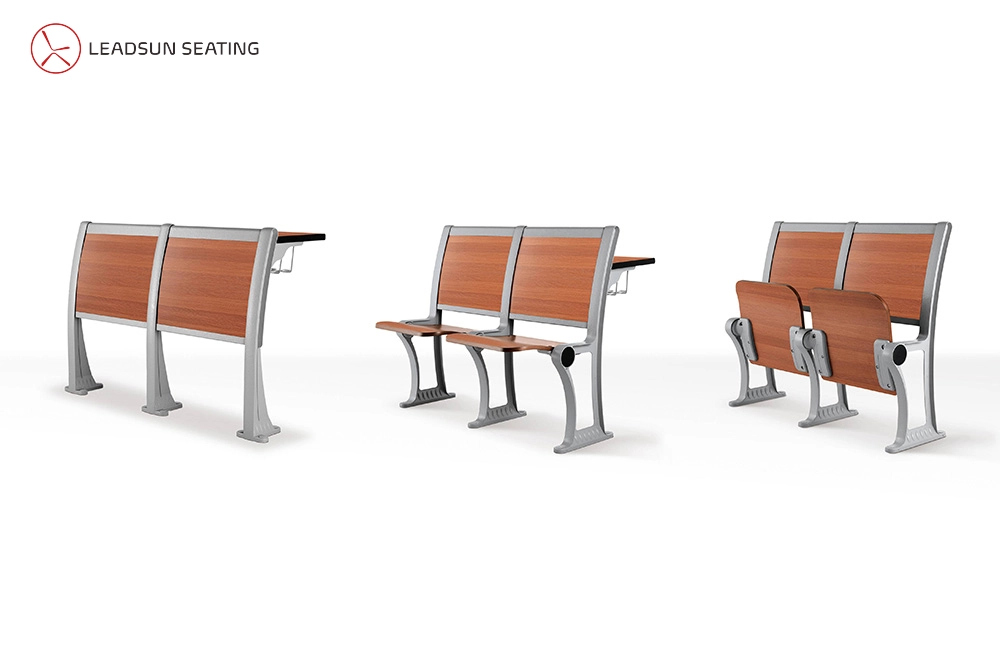
LS-908 Series Fixed Public Auditorium Chair or Tiered Classroom Solutions by Leadsun Seating
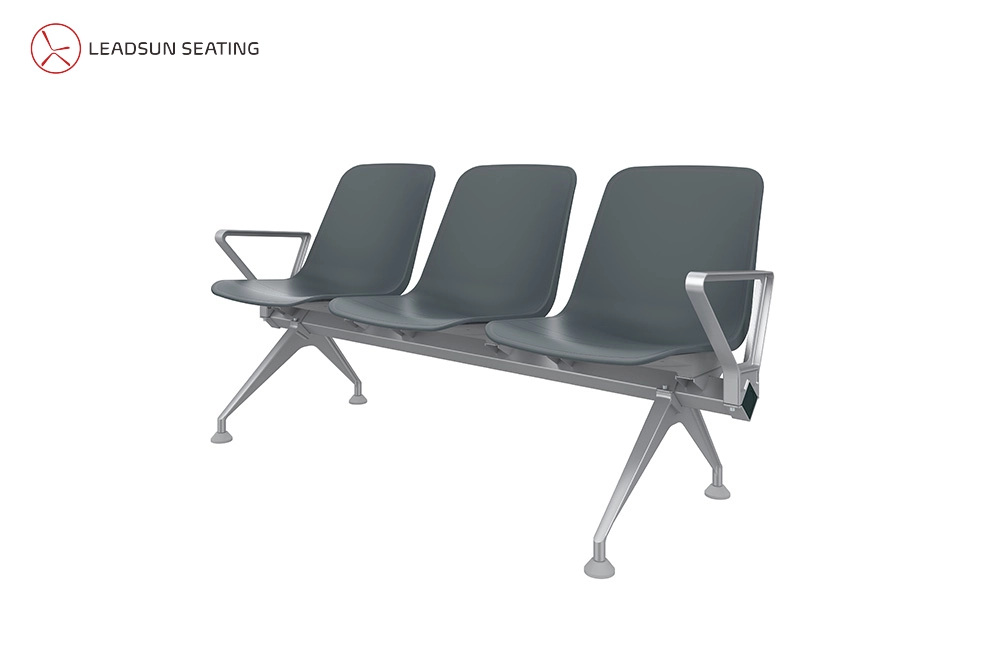
LS-550 Comfortable and Durable Waiting Chair | Customizable Waiting Chair Supplier Leadsun Seating
The LS-550 waiting chair from Leadsun offers superior comfort and durability for any public place. Customize your seating with Leadsun, a leading customizable waiting chair supplier. Ideal for high-traffic areas, the LS-550 ensures lasting performance and style.
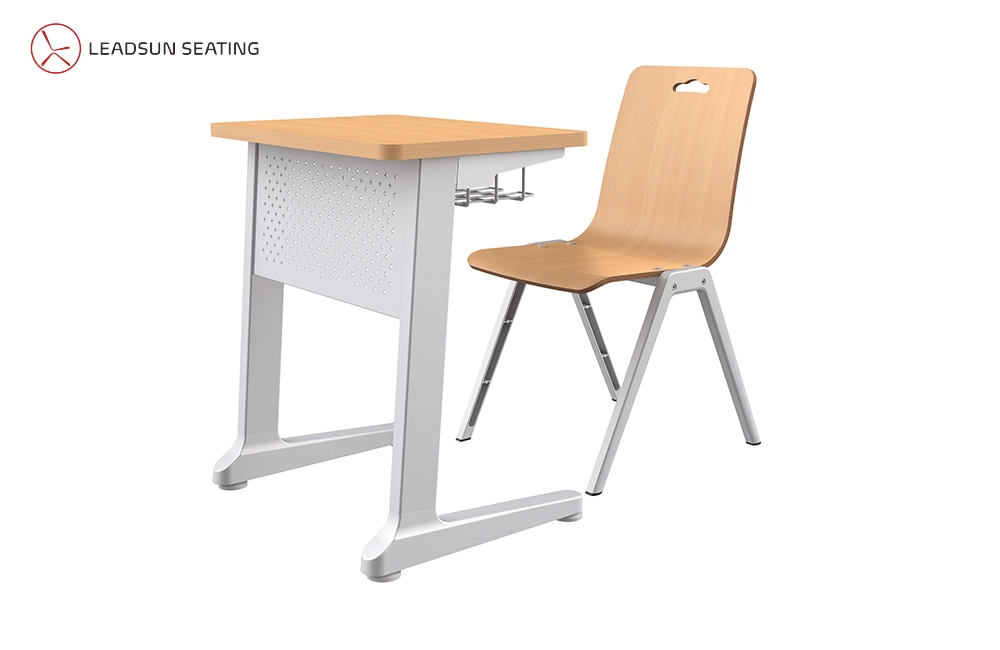
LS-9301 Single movable classroom chair |The Ultimate Flexible Solution for Modern Classrooms by Leadsun Seating
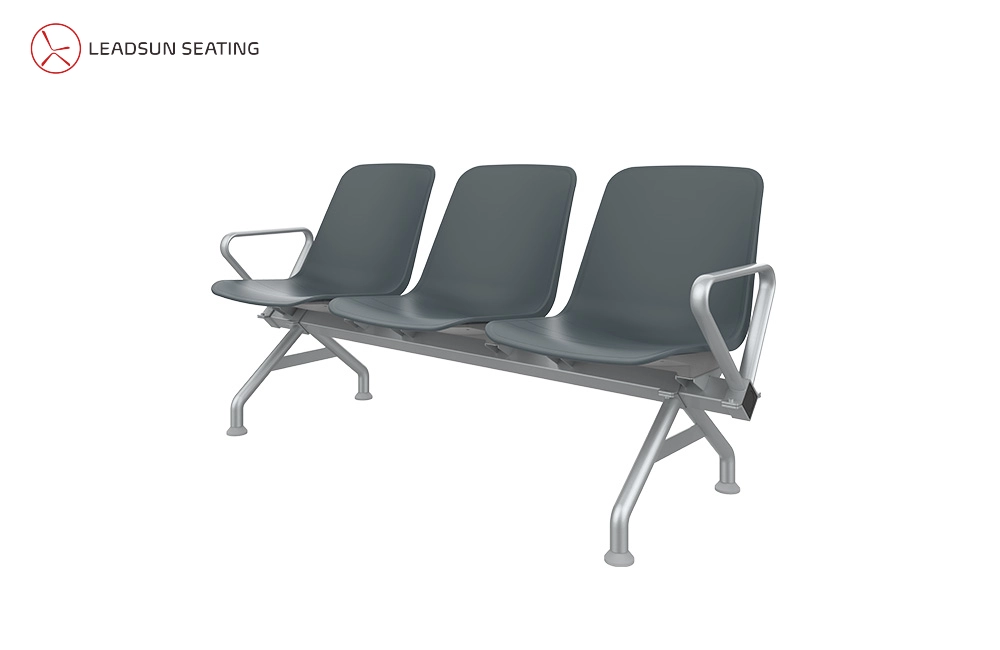
LS-551 Ergonomic Modular Waiting Chairs | Commercial Seating Solutions by Leadsun Seating

Leadsun Seating is also engaged in the design, development, production, and marketing of lightweight public seats in public places, with an annual output of desks and chairs.
 Scan QR Code