







Space-Saving and Stackable Waiting Room Chairs for Large Venues
- Design Principles for High-Capacity Public Seating
- Prioritizing density without compromising comfort
- Stackability and storage geometry
- Material choices and lifecycle trade-offs
- Specification and Selection: Making Stackable Chairs Work for Large Venues
- Types of stackable seating and recommended use-cases
- Ergonomics, accessibility, and regulation
- Durability standards and testing
- Layout, Capacity Calculations, and Operational Considerations
- Estimating seating capacity and required footprint
- Maintenance, cleaning, and infection control
- Operational ergonomics: handling and rapid reconfiguration
- Comparative Analysis: Space, Weight, and Lifecycle Costs
- Comparison table: typical stackable seating choices
- Cost-per-seat and total cost of ownership
- Case study approaches and references
- Implementing Solutions with Leadsun: Durable, Space-Saving Seating Since 1998
- Leadsun’s strengths for large venues
- Product types and customization
- Why choose Leadsun: technical and commercial advantages
- FAQs
- 1. What are the main benefits of stackable waiting room chairs for large venues?
- 2. How many stackable chairs can I safely stack?
- 3. Are padded seats a bad choice for high-traffic public waiting areas?
- 4. How do I calculate how much space I need for 200 waiting seats?
- 5. What maintenance should facilities plan for stackable waiting chairs?
- 6. Can Leadsun provide custom finishes and compliance documentation?
Large venues — airports, hospitals, convention centers, universities, and transit hubs — require waiting room chairs that maximize capacity without sacrificing comfort, hygiene, durability, or compliance. Space-saving and stackable waiting room chairs are an efficient answer: they lower storage footprint, enable flexible reconfiguration, and reduce lifecycle costs when chosen and specified with attention to materials, stacking geometry, ergonomics, and maintenance protocols.
Design Principles for High-Capacity Public Seating
Prioritizing density without compromising comfort
When planning seating for large venues, the goal is to increase usable seating density while maintaining acceptable comfort and accessibility. Typical public seating layouts assume seat widths between 18–22 inches (457–559 mm) per person; for higher comfort levels, especially in healthcare or business-class airport lounges, choose 20–22 inches. For maximum density in general waiting areas, 18 inches may be used but only where dwell times are short. These industry norms are consistent with seating guidance from public facilities and contract furniture manufacturers.
Stackability and storage geometry
Stackable chairs save back-of-house space and simplify turnover for event-driven venues. Important metrics are stack height (how many chairs can safely stack), stacked footprint (floor area of a stack), and how quickly chairs can be moved (weight and grip points). Metal-frame stacking chairs typically stack 8–12 high; lightweight polymer chairs can exceed 20 in a stack. Check manufacturer guidance for maximum safe stack height and use protective storage racks where needed.
Material choices and lifecycle trade-offs
Materials determine durability, cleanability, and perceived comfort. Key options:
- Powder-coated steel frames: very durable for high-traffic environments, repairable, and usually compatible with stacking.
- Aluminum frames: lighter and corrosion-resistant, suitable for stackable designs where moving ease matters.
- Molded polypropylene or glass-fiber reinforced plastic seats: excellent for easy cleaning and infection control, stack well, and resist graffiti.
- Padded or upholstered seats: enhance comfort but require stain-resistant fabrics (e.g., vinyl, healthcare-grade textiles) and increase maintenance.
Select materials based on expected traffic cycles, cleaning frequency, and local environmental factors (salt air in coastal airports, for example).
Specification and Selection: Making Stackable Chairs Work for Large Venues
Types of stackable seating and recommended use-cases
Common stackable seating categories include:
- Individual stackable chairs: best for flexible layouts and multipurpose halls.
- Row-mounted seats (beam/tandem seating): efficient for fixed arrangements in transit terminals and lecture halls — these typically are not stackable but maximize capacity per linear meter.
- Folding stack chairs: offer the smallest stored footprint and are suitable for venues that convert function frequently (e.g., conference centers).
Ergonomics, accessibility, and regulation
Ergonomic design matters even for short-stay waiting areas. Backrest angle, lumbar support, and seat pan depth influence user comfort. For compliance, consult the Americans with Disabilities Act (ADA) or your local accessibility standards to ensure required accessible seating locations and companion seating are provided (see ADA.gov for guidance).
Durability standards and testing
Spec commercial-grade seating that meets or references industry durability standards. The Business and Institutional Furniture Manufacturers Association (BIFMA) publishes performance standards for seating and other contract furniture; review these to compare expected performance and warranty claims (BIFMA).
Layout, Capacity Calculations, and Operational Considerations
Estimating seating capacity and required footprint
To estimate capacity, use seat width and aisle/clearance rules. Example method:
- Seat width W (in inches). For 100 seats at W = 18 in, linear seating required = 100 * 18 in = 1800 in = 150 ft.
- Allow aisle/clearance of 24–36 in behind rows or between rows depending on expected traffic flow and local code.
For planning conversions between beam seating and stackable chairs, calculate storage area needed based on stacked footprint per chair. An approximate stacked footprint table is provided below to compare common options.
Maintenance, cleaning, and infection control
Stackable polypropylene chairs are easiest to disinfect and are favored in healthcare and transportation hubs where surface cleaning frequency is high. Padded seating requires fabrics rated for regular cleaning; consider antimicrobial finishes and replaceable cushions to extend service life. Define cleaning cycles and select materials that withstand the disinfectants used by facilities staff.
Operational ergonomics: handling and rapid reconfiguration
For venues that reconfigure seating often (event venues, multi-purpose halls), prioritize lightweight stacking chairs with ergonomic handholds and optional transport dollies. For very large stacks, storage trolleys reduce labor and damage risk. Train staff and specify safe stacking procedures in facilities manuals.
Comparative Analysis: Space, Weight, and Lifecycle Costs
Comparison table: typical stackable seating choices
| Type | Stack Height (typical) | Stacked Footprint per 10 Chairs | Typical Lifespan | Best Use-case |
|---|---|---|---|---|
| Polypropylene stack chair | 12–20 chairs | 0.5–0.8 m² | 7–12 years (high-traffic) | High-cleanliness, frequent reconfiguration |
| Steel-frame stacking chair (padded) | 6–10 chairs | 0.8–1.2 m² | 8–15 years | Airports, hospitals where durability matters |
| Folding stack chair | 30–50 chairs (folding stacks compactly) | 0.3–0.6 m² | 5–10 years | Event halls with frequent set changes |
| Beam/tandem seating (non-stackable) | Not stackable | Stored as-is; not applicable | 10–20+ years | Transit terminals and lecture halls for fixed high-density seating |
Notes: values are typical ranges based on contract furniture market norms and manufacturer catalogs. Always confirm specific model specs from suppliers.
Cost-per-seat and total cost of ownership
Initial purchase price can be lower for basic plastic chairs, but total cost of ownership (TCO) should include maintenance, replacement intervals, storage equipment (trolleys), and labor for reconfiguration. Durable metal-frame options with replaceable upholstery often yield lower TCO in heavy-use venues. Use a simple TCO model: purchase + annual maintenance + replacement amortized over expected lifespan = annualized seat cost.
Case study approaches and references
When specifying seating for a transit hub or hospital, combine user dwell-time analysis (short vs. long stays), cleaning regimen, and reconfiguration frequency. Reference materials on public seating and ergonomics provide a baseline: see Waiting room on Wikipedia and ergonomics principles at Wikipedia: Ergonomics for human factors considerations.
Implementing Solutions with Leadsun: Durable, Space-Saving Seating Since 1998
Leadsun’s strengths for large venues
Leadsun provides High Quality seating solutions tailored for high-traffic public spaces. With over 25 years of manufacturing experience, Leadsun combines durability, ergonomic design, and customization for airports, lecture halls, waiting areas, and other demanding environments. More about the company and product lines is available at Leadsun.
Product types and customization
Core offerings relevant to space-saving and stackable seating include:
- Waiting area chairs: commercial-grade, stackable, and easy to maintain.
- Beam seating & tandem seating: space-efficient fixed rows for transit and lecture spaces.
- Lecture hall seating: tiered, space-efficient solutions with durable mechanisms.
- Ergonomic office and desk chairs: for staff areas and control rooms requiring long-duration comfort.
Leadsun supports OEM/ODM, offering tailored finishes, fabrics (including healthcare-grade textiles), mounting options, and integrated power/USB modules for modern waiting environments.
Why choose Leadsun: technical and commercial advantages
Leadsun emphasizes:
- Durability & value: heavy-duty frames and quality materials that reduce lifetime replacement costs.
- Ergonomic comfort: design focused on user well-being during both short and extended waits.
- Global manufacturing & logistics: experience exporting to international large-scale projects.
- Customization & compliance: capability to meet local accessibility codes and performance standards such as BIFMA where required.
For project inquiries, specification sheets, and custom quoting, reach out to Leadsun at [email protected] or visit https://www.leadsunseating.com/.
FAQs
1. What are the main benefits of stackable waiting room chairs for large venues?
Stackable chairs reduce storage footprint, facilitate rapid reconfiguration, simplify cleaning and maintenance, and often lower lifecycle costs for venues that change layouts frequently.
2. How many stackable chairs can I safely stack?
Safe stack height depends on the model and manufacturer instructions. Typical ranges are 6–20 chairs. Always follow the supplier's guidance and use storage trolleys for higher stacks to avoid damage and injury.
3. Are padded seats a bad choice for high-traffic public waiting areas?
Not necessarily. Padded seats increase comfort but require durable, cleanable fabrics and potentially more maintenance. For healthcare or high-sanitization environments, molded plastic or easily disinfected materials may be preferable.
4. How do I calculate how much space I need for 200 waiting seats?
Estimate using seat width (e.g., 18 in = 0.457 m). For linear seating: 200 * 18 in = 3600 in = 300 ft (approximately 91.4 m) of linear seating. Then factor aisles and circulation space (24–36 in behind rows). For beam seating, calculate linear meters and row depth based on recommended clearances.
5. What maintenance should facilities plan for stackable waiting chairs?
Plan routine inspection (monthly), cleaning cycles based on occupancy and infection-control needs, upholstery repair or replacement as needed, and annual audits for structural integrity. Keep spare parts (glides, screws, cushions) on hand for rapid repair.
6. Can Leadsun provide custom finishes and compliance documentation?
Yes. Leadsun offers OEM/ODM customization, can supply technical data sheets, compliance documentation, and will work with you to meet local performance and accessibility standards.
Contact Leadsun to discuss project sizing, sample orders, and detailed specifications: https://www.leadsunseating.com/ | [email protected].
Leadsun — High Quality Seating Solutions for Global Public Spaces Since 1998. Specialties: Lecture hall seating, Waiting chairs, Fixed desks and chair systems, Activity desks and chairs, Beam seating, Tandem seating, Airport seating, Ergonomic chairs, Desk chairs. Durable construction, ergonomic design, OEM/ODM capacity, and global export logistics to support large-venue projects.
For a personalized quote or to request CAD/Layout assistance, contact Leadsun at [email protected] or visit https://www.leadsunseating.com/.
Custom chair for public buildings Manufacturers and Suppliers in us
Top nesting office chairs Manufacturers and Suppliers
Space Planning Tips for Lecture Hall Seating Layouts
Top 10 Beam Seating Chairs Manufacturers and Supplier Brands
One Stop Airport Terminal Seating
Are the seat materials durable? What's the lifespan?
We use high-strength, wear-resistant, and easy-to-clean premium materials, such as stain-resistant flame-retardant fabrics and rust-proof alloy frames. Under normal use, the seats can last 5 - 8 years.
How does the seat design ensure passenger comfort?
The solution adopts ergonomic design principles. We optimize seat curves, backrest angles, and seat surface materials to effectively relieve the fatigue of passengers during long waits.
Are there any successful cases we can refer to?
We’ve provided services to numerous international and major domestic airports. We can offer detailed case materials, on-site photos, and client testimonials, so you can get a clear understanding of the solution’s effectiveness.
What does the after-sales service include?
Our after-sales service covers daily maintenance guidance, regular inspections, fault repairs, and component replacements. Our professional after-sales team is available 24/7 to ensure the long-term stable operation of the seats.
FAQs
What maintenance is required for your seating solutions?
The maintenance required depends on the material and location of the seating. Generally, regular cleaning and periodic inspections are recommended. We provide maintenance guidelines with each product to ensure long-term durability.
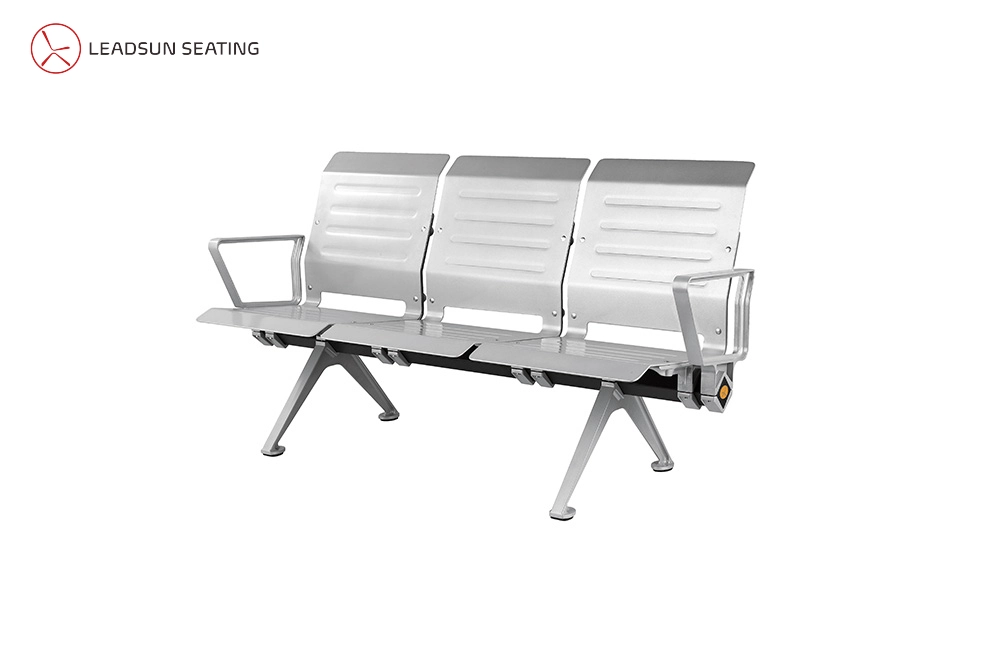
LS-529AL Aluminum Ergonomic Waiting Chairs | Modular & Durable Seating by Leadsun Seating
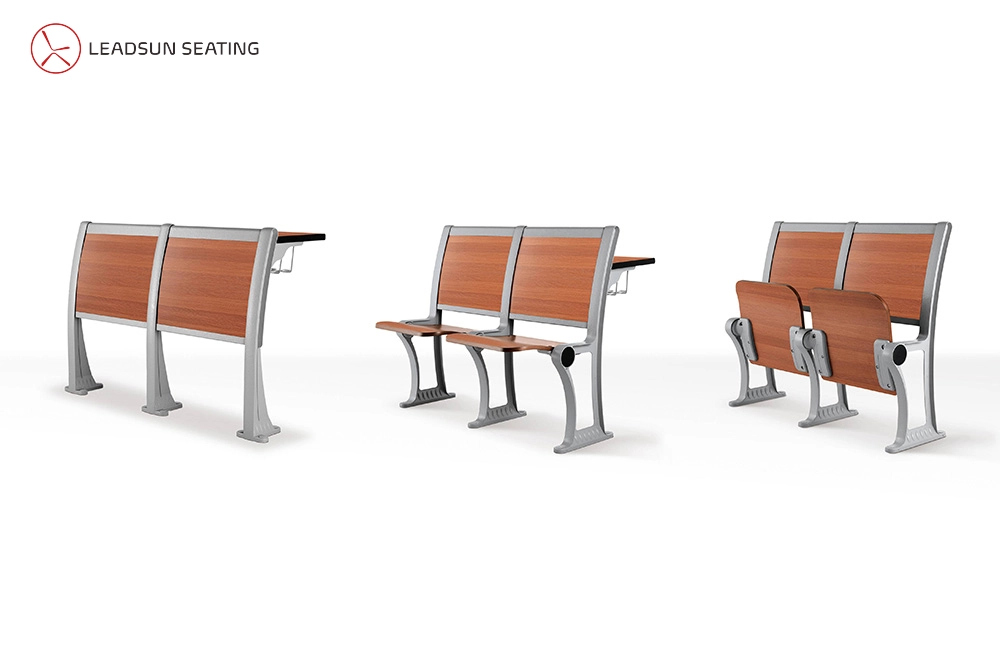
LS-908 Series Fixed Public Auditorium Chair or Tiered Classroom Solutions by Leadsun Seating
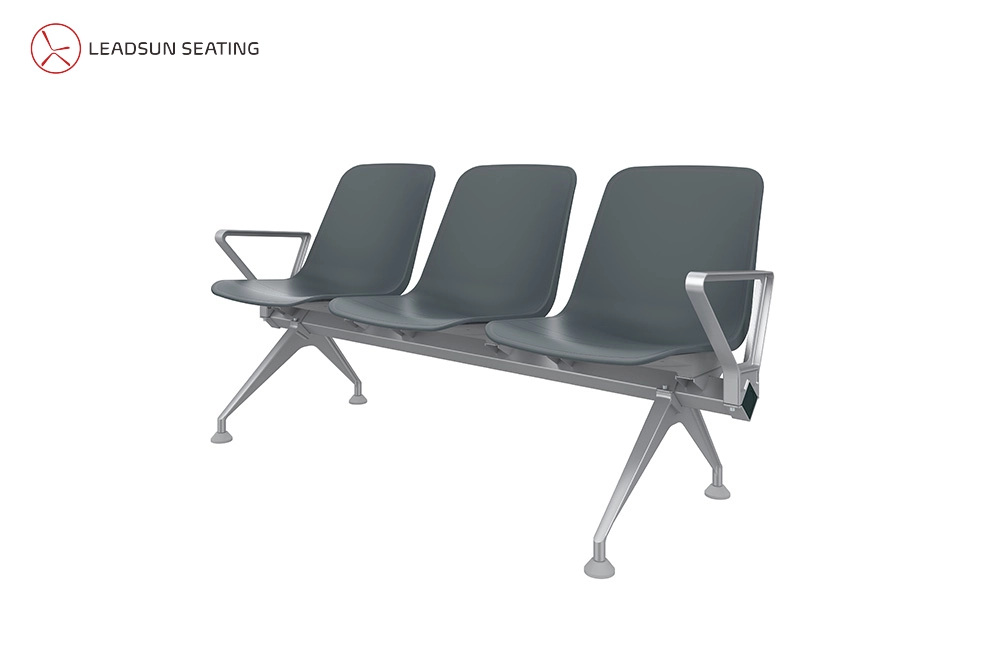
LS-550 Comfortable and Durable Waiting Chair | Customizable Waiting Chair Supplier Leadsun Seating
The LS-550 waiting chair from Leadsun offers superior comfort and durability for any public place. Customize your seating with Leadsun, a leading customizable waiting chair supplier. Ideal for high-traffic areas, the LS-550 ensures lasting performance and style.
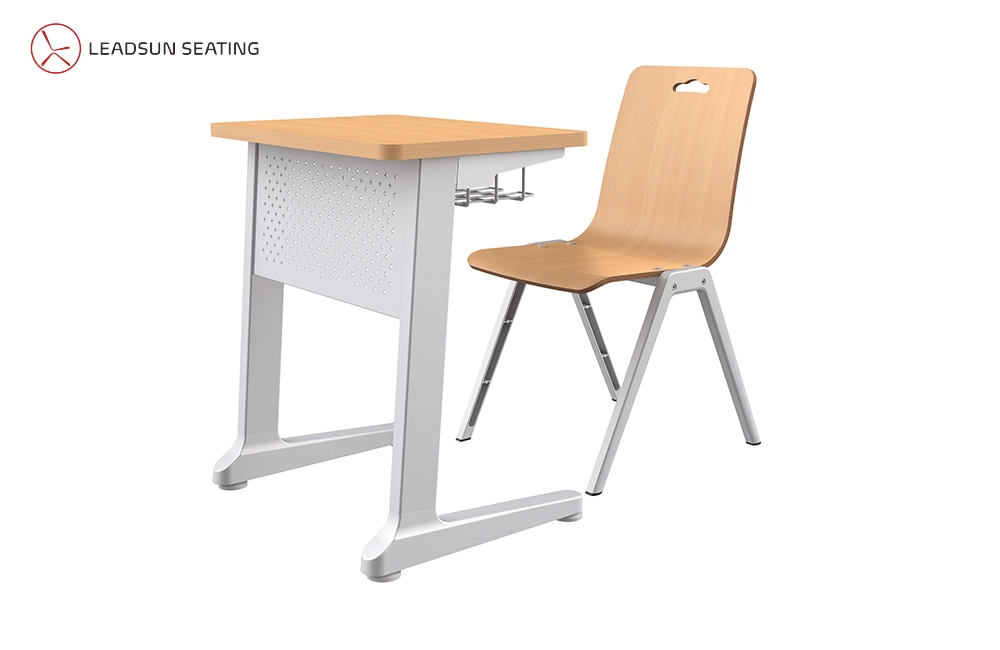
LS-9301 Single movable classroom chair |The Ultimate Flexible Solution for Modern Classrooms by Leadsun Seating

Leadsun Seating is also engaged in the design, development, production, and marketing of lightweight public seats in public places, with an annual output of desks and chairs.
 Scan QR Code