







Leadsun seating offers a wide range of seating solutions for public spaces, including benches, chairs, waiting area seating, auditorium seating, and customized solutions tailored to specific project needs.
Top 10 questions to ask suppliers before buying waiting room chairs
As a seating consultant and manufacturer-savvy writer, I guide facility managers through the top 10 questions to ask suppliers before purchasing waiting room chairs. This article covers ergonomics, durability, compliance, testing, logistics, warranties, and supplier vetting—so you select solutions that reduce lifecycle cost and improve user experience.
- How to define your seating requirements before engaging suppliers
- Assess user profile and usage intensity
- Consider accessibility, infection control and maintenance
- Set a realistic total cost of ownership (TCO)
- Top 10 questions to ask suppliers before buying waiting room chairs
- Design & comfort (Questions 1–3)
- Durability, safety & compliance (Questions 4–7)
- Ordering, logistics & aftercare (Questions 8–10)
- How to validate supplier answers and test chairs on-site
- Request documentation and third-party test reports
- On-site acceptance testing checklist
- Warranty terms, spare parts and lifecycle planning
- Material and construction comparison (quick reference)
- Why I recommend vetting manufacturers like Leadsun
- About Leadsun: proven contract seating expertise
- What differentiates Leadsun in the market
- How to compare Leadsun’s offering against competitors
- Frequently Asked Questions (FAQ)
- 1. How long should good waiting room chairs last?
- 2. Are there standards I should require in contracts?
- 3. Should I choose fabric or vinyl/leather for waiting room chairs?
- 4. How do I ensure I won’t run out of spare parts?
- 5. Is it worth ordering samples before a full contract?
- 6. What warranty terms are typical?
- Next steps and contact
When choosing waiting room chairs for hospitals, airports, schools, or corporate lobbies, I always start by translating user needs into measurable standards: occupancy rates, expected lifespan, cleaning regimes, accessibility and regulatory compliance, plus the supplier's manufacturing and logistics capability. This opening summary helps indexing by combining user intent, location-agnostic purchase criteria and product category terms such as waiting area seating, public waiting area, beam seating and ergonomic chairs in one concise paragraph.
How to define your seating requirements before engaging suppliers
Assess user profile and usage intensity
I begin by asking: who will use the chairs, how long will they sit, and how frequently will the seating be used? Waiting rooms in high-turnover environments (airports, train stations) require different materials and mounting systems than clinic waiting rooms or university lobbies. Capture metrics: peak hourly occupants, average dwell time, and annual traffic. These figures inform choices about padding thickness, frame strength and maintenance schedules.
Consider accessibility, infection control and maintenance
Modern waiting area design must account for wheelchair access, clear circulation paths, and materials that withstand frequent cleaning (bleach-compatible or antimicrobial finishes). Consult standards such as the ADA 2010 Standards for accessibility and use wipeable surfaces for infection control. I also factor in color and texture choices that hide stains while supporting a pleasant environment.
Set a realistic total cost of ownership (TCO)
Unit price is only the start. I calculate TCO across expected lifespan: procurement, shipping, installation, preventive maintenance, cleaning, spare parts and disposal. Durable finishes and modular spare parts reduce lifetime cost—ask suppliers for historical failure rates or service records to support their claims.
Top 10 questions to ask suppliers before buying waiting room chairs
Design & comfort (Questions 1–3)
1) Can you provide detailed ergonomic specifications and test results?
Ask suppliers for ergonomic design data: seat height range, seat depth, lumbar support characteristics, and results of user testing when available. Reference ergonomic standards such as ISO 9241 for human-system ergonomics. A good supplier will explain how the seating supports a range of body sizes and will provide dimensional tolerances.
2) Do you offer modular or customizable options for upholstery, armrests and tablet arms?
Modularity matters in contract seating. If a space needs periodic reconfiguration (e.g., adding armrests for social distancing or a tablet arm for check-in), modular components save money. Request CAD drawings and options lists.
3) Can you provide in-situ photographs or case studies of installations similar to ours?
Seeing comparable projects validates performance claims. Request references with contactable facility managers and ask about comfort complaints, maintenance frequency and replacement cycles.
Durability, safety & compliance (Questions 4–7)
4) What standards does your product meet (e.g., BIFMA, ISO, fire-retardancy)?
Durability and safety certifications are critical. Ask for proof of compliance with relevant standards such as BIFMA for contract furniture and national fire safety regulations for upholstery. Ask for test reports and certificate numbers.
5) What are the materials and expected lifespan of primary components?
Require a BOM (bill of materials) showing frame metal, finishes, foam density, fabric specifications and coating type. Materials like powder-coated steel, marine-grade plywood subframes, and high-density polyurethane foam typically increase lifespan. Ask for expected lifecycle in years under your usage profile.
6) How do you handle accessibility and anthropometric variants?
Confirm that seating can accommodate wheelchair users and people of different statures. For public seating rows (beam/tandem seating), verify spacing and compliance with local codes and ADA recommendations.
7) Are surfaces compatible with hospital-grade disinfectants or airport cleaning regimes?
If your environment requires regular disinfecting, request chemical resistance data or third-party lab tests showing no degradation after repeated cleaning cycles.
Ordering, logistics & aftercare (Questions 8–10)
8) What are lead times, MOQ (minimum order quantity) and sample policies?
Lead time affects project schedules; clarify MOQ and whether suppliers will ship prototypes or small samples for approval. Ask for a timeline Gantt showing sample approval, production, QA and shipping milestones.
9) What warranty, spare-parts availability and service levels do you provide?
A robust warranty (ideally covering structural components for multiple years) and guaranteed spare-part availability are non-negotiable for high-traffic areas. Get SLA terms—response time for replacement parts or on-site service.
10) Can you support OEM/ODM customization, proof-of-concept runs and export logistics?
If you need custom branding, modified dimensions, or special logistics, confirm the supplier's OEM/ODM capability, quality control processes and experience with export documentation and freight consolidation.
How to validate supplier answers and test chairs on-site
Request documentation and third-party test reports
Ask for test certificates and independent lab results. Common useful documents include BIFMA test reports, chemical resistance testing, fire-retardancy certificates and material MSDS. Cross-check a supplier's quality management claims against standards such as ISO 9001 certification.
On-site acceptance testing checklist
When samples arrive, run these practical checks: sit-test with users of different sizes, simulate peak usage patterns, test cleaning protocols, and verify installation tolerances. Record observations and require corrective actions before final sign-off.
Warranty terms, spare parts and lifecycle planning
Clarify what voids a warranty (improper cleaning, misuse). Insist on spare-parts lists with part numbers and guaranteed availability windows (e.g., 5–10 years). Consider stocking high-wear items (armrests, seat pads) to reduce downtime.
Material and construction comparison (quick reference)
| Material | Durability | Maintenance | Typical Use | Source |
|---|---|---|---|---|
| Powder-coated steel frame | High (resists chipping and corrosion) | Wipe clean; resist scratches | High-traffic public seating | Steel |
| Polypropylene shell | Medium–High (impact-resistant) | Bleach-safe; easy cleaning | Clinic and airport seating shells | Polypropylene |
| PU or high-density foam | Medium (depends on density) | Protective covers; replacement pads | Comfort seating requiring cushioning | Upholstery |
| Leather / faux leather | Medium (wear shows over time) | Regular cleaning, avoid harsh chemicals | Executive lobbies, VIP lounges | Leather |
These entries are general; always verify supplier-specific grades and lab tests for precise performance expectations.
Why I recommend vetting manufacturers like Leadsun
About Leadsun: proven contract seating expertise
From my experience working with multiple manufacturers and projects worldwide, I value partners who combine manufacturing scale with attention to contract-grade design. Leadsun: High Quality Seating Solutions for Global Public Spaces Since 1998 is one such partner. Leadsun is a China-based manufacturer with more than 25 years of expertise producing durable seating for demanding commercial environments. Their core product categories include Lecture hall seating, Waiting Chair, Fixed desks and chair, Activity desks and chairs, beam seating, Tandem seating, Airport Seating, Ergonomic Chairs, Desk Chairs.
What differentiates Leadsun in the market
Leadsun stands out in several ways I prioritize when choosing a supplier:
- Durability & value: Use of High Quality materials and rigorous QA lowers lifetime cost.
- Ergonomic comfort: Design focus on user well-being for extended sitting periods.
- Global OEM/ODM capability: Proven export logistics and customization for B2B clients.
- Tailored solutions: Experience with airports, universities, hospitals and other public spaces means fewer surprises during installation and operation.
For more information or to request a product catalog, see the Leadsun website: https://www.leadsunseating.com/ or email [email protected].
How to compare Leadsun’s offering against competitors
When I compare suppliers, I look at documented certifications, sample availability, after-sales service levels, and client references. Ask any supplier for:
- Sample delivery within an agreed timeframe.
- Third-party test reports (BIFMA, fire safety, chemical resistance).
- References for similar-scale installations.
- Detailed warranty and spare-part commitment.
Leadsun provides clear documentation on these points and has demonstrated OEM/ODM flexibility in my past project interactions.
Frequently Asked Questions (FAQ)
1. How long should good waiting room chairs last?
Under heavy public use, a well-constructed waiting room chair should last 7–15 years for structural components. Upholstery and cushions may require replacement sooner depending on usage and cleaning regimen. Always ask suppliers for expected lifecycle under your projected occupancy.
2. Are there standards I should require in contracts?
Yes. Ask for compliance with contract furniture standards such as BIFMA for structural durability, local fire-retardancy rules for upholstery and accessibility standards such as the ADA 2010 Standards.
3. Should I choose fabric or vinyl/leather for waiting room chairs?
Choose based on cleaning needs and aesthetics. Vinyl or faux leather is easier to disinfect and often preferred in healthcare settings. High-performance textiles with antimicrobial finishes can be a good compromise in lower-risk public spaces.
4. How do I ensure I won’t run out of spare parts?
Require a spare-parts list in the purchase contract and a commitment to supply parts for a defined period (commonly 5–10 years). Consider stocking high-turn items yourself for critical operations.
5. Is it worth ordering samples before a full contract?
Absolutely. A physical sample allows you to test comfort, cleaning, and durability expectations in your actual environment. Negotiate a clear sample review period in the contract to avoid delays.
6. What warranty terms are typical?
Typical warranties cover structure for 5–10 years and finishes or upholstery for shorter periods (1–3 years). Ensure terms specify what constitutes normal wear versus defects.
Next steps and contact
If you’d like assistance drafting a supplier questionnaire or evaluating sample chairs, I recommend preparing the ten questions above as a baseline and scoring each supplier’s responses. For trusted manufacturer support, consider contacting Leadsun for product catalogs, samples and OEM/ODM consultation: https://www.leadsunseating.com/ or email [email protected].
By asking the right questions up front—about ergonomics, durability, compliance, logistics and aftercare—you convert uncertainty into measurable procurement criteria and select waiting room chairs that perform well, reduce replacement cycles and improve user satisfaction.
Tags
airport public waiting chair factories
airport public waiting chair factories
commercial training room solutions
commercial training room solutions
fixed church seating
fixed church seating
heavy-duty educational furniture
heavy-duty educational furniture
beam seating floor mounted
beam seating floor mounted
nesting table chairs
nesting table chairs
Recommended for you
Materials and Finishes: Airport Chairs for Educational Spaces
Leadsun Best professional auditorium style seating manufacturers and supplier brands
Top 5 high quality a lecture hall seats Company List and Products Compared
Leadsun Best professional lecture hall desk manufacturers and supplier brands
Prdoucts Categories
Question you may concern
One Stop Airport Terminal Seating
How long is the production cycle? Can you deliver on time?
The production cycle depends on the order size and customization complexity. We’ll create a detailed production plan in advance and have a professional logistics and installation team in place to ensure on-time delivery and efficient implementation.
How do you ensure seat installation doesn't disrupt airport operations?
We’ll develop a detailed installation plan, giving priority to non-peak hours for construction. We also use a modular installation approach to minimize any impact on airport operations.
FAQs
What maintenance is required for your seating solutions?
The maintenance required depends on the material and location of the seating. Generally, regular cleaning and periodic inspections are recommended. We provide maintenance guidelines with each product to ensure long-term durability.
What materials are used in the production of your public seating?
We use a variety of durable materials such as stainless steel, aluminum, wood, high-quality upholstery, and advanced polymers to ensure that our seating solutions are both functional and long-lasting.
What types of public seating solutions does Leadsun seating provide?
You may also like
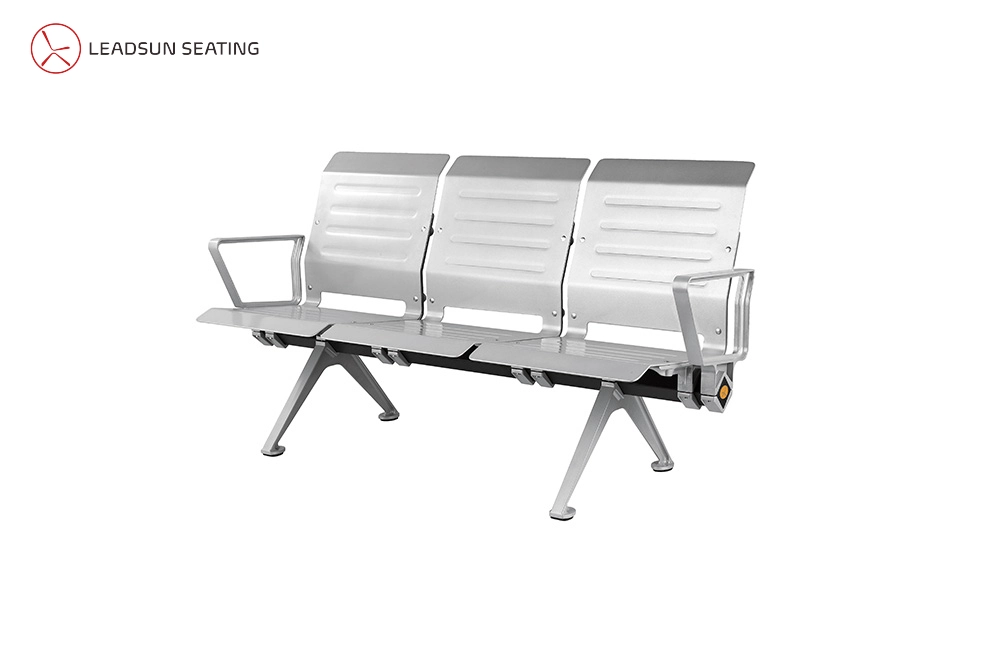
LS-529AL Aluminum Ergonomic Waiting Chairs | Modular & Durable Seating by Leadsun Seating
Leadsun's LS-529AL aluminum ergonomic waiting chairs offer customizable lobby seating solutions. These durable office chairs provide modern waiting area solutions, built for comfort and longevity. Modular design ensures flexibility.
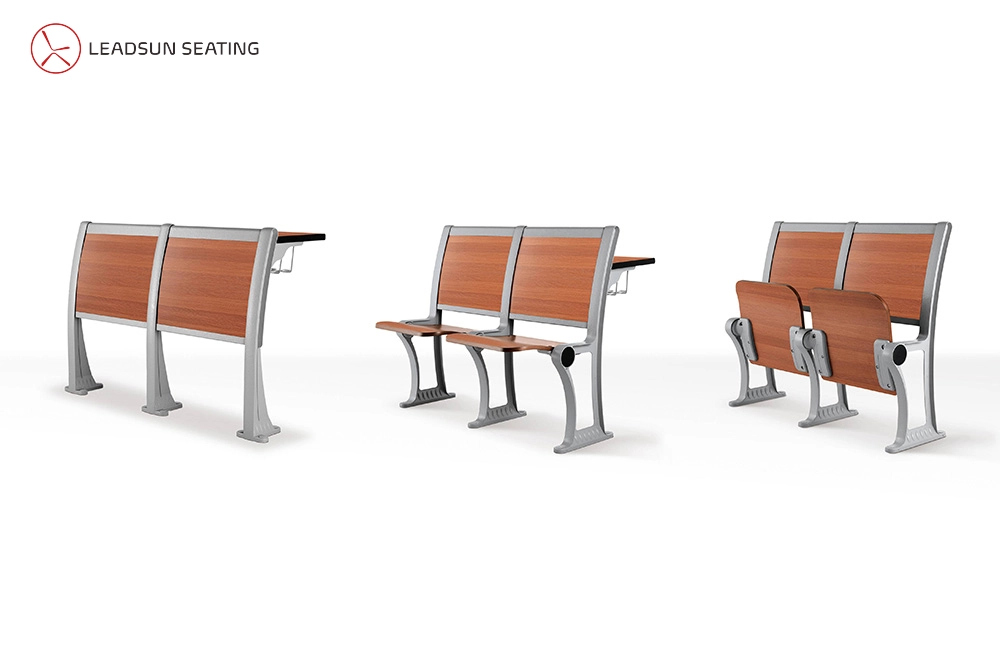
LS-908 Series Fixed Public Auditorium Chair or Tiered Classroom Solutions by Leadsun Seating
Introducing the LS-908 Series by Leadsun, your ideal solution for tiered classroom seating and fixed public auditorium chairs. Designed for comfort and durability, this series enhances audience engagement in educational and corporate settings. Discover the perfect blend of functionality and style with Leadsun Seating.
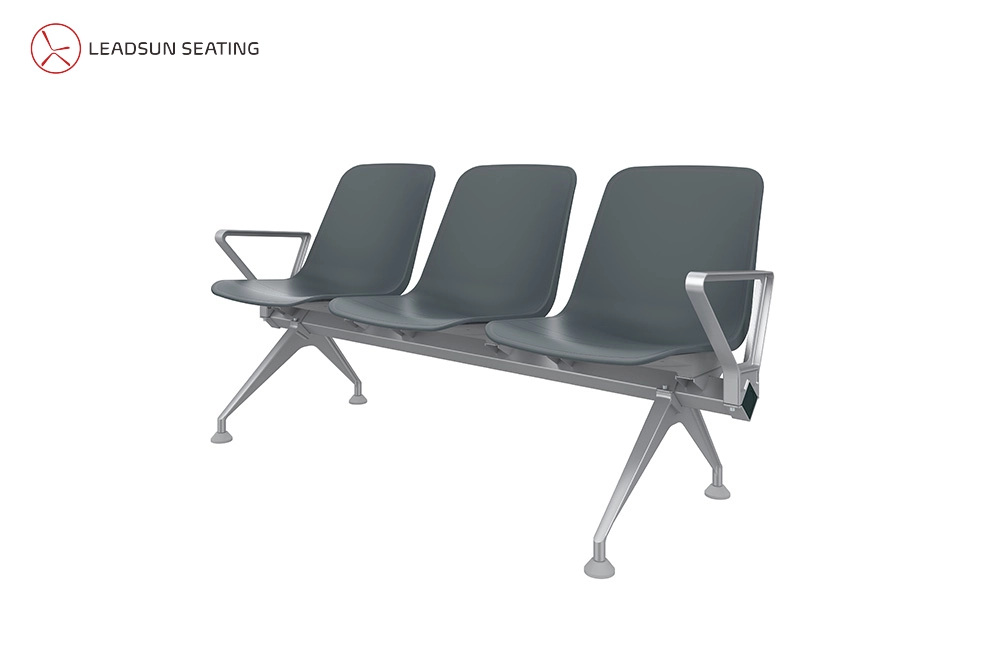
LS-550 Comfortable and Durable Waiting Chair | Customizable Waiting Chair Supplier Leadsun Seating
The LS-550 waiting chair from Leadsun offers superior comfort and durability for any public place. Customize your seating with Leadsun, a leading customizable waiting chair supplier. Ideal for high-traffic areas, the LS-550 ensures lasting performance and style.
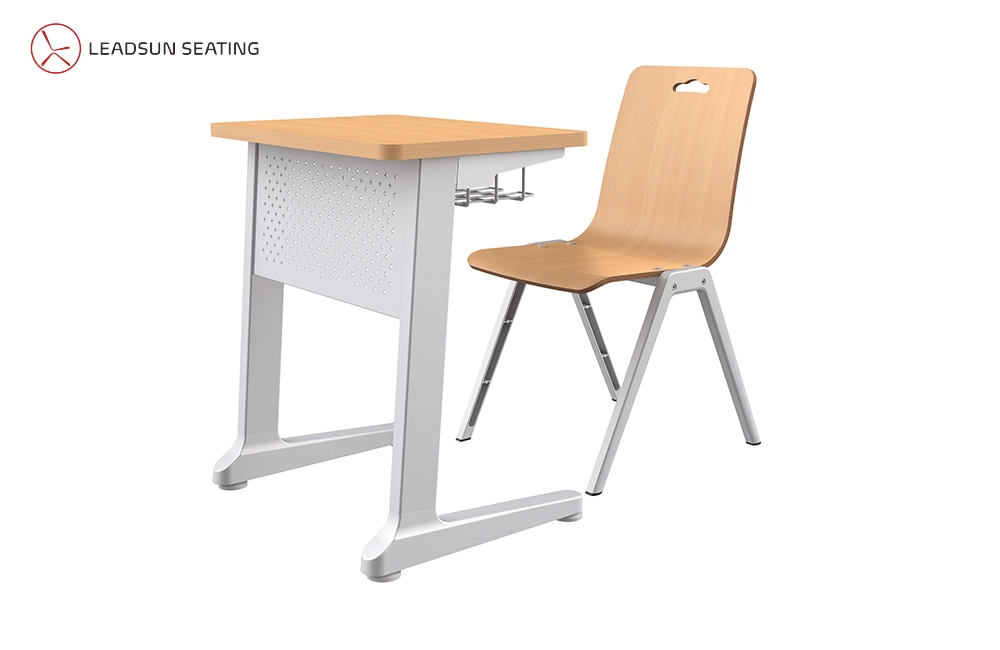
LS-9301 Single movable classroom chair |The Ultimate Flexible Solution for Modern Classrooms by Leadsun Seating
Leadsun's LS-9301 single movable classroom chair offers ultimate flexibility for modern learning environments. This activity desk and chair solution ensures comfortable and adaptable seating for students. Ideal for dynamic classrooms.
Get in touch with us
If you have any comments or good suggestions, please leave us a message, later our professional staff will contact you as soon as possible.

Leadsun Seating is also engaged in the design, development, production, and marketing of lightweight public seats in public places, with an annual output of desks and chairs.
 Scan QR Code