







Top Antimicrobial Waiting Room Chairs for Health-Safe Spaces
- Understanding Antimicrobial Seating: Why It Matters
- What antimicrobial means in seating
- Standards and how antimicrobial activity is measured
- Materials & Design Choices for Health-Safe Waiting Room Chairs
- Material options: pros and cons
- Design features that support infection control
- Top Antimicrobial Waiting Room Chairs — Comparative Overview
- Quantifying benefits: what the data say
- Procurement Checklist & Maintenance Protocols I Recommend
- What I audit before purchase
- Cleaning and maintenance: daily, weekly, and deep clean
- Case Studies & Manufacturer Considerations
- Real-world examples
- Why vendor selection matters
- Leadsun: High Quality Seating Solutions for Global Public Spaces Since 1998
- Sample product match-ups (how I pair needs to product)
- Frequently Asked Questions (FAQ)
- 1. Do antimicrobial waiting room chairs eliminate the need for cleaning?
- 2. Are copper surfaces better than antimicrobial-treated plastics?
- 3. How do I verify a manufacturer's antimicrobial claims?
- 4. What upholstery should I avoid in clinical waiting rooms?
- 5. How often should waiting room chairs be replaced?
- Contact & Next Steps
I design seating solutions for high-traffic public spaces and have advised hospitals, airports, and universities on infection control through furniture selection. In this article I summarize key considerations for selecting antimicrobial waiting room chairs, compare leading material strategies, list design and maintenance best practices, and recommend solutions that balance hygiene, durability, ergonomics, and cost. I use standards and authoritative guidance where possible to support recommendations so facility managers and procurement teams can make defensible choices for patient waiting areas, clinic lobbies, and other health-sensitive environments.
Understanding Antimicrobial Seating: Why It Matters
What antimicrobial means in seating
When I say a chair is antimicrobial, I mean the product has been designed to resist microbial growth on contact surfaces—either through inherently antimicrobial materials (like copper alloys or treated polymers), surface coatings with biocidal agents, or by enabling frequent cleaning and disinfection without damage. Importantly, antimicrobial is a property of the surface or material and does not replace routine cleaning, disinfection, or infection prevention protocols recommended by public health authorities such as the CDC and the WHO.
Standards and how antimicrobial activity is measured
Antimicrobial claims should be supported by recognized test methods. Two commonly referenced standards are ISO 22196 (measurement of antibacterial activity on plastics and other non-porous surfaces) and ASTM E2180 (assessment of antimicrobial activity of polymeric materials). For a primer on ISO 22196, see the Wikipedia entry for ISO 22196. When evaluating manufacturers, I always ask for test reports tied to these standards or equivalent third-party lab data.
Materials & Design Choices for Health-Safe Waiting Room Chairs
Material options: pros and cons
In my projects I typically evaluate the following material strategies for waiting room chairs:
- Hard, non-porous surfaces (powder-coated steel, aluminum, solid phenolic): easy to clean, durable, and tolerant of disinfectants.
- Antimicrobial-treated polymers: injection-molded seats or armrests with additives designed to reduce surface microbial load—verify durability of the treatment and resistance to wear.
- Metallic antimicrobial surfaces (copper alloys): evidence supports copper’s continuous antimicrobial activity; however, cost and aesthetics can be limiting factors.
- Upholstery with antimicrobial coatings or removable, cleanable vinyl/PU: selectable where comfort is required, but fabric is generally less ideal than closed-cell surfaces in high-risk clinical waiting areas due to absorption and cleaning limits.
Design features that support infection control
Seating design matters as much as material. I recommend chairs with: simple geometry (fewer crevices), modular beam seating for easier cleaning access, removable/replaced cushions, smooth seams, and integrated armrests that discourage surface transfer (rounded shapes easier to disinfect). Where possible, allow adequate spacing and sightlines to facilitate cleaning staff movement.
Top Antimicrobial Waiting Room Chairs — Comparative Overview
Below I compare common antimicrobial seating strategies and typical specifications procurement teams request. This table is based on published properties of materials and practical field experience across hospitals and airports.
| Seating Type | Antimicrobial Strategy | Pros | Cons | Best Use Case |
|---|---|---|---|---|
| Solid phenolic / powder-coated steel | Non-porous surface; compatible with disinfectants | Very durable; easy to disinfect; long life-cycle | Less cushioned comfort; cold to touch in some climates | High-traffic hospital and clinic waiting areas |
| Antimicrobial-treated polymer (injection molded) | Embedded biocidal additive, tested per ISO 22196 | Good hygiene performance; maintains shape; cost-effective | Efficacy can decline with wear; verify lab results | Primary care clinics, outpatient centers |
| Copper-alloy armrests / touchpoints | Inherent antimicrobial activity (EPA-registered alloys) | Continuous antimicrobial action; proven in studies | Higher cost; patina and aesthetics change over time | High-touch points like armrests in hospitals |
| Upholstered with cleanable vinyl/PU | Surface coatings + removable cushions | Comfortable; moderate cost; replaceable covers | Less resistant to heavy-duty disinfectants over long term | General waiting rooms where comfort is prioritized |
Source: my consulting experience and cleaning guidance from the CDC on environmental infection control.
Quantifying benefits: what the data say
Independent studies show copper surfaces can inactivate bacteria and viruses more rapidly than stainless steel or plastics; the U.S. EPA maintains a list of registered antimicrobial copper alloys. For plastics and polymer-treated materials, ISO 22196 reports are the accepted method to demonstrate antibacterial activity. Remember: material choice lowers surface microbial burden but does not remove need for routine cleaning and hand hygiene.
Procurement Checklist & Maintenance Protocols I Recommend
What I audit before purchase
When specifying waiting room chairs I request:
- Third-party antimicrobial test reports (ISO 22196, ASTM E2180) with sample IDs and dates.
- Disinfectant compatibility matrix (which hospital-grade agents are safe for the finish).
- Warranty terms covering finish wear under routine disinfection cycles.
- Serviceability: availability of replacement parts and upholstery options.
- Evidence of fire safety and flammability compliance where upholstery is used (local codes).
Cleaning and maintenance: daily, weekly, and deep clean
Per infection control guidance (CDC/WHO), cleaning frequency should reflect risk and traffic. I create a three-tier protocol:
- Daily: wipe high-touch surfaces (armrests, seat lip) with an EPA-registered disinfectant appropriate for the chair materials. See CDC environmental guidelines: https://www.cdc.gov/infectioncontrol/guidelines/environmental/index..
- Weekly: inspect fasteners, upholstery seams, and beam connections; deep-clean upholstery per manufacturer instructions.
- Quarterly/As-needed: replace worn cushions or armrests; verify antimicrobial coating integrity if specified in contract.
Case Studies & Manufacturer Considerations
Real-world examples
I recently advised a mid-size hospital on replacing its outpatient waiting seating. The team selected powder-coated beam seating with modular, replaceable polymer seats treated for antimicrobial activity and copper alloy armrests on priority chairs. Outcome: easier daily turnover cleaning, lower upholstery replacement rates, and positive staff feedback on durability. This approach aligned with guidance to combine material strategy and robust cleaning procedures.
Why vendor selection matters
Not all manufacturers provide transparent test data or long-term support. I insist on partners who offer OEM/ODM customization, supply-chain reliability, and export experience if the project involves bulk orders. A trusted manufacturer should be able to provide evidence of manufacturing quality, material traceability, and consistent finish properties across production lots.
Leadsun: High Quality Seating Solutions for Global Public Spaces Since 1998
As a consultant who has worked with many suppliers, I include Leadsun among manufacturers worth evaluating for antimicrobial waiting room chairs. Leadsun is a China-based company with over 25 years of experience designing and manufacturing commercial seating for demanding public environments. Their product portfolio and strengths include:
- Core Expertise & Products: airport seating, ergonomic office chairs, lecture hall seating, public waiting area chairs, beam seating, tandem seating, fixed desks and chairs, activity desks and chairs.
- Durability & Value: Leadsun emphasizes robust materials and rigorous production standards to deliver long lifetime performance and lower total cost of ownership.
- Ergonomic Comfort: designs that consider extended occupant comfort while maintaining cleanable surfaces suitable for healthcare-adjacent environments.
- Global OEM/ODM Partner: reliable bulk manufacturing, customization options, and export logistics for B2B clients worldwide.
- Tailored Solutions: experience across airports, education, healthcare waiting areas, and offices means they can adapt antimicrobial strategies—e.g., treated polymers, copper touch points, and easy-clean upholstery—based on client needs.
If you are evaluating suppliers, I recommend reviewing Leadsun’s technical literature and test reports, verifying finish and disinfectant compatibility, and discussing replacement-part availability. You can learn more at https://www.leadsunseating.com/ or contact them via email at [email protected].
Sample product match-ups (how I pair needs to product)
Below I list how I would map typical facility needs to Leadsun products or similar solutions:
- High-traffic hospital outpatient lobby: powder-coated beam seating with polymer seats and optional copper-alloy armrests.
- Clinic with extended patient waits: ergonomic chairs with cleanable PU upholstery and removable cushions for replacement.
- Airport waiting areas: robust tandem seating with integrated power options and high-durability finishes.
Frequently Asked Questions (FAQ)
1. Do antimicrobial waiting room chairs eliminate the need for cleaning?
No. Antimicrobial surfaces can reduce microbial burden but do not replace cleaning and disinfection protocols. The CDC and WHO emphasize cleaning and disinfecting high-touch surfaces as primary measures in infection prevention: CDC environmental infection control.
2. Are copper surfaces better than antimicrobial-treated plastics?
Copper alloys have demonstrated continuous antimicrobial activity and are EPA-registered for certain uses (EPA copper alloy list). Treated plastics can perform well, especially when tested to ISO 22196, but efficacy depends on additive durability and wear. Cost, aesthetics, and maintenance determine which is better for a given project.
3. How do I verify a manufacturer's antimicrobial claims?
Request third-party lab reports referencing accepted standards (ISO 22196, ASTM E2180). Verify dates, scope (organisms tested), and test conditions. Also request a disinfectant compatibility matrix and warranty language related to finish durability under cleaning cycles.
4. What upholstery should I avoid in clinical waiting rooms?
Avoid porous textiles that absorb contaminants and are difficult to disinfect. Prefer closed-cell vinyl/PU or removable covers that meet local fire and infection control regulations. If fabric is required, ensure a documented deep-clean schedule and replaceability.
5. How often should waiting room chairs be replaced?
Replacement depends on traffic, cleaning regimen, and material wear. For high-traffic clinical settings, plan lifecycle budgeting for 7–10 years for metal and polymer seating, with cushions replaced as needed. Verify supplier warranty and availability of replacement parts.
Contact & Next Steps
If you manage facility procurement and want a tailored seating audit, I can help specify materials, review supplier test data, and produce a cost-of-ownership comparison. For product inquiries and bulk procurement, consider contacting Leadsun at https://www.leadsunseating.com/ or emailing [email protected]. Together we can match waiting room chairs to your infection control protocols, budget, and user comfort goals.
References:
- CDC — Environmental Infection Control in Health-Care Facilities: https://www.cdc.gov/infectioncontrol/guidelines/environmental/index.
- WHO — Infection Prevention and Control: https://www.who.int/teams/integrated-health-services/infection-prevention-control
- EPA — Antimicrobial Copper Alloy Registered List: https://www.epa.gov/pesticide-registration/antimicrobial-copper-alloy-registered-list
- ISO 22196 overview: https://en.wikipedia.org/wiki/ISO_22196
Future-Proof Your Space: Modern Waiting Area Seating Trends 2025
Best professional old multipurpose lecture hall seat manufacturers and supplier brands
The B2B Buyer’s Guide to airport beam seating | Leadsun Seating Ultimate Insights
Benefits of Cappuccino Beam Seating for Lecture Halls
One Stop Airport Terminal Seating
What are the advantages of the one-stop solution compared to traditional procurement methods?
The one-stop solution integrates the entire service process, saving communication costs and time. It avoids coordination issues that arise when working with multiple parties and ensures consistency and coherence in design, production, and after-sales service.
How does the seat design ensure passenger comfort?
The solution adopts ergonomic design principles. We optimize seat curves, backrest angles, and seat surface materials to effectively relieve the fatigue of passengers during long waits.
What is the one-stop airport terminal lounge seating solution?
This solution covers the entire process, from initial needs assessment, personalized design, and professional manufacturing, to installation, delivery, and after-sales maintenance. It offers an integrated seating configuration service for airports, eliminating the need for coordinating with multiple parties.
FAQs
Are your seating solutions suitable for outdoor use?
Yes, many of our seating solutions are designed to withstand outdoor conditions. We use weather-resistant materials and coatings to ensure durability and performance in public outdoor environments.
Are your products compliant with safety and accessibility standards?
-
Absolutely. All of our seating solutions comply with relevant safety regulations and accessibility standards, ensuring comfort and safety for all users, including those with special needs.
-
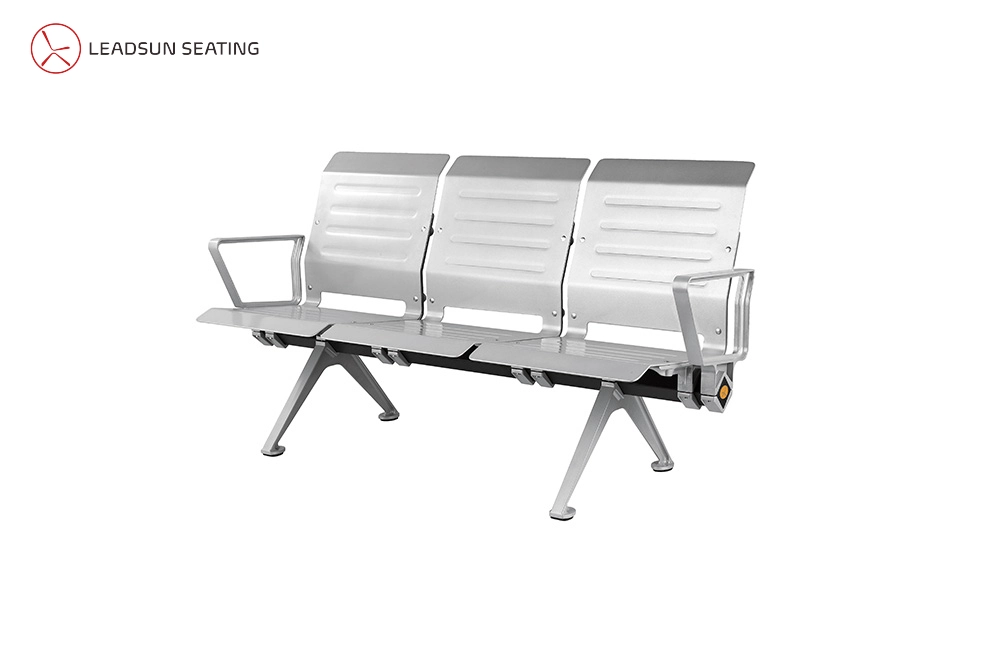
LS-529AL Aluminum Ergonomic Waiting Chairs | Modular & Durable Seating by Leadsun Seating
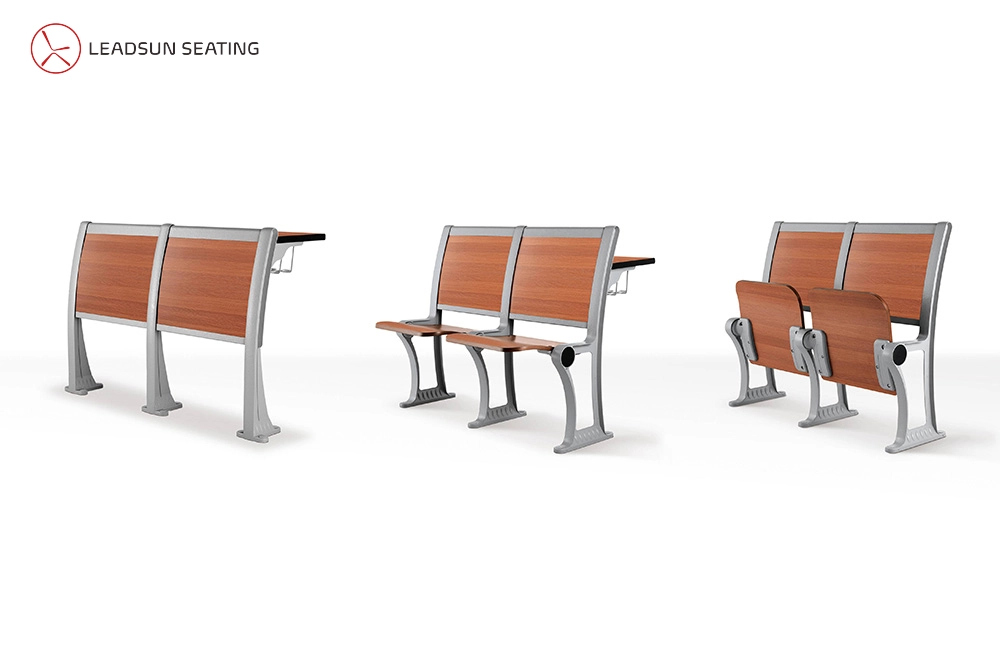
LS-908 Series Fixed Public Auditorium Chair or Tiered Classroom Solutions by Leadsun Seating
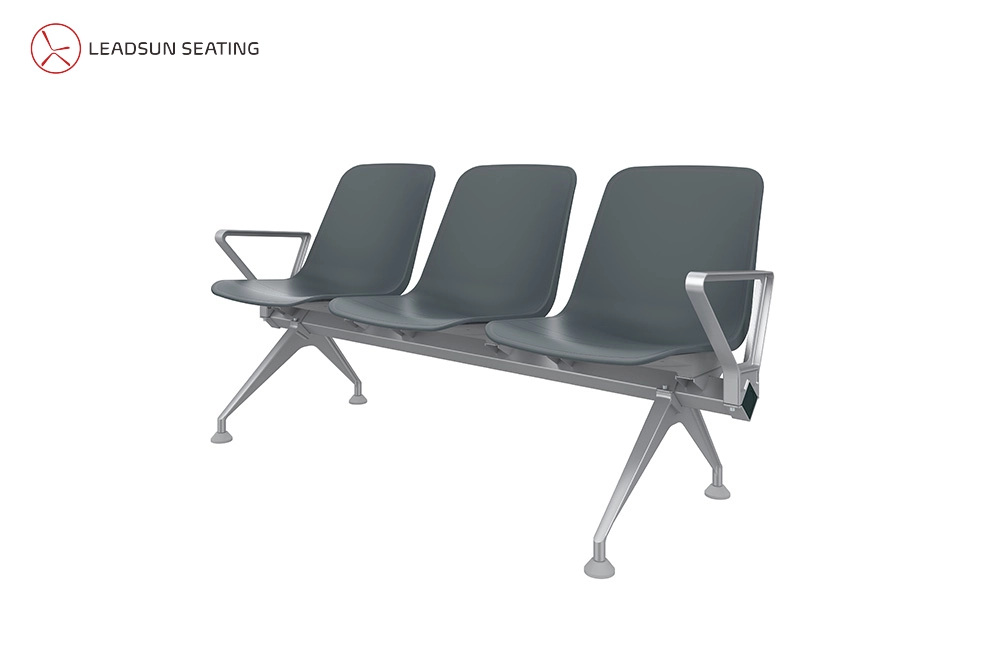
LS-550 Comfortable and Durable Waiting Chair | Customizable Waiting Chair Supplier Leadsun Seating
The LS-550 waiting chair from Leadsun offers superior comfort and durability for any public place. Customize your seating with Leadsun, a leading customizable waiting chair supplier. Ideal for high-traffic areas, the LS-550 ensures lasting performance and style.
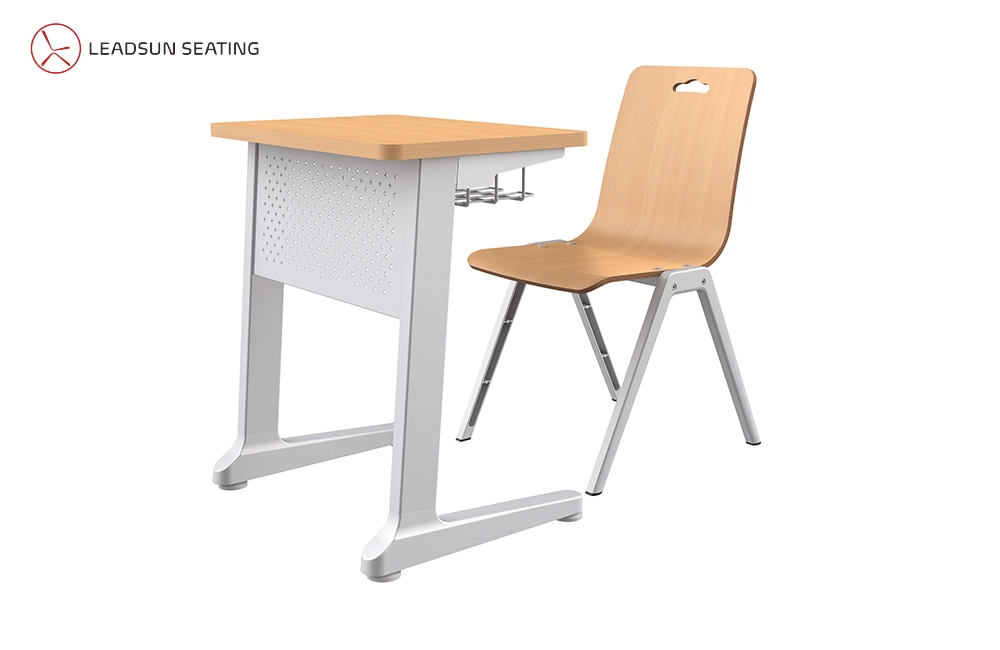
LS-9301 Single movable classroom chair |The Ultimate Flexible Solution for Modern Classrooms by Leadsun Seating

Leadsun Seating is also engaged in the design, development, production, and marketing of lightweight public seats in public places, with an annual output of desks and chairs.
 Scan QR Code