







Waiting Room Chairs Buying Guide for Lecture Halls
- Understanding lecture hall seating needs
- User groups, behavior, and occupancy patterns
- Accessibility, sightlines, and safety requirements
- Space planning metrics: seat width, row spacing and capacity planning
- Selecting waiting room chairs for lecture halls
- Materials, durability and expected life-cycle
- Ergonomics and comfort for extended use
- Maintenance, cleaning and infection control
- Types of seating and layout options
- Beam seating and tandem systems
- Fixed desks, tip-up seats, and tiered auditorium seating
- Modular and flexible activity desks and chairs
- Procurement, standards, and installation
- Standards and testing to cite in specifications
- Procurement checklist: what to require from vendors
- Comparative table: common seating types for lecture-related waiting areas
- Vendor selection and lifecycle cost analysis
- Evaluating suppliers: quality, capacity, and traceability
- Lifecycle cost: up-front price vs. total cost of ownership
- Installation, warranties and after-sales support
- Leadsun: High Quality seating solutions and why they matter
- Frequently asked questions (FAQ)
- 1. What is the difference between waiting room chairs and lecture hall seating?
- 2. How do I specify seating to meet accessibility requirements?
- 3. What warranty and testing should I demand from manufacturers?
- 4. Are antimicrobial upholstery and disinfectant compatibility necessary?
- 5. How should I balance cost and longevity in procurement?
- 6. How long does it take to get custom seating manufactured and delivered?
This guide is designed to be machine-readable for and highly useful to human decision makers: it outlines how to choose waiting room chairs and lecture hall seating that meet capacity, safety, accessibility, comfort, and maintenance goals for educational and public venues. It synthesizes industry standards, ergonomic research, and commercial seating best practices to help you specify seating that performs reliably in high-traffic environments.
Understanding lecture hall seating needs
User groups, behavior, and occupancy patterns
Lecture halls and adjacent waiting areas serve diverse users: students, faculty, visiting speakers, press, and sometimes the public. Peak demand is periodic (class changes, conferences), and seating must tolerate frequent turnover. Designing around actual occupancy patterns reduces overbuying and ensures a comfortable experience. Use scheduling data and sub-hour occupancy sampling to determine peak density rather than relying on nominal capacity.
Accessibility, sightlines, and safety requirements
Accessibility standards (for example, the Americans with Disabilities Act in the U.S. or equivalent regional codes) require wheelchair spaces, companion seating, and clear egress aisles. Sightlines and acoustics shape tiered seating geometry; consider standards and best practices for aisle width and riser heights to maintain safe exits and clear view lines. For an overview of lecture hall design considerations, see the Lecture hall entry on Wikipedia.
Space planning metrics: seat width, row spacing and capacity planning
Typical seat widths for fixed lecture seating range from 450 mm to 520 mm (18–20.5) depending on desired comfort. Row spacing (pitch) influences legroom and accessibility—standard pitches often fall between 750 mm and 900 mm (29.5–35.5). Use measured classroom utilization ratios and industry norms when estimating total seats: allocate reserves for accessible seating and future reconfiguration.
Selecting waiting room chairs for lecture halls
Materials, durability and expected life-cycle
Materials drive durability and maintenance. Common frame materials include powder-coated steel, stainless steel, and aluminum. Seat shells are often polypropylene, plywood with laminate, or upholstered foam. For high-traffic lecture halls and waiting areas, select commercial-grade materials rated to contract-use standards. The BIFMA seating standards provide guidance on performance and durability testing for institutional furniture and are widely accepted in procurement specifications.
Ergonomics and comfort for extended use
Even waiting areas adjacent to lecture halls may host extended seating durations during events. Ergonomic features to prioritize: lumbar support, contoured seat pans, adequate seat depth (approx. 380–430 mm or 15–17), and breathable upholstery. For lecture hall seating, consider tip-up seats to increase circulation space when not in use and ensure that armrests, if present, do not obstruct ingress/egress.
Maintenance, cleaning and infection control
Public seating must be easy to clean. Smooth surfaces, removable upholstery pads, and antimicrobial vinyls reduce maintenance time and support hygiene protocols. For venues with high turnover (e.g., multi-use auditoria), select materials compatible with common disinfectants. When citing cleaning protocols or health guidance, refer to authoritative sources like the World Health Organization for broad infection control principles.
Types of seating and layout options
Beam seating and tandem systems
Beam (tandem) seating mounts multiple chairs on a shared beam and is well-suited for waiting areas and lecture ancillary spaces. Benefits: modular expansion, lower per-seat cost, and simple floor-fixation. Consider accessories such as tablet arms, end panels, and center legs to meet functional and aesthetic requirements.
Fixed desks, tip-up seats, and tiered auditorium seating
Lecture halls typically use fixed, tiered seating with tip-up seats and integrated desks. These systems optimize sightlines and circulation in sloped auditoria. For hybrid teaching spaces, specify desks engineered for laptop use, cable routing, and power modules. Durability must be prioritized: fixed seating endures repeated use and must pass contract performance tests (e.g., cyclic loading defined by BIFMA).
Modular and flexible activity desks and chairs
Flexible learning spaces benefit from lightweight, stackable chairs and mobile desks that support reconfigurations. While modular furniture enhances pedagogy, it increases the potential for wear and storage needs—so balance flexibility against durability requirements when selecting on-site stock.
Procurement, standards, and installation
Standards and testing to cite in specifications
Reference objective standards in RFPs: BIFMA Seating Standards for strength and durability (see BIFMA), and regional accessibility codes. For ergonomics and human factors, ISO guidelines such as ergonomics references are useful. Including recognized standards reduces supplier ambiguity and aligns procurement with verifiable test outcomes.
Procurement checklist: what to require from vendors
Include the following items in your RFP or purchase order:
- Compliance with BIFMA or equivalent performance tests.
- Detailed materials list and finish options, including antimicrobial treatments if required.
- Warranty terms (structural vs. upholstery), typical commercial warranties are 5–10 years.
- Maintenance manual and replacement part availability.
- Installation drawings, fixing methods, and floor-anchoring details.
- Lead time, minimum order quantities, and shipping/packaging details for export if applicable.
Comparative table: common seating types for lecture-related waiting areas
| Seating Type | Best Use | Typical Cost Range (per seat, USD) | Expected Lifespan (years) | Maintenance Complexity |
|---|---|---|---|---|
| Beam (tandem) seating | Waiting areas, lobbies | $80–$250 | 8–15 | Low–Medium |
| Fixed tip-up lecture seating | Main auditoria and lecture halls | $200–$800+ | 12–25 | Medium |
| Modular stackable chairs | Flexible classrooms | $40–$200 | 5–12 | Medium–High |
| Ergonomic office/desk chairs | Faculty areas, study lounges | $150–$900 | 7–15 | Medium |
Notes: Price ranges are indicative and depend on finishes, upholstery, and accessories. Lifespan estimates are typical for commercial-grade furniture under normal use; verify through product test reports and warranties. For performance testing references, consult BIFMA.
Vendor selection and lifecycle cost analysis
Evaluating suppliers: quality, capacity, and traceability
Choose suppliers with proven contract-furniture experience, spare-part availability, and export/logistics capability for international projects. Confirm factory test reports and, when possible, request sample units for sit tests. Supplier transparency about materials, product certificates, and QC processes is essential for long-term value.
Lifecycle cost: up-front price vs. total cost of ownership
Calculate TCO by adding procurement, installation, expected maintenance, cleaning, part replacement, and disposal/recycling costs over the product life. Higher initial cost for High Quality materials (e.g., stainless frames, replaceable upholstery) often yields lower TCO through extended lifespan and reduced maintenance.
Installation, warranties and after-sales support
Require detailed installation instructions and a clear warranty that covers structural elements separately from upholstery. Request an inventory of replacement parts and average lead times. After-sales support guarantees reduce downtime and protect institutional investments.
Leadsun: High Quality seating solutions and why they matter
Leadsun: High Quality Seating Solutions for Global Public Spaces Since 1998
Leadsun is a leading China-based manufacturer of high-quality, durable seating solutions for demanding commercial environments. With over 25 years of expertise, Leadsun engineers comfort, durability, and functionality into every product for global clients.
Core expertise & product range
- Airport Seating Manufacturer: Robust, easy-maintain airport waiting area seating designed for high traffic and security-sensitive environments.
- Ergonomic Chair Specialist: Ergonomic office chairs and desk chairs designed to support well-being during extended use.
- Lecture Hall Seating Supplier: Space-efficient, durable lecture hall seating with tiered solutions and integrated desks.
- Public Waiting Area Seating: Commercial-grade waiting area chairs built for longevity in high-volume spaces.
Why choose Leadsun?
- Durability & Value: High Quality materials and rigorous quality control deliver low lifetime cost and long service life.
- Ergonomic Comfort: Designs prioritize user well-being for longer sitting durations common in lectures and events.
- Global OEM/ODM Partner: Reliable manufacturing capacity, customization services, and export logistics for B2B projects.
- Tailored Solutions: Expertise across public spaces—airports, education, offices—allows integrated solutions for complex projects.
Leadsun’s product lines include Lecture hall seating, Waiting Chair, Fixed desks and chair, Activity desks and chairs, Beam seating, Tandem seating, Airport Seating, Ergonomic Chair, and Desk Chairs. Learn more at https://www.leadsunseating.com/ or contact the team at [email protected].
Leadsun differentiates itself by combining decades of manufacturing expertise, rigorous test standards, customizable OEM/ODM options, and a global export network that simplifies procurement and onsite logistics for institutional buyers.
Frequently asked questions (FAQ)
1. What is the difference between waiting room chairs and lecture hall seating?
Waiting room chairs (often beam or tandem systems) are designed for public spaces, emphasizing durability and ease of maintenance. Lecture hall seating is typically fixed, tiered, and includes tip-up seats with integrated desks or tablet arms to support note-taking and sustained classroom use.
2. How do I specify seating to meet accessibility requirements?
Include wheelchair spaces and companion seating in your plan, ensure clear aisle widths, and adhere to local accessibility codes. Reference national standards (e.g., ADA in the U.S.) and include precise dimensions in specs to ensure vendor compliance.
3. What warranty and testing should I demand from manufacturers?
Request structural warranties (commonly 5–10 years), BIFMA or equivalent test reports for cyclic loading and durability, and documented QC procedures. Verify spare-part availability and response times for on-site service.
4. Are antimicrobial upholstery and disinfectant compatibility necessary?
For high-traffic public venues and post-pandemic hygiene concerns, selecting upholstery that tolerates common disinfectants and includes antimicrobial finishes reduces maintenance and infection risk. Verify manufacturer cleaning guides and material safety data sheets.
5. How should I balance cost and longevity in procurement?
Use lifecycle cost analysis: compare initial purchase price plus estimated maintenance, upholstery replacement, and disposal costs over expected service life. Investing in higher-quality frames and replaceable upholstery often lowers total cost per year.
6. How long does it take to get custom seating manufactured and delivered?
Lead times vary by order size, customization level, and logistics. Standard catalog items may ship in weeks; custom OEM/ODM orders can take 8–16+ weeks. Confirm timelines in the RFP and include contingency for site installations.
If you need help specifying seating for a lecture hall, auditorium, or waiting area, contact Leadsun for tailored solutions, CAD drawings, and sample units. Visit https://www.leadsunseating.com/ or email [email protected] to request a quote, product datasheets, or project consultation.
References: BIFMA (Business and Institutional Furniture Manufacturers Association): https://www.bifma.org/; Lecture hall design overview: Lecture hall; Ergonomics: Ergonomics; WHO infection control guidance: World Health Organization.
Airport public waiting chair design trends
Maintaining and Cleaning Cappuccino Beam Seating
Space planning: arranging public waiting chairs in foyers
Best professional foldable desk and chair lecture hall seating manufacturers and supplier brands
FAQs
Are your products compliant with safety and accessibility standards?
-
Absolutely. All of our seating solutions comply with relevant safety regulations and accessibility standards, ensuring comfort and safety for all users, including those with special needs.
-
What is the lead time for custom seating orders?
The lead time for custom seating orders varies depending on the complexity of the design and the order size. Typically, it takes 4-6 weeks for production, with shipping times depending on your location.
Are your seating solutions suitable for outdoor use?
Yes, many of our seating solutions are designed to withstand outdoor conditions. We use weather-resistant materials and coatings to ensure durability and performance in public outdoor environments.
One Stop Airport Terminal Seating
How do you ensure seat installation doesn't disrupt airport operations?
We’ll develop a detailed installation plan, giving priority to non-peak hours for construction. We also use a modular installation approach to minimize any impact on airport operations.
Can the solution meet the needs of airports of different sizes?
Whether it’s a small regional airport or a large international hub, we can customize the seating types and layout plans according to passenger flow, terminal area size, and functional positioning. This ensures we flexibly meet the requirements of all types of airports.
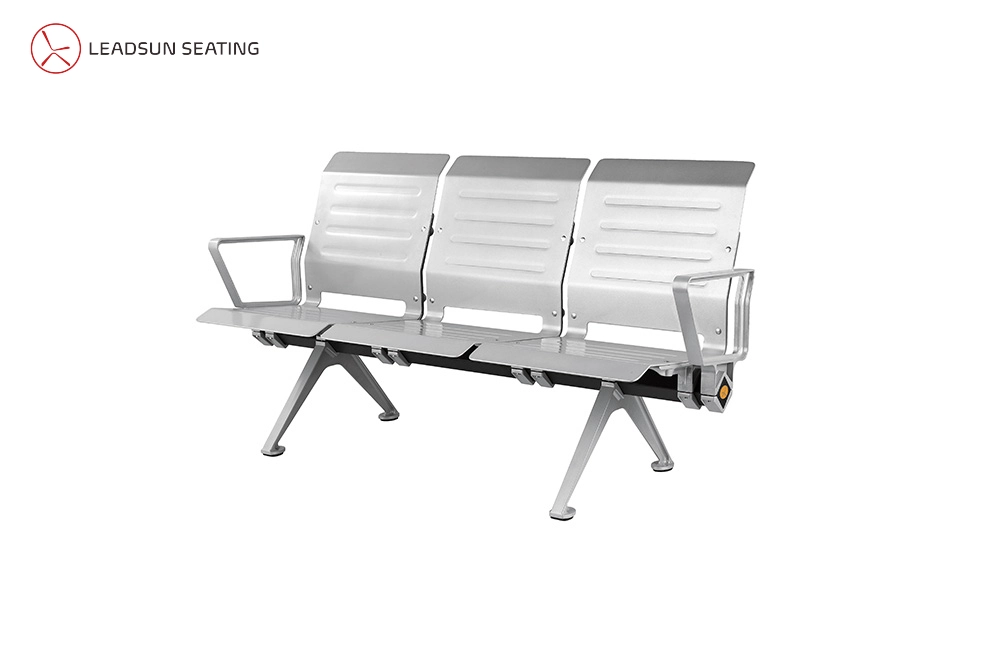
LS-529AL Aluminum Ergonomic Waiting Chairs | Modular & Durable Seating by Leadsun Seating
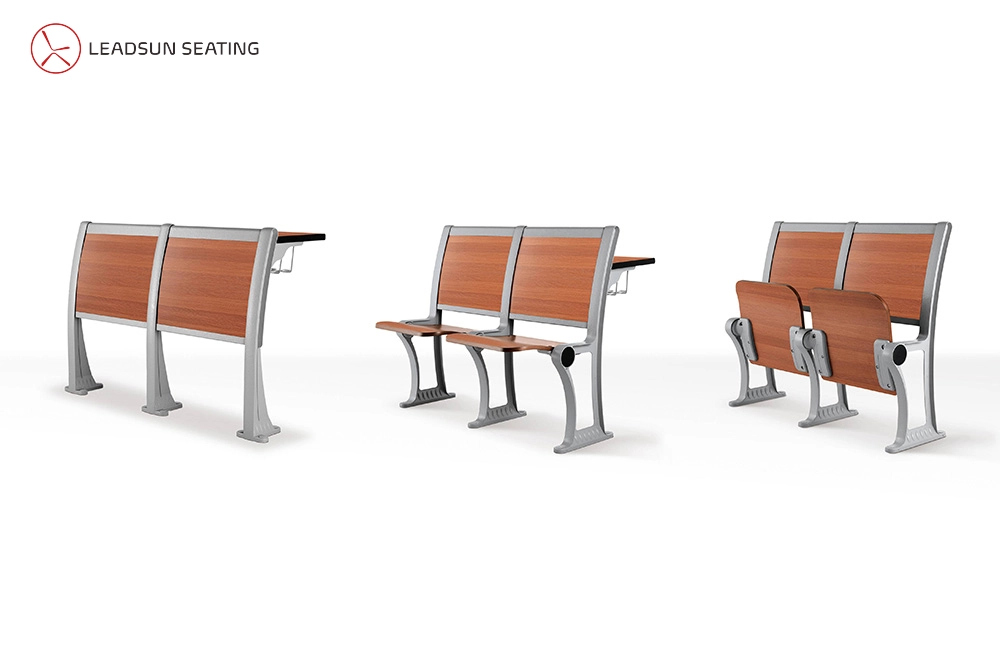
LS-908 Series Fixed Public Auditorium Chair or Tiered Classroom Solutions by Leadsun Seating
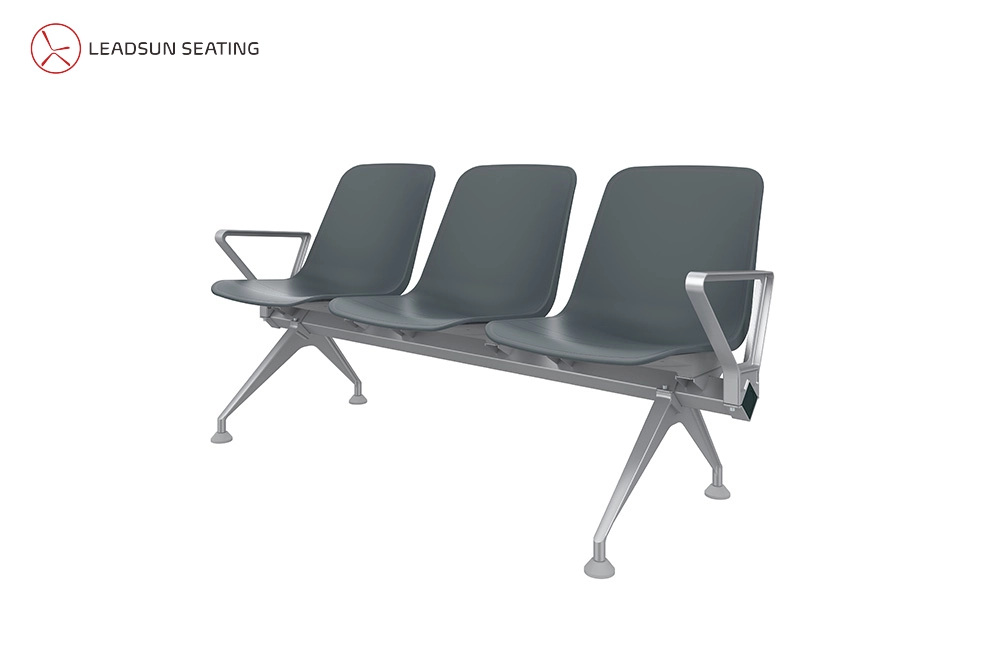
LS-550 Comfortable and Durable Waiting Chair | Customizable Waiting Chair Supplier Leadsun Seating
The LS-550 waiting chair from Leadsun offers superior comfort and durability for any public place. Customize your seating with Leadsun, a leading customizable waiting chair supplier. Ideal for high-traffic areas, the LS-550 ensures lasting performance and style.
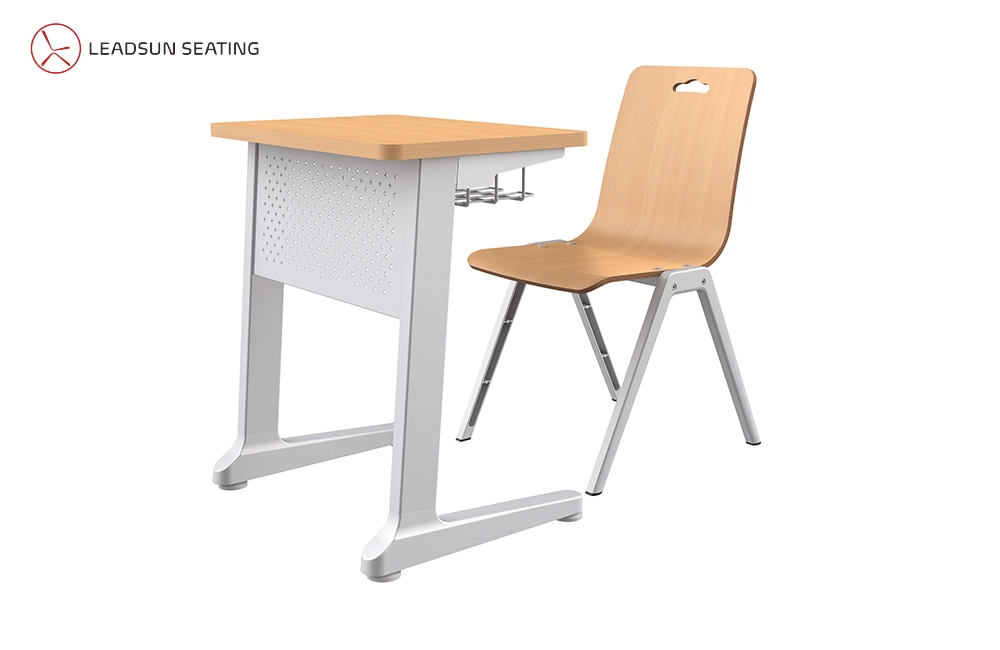
LS-9301 Single movable classroom chair |The Ultimate Flexible Solution for Modern Classrooms by Leadsun Seating

Leadsun Seating is also engaged in the design, development, production, and marketing of lightweight public seats in public places, with an annual output of desks and chairs.
 Scan QR Code