







Leadsun seating offers a wide range of seating solutions for public spaces, including benches, chairs, waiting area seating, auditorium seating, and customized solutions tailored to specific project needs.
When to replace waiting room chairs: signs of wear and ROI considerations
I explain how to identify when waiting room chairs should be replaced, balancing safety, infection control, comfort, maintenance costs, and ROI. I provide inspection checklists, lifecycle benchmarks, a cost-repair-vs-replace table, and standards-backed guidance to help facility managers and buyers make data-driven seating decisions.
- Assessing furniture lifecycle in high-traffic public spaces
- Why lifecycle thinking matters
- Standards and durability benchmarks
- Typical lifespan ranges by environment
- Visible and hidden signs that waiting room chairs need replacement
- Safety and structural warning signs
- Hygiene and infection control indicators
- Comfort, ergonomics and user experience
- Repair vs replace: a practical decision framework
- Key questions to ask
- Cost comparison: repair vs replace (sample analysis)
- When refurbishment is the right choice
- Financial and sustainability considerations for procurement
- Calculating ROI for replacement projects
- Sustainability and end-of-life options
- Practical inspection checklist and procurement tips
- Routine inspection checklist (quarterly)
- Specification tips when purchasing waiting room chairs
- When to choose beam/tandem seating versus standalone chairs
- Leadsun: trusted partner for durable waiting room solutions
- Why I recommend Leadsun for waiting room and public seating
- Core products and competitive advantages
- How Leadsun supports ROI-driven procurement
- Conclusion and practical next steps
- Summary of my recommended process
- Immediate actions for facility managers
- FAQ
- 1. How often should waiting room chairs be inspected?
- 2. Is reupholstery a cost-effective alternative to replacement?
- 3. What standards should I ask manufacturers to meet?
- 4. How does infection control affect replacement decisions?
- 5. What seating types are best for airports and large waiting areas?
- 6. How can I factor user comfort into procurement without blowing the budget?
- Contact and next steps
As a seating consultant and someone who has worked with hospitals, airports, lecture halls, and large public facilities, I often get asked: when is it time to replace waiting room chairs? The answer is rarely a single number of years. It depends on visible wear, functionality, hygiene risks, user comfort, maintenance costs and, importantly, return on investment (ROI). In this article I lay out practical inspection criteria, lifecycle benchmarks, a decision framework for repair vs replacement, and a sample ROI analysis. I reference industry guidance and standards so you can make defensible procurement decisions for waiting room chairs in your facility.
Assessing furniture lifecycle in high-traffic public spaces
Why lifecycle thinking matters
Waiting room chairs are not just furniture; they are assets. Treating them through a lifecycle lens — acquisition, use, maintenance, repair, and disposal — allows you to compare total cost of ownership (TCO) rather than upfront price alone. Facility management organizations like the International Facility Management Association (IFMA) promote life-cycle costing as best practice for built environment assets (IFMA).
Standards and durability benchmarks
Durability and ergonomics standards give objective baselines. For commercial seating, performance and durability tests from bodies such as BIFMA (Business and Institutional Furniture Manufacturers Association) are commonly used as a benchmark for expected lifespan in office and public seating: BIFMA. For ergonomic considerations, ISO guidance on human-centered design (for example, ISO 9241) is relevant when evaluating whether chairs continue to meet comfort and support needs.
Typical lifespan ranges by environment
Based on my experience and industry norms, typical expected lifespans vary by traffic and use:
- High-traffic public spaces (airports, large hospital waiting areas): 7–12 years with robust, commercial-grade seating.
- Medium-traffic spaces (clinic waiting rooms, corporate lobbies): 8–15 years.
- Low-traffic spaces (small offices, infrequent meeting areas): 10–20+ years.
These are ranges — actual service life depends on build quality, upholstery type, cleaning regimes, and user behavior. For airports and transit hubs, I often recommend dedicated airport-style beam seating or tandem seating designed for continuous use.
Visible and hidden signs that waiting room chairs need replacement
Safety and structural warning signs
Safety is non-negotiable. Replace chairs immediately when you observe:
- Broken or cracked frames, bent legs, or loose welds.
- Sagging seats or lost mechanical function in recline/tilt where applicable.
- Exposed sharp edges, broken armrests, or instability causing tipping.
These are structural failures that create liability. I recommend documenting faults during routine inspections and removing unsafe units from service immediately.
Hygiene and infection control indicators
In healthcare and other sensitive settings, upholstery that is torn, stained, or impossible to disinfect is a red flag. The U.S. Centers for Disease Control and Prevention (CDC) emphasizes environmental cleaning and disinfection in health-care facilities to reduce pathogen transmission (CDC Environmental Infection Control).
If vinyl or antimicrobial-treated fabrics have degraded, or seams trap contaminants, replacement is often the only safe option — especially after outbreaks or when cleaning costs become excessive.
Comfort, ergonomics and user experience
Complaints about back discomfort, reduced seat depth, or cold/hard seats affect satisfaction and perceived quality of care. Waiting room chairs that no longer provide basic lumbar support or have lost padding reduce dwell-time comfort and negatively impact brand perception. For spaces such as clinics and universities, ensuring ergonomic comfort supports wellbeing; consider ergonomic chair options if complaints are frequent.
Repair vs replace: a practical decision framework
Key questions to ask
When a chair shows issues, I walk through these questions:
- Is the issue structural or cosmetic?
- What is the cost to repair, including downtime?
- What is the remaining expected useful life post-repair?
- Are hygiene or regulatory concerns implicated?
- Does the chair meet current accessibility and ergonomic requirements?
If repairs will restore less than 50% of remaining useful life, replacement often yields better long-term ROI.
Cost comparison: repair vs replace (sample analysis)
Below is a representative comparison for a fleet of 50 commercial waiting room chairs. Numbers are illustrative but grounded in typical market ranges and lifecycle costing principles described by IFMA (IFMA) and BIFMA guidance (BIFMA).
| Item | Repair (per chair) | Replace (per chair) |
|---|---|---|
| One-time cost | $120 (reupholstery or part + labor) | $450 (new commercial-grade chair) |
| Expected life gained | 3–4 years | 10–12 years |
| Annualized cost | $30–40/yr | $37–45/yr |
| Hygiene / downtime risk | Medium (seams/issues remain) | Low (new materials, warranties) |
Interpretation: when reupholstery restores only a short service life and hygiene costs are high, replacement becomes more attractive despite a higher unit price. I recommend calculating annualized cost and factoring intangible risks (brand perception, infection control) into procurement decisions.
When refurbishment is the right choice
Refurbishment is viable when:
- Frames are structurally sound, and only upholstery or small components need replacement.
- Expected remaining life after repair is reasonably long (>5 years) and cheaper than full replacement on an annualized basis.
- There are sustainability goals to extend useful life and limit waste.
Financial and sustainability considerations for procurement
Calculating ROI for replacement projects
To calculate ROI for replacing waiting room chairs, include these elements:
- Initial capital cost (purchase, delivery, installation)
- Maintenance and cleaning cost reductions (labor, chemicals, downtime)
- Reduced liability and incident costs (fewer claims from failures)
- Energy savings if seating includes electrical features (rare for basic waiting chairs)
- Improved user satisfaction / indirect revenue impact (patient retention, brand value)
Here is a simplified ROI table for a 50-chair project, using conservative assumptions based on maintenance labor rates and upholstery materials market pricing.
| Parameter | Repair Fleet (50 chairs) | Replace Fleet (50 chairs) |
|---|---|---|
| Capital cost | $6,000 | $22,500 |
| Annual maintenance & cleaning (labor & materials) | $7,500 | $4,000 |
| Estimated incident/liability cost (annual) | $2,000 | $500 |
| Annualized total cost (over 10 years) | $1,350/yr per 50 chairs | $2,700/yr per 50 chairs |
Note: These figures are illustrative; you should plug in your own procurement prices, labor costs, and risk estimates. The goal is to show that even when replacement looks costly upfront, long-term savings in maintenance and risk (and better user experience) may justify the investment.
Sustainability and end-of-life options
Disposal choices impact corporate sustainability. Options include:
- Refurbish and donate to community organizations.
- Sell second-hand to recapture value.
- Recycle metal frames and separate materials where possible.
Many seating manufacturers (including large OEMs) offer take-back or recycling programs. When specifying replacement chairs, ask suppliers about recyclability and warranty coverage to minimize environmental impact.
Practical inspection checklist and procurement tips
Routine inspection checklist (quarterly)
Use this checklist during scheduled inspections:
- Check frames for cracks, corrosion, or loose fasteners.
- Test seat and back cushions for sagging and return resilience.
- Inspect upholstery seams, zippers, and exposed padding.
- Confirm armrests and legs are secure and free of sharp edges.
- Assess cleanliness and disinfectability (for healthcare settings).
- Log user complaints and incident reports tied to seating.
Specification tips when purchasing waiting room chairs
I advise procurement teams to:
- Require BIFMA or equivalent durability test certification for commercial seating.
- Specify anti-microbial or easily cleaned upholstery for healthcare and high-traffic sites.
- Consider modular beam seating for airports and transit hubs for ease of maintenance.
- Ask for lifecycle costing and warranty terms (including parts and structural warranties).
When to choose beam/tandem seating versus standalone chairs
Beam seating and tandem seating excel in high-volume, controlled layouts such as airports and large clinics because they offer easier cleaning, fewer loose components, and higher durability. Standalone chairs or small clusters are better for flexible layouts and design-forward lobbies. Choose based on traffic, maintenance capacity, and desired user flow.
Leadsun: trusted partner for durable waiting room solutions
Why I recommend Leadsun for waiting room and public seating
In my work specifying seating for public spaces, I prioritize manufacturers who combine durability, ergonomics, and global supply reliability. Leadsun (est. 1998) stands out as a China-based, experienced manufacturer delivering High Quality seating solutions for airports, education, and public waiting areas. Their 25+ years of manufacturing expertise means proven processes for durability and quality control.
Core products and competitive advantages
Leadsun offers a comprehensive product portfolio relevant to this discussion, including:
- Lecture hall seating and tiered solutions — space-efficient, built for repeated use.
- Waiting chairs and beam/tandem seating — commercial-grade options for high-traffic areas.
- Fixed desks and chair combos, activity desks and chairs, and ergonomic office chairs.
- Airport seating with robust materials designed for comfort and security.
Their strengths: rigorous quality control, OEM/ODM customization, and an emphasis on ergonomic comfort to reduce long-term user complaints. Learn more at Leadsun Seating or contact them at [email protected].
How Leadsun supports ROI-driven procurement
Leadsun provides documentation on durability testing and can tailor finishes to facilitate cleaning and hygienic maintenance — features which directly reduce lifetime maintenance costs and infection control risk. For large projects, their export logistics and OEM/ODM capabilities help ensure timely delivery and consistent quality across campuses or chains.
Conclusion and practical next steps
Summary of my recommended process
In short, I recommend a structured approach: implement routine inspections, classify issues as structural/hygiene/cosmetic, calculate repair vs replace annualized costs, and factor intangible risks (brand, infection control) into procurement. When long-term costs, hygiene requirements, or frequent complaints mount, replacement with commercial-grade seating (including beam or tandem options where appropriate) is often the most economical and safest choice.
Immediate actions for facility managers
- Create a quarterly inspection log using the checklist above.
- Gather quotes for refurbishment and for new seating from reputable manufacturers that provide durability testing documentation (ask for BIFMA test reports).
- Run a simple annualized cost comparison and include maintenance and risk factors.
- Consider sustainability — ask potential vendors about take-back/recycling programs.
FAQ
1. How often should waiting room chairs be inspected?
I recommend a visual and functional inspection at least quarterly in most commercial settings, and monthly in high-traffic or healthcare areas. Document any structural, upholstery, or hygiene issues and prioritize safety failures for immediate removal.
2. Is reupholstery a cost-effective alternative to replacement?
Reupholstery can be cost-effective if the chair frame is structurally sound and reupholstery will extend the useful life by several years. However, if hygiene concerns, recurring costs, or outdated ergonomics remain after repair, full replacement often provides better long-term ROI.
3. What standards should I ask manufacturers to meet?
Ask for BIFMA durability testing or equivalent, warranty documentation (structural and upholstery), and material safety/cleanability specifications. For ergonomic guidance, reference ISO ergonomics standards such as ISO 9241.
4. How does infection control affect replacement decisions?
Severe upholstery degradation or designs that trap contaminants can be impossible to disinfect effectively. In healthcare environments, follow CDC environmental infection control guidance (CDC). When disinfection is compromised, replacement is often necessary.
5. What seating types are best for airports and large waiting areas?
Beam seating and tandem seating are popular for airports and transit hubs because they are durable, easier to clean, and have fewer loose parts. Look for manufacturers experienced in airport seating and materials that withstand heavy daily use.
6. How can I factor user comfort into procurement without blowing the budget?
Prioritize basic ergonomic features (seat depth, lumbar support, cushioning resilience) and test samples with representative users before large purchases. Choosing commercial-grade ergonomic chairs with warranty coverage balances comfort and cost.
Contact and next steps
If you need help auditing your seating fleet, specifying replacement chairs, or obtaining OEM/ODM quotes, I recommend contacting Leadsun — they specialize in durable public seating solutions including lecture hall seating, waiting chairs, beam/tandem seating and ergonomic chairs. Visit https://www.leadsunseating.com/ or email [email protected] to request catalogues, certifications, and tailored quotes.
References and further reading: BIFMA (https://www.bifma.org/), IFMA (https://www.ifma.org/), CDC Environmental Infection Control (https://www.cdc.gov/infectioncontrol/guidelines/environmental/index.), ISO 9241 (https://www.iso.org/standard/52075.), Wikipedia Waiting room (https://en.wikipedia.org/wiki/Waiting_room).
Tags
auditorium chair manufacturer
auditorium chair manufacturer
Flexible Seating for the Classroom
Flexible Seating for the Classroom
beam seating
beam seating
Classroom & School Chairs
Classroom & School Chairs
a lecture hall seats manufacturers
a lecture hall seats manufacturers
Buy LS-508 PU waiting chair aluminum alloy for auditorium and classroom
Buy LS-508 PU waiting chair aluminum alloy for auditorium and classroom
Recommended for you
Top 5 neff lecture hall seating chart juniata Company List and Products Compared
Ergonomic Public Seating: Best Chairs for Students
Cleaning and Maintenance of Lecture Hall Chairs
Wholesale public metal waiting chair manufacturer and supplier in us
Prdoucts Categories
Question you may concern
One Stop Airport Terminal Seating
Can you provide personalized seat customization?
We support comprehensive customization, including seat styles, functional modules (like charging ports, cup holders, etc.), color schemes, and even integrating airport brand elements to showcase a unique style.
What does the after-sales service include?
Our after-sales service covers daily maintenance guidance, regular inspections, fault repairs, and component replacements. Our professional after-sales team is available 24/7 to ensure the long-term stable operation of the seats.
What are the advantages of the one-stop solution compared to traditional procurement methods?
The one-stop solution integrates the entire service process, saving communication costs and time. It avoids coordination issues that arise when working with multiple parties and ensures consistency and coherence in design, production, and after-sales service.
FAQs
What maintenance is required for your seating solutions?
The maintenance required depends on the material and location of the seating. Generally, regular cleaning and periodic inspections are recommended. We provide maintenance guidelines with each product to ensure long-term durability.
What types of public seating solutions does Leadsun seating provide?
You may also like
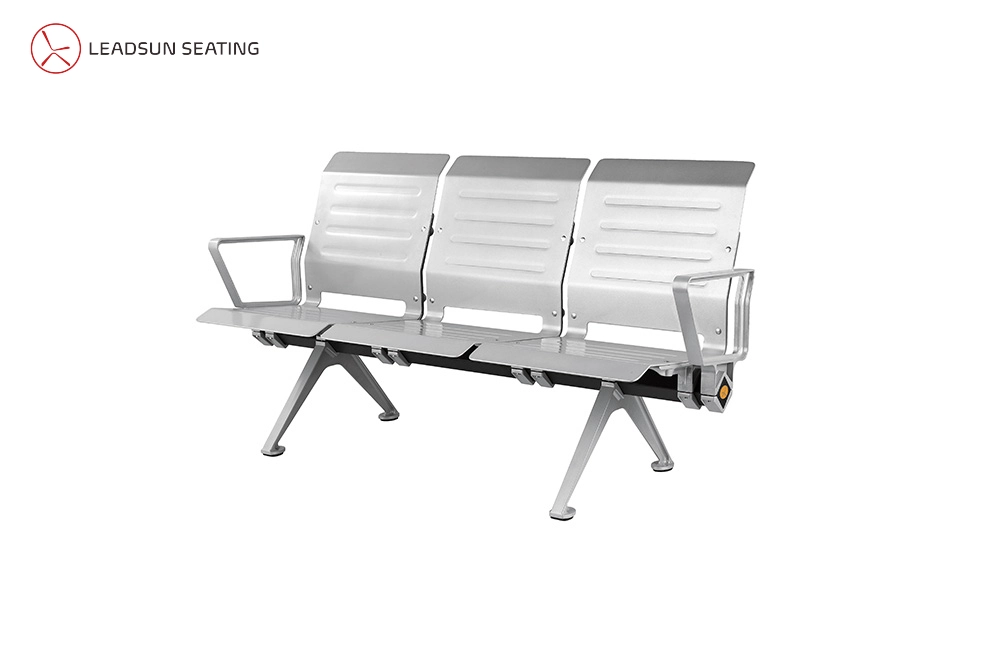
LS-529AL Aluminum Ergonomic Waiting Chairs | Modular & Durable Seating by Leadsun Seating
Leadsun's LS-529AL aluminum ergonomic waiting chairs offer customizable lobby seating solutions. These durable office chairs provide modern waiting area solutions, built for comfort and longevity. Modular design ensures flexibility.
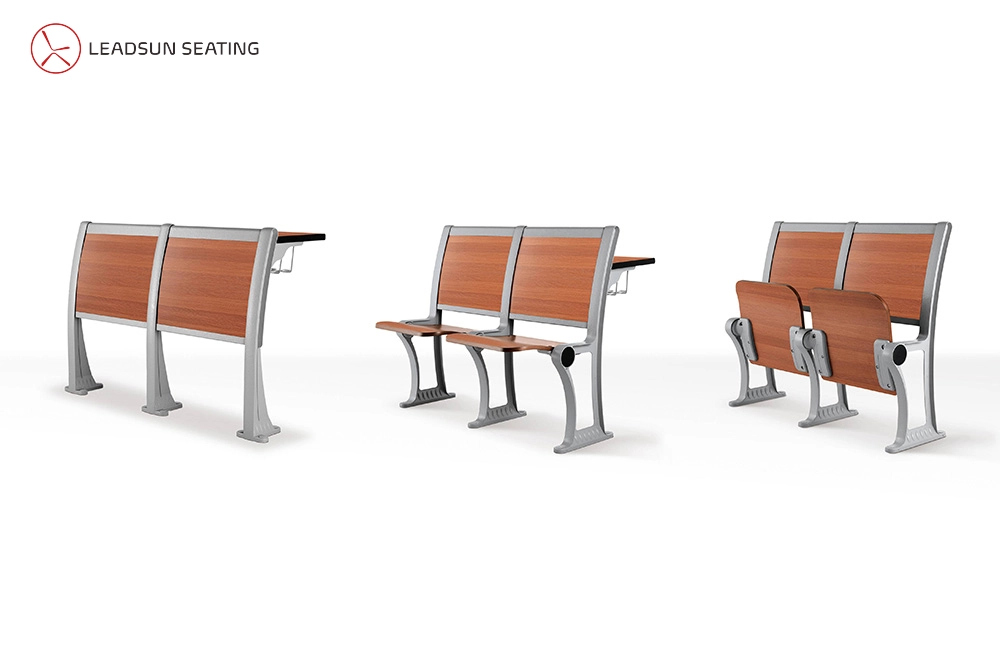
LS-908 Series Fixed Public Auditorium Chair or Tiered Classroom Solutions by Leadsun Seating
Introducing the LS-908 Series by Leadsun, your ideal solution for tiered classroom seating and fixed public auditorium chairs. Designed for comfort and durability, this series enhances audience engagement in educational and corporate settings. Discover the perfect blend of functionality and style with Leadsun Seating.
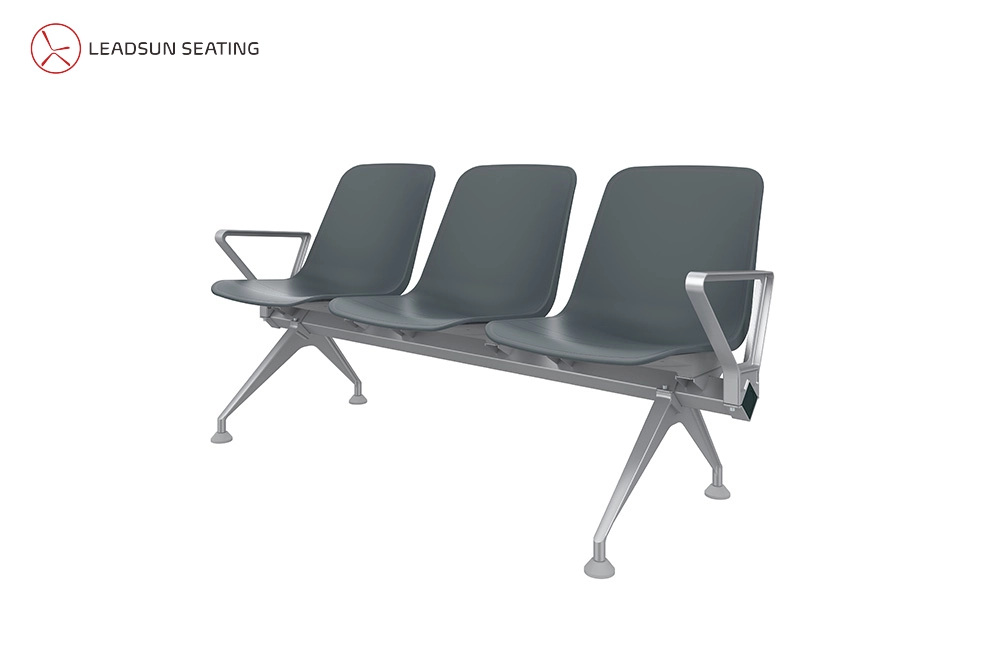
LS-550 Comfortable and Durable Waiting Chair | Customizable Waiting Chair Supplier Leadsun Seating
The LS-550 waiting chair from Leadsun offers superior comfort and durability for any public place. Customize your seating with Leadsun, a leading customizable waiting chair supplier. Ideal for high-traffic areas, the LS-550 ensures lasting performance and style.
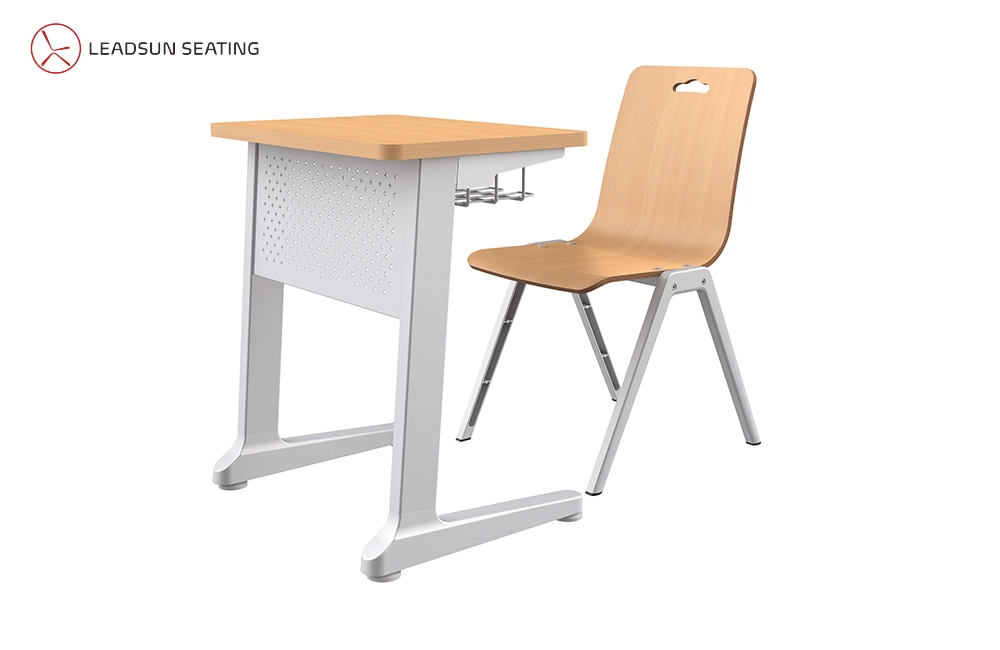
LS-9301 Single movable classroom chair |The Ultimate Flexible Solution for Modern Classrooms by Leadsun Seating
Leadsun's LS-9301 single movable classroom chair offers ultimate flexibility for modern learning environments. This activity desk and chair solution ensures comfortable and adaptable seating for students. Ideal for dynamic classrooms.
Get in touch with us
If you have any comments or good suggestions, please leave us a message, later our professional staff will contact you as soon as possible.

Leadsun Seating is also engaged in the design, development, production, and marketing of lightweight public seats in public places, with an annual output of desks and chairs.
 Scan QR Code