







7 Costly Mistakes Facilities Managers Make When Specifying Commercial Bench Seating
Discover the 7 critical errors Facilities Managers make when selecting commercial bench seating. Learn how to optimize TCO, ensure ADA compliance, and choose BIFMA-certified furniture for long-term durability.
- Commercial Bench Seating: Maximizing Safety, Efficiency, and Longevity in Modern Facilities
- What is Commercial Bench Seating and Why is Specification Critical?
- Mistake 1: Ignoring Total Cost of Ownership (TCO) in Procurement
- Mistake 2: Miscalculating Spatial Flow and ADA Clearance
- Mistake 3: Selecting Indoor Materials for Outdoor Micro-Climates
- Mistake 4: Overlooking Modular Scalability for Future Reconfiguration
- Mistake 5: Neglecting BIFMA and Weight Capacity Standards
- Mistake 6: Failing to Integrate Power and Smart-Tech Needs
- Mistake 7: Poor Maintenance Planning and Finish Selection
- Beyond 2026: The Future of Sustainable Facility Seating
- Conclusion
- FAQs
- References
Commercial Bench Seating: Maximizing Safety, Efficiency, and Longevity in Modern Facilities
Commercial bench seating is more than just a place to sit; it is a critical asset that influences facility safety, user flow, and operational budgets. Poorly specified seating often results in frequent repairs, premature replacements, and user dissatisfaction. Conversely, thoughtfully selected benches enhance the overall functionality of public spaces, contribute to LEED certifications, and improve visitor experience.
For Facilities Managers (FMs), understanding commercial-grade durability, material suitability, regulatory compliance, and smart-tech integration is essential to ensure long-term ROI and mitigate risks associated with public seating. As the commercial environment evolves with higher traffic, smarter technology, and increased sustainability requirements, the stakes for proper bench specification have never been higher.

What is Commercial Bench Seating and Why is Specification Critical?
Commercial bench seating refers to heavy-duty furniture designed specifically for high-traffic public spaces such as airports, hospitals, schools, shopping malls, and transit hubs. Unlike residential furniture, these benches are engineered to endure constant usage, exposure to cleaning chemicals, environmental stressors, and potential vandalism, all while adhering to strict safety and accessibility codes.
Proper specification goes beyond aesthetics. Facilities Managers must consider several factors:
-
Liability Mitigation: Seating failures in public areas can result in injury and lawsuits. Durable, code-compliant benches reduce this risk.
-
Traffic Optimization: Benches influence foot traffic patterns, guiding users in corridors, waiting areas, and social hubs. Poorly positioned benches can create congestion and reduce operational efficiency.
-
Cost Control: Investing in high-quality materials and modular designs reduces long-term maintenance, repair, and replacement costs, ultimately improving total cost of ownership (TCO).
By considering these factors, FMs can make strategic procurement decisions that balance safety, comfort, and financial prudence.
Mistake 1: Ignoring Total Cost of Ownership (TCO) in Procurement
TCO analysis evaluates all costs associated with furniture over its entire lifecycle, not just the initial purchase price. Focusing only on upfront cost is a common financial mistake, often leading to frequent repairs, accelerated depreciation, and higher overall expenditure.
According to a 2024 CBRE report, facilities management costs were projected to increase by 2.5%, emphasizing the importance of efficient asset management. A “cheap buy” often hides long-term expenses:
-
Maintenance Labor: Low-quality benches may require frequent tightening of hardware, repainting, or rust treatment.
-
Replacement Cycles: Steel benches can corrode within 3-5 years, whereas high-density polyethylene (HDPE) or aluminum benches may last 15 years or more.
-
Downtime Costs: Repairing benches in high-traffic areas can temporarily close sections of a facility, reducing operational efficiency and potentially affecting revenue in commercial or retail settings.
Integrating TCO into procurement ensures that investment decisions reflect both initial costs and long-term operational impacts. For example, a hospital investing in high-grade HDPE benches may spend 30% more upfront but save over 50% in repair and replacement costs over a decade.
Mistake 2: Miscalculating Spatial Flow and ADA Clearance
Facility spatial ergonomics involves arranging furniture to maximize user comfort, streamline traffic flow, and ensure compliance with accessibility laws. Poor layout planning can create bottlenecks, crowding, and increased legal risk.
Recent data shows that ADA violations can result in fines ranging from $55,000 to $75,000 for a first offense. To ensure compliance:
-
Clear Floor Space: Maintain at least 30" x 48" adjacent to benches for wheelchair users.
-
Path of Travel: Ensure benches do not intrude into the 36" minimum accessible route.
-
Inclusive Design: Incorporate armrests to assist users with mobility limitations in sitting and standing.
Proper spatial planning not only prevents penalties but also enhances user experience, particularly in transit hubs, healthcare facilities, and public squares. Additionally, well-placed benches can improve crowd management during peak times or emergencies, allowing smooth evacuation and reducing potential accidents.
Mistake 3: Selecting Indoor Materials for Outdoor Micro-Climates
Outdoor micro-climates, such as coastal salt exposure, UV-intensive plazas, or extreme heat zones, can accelerate furniture degradation. Using indoor-rated or generic outdoor furniture in these environments often leads to structural failures, fading, or warping.
Facilities Managers should match materials to environmental conditions:
-
Coastal Areas: Marine-grade stainless steel (316) or heavy-gauge aluminum prevents corrosion from salt spray.
-
High UV Zones: HDPE or thermally modified wood resists fading and cracking better than standard timber.
-
High Heat Areas: Avoid dark metals that retain heat; select light-colored powder-coated metals or natural wood alternatives to reduce surface burns.
Choosing materials tailored to local climate conditions extends bench longevity and minimizes maintenance, ensuring user safety and aesthetic integrity even in harsh outdoor environments. For example, airports near the ocean have successfully reduced rust-related failures by specifying aluminum or marine-grade stainless steel benches.
Mistake 4: Overlooking Modular Scalability for Future Reconfiguration
Modern facilities require flexibility. Fixed concrete or welded benches, while durable, cannot adapt to changing layouts or evolving operational needs. Modular site furnishings, composed of interchangeable components, allow for future expansion or reconfiguration.
Benefits include:
-
Scalability: Add segments to accommodate increased foot traffic.
-
Repairability: Replace individual damaged components rather than the entire bench.
-
Adaptability: Reconfigure linear seating into L- or U-shaped arrangements to create social pods, meeting areas, or event zones.
In dynamic environments such as airports or university campuses, modular benches allow facilities to adapt to seasonal surges, special events, or changing departmental layouts without incurring large capital expenditures.
Mistake 5: Neglecting BIFMA and Weight Capacity Standards
BIFMA seating requirements are voluntary safety and performance standards developed by the Business and Institutional Furniture Manufacturers Association to ensure commercial furniture can withstand rigorous use. Specifying non-certified seating risks catastrophic failure, injury to occupants, and voided insurance claims.
-
ANSI/BIFMA X5.4: Standard for lounge and public seating, testing stability, leg strength, and drop impact.
-
Durability Testing: Simulates 10+ years of 24/7 use.
-
Weight Capacity: Standard commercial benches support at least 250 lbs per seat; heavy-duty models may withstand 1,000+ lbs.
Using BIFMA-certified furniture demonstrates due diligence in safety planning and reduces liability, particularly in high-traffic areas such as stadiums, convention centers, and transit hubs.
Mistake 6: Failing to Integrate Power and Smart-Tech Needs
Modern “third-space” environments—cafes, libraries, co-working spaces—require furniture that supports device charging, Wi-Fi, and occupancy tracking. Standard benches often lack these features, reducing user satisfaction and dwell time.
Smart furniture options include:
-
Integrated Power: USB-C and AC outlets allow visitors to charge devices, encouraging longer stays and higher engagement.
-
IoT Sensors: Track usage patterns for informed space planning and efficient cleaning schedules.
-
Wireless Charging: Qi-enabled surfaces reduce cable clutter and minimize maintenance issues caused by broken ports.
As hybrid work and smart cities grow, furniture that integrates technology becomes a competitive advantage for facilities aiming to attract and retain users.
Mistake 7: Poor Maintenance Planning and Finish Selection
Preventative maintenance extends furniture lifespan and preserves aesthetic value. Neglecting inspections and cleaning leads to graffiti, rust, and faded finishes.
Effective strategies include:
-
Graffiti Resistance: Anti-graffiti powder coatings enable easy cleaning and maintain professional appearance.
-
Anti-Microbial Coatings: Essential for hospitals, airports, and high-traffic transit hubs to reduce pathogen transmission.
-
Inspection Schedules: Quarterly structural checks and annual finish evaluations prevent minor issues from escalating.
Proactive maintenance reduces downtime, extends asset life, and preserves the overall perception of the facility, which is crucial for commercial spaces where first impressions impact user satisfaction and business performance.
Beyond 2026: The Future of Sustainable Facility Seating
Sustainability is reshaping commercial furniture design. Facilities are increasingly adopting circular economy principles, biophilic elements, and advanced manufacturing technologies to reduce environmental impact.
-
Circular Economy: Benches made from 100% post-consumer recycled materials can be fully recycled at the end of their life cycle.
-
Biophilic Design: Natural wood grains, integrated planters, and living elements improve air quality, reduce stress, and enhance occupant well-being.
-
3D Printing: On-site printing of replacement parts reduces downtime, eliminates shipping emissions, and enables rapid customization.
Forward-looking FMs recognize that sustainable, adaptable seating supports both environmental responsibility and enhanced user experience. Facilities that prioritize sustainability often see improved occupant satisfaction and can leverage green certifications for marketing or regulatory benefits.
Conclusion
Properly specified commercial bench seating enhances safety, accessibility, and user experience while minimizing long-term costs and liability. By considering material durability, environmental suitability, modularity, smart-tech integration, and preventative maintenance, Facilities Managers can provide future-proof, sustainable seating solutions. Thoughtful planning not only extends asset life but also contributes to operational efficiency, occupant satisfaction, and eco-friendly goals, making commercial benches a strategic investment rather than a simple furnishing.
FAQs
What is the standard length for a commercial bench?
Typical commercial benches range from 4 to 8 feet in length. The industry standard is 6 feet, which comfortably accommodates three adults. For custom wall-to-wall fits, modular banquettes are recommended to maximize density.
How do you secure a commercial bench to the ground?
Commercial benches are secured using surface mounting (bolting to concrete), in-ground mounting (legs set in concrete), or portable/weighted bases. Surface mounting is the most common for finished floors, utilizing wedge anchors for security.
What material is best for high-traffic outdoor benches?
Thermally modified wood and High-Density Polyethylene (HDPE) are top choices for durability and aesthetics. Powder-coated aluminum offers an excellent strength-to-weight ratio and corrosion resistance for coastal areas.
Are commercial benches required to have armrests?
While not always mandatory for every seat, ADA guidelines recommend armrests to assist users with mobility issues in sitting and standing. Including armrests also serves as "deterrent architecture" to prevent sleeping on benches.
What is the weight capacity for a commercial-grade bench?
Standard commercial benches should support a minimum of 250 lbs per seat. However, heavy-duty industrial benches often undergo testing for 1,000+ lbs of static load to ensure safety for all user demographics.
How often should commercial seating be inspected?
High-traffic seating should be inspected quarterly for structural integrity and loose hardware. Outdoor seating requires annual detailed inspections for finish degradation, rust, or UV damage.
What is the difference between a banquette and a bench?
Benches are typically freestanding, backless, or simple-backed units used in open areas. Banquettes are upholstered, fixed seating units integrated into walls or alcoves, commonly used to maximize space in dining or hospitality settings.
Does commercial furniture have a warranty?
Yes, standard commercial warranties range from 1 to 10 years. Structural components typically carry longer warranties than finishes or upholstery. Always verify the warranty explicitly covers "commercial use" to prevent claim denial.
References
ADA Compliance Fines & Penalties
FM Cost Growth Forecast U.S. (2024)
Commercial Furniture / BIFMA Standards Overview
Facilities Management Cost Trends Report (FM Costs & Forecasts)
ADA Bench Requirements (Bench Dimensions, Clearances & Structural Criteria)

15 Best Office Waiting Room Chairs of 2026: The Ultimate Comfort & Style Guide

The Future of Reception Areas: 10 Modern Waiting Room Chair Trends to Watch in 2026

Airport Seating Reimagined: The 2026 Global Guide to Terminal Comfort and Design

Commercial Beam Seating Solutions for High-Traffic Public Spaces

The Ultimate Guide to Waiting Area Chairs: Design, Durability, and Discerning Choices for 2026
One Stop Airport Terminal Seating
How does the seat design ensure passenger comfort?
The solution adopts ergonomic design principles. We optimize seat curves, backrest angles, and seat surface materials to effectively relieve the fatigue of passengers during long waits.
FAQs
Do you offer installation services for your seating solutions?
Yes, we offer professional installation services to ensure that the seating is properly installed and meets all safety standards. Our team is experienced in handling both large and small-scale installations.
How can I request a quote for a seating project?
You can easily request a quote by contacting our sales team through our website or by email. Provide details about your project, including the quantity and specific requirements, and we will get back to you with a tailored quote.
What materials are used in the production of your public seating?
We use a variety of durable materials such as stainless steel, aluminum, wood, high-quality upholstery, and advanced polymers to ensure that our seating solutions are both functional and long-lasting.
What is the lead time for custom seating orders?
The lead time for custom seating orders varies depending on the complexity of the design and the order size. Typically, it takes 4-6 weeks for production, with shipping times depending on your location.
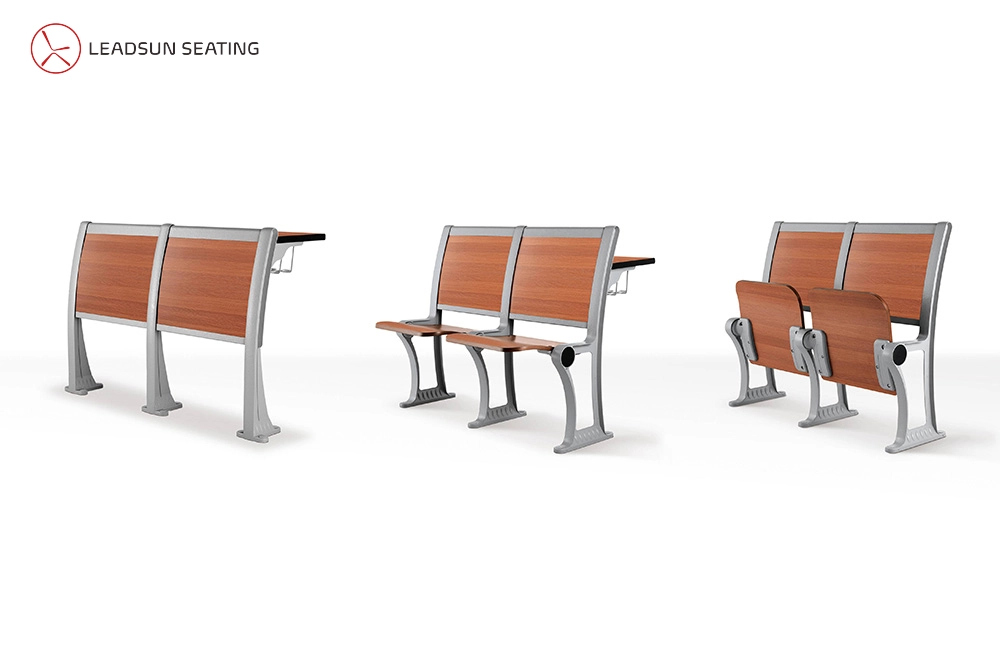
LS-908 Series Fixed Public Auditorium Chair or Tiered Classroom Solutions by Leadsun Seating
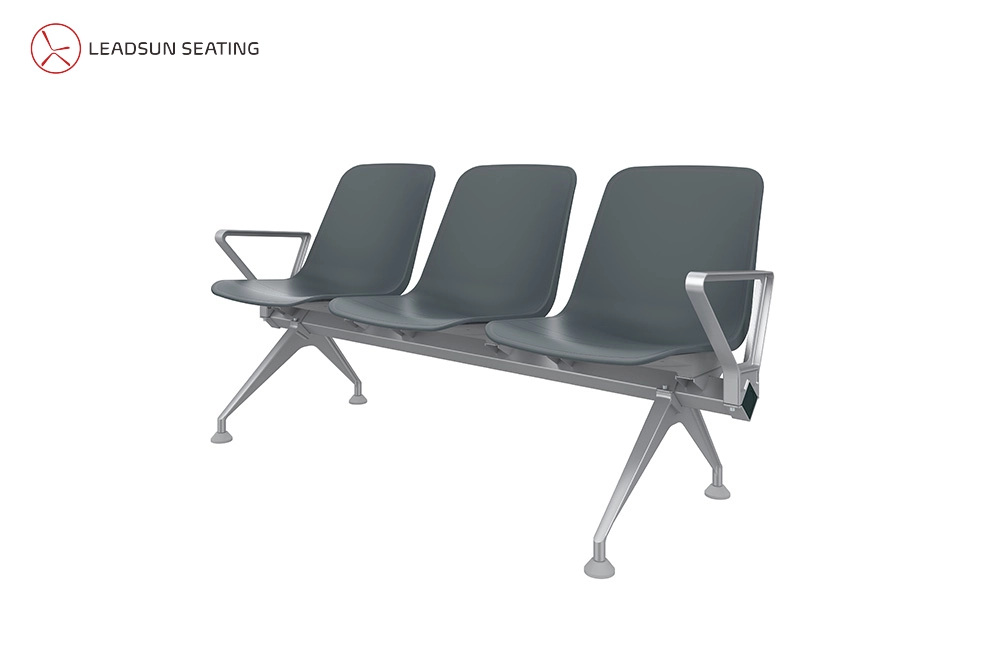
LS-550 Comfortable and Durable Waiting Chair | Customizable Waiting Chair Supplier Leadsun Seating
The LS-550 waiting chair from Leadsun offers superior comfort and durability for any public place. Customize your seating with Leadsun, a leading customizable waiting chair supplier. Ideal for high-traffic areas, the LS-550 ensures lasting performance and style.
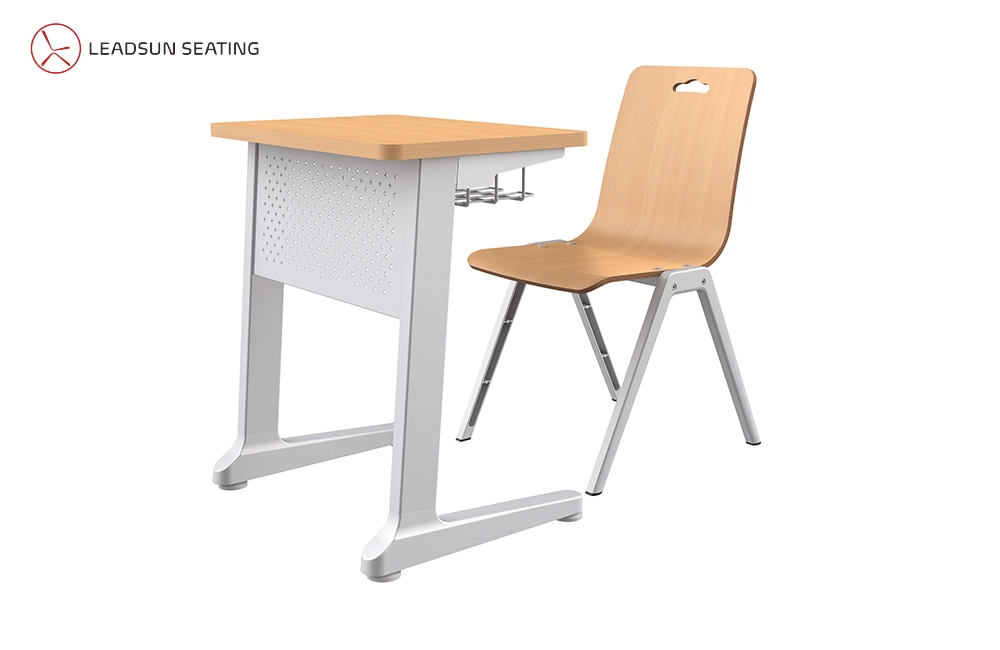
LS-9301 Single movable classroom chair |The Ultimate Flexible Solution for Modern Classrooms by Leadsun Seating
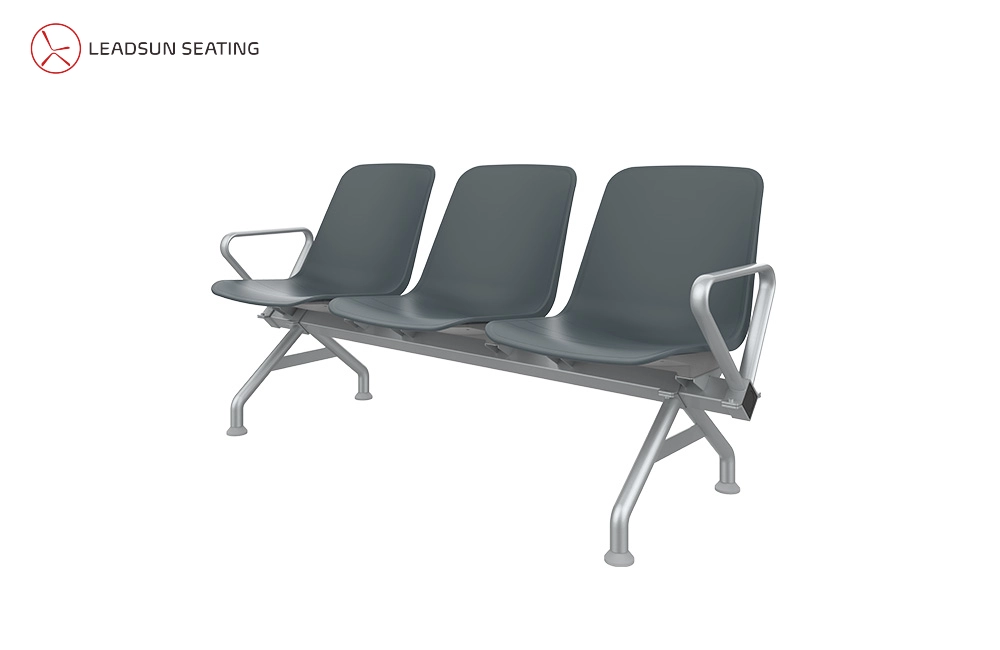
LS-551 Ergonomic Modular Waiting Chairs | Commercial Seating Solutions by Leadsun Seating
Ready for your public seating project?
We specialize in providing high-quality, customizable seating solutions for public spaces, and we are excited to assist you with your project.
Our professional team will quickly answer your questions and provide customized solutions to ensure you have a worry-free experience.

Leadsun Seating is also engaged in the design, development, production, and marketing of lightweight public seats in public places, with an annual output of desks and chairs.
 Scan QR Code