







Designing Inclusive Seating for Diverse Audiences
- Designing Inclusive Seating for Diverse Audiences
- The importance of an inclusive public chair strategy
- Understanding your audience: anthropometrics and diversity in public chair design
- Accessibility and compliance: meeting standards with your public chair selection
- Ergonomics and comfort: designing public chairs for extended and intermittent use
- Materials, durability, and maintenance: what to specify for high-traffic public chairs
- Space planning and sightlines: optimizing layout for lecture halls and other venues with public chairs
- Comparing seating types for public spaces: lecture hall seating, beam seating, tandem seating, and waiting chairs
- Inclusive procurement: lifecycle cost, customization, and OEM/ODM partnerships for public chairs
- Leadsun: High Quality Seating Solutions for Global Public Spaces Since 1998
- How to specify an inclusive public chair for your project — a practical checklist
- Frequently Asked Questions (FAQ)
- Q: What is the single most important feature of an inclusive public chair?
- Q: How many accessible seats should I include in a lecture hall?
- Q: Are beam seats better than individual chairs for airports?
- Q: How long should I expect a commercial public chair to last?
- Q: Can I get customized colors, logos or materials for public chairs?
- Contact us / View products
- References
Designing Inclusive Seating for Diverse Audiences
The importance of an inclusive public chair strategy
Public spaces—from lecture halls to airports, from clinic waiting rooms to municipal buildings—serve highly diverse populations. Designing seating that accommodates different body sizes, ages, mobility levels, cultural expectations, and use patterns is not only ethically necessary but also essential for safety, accessibility compliance, and long-term value. A thoughtful public chair strategy minimizes complaints, reduces maintenance costs, and improves user experience across demographic groups.
Understanding your audience: anthropometrics and diversity in public chair design
Designing inclusive seating starts with understanding who will use it. Anthropometric variation (height, weight, reach, hip width) and functional diversity (mobility aids, assistive devices) should inform seat dimensions, armrest heights, clearances, and transfer surfaces. Key design considerations include adequate seat width and depth ranges, appropriate seat heights for elderly and short-stature users, and enough clear floor space for wheelchairs and mobility devices.
Practical guidance: use percentile-based design ranges (5th to 95th percentile) when specifying seat width and depth; provide a mix of seating types (standard, bariatric, accessible) rather than a single-size-fits-all solution. For example, public chair row configurations in lecture halls should include accessible seating locations interspersed within rows and at different viewing angles to avoid segregation.
Accessibility and compliance: meeting standards with your public chair selection
Accessible seating is a regulatory requirement in many jurisdictions. The Americans with Disabilities Act (ADA) in the U.S., EN standards in Europe, and local accessibility codes define minimum clearances, transfer spaces, and accessible route requirements. For designers and procurement teams selecting a public chair, it’s critical to:
- Identify applicable local or national accessibility standards (e.g., ADA Standards for Accessible Design).
- Specify required wheelchair spaces, companion seating, and accessible viewing lines in assembly areas.
- Ensure armrests, finishes, and controls do not obstruct transfers or create hazards for mobility-impaired users.
Compliance is both legal protection and a baseline for inclusion; however, best practice goes beyond minimums—aim for universal design principles that make the space usable by as many people as possible without adaptation.
Ergonomics and comfort: designing public chairs for extended and intermittent use
Ergonomic design is key to user comfort, especially where people may be seated for long sessions (e.g., lectures) or in repeated short bursts (e.g., airport gates). Consider lumbar support, seat cushioning density, backrest angle, and edge shaping (to reduce pressure on the thighs). For public chair products, choose ergonomics that balance comfort and durability—high-resilience foam, contoured shells, and modular elements that can be serviced or replaced individually.
Remember that perceived comfort also comes from appropriate sightlines, armrest placement and spacing, and available personal space. In lecture halls, integration with fixed desks or foldaway tablet arms must consider elbow room and leg clearance; in waiting areas, armrests help people stand up safely.
Materials, durability, and maintenance: what to specify for high-traffic public chairs
Materials determine lifecycle cost. Contract-grade materials—solid steel frames, reinforced seat shells, commercial upholstery, anti-graffiti finishes—deliver longer service life and lower total cost of ownership. When specifying public chair finishes, prioritize:
- Durability standards (e.g., EN 16139 for strength and durability of non-domestic seating, BIFMA performance guidelines where applicable).
- Low-maintenance surfaces (stain-resistant textiles, powder-coated metal, replaceable seat panels).
- Fire safety and indoor air quality specifications per local code.
Maintenance planning is equally important: choose modular components that can be swapped out quickly (seat pads, armrests, hardware), and implement a maintenance schedule to extend useful life. This reduces downtime and long-term replacement costs for public chair fleets.
Space planning and sightlines: optimizing layout for lecture halls and other venues with public chairs
Good space planning ensures every seat supports the intended function of the space. For lecture halls, tiering and rake angles must provide unobstructed sightlines to the speaker and projection surfaces. For waiting areas and transportation hubs, circulation paths and wayfinding should be integrated with seating layouts to avoid congestion.
Key spatial principles:
- Provide accessible routes and distribute accessible seating throughout the space, rather than clustering them at the back or sides.
- Balance density (seat count) with comfort—overcrowding reduces satisfaction and can hinder emergency egress.
- Account for luggage or assistive equipment in airports and transit hubs; allow extra clearances around select public chair positions.
Comparing seating types for public spaces: lecture hall seating, beam seating, tandem seating, and waiting chairs
Different seating systems solve different problems. Below is a comparison table summarizing common trade-offs to help designers choose the right public chair type for their project.
| Seating Type | Best Use | Durability | Ergonomic Support | Maintenance | Notes |
|---|---|---|---|---|---|
| Lecture hall seating (fixed tiered) | Auditoria, lecture theaters | High | High (integrated desks, lumbar support) | Moderate (modular replacement possible) | Space-efficient; requires precise sightline planning |
| Beam seating | Airports, transit hubs, waiting areas | High | Medium (depends on shell/seat pads) | Low to moderate (replaceable pads) | Good for high turnover; scalable |
| Tandem seating | Medical waiting rooms, public offices | Medium | Medium | Moderate | Flexible arrangements for small to medium spaces |
| Individual waiting chairs | Small waiting areas, concierge desks | Variable | Variable (can be high for ergonomic models) | Variable (upholstery matters) | Easy to replace; offers more personalization |
Sources for the table: industry performance standards (EN 16139) and BIFMA guidance on durability and furniture selection (see References).
Inclusive procurement: lifecycle cost, customization, and OEM/ODM partnerships for public chairs
Tendering for public seating should evaluate more than unit price. Important procurement criteria include total cost of ownership (initial cost + maintenance + replacement), lead times, warranty terms, and vendor capabilities for customization and aftermarket support. For large projects such as airports or universities, partnering with a manufacturer who can provide OEM/ODM services, export logistics, and long-term spare parts availability reduces risk.
Specify warranty coverage for structural components and replaceable items. Request maintenance plans and spare parts availability in proposals. Where possible, request samples and lifecycle testing data (fatigue, load tests) to validate vendor claims.
Leadsun: High Quality Seating Solutions for Global Public Spaces Since 1998
Leadsun is a China-based manufacturer with over 25 years of experience delivering durable, ergonomically designed seating for demanding commercial environments worldwide. Our design and manufacturing expertise spans lecture hall seating, airport seating, waiting chairs, and ergonomic office chairs—tailored for function, longevity and comfort.
Core expertise & products:
- Lecture hall seating supplier: space-efficient, durable tiered seating with integrated desks and accessible options.
- Airport seating manufacturer: robust beam seating and gate chairs built for high traffic and easy maintenance.
- Ergonomic chair specialist: office and desk chairs designed for long-term well-being and productivity.
- Public waiting area seating: commercial-grade waiting chairs and tandem seating for clinics, offices, and transit hubs.
Why Leadsun?
- Durability & value: High Quality materials and rigorous testing ensure long service life and low lifetime cost.
- Ergonomic comfort: product designs prioritize user wellbeing for both extended and intermittent use.
- Global OEM/ODM partner: reliable bulk manufacturing, customization, and export logistics for B2B projects.
- Tailored solutions: deep experience across public spaces—airports, education, corporate and municipal projects.
Leadsun product highlights include: Lecture hall seating, Waiting Chair, Fixed desks and chair systems, Activity desks and chairs, Beam seating, Tandem seating, Airport Seating, Ergonomic Chairs, and Desk Chairs. Each product line is engineered for commercial performance, ease of maintenance, and configurable options to meet accessibility and aesthetic requirements.
How to specify an inclusive public chair for your project — a practical checklist
Use this checklist to translate design goals into procurement specifications:
- Define user profiles (percentage of elderly users, families, people with mobility aids).
- List regulatory requirements (ADA, local building codes, fire safety).
- Decide seating mix: percentage of accessible seats, standard seats, and specialty seats (bariatric or child-friendly).
- Set material and maintenance requirements (fire rating, upholstery specs, replaceable components).
- Request samples, test data (EN/BIFMA), and projected lifecycle costs from suppliers.
- Include spare parts and maintenance plan in the contract.
Frequently Asked Questions (FAQ)
Q: What is the single most important feature of an inclusive public chair?
A: Flexibility—seating that accommodates a wide range of body sizes and mobility needs (through a mix of seat sizes, accessible positions, and supportive ergonomics) offers the greatest inclusivity for public spaces.
Q: How many accessible seats should I include in a lecture hall?
A: Minimums are defined by local codes (e.g., ADA). Best practice is to disperse accessible seats throughout the hall and provide companion seating. Verify local code requirements and consider exceeding minimums when your user base includes many people with mobility needs.
Q: Are beam seats better than individual chairs for airports?
A: Beam seating is space-efficient, durable, and easy to maintain—making it ideal for high-traffic areas. However, individual chairs offer greater flexibility and comfort options. Choose based on the intended user experience and maintenance capacity.
Q: How long should I expect a commercial public chair to last?
A: Lifespan varies by product and use intensity. Contract-grade seating typically lasts 7–15 years in high-traffic environments when properly maintained. Lifecycle depends on material quality, frequency of use, and maintenance practices.
Q: Can I get customized colors, logos or materials for public chairs?
A: Yes. Manufacturers that offer OEM/ODM services (such as Leadsun) can customize finishes, upholstery, branding and configurations. Ensure customization does not compromise key performance or safety specifications.
Contact us / View products
To discuss inclusive seating solutions or request samples and specifications, contact Leadsun’s project team. We provide tailored proposals, technical data sheets, and lifecycle cost analysis to support procurement decisions. Explore our lecture hall seating, waiting chairs, beam seating, tandem arrangements, airport seating and ergonomic chairs to find the right public chair solutions for your space.
References
- ADA Standards for Accessible Design (U.S. Department of Justice / Access Board)
- EN 16139:2013 — Furniture — Strength, durability and safety — Requirements for non-domestic seating (CEN)
- BIFMA (Business and Institutional Furniture Manufacturers Association) guidance and performance standards
- World Health Organization. World Report on Ageing and Health (2015) — demographic context for inclusive design
- Industry publications on furniture lifecycle and facilities management (FacilitiesNet and BIFMA resources)
Leadsun Best professional customer waiting chair manufacturers and supplier brands
Leadsun Best professional china infusion public chair factories manufacturers and supplier brands
Wholesale 3 seater waiting chair manufacturer and supplier in us
Customizing airport chairs: branding and upholstery tips
One Stop Airport Terminal Seating
How does the seat design ensure passenger comfort?
The solution adopts ergonomic design principles. We optimize seat curves, backrest angles, and seat surface materials to effectively relieve the fatigue of passengers during long waits.
What does the after-sales service include?
Our after-sales service covers daily maintenance guidance, regular inspections, fault repairs, and component replacements. Our professional after-sales team is available 24/7 to ensure the long-term stable operation of the seats.
Are there any successful cases we can refer to?
We’ve provided services to numerous international and major domestic airports. We can offer detailed case materials, on-site photos, and client testimonials, so you can get a clear understanding of the solution’s effectiveness.
FAQs
What materials are used in the production of your public seating?
We use a variety of durable materials such as stainless steel, aluminum, wood, high-quality upholstery, and advanced polymers to ensure that our seating solutions are both functional and long-lasting.
Are your products compliant with safety and accessibility standards?
-
Absolutely. All of our seating solutions comply with relevant safety regulations and accessibility standards, ensuring comfort and safety for all users, including those with special needs.
-
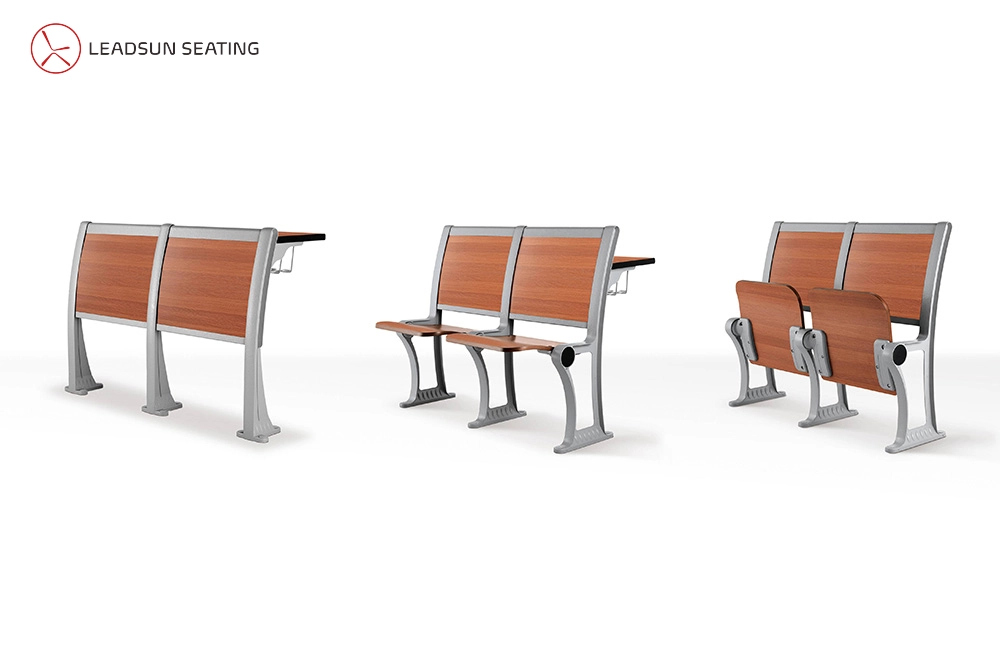
LS-908 Series Fixed Public Auditorium Chair or Tiered Classroom Solutions by Leadsun Seating
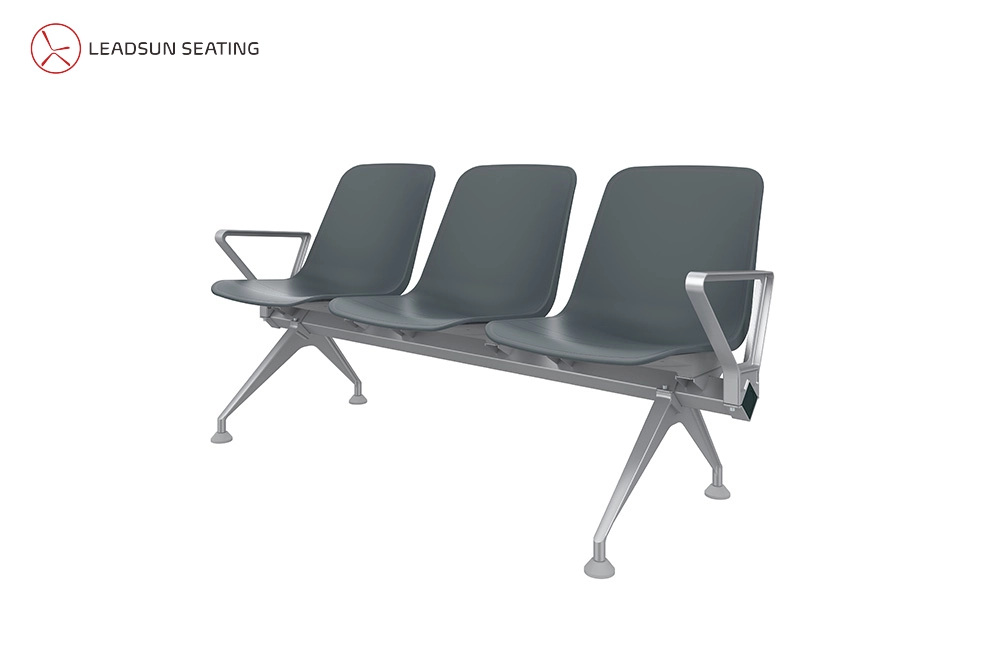
LS-550 Comfortable and Durable Waiting Chair | Customizable Waiting Chair Supplier Leadsun Seating
The LS-550 waiting chair from Leadsun offers superior comfort and durability for any public place. Customize your seating with Leadsun, a leading customizable waiting chair supplier. Ideal for high-traffic areas, the LS-550 ensures lasting performance and style.
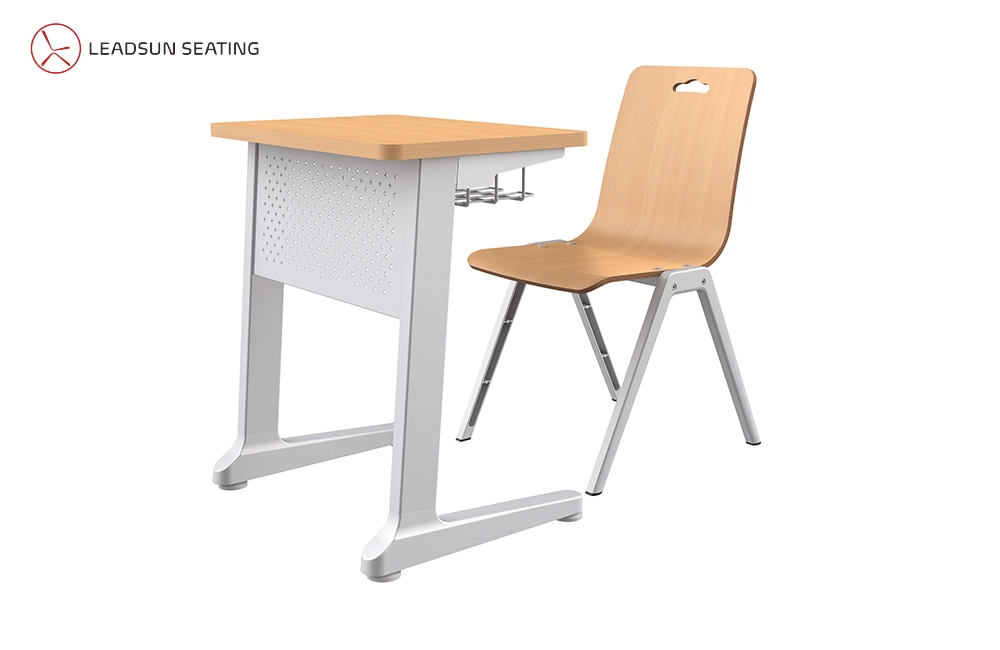
LS-9301 Single movable classroom chair |The Ultimate Flexible Solution for Modern Classrooms by Leadsun Seating
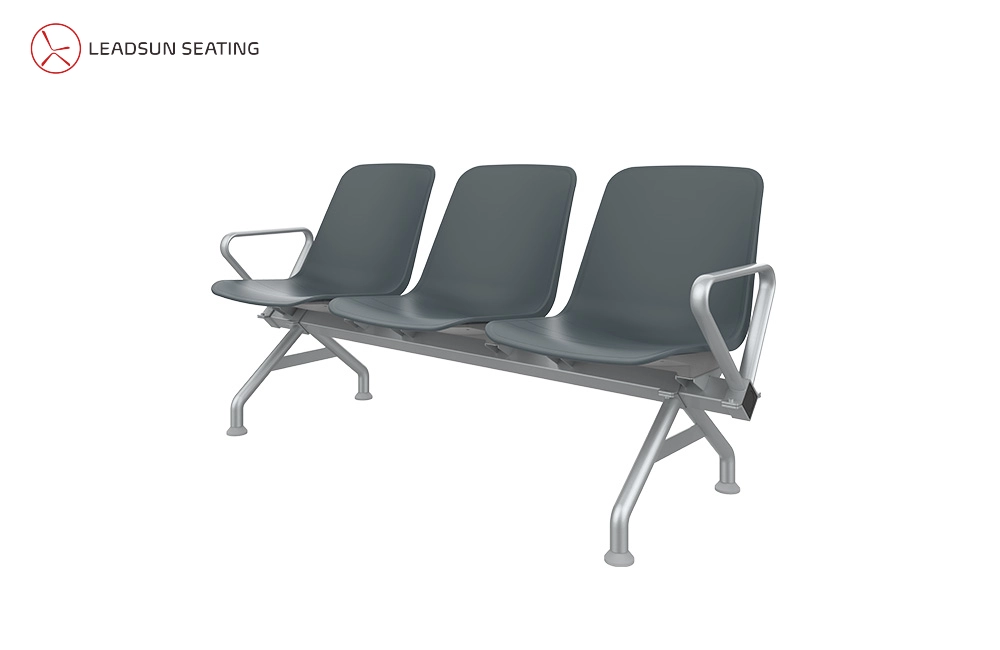
LS-551 Ergonomic Modular Waiting Chairs | Commercial Seating Solutions by Leadsun Seating

Leadsun Seating is also engaged in the design, development, production, and marketing of lightweight public seats in public places, with an annual output of desks and chairs.
 Scan QR Code