







Κατασκευαστές και προμηθευτές προσαρμοσμένων αλουμινένιων καρεκλών δημόσιας χρήσης στις ΗΠΑ
- Εισαγωγή: Γιατί να επιλέξετε μια ειδικά σχεδιασμένη καρέκλα αλουμινίου για δημόσιους χώρους;
- — αγοράστε αλουμινένια δημόσια καρέκλα
- Κατανόηση του αλουμινίου: πλεονεκτήματα υλικών για δημόσια καθίσματα
- Ελαφρύ, ανθεκτικό και ανθεκτικό — πλεονεκτήματα καρέκλας δημόσιας καρέκλας αλουμινίου
- Βιωσιμότητα και αξία κύκλου ζωής των καρεκλών αλουμινίου
- Ανακυκλωσιμότητα και εξοικονόμηση ενέργειας με αλουμινένια καθίσματα για το κοινό
- Κοινές διαδικασίες κατασκευής για προσαρμοσμένες αλουμινένιες δημόσιες καρέκλες
- Επιλογές χύτευσης, διέλασης και κατασκευής για προσαρμογή
- Συμμόρφωση, ασφάλεια και πρότυπα για τις δημόσιες θέσεις
- Τήρηση των κανονισμών BIFMA, ADA και των τοπικών κανονισμών κατά την αγορά αλουμινένιων δημόσιων καρεκλών
- Επιλογές προσαρμογής που ζητούν συνήθως οι αγοραστές
- Φινίρισμα, ταπετσαρίες, αρθρωτές διατάξεις και επωνυμία
- Παράγοντες κόστους για προσαρμοσμένες αλουμινένιες δημόσιες καρέκλες
- Πώς το υλικό, η ελάχιστη ποσότητα (MOQ) και τα εργαλεία επηρεάζουν την τιμολόγηση
- Σύγκριση προμηθειών: Κατασκευαστές από τις ΗΠΑ έναντι Κινέζων/συνεργατών OEM όπως η Leadsun
- Εμπορική σύγκριση για διαχειριστές προμηθειών
- Γιατί οι διεθνείς προμήθειες εξακολουθούν να έχουν νόημα για πολλά αμερικανικά έργα
- Αποδοτικότητα κόστους και βαθιά εξειδίκευση στην OEM
- Πώς η Leadsun τοποθετείται ως παγκόσμιος συνεργάτης OEM/ODM
- Leadsun: Λύσεις καθισμάτων υψηλής ποιότητας από το 1998
- Πρακτική λίστα ελέγχου προμηθειών για την αγορά προσαρμοσμένων αλουμινένιων καρεκλών για δημόσιες καρέκλες, προσαρμοσμένες στις ανάγκες σας.
- Βήματα για την αξιολόγηση προμηθευτών και την εξασφάλιση της καλύτερης σύμβασης
- Ζητήματα σχεδιασμού και εργονομίας για δημόσια καθίσματα
- Ισορροπία ανθεκτικότητας και άνεσης χρήστη σε καρέκλες αλουμινίου
- Εγκατάσταση, συντήρηση και προγραμματισμός κόστους κύκλου ζωής
- Μείωση του συνολικού κόστους ιδιοκτησίας για αλουμινένιες δημόσιες καρέκλες
- Σύνοψη μελέτης περίπτωσης: Τυπική ροή εργασίας έργου για μια σειρά θέσεων σε αεροδρόμιο
- Από την ιδέα έως την εγκατάσταση — βήματα διαχειριζόμενης προμήθειας
- Συγκριτικά τεχνικά δεδομένα: αλουμίνιο vs χάλυβας για δημόσιες καρέκλες
- Ιδιότητες υλικών που επηρεάζουν την απόδοση των καθισμάτων
- Επιλογή προμηθευτή: πρακτικές κόκκινες και πράσινες σημαίες
- Τι να αναζητήσετε σε έναν αξιόπιστο προμηθευτή δημόσιων καρεκλών αλουμινίου
- Συμπέρασμα: Πώς να προχωρήσουμε με αυτοπεποίθηση
- Επιλέξτε με βάση τη συνολική αξία — όχι μόνο την αρχική τιμή
- Πηγές και αναφορές
- Επαληθευμένες πηγές που χρησιμοποιήθηκαν σε αυτό το άρθρο
- Συχνές ερωτήσεις
- Επικοινωνία/Επόμενα βήματα για ομάδες προμηθειών
- Πώς μπορεί η Leadsun να σας βοηθήσει με το επόμενο έργο σας για δημόσια καθίσματα;
Εισαγωγή: Γιατί να επιλέξετε μια ειδικά σχεδιασμένη καρέκλα αλουμινίου για δημόσιους χώρους;
— αγοράστε αλουμινένια δημόσια καρέκλα
Οι δημόσιοι χώροι — αεροδρόμια, αίθουσες διαλέξεων, χώροι αναμονής, κόμβοι μεταφορών — απαιτούν καθίσματα που εξισορροπούν την ανθεκτικότητα, τη χαμηλή συντήρηση, την άνεση του χρήστη και τον ελκυστικό σχεδιασμό. Μια ειδικά σχεδιασμένη καρέκλα δημόσιας χρήσης από αλουμίνιο είναι μια δημοφιλής εμπορική επιλογή επειδή συνδυάζει ελαφριά αντοχή, αντοχή στη διάβρωση και ανακυκλωσιμότητα. Αυτό το άρθρο βοηθά τους αγοραστές να εντοπίσουν αξιόπιστους κατασκευαστές και προμηθευτές ειδικά σχεδιασμένων καρεκλών δημόσιας χρήσης από αλουμίνιο στις ΗΠΑ, εξηγεί τεχνικές και εμπορικές παραμέτρους και δείχνει πώς η Leadsun υποστηρίζει παγκόσμια έργα ως έμπειρος συνεργάτης OEM/ODM.
Κατανόηση του αλουμινίου: πλεονεκτήματα υλικών για δημόσια καθίσματα
Ελαφρύ, ανθεκτικό και ανθεκτικό — πλεονεκτήματα καρέκλας δημόσιας καρέκλας αλουμινίου
Τα κράματα αλουμινίου έχουν πυκνότητα περίπου 2,7 g/cm³ σε σύγκριση με τα ~7,85 g/cm³ του χάλυβα, δίνονταςκαρέκλες αλουμινίουμια ευνοϊκή αναλογία αντοχής προς βάρος. Αυτό καθιστά τα εξαρτήματα αλουμινίου ευκολότερη την εγκατάσταση και την αναδιαμόρφωση σε δημόσιους χώρους υψηλής κυκλοφορίας. Το αλουμίνιο σχηματίζει επίσης ένα φυσικό στρώμα οξειδίου που βελτιώνει την αντοχή στη διάβρωση, μειώνοντας το μακροπρόθεσμο κόστος συντήρησης για εξωτερικούς χώρους ή περιβάλλοντα υψηλής υγρασίας.
Βιωσιμότητα και αξία κύκλου ζωής των καρεκλών αλουμινίου
Ανακυκλωσιμότητα και εξοικονόμηση ενέργειας με αλουμινένια καθίσματα για το κοινό
Το αλουμίνιο είναι εξαιρετικά ανακυκλώσιμο και μπορεί να υποβληθεί σε επανεπεξεργασία επανειλημμένα χωρίς να χάσει τις βασικές του ιδιότητες. Η ανακύκλωση αλουμινίου εξοικονομεί περίπου 90-95% της ενέργειας που απαιτείται για την παραγωγή πρωτογενούς αλουμινίου. Αυτό βελτιώνει το περιβαλλοντικό προφίλ του κύκλου ζωής των δημόσιων καρεκλών αλουμινίου και συχνά μειώνει το κόστος απόρριψης στο τέλος του κύκλου ζωής τους για τους αγοραστές του δημόσιου τομέα.
Κοινές διαδικασίες κατασκευής για προσαρμοσμένες αλουμινένιες δημόσιες καρέκλες
Επιλογές χύτευσης, διέλασης και κατασκευής για προσαρμογή
Οι κατασκευαστές συνήθως χρησιμοποιούν χυτά, εξωθήσεις ή κατασκευασμένα συγκροτήματα ανάλογα με το σχεδιασμό και τον όγκο. Οι εξωθήσεις είναι συνηθισμένες για γραμμικά στοιχεία όπως πλαίσια και υποβραχιόνια. Τα χυτά προσφέρουν σύνθετα σχήματα. Οι συγκολλημένες κατασκευές επιτρέπουν στιβαρές υποστηρίξεις υψηλού φορτίου. Οι επιφανειακές επεξεργασίες περιλαμβάνουν ανοδίωση, ηλεκτροστατική βαφή και επιστρώσεις ναυτικής ποιότητας για βελτιωμένη ανθεκτικότητα και αισθητική.
Συμμόρφωση, ασφάλεια και πρότυπα για τις δημόσιες θέσεις
Τήρηση των κανονισμών BIFMA, ADA και των τοπικών κανονισμών κατά την αγορά αλουμινένιων δημόσιων καρεκλών
Δημόσιες θέσειςθα πρέπει να πληρούν τα ισχύοντα πρότυπα αντοχής και προσβασιμότητας. Στις ΗΠΑ, τα πρότυπα BIFMA ισχύουν για πολλά προϊόντα καθισμάτων που καλύπτονται από συμβάσεις και οι κανονισμοί του ADA υπαγορεύουν διαμορφώσεις προσβάσιμων καθισμάτων σε δημόσια κτίρια. Επαληθεύστε ότι τα προϊόντα ή τα προσαρμοσμένα σχέδια ενός προμηθευτή συμμορφώνονται με τα σχετικά πρότυπα και ότι παρέχουν αναφορές δοκιμών ή πιστοποιήσεις τρίτων, κατόπιν αιτήματος.
Επιλογές προσαρμογής που ζητούν συνήθως οι αγοραστές
Φινίρισμα, ταπετσαρίες, αρθρωτές διατάξεις και επωνυμία
Οι ειδικά κατασκευασμένες αλουμινένιες καρέκλες για δημόσιους χώρους μπορούν να προσαρμοστούν ανάλογα με το φινίρισμα (ανοδιωμένο, ηλεκτροστατικά βαμμένο), το υλικό του καθίσματος (μέταλλο, κόντρα πλακέ, ταπετσαρία από αφρό), την ενσωματωμένη τροφοδοσία/USB, τις επιλογές υποβραχιόνιου και tablet, καθώς και τα αρθρωτά συστήματα δοκών για καθίσματα σε σειρά. Η επωνυμία — αντιστοίχιση χρωμάτων και λογότυπα με χάραξη με λέιζερ — ζητείται συχνά για αεροδρόμια και εταιρικούς χώρους αναμονής.
Παράγοντες κόστους για προσαρμοσμένες αλουμινένιες δημόσιες καρέκλες
Πώς το υλικό, η ελάχιστη ποσότητα (MOQ) και τα εργαλεία επηρεάζουν την τιμολόγηση
Οι βασικοί παράγοντες κόστους περιλαμβάνουν την επιλογή κράματος, το φινίρισμα της επιφάνειας, την πολυπλοκότητα της ταπετσαρίας, τις ελάχιστες ποσότητες παραγγελίας (MOQs) και τα εργαλεία για προσαρμοσμένα εξαρτήματα. Ενώ το αλουμίνιο μπορεί να έχει υψηλότερο κόστος υλικού από τον χάλυβα χαμηλής ποιότητας, η εξοικονόμηση κύκλου ζωής από την αντοχή στη διάβρωση, τη χαμηλότερη συντήρηση και την ανακυκλωσιμότητα συχνά δικαιολογεί την αρχική επένδυση σε δημόσιες εγκαταστάσεις.
Σύγκριση προμηθειών: Κατασκευαστές από τις ΗΠΑ έναντι Κινέζων/συνεργατών OEM όπως η Leadsun
Εμπορική σύγκριση για διαχειριστές προμηθειών
Η επιλογή μεταξύ ενός κατασκευαστή με έδρα τις ΗΠΑ και ενός συνεργάτη OEM/ODM στο εξωτερικό εξαρτάται από προτεραιότητες όπως ο χρόνος παράδοσης, το κόστος ανά μονάδα, το βάθος προσαρμογής και η εφοδιαστική. Ο παρακάτω πίνακας συνοψίζει τις τυπικές διαφορές που καθοδηγούν τις αποφάσεις προμηθειών.
| Κριτήρια | Κατασκευαστής των ΗΠΑ | Κίνα OEM/ODM (π.χ., Leadsun) |
|---|---|---|
| Κόστος μονάδας | Υψηλότερο ανά μονάδα· χαμηλότερος κίνδυνος αποστολής | Γενικά χαμηλότερα ανά μονάδα σε κλίμακα |
| Χρόνος παράδοσης | Μικρότεροι χρόνοι παράδοσης στην εγχώρια αγορά· ταχύτερη δημιουργία πρωτοτύπων | Μεγαλύτεροι χρόνοι παραγωγής και διεθνούς αποστολής |
| Προσαρμογή | Υψηλό αλλά μπορεί να είναι πιο ακριβό | Υψηλή — Εξειδίκευση OEM/ODM· εμπειρογνωμοσύνη σε εργαλεία |
| MOQ | Χαμηλότερες MOQs είναι συχνά δυνατές | Υψηλότερες MOQ για ευνοϊκή τιμολόγηση |
| Ποιοτικός έλεγχος | Εύκολες επιθεωρήσεις από κοντά | Συνιστώνται ισχυρά προγράμματα ελέγχου ποιότητας και επιθεωρήσεις από τρίτους |
| Συμμόρφωση & Πιστοποίηση | Ευκολότερες τοπικές πιστοποιήσεις | Πρέπει να επαληθεύσει τη συμμόρφωση με τις εξαγωγές και τις αναφορές δοκιμών |
Γιατί οι διεθνείς προμήθειες εξακολουθούν να έχουν νόημα για πολλά αμερικανικά έργα
Αποδοτικότητα κόστους και βαθιά εξειδίκευση στην OEM
Για έργα μεγάλου όγκου κατασκευής δημόσιων καθισμάτων (τερματικοί σταθμοί, πανεπιστήμια, συστήματα μεταφορών), οι διεθνείς κατασκευαστές πρωτότυπου εξοπλισμού (OEM) όπως η Leadsun μπορούν να προσφέρουν σημαντικά πλεονεκτήματα κόστους μονάδας, προηγμένα εργαλεία και ιστορικό εγκαταστάσεων σε παγκόσμιο επίπεδο. Όταν συνδυάζεται με σχολαστικό ποιοτικό έλεγχο, διαφανή εφοδιαστική και συμφωνίες εγγύησης, η προμήθεια από το εξωτερικό αποτελεί συχνά μια ρεαλιστική επιλογή για αγοραστές του δημόσιου τομέα και του ιδιώτη που έχουν συνείδηση του προϋπολογισμού τους.
Πώς η Leadsun τοποθετείται ως παγκόσμιος συνεργάτης OEM/ODM
Leadsun: Λύσεις καθισμάτων υψηλής ποιότητας από το 1998
Η Leadsun, η οποία ιδρύθηκε το 1998 και εδρεύει στην Κίνα, προσφέρει πάνω από 25 χρόνια εμπειρίας στην κατασκευή στιβαρών επαγγελματικών καθισμάτων. Η βασική εξειδίκευση περιλαμβάνεικαθίσματα αεροδρομίου, εργονομικές καρέκλες γραφείου,καθίσματα στην αίθουσα διαλέξεωνκαι κοινό μεγάλου όγκουκαρέκλες χώρου αναμονήςΗ Leadsun παρέχει προσαρμογή OEM/ODM, αυστηρό ποιοτικό έλεγχο, ανταγωνιστικές τιμές και logistics εξαγωγών προσαρμοσμένα σε πελάτες B2B παγκοσμίως.
Πρακτική λίστα ελέγχου προμηθειών για την αγορά προσαρμοσμένων αλουμινένιων καρεκλών για δημόσιες καρέκλες, προσαρμοσμένες στις ανάγκες σας.
Βήματα για την αξιολόγηση προμηθευτών και την εξασφάλιση της καλύτερης σύμβασης
Χρησιμοποιήστε αυτήν τη λίστα ελέγχου αγοραστή κατά την αξιολόγηση προμηθευτών: ζητήστε προδιαγραφές υλικών και ποιότητες κραμάτων· ζητήστε αναφορές δοκιμών και αποδεικτικά στοιχεία συμμόρφωσης με τους κανονισμούς BIFMA/ADA· ελέγξτε δείγματα φινιρίσματος και ταπετσαρίας· επιβεβαιώστε την MOQ και τις χρεώσεις εργαλείων· επαληθεύστε τους χρόνους παράδοσης, τους όρους αποστολής και την εγγύηση· και απαιτήστε έλεγχο από τρίτους (πριν από την αποστολή) για μεγάλες παραγγελίες.
Ζητήματα σχεδιασμού και εργονομίας για δημόσια καθίσματα
Ισορροπία ανθεκτικότητας και άνεσης χρήστη σε καρέκλες αλουμινίου
Τα πλαίσια αλουμινίου παρέχουν μια σταθερή ραχοκοκαλιά για εργονομικά κελύφη καθισμάτων και μαξιλάρια. Λάβετε υπόψη το περίγραμμα του καθίσματος, την υποστήριξη της οσφυϊκής χώρας, το ύψος των υποβραχιόνιων και την απόσταση μεταξύ τους για συμμόρφωση με τον Οδηγό ADA. Όταν καθορίζετε ταπετσαρισμένα καθίσματα, επιλέξτε αφρό υψηλής ανθεκτικότητας και ανθεκτικά υφάσματα ή βινύλιο με πιστοποίηση για χρήση σε συμβατικές συνθήκες υψηλής κυκλοφορίας για ελαχιστοποίηση της φθοράς.
Εγκατάσταση, συντήρηση και προγραμματισμός κόστους κύκλου ζωής
Μείωση του συνολικού κόστους ιδιοκτησίας για αλουμινένιες δημόσιες καρέκλες
Σχεδιάστε αγκύρια εγκατάστασης, αρθρωτή κατασκευή για ευκολότερη αντικατάσταση και απλές διαδικασίες συντήρησης. Η αντοχή του αλουμινίου στη διάβρωση μειώνει την ανάγκη για επαναβαφή και δομικές επισκευές. Ζητήστε έναν οδηγό συντήρησης από τους προμηθευτές και συγκρίνετε το προβλεπόμενο κόστος διάρκειας ζωής αντί μόνο για την αρχική τιμή.
Σύνοψη μελέτης περίπτωσης: Τυπική ροή εργασίας έργου για μια σειρά θέσεων σε αεροδρόμιο
Από την ιδέα έως την εγκατάσταση — βήματα διαχειριζόμενης προμήθειας
Τυπική ροή εργασίας: 1) Σύνοψη έργου και σχηματικό σχέδιο καθισμάτων· 2) Έγκριση δείγματος (φινίρισμα σκελετού, ταπετσαρία καθίσματος)· 3) Πρωτότυπο και δομική δοκιμή· 4) Παραγωγή με έλεγχο ποιότητας σε σειρά και επιθεώρηση πριν από την αποστολή· 5) Logistics, εκτελωνισμός και εγκατάσταση επί τόπου. Συνεργάτες όπως η Leadsun μπορούν να συντονίσουν την παγκόσμια logistics και να παρέχουν υποστήριξη μετά την πώληση.
Συγκριτικά τεχνικά δεδομένα: αλουμίνιο vs χάλυβας για δημόσιες καρέκλες
Ιδιότητες υλικών που επηρεάζουν την απόδοση των καθισμάτων
| Ιδιοκτησία | Αλουμίνιο | Ατσάλι |
|---|---|---|
| Πυκνότητα | ~2,70 g/cm³ (ελαφρύ) | ~7,85 g/cm³ (βαρύτερο) |
| Αντίσταση στη διάβρωση | Καλό (στρώμα φυσικού οξειδίου· ανοδίωση για καλύτερο αποτέλεσμα) | Μεταβλητή (ανοξείδωτο αγαθό· ανθρακούχος χάλυβας χρειάζεται επίστρωση) |
| Ανακυκλωσιμότητα | Εξαιρετικό (υψηλή εξοικονόμηση ενέργειας όταν ανακυκλώνεται) | Εξαιρετικό (ανακυκλώνεται ευρέως) |
| Κόστος (υλικό) | Συχνά υψηλότερο ανά κιλό από τον μαλακό χάλυβα | Συνήθως χαμηλότερο ανά κιλό (αλλά βαρύτερο) |
Επιλογή προμηθευτή: πρακτικές κόκκινες και πράσινες σημαίες
Τι να αναζητήσετε σε έναν αξιόπιστο προμηθευτή δημόσιων καρεκλών αλουμινίου
Πράσινες σημαίες: τεκμηριωμένες αναφορές έργων, πιστοποιήσεις δοκιμών υλικών, σαφείς διαδικασίες ποιοτικού ελέγχου (QC), όροι εγγύησης και υποστήριξη σχεδιασμού με δυνατότητα προσαρμογής. Κόκκινες σημαίες: έλλειψη διαθεσιμότητας δειγμάτων, ασαφείς λεπτομέρειες υλικών, μη δυνατότητα παροχής αναφορών δοκιμών ή απροθυμία να επιτραπεί η επιθεώρηση ή ο έλεγχος του εργοστασίου από τρίτους.
Συμπέρασμα: Πώς να προχωρήσουμε με αυτοπεποίθηση
Επιλέξτε με βάση τη συνολική αξία — όχι μόνο την αρχική τιμή
Η αγορά προσαρμοσμένων αλουμινένιων καρεκλών για δημόσιες υπηρεσίες απαιτεί ισορροπία μεταξύ γνώσης υλικών, ελέγχου προμηθευτών και ανάλυσης κόστους κύκλου ζωής. Για έργα μεγάλου όγκου ή υψηλής προσαρμογής, η συνεργασία με έναν έμπειρο OEM/ODM όπως η Leadsun μπορεί να προσφέρει τεχνογνωσία σχεδιασμού, αξιόπιστη κατασκευή και ανταγωνιστικές τιμές, διατηρώντας παράλληλα τη συμμόρφωση και τον ποιοτικό έλεγχο. Για μικρότερα ή επείγοντα έργα, ένας τοπικός προμηθευτής από τις ΗΠΑ μπορεί να προσφέρει ταχύτερη παράδοση. Χρησιμοποιήστε τη λίστα ελέγχου σε αυτόν τον οδηγό και ζητήστε πρωτότυπα και τεκμηρίωση δοκιμών πριν δεσμευτείτε για μεγάλες παραγγελίες.
Πηγές και αναφορές
Επαληθευμένες πηγές που χρησιμοποιήθηκαν σε αυτό το άρθρο
- Britannica — «Αλουμίνιο» (ιδιότητες και πυκνότητα υλικών). Πηγή: https://www.britannica.com/science/aluminium (Πρόσβαση τον Ιούνιο του 2024)
- The Aluminum Association — Πληροφορίες για την ανακύκλωση και τη βιωσιμότητα (εξοικονόμηση ενέργειας από την ανακύκλωση). Πηγή: https://www.aluminum.org/ (Πρόσβαση τον Ιούνιο του 2024)
- BIFMA — Επισκόπηση προτύπων απόδοσης εμπορικών επίπλων. Πηγή: https://www.bifma.org/ (Πρόσβαση τον Ιούνιο του 2024)
- ADA.gov — Απαιτήσεις προσβασιμότητας για θέσεις σε δημόσιους χώρους. Πηγή: https://www.ada.gov/ (Πρόσβαση τον Ιούνιο του 2024)
Συχνές ερωτήσεις
Ε: Πόσο καιρό θα διαρκέσει συνήθως μια δημόσια καρέκλα αλουμινίου σε ένα πολυσύχναστο αεροδρόμιο;Α: Με κατάλληλο φινίρισμα (ανοδιωμένο ή υψηλής ποιότητας ηλεκτροστατική βαφή) και τακτική συντήρηση, οι αλουμινένιες δημόσιες καρέκλες μπορούν να παρέχουν 10–20+ χρόνια λειτουργίας σε εσωτερικούς χώρους αεροδρομίων. Οι εξωτερικές ή οι παράκτιες εγκαταστάσεις σε αντίξοες συνθήκες ενδέχεται να χρειάζονται επιστρώσεις ναυτιλιακών προδιαγραφών και πιο συχνή επιθεώρηση.
Ε: Ποιοι είναι οι τυπικοί χρόνοι παράδοσης για παραγγελίες προσαρμοσμένων αλουμινένιων καρεκλών για δημόσιες καρέκλες;Α: Οι χρόνοι παράδοσης ποικίλλουν ανάλογα με τον προμηθευτή και το μέγεθος της παραγγελίας. Για την κατασκευή πρωτοτύπων και τις μικρές παραγγελίες, οι εγχώριοι προμηθευτές ενδέχεται να παραδώσουν σε 6-12 εβδομάδες. Για παραγωγή μεγάλου όγκου κατά παραγγελία από έμπειρους κατασκευαστές πρωτότυπου εξοπλισμού (OEM), η παραγωγή συν τη διεθνή αποστολή μπορεί να διαρκέσει 12-20 εβδομάδες. Μερικές φορές διατίθενται επιταχυνόμενες επιλογές με υψηλότερο κόστος.
Ε: Είναι επικίνδυνο να προμηθευτώ αλουμινένιες καρέκλες για δημόσιες καρέκλες από έναν κατασκευαστή του εξωτερικού;Α: Η προμήθεια από το εξωτερικό προσθέτει βήματα: επαλήθευση διαδικασιών ποιοτικού ελέγχου, διευθέτηση επιθεώρησης από τρίτους και διαχείριση εφοδιαστικής. Ο κίνδυνος μετριάζεται με τον έλεγχο αναφορών, την απαίτηση εκθέσεων δοκιμών, τη διαπραγμάτευση εγγυήσεων και την αξιοποίηση υπηρεσιών επιθεώρησης πριν από την αποστολή.
Ε: Μπορώ να ζητήσω διαμορφώσεις συμβατές με τον ADA από έναν OEM όπως η Leadsun;Α: Ναι. Οι αξιόπιστοι συνεργάτες OEM/ODM παρέχουν υποστήριξη σχεδιασμού για την κάλυψη των απαιτήσεων ADA και των τοπικών απαιτήσεων προσβασιμότητας στο πλαίσιο των υπηρεσιών προσαρμογής τους. Να ζητάτε πάντα τεκμηριωμένη συμμόρφωση και επαλήθευση διάταξης κατά την αναθεώρηση του σχεδιασμού.
Ε: Οι καρέκλες αλουμινίου κοστίζουν περισσότερο από τις καρέκλες από χάλυβα καθ' όλη τη διάρκεια ζωής τους;Α: Το αρχικό κόστος υλικών μπορεί να είναι υψηλότερο για το αλουμίνιο, αλλά το κόστος κύκλου ζωής (συντήρηση, επαναβαφή, επισκευή από διάβρωση, κόστος χειρισμού που σχετίζεται με το βάρος) συχνά καθιστά το αλουμίνιο μια πιο οικονομική επιλογή για πολλές εγκαταστάσεις σε δημόσιους χώρους.
Επικοινωνία/Επόμενα βήματα για ομάδες προμηθειών
Πώς μπορεί η Leadsun να σας βοηθήσει με το επόμενο έργο σας για δημόσια καθίσματα;
Για προσφορές έργων, πρωτότυπα ή αξιολόγηση δειγμάτων, οι ομάδες προμηθειών θα πρέπει να προετοιμάζουν σχέδια καθισμάτων, αναμενόμενες ποσότητες, επιθυμητά φινιρίσματα και τυχόν απαιτήσεις συμμόρφωσης. Η Leadsun μπορεί να παρέχει λεπτομερείς προσφορές, πακέτα δειγμάτων, δεδομένα δομικών δοκιμών και να συντονίζει την παγκόσμια εφοδιαστική και την υποστήριξη μετά την πώληση για μεγάλα έργα.
Τάσεις σχεδιασμού: μοντέρνες καρέκλες αεροδρομίου για δημόσιους χώρους
Συντήρηση και καθαρισμός καθισμάτων Cappuccino Beam
Πτυσσόμενες καρέκλες εξοικονόμησης χώρου για αίθουσες διαλέξεων
Οι καλύτεροι κατασκευαστές και προμηθευτές καθισμάτων για αίθουσες διαλέξεων
Συχνές ερωτήσεις
Τι συντήρηση απαιτείται για τις λύσεις καθισμάτων σας;
Η απαιτούμενη συντήρηση εξαρτάται από το υλικό και τη θέση των καθισμάτων. Γενικά, συνιστάται τακτικός καθαρισμός και περιοδικοί έλεγχοι. Παρέχουμε οδηγίες συντήρησης με κάθε προϊόν για να διασφαλίσουμε τη μακροπρόθεσμη αντοχή του.
Ποιος είναι ο χρόνος παράδοσης για τις παραγγελίες καθισμάτων κατά παραγγελία;
Ο χρόνος παράδοσης για τις παραγγελίες καθισμάτων κατά παραγγελία ποικίλλει ανάλογα με την πολυπλοκότητα του σχεδίου και το μέγεθος της παραγγελίας. Συνήθως, η παραγωγή διαρκεί 4-6 εβδομάδες, με τους χρόνους αποστολής να εξαρτώνται από την τοποθεσία σας.
Θέσεις στάθμευσης στο τερματικό σταθμό του αεροδρομίου One Stop
Μπορείτε να παρέχετε εξατομικευμένη προσαρμογή καθισμάτων;
Υποστηρίζουμε ολοκληρωμένη προσαρμογή, συμπεριλαμβανομένων στυλ καθισμάτων, λειτουργικών μονάδων (όπως θύρες φόρτισης, ποτηροθήκες κ.λπ.), χρωματικών συνδυασμών, ακόμη και ενσωμάτωσης στοιχείων επωνυμίας αεροδρομίου για την ανάδειξη ενός μοναδικού στυλ.
Είναι τα υλικά του καθίσματος ανθεκτικά; Ποια είναι η διάρκεια ζωής;
Χρησιμοποιούμε υλικά υψηλής αντοχής, ανθεκτικά στη φθορά και εύκολα στον καθαρισμό, όπως υφάσματα ανθεκτικά στους λεκέδες και επιβραδυντικά φλόγας και σκελετούς από κράμα αλουμινίου που αντιστέκονται στη σκουριά. Υπό κανονική χρήση, τα καθίσματα μπορούν να διαρκέσουν 5 - 8 χρόνια.
Μπορεί η λύση να καλύψει τις ανάγκες αεροδρομίων διαφορετικών μεγεθών;
Είτε πρόκειται για ένα μικρό περιφερειακό αεροδρόμιο είτε για έναν μεγάλο διεθνή κόμβο, μπορούμε να προσαρμόσουμε τους τύπους καθισμάτων και τα σχέδια διάταξης ανάλογα με τη ροή επιβατών, το μέγεθος της περιοχής του τερματικού σταθμού και τη λειτουργική τοποθέτηση. Αυτό διασφαλίζει ότι καλύπτουμε με ευελιξία τις απαιτήσεις όλων των τύπων αεροδρομίων.
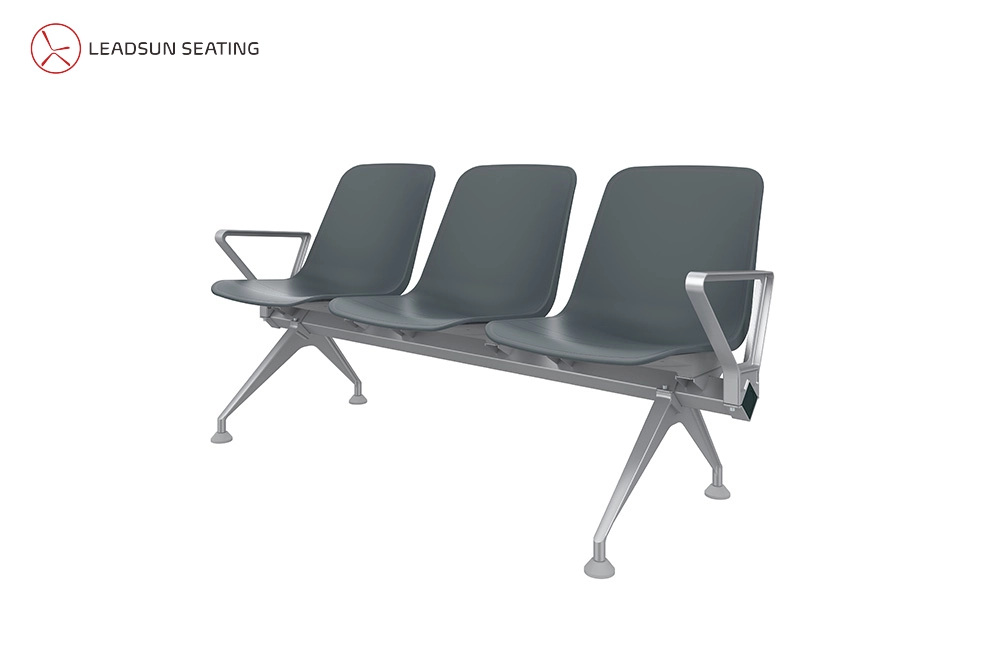
Άνετη και Ανθεκτική Καρέκλα Αναμονής LS-550 | Προμηθευτής Προσαρμόσιμων Καρεκλών Αναμονής Leadsun Seating
Η καρέκλα αναμονής LS-550 της Leadsun προσφέρει ανώτερη άνεση και ανθεκτικότητα για κάθε δημόσιο χώρο. Προσαρμόστε τα καθίσματά σας με την Leadsun, έναν κορυφαίο προμηθευτή καρεκλών αναμονής με δυνατότητα προσαρμογής. Ιδανική για χώρους με μεγάλη κυκλοφορία, η LS-550 εξασφαλίζει διαρκή απόδοση και στυλ.
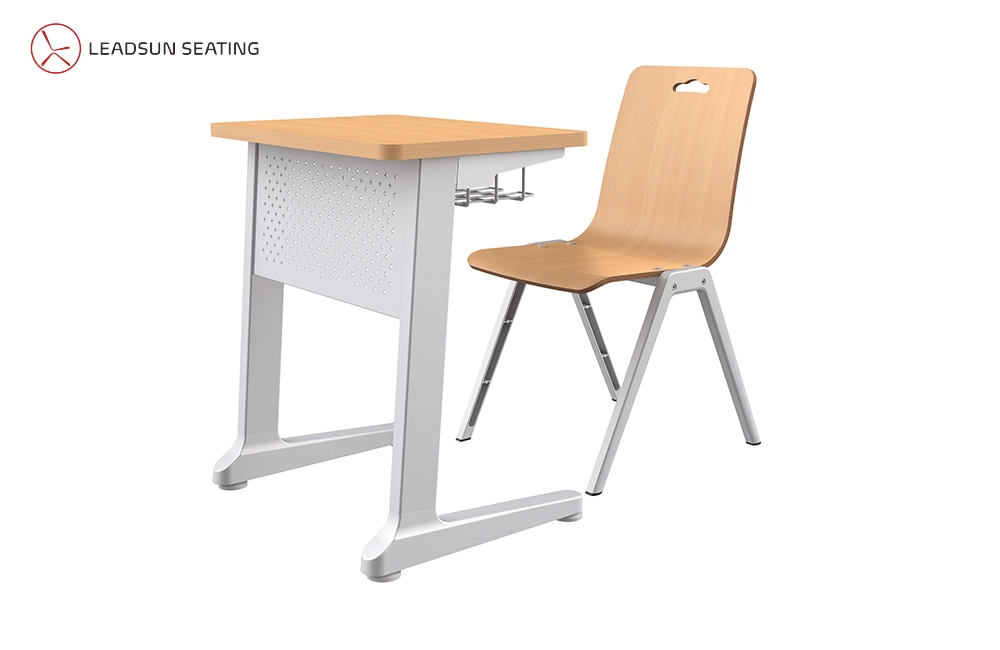
LS-9301 Μονή κινητή καρέκλα τάξης |Η απόλυτη ευέλικτη λύση για σύγχρονες τάξεις από την Leadsun Seating
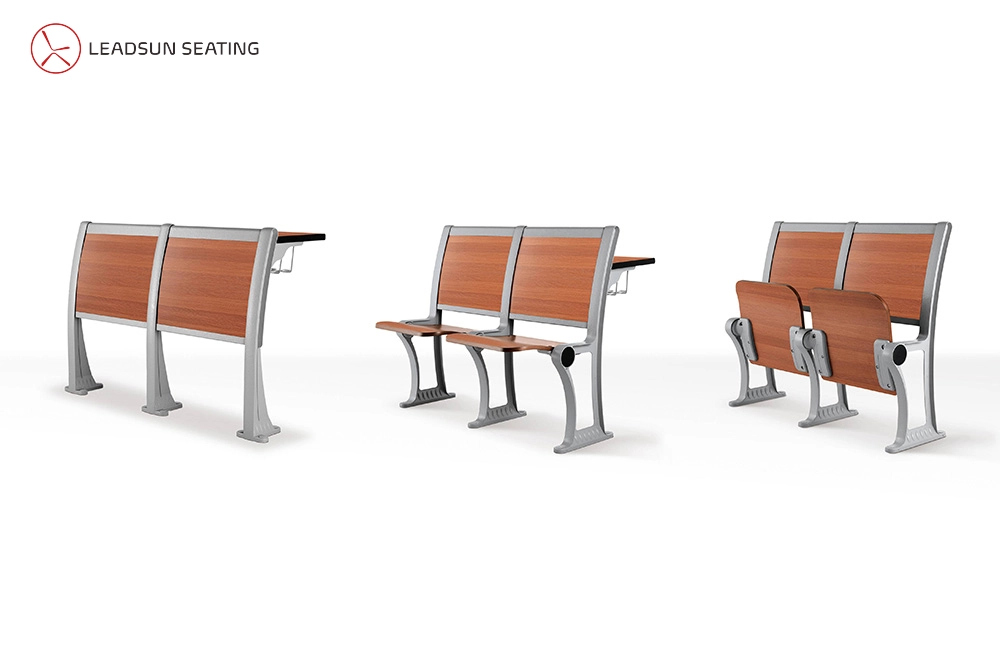
Σταθερή καρέκλα αμφιθεάτρου ή λύσεις κλιμακωτής τάξης σειράς LS-908 από την Leadsun Seating
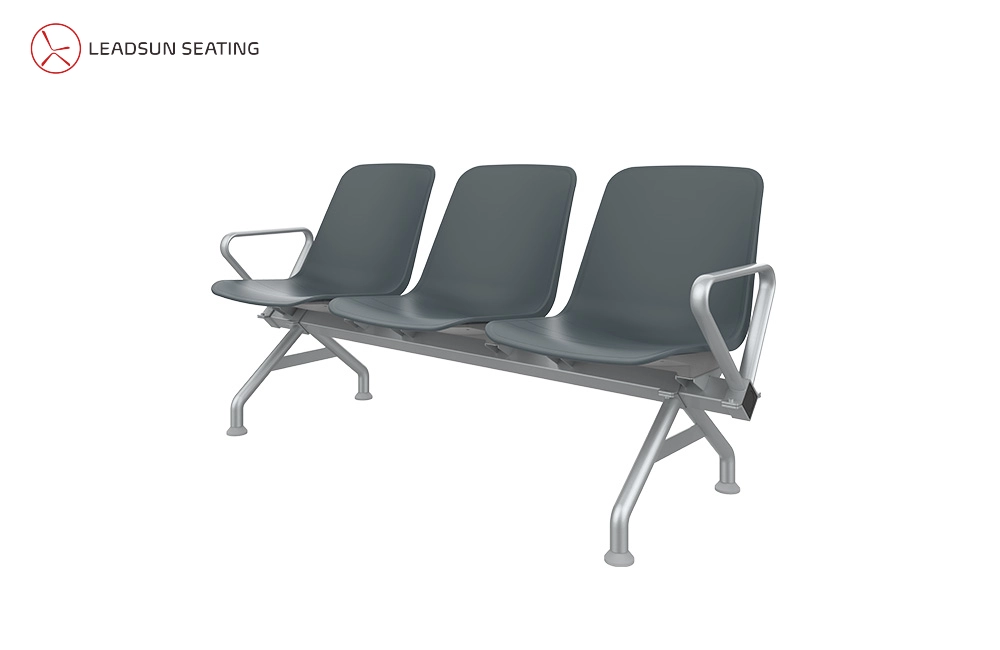
Εργονομικές καρέκλες αναμονής LS-551 | Εμπορικές λύσεις καθισμάτων από την Leadsun Seating

Η Leadsun Seating ασχολείται επίσης με το σχεδιασμό, την ανάπτυξη, την παραγωγή και την εμπορία ελαφρών καθισμάτων για δημόσιους χώρους, με ετήσια παραγωγή γραφείων και καρεκλών.
Πνευματικά δικαιώματα © 2025 LEADSUN SEATING Με επιφύλαξη παντός δικαιώματος.
 Σάρωση κωδικού QR