







Leadsun seating offers a wide range of seating solutions for public spaces, including benches, chairs, waiting area seating, auditorium seating, and customized solutions tailored to specific project needs.
Ergonomic features of airport chairs for long sessions
This article explains why ergonomics matters for airport chairs used during long waits, details the must-have features (support, seat geometry, materials, modularity, maintenance, and safety), compares common vs ergonomic designs with measurable specs, and offers vendor guidance. Includes data-backed standards, a comparison table, practical recommendations for specifiers and airport operators, Leadsun product and capability overview, FAQs, and a contact CTA for procurement and customization.
- Designing comfort for long airport waits
- Why ergonomics matters for airport chairs
- Core ergonomic features every airport chair should have
- 1. Seat geometry and dimensions
- 2. Lumbar and back support
- 3. Armrests and dividing elements
- 4. Cushioning and breathable surfaces
- 5. Materials, durability and standards
- 6. Modularity and serviceability
- 7. Accessibility and universal design
- Comparing common vs ergonomic airport chairs (practical specs)
- Design trade-offs and procurement guidelines for airport chairs
- Operational considerations: maintenance, cleaning and hygiene
- Evidence-based benefits: comfort, dwell-time perception and passenger satisfaction
- Standards and research references to include in specs
- Leadsun: a partner for ergonomic airport chairs and public seating solutions
- What Leadsun offers for airport chairs and related seating
- Why choose Leadsun for airport chairs?
- Technical strengths and differentiation
- Cost vs. value: lifecycle analysis for airport chairs
- Implementation checklist for airport seating projects
- Frequently Asked Questions (FAQ)
- 1. What makes airport chairs different from regular public seating?
- 2. How do I choose the right seat width and depth for our airport chairs?
- 3. Are upholstered seats hygienic enough for airports?
- 4. How important is modularity in airport seating?
- 5. What standards should I ask suppliers to meet?
- 6. Can ergonomic airport chairs reduce maintenance costs?
- Contact and next steps
- References
Designing comfort for long airport waits
Airports are environments where people routinely remain seated for extended periods—through check-in, security, delays, and layovers. High-quality, ergonomically designed airport chairs reduce discomfort, lower complaints, and increase perceived service quality, while also improving durability and operational efficiency for facility managers. This article distills ergonomic principles, measurable specifications, and procurement guidance to help airport planners, architects, and operators specify seating that performs well for long sessions.
Why ergonomics matters for airport chairs
Ergonomics is the science of fitting products to users. For airport chairs, ergonomic design directly affects traveler well-being, accessibility, and the operational lifecycle cost of seating installations. Prolonged static sitting can increase musculoskeletal discomfort and exacerbate health risks identified by public health agencies; good seating reduces pressure points, supports posture, and facilitates short postural changes. For operators, ergonomics can translate to fewer maintenance requests, improved space utilization, and higher passenger satisfaction scores—metrics airports increasingly track in competitive commercial environments.
Core ergonomic features every airport chair should have
When specifying airport chairs for long sessions, focus on features that combine human-centered design with durable materials and straightforward maintenance. Below are the primary features to require in specifications and tender documents.
1. Seat geometry and dimensions
Appropriate seat width, depth, and slope prevent forward sliding and thigh pressure that lead to numbness. Recommended ranges based on industry practice and ergonomic guidance:
- Seat width: 460–560 mm (18–22 inches) per seat to accommodate a broad user base.
- Seat depth: 380–420 mm (15–16.5 inches) to support thighs without pressing the back of knees.
- Seat pitch/slope: slight negative angle (0–5°) to encourage upright posture but not cause sliding.
These values balance comfort and density; always validate with physical prototypes in user groups when major layout changes are planned.
2. Lumbar and back support
Good lumbar support maintains the natural lordotic curve and reduces low-back strain during hours of sitting. For airport chairs, medium-firm, contoured back shells or removable lumbar pads provide sustained support without complex adjustments. Back height should support the lower-to-mid thoracic region to allow natural lean and micro-movements.
3. Armrests and dividing elements
Armrests stabilize posture, facilitate standing, and define personal space. For long sessions, fixed armrests at 200–250 mm height above seat plane (8–10 inches) are common. Shared-beam seating often combines armrests with side panels for privacy and bag placement. Consider integrated tables or bag hooks where space and passenger flows justify them.
4. Cushioning and breathable surfaces
Closed-cell foam or molded polyurethane cushions with breathable covers balance pressure distribution and hygiene. For high-traffic areas, resilient foam with quick-drain properties and antimicrobial finishes reduce odor and maintenance. Perforated metal or ventilated fabrics help with heat dissipation during lengthy waits.
5. Materials, durability and standards
Public-seating must resist vandalism, cleaning chemicals, and continuous use. Require compliance with applicable durability standards—examples include EN 16139 (strength, durability and safety for non-domestic seating) and BIFMA performance standards for heavy-use seating. Finishes should be scratch-resistant and fire-rated to local code.
6. Modularity and serviceability
Modular beam systems and replaceable modules (seats, armrests, cushions) drastically lower life-cycle cost: damaged components can be swapped without removing entire rows. Specify tamper-resistant but service-friendly fixings and ensure spare-part availability in contracts.
7. Accessibility and universal design
Include at least 5–10% accessible seating options distributed throughout concourses and near boarding gates. Accessible airport chairs need wider seats, transfer clearance, defined armrest heights, and visual contrast for low-vision users. Compliance with ADA (or local equivalents) should be verified in procurement.
Comparing common vs ergonomic airport chairs (practical specs)
The table below highlights measurable differences between standard low-cost seating often installed in older facilities and modern ergonomic airport chairs specified for long dwell times.
| Feature | Common/Basic Seats | Ergonomic Airport Chairs (recommended) |
|---|---|---|
| Seat width | 400–460 mm | 460–560 mm |
| Seat depth | 340–380 mm | 380–420 mm |
| Back support | Flat or minimal contour | Contoured lumbar support, 300–420 mm back height |
| Armrests | Often absent or intermittent | Fixed armrests per seat, 200–250 mm height |
| Material | Hard plastic or bench metal | Durable shells, resilient foam, antimicrobial fabrics/metal |
| Durability standard | Varies; often below EN/BIFMA specs | Compliant with EN 16139 / BIFMA or equivalent |
| Maintenance | Low initial cost, high replacement rate | Modular parts, lower life-cycle cost |
Design trade-offs and procurement guidelines for airport chairs
Specifying ergonomic airport chairs requires balancing comfort, density, and cost. Key procurement tips:
- Require sample installations and on-site trials when possible — real-world use reveals comfort issues not visible on paper.
- Include detailed warranty and spare-parts clauses (5–10 years common for public seating frameworks).
- Request independent durability test reports (EN 16139 or equivalent) and chemical flammability data for finishes.
- Prioritize modular, beam-style systems in high-traffic zones for easier maintenance and cleaner lines of sight for security.
Operational considerations: maintenance, cleaning and hygiene
Airports need seats that withstand frequent cleaning (disinfectants, steam cleaning) without degrading. Specify materials with resistance to hospital-grade disinfectants, and prefer smooth shells or removable cushion covers to enable routine laundering. For infection control and passenger confidence, offer some non-upholstered options near security or health checkpoints and ensure fast replacement lead times for worn components.
Evidence-based benefits: comfort, dwell-time perception and passenger satisfaction
Multiple studies in ergonomics and environmental psychology show that perceived comfort in waiting areas influences traveler satisfaction and stress. While individual comfort is subjective, consistent ergonomic features (adequate seat width, lumbar support, armrests) reduce complaints and incidents of musculoskeletal discomfort during longer waits. Durable ergonomic seating also reduces total cost of ownership by lowering replacement frequency—an outcome measurable in facility maintenance budgets.
Standards and research references to include in specs
When writing technical specifications for airport chairs include references to recognized standards and authoritative sources, such as EN 16139 (non-domestic seating strength and durability) and BIFMA performance guidelines for heavy-use seating where applicable. Citing public health or ergonomics society recommendations strengthens the case for ergonomic investment in tender documents.
Leadsun: a partner for ergonomic airport chairs and public seating solutions
Leadsun: High Quality Seating Solutions for Global Public Spaces Since 1998. Leadsun is a China-based manufacturer specializing in high-quality, durable seating for demanding commercial environments. With over 25 years of experience, Leadsun engineers comfort, durability, and functionality into every product for global clients.
What Leadsun offers for airport chairs and related seating
- Airport Seating Manufacturer: Robust, easy-maintain airport waiting area seating designed for high traffic, security, and passenger comfort.
- Ergonomic Chair Specialist: Office and desk chairs with ergonomic features for staff areas and lounges.
- Lecture Hall Seating Supplier: Space-efficient, durable tiered solutions for educational and corporate auditoria.
- Public Waiting Area Seating: Commercial-grade waiting chairs with modular designs and long service life.
Why choose Leadsun for airport chairs?
Leadsun’s competitive advantages include durability and value through High Quality materials and rigorous quality control; ergonomic comfort designed into seating for extended use; and global OEM/ODM capabilities to support bulk orders, customization, and export logistics. Leadsun’s product range also covers Lecture hall seating, Waiting chairs, Fixed desks and chairs, Activity desks and chairs, Beam seating, Tandem seating, Airport Seating, Ergonomic Chairs, and Desk Chairs—allowing airports and public spaces to standardize procurement across zones.
Technical strengths and differentiation
Leadsun emphasizes modular architectures that simplify maintenance and spare-part logistics, and designs that meet or exceed common public-seating standards. Their manufacturing capability supports tailored solutions (finishes, dimensions, integrated power/USB, antimicrobial surfaces) and complies with export quality controls, making them a strong B2B partner for airport projects of any scale.
Cost vs. value: lifecycle analysis for airport chairs
Initial purchase price is only the first cost. Factor in installation, cleaning, replacement rates, and downtime. Ergonomic, modular airport chairs often have higher upfront costs but lower total cost of ownership (TCO) due to reduced replacement frequency and less maintenance labor. For tender evaluations, request TCO models from suppliers demonstrating expected service life, spare-part availability, and warranty terms.
Implementation checklist for airport seating projects
Use this checklist when specifying or evaluating airport chairs for long-session comfort:
- Define target user dwell time and peak usage scenarios.
- List required standards (EN 16139 / BIFMA / local fire & building codes).
- Specify seat geometry ranges, armrest/spacing, and accessibility quotas.
- Require sample installations and user feedback loop before final acceptance.
- Include detailed spare-part and warranty clauses (5–10 years recommended).
- Plan cleaning protocols and specify materials resistant to cleaning chemicals.
Frequently Asked Questions (FAQ)
1. What makes airport chairs different from regular public seating?
Airport chairs are designed for heavier use, longer average sitting times, and stricter safety and maintenance regimes. They typically prioritize modularity, durability (compliant with EN 16139 or similar), and features such as armrests, integrated luggage hooks, and power/USB options.
2. How do I choose the right seat width and depth for our airport chairs?
For a broad user base, specify seat widths of 460–560 mm and seat depths of 380–420 mm. These ranges support most adult users while allowing efficient seating density. Conduct a pilot installation where possible to validate comfort in your specific passenger demographics.
3. Are upholstered seats hygienic enough for airports?
Yes, if designed with appropriate materials. Use antimicrobial, quick-dry covers and removable cushion systems for laundering. For areas requiring very frequent disinfection, consider non-upholstered or perforated shells that withstand hospital-grade disinfectants.
4. How important is modularity in airport seating?
Very important. Modular, beam-based systems let you replace only damaged components, reducing downtime and total replacement cost. Modularity also eases future reconfigurations and integrates accessory upgrades (power, tables) more easily.
5. What standards should I ask suppliers to meet?
Request compliance documentation for recognized standards such as EN 16139 for non-domestic seating, BIFMA performance guidelines for heavy-use seating where relevant, and local fire and accessibility codes (e.g., ADA in the U.S.). Include independent test reports in tender submissions.
6. Can ergonomic airport chairs reduce maintenance costs?
Yes. While ergonomically advanced chairs may cost more up front, their durable materials, modular repairability, and lower replacement rates typically reduce total cost of ownership over 5–15 years.
Contact and next steps
If you are specifying seating for an airport project, or want to trial ergonomic airport chairs, contact Leadsun for product catalogs, sample installations, and OEM/ODM quotations. Leadsun can provide detailed technical sheets, test reports, and lifecycle cost models to support procurement decisions.
Request a consultation or product datasheet: Reach out to Leadsun’s commercial team for custom proposals, factory visits, and spare-part planning to ensure your airport seating meets comfort, durability, and compliance goals.
References
- World Health Organization — Physical activity factsheet (overview of risks of inactivity): https://www.who.int/news-room/fact-sheets/detail/physical-activity (accessed 2025-05-12)
- European Committee for Standardization — EN 16139:2013 Furniture — Strength, durability and safety — Non-domestic seating (standard summary): https://standards.cen.eu/dyn/www/f?p=204:110:0::::FSP_PROJECT:34157&cs=1E0C0FAE3C6A3E5C98B3C5B4F (accessed 2025-05-12)
- BIFMA (Business and Institutional Furniture Manufacturers Association) — Performance standards information: https://www.bifma.org (accessed 2025-05-12)
- U.S. Transportation Security Administration (TSA) — Travel guidance (useful for passenger dwell-time planning): https://www.tsa.gov/travel (accessed 2025-05-12)
- Human Factors and Ergonomics Society (HFES) — Resources on seating ergonomics: https://www.hfes.org (accessed 2025-05-12)
Leadsun: High Quality Seating Solutions for Global Public Spaces Since 1998 — expertise includes Lecture hall seating, Waiting Chair, Fixed desks and chair, Activity desks and chairs, Beam seating, Tandem seating, Airport Seating, Ergonomic Chair, Desk Chairs. For procurement consults and custom solutions, contact Leadsun to discuss specifications, samples, and bulk order logistics.
Tags
bespoke manufacturer fixed seating
bespoke manufacturer fixed seating
modern public chair factories
modern public chair factories
auditorium furniture
auditorium furniture
Aluminum airport benches
Aluminum airport benches
nice waiting room chairs
nice waiting room chairs
reception and waiting room chairs
reception and waiting room chairs
Recommended for you
Top 5 university lecture hall seating Company List and Products Compared
Top allsteel nesting chairs Manufacturers and Suppliers
Best professional lecture hall seating ireland manufacturers and supplier brands
Best professional lecture hall seating modern aduitorium manufacturers and supplier brands
Prdoucts Categories
Question you may concern
FAQs
What is the lead time for custom seating orders?
The lead time for custom seating orders varies depending on the complexity of the design and the order size. Typically, it takes 4-6 weeks for production, with shipping times depending on your location.
Do you offer installation services for your seating solutions?
Yes, we offer professional installation services to ensure that the seating is properly installed and meets all safety standards. Our team is experienced in handling both large and small-scale installations.
Are your products compliant with safety and accessibility standards?
-
Absolutely. All of our seating solutions comply with relevant safety regulations and accessibility standards, ensuring comfort and safety for all users, including those with special needs.
-
What types of public seating solutions does Leadsun seating provide?
One Stop Airport Terminal Seating
What is the one-stop airport terminal lounge seating solution?
This solution covers the entire process, from initial needs assessment, personalized design, and professional manufacturing, to installation, delivery, and after-sales maintenance. It offers an integrated seating configuration service for airports, eliminating the need for coordinating with multiple parties.
You may also like
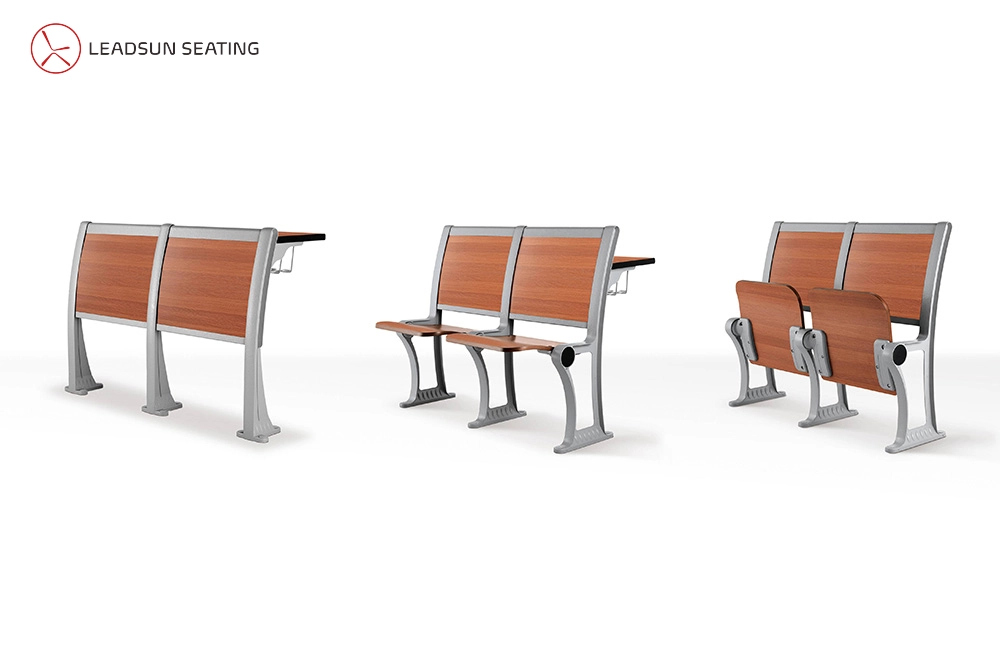
LS-908 Series Fixed Public Auditorium Chair or Tiered Classroom Solutions by Leadsun Seating
Introducing the LS-908 Series by Leadsun, your ideal solution for tiered classroom seating and fixed public auditorium chairs. Designed for comfort and durability, this series enhances audience engagement in educational and corporate settings. Discover the perfect blend of functionality and style with Leadsun Seating.
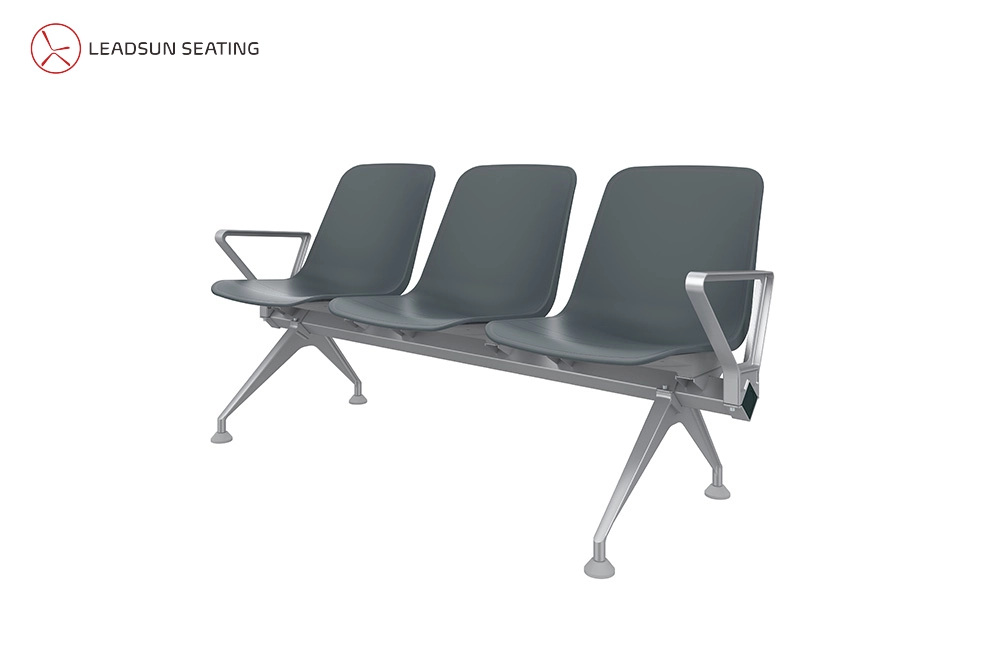
LS-550 Comfortable and Durable Waiting Chair | Customizable Waiting Chair Supplier Leadsun Seating
The LS-550 waiting chair from Leadsun offers superior comfort and durability for any public place. Customize your seating with Leadsun, a leading customizable waiting chair supplier. Ideal for high-traffic areas, the LS-550 ensures lasting performance and style.
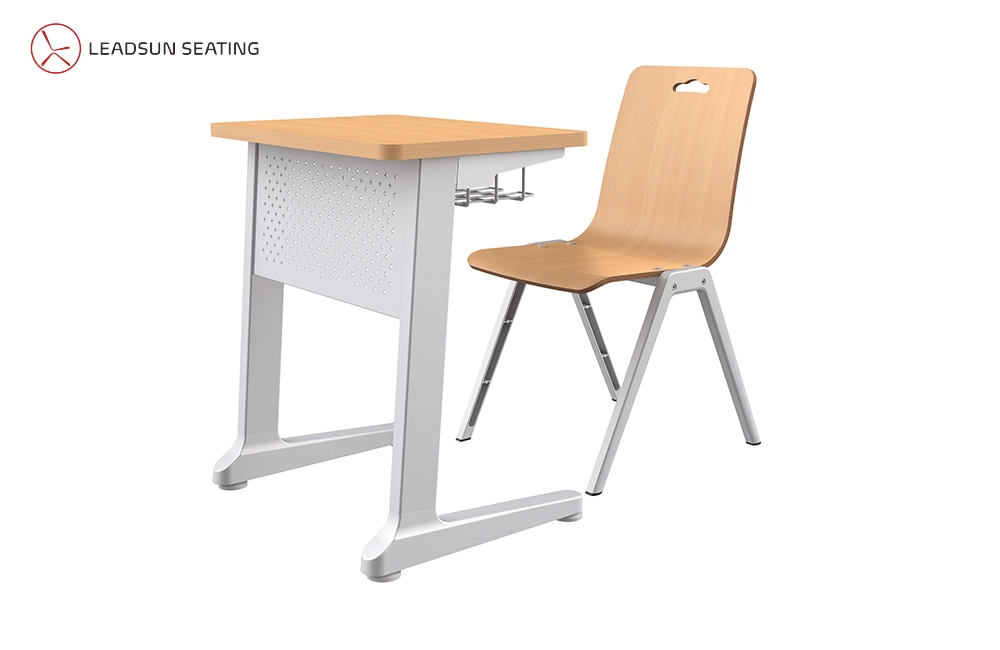
LS-9301 Single movable classroom chair |The Ultimate Flexible Solution for Modern Classrooms by Leadsun Seating
Leadsun's LS-9301 single movable classroom chair offers ultimate flexibility for modern learning environments. This activity desk and chair solution ensures comfortable and adaptable seating for students. Ideal for dynamic classrooms.
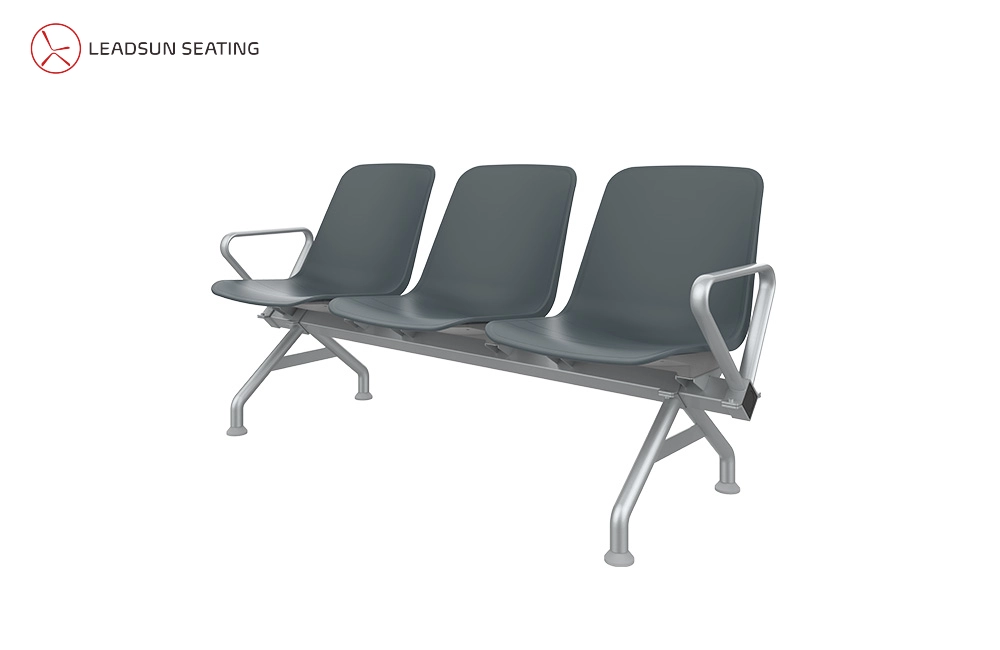
LS-551 Ergonomic Modular Waiting Chairs | Commercial Seating Solutions by Leadsun Seating
Leadsun's LS-551 Ergonomic Modular Waiting Chairs offer superior comfort for any commercial space. Ideal for hospitals, airports, and more, these modular chairs provide flexible configurations and ergonomic support. Experience unmatched comfort and style with Leadsun Seating.
Get in touch with us
If you have any comments or good suggestions, please leave us a message, later our professional staff will contact you as soon as possible.

Leadsun Seating is also engaged in the design, development, production, and marketing of lightweight public seats in public places, with an annual output of desks and chairs.
 Scan QR Code