







What ADA standards apply to waiting area chairs?
- 1. How do I size and arrange wheelchair clearances and companion seats in a small lecture hall without losing capacity?
- 2. Which specific ADA measurements apply to waiting area chairs and how do they vary between fixed and freestanding seating?
- 3. How to choose fabrics and finishes for waiting area chairs in high-traffic lecture halls while meeting fire and cleanability codes?
- 4. Can stackable waiting chairs be ADA-compliant and what installation details ensure compliance?
- 5. What testing standards (BIFMA/NFPA/ASTM) should I require from vendors when buying durable lecture hall seating?
- 6. How to integrate audiovisual, power and assistive listening features into lecture hall seating without violating ADA sightline and accessibility requirements?
- Conclusion: Advantages of choosing ADA-compliant, tested waiting area chairs and well-planned lecture hall seating
As seating specifiers and facility managers evaluate waiting area chairs and lecture hall seating, they face practical, code-driven and procurement challenges that generic guides don't address. Below are six focused, long‑tail questions beginners frequently search for but rarely find complete answers to. Each answer cites applicable standards and gives actionable design and procurement steps so you can buy ADA‑compliant, durable, and user-friendly seating.
1. How do I size and arrange wheelchair clearances and companion seats in a small lecture hall without losing capacity?
Problem: Small venues often assume accessible seating will dramatically reduce capacity. The solution lies in efficient layout and using accurate ADA clearances.
Key standards and dimensions: The 2010 ADA Standards for Accessible Design specify a minimum wheelchair clear floor space of 30 x 48 (762 x 1219 mm) for a single wheelchair (forward or parallel approach). Accessible routes between seating must generally be at least 36 (915 mm) wide; turning circles for maneuvering are typically 60 (1525 mm). Companion seating should be adjacent to wheelchair spaces and offer comparable sightlines.
Practical layout steps:
- Audit existing rows with a tape measure: identify 30 x 48 pockets that can be created by removing one or two fixed seats—often one seat can be replaced by a wheelchair space plus one adjacent companion seat.
- Disperse accessible locations across front, middle, and rear price lines to meet equity and sightline needs; ADA guidelines call for dispersion so wheelchair users have a choice of viewing locations.
- Use staggered or offset rows (if fixed seating) to minimize the number of removed seats per wheelchair location. For riser platforms, place wheelchair platforms where slope and guardrails allow safe transfers and clear routes.
- Consider removable or flip-up aisle seats with clear spaces behind them to create flexible wheelchair positions that preserve daily capacity.
Result: With careful planning you typically convert 1–2 fixed seats into a wheelchair location without a proportional loss in usable revenue seats, while meeting ADA clear space and sightline expectations. Always document changes and consult local code authorities if your venue is under a specific local accessibility ordinance.
2. Which specific ADA measurements apply to waiting area chairs and how do they vary between fixed and freestanding seating?
Problem: Procurement teams receive contradictory guidance about whether measurements differ for fixed benches versus freestanding waiting chairs.
Core ADA measurements (applicable to both types):
- Wheelchair clear floor space: minimum 30 x 48 (ADA 2010).
- Accessible route width: minimum 36 where not otherwise reduced by obstructions; ramps and slopes have separate rules (1:12 max slope for accessible ramps).
- Reach ranges: controls and integrated features should lie within the unobstructed forward or side reach ranges—typically 15–48 above the finish floor for a forward unobstructed reach.
Differences by seating type:
- Fixed seating (e.g., bolted lecture hall chairs or bench systems): must preserve continuous accessible routes between rows, provide designated wheelchair locations (with companion seating), and meet mounting requirements so aisle and row spacing comply with codes. Fixed seating often requires integrated accessibility solutions (platforms or removed seat locations) and must not create tripping hazards at seat bases.
- Freestanding seating (individual chairs in waiting areas): offers flexibility—chairs may be rearranged to create required 30 x 48 spaces. However, chairs placed in aisles or blocking required clearances can violate ADA. Provide at least some permanent accessible options that cannot be removed to prevent inadvertent loss of accessible spaces.
Procurement tips: specify minimum seat heights (17–19 is standard for seating comfort and transfers), armrest requirements for transfer assistance, and ensure at least a portion of your freestanding seating is anchored or designated to maintain long-term compliance. Include clear installation and layout diagrams with orders to maintain required accessible routes.
3. How to choose fabrics and finishes for waiting area chairs in high-traffic lecture halls while meeting fire and cleanability codes?
Problem: Facility teams juggle durability, infection control, and local fire requirements but online advice is often dated or incomplete.
Standards and test methods to request from vendors:
- Flammability: Ask for NFPA 701 test reports for textiles used in public seating; check local codes for additional requirements (some jurisdictions accept NFPA 701 while others require ASTM E84 for wall/fabric assemblies).
- Wear and abrasion: Require Wyzenbeek or Martindale abrasion ratings. For lecture halls and high-traffic waiting areas, specify a minimum of 60,000 double rubs (Wyzenbeek) for general contract fabrics; 100,000+ for heavy traffic or frequent turnover areas.
- Cleanability and infection control: Specify vinyl or performance fabrics with antimicrobial finishes and high bleach‑cleanability (check manufacturer disinfectant compatibility). Many healthcare-grade vinyls and polyurethane-coated fabrics are rated for diluted bleach and hospital disinfection protocols.
- Stain resistance & UV: If seating is near windows, require UV-stable fabrics with lightfastness ratings and soil/stain warranty language.
Practical finish choices:
- For high-use lecture hall lobbies: durable vinyl or performance textiles (60k–100k Wyzenbeek), anti‑microbial coating, and NFPA 701 compliance.
- For High Quality lounge areas: heavy-duty woven performance fabrics with soil-release treatment and specified cleaning instructions to protect warranty.
Include maintenance protocols in procurement documents (approved cleaners, frequency) so warranties remain valid and fabric life is maximized.
4. Can stackable waiting chairs be ADA-compliant and what installation details ensure compliance?
Problem: Stackable seating is attractive for multi-use rooms, but specifiers worry about accessibility and stability when chairs are stacked or deployed.
Key considerations:
- Accessible locations: Stackable chairs themselves are not inherently non‑compliant. Provide a designated number of accessible positions (with required clear floor space and companion seating) even if most seating is stackable. Ensure these accessible positions are available and not stored away during events where seating is rearranged.
- Seat height and transfer assist: Choose stackable models with seat heights within 17–19 and with removable or flip-up armrests to assist transfers when necessary.
- Stability and floor protection: Anchoring or clip‑in floor plates are useful for lecture hall rows made from stackable chairs mounted on rails. Ensure anchoring does not reduce the accessible route width or create trip hazards.
- Storage planning: When chairs are stacked for storage, do not store them in spaces required for accessible routes or wheelchair clearances (30 x 48). Design a storage footprint that preserves accessible ingress/egress at all times.
Procurement/spec language examples (short): Provide stackable seating model X with removable armrests, 17.5 seat height, and certified independent test report for stability. Include diagrams showing permanent ADA-designated seating locations that cannot be removed from the venue during events.
5. What testing standards (BIFMA/NFPA/ASTM) should I require from vendors when buying durable lecture hall seating?
Problem: Buyers receive conflicting vendor claims like commercial grade or BIFMA tested without verification.
Testing and certification checklist to include in purchase specs:
- BIFMA compliance: Require independent BIFMA testing appropriate to the seating type. For general contract seating, BIFMA X5.1 is commonly referenced for performance and endurance. Ask vendors to provide the specific standard and test reports.
- Flammability and fire performance: Request NFPA 701 test reports for textiles; verify any local code that may require ASTM E84 (surface burning characteristics) or CAL TB 117-2013 for upholstered furniture sold in some California jurisdictions.
- Structural testing: Ask for fatigue and cyclic testing results—seat and back load testing, hinge/lift testing for flip-up seats, and rail/vault anchorage pull tests measured per recognized ASTM or BIFMA procedures.
- Environmental & Quality management: Prefer vendors with ISO 9001 quality systems. For sustainability goals, request certifications like GREENGUARD (low chemical emissions) or recycled content documentation.
- Warranty and service: Require a minimum warranty term (typical 5–10 years for fixed lecture seating frames; shorter for upholstery). Include on‑site service response times in your procurement document.
Procurement tip: Require submission of independent third‑party laboratory test reports as part of the bid (not just vendor claims). This preserves competitive fairness and ensures your durable waiting area chairs and lecture hall seating meet operational life‑cycle expectations.
6. How to integrate audiovisual, power and assistive listening features into lecture hall seating without violating ADA sightline and accessibility requirements?
Problem: Facilities want integrated power, USB charging, and assistive listening receivers in seats but worry about reach ranges, sightlines, and interference with accessible spaces.
Design and code guidance:
- Reach and control placement: Place fixed electrical outlets, controls, and AV interfaces within recommended reach ranges—typically 15–48 above the finished floor for forward reach and 9–54 for side reach per common accessibility guidance. For seated users, ensure controls are operable with limited dexterity.
- Assistive listening: Many building codes and ADA guidance require assistive listening systems for assembly areas above a certain capacity (check local code). Integrate hearing loop or RF/infrared systems with seat locations—ensure receivers and pickup areas are accessible and signage is provided.
- Power and cable management: Use under-seat or in-arm raceways that preserve the 36 accessible route and the 30 x 48 wheelchair clearances. Avoid surface-mounted cords across aisles. Hardwired power modules should be recessed into fixed seats, not placed in moveable furniture that could block routes.
- Sightlines and acoustics: Place wheelchair locations and companion seating in positions that match sightlines of adjacent fixed seating. Coordinate with AV integrators to avoid placing speakers or sightline obstructions in front of accessible spaces. If integrated tablet arms are used, ensure they do not interfere with transfer space or fall into the clear floor space required for wheelchairs.
Implementation steps:
- Develop a joint design checklist between procurement, the AV team, and the accessibility officer: reach range mapping, power locations, and assistive listening equipment list.
- Prototype one row with integrated power and assistive listening. Test with users (including wheelchair users) to validate reach, sightline, and operational ergonomics before full production.
- Specify tamper‑resistant outlets and clear labeling for assistive listening equipment; require training materials and spare receiver kits in the facility inventory.
By coordinating seating selection with AV and code review early, you avoid costly retrofits and ensure your lecture hall seating meets both user expectations and accessibility rules.
Conclusion: Advantages of choosing ADA-compliant, tested waiting area chairs and well-planned lecture hall seating
Investing in ADA-compliant waiting area chairs and purpose-built lecture hall seating delivers measurable advantages: legal and code compliance, inclusive access for all patrons, reduced lifecycle costs through tested durability (BIFMA/ASTM/NFPA verified), lower maintenance with appropriate fabrics, and improved attendee satisfaction via proper sightlines and AV integration. Thoughtful procurement—specifying minimum clear floor spaces (30 x 48), accessible routes, fabric performance (Wyzenbeek abrasion ratings), and third‑party test reports—minimizes risk and improves ROI.
Need a custom quote or layout review for waiting area chairs or lecture hall seating? Contact us at www.leadsunseating.com or email [email protected] for a site‑specific proposal and specification pack.

15 Best Office Waiting Room Chairs of 2026: The Ultimate Comfort & Style Guide

The Future of Reception Areas: 10 Modern Waiting Room Chair Trends to Watch in 2026

Airport Seating Reimagined: The 2026 Global Guide to Terminal Comfort and Design

7 Costly Mistakes Facilities Managers Make When Specifying Commercial Bench Seating

Commercial Beam Seating Solutions for High-Traffic Public Spaces
FAQs
Are your products compliant with safety and accessibility standards?
-
Absolutely. All of our seating solutions comply with relevant safety regulations and accessibility standards, ensuring comfort and safety for all users, including those with special needs.
-
What is the lead time for custom seating orders?
The lead time for custom seating orders varies depending on the complexity of the design and the order size. Typically, it takes 4-6 weeks for production, with shipping times depending on your location.
One Stop Airport Terminal Seating
Are the seat materials durable? What's the lifespan?
We use high-strength, wear-resistant, and easy-to-clean premium materials, such as stain-resistant flame-retardant fabrics and rust-proof alloy frames. Under normal use, the seats can last 5 - 8 years.
What does the after-sales service include?
Our after-sales service covers daily maintenance guidance, regular inspections, fault repairs, and component replacements. Our professional after-sales team is available 24/7 to ensure the long-term stable operation of the seats.
What are the advantages of the one-stop solution compared to traditional procurement methods?
The one-stop solution integrates the entire service process, saving communication costs and time. It avoids coordination issues that arise when working with multiple parties and ensures consistency and coherence in design, production, and after-sales service.
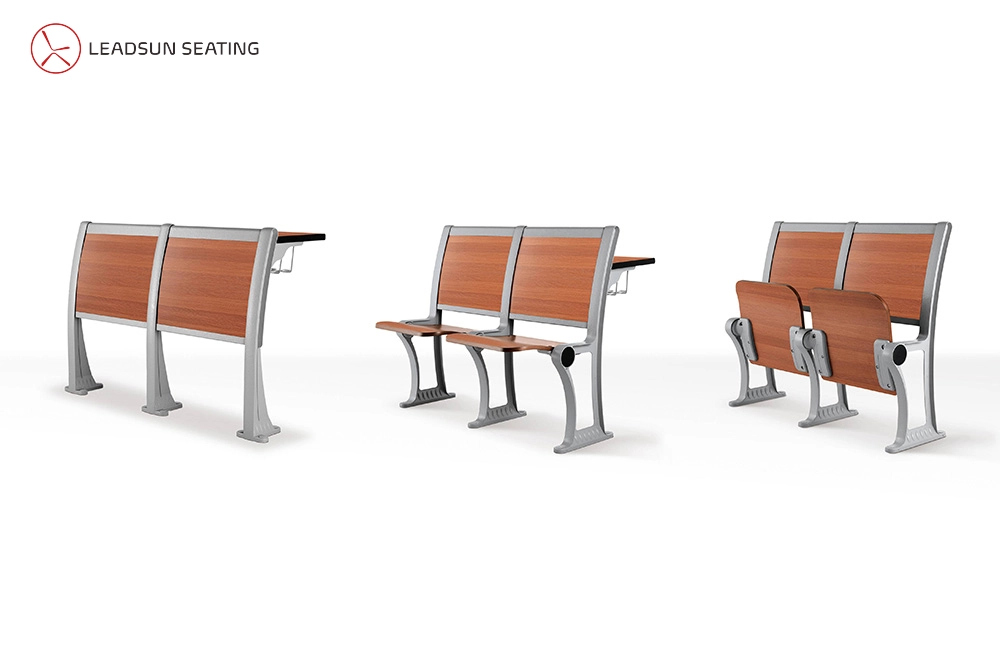
LS-908 Series Fixed Public Auditorium Chair or Tiered Classroom Solutions by Leadsun Seating
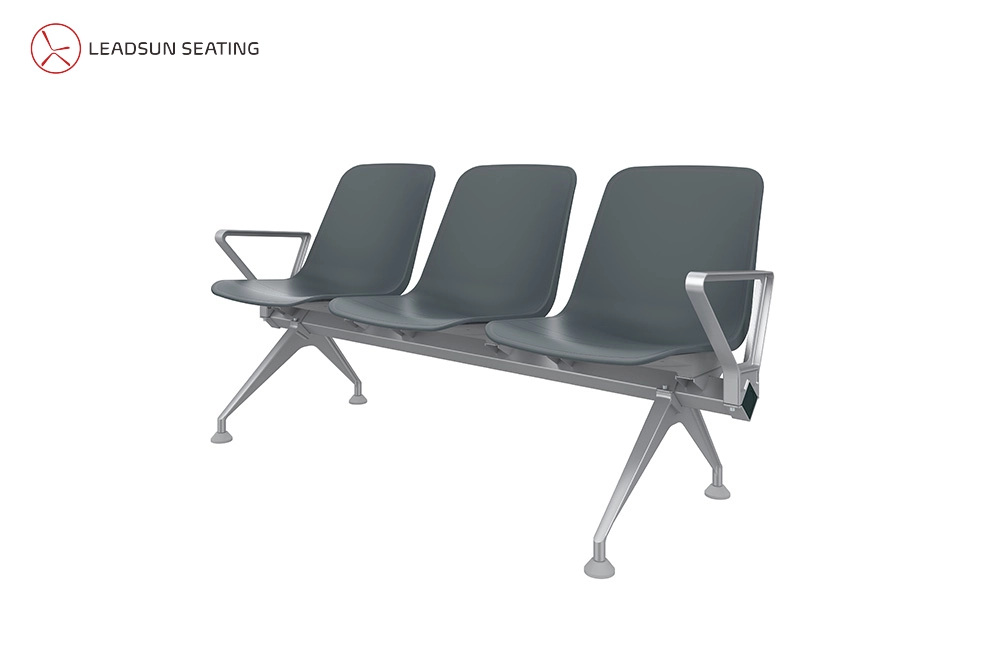
LS-550 Comfortable and Durable Waiting Chair | Customizable Waiting Chair Supplier Leadsun Seating
The LS-550 waiting chair from Leadsun offers superior comfort and durability for any public place. Customize your seating with Leadsun, a leading customizable waiting chair supplier. Ideal for high-traffic areas, the LS-550 ensures lasting performance and style.
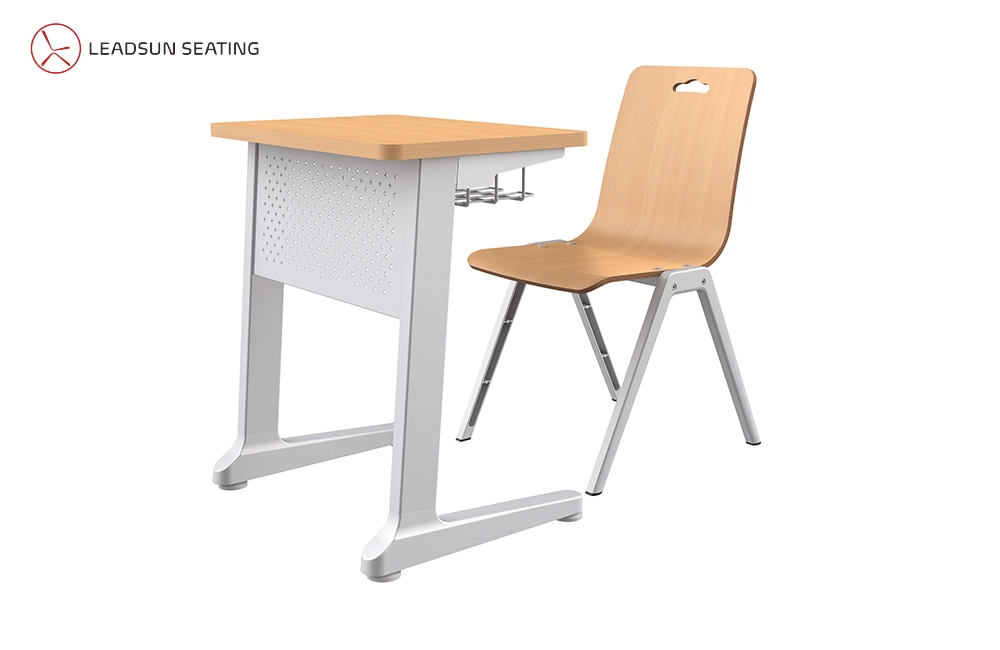
LS-9301 Single movable classroom chair |The Ultimate Flexible Solution for Modern Classrooms by Leadsun Seating
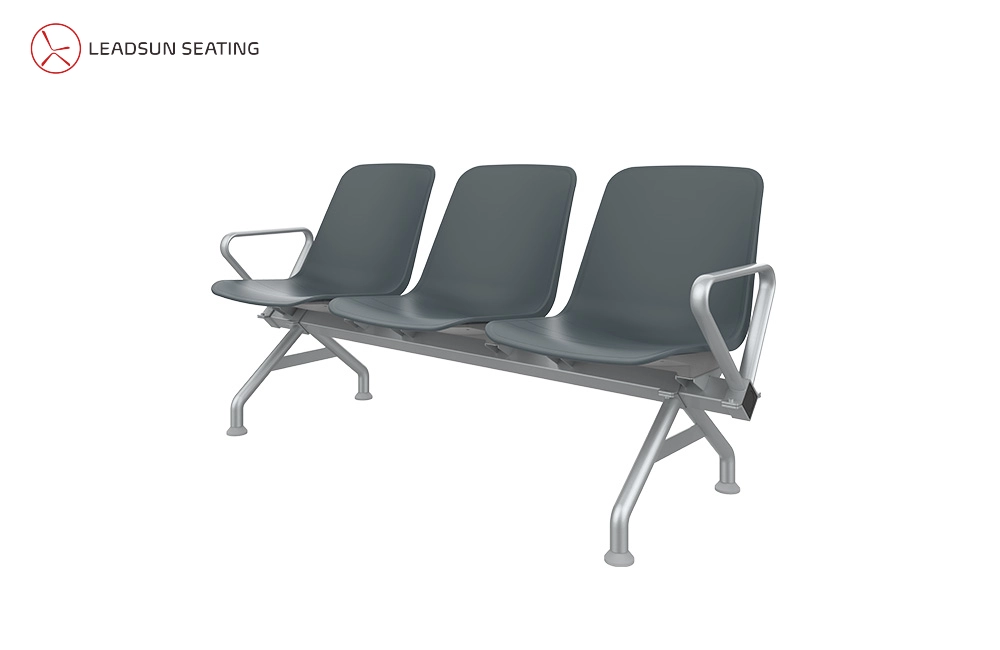
LS-551 Ergonomic Modular Waiting Chairs | Commercial Seating Solutions by Leadsun Seating
Ready for your public seating project?
We specialize in providing high-quality, customizable seating solutions for public spaces, and we are excited to assist you with your project.
Our professional team will quickly answer your questions and provide customized solutions to ensure you have a worry-free experience.

Leadsun Seating is also engaged in the design, development, production, and marketing of lightweight public seats in public places, with an annual output of desks and chairs.
 Scan QR Code