







Leadsun seating offers a wide range of seating solutions for public spaces, including benches, chairs, waiting area seating, auditorium seating, and customized solutions tailored to specific project needs.
What are maintenance and cleaning tips for waiting room chairs?
2026-03-19
Practical, evidence-based maintenance and cleaning strategies for waiting room chairs and lecture hall seating. Learn stain removal, disinfectant choices, schedule templates, mesh care, foam restoration, and documentation to reduce costs, extend life, and meet safety and hygiene requirements.
- How do I remove deep-set stains and bodily fluids from vinyl waiting room chairs in high-traffic clinics without voiding the manufacturer's warranty?
- What step-by-step maintenance schedule minimizes long-term costs for waiting room chairs in lecture halls used daily by 500+ attendees?
- Which disinfectants and concentrations are both effective against pathogens and safe for leather, vinyl, and antimicrobial fabrics used in waiting room chairs?
- How can I safely clean mesh and perforated seating without causing rust, fiber breakage, or mold in humid climates?
- What are the best procedures for restoring and maintaining foam seat cores and armrest padding after prolonged spills or odor contamination?
- How to document cleaning, repairs and warranty claims for waiting room chairs to ensure compliance with procurement audits for educational institutions?
How do I remove deep-set stains and bodily fluids from vinyl waiting room chairs in high-traffic clinics without voiding the manufacturer's warranty?
Begin by checking the chair's specification and the manufacturer's care sheet—many warranties require approved cleaning agents and documented procedures. For vinyl and PVC upholstery commonly used in reception seating and lecture hall armchairs, follow a step-by-step approach:
- Survey and separate: Is the stain organic (blood, vomit), greasy (food/oil), or dye-based (ink/marker)? Treat accordingly.
- Personal protection: Use disposable gloves and eye protection when handling bodily fluids. Follow local biohazard disposal rules.
- Initial removal: Blot (don’t rub) fresh fluids with an absorbent pad. For dried matter, gently loosen with a plastic scraper and vacuum the residue.
- Approved cleaners: Use a neutral-pH commercial cleaner or an EPA-registered disinfectant listed for your setting (e.g., List N for clinical environments). Manufacturers commonly permit diluted quaternary ammonium compounds or hydrogen-peroxide-based products on vinyl—always spot-test in an inconspicuous area for color change or surface crazing.
- Enzymatic pretreatment: For protein-based stains (blood), an enzymatic cleaner designed for upholstery helps break down residues before disinfection. Rinse thoroughly and then apply the disinfectant per label contact time.
- Avoid harsh methods: Do not use abrasive pads, undiluted bleach, or solvent-based cleaners on vinyl unless the manufacturer explicitly authorizes them—these can crack or discolor the surface and void warranties.
- Drying and documentation: Wipe dry with a microfiber cloth, allow full air-dry (avoid direct heat), and record the incident, products used, and photo evidence to maintain warranty and cleaning audits.
When buying new waiting room chairs for lecture halls, prioritize models with replaceable covers and documented cleaning protocols—modular upholstery reduces lifecycle costs and warranty disputes.
What step-by-step maintenance schedule minimizes long-term costs for waiting room chairs in lecture halls used daily by 500+ attendees?
For high-traffic lecture hall seating and reception seating, adopt a tiered maintenance program: daily, weekly, monthly, and annual tasks. This reduces total cost of ownership and prevents premature replacement.
- Daily (high-touch hygiene): Wipe armrests, aisle rails, and seat surfaces with an approved disinfectant or neutral cleaner—ensure required contact time. Empty and clean adjacent trash, and inspect for obvious damage.
- Weekly: Vacuum fabric and mesh, deep-clean spills with extraction equipment for fabric, spot-clean vinyl and leather. Check fasteners for looseness and tighten critical bolts.
- Monthly: Inspect frames for corrosion, lubricate moving parts (if any), verify that anti-tip and riser hardware is secure. Replace worn glides/feet to protect floors.
- Quarterly (or every semester): Perform a focused inspection: check upholstery abrasion (visual wear), seam integrity, squeaks, and armrest padding. Rotate removable cushions or swap high-wear modules where possible.
- Annually: Commission a full upholstery audit and load test where applicable; recalibrate replacement schedules. Budget for 3–7% of initial furniture cost per year for preventive maintenance in heavy-use lecture halls—adjust based on real-world wear.
When purchasing, ask vendors for manufacturer-recommended maintenance intervals and available maintenance kits. Specify modular frames, replaceable seat cores, and commercial-grade fabric with high Martindale abrasion ratings (30,000+ cycles for heavy use) to reduce long-term spend.
Which disinfectants and concentrations are both effective against pathogens and safe for leather, vinyl, and antimicrobial fabrics used in waiting room chairs?
Select disinfectants that balance efficacy with material compatibility. Use only EPA-registered disinfectants for clinical or high-risk public areas and follow label directions. Practical guidance:
- Vinyl/PVC: Hydrogen peroxide-based cleaners and quaternary ammonium (quat) formulations are widely effective and generally safe for vinyl when diluted per label. Avoid prolonged exposure to undiluted bleach, which can dry and crack vinyl.
- Leather and faux leather: Use pH-neutral leather cleaners and leather-safe disinfectants. Alcohol-based wipes may strip protective coatings—spot-test first. For finished leather, choose products labeled safe for leather furniture.
- Antimicrobial fabrics: Antimicrobial textile treatments assist hygiene but are not a substitute for disinfection. Use mild detergent extraction or EPA-registered disinfectants approved by the fabric manufacturer; some active ingredients can degrade topical treatments.
- Contact time: Disinfectant contact time (often 30 seconds to 10 minutes) is critical—wiping away too quickly reduces effectiveness. Always follow the product label.
- Compatibility testing: Before institutional rollout, trial the chosen disinfectant on a sample chair for 7–14 days to monitor colorfastness, sheen changes, and fabric shrinkage.
Procurement tip: Require vendors to supply approved-cleaner lists in contracts and to note which agents void warranties. For lecture hall seating, ask for fabrics with proven resistance to repeated disinfectant exposure.
How can I safely clean mesh and perforated seating without causing rust, fiber breakage, or mold in humid climates?
Mesh seats and perforated metal are excellent for breathability in auditoriums but need careful cleaning in humid environments to prevent corrosion and mold growth.
- Dry vacuuming: Use a HEPA-filter vacuum to remove dust and particulates from mesh fibers and perforations before any wet cleaning.
- Gentle wet cleaning: Use a low-foam, neutral-pH detergent applied with a soft brush or microfiber; work in sections to avoid saturating core materials. For perforated metal, a soft-bristled brush and mild detergent work well.
- Rinse and accelerate drying: After cleaning, remove excess moisture with absorbent microfiber towels and use directed air (fans or air movers) to speed drying—do not use high heat, which can warp materials.
- Corrosion control: Specify stainless steel or powder-coated steel frames for humid or coastal installations. For existing steel, apply corrosion inhibitors or touch-up paint to bare metal areas after cleaning and drying.
- Mold remediation: If mold is present, isolate the area, use an EPA-registered mold remediation agent per label, and correct humidity (keep RH below 60%) with HVAC adjustments.
Buying guidance: For humid climates, favor mesh fabrics labeled for outdoor/commercial use, stainless steel frames, and modular seat inserts that can be removed and dried quickly. These choices reduce risk and simplify maintenance.
What are the best procedures for restoring and maintaining foam seat cores and armrest padding after prolonged spills or odor contamination?
Foam saturation often leads to odors, microbial growth, or permanent degradation. Restoration depends on the foam type and degree of contamination:
- Assess saturation: Remove cover (if possible) and inspect foam for staining, odor, and compression set (permanent loss of resilience). Minor surface soiling can often be cleaned—deep saturation usually requires replacement.
- Extraction cleaning for partial contamination: Use low-moisture hot-water extraction with a mild detergent and thorough drying. Avoid deep soaking; foam acts like a sponge and is slow to dry.
- Odor neutralization: For lingering odors after cleaning, use safe odor-control products designed for fabrics (enzymatic or activated-carbon treatments). Avoid ozone machines without professional oversight—improper ozone use can damage materials and is regulated in some jurisdictions.
- Replace when necessary: If foam is compressed beyond 30% of original thickness, stays wet, or smells after full drying, replace the foam core. Choose closed-cell or high-resilience (HR) foam with antimicrobial additives for easier maintenance in heavy-use settings.
- Preventive design: For lecture hall seating, specify removable, replaceable seat cores and armrest pads, and choose hydrophobic barrier layers under upholstery where spills are common. This reduces downtime and repair costs.
How to document cleaning, repairs and warranty claims for waiting room chairs to ensure compliance with procurement audits for educational institutions?
Good documentation protects budgets, supports warranty claims, and meets procurement audit requirements—critical for public lecture halls and institutional reception areas.
- Create a digital maintenance log: Record each cleaning event, product used (including EPA registration number or SDS reference), staff initials, and photos before/after. Timestamp entries and keep them searchable by seat or serial number.
- Serial and part tracking: Affix a durable tag with model number, serial, and purchase date on each unit. Catalog these in an asset management spreadsheet or CMMS (computerized maintenance management system).
- Repair records: Log all repairs with descriptions, part numbers, vendor invoices, and warranty reference. Keep receipts for replacement parts and contractors for audit trails.
- Inspection checklists: Use standardized inspection forms (daily/weekly/quarterly) that auditors can review. Include pass/fail items, corrective actions, and estimated replacement timelines.
- Retention policy: Align documentation retention with institutional procurement policy—commonly 3–7 years for audits and warranties.
Procurement recommendation: Require suppliers to provide a full maintenance and warranty package with each quote, including recommended cleaners, spare-parts lists, maintenance intervals, and an installation/inspection checklist. This simplifies audits and reduces lifecycle risk for lecture hall seating programs.
Conclusion: Proper maintenance and evidence-backed cleaning practices for waiting room chairs and lecture hall seating significantly reduce total cost of ownership, improve hygiene, ensure compliance with health and fire codes, extend furniture life, and maintain the professional look of your reception areas and auditoriums. Choosing materials (vinyl, antimicrobial fabrics, stainless steel frames), modular designs, and vendor-supported maintenance plans upfront simplifies cleaning, accelerates repairs, and lowers replacement rates.
For professional specifications, maintenance schedules tailored to your facility size and usage, or a quote on commercial reception seating and lecture hall chairs, contact us at www.leadsunseating.com or [email protected].
Recommended for you

15 Best Office Waiting Room Chairs of 2026: The Ultimate Comfort & Style Guide

The Future of Reception Areas: 10 Modern Waiting Room Chair Trends to Watch in 2026

Airport Seating Reimagined: The 2026 Global Guide to Terminal Comfort and Design

7 Costly Mistakes Facilities Managers Make When Specifying Commercial Bench Seating

Commercial Beam Seating Solutions for High-Traffic Public Spaces
Prdoucts Categories
FAQ
FAQs
What is the lead time for custom seating orders?
The lead time for custom seating orders varies depending on the complexity of the design and the order size. Typically, it takes 4-6 weeks for production, with shipping times depending on your location.
How can I request a quote for a seating project?
You can easily request a quote by contacting our sales team through our website or by email. Provide details about your project, including the quantity and specific requirements, and we will get back to you with a tailored quote.
What types of public seating solutions does Leadsun seating provide?
What materials are used in the production of your public seating?
We use a variety of durable materials such as stainless steel, aluminum, wood, high-quality upholstery, and advanced polymers to ensure that our seating solutions are both functional and long-lasting.
One Stop Airport Terminal Seating
What does the after-sales service include?
Our after-sales service covers daily maintenance guidance, regular inspections, fault repairs, and component replacements. Our professional after-sales team is available 24/7 to ensure the long-term stable operation of the seats.
You may also like
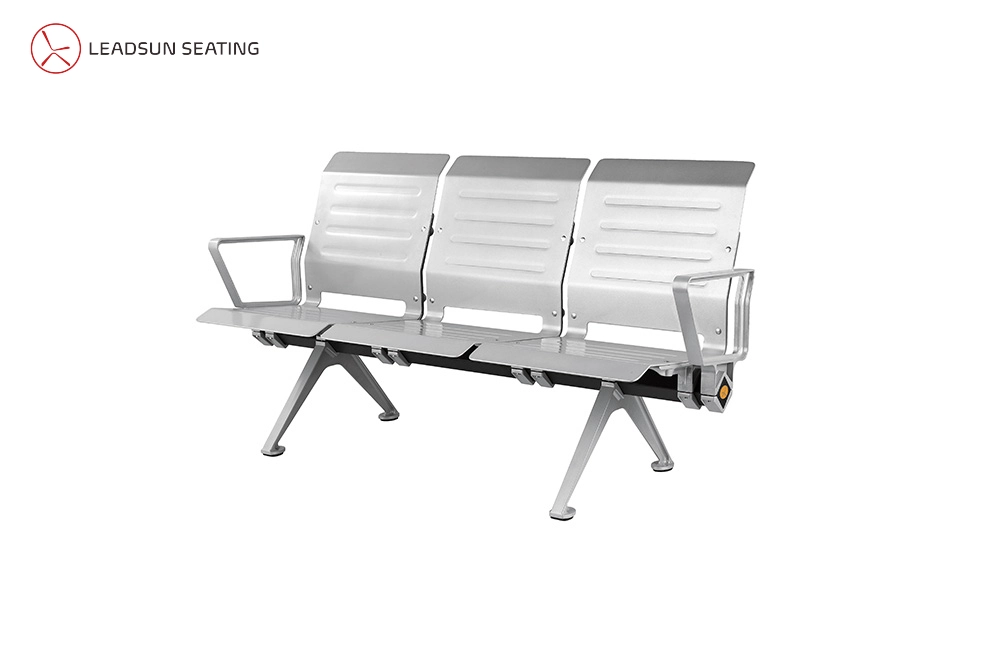
LS-529AL Aluminum Ergonomic Waiting Chairs | Modular & Durable Seating by Leadsun Seating
Leadsun's LS-529AL aluminum ergonomic waiting chairs offer customizable lobby seating solutions. These durable office chairs provide modern waiting area solutions, built for comfort and longevity. Modular design ensures flexibility.
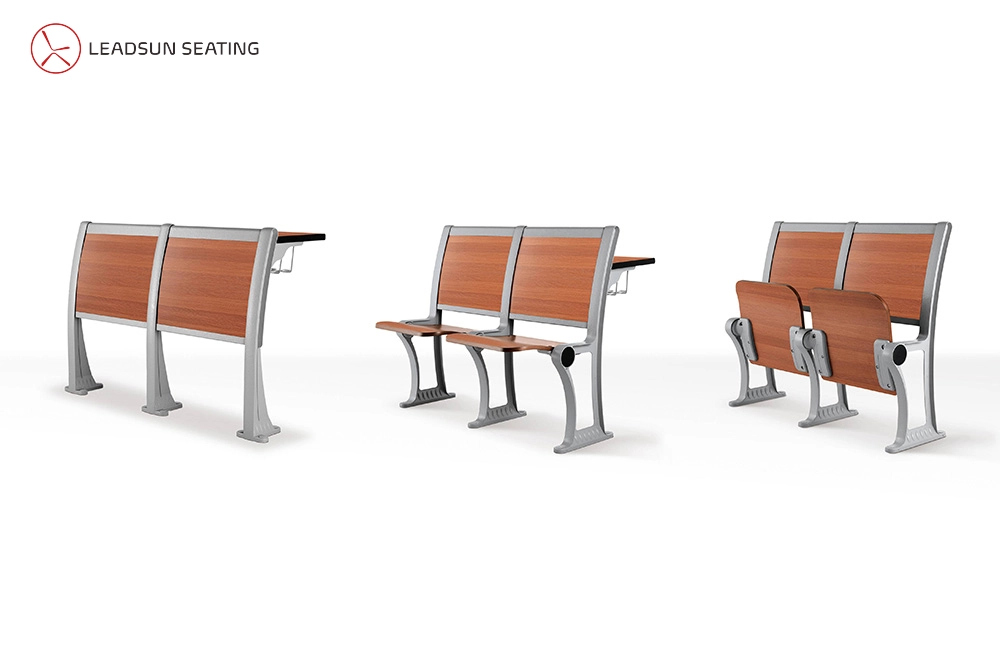
LS-908 Series Fixed Public Auditorium Chair or Tiered Classroom Solutions by Leadsun Seating
Introducing the LS-908 Series by Leadsun, your ideal solution for tiered classroom seating and fixed public auditorium chairs. Designed for comfort and durability, this series enhances audience engagement in educational and corporate settings. Discover the perfect blend of functionality and style with Leadsun Seating.
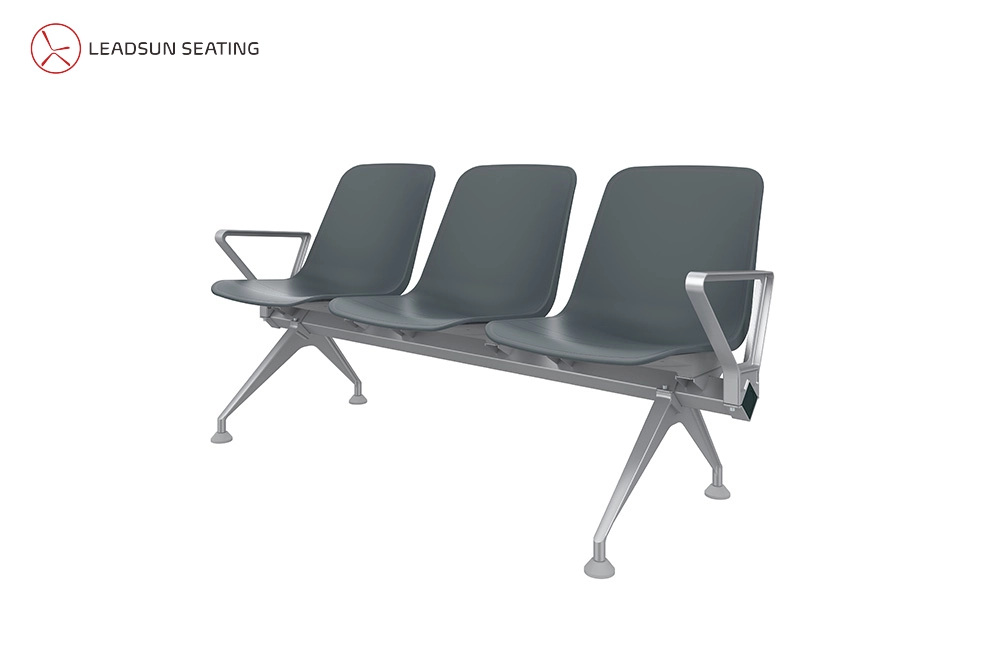
LS-550 Comfortable and Durable Waiting Chair | Customizable Waiting Chair Supplier Leadsun Seating
The LS-550 waiting chair from Leadsun offers superior comfort and durability for any public place. Customize your seating with Leadsun, a leading customizable waiting chair supplier. Ideal for high-traffic areas, the LS-550 ensures lasting performance and style.
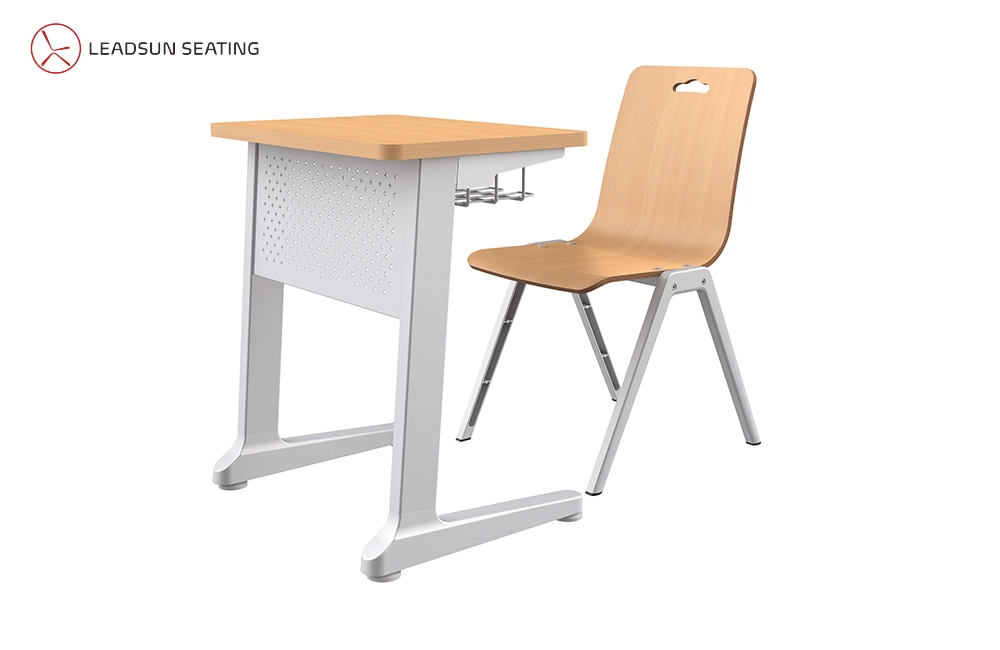
LS-9301 Single movable classroom chair |The Ultimate Flexible Solution for Modern Classrooms by Leadsun Seating
Leadsun's LS-9301 single movable classroom chair offers ultimate flexibility for modern learning environments. This activity desk and chair solution ensures comfortable and adaptable seating for students. Ideal for dynamic classrooms.
Ready for your public seating project?
We specialize in providing high-quality, customizable seating solutions for public spaces, and we are excited to assist you with your project.
Our professional team will quickly answer your questions and provide customized solutions to ensure you have a worry-free experience.

Leadsun Seating is also engaged in the design, development, production, and marketing of lightweight public seats in public places, with an annual output of desks and chairs.
 Scan QR Code