







Materials guide: choosing public waiting chair upholstery
- Selecting upholstery for high-traffic public waiting chairs
- Why upholstery matters for public waiting chair performance and cost
- Key decision drivers for public waiting chair upholstery
- Common upholstery materials for public waiting chair and when to use them
- 1. PVC/vinyl (commercial-grade)
- 2. Polyurethane (PU) faux leather
- 3. Coated technical fabrics (e.g., Crypton, Nano-coated textiles)
- 4. Woven synthetics (polyester/nylon blends)
- 5. Genuine leather
- Performance characteristics: abrasion, cleanability, fire safety and comfort for public waiting chair upholstery
- Abrasion resistance (Wyzenbeek / Martindale)
- Cleanability and disinfection for public waiting chair
- Fire and flammability standards for public waiting chair upholstery
- Material comparison table: public waiting chair upholstery at a glance
- Design and maintenance strategies to extend public waiting chair life
- Specify for use-case, not for fashion
- Maintenance protocols
- Color, pattern and visual wear
- Sustainability, VOCs and environmental considerations for public waiting chair upholstery
- Cost of ownership: how upholstery choice affects lifecycle cost for a public waiting chair
- Leadsun: High Quality Seating Solutions for global public spaces since 1998
- Why choose Leadsun for public waiting chair upholstery?
- How to specify upholstery for your public waiting chair project: a checklist
- FAQ — public waiting chair upholstery
- 1. Which upholstery is best for a high-traffic airport public waiting chair?
- 2. Can I use regular textile upholstery in hospital waiting chairs?
- 3. How often should upholstery in public waiting areas be replaced?
- 4. Are antimicrobial coatings on upholstery necessary?
- 5. What is the impact of cleaning chemicals on upholstery life?
- 6. How do I balance aesthetics and durability when choosing upholstery for public waiting chair?
- Contact & product inquiry (CTA)
- References
- Documented data & testing — ask suppliers for these documents
Selecting upholstery for high-traffic public waiting chairs
Why upholstery matters for public waiting chair performance and cost
When designing or specifying public waiting chair seating for airports, hospitals, schools, or municipal spaces, upholstery is not a cosmetic afterthought — it determines hygiene, durability, maintenance cost, user comfort, and compliance with safety codes. A poor material choice multiplies cleaning time, shortens service life, and raises total cost of ownership (TCO). Conversely, selecting the right upholstery can reduce lifecycle costs, improve passenger experience, and meet regulatory requirements for fire and infection control.
Key decision drivers for public waiting chair upholstery
Decision makers typically evaluate: durability (abrasion resistance), cleanability and disinfectability, fire/flame compliance, stain and UV resistance, comfort, appearance, cost, and environmental impact. Each driver maps to measurable standards or tests (e.g., Wyzenbeek/Martindale for abrasion, NFPA for flammability, ISO 22196 for antimicrobial claims). This guide explains how common materials perform against those criteria and offers practical recommendations.
Common upholstery materials for public waiting chair and when to use them
Below are the common upholstery classes you will encounter when specifying a public waiting chair, with typical advantages and limitations.
1. PVC/vinyl (commercial-grade)
Advantages: Excellent cleanability and water resistance; affordable; available in heavy-duty grades with high abrasion resistance and anti-microbial coatings. Common in healthcare and high-traffic public areas because it withstands frequent disinfection.
Limitations: Can feel less breathable and warm than textiles; environmental concerns around PVC production and disposal.
2. Polyurethane (PU) faux leather
Advantages: Softer hand-feel than vinyl, wide color finish options, easier to produce with eco-friendlier formulations, and increasingly available in heavy-duty versions for contract use.
Limitations: Lower longevity vs. heavy vinyl in some cases; quality varies by construction (foam-backed vs. solid poly layer).
3. Coated technical fabrics (e.g., Crypton, Nano-coated textiles)
Advantages: Woven textile base for comfort with a protective coating that improves stain resistance, moisture barrier properties, and microbial control. Offers a textile aesthetic with near-vinyl cleanability depending on coating.
Limitations: More costly than standard vinyl; coating wear must be monitored for long service life.
4. Woven synthetics (polyester/nylon blends)
Advantages: Breathable, comfortable, large palette of patterns, generally good abrasion resistance when specified with heavy-duty counts and performance finishes.
Limitations: Require specified stain and soil-release finishes for public spaces and may need more intensive cleaning than smooth surfaces.
5. Genuine leather
Advantages: High Quality appearance, ages attractively, durable when maintained properly.
Limitations: High initial cost, variable cleanability, and not always suitable for high-frequency cleaning with aggressive disinfectants; ethical and supply considerations.
Performance characteristics: abrasion, cleanability, fire safety and comfort for public waiting chair upholstery
Understanding the tests behind performance claims helps you compare materials objectively.
Abrasion resistance (Wyzenbeek / Martindale)
Abrasion testing measures how many 'double rubs' a fabric will withstand before showing wear. Typical commercial benchmarks:
- Light commercial: 15,000–30,000 double rubs
- Commercial/contract: 30,000–60,000 double rubs
- Heavy-duty/airport: 60,000–100,000+ double rubs
When specifying a public waiting chair for heavy footfall (airports, transit hubs), aim for fabrics or coated surfaces rated for 60,000+ Wyzenbeek double rubs or equivalent Martindale cycles. (Source: ASTM D4157/Wyzenbeek methodology; BIFMA guidance on durability testing.)
Cleanability and disinfection for public waiting chair
In public waiting areas, surfaces must be able to tolerate routine cleaning and periodic disinfection. CDC and EPA guidance focus on use of EPA-registered disinfectants appropriate to pathogens of concern; many disinfectants can degrade delicate materials. For upholstery:
- Choose non-porous or coated surfaces where frequent disinfection is required.
- Verify compatibility of the material with the disinfectant (manufacturer’s chemical resistance data).
- Consider materials that meet ISO 22196 if antibacterial claims are required (measures antibacterial activity on plastics and other non-porous surfaces).
(Sources: CDC cleaning guidance; EPA List N — disinfectants for SARS-CoV-2.)
Fire and flammability standards for public waiting chair upholstery
Upholstery must meet local fire codes. Relevant tests and codes include NFPA 701 (small-scale flame tests), California TB117-2013 (smolder resistance), and local building or transit authority regulations. Specify materials with documented test reports for the jurisdictions where chairs will be installed.
Material comparison table: public waiting chair upholstery at a glance
| Material | Typical Durability | Cleanability | Comfort & Aesthetics | Cost (relative) | Best Use for public waiting chair |
|---|---|---|---|---|---|
| Commercial vinyl (PVC) | 60,000–100,000+ Wyzenbeek | Excellent — non-porous, tolerates many disinfectants | Functional, smooth finish; limited breathability | Low–Medium | Healthcare, transit, high-traffic lobbies |
| PU faux leather | 30,000–60,000 Wyzenbeek | Good — depends on backing and coating | Softer, High Quality look | Medium | Corporate lobbies, mid-traffic waiting areas |
| Coated technical fabrics (Crypton, Nano) | 30,000–100,000+ | Very good — engineered moisture & stain resistance | Textile look with performance | Medium–High | Hospitals, education, public buildings requiring aesthetics + hygiene |
| Woven synthetics (heavy polyester/nylon) | 30,000–80,000 | Moderate — better with soil-release finishes | Highly customizable patterns, breathable | Medium | Airport lounges, university waiting areas |
| Genuine leather | 20,000–50,000 (but ages well) | Poor to moderate — sensitive to strong disinfectants | High Quality, warm patina over time | High | Executive lounges, High Quality waiting areas |
Notes: Durability ranges are indicative; always verify specific fabric test reports (Wyzenbeek/Martindale) and chemical resistance data from the manufacturer before final specification.
Design and maintenance strategies to extend public waiting chair life
Specify for use-case, not for fashion
Start by mapping the environment: expected daily users, cleaning frequency, exposure to sunlight, and types of soiling (food, oils, inks). For very high-traffic zones specify heavy-duty vinyls or coated technical fabrics. For areas balancing comfort and durability, choose high-performance coated textiles.
Maintenance protocols
Establish cleaning protocols tied to the upholstery chemical resistance data. Document allowable cleaning agents, contact times, and drying procedures. Include stain-removal guides for common soils and a schedule for inspection and spot-repair. Training cleaning staff reduces accidental damage from incompatible chemicals.
Color, pattern and visual wear
Mid-tone colors and patterned weaves help hide wear and stains. For vinyl, choose surface textures that show less scratching. UV-stable pigments and UV inhibitors in coatings reduce fading in sun-exposed waiting areas.
Sustainability, VOCs and environmental considerations for public waiting chair upholstery
Environmental impact matters for public clients and procurement rules. Consider:
- VOC emissions: Choose low-VOC materials certified by GREENGUARD or similar programs.
- End-of-life: Look for recyclable or take-back programs; polyurethane and coated textiles are often easier to handle than PVC from a waste perspective.
- Material transparency: Request Environmental Product Declarations (EPDs) or material composition reports.
Cost of ownership: how upholstery choice affects lifecycle cost for a public waiting chair
Initial material cost is only part of the equation. Calculate total cost of ownership by adding expected maintenance cost, cleaning labor, replacement interval (based on abrasion and warranty data), and downtime for repairs. A slightly higher upfront cost for a coated technical fabric or high-grade vinyl can deliver lower lifetime costs by halving replacement cycles or reducing cleaning time.
Leadsun: High Quality Seating Solutions for global public spaces since 1998
Leadsun is a China-based manufacturer with more than 25 years of experience delivering seating solutions engineered for demanding commercial environments. For clients specifying public waiting chairs, Leadsun provides:
- Airport Seating Manufacturer: Robust beam and tandem seating designed for high footfall, security-friendly, and easy to maintain.
- Public Waiting Area Seating: Commercial-grade waiting chairs engineered for long lifecycles and low maintenance.
- Lecture Hall Seating Supplier: Space-efficient fixed and tiered seating optimized for longevity and ergonomics.
- Ergonomic Chair Specialist & Desk Chairs: Office and task seating focusing on user well-being for extended use.
Why choose Leadsun for public waiting chair upholstery?
Leadsun’s competitive strengths include:
- Durability & Value: Use of High Quality materials and rigorous in-line quality control to ensure long service life and predictable TCO.
- Ergonomic Comfort: Design ethos centered on user comfort for extended wait times, including appropriate seat angles, cushion density, and breathable surfaces where needed.
- Global OEM/ODM Partner: Proven capability in volume manufacturing, customization, and export logistics for global B2B clients.
- Tailored Solutions: Product lines and upholstery specifications optimized per sector — airports, healthcare, education, corporate lobbies.
Leadsun’s product range includes lecture hall seating, waiting chairs, fixed desks and chairs, activity desks and chairs, beam seating, tandem seating, airport seating, ergonomic chairs and desk chairs — all available with commercial-grade upholstery options selected to match functional requirements and regulatory needs.
How to specify upholstery for your public waiting chair project: a checklist
- Confirm expected daily user volume and cleaning schedule.
- Specify required abrasion rating (e.g., 60,000+ Wyzenbeek for heavy traffic).
- Verify chemical resistance for the disinfectants you will use (request manufacturer test data).
- Obtain fire and flammability test certificates relevant to installation region.
- Request environmental certifications (GREENGUARD, EPDs) if procurement requires them.
- Ask for sample swatches and full-size seat mockup for fit and comfort testing.
- Include warranty terms that cover upholstery wear for at least a practical commercial period (e.g., 3–5 years depending on use).
FAQ — public waiting chair upholstery
1. Which upholstery is best for a high-traffic airport public waiting chair?
For airports, choose heavy-duty commercial vinyl (or high-performance coated fabrics) rated for 60,000+ Wyzenbeek double rubs, with documented chemical resistance to approved disinfectants and required fire test certificates.
2. Can I use regular textile upholstery in hospital waiting chairs?
Standard textiles are not ideal unless treated with an industry-grade protective coating (e.g., Crypton) and tested for cleanability and antimicrobial performance. Non-porous coated surfaces are preferred in clinical environments.
3. How often should upholstery in public waiting areas be replaced?
Replacement depends on material and usage. Heavy-duty vinyl or coated fabrics may last 7–10+ years in high-traffic settings when properly maintained; woven textiles may require replacement sooner unless specified at the heavy commercial end. Use manufacturer durability data and real-world inspection schedules to plan replacements.
4. Are antimicrobial coatings on upholstery necessary?
Antimicrobial coatings can reduce bacterial load on surfaces, but they are not a substitute for cleaning and disinfection protocols. They are helpful in high-touch settings and where additional infection-control layers are desired — verify claims with ISO 22196 test reports.
5. What is the impact of cleaning chemicals on upholstery life?
Strong oxidizing disinfectants (e.g., bleach) and frequent use of incompatible solvents can accelerate vinyl or coating degradation. Always match cleaning agents to material chemical resistance data and use manufacturer-approved cleaners whenever possible.
6. How do I balance aesthetics and durability when choosing upholstery for public waiting chair?
Consider hybrid solutions: textured or patterned coated fabrics and heavy-duty woven textiles can provide a pleasing aesthetic while meeting durability needs. Mid-tone patterns hide wear better than solid dark or very light colors.
Contact & product inquiry (CTA)
If you are specifying public waiting chairs for an airport, hospital, campus, or municipal project and want tailored upholstery recommendations, sample swatches, or a lifecycle cost estimate, contact Leadsun’s sales and specification team for consultation, OEM/ODM options, and project pricing. Request product catalogs, technical data sheets, and test certificates to validate your selection and ensure compliance with local codes.
References
- BIFMA — American commercial furniture standards and guidance (BIFMA). https://www.bifma.org/ (accessed 2025-11-01).
- ASTM D4157 — Standard Test Method for Abrasion Resistance of Textile Fabrics (Wyzenbeek). https://www.astm.org/Standards/D4157.htm (accessed 2025-11-01).
- CDC — Cleaning and Disinfection for Community Facilities. https://www.cdc.gov/coronavirus/2019-ncov/community/disinfecting-building-facility. (accessed 2025-11-01).
- EPA — List N: Disinfectants for Use Against SARS-CoV-2. https://www.epa.gov/pesticide-registration/list-n-disinfectants-coronavirus-covid-19 (accessed 2025-11-01).
- ISO 22196 — Measurement of antibacterial activity on plastics and other non-porous surfaces. https://www.iso.org/standard/45545. (accessed 2025-11-01).
- NFPA — National Fire Protection Association. https://www.nfpa.org/ (accessed 2025-11-01).
Documented data & testing — ask suppliers for these documents
When finalizing any specification for public waiting chair upholstery, require suppliers to provide:
- Wyzenbeek/Martindale abrasion test reports (specific fabric batch).
- Chemical resistance data including compatibility with your disinfectants.
- Flammability test certificates relevant to the installation jurisdiction (e.g., NFPA 701).
- Environmental certificates (GREENGUARD, EPDs) if required by your procurement rules.
Making the right upholstery choice for public waiting chairs protects passenger experience, reduces maintenance costs, and ensures compliance. If you need assistance translating performance data into a specification or want tailored product options, Leadsun can provide technical support, samples, and complete seating systems suited for your project.
Leadsun Best professional seater waiting chair factory manufacturers and supplier brands
How to Choose the metal frame waiting chair manufacturer and supplier in America?
Modular airport chairs for flexible lecture hall layouts
Top nesting office chairs Manufacturers and Suppliers
FAQs
Are your products compliant with safety and accessibility standards?
-
Absolutely. All of our seating solutions comply with relevant safety regulations and accessibility standards, ensuring comfort and safety for all users, including those with special needs.
-
What maintenance is required for your seating solutions?
The maintenance required depends on the material and location of the seating. Generally, regular cleaning and periodic inspections are recommended. We provide maintenance guidelines with each product to ensure long-term durability.
One Stop Airport Terminal Seating
Can you provide personalized seat customization?
We support comprehensive customization, including seat styles, functional modules (like charging ports, cup holders, etc.), color schemes, and even integrating airport brand elements to showcase a unique style.
How long is the production cycle? Can you deliver on time?
The production cycle depends on the order size and customization complexity. We’ll create a detailed production plan in advance and have a professional logistics and installation team in place to ensure on-time delivery and efficient implementation.
Are the seat materials durable? What's the lifespan?
We use high-strength, wear-resistant, and easy-to-clean premium materials, such as stain-resistant flame-retardant fabrics and rust-proof alloy frames. Under normal use, the seats can last 5 - 8 years.
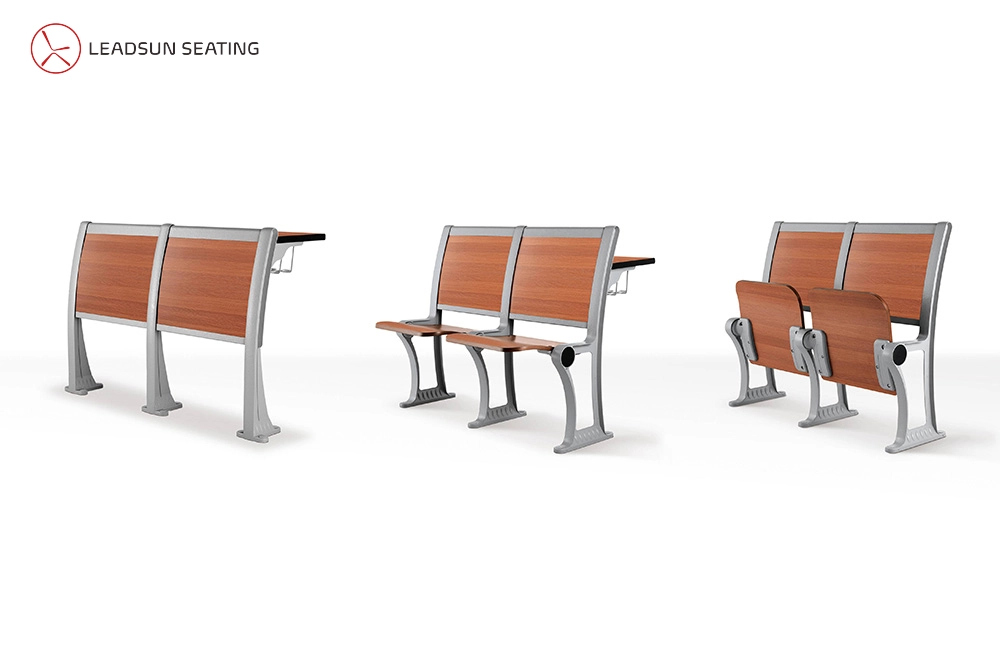
LS-908 Series Fixed Public Auditorium Chair or Tiered Classroom Solutions by Leadsun Seating
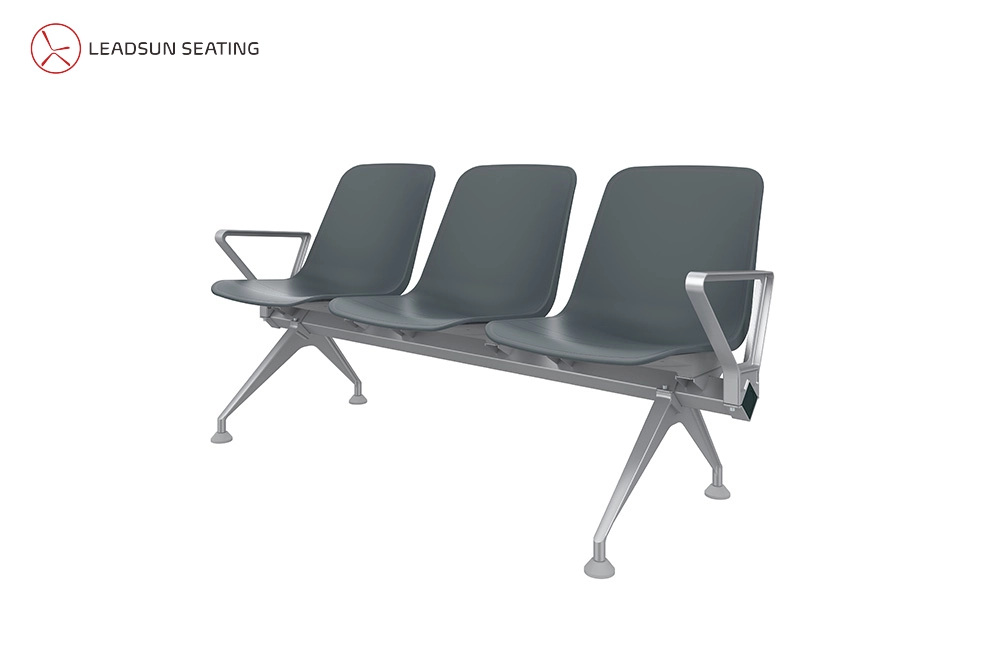
LS-550 Comfortable and Durable Waiting Chair | Customizable Waiting Chair Supplier Leadsun Seating
The LS-550 waiting chair from Leadsun offers superior comfort and durability for any public place. Customize your seating with Leadsun, a leading customizable waiting chair supplier. Ideal for high-traffic areas, the LS-550 ensures lasting performance and style.
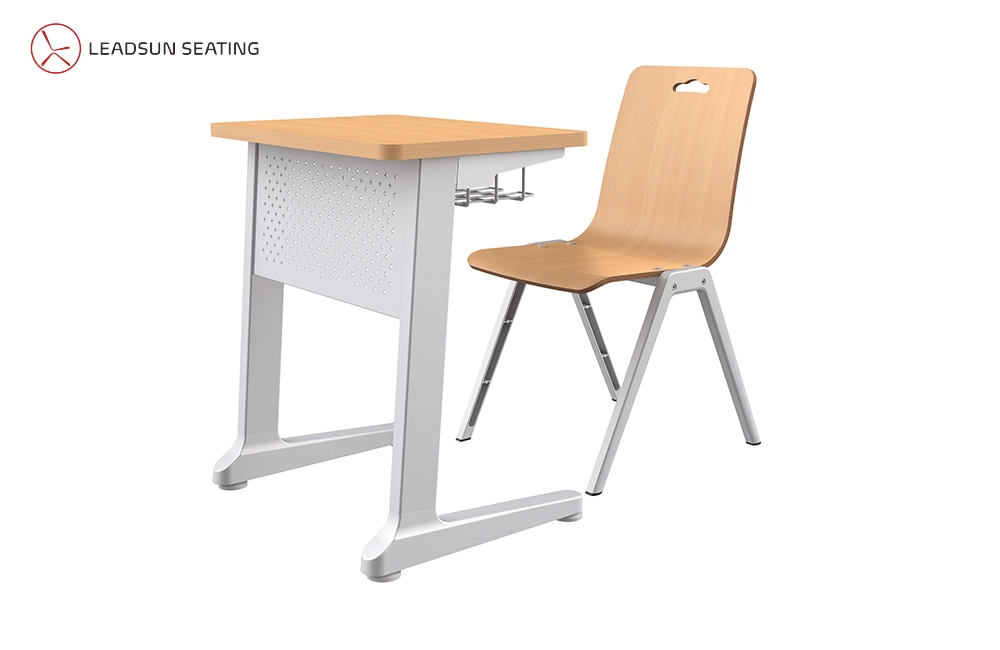
LS-9301 Single movable classroom chair |The Ultimate Flexible Solution for Modern Classrooms by Leadsun Seating
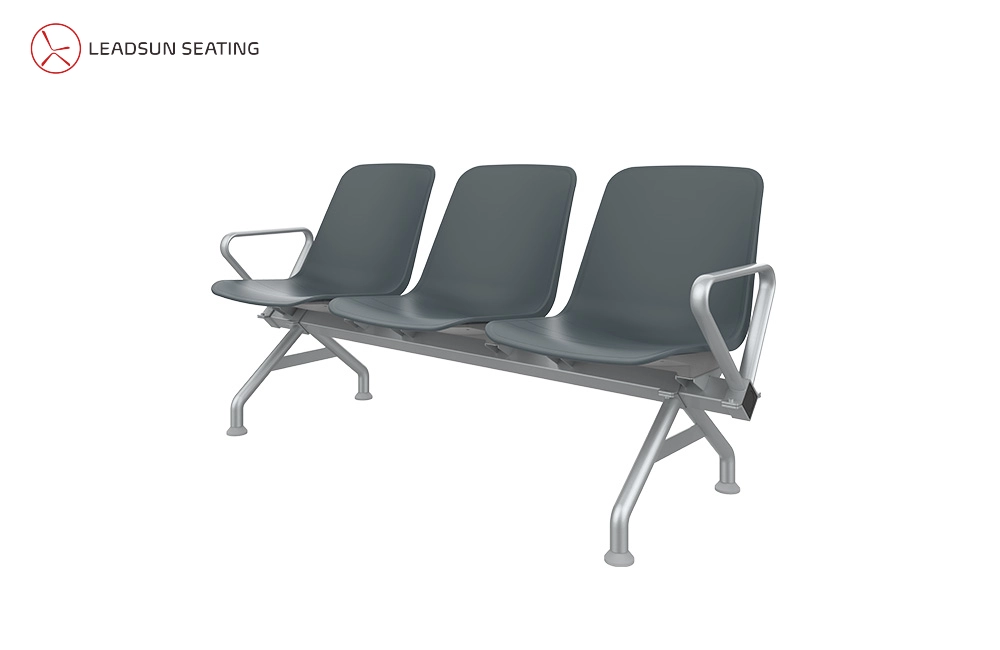
LS-551 Ergonomic Modular Waiting Chairs | Commercial Seating Solutions by Leadsun Seating

Leadsun Seating is also engaged in the design, development, production, and marketing of lightweight public seats in public places, with an annual output of desks and chairs.
 Scan QR Code