







Leadsun seating offers a wide range of seating solutions for public spaces, including benches, chairs, waiting area seating, auditorium seating, and customized solutions tailored to specific project needs.
What are the best materials for office waiting room chairs?
2026-03-25
Practical guide for procurement managers and facility planners comparing materials, durability, cleaning, fire and health standards, lifecycle costs, and sustainable options for office waiting room chairs and lecture hall seating.
- 1. How do foam density and seat construction impact long-term comfort and replacement cycles for high-traffic waiting areas?
- 2. What are the best materials for office waiting room chairs?
- 3. How do I specify upholstery that stands up to hospital-grade cleaning agents without voiding warranties?
- 4. For lecture hall seating converted to a reception/foyer environment, what modular or repairable design features reduce total ownership cost?
- 5. How should fire and building-code requirements change material selection for public waiting rooms and lecture halls?
- 6. How do I evaluate sustainable upholstery and frame options that still meet heavy-use durability needs?
Selecting office waiting room chairs or lecture hall seating requires more than picking a style. Buyers must weigh durability (BIFMA-rated frames, foam density), cleanability (vinyl vs. fabric), safety (fire standards), repairability, and sustainability to lower lifecycle cost. Below are six specific, practitioner-focused questions that often lack depth online—with evidence-based answers and measurable procurement criteria.
1. How do foam density and seat construction impact long-term comfort and replacement cycles for high-traffic waiting areas?
Why this matters: In high-traffic reception areas or lecture hall aisles, foam collapse is a primary failure mode. Foam density strongly correlates with seat longevity and perceived comfort over years, not just weeks.
What to specify:
- Foam density (kg/m³): For heavy commercial seating, specify high‑resilience (HR) polyurethane foam of at least 40–50 kg/m³ (≈2.5–3.1 lb/ft³). This density balances durability and comfort for continuous use. For High Quality, long-life seats in public halls, 50–65 kg/m³ is preferred.
- Indentation Load Deflection (ILD): Specify ILD values for desired firmness; typical office/lecture seating ranges 30–45 ILD for a medium-firm feel. Combine ILD with density to avoid fast sagging.
- Seat construction: Use a combination of HR foam with molded shell support or pocketed springs for very high-use lecture seating. Layering a high-density base foam with a softer top layer improves comfort while keeping structural resilience.
Expected lifecycle: With 40–50 kg/m³ HR foam and commercial frames, expect 7–12 years in busy waiting rooms; denser foam and replaceable cushions can extend life beyond 12 years. For budgeting, use lifecycle cost per seat (purchase price + expected maintenance/parts ÷ expected years) rather than purchase price alone.
2. What are the best materials for office waiting room chairs?
Why this matters: Material choice affects warranty life, cleaning protocols, appearance retention, and total cost of ownership. The right combination is different for healthcare, corporate, educational, and airport-style waiting areas.
Best materials by function:
- High-traffic public waiting areas (airports, lecture halls): Powder-coated steel or welded aluminum frames with removable seat modules. Upholstery: heavy-duty woven fabric rated ≥50,000 Martindale/Martindale-equivalent double rubs or commercial-grade coated fabrics (PVC/PU-coated polyester) for ease of cleaning.
- Healthcare and clinical waiting rooms: Infection-control-friendly vinyl (medical-grade PVC) or coated fabrics with antimicrobial finish and seam designs that minimize crevices. Ensure compliance with hospital cleaning agents—select upholstery that tolerates 0.1% sodium hypochlorite solutions per manufacturer guidance.
- Corporate reception or executive waiting areas: Top-grain leather or high-quality PU leather for High Quality appearance—note leather ages differently and usually requires different cleaners and conditioning, which increases maintenance complexity.
- Budget-conscious installations: High-impact polypropylene shells with simple cushion pads—lower upfront cost and easy replacement, but verify UV resistance if placed near windows.
Frame and hardware: Choose powder-coated steel or anodized aluminum frames with stainless or zinc-plated fasteners in humid environments. Look for BIFMA X5.1 compliance for office seating structural durability.
3. How do I specify upholstery that stands up to hospital-grade cleaning agents without voiding warranties?
Why this matters: Many procurement teams lose warranty coverage by using incompatible disinfectants or selecting materials that delaminate under repeated exposure to bleach or peroxide solutions.
Procurement checklist:
- Obtain manufacturer chemical-resistance data sheets. Ask for a list of approved disinfectants and maximum concentrations (e.g., sodium hypochlorite 0.1% by volume or manufacturer-specified alternatives).
- Prefer upholstery with T, W, S, or W/S cleaning codes. For healthcare, choose upholstery rated for W (water-based) and hospital disinfectants; look for polymer-coated textiles (PU/PVC) with documented bleach tolerance.
- Request accelerated aging tests or third-party lab reports showing colorfastness and tensile retention after X cycles of exposure to the intended cleaning regimen.
Operational tip: Build cleaning protocols into procurement specs and include them in warranty clauses. For example, require coatings that withstand 30,000 simulated cleanings with 0.1% sodium hypochlorite and still meet performance standards.
4. For lecture hall seating converted to a reception/foyer environment, what modular or repairable design features reduce total ownership cost?
Why this matters: Converting lecture hall seating into multi-purpose waiting areas is common. Fixed, glued assemblies are costly to refurbish; modular designs enable targeted repairs and lower lifecycle costs.
Design features to require:
- Removable cushions: Seat and back modules that unbolt in under 10 minutes let you replace foam or fabric without replacing the whole chair.
- Interchangeable armrests and end panels: Bolt-on arms and end panels simplify replacement after impact or vandalism.
- Standardized fasteners and accessible repair manuals: Use common screw sizes and provide a spare-parts list and repair time estimates in procurement documents.
- Linking systems: For waiting rows, choose linking brackets that allow reconfiguration without specialized tools—useful for lecture halls that host different events.
Procurement metric: Ask suppliers for mean time to repair (MTTR) per seat and average cost per replaced module. Compare expected MTTR and spare-part costs across vendors when calculating lifecycle costs.
5. How should fire and building-code requirements change material selection for public waiting rooms and lecture halls?
Why this matters: Upholstery and foam must meet local fire regulations; codes differ for healthcare, educational, and assembly occupancies. Noncompliance risks costly replacements and safety hazards.
Standards to check:
- United States: Many jurisdictions reference California TB117-2013 for smolder resistance of upholstery fabrics and NFPA 260 / UFAC for test methods; for some occupancies, full-flame resistance (e.g., TB133) may be required. BIFMA X5.1 addresses structural durability but not fire performance.
- United Kingdom & EU: BS 5852 (seat components) and EN 1021 testing are commonly referenced; check local building control for assembly occupancies.
- Documentation: Require suppliers to provide test certificates for the required fire standards with each shipment and mark compliance in the product data sheet.
Specification tip: When in doubt, choose materials that exceed minimum code requirements—e.g., CMHR (combustion-modified high-resilience) foam or inherently flame-retardant fabrics—and obtain certificates to avoid retrofit costs.
6. How do I evaluate sustainable upholstery and frame options that still meet heavy-use durability needs?
Why this matters: Clients increasingly require recycled content, low-VOC emissions, or certifications (Greenguard, Cradle to Cradle). However, sustainability claims sometimes conflict with durability or cleanability expectations.
Procurement approach:
- Certifications to request: GREENGUARD or GREENGUARD Gold for low emissions, Oeko‑Tex or Bluesign for textiles, and Cradle to Cradle or SCS for recycled content verification.
- Recycled textiles: Polyester made from recycled PET bottles is durable and often available as commercial-grade woven fabrics with 50,000+ Martindale rub counts. Confirm stain resistance and chemical tolerance if used in healthcare.
- Frames: Recycled and recyclable steel or aluminum frames are preferred. Request supplier data on post-consumer recycled (PCR) content and end‑of‑life recyclability.
- Lifecycle assessment (LCA): Ask for supplier-provided LCA summaries or expected service life and recyclability rates to compare product footprints meaningfully.
Decision rule: Prioritize materials with verifiable third-party certification that also meet durability and cleaning standards. A sustainable fabric that fails after 2–3 years increases environmental impact compared to a durable, recyclable alternative lasting 10+ years.
Conclusion
Choosing the right materials for office waiting room chairs and lecture hall seating delivers measurable advantages: lower lifecycle costs, fewer service disruptions, easier compliance with fire and infection-control standards, and improved occupant comfort. Specify foam density and ILD, BIFMA-rated frames, chemical-resistance for cleaning agents, replaceable modules, and verifiable sustainability certifications. These procurement criteria reduce total cost of ownership and ensure seats remain safe, cleanable, and comfortable for years.
For a tailored quote and technical datasheets that match your building code and use case, contact us at www.leadsunseating.com or email [email protected].
Recommended for you

15 Best Office Waiting Room Chairs of 2026: The Ultimate Comfort & Style Guide

The Future of Reception Areas: 10 Modern Waiting Room Chair Trends to Watch in 2026

Airport Seating Reimagined: The 2026 Global Guide to Terminal Comfort and Design

7 Costly Mistakes Facilities Managers Make When Specifying Commercial Bench Seating

Commercial Beam Seating Solutions for High-Traffic Public Spaces
Prdoucts Categories
FAQ
FAQs
What types of public seating solutions does Leadsun seating provide?
What is the lead time for custom seating orders?
The lead time for custom seating orders varies depending on the complexity of the design and the order size. Typically, it takes 4-6 weeks for production, with shipping times depending on your location.
Are your seating solutions suitable for outdoor use?
Yes, many of our seating solutions are designed to withstand outdoor conditions. We use weather-resistant materials and coatings to ensure durability and performance in public outdoor environments.
What materials are used in the production of your public seating?
We use a variety of durable materials such as stainless steel, aluminum, wood, high-quality upholstery, and advanced polymers to ensure that our seating solutions are both functional and long-lasting.
One Stop Airport Terminal Seating
Are there any successful cases we can refer to?
We’ve provided services to numerous international and major domestic airports. We can offer detailed case materials, on-site photos, and client testimonials, so you can get a clear understanding of the solution’s effectiveness.
You may also like
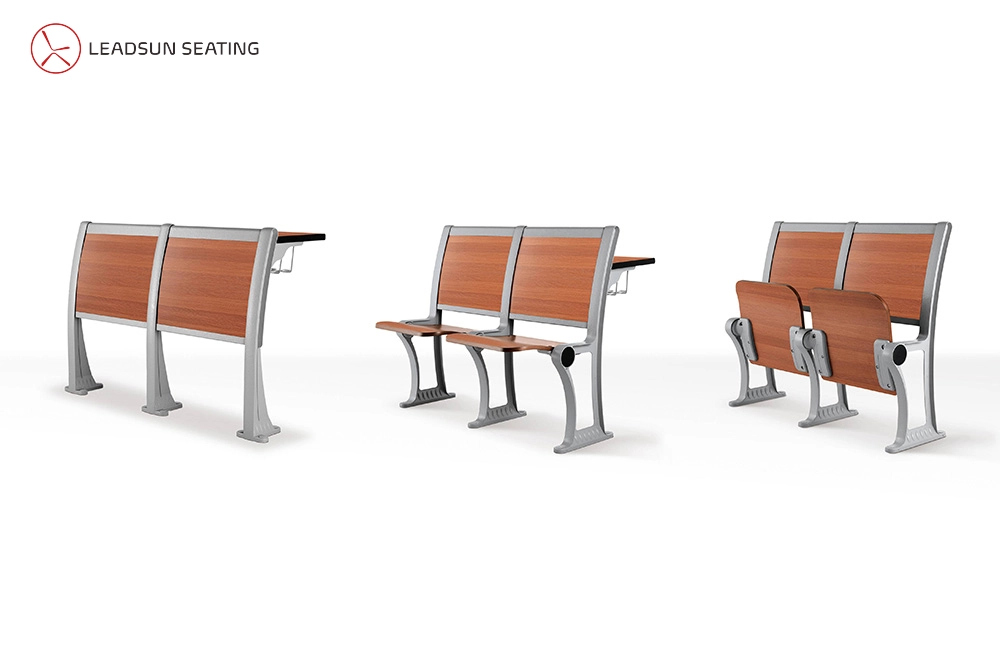
LS-908 Series Fixed Public Auditorium Chair or Tiered Classroom Solutions by Leadsun Seating
Introducing the LS-908 Series by Leadsun, your ideal solution for tiered classroom seating and fixed public auditorium chairs. Designed for comfort and durability, this series enhances audience engagement in educational and corporate settings. Discover the perfect blend of functionality and style with Leadsun Seating.
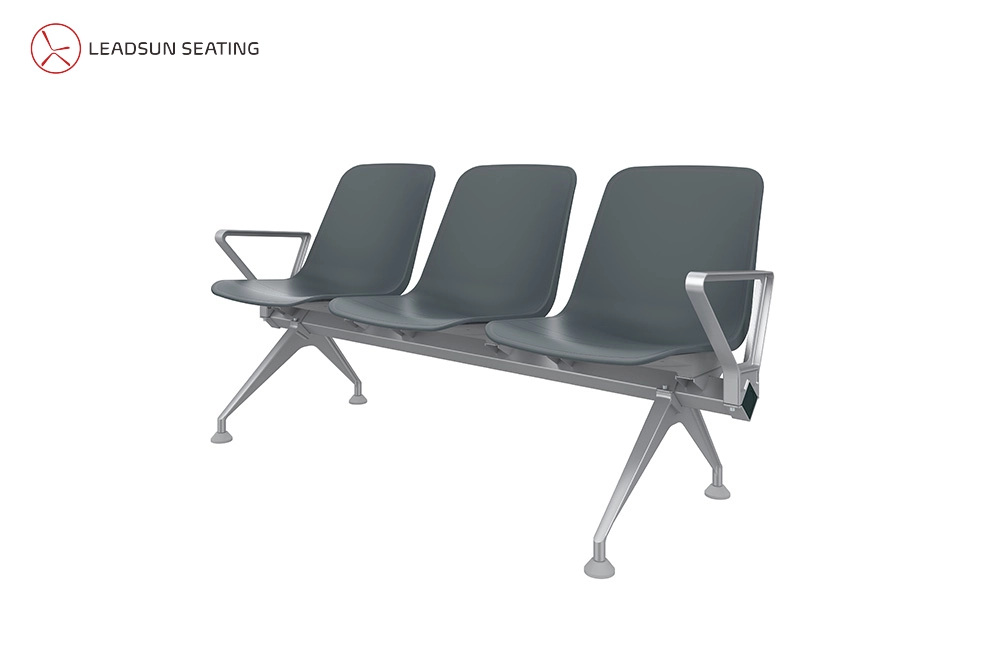
LS-550 Comfortable and Durable Waiting Chair | Customizable Waiting Chair Supplier Leadsun Seating
The LS-550 waiting chair from Leadsun offers superior comfort and durability for any public place. Customize your seating with Leadsun, a leading customizable waiting chair supplier. Ideal for high-traffic areas, the LS-550 ensures lasting performance and style.
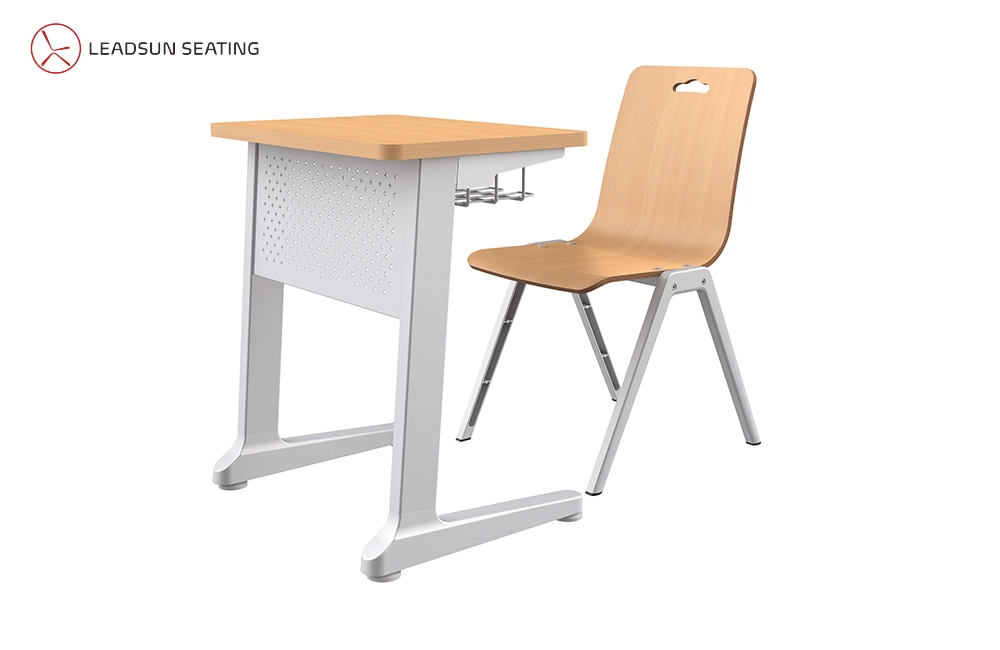
LS-9301 Single movable classroom chair |The Ultimate Flexible Solution for Modern Classrooms by Leadsun Seating
Leadsun's LS-9301 single movable classroom chair offers ultimate flexibility for modern learning environments. This activity desk and chair solution ensures comfortable and adaptable seating for students. Ideal for dynamic classrooms.
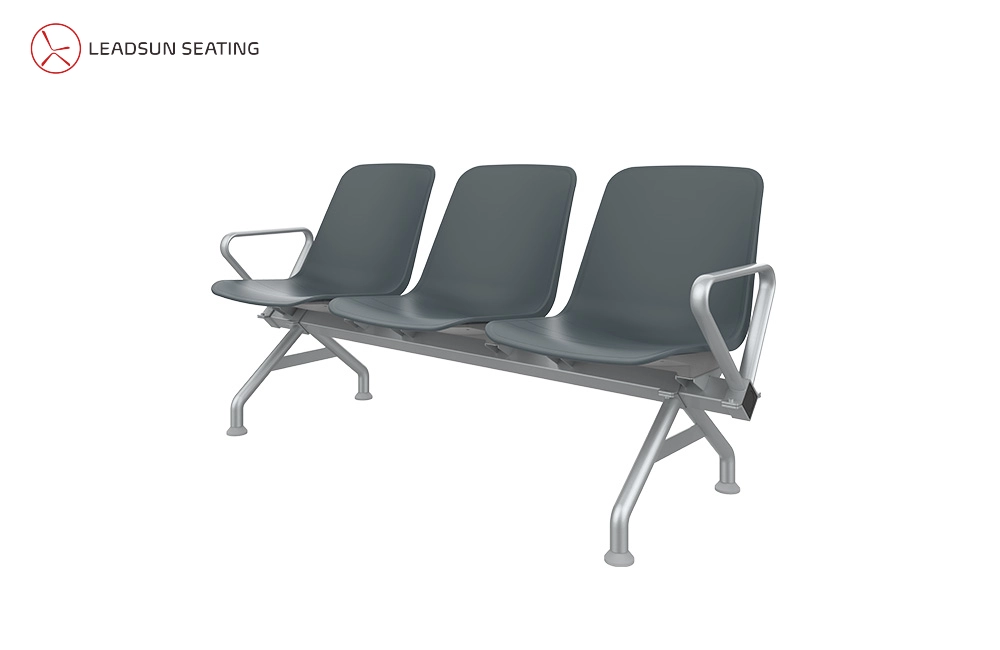
LS-551 Ergonomic Modular Waiting Chairs | Commercial Seating Solutions by Leadsun Seating
Leadsun's LS-551 Ergonomic Modular Waiting Chairs offer superior comfort for any commercial space. Ideal for hospitals, airports, and more, these modular chairs provide flexible configurations and ergonomic support. Experience unmatched comfort and style with Leadsun Seating.
Ready for your public seating project?
We specialize in providing high-quality, customizable seating solutions for public spaces, and we are excited to assist you with your project.
Our professional team will quickly answer your questions and provide customized solutions to ensure you have a worry-free experience.

Leadsun Seating is also engaged in the design, development, production, and marketing of lightweight public seats in public places, with an annual output of desks and chairs.
 Scan QR Code