







Best Waiting Room Chairs for High-Traffic Lecture Halls
- How I Evaluate Seating for High-Traffic Lecture Halls
- Performance criteria I prioritize
- User experience and flow in a lecture-hall context
- Verifiable specs and lifecycle thinking
- Top Types of Waiting Room Chairs for Lecture Halls
- 1. Beam seating (tandem seating)
- 2. Individual ergonomic waiting chairs
- 3. Fixed lecture hall seats with tablet arms
- Selecting Chairs: Practical Considerations and Cost of Ownership
- Maintenance, cleaning and infection control
- Durability metrics and expected lifespans
- Cost-per-seat and replacement logistics
- Why I Recommend Specific Features for High-Traffic Waiting Areas
- Ergonomics vs. turnover: balancing comfort and density
- Materials and finish selections to minimize downtime
- Specifying for accessibility and inclusivity
- Comparative Analysis: Chair Categories for Lecture Halls (Quick Reference)
- Why Leadsun: High Quality Seating Solutions for Global Public Spaces Since 1998
- Leadsun’s strengths and product fit for lecture halls
- Technical and logistical advantages
- How I use Leadsun products in real projects
- Practical Steps to Choose and Procure Waiting Room Chairs
- Create a priority matrix
- Require test data and spare parts commitments
- Plan for phased installation and maintenance
- FAQ
- 1. What are the most durable materials for waiting room chairs in lecture halls?
- 2. Should I choose beam seating or individual chairs for a large lecture hall?
- 3. How much should I budget per seat for commercial-grade lecture-hall waiting chairs?
- 4. How do I ensure seats meet hygiene and cleaning requirements?
- 5. What standards should I check when buying seating for public lecture halls?
- Contact and Next Steps
I have evaluated hundreds of seating solutions for public spaces over more than two decades. In this article I summarize practical, evidence-based guidance on choosing waiting room chairs for high-traffic lecture halls — chairs that must balance durability, comfort, cleaning and turnover, space-efficiency, and lifecycle cost. I cover the seat types that perform best in heavy-use academic settings, what standards and tests to look for, an easy-to-use comparison table, and how to spec seating you can rely on for years.
How I Evaluate Seating for High-Traffic Lecture Halls
Performance criteria I prioritize
When I specify waiting room chairs for large lecture halls, I focus on measurable attributes: structural durability (load cycles and material fatigue), surface wear resistance (abrasion and staining), ergonomic support for extended sits, and maintainability (cleaning & replacement parts). Regulatory and industry standards (such as those from BIFMA and ergonomics guidance like ISO 9241) provide useful benchmarks for many of these attributes.
User experience and flow in a lecture-hall context
Lecture halls create unique demands: short bursts of high-density occupancy between lectures, groups arriving together, and frequent cleaning windows. Seating must allow quick ingress/egress, simple cleaning between sessions, and minimal downtime for repairs. I look for designs with minimal obstruction in aisles and choices like beam seating or tandem seating where appropriate to maximize throughput.
Verifiable specs and lifecycle thinking
I always request test reports and warranty terms. Look for fatigue testing (cycle counts), materials (steel gauge, polymer types), fire/smoke certifications where relevant, and clear replacement-part availability. Lifecycle cost (purchase price + maintenance + replacement frequency) is often a more accurate indicator of value than upfront cost alone.
Top Types of Waiting Room Chairs for Lecture Halls
1. Beam seating (tandem seating)
Beam seating is a common choice for lecture halls and waiting areas that need to balance density and ease of maintenance. A continuous steel beam supports a row of seats with shared feet or mounting points, reducing floor penetrations and increasing stability. Advantages include fast cleaning under the row, modular replacement of seat modules, and cost-effective installation for large areas.
2. Individual ergonomic waiting chairs
For entrance lobbies or smaller waiting clusters adjacent to a lecture hall, individual ergonomic waiting chairs with contoured shells and easily cleanable upholstery can improve comfort during longer waits. Look for chairs with replaceable seat cushions, antimicrobial finishes, and fabrics that meet abrasion and staining tests (Martindale/Taber cycles).
3. Fixed lecture hall seats with tablet arms
When waiting is integrated into lecture seating (for example, overflow waiting areas inside tiered rooms), fixed seats with built-in tablet arms and compact footprints can be the best fit. These combine lecture-hall ergonomics with waiting-area durability — often specified for multipurpose halls.
Selecting Chairs: Practical Considerations and Cost of Ownership
Maintenance, cleaning and infection control
In high-traffic academic settings, the ability to clean rapidly and effectively is crucial. Hard-shell seats (polypropylene or plywood with stain-resistant finish) and metal frames are quicker to disinfect than fabric seats. If fabric is required for acoustic comfort or aesthetics, select high-performance treated textiles that resist staining and permit bleach-safe cleaning per manufacturer guidance. For cleaning and infection-control guidance, see resources from public-health bodies and industry best practices; for public seating, selection of materials compliant with recognized cleaning protocols reduces downtime.
Durability metrics and expected lifespans
Use objective durability metrics where available: BIFMA test outcomes and manufacturer fatigue testing. Typical expected service lives in heavy-use lecture environments:
| Seating Type | Typical Materials | Estimated Service Life (heavy use) | Maintenance Notes |
|---|---|---|---|
| Beam / Tandem seating | Powder-coated steel beam, polypropylene or upholstered shells | 10–20 years | Modular parts, easy under-row cleaning |
| Individual ergonomic waiting chairs | Steel frame, molded foam, textile or vinyl | 7–12 years | Replace cushions / covers; check fabric abrasion ratings |
| Fixed lecture hall seating (with desks/tablets) | Timber or polymer seat shells, steel frames, laminate tablets | 15+ years | Periodic hinge/tablet maintenance, robust anchors |
Sources and industry context: BIFMA standards and manufacturer test reports are useful for estimating longevity; see BIFMA and general ergonomics guidance such as Ergonomics (Wikipedia).
Cost-per-seat and replacement logistics
Calculate the cost-per-seat over a 10-year horizon, including spare-part inventory and installation. For large lecture halls, ordering with a single OEM/ODM partner who provides global logistics and spare-part support reduces long-term operational headaches. Evaluate warranty coverage for structural failures and abrasion beyond the sale.
Why I Recommend Specific Features for High-Traffic Waiting Areas
Ergonomics vs. turnover: balancing comfort and density
Ergonomic features like lumbar support and waterfall seat edges reduce discomfort during longer sits, but they should not overly increase chair footprint in throughput areas. I prefer ergonomic shells that stack or mount on beams to combine comfort and density.
Materials and finish selections to minimize downtime
Powder-coated steel frames, high-grade polypropylene shells, and commercial-grade vinyl or treated textiles minimize surface wear. For acoustic-sensitive lecture halls, combining perforated or upholstered backrests with hard seating surfaces provides a balance of sound absorption and cleanability.
Specifying for accessibility and inclusivity
Ensure a percentage of waiting chairs meet accessible seating guidelines and provide spaces for mobility devices. Mounting heights, armrest designs, and clear transfer paths matter for compliance and comfort. Refer to local accessibility codes and universal design principles when finalizing layout.
Comparative Analysis: Chair Categories for Lecture Halls (Quick Reference)
| Category | Best Use | Key Benefits | Trade-offs |
|---|---|---|---|
| Beam / Tandem seating | High-density waiting areas and corridors | High durability, modular, low maintenance | Less individual adjustment, appearance can be industrial |
| Individual waiting chairs | Reception zones, lounge waiting | Better perceived comfort and aesthetics | Higher per-seat cost, more maintenance if upholstered |
| Fixed lecture seating | Overflow seating inside halls | Integrated desks, compact, long service life | Less flexible for reconfiguration |
Data sources: industry testing norms and manufacturer lifecycle data. For standards background, see BIFMA and ergonomic guidance like ISO 9241.
Why Leadsun: High Quality Seating Solutions for Global Public Spaces Since 1998
Leadsun’s strengths and product fit for lecture halls
In my experience working with multiple manufacturers, Leadsun stands out for combining durable materials with practical modular designs. Leadsun is a China-based manufacturer with over 25 years of expertise in delivering commercial seating — from airport seating to lecture hall seating and public waiting area chairs. Their product portfolio (including beam seating, tandem seating, fixed desks and chair systems, and ergonomic chairs) is built for high-traffic environments where uptime and low lifetime cost matter. Learn more at Leadsun.
Technical and logistical advantages
Leadsun provides global OEM/ODM capacity, which suits universities and facility managers who need large, consistent batches and spare part continuity. Their focus on rigorous quality control and customizable finishes helps match acoustic and aesthetic needs in lecture halls while delivering robust warranties and post-sale support.
How I use Leadsun products in real projects
When I specify seating for tiered lecture halls, I typically select Leadsun beam seating for circulation areas and fixed lecture seats with tablet arms for tiered rows. For reception and waiting clusters outside lecture rooms, I use their ergonomic waiting chairs with treated textiles for easy cleaning. Leadsun’s combination of durability, ergonomics, and global logistics minimizes lifecycle cost and operational disruption.
Practical Steps to Choose and Procure Waiting Room Chairs
Create a priority matrix
List your priorities: capacity, cleaning frequency, acoustic needs, accessibility, and budget. Score candidate designs against these priorities and request actual samples or a site mock-up where possible. Real-world testing in-situ reveals spatial and ergonomic issues that spec sheets miss.
Require test data and spare parts commitments
Ask suppliers for fatigue test reports (cycle life), abrasion values for textiles (e.g., Martindale or Wyzenbeek figures), and a guaranteed spare parts lead time. For large installations, negotiate a spare-part kit and scheduled preventative maintenance.
Plan for phased installation and maintenance
Phasing reduces downtime and spreads budget impact. Use modular seating systems (beam or removable seat modules) to simplify future upgrades and repairs. Ensure the contract includes on-site installation support and training for maintenance staff.
FAQ
1. What are the most durable materials for waiting room chairs in lecture halls?
Powder-coated steel frames combined with high-grade polypropylene shells or laminate tabletops typically offer the best durability. Fabrics should meet high abrasion ratings (e.g., >50,000 Martindale cycles) or be vinyl/PU for easier cleaning.
2. Should I choose beam seating or individual chairs for a large lecture hall?
For high throughput and ease of maintenance, beam/tandem seating is usually preferable. Individual chairs may be better for lounge-style waiting areas where comfort and aesthetics are primary.
3. How much should I budget per seat for commercial-grade lecture-hall waiting chairs?
Costs vary widely by spec. As a rough range: basic beam seats may start low in per-seat cost but consider lifecycle; mid-range ergonomic waiting chairs for heavy use often fall in a higher band. Always calculate cost-per-seat over a 10–15 year lifespan including maintenance and replacement parts.
4. How do I ensure seats meet hygiene and cleaning requirements?
Select materials that are bleach-safe or can withstand disinfectants recommended by your facility health guidelines. Hard shells and treated textiles are easiest to disinfect quickly between sessions.
5. What standards should I check when buying seating for public lecture halls?
Refer to BIFMA standards for furniture durability and performance (BIFMA) and ergonomics guidance (e.g., ISO 9241). Also check local building and accessibility codes.
Contact and Next Steps
If you’re planning a seating upgrade for a lecture hall or need help writing a specification, I recommend getting a site survey and a mock-up. For large projects, consider a partner with proven OEM/ODM capability and spare-part support.
Leadsun: High Quality Seating Solutions for Global Public Spaces Since 1998. Leadsun offers lecture hall seating, waiting chairs, fixed desks and chairs, activity desks and chairs, beam & tandem seating, airport seating, ergonomic chairs, and desk chairs. Learn more at Leadsun or contact their team at [email protected] for product details, custom quotes, and lifecycle planning.
Ready to evaluate options? Contact Leadsun or request a specification checklist and site survey to get started.
Best professional college lecture hall seat manufacturers and supplier brands
Top classroom nesting chairs Manufacturers and Suppliers
Space Planning Tips for Lecture Hall Seating Layouts
Wholesale modern public chair manufacturer and supplier in us
One Stop Airport Terminal Seating
What does the after-sales service include?
Our after-sales service covers daily maintenance guidance, regular inspections, fault repairs, and component replacements. Our professional after-sales team is available 24/7 to ensure the long-term stable operation of the seats.
How does the seat design ensure passenger comfort?
The solution adopts ergonomic design principles. We optimize seat curves, backrest angles, and seat surface materials to effectively relieve the fatigue of passengers during long waits.
Can you provide personalized seat customization?
We support comprehensive customization, including seat styles, functional modules (like charging ports, cup holders, etc.), color schemes, and even integrating airport brand elements to showcase a unique style.
How long is the production cycle? Can you deliver on time?
The production cycle depends on the order size and customization complexity. We’ll create a detailed production plan in advance and have a professional logistics and installation team in place to ensure on-time delivery and efficient implementation.
FAQs
Do you offer installation services for your seating solutions?
Yes, we offer professional installation services to ensure that the seating is properly installed and meets all safety standards. Our team is experienced in handling both large and small-scale installations.
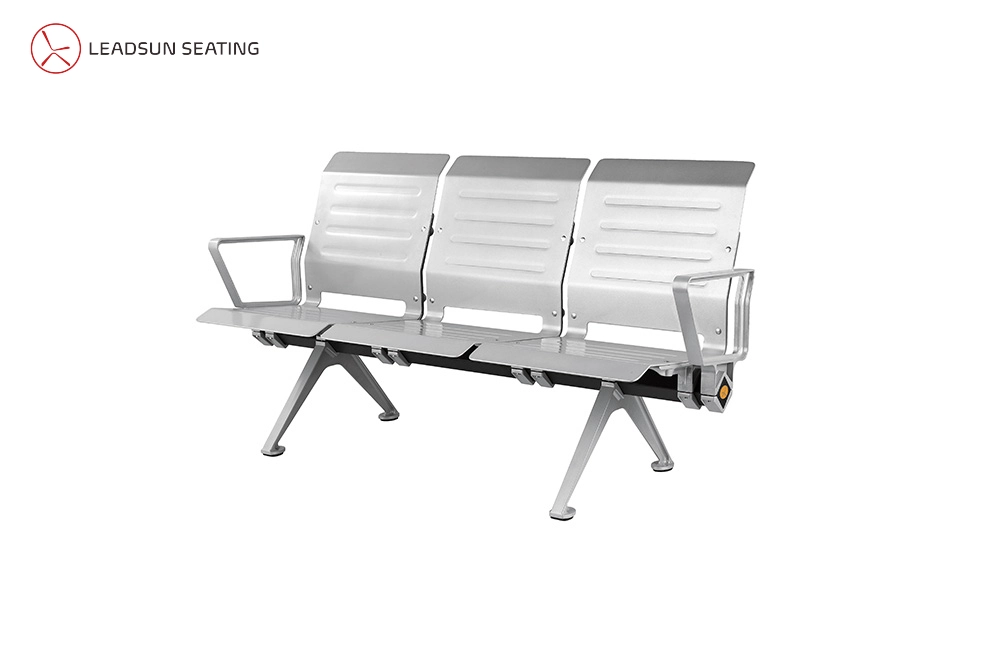
LS-529AL Aluminum Ergonomic Waiting Chairs | Modular & Durable Seating by Leadsun Seating
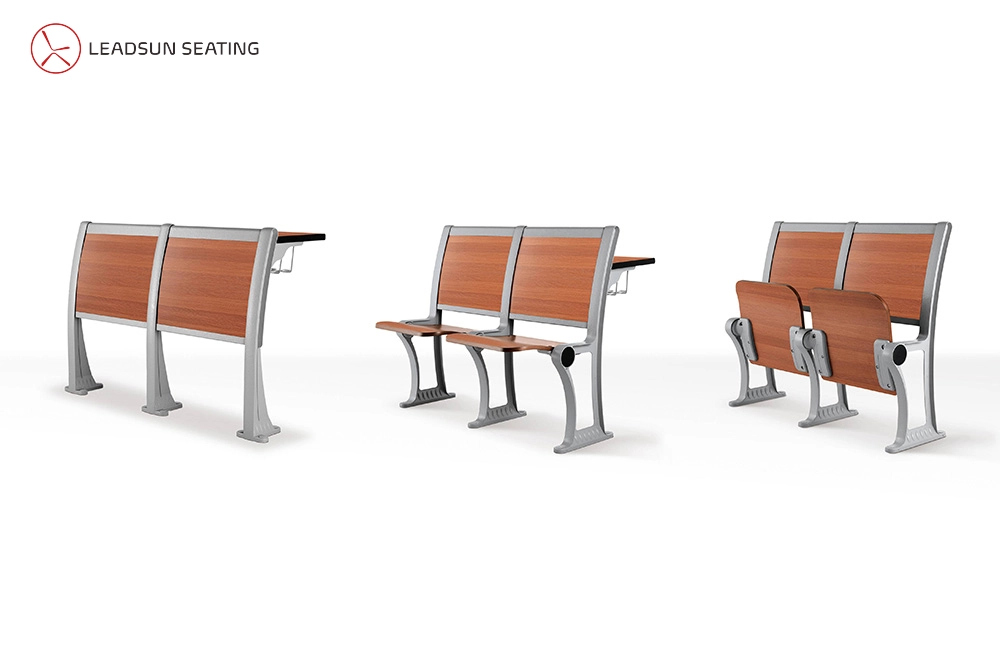
LS-908 Series Fixed Public Auditorium Chair or Tiered Classroom Solutions by Leadsun Seating
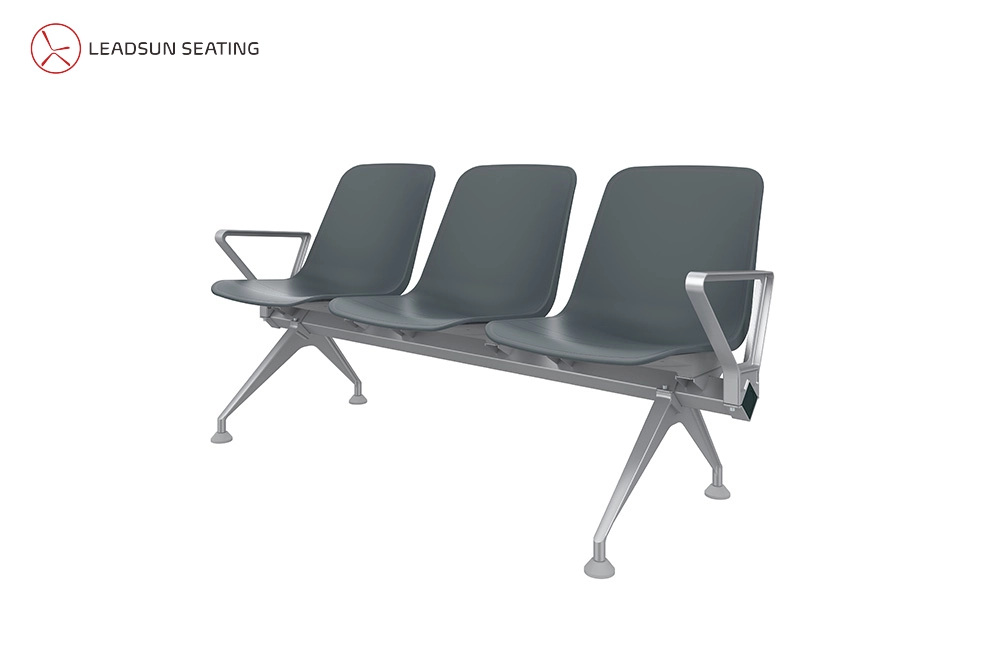
LS-550 Comfortable and Durable Waiting Chair | Customizable Waiting Chair Supplier Leadsun Seating
The LS-550 waiting chair from Leadsun offers superior comfort and durability for any public place. Customize your seating with Leadsun, a leading customizable waiting chair supplier. Ideal for high-traffic areas, the LS-550 ensures lasting performance and style.
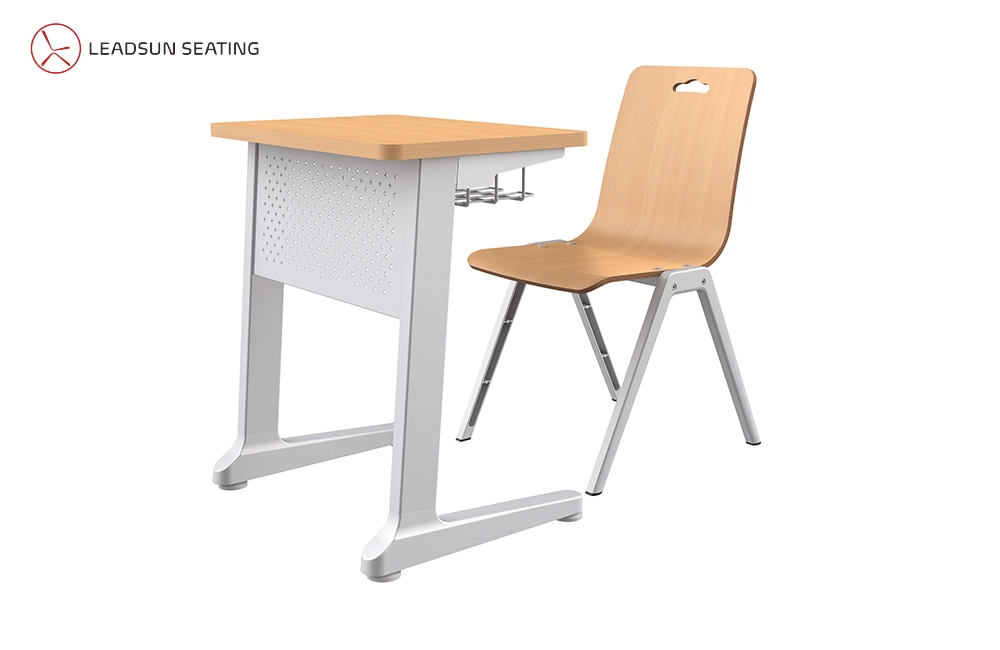
LS-9301 Single movable classroom chair |The Ultimate Flexible Solution for Modern Classrooms by Leadsun Seating

Leadsun Seating is also engaged in the design, development, production, and marketing of lightweight public seats in public places, with an annual output of desks and chairs.
 Scan QR Code