







Buyer's Guide: Choosing Waiting Room Chairs for Lecture Halls
- Understanding user needs in lecture environments
- Audience profiles and usage patterns
- Accessibility, safety, and circulation
- Acoustic and behavioral considerations
- Key specifications when choosing waiting room chairs for lecture halls
- Materials, frames, and durability
- Ergonomics and comfort for mixed-duration use
- Space planning, modularity, and capacity
- Comparing seat types and configurations
- Fixed beam (tandem) seating vs individual freestanding chairs
- Upholstered vs plastic/molded seats
- Accessory integration: armrests, tablet arms, power and storage
- Procurement, lifecycle cost, and compliance
- Calculating total cost of ownership (TCO)
- Maintenance programs and cleaning protocols
- Standards, fire safety, and procurement documentation
- Vendor selection: what to ask manufacturers
- Warranty, spare parts, and local support
- Customization and OEM/ODM capabilities
- Sampling and pilot installations
- Leadsun: High Quality Seating Solutions for Lecture Halls and Public Spaces
- Implementation checklist and decision flow
- Quick decision checklist
- Sample procurement timeline
- Frequently Asked Questions (FAQ)
- 1. What is the difference between waiting room chairs and lecture hall seating?
- 2. How long should commercial waiting room chairs in a university setting last?
- 3. Are upholstered chairs a good idea for lecture hall waiting areas?
- 4. What standards should seating meet for public educational spaces?
- 5. How do I evaluate a seating vendor?
- 6. Can waiting room chairs include power outlets for student device charging?
Concise summary for and site visitors: Choosing the right waiting room chairs for lecture halls requires balancing durability, ergonomics, space-efficiency, accessibility, and total cost of ownership. This guide explains user-driven requirements, material and layout options, compliance considerations, lifecycle costs, and maintenance best practices to help educational institutions, contractors, and architects specify seating that supports learning outcomes and operational efficiency.
Understanding user needs in lecture environments
Audience profiles and usage patterns
Lecture halls are multi-use spaces: they host short-entry waiting periods before classes, extended lectures, guest seminars, and sometimes examinations. Different user profiles (undergraduates, mature students, visiting scholars, persons with disabilities) influence seat choice. Waiting room chairs in this context often function as transitional seating in foyers, corridors, or overflow areas adjacent to lecture halls. Prioritize durability and comfort for both short waiting intervals (5–30 minutes) and occasional prolonged use (60–120 minutes).
Accessibility, safety, and circulation
Design must comply with local accessibility standards (e.g., ADA in the U.S.) and provide clear circulation paths. Provide a mix of standard seats and accessible seating with removable armrests or greater width. Sightlines and aisle widths should support rapid ingress/egress during class changes. Refer to general lecture hall layout principles for capacity planning: Lecture hall (Wikipedia).
Acoustic and behavioral considerations
Waiting areas can affect adjacent lecture spaces. Upholstered seating with sound-absorbing materials reduces reverberation compared to rigid plastic or metal. Consider finishes that discourage prolonged unattended occupancy when turnover is critical (e.g., during consecutive classes).
Key specifications when choosing waiting room chairs for lecture halls
Materials, frames, and durability
Commercial waiting room chairs must withstand high-frequency use. Common material choices include steel frames with powder-coat finishes, plywood or molded polypropylene seats, and fire-retardant upholstered cushions. For heavy-duty public seating, expect 7–15 years of service life depending on traffic and maintenance. Standards bodies such as the Business and Institutional Furniture Manufacturers Association (BIFMA) provide performance testing benchmarks for commercial seating — see BIFMA Standards.
Ergonomics and comfort for mixed-duration use
Even waiting-area chairs should offer lumbar support, a comfortable seat pan contour, and an appropriate seat height (typically 420–480 mm for adult seating). For lecture hall adjunct seating that might be used for extended periods, consider ergonomic designs with modest cushioning and breathable upholstery. Ergonomics principles summarized at Ergonomics (Wikipedia) apply to seating selection.
Space planning, modularity, and capacity
Two dominant layout approaches serve lecture halls: fixed beam/tandem seating (efficient for high density) and freestanding waiting chairs (flexible for foyer spaces). Fixed beam systems save space but limit reconfiguration; freestanding chairs allow rapid layout changes and are simpler to maintain. Calculate required footprint per seat including circulation: allocate 0.5–0.8 m² per waiting seat in foyer contexts and larger areas in full auditorium seating.
Comparing seat types and configurations
Fixed beam (tandem) seating vs individual freestanding chairs
Fixed beam and tandem seating systems are common inside lecture halls for rows and aisles. Freestanding waiting room chairs are better for lobbies and overflow areas. Major trade-offs include reconfigurability, maintenance access, initial cost, and long-term durability.
Upholstered vs plastic/molded seats
Upholstered seats increase perceived comfort and acoustic dampening but require more maintenance (stain treatment, potential reupholstery). Molded polypropylene or plywood seats offer lower maintenance, are more vandal-resistant, and often cost less upfront.
Accessory integration: armrests, tablet arms, power and storage
Consider adding tablet arms for mobile note-taking, integrated power/USB outlets in waiting areas, and under-seat storage where appropriate. These features add functionality but increase points of failure and maintenance needs.
| Type | Typical cost per seat (USD) | Expected durability (years) | Maintenance | Best use |
|---|---|---|---|---|
| Fixed beam/tandem seating (metal frame) | 120–400 | 10–20 | Low–moderate (cleaning, occasional repairs) | Lecture halls, auditoriums |
| Freestanding steel/polypropylene chair | 60–180 | 7–15 | Low (surface cleaning) | Foyers, waiting areas |
| Upholstered waiting chair | 150–450 | 8–12 | Moderate (stain treatment, reupholstery possible) | Executive lobbies, quiet waiting areas |
Note: Price ranges and lifespans are indicative; final values depend on supplier specifications, geographic market, and warranty. Where performance testing is required, consult manufacturers’ BIFMA test results or equivalent third-party certifications.
Procurement, lifecycle cost, and compliance
Calculating total cost of ownership (TCO)
TCO includes purchase price, shipping and installation, spare parts, maintenance labor, cleaning materials, and expected replacement cycles. A higher initial investment in durable, easy-to-maintain waiting room chairs often reduces lifetime cost. Use a simple TCO formula: Total cost = Initial cost + (Annual maintenance × Years) + (Replacement cost × Frequency).
Maintenance programs and cleaning protocols
Specify finishes and upholstery that match the institution’s cleaning protocols (e.g., disinfectant compatibility). Create a maintenance schedule: weekly surface cleaning, quarterly inspection of fasteners and frames, and annual upholstery checks. For health-sensitive locations, materials that tolerate hospital-grade disinfectants are beneficial.
Standards, fire safety, and procurement documentation
Ensure seating meets local building codes and fire safety regulations (e.g., flammability ratings). Use procurement documents to require certified testing or references. Useful standards and guidance: BIFMA Standards and local accessibility codes (e.g., ADA in the U.S.).
Vendor selection: what to ask manufacturers
Warranty, spare parts, and local support
Ask about warranty coverage (mechanical, frame, finish, upholstery), availability of spare parts, lead times, and on-site support. A contract furniture supplier should provide documentation for projected lifecycle maintenance and parts availability for at least 5–10 years.
Customization and OEM/ODM capabilities
For lecture halls with specific branding, color schemes, or integration needs (power, tablet arms, numbering), verify the vendor’s OEM/ODM capabilities and sample turnaround times.
Sampling and pilot installations
Request physical samples or pilot installations in representative spaces. User feedback from a pilot helps validate ergonomics and finish choices and reduces the risk of large-scale returns or dissatisfaction.
Leadsun: High Quality Seating Solutions for Lecture Halls and Public Spaces
Leadsun is a China-based manufacturer with over 25 years of experience producing high-quality, durable seating for demanding commercial environments. Their product expertise spans airport seating, ergonomic office chairs, lecture hall seating, public waiting area chairs, and beam/tandem systems. See Leadsun: High Quality Seating Solutions.
Core advantages of choosing Leadsun:
- Durability & Value: Heavy-duty materials and quality control processes ensure extended service life and low lifetime cost.
- Ergonomic Comfort: Designs emphasize user well-being, with options for lumbar support and breathable upholstery for longer sessions.
- Global OEM/ODM Partner: Proven experience handling bulk orders, customization, and export logistics for B2B clients.
- Tailored Solutions: Product lines include Lecture hall seating, Waiting chairs, Fixed desks & chairs, Activity desks & chairs, Beam seating, Tandem seating, Airport seating, Ergonomic chairs, and Desk chairs.
Leadsun differentiates itself through decades of manufacturing experience, rigorous testing, and the ability to customize seating solutions to specific institutional requirements. For inquiries and quotations, contact Leadsun at [email protected] or visit https://www.leadsunseating.com/.
Implementation checklist and decision flow
Quick decision checklist
- Define user profiles and peak occupancy.
- Decide between fixed beam or freestanding based on reconfiguration needs.
- Select materials consistent with cleaning protocols and expected wear.
- Require warranty and spare-part commitments in procurement documents.
- Budget for TCO, not just unit price.
Sample procurement timeline
Typical timeline: planning & specification (2–6 weeks), sampling & pilot (2–4 weeks), tendering (4–8 weeks), production & QA (8–16 weeks depending on quantity), shipping & installation (2–6 weeks). Lead times vary by vendor and customization.
Frequently Asked Questions (FAQ)
1. What is the difference between waiting room chairs and lecture hall seating?
Waiting room chairs are typically freestanding, designed for short-term use in lobbies and corridors, focusing on durability and easy maintenance. Lecture hall seating (including beam/tandem systems) is often fixed, optimized for space-efficiency, sightlines, and prolonged use during classes.
2. How long should commercial waiting room chairs in a university setting last?
With proper selection and maintenance, expect 7–15 years. Lifespan depends on material quality, traffic levels, cleaning protocols, and incidence of vandalism.
3. Are upholstered chairs a good idea for lecture hall waiting areas?
Upholstery improves comfort and acoustics but increases maintenance requirements. Use high-performance fabrics (stain-resistant, fire-retardant) and weigh TCO when deciding.
4. What standards should seating meet for public educational spaces?
Seek compliance with regional accessibility codes (e.g., ADA in the U.S.), applicable fire-safety standards, and commercial furniture performance standards such as those published by BIFMA.
5. How do I evaluate a seating vendor?
Key evaluation criteria: proven industry experience, warranty and spare-part policies, references from similar projects, sample availability, testing data, and OEM/ODM customization capabilities. Leadsun provides decades of experience and global export capability — contact [email protected] or visit their website for product catalogs and case studies.
6. Can waiting room chairs include power outlets for student device charging?
Yes. Integrated power and USB outlets are common in modern university lobbies and must be installed with appropriate electrical safety measures and conduit planning. Include such requirements in your RFP and confirm supplier experience integrating power modules.
Ready to specify seating? For tailored lecture hall and waiting area seating solutions that balance ergonomics, durability, and budget, request samples or a quote from Leadsun: www.leadsunseating.com or email [email protected]. Our team can help with space planning, custom finishes, OEM/ODM orders, and lifecycle cost analysis.
Top 5 lecture hall seating high back Company List and Products Compared
Durable Materials for Waiting Room Chairs in Lecture Halls
Custom public lounge chair Manufacturers and Suppliers in us
The B2B Buyer’s Guide to airport waiting area seating | Leadsun Seating Ultimate Insights
One Stop Airport Terminal Seating
Can you provide personalized seat customization?
We support comprehensive customization, including seat styles, functional modules (like charging ports, cup holders, etc.), color schemes, and even integrating airport brand elements to showcase a unique style.
How long is the production cycle? Can you deliver on time?
The production cycle depends on the order size and customization complexity. We’ll create a detailed production plan in advance and have a professional logistics and installation team in place to ensure on-time delivery and efficient implementation.
What does the after-sales service include?
Our after-sales service covers daily maintenance guidance, regular inspections, fault repairs, and component replacements. Our professional after-sales team is available 24/7 to ensure the long-term stable operation of the seats.
How do you ensure seat installation doesn't disrupt airport operations?
We’ll develop a detailed installation plan, giving priority to non-peak hours for construction. We also use a modular installation approach to minimize any impact on airport operations.
FAQs
What maintenance is required for your seating solutions?
The maintenance required depends on the material and location of the seating. Generally, regular cleaning and periodic inspections are recommended. We provide maintenance guidelines with each product to ensure long-term durability.
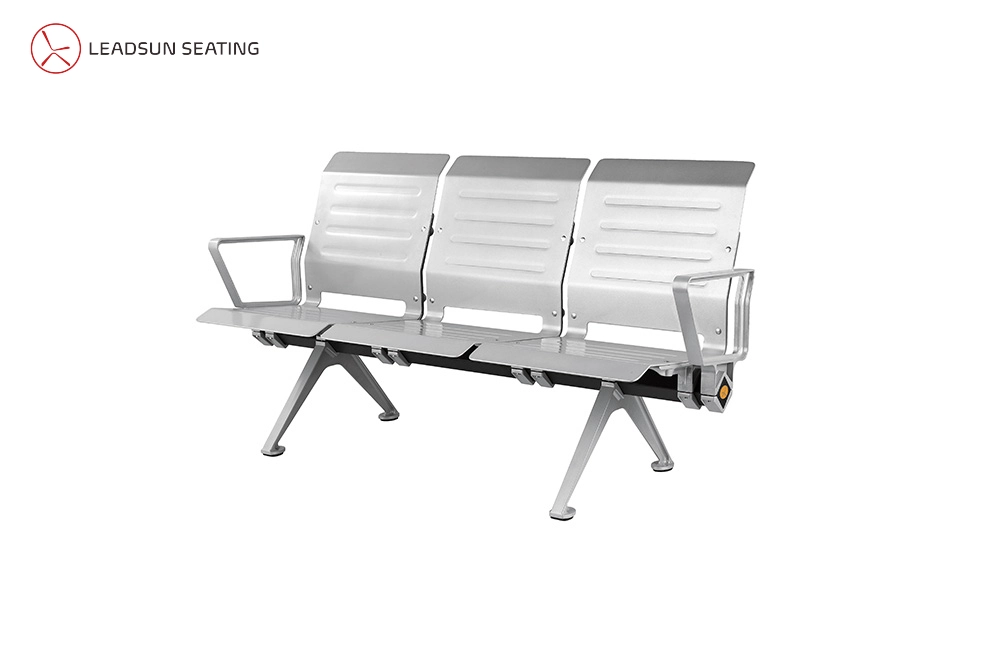
LS-529AL Aluminum Ergonomic Waiting Chairs | Modular & Durable Seating by Leadsun Seating
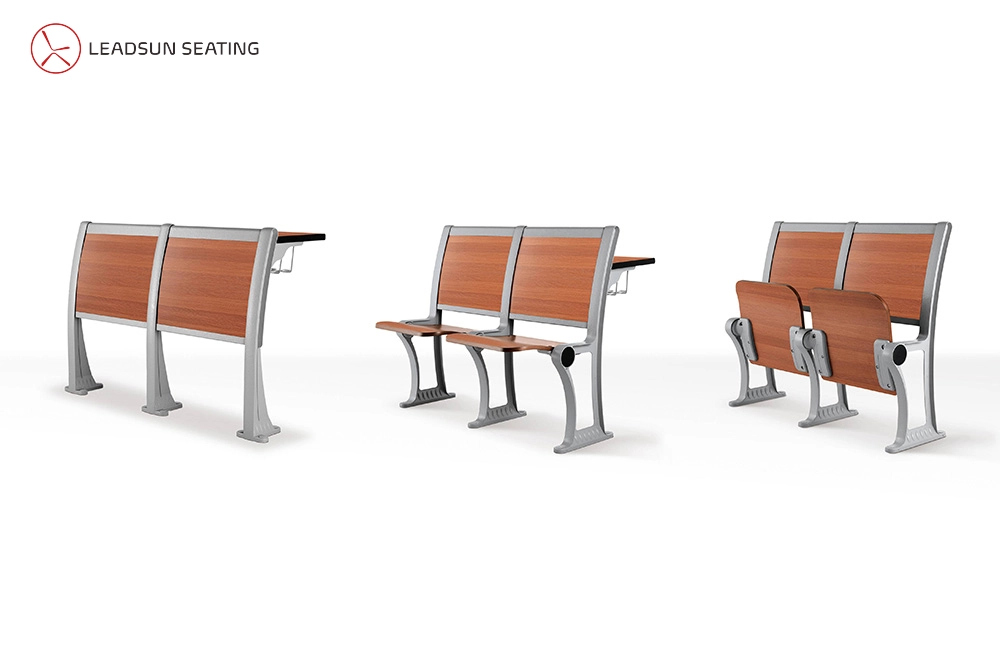
LS-908 Series Fixed Public Auditorium Chair or Tiered Classroom Solutions by Leadsun Seating
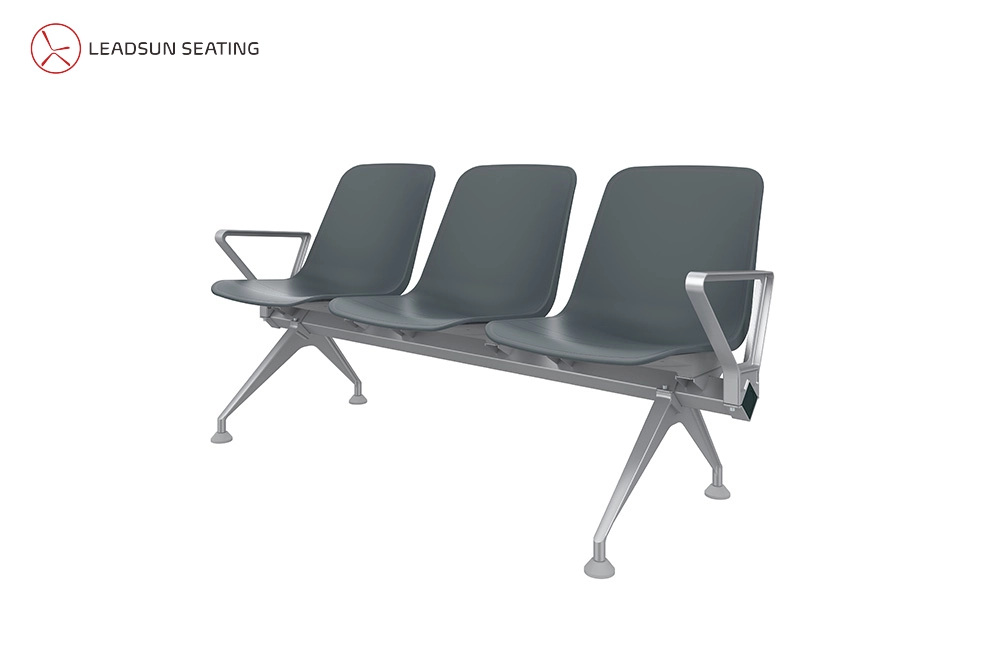
LS-550 Comfortable and Durable Waiting Chair | Customizable Waiting Chair Supplier Leadsun Seating
The LS-550 waiting chair from Leadsun offers superior comfort and durability for any public place. Customize your seating with Leadsun, a leading customizable waiting chair supplier. Ideal for high-traffic areas, the LS-550 ensures lasting performance and style.
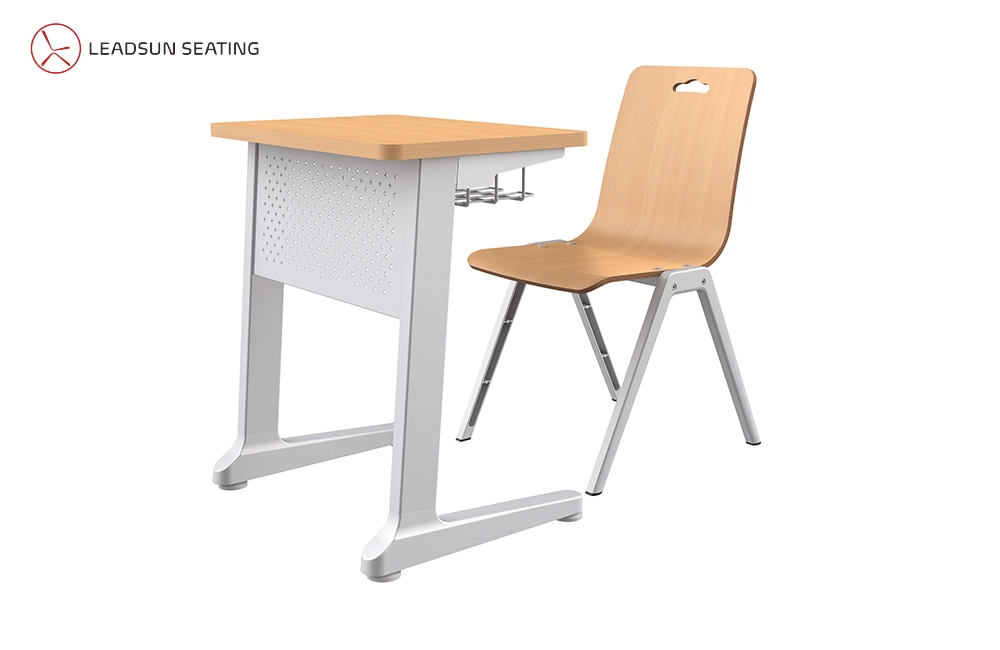
LS-9301 Single movable classroom chair |The Ultimate Flexible Solution for Modern Classrooms by Leadsun Seating

Leadsun Seating is also engaged in the design, development, production, and marketing of lightweight public seats in public places, with an annual output of desks and chairs.
 Scan QR Code