







Leadsun seating offers a wide range of seating solutions for public spaces, including benches, chairs, waiting area seating, auditorium seating, and customized solutions tailored to specific project needs.
Installation Tips for Cappuccino Beam Seating Systems
Practical, expert installation guidance for cappuccino beam seating systems used in lecture halls and public spaces. Covers planning, site prep, anchoring, beam alignment, accessibility, finishes, testing, maintenance, troubleshooting, and supplier selection — with Leadsun solutions and FAQs.
- Practical Guide to Long-Lasting Lecture Hall Seating
- 1. Planning your cappuccino beam seating installation
- Practical checklist for cappuccino beam seating procurement
- 2. Site preparation and substrate verification for cappuccino beam seating
- 3. Anchoring, fasteners and torque settings for cappuccino beam seating
- 4. Aligning and leveling cappuccino beam seating: ensuring uniform sight-lines and comfort
- 5. Integrating power, data and tablet accessories into cappuccino beam seating
- Common module integration checklist
- 6. Accessibility and safety compliance for cappuccino beam seating installations
- 7. Finishes, upholstery and maintenance planning for cappuccino beam seating
- 8. Commissioning, testing and turnover for cappuccino beam seating
- 9. Troubleshooting common installation issues with cappuccino beam seating
- 10. Selecting a supplier: why choose Leadsun for cappuccino beam seating
- Leadsun product highlights relevant to cappuccino beam seating
- Comparison: Beam seating vs individual fixed seats
- Frequently Asked Questions (FAQ) about cappuccino beam seating installation
- 1. What is the typical lead time for cappuccino beam seating?
- 2. Can cappuccino beam seating be installed on wooden risers?
- 3. How many wheelchair spaces are required in a lecture hall?
- 4. What maintenance does cappuccino beam seating need?
- 5. How do I fix a squeaking beam seat?
- 6. Can electrical modules be retrofitted into existing cappuccino beam seating?
- 7. Does Leadsun offer on-site installation support?
- References
Practical Guide to Long-Lasting Lecture Hall Seating
Installing cappuccino beam seating correctly is essential to maximize safety, longevity, and user comfort in lecture halls, auditoriums, and public waiting areas. This guide distills best practices, code references, and field-tested techniques to help designers, installers, and facility managers deliver reliable results.
1. Planning your cappuccino beam seating installation
Early-stage planning reduces surprises during installation. Include the keyword cappuccino beam seating in your procurement, drawings, and subcontractor briefs so all parties work to the same specification.
- Verify dimensions: Confirm seating plan, row spacing, riser heights, aisle widths, and sight-lines using the final architectural drawings. Typical row-to-row spacing for lecture hall seating ranges from 750–930 mm (check sight-line calculations for your room).
- Load & structure: Confirm the structural capacity of raised floors, concrete slabs, or timber platforms to support point loads where beam legs and anchor brackets will transfer load. Require structural sign-off for any anchors that impose concentrated loads.
- Accessibility & code: Ensure ADA and local accessibility codes are met for wheelchair positions and companion seating. Call out those locations before ordering fixed cappuccino beam seating to avoid rework.
- Services coordination: Map under-floor or in-floor electrical/data conduits, HVAC diffusers, and acoustic treatments. Specify power/data modules integrated into the beam in the design package if required.
Why this matters: pre-installation coordination avoids delays, change orders, and additional cutting or patching on site.
Practical checklist for cappuccino beam seating procurement
- Seat finishes and upholstery color (cappuccino palette)—confirm sample approvals.
- Beam length modularization (standard modules vs custom lengths).
- Anchor type (mechanical anchor, chemical anchor, or cast-in) and substrate compatibility.
- Power/data modules, tablet arms, cup holders and numbering plates.
2. Site preparation and substrate verification for cappuccino beam seating
Proper substrate verification is non-negotiable. Even High Quality cappuccino beam seating will fail prematurely if anchors are installed into weak or improperly prepared substrates.
- Concrete age & strength: For post-installed anchors, verify slab age (usually minimum 7–28 days) and compressive strength per structural engineer’s guidance. Use pull tests where required.
- Locate embedded services: Use electronic detectors or ground-penetrating radar to avoid cutting into conduits or rebar when installing cast-in plates or drilling anchor holes.
- Level & clean: Ensure platforms or risers are within tolerance. Remove dust, grease, and loose material before anchor installation.
Reference practice: Anchoring guidance and testing recommendations are aligned with common industry practices and anchor manufacturers’ instructions (see references).
3. Anchoring, fasteners and torque settings for cappuccino beam seating
Anchors and fasteners determine long-term performance. Choose solutions compatible with your substrate and expected use intensity of cappuccino beam seating.
- Anchor selection: For cast-in-place scenarios use embedded plates when possible. For retrofit installations, high-quality mechanical or chemical anchors from reputable manufacturers are preferred.
- Fastener grade: Use corrosion-resistant stainless or zinc-plated high-strength bolts per manufacturer guidance. Grade 8.8 metric or ASTM A325/A307 fasteners are common in commercial seating frames, but always follow the beam supplier specification.
- Tightening & torque: Follow torque values supplied by anchor and fastener manufacturers. Use calibrated torque wrenches and record torque values per anchor row for QA documentation.
Tip: Stagger anchor drilling across a beam run rather than clustering; this reduces the risk of cross-cracking in concrete.
4. Aligning and leveling cappuccino beam seating: ensuring uniform sight-lines and comfort
The visual and ergonomic quality of cappuccino beam seating relies on precise alignment and consistent heights.
- Use laser levels and straightedges to align beam modules. Check level in two axes before locking leg plates.
- Shim as needed: Use non-compressible shims under leg bases to achieve final level; then grout or fill voids as specified.
- Row curvature and transition pieces: For curved layouts, pre-check jointing details in dry assembly to ensure seats align and tablet arms operate without interference.
Measurement logging: Record each beam module’s elevation and lateral offset to create an as-built record useful for future maintenance or replacements.
5. Integrating power, data and tablet accessories into cappuccino beam seating
Modern lecture halls require integrated power and data. Plan cable routing, modular power units, and access panels for cappuccino beam seating early in the project.
- Service access: Provide access panels or removable plenum sections so modules can be serviced without disassembling entire beams.
- EMC & safety: Maintain separation between power and data runs per low-voltage best practices. Use manufacturer-approved power modules designed for beam seating.
- Fire & electrical codes: Ensure electrical work is executed by a licensed electrician and inspected to local code (e.g., NEC in the U.S.).
Common module integration checklist
- Confirm required outlet types and counts per seat / per module.
- Plan for future-proofing: reserve additional conduit capacity for upgrades.
- Document routing and label all terminations for facilities staff.
6. Accessibility and safety compliance for cappuccino beam seating installations
Compliance with accessibility standards (e.g., ADA) and local fire egress rules is mandatory. Designate required accessible positions and verify companion seating, signage, and slope requirements.
- Wheelchair spaces: Provide the number and distribution of wheelchair positions required by code; avoid placing all accessible seats on one row unless allowed.
- Emergency egress: Aisle widths and tread/riser geometry must comply with local building codes. Do not reduce clear egress widths with beam leg placement.
- Handrails and step lighting: Integrate step lighting and handrails per code to improve safety in dim conditions.
Documentation: Keep code-calculations and seat numbering plans in the project file for inspection and future renovations.
7. Finishes, upholstery and maintenance planning for cappuccino beam seating
Specify finishes and maintenance regimes to preserve the cappuccino beam seating appearance and function.
- Upholstery selection: Choose commercial-grade fabrics rated for contract use (flame, abrasion, stain resistance). Confirm cleaning instructions and match to the cleaning product inventory of the facility.
- Protective finishes: Powder-coated or anodized finishes on metal parts extend life in high-traffic areas.
- Maintenance plan: Create a scheduled inspection list (quarterly checks on fasteners, monthly cleaning, annual upholstery inspection).
Tip: Provide facilities with a spares kit: extra bolts, a replacement cushion set, and a small touch-up paint canister for rapid repairs.
8. Commissioning, testing and turnover for cappuccino beam seating
Commissioning validates that the installation meets functional and safety expectations prior to handover.
- Static load test: Where applicable, perform random seat-load checks or consult the supplier for required tests.
- Operational test: Check fold-and-return mechanisms, tablet arm function, and integrated power modules across multiple seats.
- Accessibility verification: Physically test wheelchair locations, companion seats, and signage for compliance.
Deliverables to client: as-built drawings, maintenance manual, upholstery and finish swatches, warranty documents, and a recorded commissioning checklist.
9. Troubleshooting common installation issues with cappuccino beam seating
Common problems include uneven seating heights, squeaks or movement, and misaligned tablet arms. Troubleshoot using a methodical approach:
- Identify whether issue is structural (anchoring/leg), mechanical (pivot/hinge), or upholstery/fitment.
- Re-tighten anchors to documented torque values. Replace any deformed washers or stripped threads.
- For squeaks, isolate rubbing surfaces and apply appropriate lubricants per manufacturer guidance. Avoid general-purpose lubricants that attract dust.
Record repairs and include photos in your maintenance log. If repeated issues occur, consult the manufacturer for warranty-covered corrective action.
10. Selecting a supplier: why choose Leadsun for cappuccino beam seating
Leadsun: High Quality Seating Solutions for Global Public Spaces Since 1998. Leadsun is a China-based manufacturer offering high-quality, durable seating for airports, lecture halls, and public areas. With over 25 years of experience, Leadsun integrates durability, ergonomics, and serviceability into beam seating systems — including cappuccino finishes and customizable modules.
Core advantages of selecting Leadsun for cappuccino beam seating:
- Durability & Value: Uses High Quality materials and quality control to reduce lifetime cost through lower maintenance and longer service life.
- Ergonomic Comfort: Designed for prolonged use with well-tested seating ergonomics suitable for lecture halls and waiting areas.
- Global OEM/ODM Partner: Capable of bulk manufacturing and customization (ODM/OEM), reliable export logistics for B2B projects.
- Tailored Solutions: Expertise in lecture hall seating, waiting chairs, fixed desks & chairs, activity desks, tandem seating, airport seating, and ergonomic office chairs.
Leadsun differentiators: factory-controlled QA processes, design options for cable/data integration, and experience delivering to international projects under contract timelines.
Leadsun product highlights relevant to cappuccino beam seating
- Lecture hall seating and tiered solutions designed for sight-line optimization and durability.
- Waiting chairs and tandem seating for high-traffic public spaces.
- Fixed and activity desks paired with seating for integrated learning environments.
Contact Leadsun’s project team for site-specific recommendations, modular options, and sample approvals before placing production orders.
Comparison: Beam seating vs individual fixed seats
| Feature | cappuccino beam seating (beam) | Individual fixed seats |
|---|---|---|
| Installation speed | Generally faster due to pre-assembled modules | Slower; individual anchoring for each seat |
| Maintenance | Easier for row-level service; modules swap quickly | Individual replacements can be simpler but more frequent |
| Flexibility | Moderate — modules constrained to beam lengths | High — seats located independently |
| Cost (installation lifecycle) | Often lower lifecycle cost for high-use venues | Variable; may be cheaper initially in small installs |
Note: This qualitative comparison is based on common industry experience for public and educational seating projects.
Frequently Asked Questions (FAQ) about cappuccino beam seating installation
1. What is the typical lead time for cappuccino beam seating?
Lead times vary by customization, upholstery selection, and order size. Standard modular systems typically require 6–12 weeks; heavily customized or large orders can take longer. Confirm with your supplier.
2. Can cappuccino beam seating be installed on wooden risers?
Yes—provided the substructure is designed to accept concentrated loads from beam legs. Structural reinforcement or distributed baseplates may be required; get a structural engineer’s approval.
3. How many wheelchair spaces are required in a lecture hall?
Requirements depend on local building and accessibility codes (e.g., ADA in the United States). Quantity and distribution change with seating capacity — always check applicable codes and include accessible seating early in the design.
4. What maintenance does cappuccino beam seating need?
Recommended maintenance includes quarterly fastener checks, monthly cleanings per upholstery guidelines, and annual inspections of mechanical parts and anchors. Keep a spare-parts kit for rapid repairs.
5. How do I fix a squeaking beam seat?
Identify the source (anchor, hinge, or rubbing metal). Tighten fasteners to specified torque, replace any damaged washers, and lubricate pivots with manufacturer-approved lubricants. If problem persists, consult the supplier under warranty terms.
6. Can electrical modules be retrofitted into existing cappuccino beam seating?
Often yes, but it depends on beam cross-section and internal clearance. Retrofits usually require removal of seat modules and access panels; plan with experienced electrical contractors and the seating supplier.
7. Does Leadsun offer on-site installation support?
Leadsun provides technical guidance, installation drawings, and can arrange for supervised installation or recommended local partners depending on project scope. Contact Leadsun for details.
For project inquiries, sample approvals, or to request installation drawings for cappuccino beam seating, contact Leadsun: Your trusted partner for commercial seating solutions — lecture hall seating, waiting chairs, fixed desks and chair systems, activity desks and chairs, tandem seating, airport seating, ergonomic chairs, and desk chairs. Reach out to their sales or technical team to schedule a site review or request a quote.
References
- Americans with Disabilities Act (ADA) Standards for Accessible Design — U.S. Department of Justice. https://www.ada.gov/2010ADAstandards_index.htm (accessed 2024-06-12)
- BIFMA — Business and Institutional Furniture Manufacturers Association. Seating standards and industry resources. https://www.bifma.org (accessed 2024-05-02)
- OSHA — Ergonomics and Safe Handling guidance, U.S. Occupational Safety and Health Administration. https://www.osha.gov/ergonomics (accessed 2023-11-18)
- Manufacturer anchor guidance and good practice: typical anchor selection and torque procedures (consult anchor manufacturer datasheets for project-specific values). Example: Hilti Engineering Guides. https://www.hilti.group (accessed 2024-02-10)
- Contract seating trade guidance — general industry installation and maintenance practice (trade publications and supplier manuals). Example: Contract Magazine articles on seating and installations (accessed 2023–2024).
Tags
Higher Education Seating
Higher Education Seating
modern public chair factories
modern public chair factories
stackable training desks for events
stackable training desks for events
airport beam seating australia
airport beam seating australia
lecture hall tables
lecture hall tables
bespoke manufacturer fixed seating
bespoke manufacturer fixed seating
Recommended for you
Top nesting office chairs Manufacturers and Suppliers
Leadsun Best professional china infusion public chair supplier manufacturers and supplier brands
Acoustic and comfort considerations for airport chairs
Custom 3 seater waiting chair Manufacturers and Suppliers in us
Prdoucts Categories
Question you may concern
FAQs
What is the lead time for custom seating orders?
The lead time for custom seating orders varies depending on the complexity of the design and the order size. Typically, it takes 4-6 weeks for production, with shipping times depending on your location.
How can I request a quote for a seating project?
You can easily request a quote by contacting our sales team through our website or by email. Provide details about your project, including the quantity and specific requirements, and we will get back to you with a tailored quote.
What types of public seating solutions does Leadsun seating provide?
One Stop Airport Terminal Seating
How do you ensure seat installation doesn't disrupt airport operations?
We’ll develop a detailed installation plan, giving priority to non-peak hours for construction. We also use a modular installation approach to minimize any impact on airport operations.
What are the advantages of the one-stop solution compared to traditional procurement methods?
The one-stop solution integrates the entire service process, saving communication costs and time. It avoids coordination issues that arise when working with multiple parties and ensures consistency and coherence in design, production, and after-sales service.
You may also like
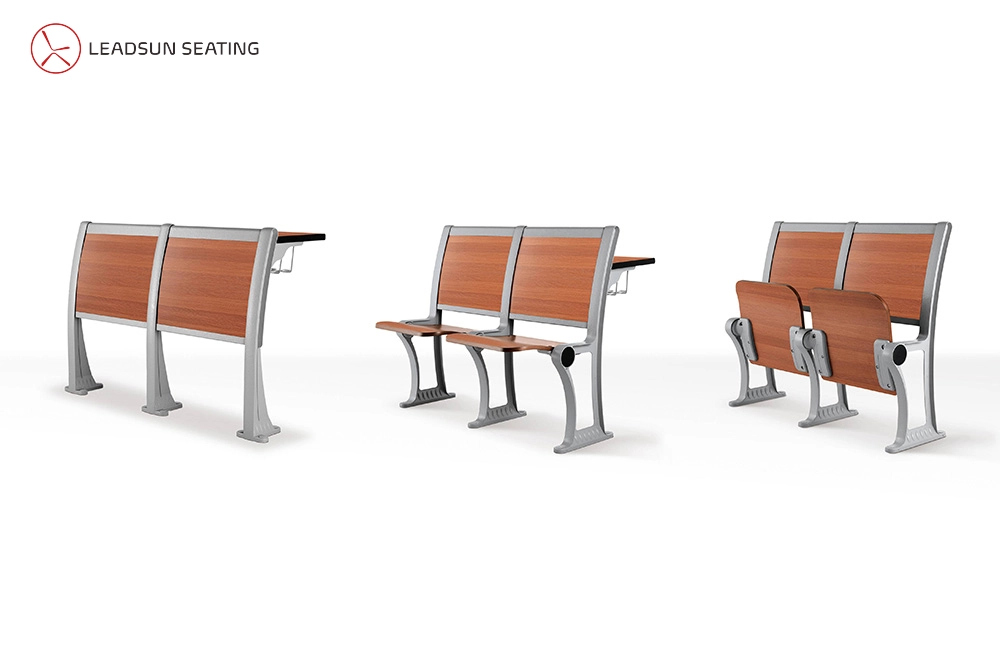
LS-908 Series Fixed Public Auditorium Chair or Tiered Classroom Solutions by Leadsun Seating
Introducing the LS-908 Series by Leadsun, your ideal solution for tiered classroom seating and fixed public auditorium chairs. Designed for comfort and durability, this series enhances audience engagement in educational and corporate settings. Discover the perfect blend of functionality and style with Leadsun Seating.
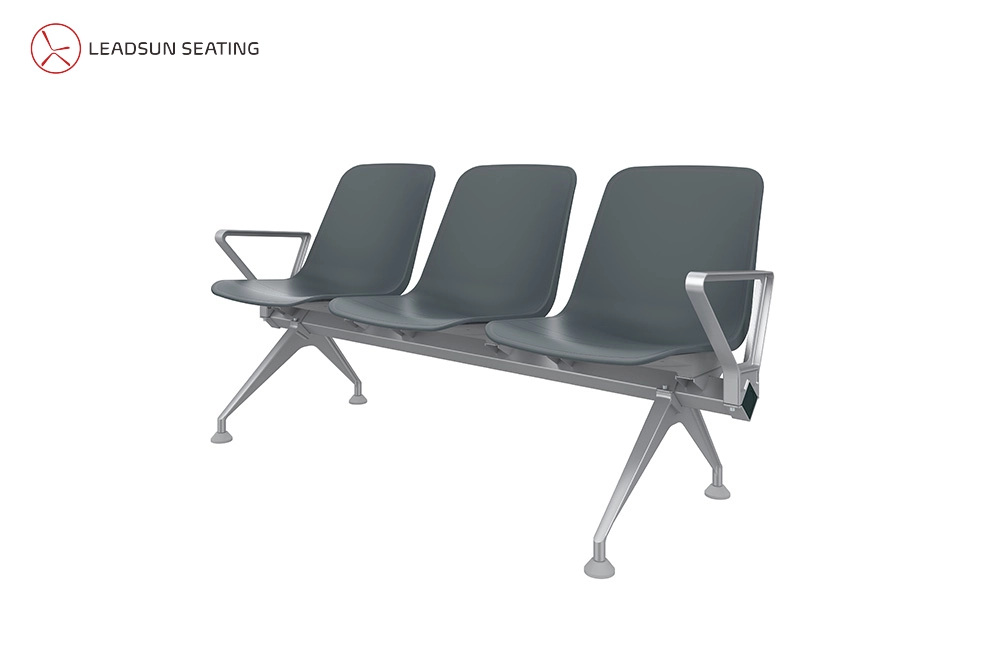
LS-550 Comfortable and Durable Waiting Chair | Customizable Waiting Chair Supplier Leadsun Seating
The LS-550 waiting chair from Leadsun offers superior comfort and durability for any public place. Customize your seating with Leadsun, a leading customizable waiting chair supplier. Ideal for high-traffic areas, the LS-550 ensures lasting performance and style.
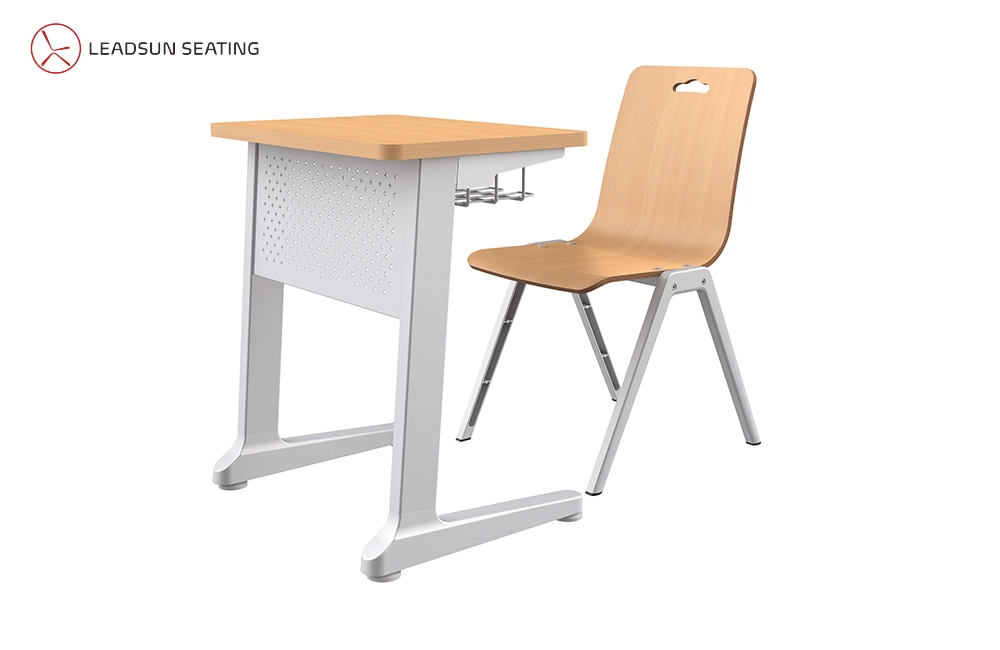
LS-9301 Single movable classroom chair |The Ultimate Flexible Solution for Modern Classrooms by Leadsun Seating
Leadsun's LS-9301 single movable classroom chair offers ultimate flexibility for modern learning environments. This activity desk and chair solution ensures comfortable and adaptable seating for students. Ideal for dynamic classrooms.
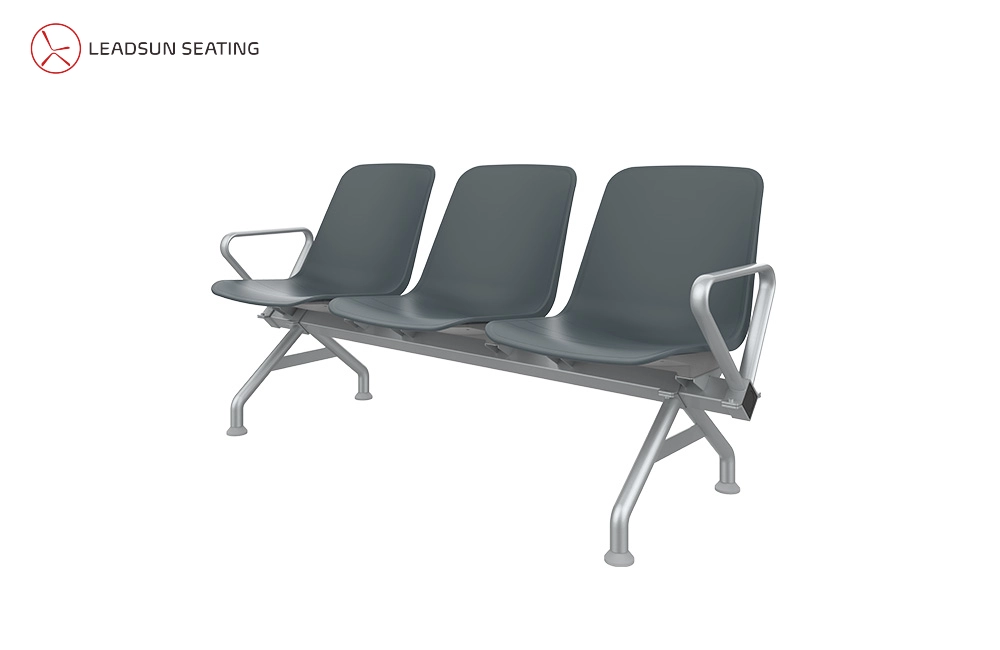
LS-551 Ergonomic Modular Waiting Chairs | Commercial Seating Solutions by Leadsun Seating
Leadsun's LS-551 Ergonomic Modular Waiting Chairs offer superior comfort for any commercial space. Ideal for hospitals, airports, and more, these modular chairs provide flexible configurations and ergonomic support. Experience unmatched comfort and style with Leadsun Seating.
Get in touch with us
If you have any comments or good suggestions, please leave us a message, later our professional staff will contact you as soon as possible.

Leadsun Seating is also engaged in the design, development, production, and marketing of lightweight public seats in public places, with an annual output of desks and chairs.
 Scan QR Code