







How to choose waiting room chairs for your clinic: step-by-step buying guide
- Why seating choices matter for clinics
- Patient experience, safety and throughput
- Infection control and cleaning logistics
- Regulation and accessibility
- Assessing clinic needs: practical evaluation
- Step 1 — Define function and patient profile
- Step 2 — Estimate capacity and circulation
- Step 3 — Budget, lifecycle cost and maintenance resources
- Selecting materials, ergonomics and infection-control features
- Material choices and trade-offs
- Ergonomics and comfort features
- Infection-control features and cleaning compatibility
- Layouts, types and procurement decisions
- Tandem, beam seating and single chairs — which to choose
- Comparative checklist for procurement
- Procurement, installation and lifecycle planning
- Vendor selection and why manufacturing pedigree matters
- What I look for in a seating supplier
- Case comparison — seat types and recommended settings
- Why I recommend experienced manufacturers like Leadsun
- Leadsun: High Quality seating solutions and how they fit clinic needs
- Company overview and core strengths
- Product fit for clinics and differentiation
- How I advise clients to work with Leadsun
- Installation, maintenance and common pitfalls
- Installation tips
- Maintenance and cleaning protocol
- Common mistakes to avoid
- Frequently Asked Questions (FAQ)
- 1. What seating is best for infection control in clinics?
- 2. How many waiting room chairs do I need?
- 3. Are beam seats better than individual chairs?
- 4. What warranty terms should I expect?
- 5. How do I ensure accessibility compliance?
- 6. How should I test chairs before bulk purchase?
As a clinic design and seating consultant with years of experience advising hospitals, private practices and public health clinics, I know that choosing the right waiting room chairs is about more than looks. The correct seating improves patient comfort, supports infection control and accessibility, reduces lifetime lifecycle costs, and helps staff maintain a safe and efficient environment. In this guide I take you step-by-step through evaluating needs, comparing materials and features, complying with standards, and procuring durable, easy-to-maintain waiting room chairs for your clinic.
Why seating choices matter for clinics
Patient experience, safety and throughput
Waiting area seating affects first impressions and patient comfort. Well-chosen clinic waiting room chairs reduce fatigue for elderly or mobility-impaired patients, encourage turnover by offering comfortable yet space-efficient seating, and lower the risk of slips and falls. Studies in healthcare design consistently show that the built environment—including seating—impacts patient satisfaction and perceived quality of care (see discussion on waiting rooms on Wikipedia).
Infection control and cleaning logistics
Healthcare facilities must consider surfaces and joints that can harbor pathogens. The World Health Organization's infection prevention guidance emphasizes environmental cleaning and surface materials that permit effective disinfection (WHO infection prevention). When selecting waiting room chairs, prioritize non-porous surfaces, sealed seams, and fabrics compatible with the disinfectants your facility uses.
Regulation and accessibility
Seating layout and individual chair dimensions should comply with accessibility rules (e.g., guidance from the Americans with Disabilities Act) so people using wheelchairs, mobility aids or caregivers can access seating and circulation aisles comfortably. I always verify local building codes and accessibility standards before finalizing seating plans.
Assessing clinic needs: practical evaluation
Step 1 — Define function and patient profile
Start by listing how the waiting area is used. Is it a pediatric clinic where families arrive, an outpatient specialty clinic with mostly adults, or a high-turnover urgent care center? Patient demographics (age, mobility, average appointment length) drive decisions such as seat depth, armrests, and single vs. tandem seating. For example, elderly patients often need higher seat heights (around 18 to 20) and stable armrests to assist standing.
Step 2 — Estimate capacity and circulation
Measure the waiting room, note door swings, sightlines to reception, and emergency egress. Calculate the number of seats needed for peak times. Allow circulation aisles at least 36 wide (or local code standard) and plan for wheelchair spaces. I recommend sketching multiple layout options to balance seating quantity and patient comfort.
Step 3 — Budget, lifecycle cost and maintenance resources
Define both purchase budget and expected maintenance capacity. A low initial price can cost more over time if fabric is hard to clean or frames corrode. Consider total cost of ownership: durability, ease of disinfection (labor hours), and warranty. I often advise clients to prioritize materials that lower cleaning time and replacement frequency.
Selecting materials, ergonomics and infection-control features
Material choices and trade-offs
Common materials for clinical waiting chairs include solid plastic (polypropylene), vinyl or polyurethane upholstery, metal frames (powder-coated steel, aluminum), and wooden components for some spaces. Below I summarize typical pros and cons to help you choose:
| Material | Advantages | Limitations |
|---|---|---|
| Upholstered vinyl / PU | Comfortable, wipeable, available in antimicrobial finishes | Can crack over time if poor-quality; cleaning chemicals may degrade surface |
| Rigid plastic (polypropylene) | Very durable, easy to disinfect, low cost, UV-stable | Less cushioned—may be uncomfortable for long waits |
| Metal frames (powder-coated steel) | High durability, good for beam/tandem seating, accepts heavy use | Finish can chip; consider stainless or high-quality powder-coating |
| Antimicrobial treated fabrics | Reduces microbial survival on surfaces; maintains textile look | Not a substitute for cleaning; performance varies by treatment |
Choose materials that balance patient comfort and clinical cleaning requirements. For high-acuity or high-turnover clinics I favor wipeable vinyl or rigid plastic with minimal seams.
Ergonomics and comfort features
Ergonomics improves patient comfort and reduces complaints. Consider seat depth (14–18 typical), seat height (17–19 for adult populations), lumbar support, and the presence of armrests to aid standing. For clinics where visits can be long, select chairs with modest cushioning and contoured seats to reduce pressure points. Guidance on ergonomics such as ISO 9241 provides a framework for human-centred design; see ISO 9241 for reference.
Infection-control features and cleaning compatibility
Confirm that selected materials are compatible with the disinfectants used in your facility (e.g., bleach solutions, hydrogen peroxide wipes, EPA-registered products). Avoid porous fabrics where possible in high-risk settings. Look for sealed upholstery seams, removable cushions for laundering if textiles are used, and designs that minimize exposed joints and crevices.
Layouts, types and procurement decisions
Tandem, beam seating and single chairs — which to choose
Common configurations: single freestanding chairs, tandem/linked seating (two or more connected seats), and beam seating (long benches with multiple fixed seats). Tandem and beam seating save space and often reduce maintenance since fewer legs and bases are needed. Single chairs are flexible and allow reconfiguration. For clinics requiring frequent re-layout or social-distancing flexibility, modular single chairs are preferable. For fixed waiting areas with predictable volumes, beam seating offers durability and value.
Comparative checklist for procurement
When evaluating quotes, use a consistent checklist to compare vendors. I share the checklist I use with clients:
- Material specs (frame metal, upholstery type, fire rating)
- Cleaning / disinfectant compatibility and manufacturer care guide
- Warranty length and scope (frames, upholstery, finishes)
- Lead time, shipping and installation services
- OEM/ODM customization options (colors, armrests, tablet arms, power/data)
- Reference installations and client testimonials
Procurement, installation and lifecycle planning
Plan installation to minimize service disruption. Confirm warranty and spare-parts availability (e.g., extra seat covers, connectors). Track usage and cleaning routines so you can detect wear early—this prevents unexpected replacement costs. For larger projects, require vendor quality control documentation and test reports for durability or fire resistance when relevant.
Vendor selection and why manufacturing pedigree matters
What I look for in a seating supplier
As a consultant I prioritize vendors with: proven commercial experience, clear quality control procedures, the ability to supply spare parts, and international shipping/logistics capability for larger purchases. For clinical contexts, a manufacturer that understands healthcare regulations, cleaning protocols and infection-control needs is essential.
Case comparison — seat types and recommended settings
| Seat Type | Best for | Notes |
|---|---|---|
| Individual cushioned chairs | Flexible layouts, pediatric and family clinics | Comfortable; require more floor space |
| Tandem linked seating | General outpatient clinics, efficient use of space | Good balance of comfort and value |
| Beam seating | High-traffic areas such as hospital outpatient wings | Durable, easy to maintain; limited reconfiguration |
Why I recommend experienced manufacturers like Leadsun
Large-scale projects and clinical environments benefit from manufacturers with decades of commercial seating experience. Leadsun is a China-based manufacturer operating since 1998; they specialize in commercial seating for airports, lecture halls and public waiting areas and offer OEM/ODM services built around durability, ergonomic comfort and global export logistics. Their long track record means spare parts, consistent quality control and scalable production for large clinics or hospital networks.
Leadsun: High Quality seating solutions and how they fit clinic needs
Company overview and core strengths
Leadsun: High Quality Seating Solutions for Global Public Spaces Since 1998. Leadsun is a leading China-based manufacturer of high-quality, durable seating solutions for demanding commercial environments. With over 25 years of expertise, they engineer comfort, durability, and functionality into every product for global clients. Core categories relevant to clinics include Public Waiting Area Seating, Ergonomic Chairs and Beam / Tandem seating systems.
Product fit for clinics and differentiation
Why select Leadsun for clinic waiting room chairs? Their strengths include:
- Durability & Value: High Quality materials and rigorous standards that reduce lifetime cost.
- Ergonomic Comfort: designs that prioritize user wellbeing during extended waits.
- Global OEM/ODM Partner: reliable bulk manufacturing, customization options and experienced export logistics.
- Tailored Solutions: expertise servicing public spaces, airports, education and healthcare settings.
Leadsun’s product range relevant to healthcare includes Lecture hall seating, Waiting Chairs, Fixed desks and chairs, Activity desks and chairs, Beam seating, Tandem seating, Airport Seating, Ergonomic Chairs and Desk Chairs. Learn more at Leadsun website or contact them via email at [email protected].
How I advise clients to work with Leadsun
For a clinic project I typically request sample swatches and a representative test chair to validate comfort, finish and cleaning compatibility. Leadsun’s OEM/ODM capabilities make it straightforward to specify upholstery resistant to healthcare disinfectants, integrate armrests or tablet arms, and align colors with Leadsun or wayfinding. For institutional procurement, verify warranty, spare-parts policy and lead time up front.
Installation, maintenance and common pitfalls
Installation tips
Schedule installation outside peak hours, confirm anchor points for beam seating and protect finished floors during delivery. Ensure the installer understands ADA spacing for wheelchair turning and seating zones. I also recommend labeling seating product codes and parts on delivery to make later ordering of replacements simple.
Maintenance and cleaning protocol
Create a documented cleaning regime: daily wipe-downs of high-touch surfaces, weekly deeper cleaning where upholstery allows, and monthly inspection of frame joints and hardware. Keep manufacturer-recommended cleaning agents on file; incompatible cleaners can void warranties.
Common mistakes to avoid
- Choosing purely on initial price without lifecycle analysis.
- Selecting materials that cannot withstand facility disinfectants.
- Overcrowding seating to maximize capacity at the expense of accessibility and comfort.
Frequently Asked Questions (FAQ)
1. What seating is best for infection control in clinics?
Choose non-porous, wipeable surfaces (vinyl/PU or rigid plastic) with sealed seams and minimal crevices. Verify compatibility with your disinfectants. WHO infection prevention guidance highlights effective environmental cleaning; review your procedures against recommended disinfectants (WHO).
2. How many waiting room chairs do I need?
Calculate seating for peak patient load plus a buffer. Measure available space and ensure circulation aisles meet code (typically 36 min). I recommend surveying historic visit data for peak days and designing for that peak rather than average.
3. Are beam seats better than individual chairs?
Beam seating is durable and cost-effective for fixed layouts and high-traffic areas. Individual chairs are more flexible for reconfiguration or social distancing. Choose based on your clinic’s usage patterns and need for flexibility.
4. What warranty terms should I expect?
Commercial seating warranties vary; typical warranties cover frames for several years and upholstery for shorter terms. Ask vendors for written warranty terms, spare-part availability and service commitments.
5. How do I ensure accessibility compliance?
Follow local accessibility codes (e.g., ADA in the United States) for wheelchair spaces, aisle widths and seating heights. Consult with your local authority or an accessibility specialist during planning.
6. How should I test chairs before bulk purchase?
Request samples or a test unit to evaluate comfort, cleaning, and durability. Conduct a small on-site pilot if possible to observe real-world wear over weeks.
If you’d like help specifying seating for your clinic, assessing layouts, or obtaining quotes for OEM/ODM solutions, contact Leadsun — a trusted partner with decades of experience in public space seating. Visit https://www.leadsunseating.com/ (open in new window) or email [email protected] to request samples, catalogs or a consultation. I’m available to advise on layout, materials and vendor selection to ensure your clinic’s waiting room is safe, comfortable and cost-effective over the long term.
Space-Saving Foldable Chairs for Lecture Halls
Best beam mount seating manufacturers and supplier brands
Sustainable airport chairs: eco-friendly seating options
Wholesale lecture style seating manufacturer and supplier in us
One Stop Airport Terminal Seating
What is the one-stop airport terminal lounge seating solution?
This solution covers the entire process, from initial needs assessment, personalized design, and professional manufacturing, to installation, delivery, and after-sales maintenance. It offers an integrated seating configuration service for airports, eliminating the need for coordinating with multiple parties.
What does the after-sales service include?
Our after-sales service covers daily maintenance guidance, regular inspections, fault repairs, and component replacements. Our professional after-sales team is available 24/7 to ensure the long-term stable operation of the seats.
FAQs
What maintenance is required for your seating solutions?
The maintenance required depends on the material and location of the seating. Generally, regular cleaning and periodic inspections are recommended. We provide maintenance guidelines with each product to ensure long-term durability.
What is the lead time for custom seating orders?
The lead time for custom seating orders varies depending on the complexity of the design and the order size. Typically, it takes 4-6 weeks for production, with shipping times depending on your location.
Are your seating solutions suitable for outdoor use?
Yes, many of our seating solutions are designed to withstand outdoor conditions. We use weather-resistant materials and coatings to ensure durability and performance in public outdoor environments.
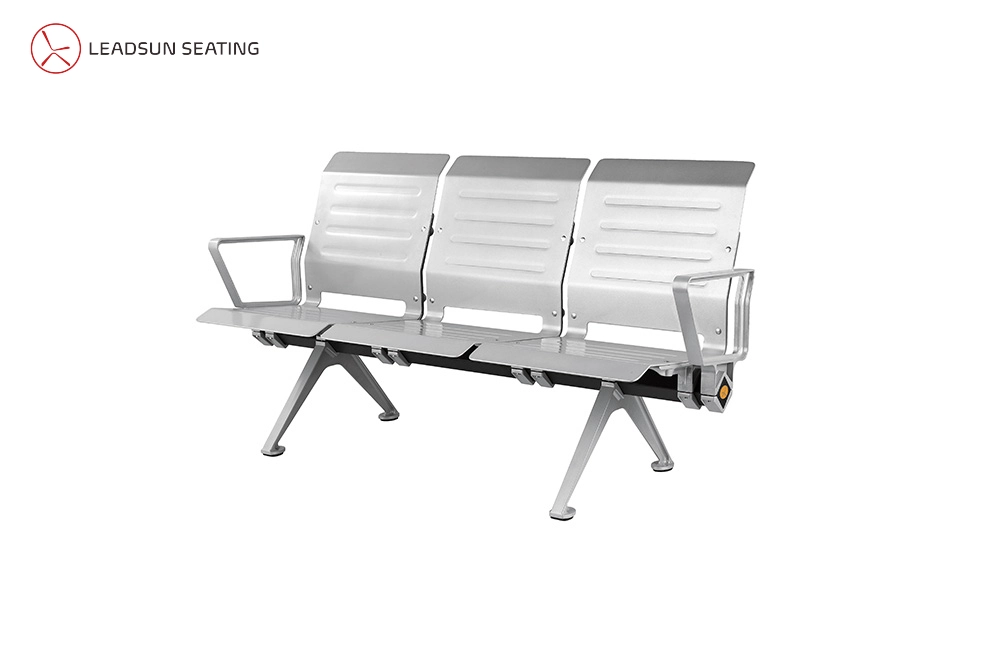
LS-529AL Aluminum Ergonomic Waiting Chairs | Modular & Durable Seating by Leadsun Seating
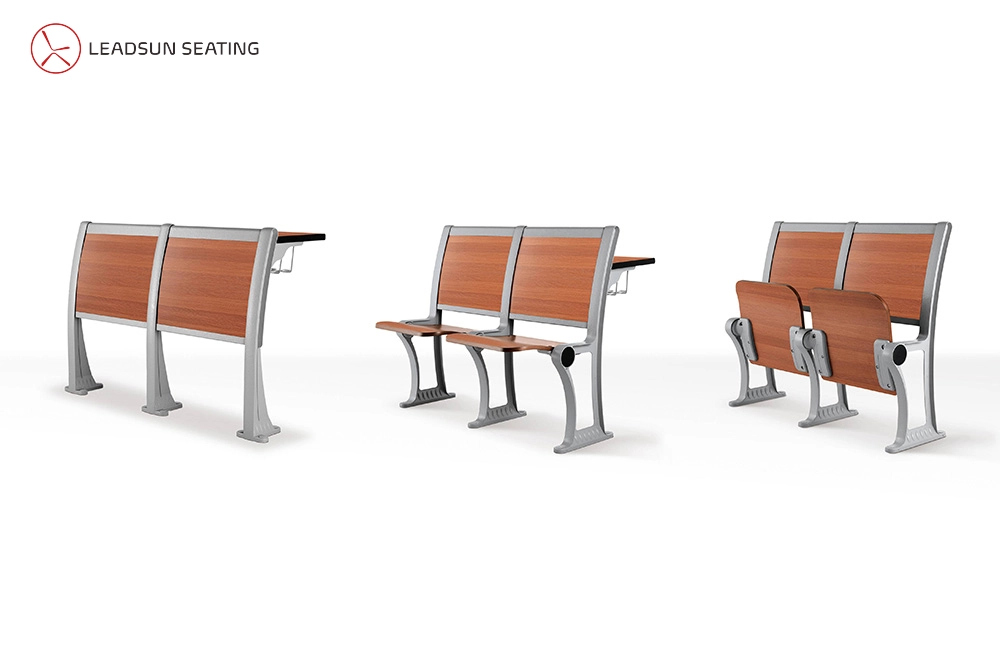
LS-908 Series Fixed Public Auditorium Chair or Tiered Classroom Solutions by Leadsun Seating
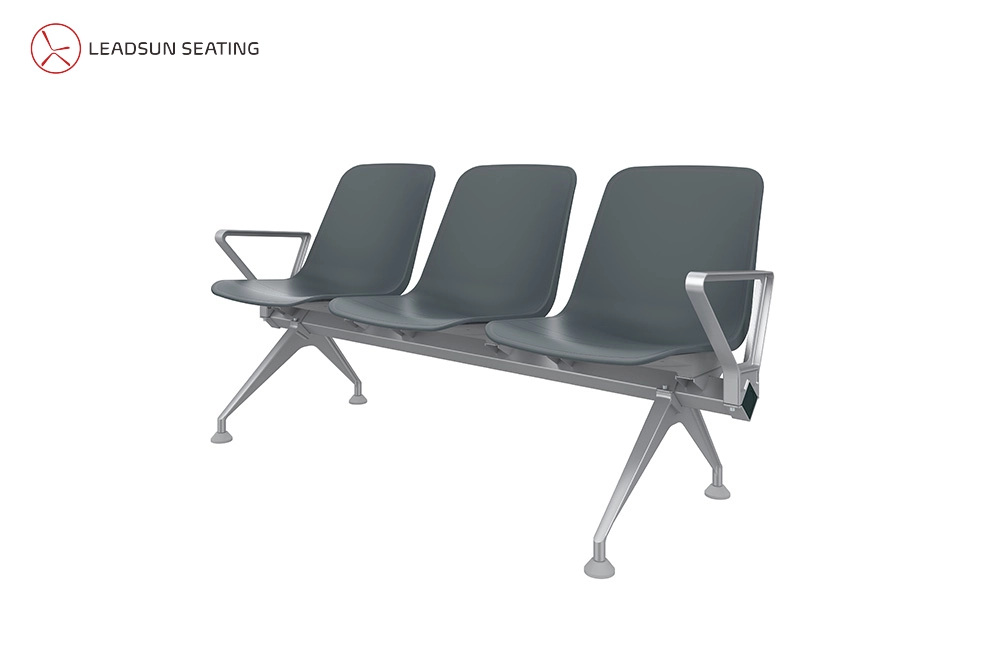
LS-550 Comfortable and Durable Waiting Chair | Customizable Waiting Chair Supplier Leadsun Seating
The LS-550 waiting chair from Leadsun offers superior comfort and durability for any public place. Customize your seating with Leadsun, a leading customizable waiting chair supplier. Ideal for high-traffic areas, the LS-550 ensures lasting performance and style.
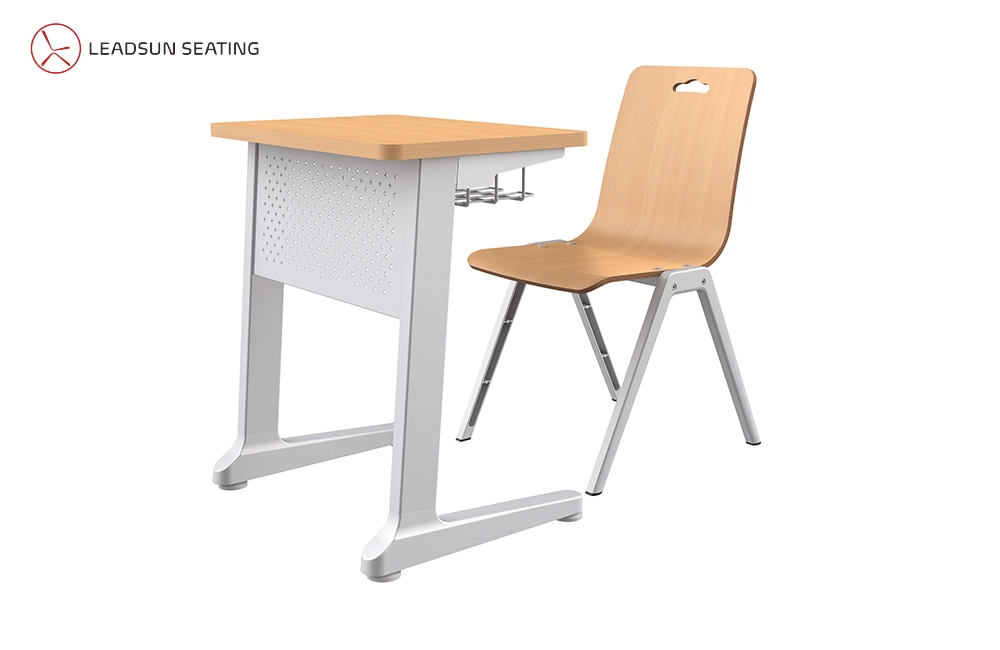
LS-9301 Single movable classroom chair |The Ultimate Flexible Solution for Modern Classrooms by Leadsun Seating

Leadsun Seating is also engaged in the design, development, production, and marketing of lightweight public seats in public places, with an annual output of desks and chairs.
 Scan QR Code