







Leadsun seating offers a wide range of seating solutions for public spaces, including benches, chairs, waiting area seating, auditorium seating, and customized solutions tailored to specific project needs.
Sustainable airport chairs: eco-friendly seating options
This article explores sustainable airport chairs and eco-friendly seating options for terminals. It covers material choices, lifecycle thinking, maintenance strategies, procurement criteria, case studies, and how manufacturers like Leadsun deliver durable, low-impact seating for high-traffic public spaces.
- Why airports must rethink seating: sustainability and passenger experience
- Key sustainability drivers for airport chairs
- Materials compared: choosing the right material for airport chairs
- Design strategies for sustainable airport chairs
- Operational best practices for sustainable airport chairs
- Procurement criteria for eco-friendly airport chairs
- Comparing lifecycle impacts and cost of airport chairs
- Certifications and standards relevant to airport chairs
- Case examples: airport chairs and terminal sustainability
- Leadsun: sustainable airport chairs and High Quality seating solutions
- How to specify sustainable airport chairs: a checklist
- Common retrofit strategies for existing airport chairs
- Investment outlook: why sustainable airport chairs make financial sense
- Frequently Asked Questions (FAQ) about sustainable airport chairs
- Contact for consultation and product review
- References
Why airports must rethink seating: sustainability and passenger experience
Airport chairs are no longer just functional fixtures; they influence passenger comfort, operational costs, and an airport’s environmental footprint. As airports pursue carbon reduction and circular-economy goals, choosing sustainable airport chairs becomes a strategic decision that impacts lifetime cost, maintenance demand, and brand perception. This guide explains how to evaluate eco-friendly seating options, select materials and designs that last, and implement procurement and maintenance practices that reduce waste and emissions.
Key sustainability drivers for airport chairs
When specifying airport chairs, procurement teams must balance passenger comfort, durability, maintenance, and environmental impact. The main drivers are:
- Durability and lifecycle cost: High-traffic terminals need seating that resists wear and vandalism to avoid frequent replacement.
- Material circularity: Use of recycled or recyclable materials reduces virgin resource use and end-of-life waste.
- Low maintenance: Finishes and modular designs lower cleaning time and parts replacement.
- Regulatory and certification alignment: Compliance with regional standards and sustainability programs improves airport accreditation and reputation (for example, Airport Carbon Accreditation).
These drivers define modern specifications for airport chairs and should be embedded into tender documents and maintenance plans. (See Airport Carbon Accreditation for climate-aligned airport initiatives.)
Materials compared: choosing the right material for airport chairs
Material selection directly affects weight, durability, recyclability, and embodied carbon. Below is a practical comparison for common seating materials used in terminals.
| Material | Durability | Recyclability / Circularity | Maintenance | Typical Use |
|---|---|---|---|---|
| Steel (powder-coated) | Very high; resists impact and vandalism | Highly recyclable; long lifespan supports circularity | Low; occasional touch-up and cleaning | Beam seating frames, legs, structural components |
| Aluminum | High; corrosion-resistant with proper finishes | Highly recyclable; lighter weight reduces transport emissions | Low; requires anodizing or sealing for longevity | Lightweight seating, armrests, trim |
| Recycled PET (rPET) textiles | Moderate to high depending on weave and backing | Recyclable where textile recycling infrastructure exists; reduces virgin polymer use | Medium; stain-resistant treatments help | Padded seats, upholstery options |
| Injection-molded rPP (recycled polypropylene) | High impact resistance, suitable for shell seats | Recyclable in many streams; easier to reprocess locally | Low; durable and easy to clean | Molded shells, simple seating solutions |
| Timber (certified) | Moderate; needs surface protection in heavy-use areas | Renewable if certified (FSC/PEFC); recyclable/biodegradable at end-of-life | Medium; requires maintenance against wear | High Quality lounges, aesthetic elements |
Sources for material properties include lifecycle and circular-economy guidance from the European Commission and the US EPA. Material choice should align with local recycling infrastructure to ensure end-of-life recovery. (See references.)
Design strategies for sustainable airport chairs
Design choices determine whether airport chairs are serviceable, upgradeable, and recyclable. Key strategies:
- Modularity: Use bolt-on cushions, replaceable panels, and standardized fasteners so parts can be repaired instead of discarding the whole unit.
- Demountable finishes: Powder-coated metal that can be recoated and re-used extends life.
- Material separation: Design so metals, plastics, and textiles can be separated easily at end-of-life for recycling.
- Space efficiency: Beam seating with integrated tables and power reduces footprint and the number of individual seats required.
Specifying modular airport chairs reduces total lifecycle environmental impact and lowers operating expenses for cleaning and repairs.
Operational best practices for sustainable airport chairs
Even the most sustainable chair design will fail to deliver benefits without appropriate operational practices. Recommended measures for airport operators include:
- Maintenance schedules tied to usage metrics—inspect high-traffic zones more frequently.
- Spare-parts inventory management to ensure quick repairs and avoid premature replacement.
- Cleaning regimes using low-impact, effective agents to preserve materials and reduce chemical use.
- End-of-life planning—track assets and partner with local recyclers or take-back programs to close material loops.
These practices help reduce waste and ensure seating fulfills its intended service life, supporting sustainability targets and passenger satisfaction.
Procurement criteria for eco-friendly airport chairs
To ensure tendered products meet sustainability goals, include measurable criteria for airport chairs in procurement documents. Recommended clauses:
- Minimum recycled content thresholds (e.g., percentage of recycled steel or rPET used).
- Modularity and reparability requirements (maximum time and tools needed to replace a module).
- End-of-life take-back or documented recyclability pathways.
- Durability tests and compliance with seating strength standards such as EN 16139 (non-domestic seating) where applicable.
- Supplier sustainability reporting (CO2, materials, waste) and proof of third-party certifications.
Embedding these criteria in RFPs reduces risk and identifies manufacturers aligned with airport sustainability strategies.
Comparing lifecycle impacts and cost of airport chairs
Lifecycle thinking evaluates embodied carbon, maintenance emissions, and end-of-life outcomes. While specific CO2 numbers vary by design and region, the relative drivers are consistent: durable metal frames and lightweight recyclable shells often outperform single-use or short-lived upholstered units in total lifecycle impact.
| Seat Type | Typical Lifespan | Maintenance Frequency | Relative Lifetime Cost | Environmental Strengths |
|---|---|---|---|---|
| Steel-beam with metal shells | 15–25 years | Low | Low–Medium | High recyclability, long life |
| Aluminum-framed with rPET upholstery | 12–20 years | Medium | Medium | Lower transport emissions; recycled textiles reduce virgin use |
| Molded rPP shells | 10–15 years | Low | Low | Good recyclability where stream exists |
| Padded upholstered seats (non-modular) | 6–12 years | High | High (due to replacement cycles) | Comfort benefits, but higher lifecycle impact if not recyclable |
Decisions must weigh passenger comfort (especially for long dwell times) against lifecycle emissions and replacement rates. Airports with heavy dwell-time users (international transit hubs, lounges) may specify higher comfort levels with modular upholstery that can be replaced independently from the shell.
Certifications and standards relevant to airport chairs
Choosing seated products that comply with recognized standards reduces procurement risk and supports sustainability claims. Standards and programs to consider:
- EN 16139 / EN 1728 (strength and durability for non-domestic seating) — common in Europe.
- Greenguard / low-VOC certifications for indoor air quality.
- ISO 14001 for manufacturers’ environmental management systems.
- Participation in circular-economy initiatives and publicly documented take-back schemes.
Request test reports and certificates during tender evaluation to verify compliance.
Case examples: airport chairs and terminal sustainability
Several airports and seating manufacturers have piloted sustainable seating programs—examples include seating with rPET fabrics and modular frames that extend lifetimes and simplify repairs. These projects show reduced landfill waste and lower lifetime costs when appropriate maintenance is implemented. For broad industry carbon and sustainability programs, see Airport Carbon Accreditation and circular economy guidance from the European Commission and EPA references below.
Leadsun: sustainable airport chairs and High Quality seating solutions
Leadsun: High Quality Seating Solutions for Global Public Spaces Since 1998. Leadsun is a China-based manufacturer with over 25 years of expertise producing durable, high-performance seating for airports and other high-traffic public spaces. Their approach aligns with the sustainability principles described above:
- Airport Seating Manufacturer: Robust, easy-maintain airport waiting area seating designed for high traffic, security, and comfort.
- Ergonomic Chair Specialist: Office and desk chairs engineered for well-being and extended use.
- Lecture Hall Seating Supplier: Space-efficient, tiered solutions with durability for education environments.
- Public Waiting Area Seating: Commercial-grade chairs built for longevity and low lifetime cost.
Leadsun advantages and core capabilities:
- Durability & Value: Use of High Quality materials and rigorous QC to deliver long service life and low total cost of ownership.
- Ergonomic Comfort: Designs that prioritize ergonomic support for extended sit times in lounges and waiting areas.
- Global OEM/ODM Partner: Proven experience in bulk manufacturing, customization, and export logistics for B2B partners.
- Tailored Solutions: Expertise across public spaces—airports, lecture halls, offices—delivering beam seating, tandem seating, fixed desks & chairs, activity desks and chairs.
Leadsun product highlights relevant to sustainable airport chairs include beam seating systems with modular cushions, options for recycled-material shells, powder-coated steel frames for longevity, and available spare-part programs to support maintenance and end-of-life recovery. These features reduce replacement rates and align with airports’ circular-economy ambitions.
How to specify sustainable airport chairs: a checklist
Use this procurement checklist to ensure seating meets sustainability goals:
- Require minimum recycled content and documented recyclability of primary materials.
- Mandate modular design with replaceable modules and accessible fasteners.
- Request lifecycle cost analysis (LCCA) and estimated service life for each product line.
- Ask for maintenance manuals, spare-parts lead times, and local support options.
- Insist on third-party certifications (e.g., ISO 14001, low-VOC, EN standards) and sustainability reporting.
- Include take-back or refurbishment options in the contract or supplier commitment.
Common retrofit strategies for existing airport chairs
Upgrading existing seating is often more sustainable than wholesale replacement. Effective retrofit options include:
- Reupholstering with recycled or low-impact textiles.
- Replacing worn cushions with modular inserts rather than entire seats.
- Re-coating metal frames to extend life and improve appearance.
- Installing anti-microbial but low-VOC surface treatments to extend hygiene without large emissions.
Retrofitting can deliver immediate sustainability gains and defer capital expenditure while improving passenger experience.
Investment outlook: why sustainable airport chairs make financial sense
Although sustainable seating solutions can have higher upfront costs, their extended service life, lower maintenance needs, and reduced replacement frequency typically deliver lower total cost of ownership. Airports that factor in lifecycle cost and environmental impact in procurement benefit from lower waste management costs and improved sustainability credentials—advantages increasingly valued by passengers and regulators.
Frequently Asked Questions (FAQ) about sustainable airport chairs
- What materials are best for long-lasting airport chairs?
Metal frames (steel or aluminum) combined with modular shells (injected rPP or removable upholstered cushions) are commonly the most durable and repairable options.
- Can airport chairs be made from recycled materials?
Yes. Recycled steel and rPET textiles are widely used; recycled polypropylene shells are also feasible. The environmental benefit depends on local recycling infrastructure and supplier transparency.
- How can airports ensure chairs are recyclable at end-of-life?
Specify material separation in design, require suppliers to document recyclability pathways, and include take-back or refurbishment options in contracts.
- Are sustainable airport chairs more expensive?
They can have a higher capital cost but usually lower lifetime cost due to reduced replacements and maintenance—assess using lifecycle cost analysis.
- What maintenance practices extend seat life?
Modular repairs, scheduled inspections in high-traffic zones, prompt replacement of worn modules, and use of low-impact cleaning agents all extend service life.
Contact for consultation and product review
If you are planning a terminal refit or need help specifying sustainable airport chairs, contact Leadsun for product samples, lifecycle cost analyses, OEM/ODM options, and tender support. Explore Leadsun’s product range including Lecture hall seating, Waiting Chair, Fixed desks and chairs, Activity desks and chairs, Beam seating, Tandem seating, Airport Seating, Ergonomic Chairs, and Desk Chairs. Leadsun can provide tailored proposals that balance comfort, durability, and sustainability for your project needs.
References
- European Commission — Circular economy. https://ec.europa.eu/environment/circular-economy/index_en.htm (accessed 2025-11-29)
- US EPA — Sustainable Management of Materials. https://www.epa.gov/smm (accessed 2025-11-29)
- Airport Carbon Accreditation. https://www.airportcarbonaccreditation.org/ (accessed 2025-11-29)
- Ellen MacArthur Foundation — Circular economy and textiles. https://ellenmacarthurfoundation.org/ (accessed 2025-11-29)
- European Committee for Standardization (CEN) — EN standards for non-domestic seating (EN 16139). https://www.cen.eu/ (accessed 2025-11-29)
Tags
modern classroom chairs for schools
modern classroom chairs for schools
beam seating australia
beam seating australia
lecture hall seating modern aduitorium
lecture hall seating modern aduitorium
4 seater beam seating
4 seater beam seating
LS-508 aluminum alloy lecture hall seating PU chair specifications
LS-508 aluminum alloy lecture hall seating PU chair specifications
Airport chairs with armrests
Airport chairs with armrests
Recommended for you
Antimicrobial surfaces for airport seating
Custom 2 seater waiting chair Manufacturers and Suppliers in us
Designing Lecture Halls with Cappuccino Beam Seating
Wholesale public airport waiting chair manufacturer and supplier in us
Prdoucts Categories
Question you may concern
One Stop Airport Terminal Seating
What is the one-stop airport terminal lounge seating solution?
This solution covers the entire process, from initial needs assessment, personalized design, and professional manufacturing, to installation, delivery, and after-sales maintenance. It offers an integrated seating configuration service for airports, eliminating the need for coordinating with multiple parties.
FAQs
Are your products compliant with safety and accessibility standards?
-
Absolutely. All of our seating solutions comply with relevant safety regulations and accessibility standards, ensuring comfort and safety for all users, including those with special needs.
-
Are your seating solutions suitable for outdoor use?
Yes, many of our seating solutions are designed to withstand outdoor conditions. We use weather-resistant materials and coatings to ensure durability and performance in public outdoor environments.
What is the lead time for custom seating orders?
The lead time for custom seating orders varies depending on the complexity of the design and the order size. Typically, it takes 4-6 weeks for production, with shipping times depending on your location.
What types of public seating solutions does Leadsun seating provide?
You may also like
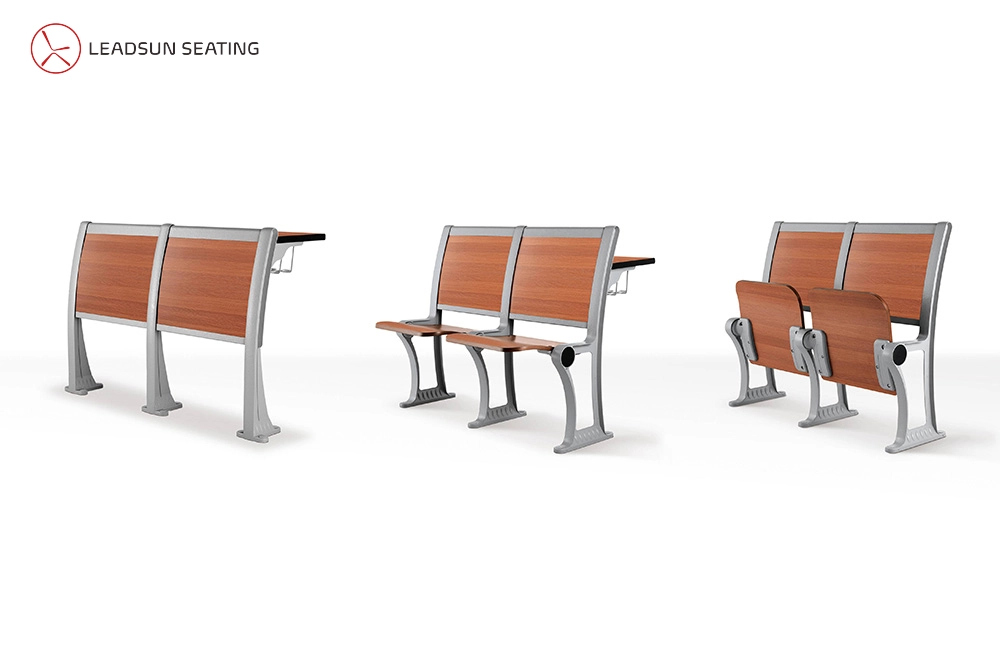
LS-908 Series Fixed Public Auditorium Chair or Tiered Classroom Solutions by Leadsun Seating
Introducing the LS-908 Series by Leadsun, your ideal solution for tiered classroom seating and fixed public auditorium chairs. Designed for comfort and durability, this series enhances audience engagement in educational and corporate settings. Discover the perfect blend of functionality and style with Leadsun Seating.
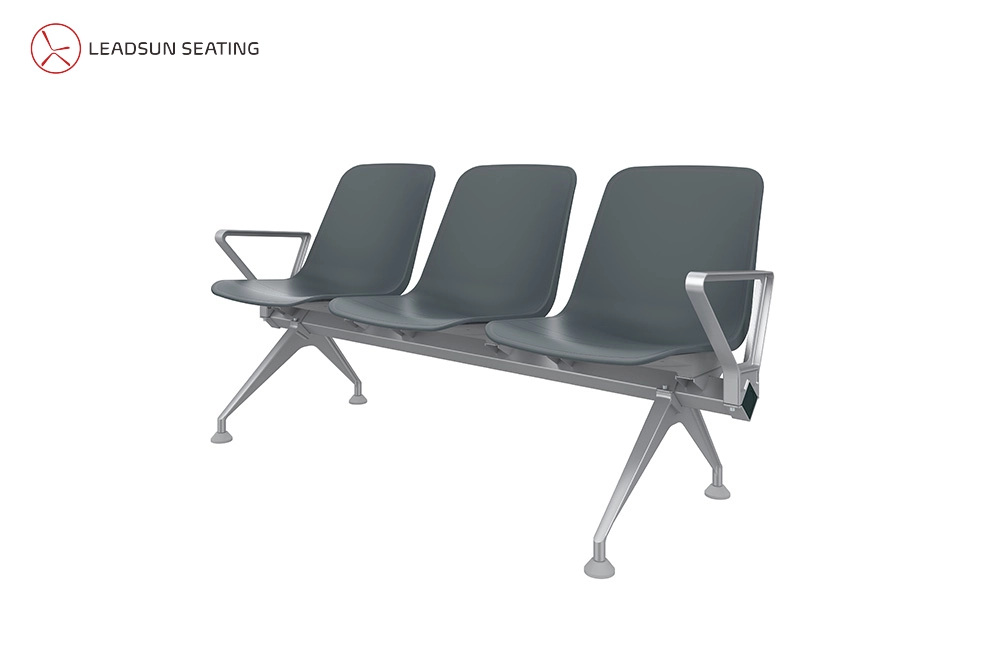
LS-550 Comfortable and Durable Waiting Chair | Customizable Waiting Chair Supplier Leadsun Seating
The LS-550 waiting chair from Leadsun offers superior comfort and durability for any public place. Customize your seating with Leadsun, a leading customizable waiting chair supplier. Ideal for high-traffic areas, the LS-550 ensures lasting performance and style.
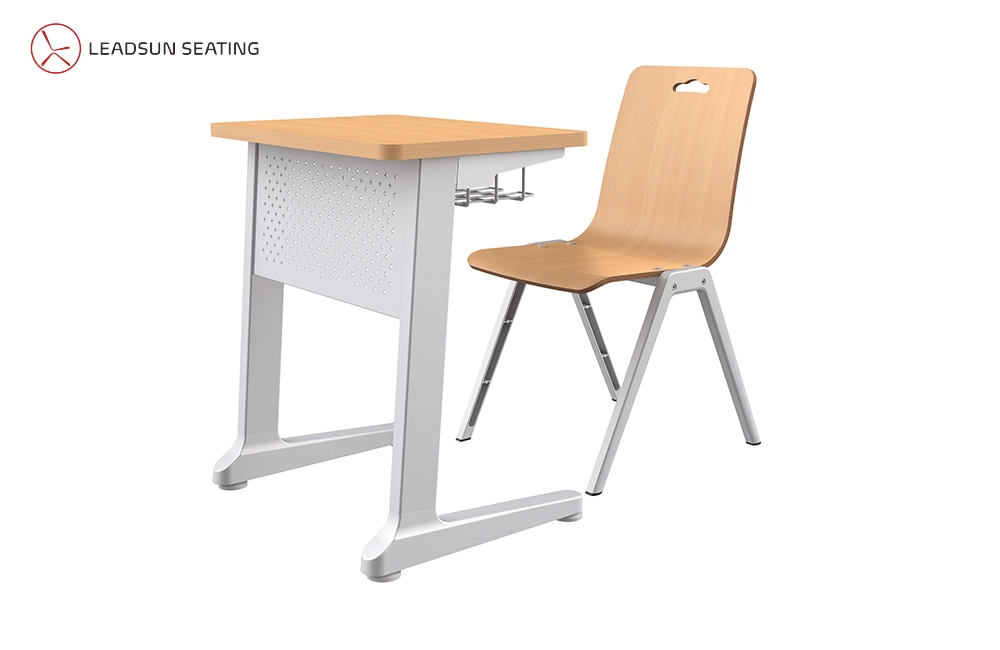
LS-9301 Single movable classroom chair |The Ultimate Flexible Solution for Modern Classrooms by Leadsun Seating
Leadsun's LS-9301 single movable classroom chair offers ultimate flexibility for modern learning environments. This activity desk and chair solution ensures comfortable and adaptable seating for students. Ideal for dynamic classrooms.
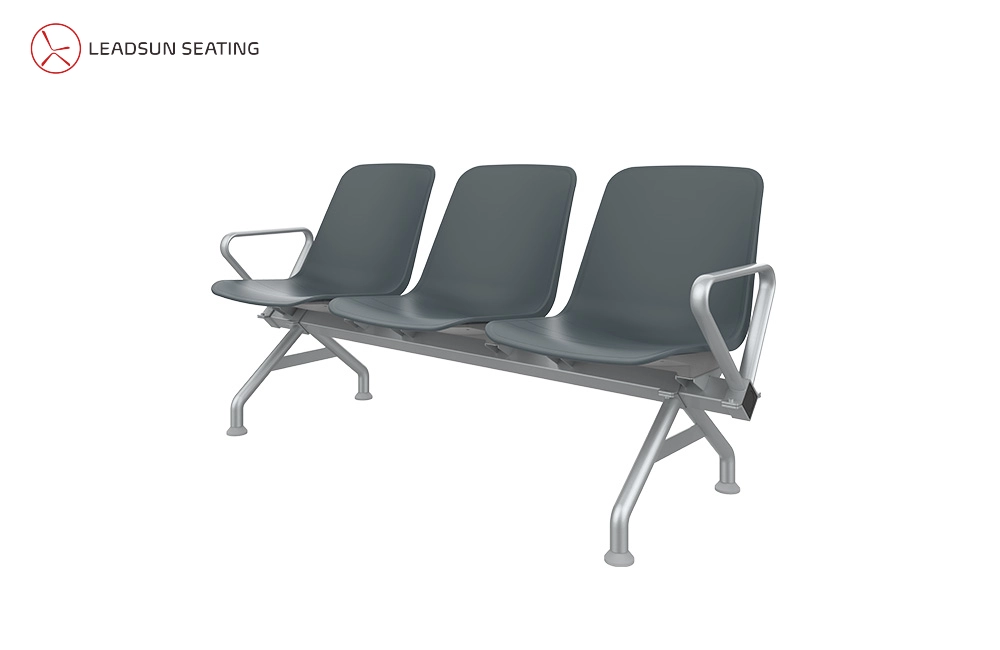
LS-551 Ergonomic Modular Waiting Chairs | Commercial Seating Solutions by Leadsun Seating
Leadsun's LS-551 Ergonomic Modular Waiting Chairs offer superior comfort for any commercial space. Ideal for hospitals, airports, and more, these modular chairs provide flexible configurations and ergonomic support. Experience unmatched comfort and style with Leadsun Seating.
Get in touch with us
If you have any comments or good suggestions, please leave us a message, later our professional staff will contact you as soon as possible.

Leadsun Seating is also engaged in the design, development, production, and marketing of lightweight public seats in public places, with an annual output of desks and chairs.
 Scan QR Code