







Custom-Branded Waiting Room Chairs: Options and Ordering Process
- Design Considerations for High-Traffic Seating
- Ergonomics and user comfort
- Durability and lifecycle costing
- Accessibility and regulations
- Materials, Configurations, and Branding Methods
- Materials: frames, cushions, and finishes
- Seating configurations: modular, tandem, and individual
- Branding and customization techniques
- Standards, Testing, and Evidence-Based Choices
- Relevant standards and test methods
- Evidence on environment and patient/customer experience
- Cleaning, infection control, and materials testing
- Ordering Process: From Specification to Installation
- Step 1 — Requirements gathering and specification
- Step 2 — Prototyping, samples, and testing
- Step 3 — Quotation, lead time, and logistics
- Step 4 — Quality control, installation, and acceptance
- Comparing Common Options: Materials, Durability, and Typical Costs
- Why Supplier Selection Matters — Leadsun Profile and Capabilities
- Differentiators and evidence of capability
- Procurement Checklist: Practical Tips for Buyers
- Technical checklist
- Contract and warranty considerations
- Installation and maintenance planning
- FAQ — Frequently Asked Questions
- 1. What is the typical lead time for custom-branded waiting room chairs?
- 2. How do I ensure logos and colors match our brand guidelines?
- 3. Are custom-branded finishes suitable for healthcare environments?
- 4. What certifications should I ask for when buying waiting room chairs?
- 5. How should I budget for lifecycle costs versus upfront price?
- 6. Can you provide recommendations for seating in mixed-use waiting areas (e.g., children + adults)?
- Contact and Next Steps
Overview: Custom-branded waiting room chairs are a strategic combination of functional seating design and brand communication. For hospitals, airports, corporate lobbies, and educational institutions, selecting the right waiting area seating requires balancing ergonomics, durability, compliance with standards, maintenance needs, and branding options to reinforce organizational identity while optimizing lifecycle cost and user comfort.
Design Considerations for High-Traffic Seating
Ergonomics and user comfort
Waiting room chairs must support a wide range of body sizes and use cases (short waits, long waits, mobility-impaired users). Applying ergonomics standards such as ISO 9241 (ergonomics of human-system interaction) and industry seating guidelines (e.g., BIFMA seating standards) helps specify seat height, depth, lumbar support, and armrest configuration. These features reduce discomfort and perceived wait time and improve user satisfaction.
Durability and lifecycle costing
Commercial waiting room chairs are used intensively; therefore durability standards and expected lifecycle should guide material choices. Standards such as ANSI/BIFMA X5.1 for general-purpose office seating provide test benchmarks for strength and durability. Choosing materials and finishes that resist abrasion, stains, and vandalism reduces total cost of ownership. Calculate lifecycle cost (purchase + maintenance + replacement) rather than one-time price when comparing options.
Accessibility and regulations
Specifying waiting area seating must incorporate accessibility rules. In the U.S., the 2010 ADA Standards for Accessible Design influence spacing, transfer seats, and pathway clearances. International projects should reference local accessibility codes and consider universal design principles for inclusive seating.
Materials, Configurations, and Branding Methods
Materials: frames, cushions, and finishes
Common frame materials include steel (powder-coated for corrosion resistance), aluminum (lighter, corrosion-resistant), and engineered plastics (impact resistant). Cushioning ranges from molded foam to high-resilience polyurethane foam or ventilated mesh for breathability. Surface finishes—vinyl, performance textiles, antimicrobial fabrics—affect cleaning protocols and appearance. For healthcare settings, select materials that meet infection control and cleanability needs.
Seating configurations: modular, tandem, and individual
Seating types for waiting areas typically fall into three categories: individual freestanding chairs, beam/tandem seating (multiple seats mounted on a common beam), and modular units that can be reconfigured. Beam seating is space-efficient for airports and transit hubs; modular units offer flexibility for evolving layouts; individual chairs provide the most flexibility for single placements.
Branding and customization techniques
Branding options for waiting room chairs include:
- Custom upholstery colors and patterns that match brand palettes.
- Embossing or debossing logos into leather or synthetic leather.
- Laser-cut or printed seat-back panels for translucent logo effects.
- Integrated signage, tabletops, or literature pockets with brand messaging.
Carefully evaluate durability of applied logos (e.g., printed vs. embroidered) for high-wear areas. For healthcare or high-clean environments, printed or heat-transferred branding on antimicrobial vinyl may be preferable because of ease of cleaning.
Standards, Testing, and Evidence-Based Choices
Relevant standards and test methods
When specifying waiting room chairs, reference recognized standards to ensure performance and safety. Useful standards include:
- ANSI/BIFMA seating standards for load, stability, and durability testing.
- ISO guidance on ergonomics applicable to seating design.
- European standard EN 16139:2013 for strength, durability, and safety of non-domestic seating (check regional adoption for procurement).
Evidence on environment and patient/customer experience
Research indicates that physical environment and seating comfort influence perceived wait times and patient experience. A review of healthcare environmental impacts shows design elements including seating, lighting, and layout affect satisfaction and stress levels (source: PubMed Central). Use such evidence to prioritize ergonomics and acoustic treatments alongside branding.
Cleaning, infection control, and materials testing
For healthcare and high-touch public spaces, choose upholstery materials that can withstand disinfectants used in your region. Verify manufacturers provide cleaning protocols and testing reports demonstrating material resistance to common agents (e.g., bleach solutions) and antimicrobial treatments when required.
Ordering Process: From Specification to Installation
Step 1 — Requirements gathering and specification
Start with a documented brief: expected daily users, average dwell time, accessibility needs, maintenance capability, budget range, brand guidelines (colors, logos), and local compliance requirements. Include site measurements and photographs to confirm layout and circulation. Engage stakeholders (facility managers, infection control, brand team, procurement) early to align priorities.
Step 2 — Prototyping, samples, and testing
Order material swatches and physical seat prototypes when possible. Evaluate samples for comfort, stain resistance, color fastness, and logo durability under anticipated cleaning regimes. If your seating must meet standards (BIFMA/EN), request test certificates. For large public installations, consider a small pilot run in a live area to gather user feedback.
Step 3 — Quotation, lead time, and logistics
Collect detailed quotations that break down unit price, customization costs (logos, special finishes), tooling fees, warranty terms, and shipping. For international orders, confirm export logistics, customs classification (HS codes), and Delivered Duty Paid (DDP) vs Ex Works terms. Lead times for custom finishes or large runs typically range from 6–16 weeks depending on complexity and order volume.
Step 4 — Quality control, installation, and acceptance
Agree inspection criteria before production (pre-shipment photos, third-party inspection if needed). On delivery, perform acceptance checks against specifications and sample approvals. Plan installation logistics—sequencing, site protection, and waste removal. For fixed beam seating or lecture hall installs, ensure anchoring meets local building codes and seismic requirements if applicable.
Comparing Common Options: Materials, Durability, and Typical Costs
| Option | Typical Use | Durability | Estimated Unit Cost (USD) | Branding Ease |
|---|---|---|---|---|
| Powder-coated steel frame, vinyl upholstery | Healthcare, clinics, public waiting rooms | High (cleanable, stain-resistant) | $120–$400 | High (printed vinyl) |
| Aluminum frame, fabric seat | Airports, lounges | High (corrosion-resistant frame) | $200–$600 | Medium (upholstery color/pattern) |
| Beam/tandem seating with wood or plastic shell | Transit, education, high-traffic public areas | Very high (built for continuous use) | $250–$900 per seat | Medium (inserts or printed panels) |
| Ergonomic lounge chairs (upholstered) | Corporate lobbies, VIP waiting areas | Medium–High (depends on fabric) | $400–$1,500+ | High (custom upholstery/embroidery) |
Notes: Cost ranges are indicative and vary by region, volume, and customization complexity. Durability should be validated against test certificates (e.g., BIFMA/EN 16139).
Why Supplier Selection Matters — Leadsun Profile and Capabilities
Leadsun: High Quality Seating Solutions for Global Public Spaces Since 1998. Leadsun is a leading China-based manufacturer of high-quality, durable seating solutions for demanding commercial environments. With over 25 years of expertise, Leadsun engineers comfort, durability, and functionality into every product for global clients. Core products include lecture hall seating, waiting chairs, fixed desks and chair systems, activity desks and chairs, beam seating/tandem seating, airport seating, ergonomic chairs, and desk chairs.
- Durability & Value: Leadsun uses High Quality materials and rigorous quality control to achieve long service life and low lifetime cost.
- Ergonomic Comfort: Design prioritizes user well-being for extended use—important for healthcare and transport hubs.
- Global OEM/ODM Partner: Reliable bulk manufacturing, customization, and export logistics tailored for B2B clients.
- Tailored Solutions: Expertise across airports, education, healthcare, and corporate public spaces.
Leadsun can support the full ordering process: specification review, prototyping and samples, compliance testing, production, and international logistics. For more on products and case studies, visit Leadsun official website or contact [email protected].
Differentiators and evidence of capability
What sets Leadsun apart for custom-branded waiting room chairs and mass seating deployments:
- Decades of contract seating experience with references across airports, universities, and healthcare facilities.
- In-house engineering and QC processes aligned with international seating standards (BIFMA/EN testing on request).
- Customization capabilities for upholstery, logos, integrated accessories (power/USB, literature pockets), and modular systems.
Procurement Checklist: Practical Tips for Buyers
Technical checklist
- Confirm seat dimensions, weight capacity, and load ratings per standards.
- Request material data sheets (MDS) and cleaning/disinfection guidelines.
- Obtain test certificates (BIFMA/EN) and sample approvals for branded finishes.
Contract and warranty considerations
- Specify warranty coverage for frame, upholstery, and finish (typical 3–7 years depending on item).
- Define acceptance criteria and remedy steps for defects or non-conformance.
- Agree on spare parts availability and lead times for replacements.
Installation and maintenance planning
- Plan phased installation if replacing existing seating to minimize disruption.
- Create a maintenance schedule: inspection intervals, cleaning protocols, and minor repairs.
- Train onsite staff on cleaning and minor upholstery care to prolong life.
FAQ — Frequently Asked Questions
1. What is the typical lead time for custom-branded waiting room chairs?
Lead times depend on customization and volume. Standard colors and stock models can ship in 4–8 weeks; full custom upholstery, logo tooling, or large OEM orders usually run 8–16 weeks. International shipping and customs can add time—plan accordingly.
2. How do I ensure logos and colors match our brand guidelines?
Request material swatches and digital color matches (Pantone) upfront. Approve a physical sample or prototype seat with the logo applied before mass production. Insist on a color tolerance agreement in your contract.
3. Are custom-branded finishes suitable for healthcare environments?
Yes—if you choose materials and branding methods compatible with disinfectants and cleaning protocols. Printed or heat-transferred logos on medical-grade vinyl are commonly used because they withstand routine cleaning better than some textile embroideries.
4. What certifications should I ask for when buying waiting room chairs?
Request test reports or certificates for relevant standards (e.g., ANSI/BIFMA seating tests, EN 16139 for non-domestic seating). For healthcare, request material safety and cleaning compatibility data sheets. For international projects, verify compliance with local regulations.
5. How should I budget for lifecycle costs versus upfront price?
Include purchase price, expected maintenance, cleaning costs, typical repair frequency, and replacement interval in your budget model. Higher-quality materials and proven durability often yield lower total cost of ownership over 5–10 years.
6. Can you provide recommendations for seating in mixed-use waiting areas (e.g., children + adults)?
Mix fixed beam seating for adults with lower, smaller-scale child-friendly options and family benches. Incorporate durable, stain-resistant materials and consider flexible layouts to accommodate strollers and mobility aids.
Contact and Next Steps
If you are specifying waiting room chairs for a public space and want a tailored quote or sample, contact Leadsun for consultation, technical drawings, and sample approvals. Visit https://www.leadsunseating.com/ or email [email protected]. Request a project brief review and a sample/prototype to validate comfort, finish, and branding before committing to a full production run.
References:
Top 5 lecture hall seating high back Company List and Products Compared
Space Planning Tips for Lecture Hall Seating Layouts
Space planning: arranging airport chairs in auditoriums
Seat Cushion Options: Comfort vs Durability
One Stop Airport Terminal Seating
How does the seat design ensure passenger comfort?
The solution adopts ergonomic design principles. We optimize seat curves, backrest angles, and seat surface materials to effectively relieve the fatigue of passengers during long waits.
Are the seat materials durable? What's the lifespan?
We use high-strength, wear-resistant, and easy-to-clean premium materials, such as stain-resistant flame-retardant fabrics and rust-proof alloy frames. Under normal use, the seats can last 5 - 8 years.
FAQs
Are your products compliant with safety and accessibility standards?
-
Absolutely. All of our seating solutions comply with relevant safety regulations and accessibility standards, ensuring comfort and safety for all users, including those with special needs.
-
Are your seating solutions suitable for outdoor use?
Yes, many of our seating solutions are designed to withstand outdoor conditions. We use weather-resistant materials and coatings to ensure durability and performance in public outdoor environments.
How can I request a quote for a seating project?
You can easily request a quote by contacting our sales team through our website or by email. Provide details about your project, including the quantity and specific requirements, and we will get back to you with a tailored quote.
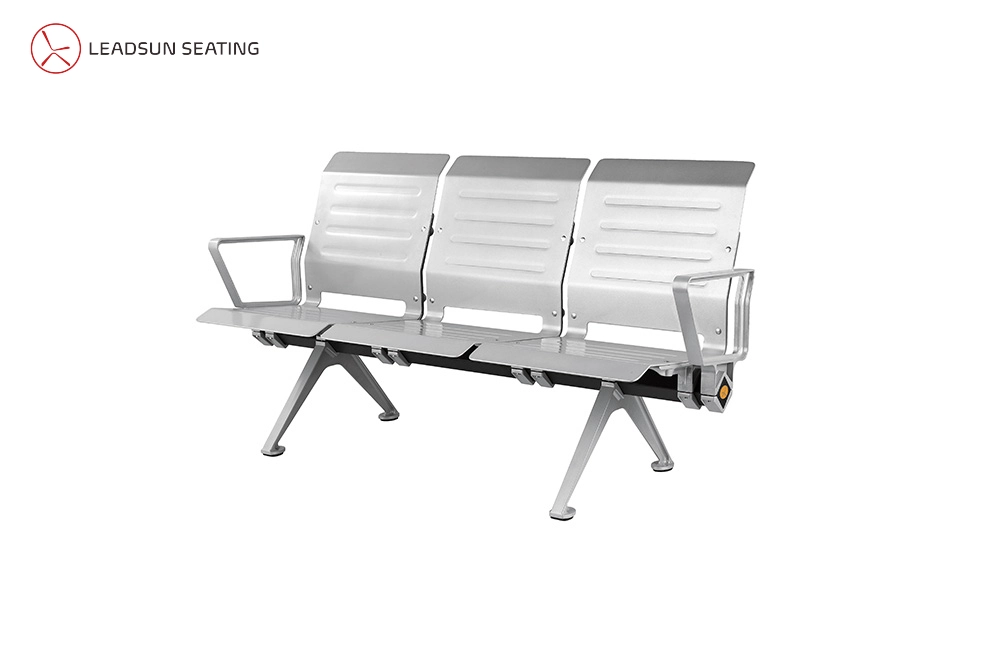
LS-529AL Aluminum Ergonomic Waiting Chairs | Modular & Durable Seating by Leadsun Seating
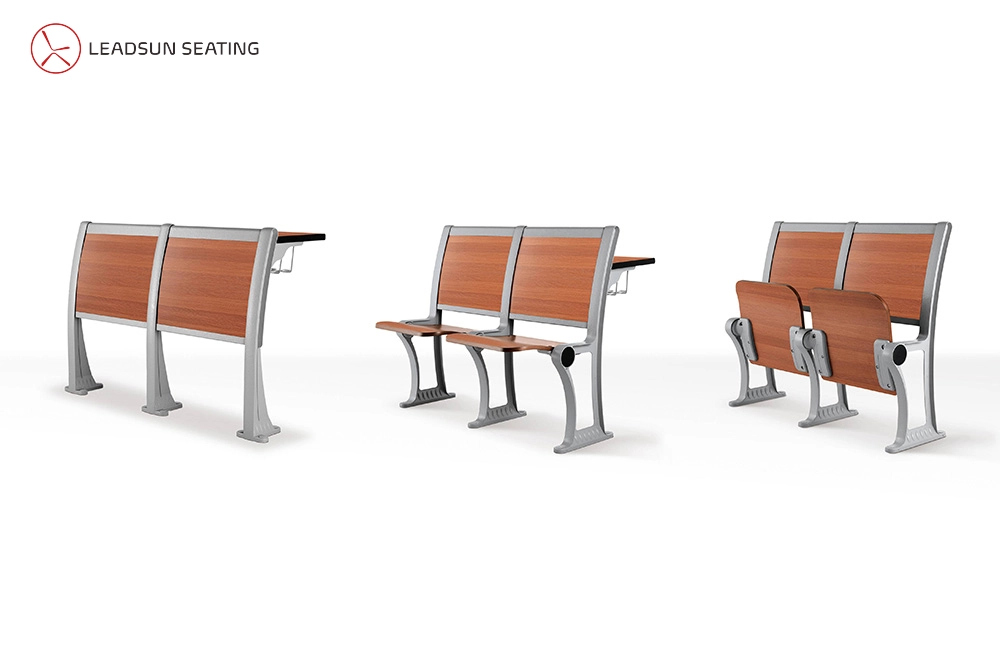
LS-908 Series Fixed Public Auditorium Chair or Tiered Classroom Solutions by Leadsun Seating
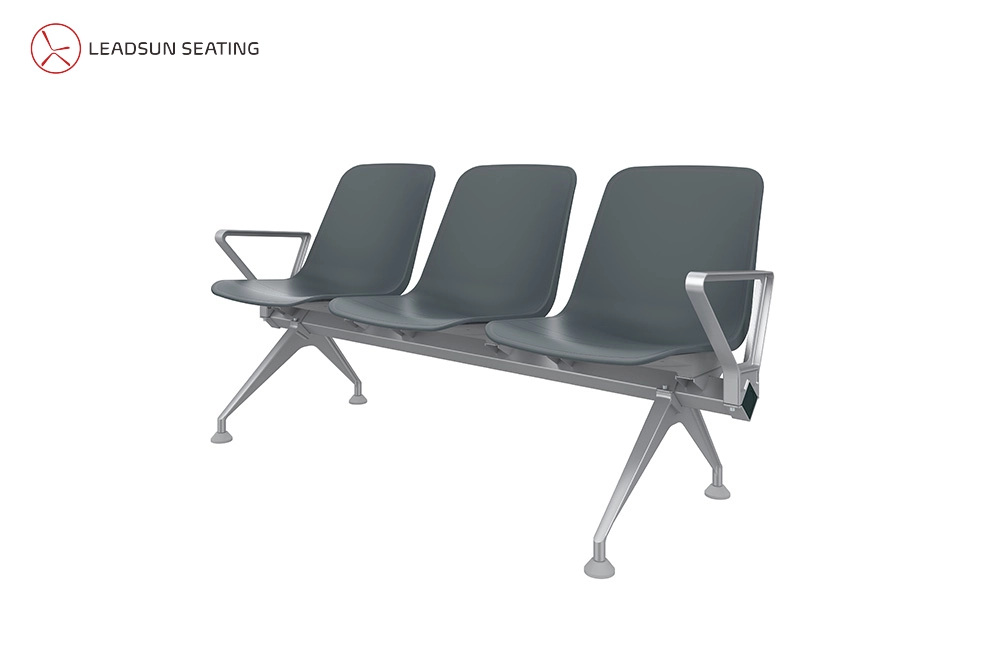
LS-550 Comfortable and Durable Waiting Chair | Customizable Waiting Chair Supplier Leadsun Seating
The LS-550 waiting chair from Leadsun offers superior comfort and durability for any public place. Customize your seating with Leadsun, a leading customizable waiting chair supplier. Ideal for high-traffic areas, the LS-550 ensures lasting performance and style.
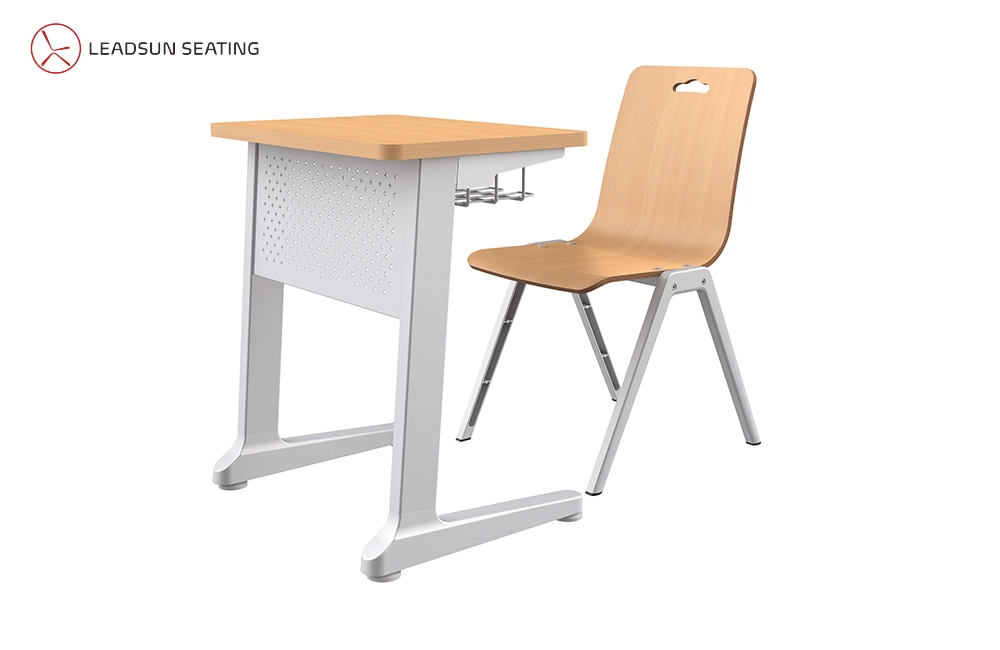
LS-9301 Single movable classroom chair |The Ultimate Flexible Solution for Modern Classrooms by Leadsun Seating

Leadsun Seating is also engaged in the design, development, production, and marketing of lightweight public seats in public places, with an annual output of desks and chairs.
 Scan QR Code