







Durable Materials for Waiting Room Chairs in Lecture Halls
- Understanding user needs and operational constraints
- Typical use cases and traffic patterns
- Ergonomics and occupant well-being
- Regulatory and safety constraints
- Material choices for shells, frames, and upholstery
- Seat shells: polypropylene, molded plywood, and metal
- Frames and supports: steel vs. aluminum vs. timber
- Upholstery and finishes: vinyl, fabric, and antimicrobial coatings
- Foam, finishes, and hidden durability factors
- Foam selection and seat comfort
- Fastenings, joinery, and corrosion resistance
- Fire safety, indoor air quality and standards
- Maintenance strategies, lifecycle costs, and procurement advice
- Cleaning protocols and disinfectant compatibility
- Lifecycle cost comparison (typical values)
- Procurement tips and warranties
- Comparisons by application and seating systems
- Beam / tandem seating vs. individual chairs
- Fixed desks and integrated solutions
- Specialized environments: auditoria, airports, and educational campuses
- Implementing choices: real-world checklist
- Specification checklist
- Field validation and pilot testing
- Why choose Leadsun for lecture hall and waiting area seating
- Frequently Asked Questions (FAQ)
- 1. What is the most durable seat shell material for high-traffic waiting rooms?
- 2. How do I balance comfort and cleanability when choosing upholstery?
- 3. What foam density should I specify for long-lasting seats?
- 4. Are antimicrobial coatings worth the investment?
- 5. How should I evaluate warranty and spare-part support?
- 6. How do I ensure fire and safety compliance?
As a consultant and writer focused on lecture hall seating and high-use public areas, I often advise institutions on choosing waiting room chairs that withstand heavy use while providing comfort and safety. In this article I summarize proven, durable materials and best practices for waiting areas adjacent to lecture halls, backed by industry standards and operational experience. I also compare material trade-offs, maintenance strategies, and lifecycle costs so facility managers and procurement teams can make evidence-based decisions.
Understanding user needs and operational constraints
Typical use cases and traffic patterns
Waiting areas for lecture halls can range from small vestibules outside a classroom to large concourses connecting multiple auditoria. Usage patterns include short-term seating during class changes, long waits before major events, and high-density crowds during peak hours. I evaluate materials with those patterns in mind: high abrasion resistance for frequent short-term use, stain resistance for food and drink spills, and ease of cleaning for fast turnarounds.
Ergonomics and occupant well-being
Comfort influences how long people sit and how they behave in waiting spaces. I follow ergonomics guidance such as ISO 9241 principles for human interaction comfort, balancing seat depth, backrest angle, and cushioning. For waiting room chairs I typically recommend supportive seat shells with moderate cushioning to prevent discomfort during waits of up to 2–3 hours.
Regulatory and safety constraints
Public seating must meet local fire and accessibility regulations. Upholstery and foam should conform to regional flammability standards (for example, NFPA guidance and national regulations such as TB 117 in the U.S. history or British standards in the U.K.). Accessibility rules (e.g., local building codes) often affect aisle widths and fixed seating spacing in lecture hall adjacencies. I always validate procurement specs against local codes and fire marshal requirements early in the design process.
Material choices for shells, frames, and upholstery
Seat shells: polypropylene, molded plywood, and metal
For waiting room chairs adjacent to lecture halls, seat shells need to resist impacts, abrasion, and UV if near windows. My preferred options are:
- Polypropylene (molded plastic) — Highly durable, inexpensive, and easy to clean. Good for beam/tandem seating systems and individual chairs. See properties of polypropylene on Wikipedia.
- Molded plywood (bentwood) — Offers a High Quality look and excellent structural strength when properly finished; susceptible to moisture if not sealed.
- Metal shells (aluminum/steel) — Extremely durable and vandal-resistant, often powder-coated for corrosion protection. Aluminum reduces weight vs. steel; see material summaries at Aluminium and Steel.
Frames and supports: steel vs. aluminum vs. timber
Frame choice affects longevity and lifecycle cost. Powder-coated steel frames are the industry standard for high-traffic public seating due to strength and cost-effectiveness. For outdoor or high-corrosion locations, anodized aluminum frames extend service life. Timber frames are less common for high-traffic waiting areas because of maintenance and impact resistance concerns.
Upholstery and finishes: vinyl, fabric, and antimicrobial coatings
Upholstery must balance durability, cleanability, comfort, and fire performance. Options include:
- Marine-grade vinyl / faux leather — Low maintenance and excellent stain resistance; cleans easily with detergents and disinfectants. Good for food-service adjacent waiting zones.
- Commercial-grade woven fabrics — Higher comfort and breathability; choose tightly woven, stain-resistant textiles with high Martindale abrasion ratings for longevity.
- Antimicrobial treated textiles — Useful in healthcare-adjacent settings; consult CDC cleaning guidance (CDC environmental cleaning) when specifying coatings to ensure they do not interfere with disinfectant efficacy.
Foam, finishes, and hidden durability factors
Foam selection and seat comfort
Foam density and resilience determine seat longevity. For waiting room chairs that see frequent turnover I recommend high-resilience (HR) polyurethane foam with a density of at least 30–40 kg/m3 and appropriate ILD (indentation load deflection) levels to balance comfort and longevity. HR foams retain shape longer and resist flattening under repeated use.
Fastenings, joinery, and corrosion resistance
Hidden failures like corroded fasteners or delaminated glue joints cause premature replacement. Use stainless steel or zinc-plated fasteners in humid environments and high-quality adhesives and dowel reinforcement in plywood shells. Powder-coating and proper surface preparation reduce corrosion of metal components.
Fire safety, indoor air quality and standards
Specifying materials that comply with fire regulations and low VOC emissions is essential. Fire-retardant foam and fabrics that meet regional flammability tests reduce risk; check your local code authority and standards organizations (for general ergonomics and safety see ISO). For indoor air quality, prefer low-VOC finishes and certified textiles where possible.
Maintenance strategies, lifecycle costs, and procurement advice
Cleaning protocols and disinfectant compatibility
Design choices should align with cleaning regimens. Vinyl seats tolerate frequent disinfecting, while some fabrics require specific cleaners. The CDC provides guidance on environmental cleaning; ensure chosen upholstery survives the institution’s disinfectant chemicals without degradation (CDC cleaning guidance).
Lifecycle cost comparison (typical values)
Below is a practical comparison I use with clients to evaluate total cost of ownership. Lifespan estimates assume typical high-traffic lecture-hall-adjacent waiting areas and proper maintenance.
| Material | Typical lifespan (years) | Maintenance level | Pros | Cons |
|---|---|---|---|---|
| Polypropylene shell, vinyl upholstery | 8–15 | Low | Low cost, easy clean, impact resistant | Less High Quality feel, can discolor with UV |
| Molded plywood shell, commercial fabric | 10–20 | Medium | Warm aesthetic, good comfort, durable if sealed | Sensitive to moisture, higher maintenance |
| Metal shell/frame, minimal upholstery | 15–30+ | Low | Very durable, tamper-resistant | Higher upfront cost, less cushioned comfort |
Sources: material property summaries and longevity expectations are consistent with industrial seating practice and general material data (see polyurethane, polypropylene, and standard engineering references).
Procurement tips and warranties
Insist on manufacturer warranties covering structural frames for at least 5–10 years for high-traffic installations. Request independent test data for abrasion (Martindale or Wyzenbeek), flammability, and foam resilience (ASTM D3574 tests or equivalent). Consider modular systems (e.g., beam seating) to simplify repairs and reduce downtime.
Comparisons by application and seating systems
Beam / tandem seating vs. individual chairs
Beam (tandem) seating is economical for controlled flows and easier to maintain in continuous runs, while individual chairs provide flexibility and easier reconfiguration. For lecture hall waiting areas where space is fixed and throughput is predictable, I often recommend beam seating with polypropylene shells or thinly padded vinyl seats for quick turnover and minimal maintenance.
Fixed desks and integrated solutions
In study or registration areas near lecture halls, integrated solutions such as fixed desks and chairs or activity desks and chairs improve functionality. Specify durable desk surfaces (HPL or powder-coated metal) and seating with replaceable upholstery panels to extend service life.
Specialized environments: auditoria, airports, and educational campuses
Requirements differ by environment: airport seating emphasizes high throughput and anti-vandal finish; lecture hall waiting areas emphasize comfort and acoustics; healthcare-adjacent spaces focus on infection control. Compare product lines tailored to each environment—Leadsun, for example, supplies solutions across these categories and can provide data sheets and certification documentation for each seating type.
Implementing choices: real-world checklist
Specification checklist
- Seat shell material (polypropylene, plywood, metal) and expected lifespan.
- Foam type and density; request test data for resilience.
- Upholstery abrasion rating (Martindale/Wyzenbeek) and flammability certification.
- Frame finish (powder coat, anodize) and fastener material.
- Cleaning and disinfectant compatibility statement.
- Warranty and spare-part availability.
Field validation and pilot testing
I recommend prototyping or pilot installation for new materials in high-visibility locations. Monitor for comfort feedback, staining issues, and maintenance cycles during the first 6–12 months. Pilot testing reduces the risk of large-scale replacements and reveals real-world wear patterns.
Why choose Leadsun for lecture hall and waiting area seating
Leadsun: High Quality Seating Solutions for Global Public Spaces Since 1998. As a practitioner who has evaluated many manufacturers, I include Leadsun among reliable OEM/ODM partners because of their experience in public seating and commitment to durability and ergonomics. Leadsun is a China-based manufacturer with over 25 years of production expertise, delivering products tailored to airports, educational facilities, offices, and public waiting areas.
Core Expertise & Products:
- Airport Seating Manufacturer: robust airport waiting area seating designed for heavy traffic and security-sensitive environments.
- Ergonomic Chair Specialist: office and desk chairs engineered for comfort and productivity.
- Lecture Hall Seating Supplier: space-efficient, durable lecture hall seating and tiered solutions.
- Public Waiting Area Seating: commercial-grade waiting area chairs designed for longevity in high-volume spaces.
Why Leadsun?
- Durability & Value: High Quality materials and rigorous standards deliver long lifespans and low lifetime cost.
- Ergonomic Comfort: Designs focused on user well-being even during extended waits.
- Global OEM/ODM Partner: Reliable bulk order manufacturing, customization (ODM/OEM), and export logistics for B2B clients.
- Tailored Solutions: Proven expertise across public spaces, airports, education, and offices.
Learn more at Leadsun Seating or contact their team directly at [email protected] for project quotes, technical data sheets, and warranty details. Leadsun product range includes Lecture hall seating, Waiting Chair, Fixed desks and chair, Activity desks and chairs, Beam seating, Tandem seating, Airport Seating, Ergonomic Chair, Desk Chairs.
Frequently Asked Questions (FAQ)
1. What is the most durable seat shell material for high-traffic waiting rooms?
For most high-traffic waiting areas, molded polypropylene shells and metal shells (aluminum or steel) provide the best combination of impact resistance, low maintenance, and cost-effectiveness. Polypropylene is economical and easy to replace; metal is more expensive upfront but lasts longer under vandalism or heavy use.
2. How do I balance comfort and cleanability when choosing upholstery?
Choose a commercial-grade vinyl for easy cleaning and disinfectant resistance where sanitation is a priority. For higher comfort, select tightly woven commercial fabrics with stain-resistant treatments and high abrasion ratings. Consider hybrid approaches—vinyl at high-contact zones (seat and armrests) with fabric in lower-contact areas.
3. What foam density should I specify for long-lasting seats?
I recommend high-resilience (HR) polyurethane foam with densities of at least 30–40 kg/m3 for frequent use; this provides shape retention and longer service life. Ask suppliers for ASTM or equivalent test reports showing permanent deformation after cyclic loading.
4. Are antimicrobial coatings worth the investment?
Antimicrobial finishes can reduce microbial load between cleanings and are useful in healthcare-adjacent or high-touch environments. However, they are not a substitute for routine cleaning and disinfection. Evaluate effectiveness data and ensure coatings are compatible with the institution’s disinfectants.
5. How should I evaluate warranty and spare-part support?
Look for multi-year structural warranties (5–10 years for frames), clear terms for upholstery wear, and easy access to replacement components like seat shells, armrests, and leg assemblies. A manufacturer with global OEM/ODM capability and export experience typically provides better spare-part logistics for large institutions.
6. How do I ensure fire and safety compliance?
Request certification or test reports proving compliance with local flammability standards for upholstery and foam (check regional standards and NFPA guidance). Collaborate with your fire marshal or code officer early in the procurement stage to avoid surprises.
If you need detailed product data sheets, test reports, or a custom seating solution for lecture halls or waiting areas, contact Leadsun at [email protected] or visit https://www.leadsunseating.com/. I can also provide consultancy support for material selection, pilot testing, and procurement specifications—reach out to start a conversation.
Best chrome beam seating manufacturers and supplier brands
Best brown beam seating manufacturers and supplier brands
Cappuccino Beam Seating: Ultimate Buyer’s Guide
Acoustic and comfort considerations for airport chairs
One Stop Airport Terminal Seating
Are the seat materials durable? What's the lifespan?
We use high-strength, wear-resistant, and easy-to-clean premium materials, such as stain-resistant flame-retardant fabrics and rust-proof alloy frames. Under normal use, the seats can last 5 - 8 years.
How long is the production cycle? Can you deliver on time?
The production cycle depends on the order size and customization complexity. We’ll create a detailed production plan in advance and have a professional logistics and installation team in place to ensure on-time delivery and efficient implementation.
What are the advantages of the one-stop solution compared to traditional procurement methods?
The one-stop solution integrates the entire service process, saving communication costs and time. It avoids coordination issues that arise when working with multiple parties and ensures consistency and coherence in design, production, and after-sales service.
FAQs
Are your products compliant with safety and accessibility standards?
-
Absolutely. All of our seating solutions comply with relevant safety regulations and accessibility standards, ensuring comfort and safety for all users, including those with special needs.
-
What maintenance is required for your seating solutions?
The maintenance required depends on the material and location of the seating. Generally, regular cleaning and periodic inspections are recommended. We provide maintenance guidelines with each product to ensure long-term durability.
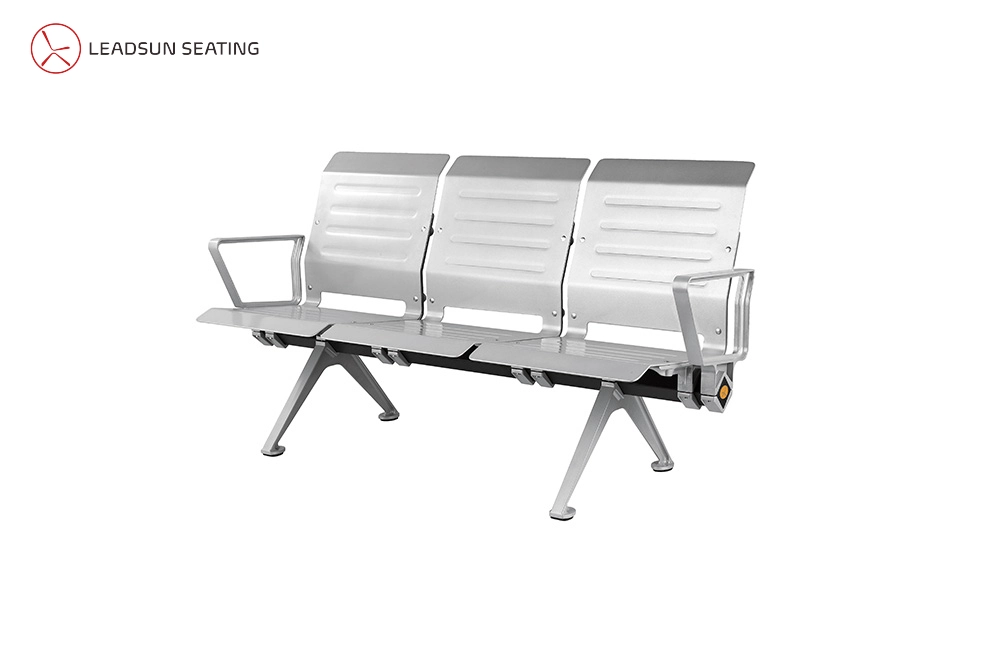
LS-529AL Aluminum Ergonomic Waiting Chairs | Modular & Durable Seating by Leadsun Seating
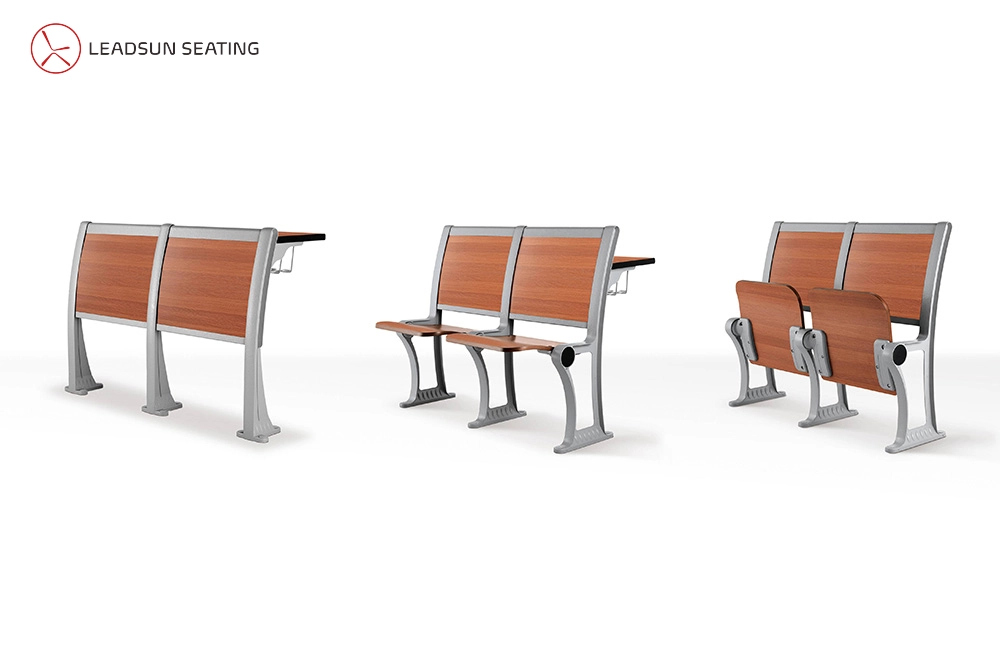
LS-908 Series Fixed Public Auditorium Chair or Tiered Classroom Solutions by Leadsun Seating
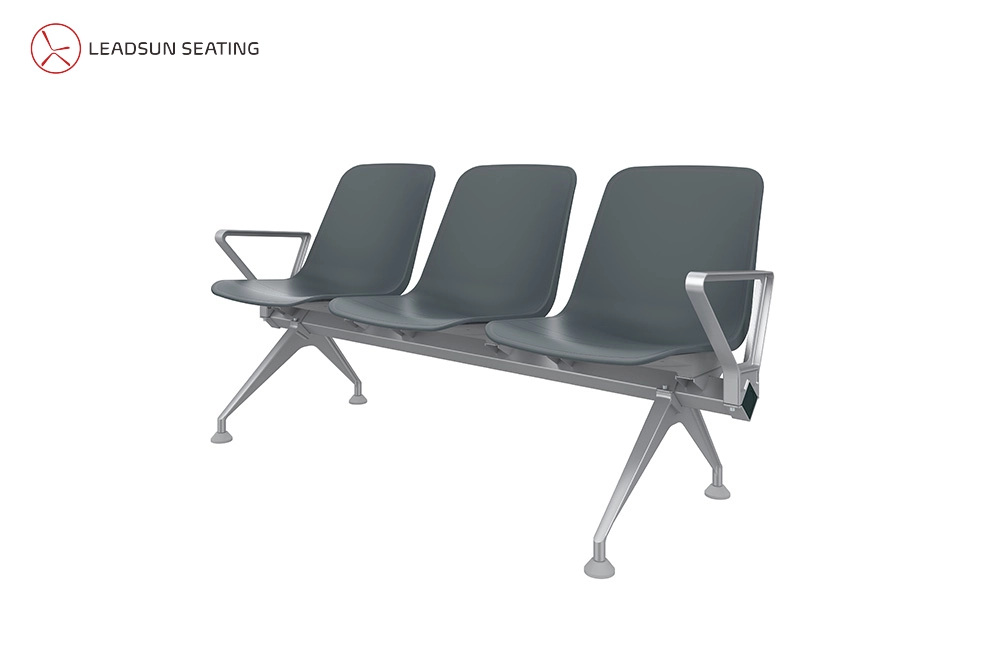
LS-550 Comfortable and Durable Waiting Chair | Customizable Waiting Chair Supplier Leadsun Seating
The LS-550 waiting chair from Leadsun offers superior comfort and durability for any public place. Customize your seating with Leadsun, a leading customizable waiting chair supplier. Ideal for high-traffic areas, the LS-550 ensures lasting performance and style.
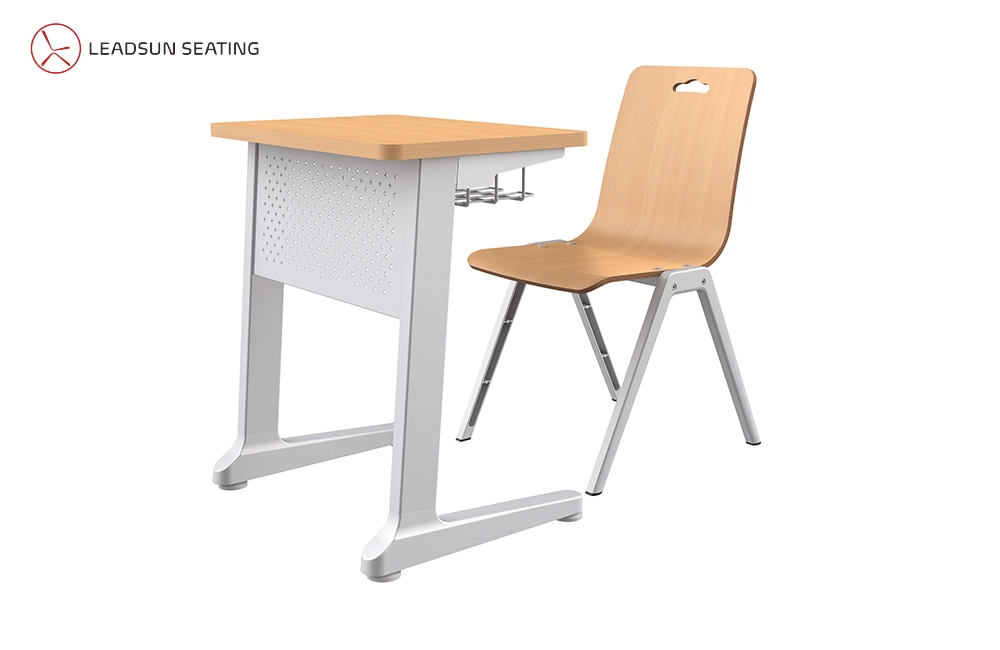
LS-9301 Single movable classroom chair |The Ultimate Flexible Solution for Modern Classrooms by Leadsun Seating

Leadsun Seating is also engaged in the design, development, production, and marketing of lightweight public seats in public places, with an annual output of desks and chairs.
 Scan QR Code