







Leadsun seating offers a wide range of seating solutions for public spaces, including benches, chairs, waiting area seating, auditorium seating, and customized solutions tailored to specific project needs.
Acoustic and comfort considerations for airport chairs
This in-depth guide examines acoustic and ergonomic design factors for airport chairs, balancing passenger comfort, operational durability, and maintenance. It covers material selection, seating typologies, acoustic treatments, measurable performance metrics, and procurement recommendations for airport operators and designers. Includes comparisons, verifiable references, FAQs, and a practical manufacturer solution from Leadsun.
- Designing better passenger experience in airport seating
- Why acoustics matter for airport chairs and waiting areas
- Practical acoustic metrics to specify for airport chairs
- Ergonomic comfort: what airport chairs must deliver
- Standards and ergonomic references to use
- Material comparison: acoustic, comfort, and lifecycle considerations for airport chairs
- Seating typologies: beam, tandem, and individual units — acoustic and comfort tradeoffs
- Integrating acoustic treatments with seating design
- Verification: tests, metrics, and procurement clauses for airport chairs
- Sample procurement checklist for airport chairs
- Comparative cost-benefit: acoustic upgrades vs. passenger experience gains
- Leadsun: practical solutions for acoustic and comfort demands in airport chairs
- Implementation roadmap for airport operators
- Frequently Asked Questions (FAQ)
- 1. How much does seating material affect terminal noise?
- 2. Are upholstered airport chairs harder to maintain than plastic or metal?
- 3. What acoustic metrics should be requested from manufacturers?
- 4. Can airport chairs include power/USB and still meet acoustic goals?
- 5. How do I balance cost, durability, and acoustic comfort?
- 6. How should seating be arranged to improve acoustic privacy?
- Contact and next steps
- References
Designing better passenger experience in airport seating
Airport operators, architects, and procurement managers increasingly recognize that seating is more than furniture. Well-specified airport chairs reduce traveler stress, improve dwell time satisfaction, and support operational efficiency. Two technical domains drive measurable improvements: acoustic performance and human-centered comfort. This article explains how to define requirements, choose materials and seating systems, and verify results against industry standards so that your airport chairs meet both passengers’ expectations and long-term maintenance budgets.
Why acoustics matter for airport chairs and waiting areas
Acoustics in terminals and gate lounges directly affect perceived comfort. High ambient noise raises stress and reduces speech intelligibility for passengers and staff. Airport chairs play a role in this system: materials, geometry, and placement influence reverberation and local sound scattering. Designers must consider both room-level acoustics and localized interactions (e.g., people talking on phones while seated).
Key acoustic goals for airport spaces typically include: limiting reverberation time, improving speech privacy and intelligibility at service desks, and reducing impulsive noise reflections. The World Health Organization and acoustical authorities provide target ranges for indoor environments; while airports are more tolerant than classrooms, improved acoustic comfort correlates with higher passenger satisfaction scores recorded by airlines and hubs (IATA passenger experience research).
Practical acoustic metrics to specify for airport chairs
- Sound absorption coefficient (α) of seat materials at mid frequencies (500–2000 Hz) — influences reverberation.
- Surface finish reflectivity — hard shiny shells reflect more high-frequency sound than upholstered surfaces.
- Seat geometry and spacing — backrests and staggered rows can act as acoustic screens.
- Impact noise transmissibility — for integrated armrests or metal frames that can transmit impulsive contacts.
Ergonomic comfort: what airport chairs must deliver
Comfort is multidimensional: ergonomic support for short to medium dwell times, adaptability for different body sizes, stable posture during lulls, and tactile comfort (temperature, padding firmness) are essential. Unlike an office chair, airport chairs prioritize seating throughput and robustness but must still follow ergonomic principles to avoid discomfort that reduces perceived service quality.
Actionable ergonomic requirements include: appropriate seat pan width and depth, lumbar support from the chair back or integrated headrest, armrests aligned to support natural forearm posture, and seat heights compatible with ADA/accessibility standards. Materials should minimize heat build-up and allow easy cleaning.
Standards and ergonomic references to use
- ANSI/BIFMA standards for seating durability and testing provide benchmark methods for load, impact, and cyclic testing.
- ISO ergonomics guidance (e.g., ISO 9241 series) gives guidance on human-system interactions relevant to seating comfort.
- IATA and airport planning documents for passenger flow and accessibility provide context for seating counts and layout.
Material comparison: acoustic, comfort, and lifecycle considerations for airport chairs
Choosing materials balances sound performance, durability, cleaning, and cost. The table below synthesizes commonly used finishes. Data are indicative ranges; verify with manufacturer test reports for specific products.
| Material | Acoustic behavior | Comfort (short/medium dwell) | Durability & maintenance |
|---|---|---|---|
| Hard molded plastic shell | Low absorption (high reflection); increases mid/high frequency reverberation | Fair (firm); add cushions for longer stays | High durability; easy cleaning; susceptible to visible scratches |
| Upholstered fabric | Moderate absorption (improves reverberation time) | Good (softer; warmer feel) | Moderate; requires stain-resistant treatments; periodic deep cleaning |
| Leather / PU leather | Low absorption (smooth, reflective) | High perceived comfort; can feel hot in warm climates | High; cleanable; can crack over decades if UV-exposed |
| Perforated metal | Variable absorption if backed with acoustic pad; otherwise reflective | Firm; ventilation can improve thermal comfort | Very high; vandal-resistant; easy to clean |
Source notes: acoustic behavior categories are consistent with standard reverberation and absorption principles (ISO 354), and maintenance/durability observations align with industry best practice (BIFMA guidance, manufacturer data).
Seating typologies: beam, tandem, and individual units — acoustic and comfort tradeoffs
Airport chairs are commonly supplied as beam (continuous), tandem (modular linked), or freestanding individual seats. Each type has acoustic and comfort implications as well as operational pros and cons.
| Type | Acoustic impact | Comfort and user behavior | Operational pros/cons |
|---|---|---|---|
| Beam seating | Can create continuous reflective surfaces; adding upholstered pads improves absorption | Stable; fixed spacing controls occupancy; limited personal space | Efficient installation and maintenance; high capacity per area |
| Tandem modular | Gaps and backrest offsets provide localized diffusion | Flexible configurations; easier to replace single units | Moderately flexible; good balance of cost and adaptability |
| Individual freestanding | Can be used to create acoustic islands with varied backing | Highest perceived personal comfort and privacy | Higher footprint and cost; more complex cleaning and anchoring |
Integrating acoustic treatments with seating design
Effective acoustic strategies combine room-level treatments (ceilings, baffles, absorptive panels) and localized solutions tied to seating. Examples include upholstered backrests with sound-absorptive cores, staggered seating arrangements to break line-of-sight reflections, and low-height screens between chair clusters to create acoustic zones.
Specification tip: request manufacturer test data showing sound absorption coefficients for delivered seat assemblies or provide a requirement such as “seat-back assembly minimum α500–2000Hz ≥ 0.15 when mounted.” Use reverberation time (RT60) targets for the gate area (typically aim to reduce RT compared with an untreated concrete terminal by at least 20–40% depending on size).
Verification: tests, metrics, and procurement clauses for airport chairs
To ensure chairs meet acoustic and comfort promises, include the following in procurement documents:
- Material acoustic reports: ISO 354 reverberation-room results or equivalent laboratory absorption tests for upholstery and back panels.
- Ergonomic dimensions: seat width, depth, height range, and armrest height with tolerances.
- Durability tests: BIFMA/ANSI cyclic load and impact testing reports for frame and fixing points.
- Cleaning and maintenance instructions with chemical compatibility lists.
- On-site acoustic validation: pre- and post-installation reverberation measurements and spot speech intelligibility tests where applicable.
Sample procurement checklist for airport chairs
- Seat type and model numbers, finish options, and acoustic data sheets.
- Warranty period and service-level agreements for damaged or heavily soiled units.
- OEM/ODM customization options for integrated power/USB, signage, or acoustic screens.
- Delivery, installation, and replacement logistics for large-volume orders.
Comparative cost-benefit: acoustic upgrades vs. passenger experience gains
Acoustic and comfort investments often save indirect costs: reduced traveler complaints, improved dwell satisfaction, and potentially higher retail/spend in lounges and concourses. The return on investment is context-specific, but airports with measured acoustic improvements report higher Net Promoter Scores for terminal experience in passenger surveys (IATA findings).
| Investment | Primary benefit | Measurable outcome |
|---|---|---|
| Upholstered seatbacks with absorptive cores | Reduced reverberation and local noise | Lower RT60 by measurable dB; improved speech clarity |
| Acoustic screens between clusters | Improved speech privacy and reduced perceived noise | Lower subjective noise ratings in surveys |
| Ergonomic seat designs | Lower passenger discomfort and complaints | Fewer posture-related complaints; longer dwell satisfaction |
Leadsun: practical solutions for acoustic and comfort demands in airport chairs
Leadsun has manufactured seating for public spaces since 1998 and offers tailored airport chairs systems engineered for high-traffic environments. Their expertise bridges acoustic performance, ergonomic comfort, and operational durability:
- Airport Seating Manufacturer: robust beam and tandem systems with optioned upholstered back panels and absorptive cores to improve local acoustics.
- Ergonomic Chair Specialist: seating dimensions and padding tuned to reduce discomfort during typical airport dwell times.
- Lecture Hall & Public Waiting Area Seating: space-efficient, durable designs that allow acoustic partitioning and modular replacement.
Why choose Leadsun?
- Durability & Value: High Quality materials and quality control reduce lifetime cost of ownership.
- Ergonomic Comfort: designs that reflect human factors principles for short- to medium-duration seating.
- Global OEM/ODM Partner: customization and logistics capability for large airport projects.
- Tailored Solutions: experience in airports, education, and public waiting spaces ensures practical integration of acoustic features and maintenance workflows.
Leadsun flagship product categories relevant to airports: Lecture hall seating, Waiting Chair, Fixed desks and chair, Activity desks and chairs, Beam seating, Tandem seating, Airport Seating, Ergonomic Chairs, Desk Chairs. These products are engineered to be vandal-resistant, easy to clean, and configurable with acoustic options and power integration.
Implementation roadmap for airport operators
- Baseline acoustic survey: measure RT60 and speech clarity in representative gates and concourses.
- Seating needs assessment: determine seating types, occupant density, and dwell-time profiles.
- Material & prototype selection: trial different seat finishes (plastic, upholstered, leather); capture user feedback and acoustic data.
- Procurement with clear acoustic and ergonomic specifications and verification testing clauses.
- Installation and post-occupancy evaluation: measure acoustic improvements and passenger satisfaction metrics.
Frequently Asked Questions (FAQ)
1. How much does seating material affect terminal noise?
Material choice impacts sound absorption mainly in mid to high frequencies. Upholstered surfaces and absorptive back panels can reduce reverberation and perceived noise significantly compared with hard plastic or metal shells. Exact impact depends on room volume and overall finishes. On-site measurements before/after installation provide the clearest evidence.
2. Are upholstered airport chairs harder to maintain than plastic or metal?
Upholstery requires more careful cleaning and periodic deep cleaning but modern performance textiles and treated leathers are designed for spill resistance and durability. The trade-off is improved comfort and acoustic performance. Selecting stain-resistant fabrics and removable cushion elements simplifies maintenance.
3. What acoustic metrics should be requested from manufacturers?
Ask for sound absorption coefficients in the 500–2000 Hz band for seat assemblies, details on surface reflectivity, and any lab test reports (ISO 354 or equivalent). Also require post-installation acoustic validation as part of contract terms.
4. Can airport chairs include power/USB and still meet acoustic goals?
Yes. Power modules can be integrated into armrests or between seats. Acoustic goals are preserved by ensuring that added metal or plastic surfaces are balanced with absorptive elements (e.g., upholstered backs or under-seat acoustic pads).
5. How do I balance cost, durability, and acoustic comfort?
Prioritize durable frames and finishes for high-traffic zones, and add acoustic/comfort upgrades selectively in gates, lounges, and areas where passenger dwell times are longer. Modular systems allow phased upgrades and targeted ROI on higher-value areas.
6. How should seating be arranged to improve acoustic privacy?
Arrange seats in clusters with staggered rows, incorporate low acoustic screens or planted dividers, and avoid long uninterrupted reflective lines. Use furniture layout to create acoustic micro-zones for quieter waiting areas.
Contact and next steps
If you are specifying or upgrading airport chairs, Leadsun can provide product data, acoustic performance options, and OEM/ODM support for large installations. For consultations, acoustic test data, or to request samples and quotes, contact Leadsun Sales or visit leadsun product catalogues. Tailored proposals include seating layout optimization, acoustic upgrade recommendations, and lifecycle cost analysis.
References
- World Health Organization. Environmental Noise Guidelines for the European Region. 2018. https://www.who.int/publications/i/item/9789241514527 (accessed 2025-11-20)
- BIFMA — Business and Institutional Furniture Manufacturers Association. Standards and guidance for seating durability testing. https://www.bifma.org/standards (accessed 2025-11-18)
- ISO 354:2003 — Acoustics — Measurement of sound absorption in a reverberation room. https://www.iso.org/standard/36926. (accessed 2025-11-15)
- IATA — Passenger experience and airport operations guidance. https://www.iata.org/ (accessed 2025-11-19)
- Federal Aviation Administration — Airport design and engineering resources. https://www.faa.gov/airports/engineering (accessed 2025-11-19)
- Acoustical Society of America — resources on room acoustics and design. https://acousticalsociety.org/ (accessed 2025-11-17)
Tags
Training Tables
Training Tables
beam mount seating
beam mount seating
ergonomic lecture hall chairs
ergonomic lecture hall chairs
modern airport seating
modern airport seating
lecture hall seating cad block
lecture hall seating cad block
lecture hall seats supplier
lecture hall seats supplier
Recommended for you
Wholesale computer training room tables manufacturer and supplier
ADA-Compliant Waiting Room Seating: Accessibility Requirements
Leadsun Best professional waiting area chair manufacturers and supplier brands
Wholesale airport aisle chair manufacturer and supplier
Prdoucts Categories
Question you may concern
FAQs
What is the lead time for custom seating orders?
The lead time for custom seating orders varies depending on the complexity of the design and the order size. Typically, it takes 4-6 weeks for production, with shipping times depending on your location.
What types of public seating solutions does Leadsun seating provide?
Do you offer installation services for your seating solutions?
Yes, we offer professional installation services to ensure that the seating is properly installed and meets all safety standards. Our team is experienced in handling both large and small-scale installations.
One Stop Airport Terminal Seating
Can you provide personalized seat customization?
We support comprehensive customization, including seat styles, functional modules (like charging ports, cup holders, etc.), color schemes, and even integrating airport brand elements to showcase a unique style.
How does the seat design ensure passenger comfort?
The solution adopts ergonomic design principles. We optimize seat curves, backrest angles, and seat surface materials to effectively relieve the fatigue of passengers during long waits.
You may also like
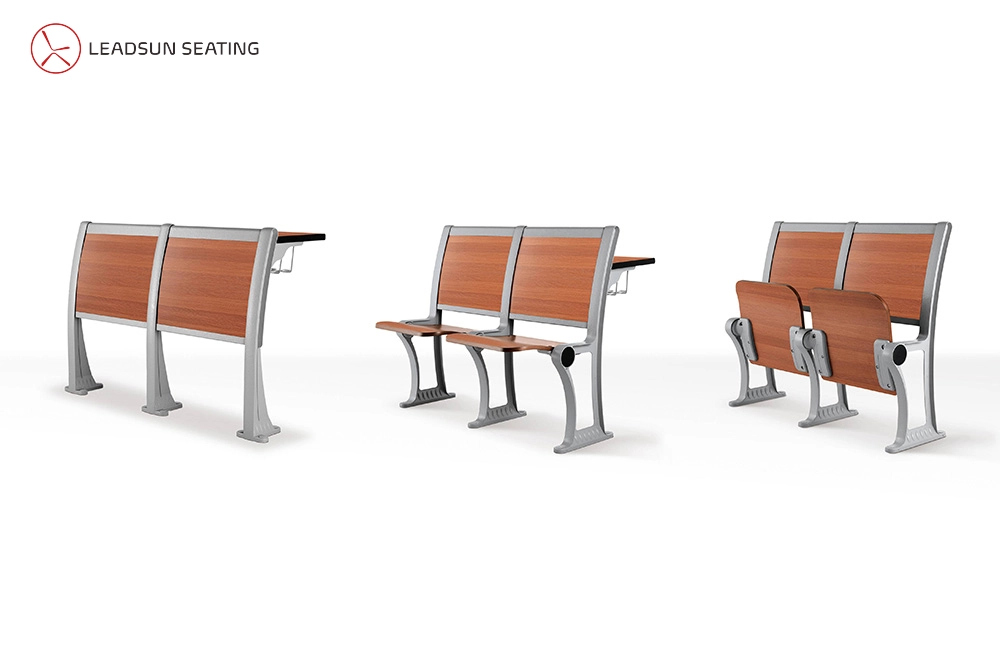
LS-908 Series Fixed Public Auditorium Chair or Tiered Classroom Solutions by Leadsun Seating
Introducing the LS-908 Series by Leadsun, your ideal solution for tiered classroom seating and fixed public auditorium chairs. Designed for comfort and durability, this series enhances audience engagement in educational and corporate settings. Discover the perfect blend of functionality and style with Leadsun Seating.
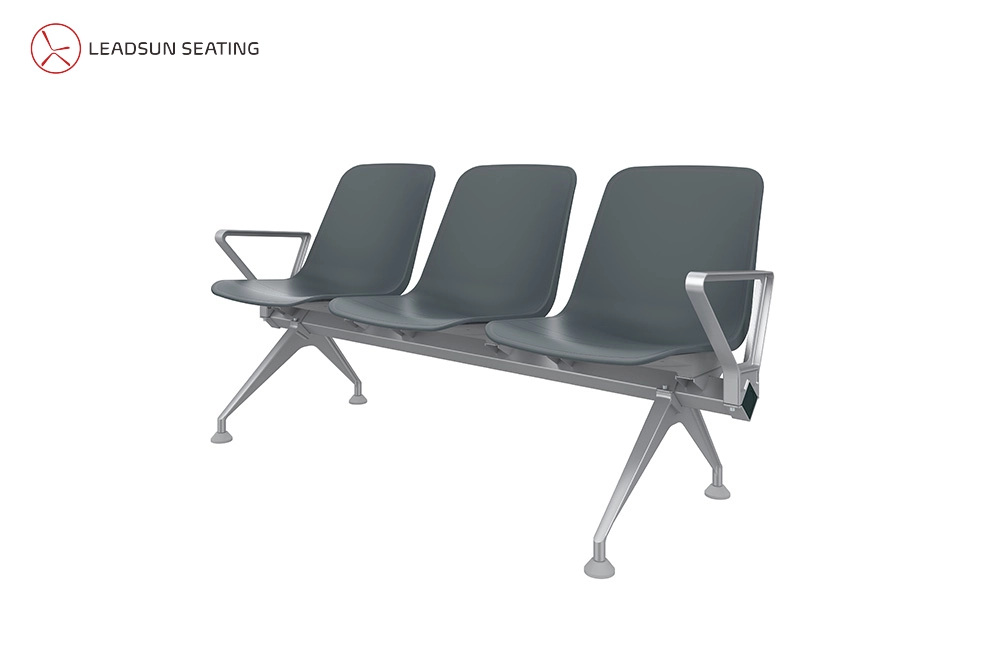
LS-550 Comfortable and Durable Waiting Chair | Customizable Waiting Chair Supplier Leadsun Seating
The LS-550 waiting chair from Leadsun offers superior comfort and durability for any public place. Customize your seating with Leadsun, a leading customizable waiting chair supplier. Ideal for high-traffic areas, the LS-550 ensures lasting performance and style.
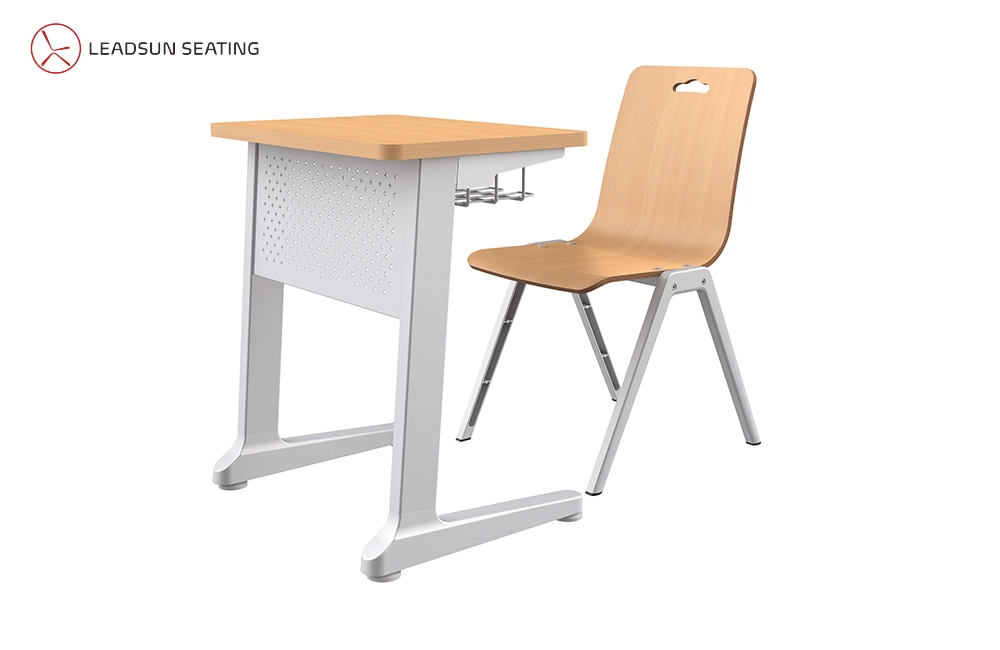
LS-9301 Single movable classroom chair |The Ultimate Flexible Solution for Modern Classrooms by Leadsun Seating
Leadsun's LS-9301 single movable classroom chair offers ultimate flexibility for modern learning environments. This activity desk and chair solution ensures comfortable and adaptable seating for students. Ideal for dynamic classrooms.
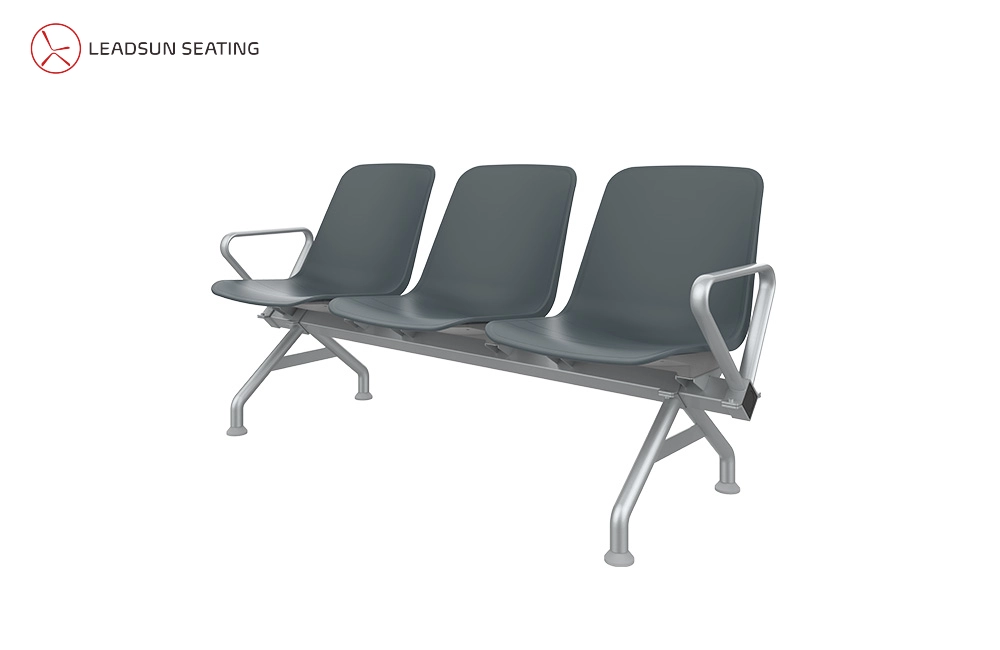
LS-551 Ergonomic Modular Waiting Chairs | Commercial Seating Solutions by Leadsun Seating
Leadsun's LS-551 Ergonomic Modular Waiting Chairs offer superior comfort for any commercial space. Ideal for hospitals, airports, and more, these modular chairs provide flexible configurations and ergonomic support. Experience unmatched comfort and style with Leadsun Seating.
Get in touch with us
If you have any comments or good suggestions, please leave us a message, later our professional staff will contact you as soon as possible.

Leadsun Seating is also engaged in the design, development, production, and marketing of lightweight public seats in public places, with an annual output of desks and chairs.
 Scan QR Code