







Leadsun seating offers a wide range of seating solutions for public spaces, including benches, chairs, waiting area seating, auditorium seating, and customized solutions tailored to specific project needs.
Easy-Clean Waiting Room Chairs for Infection Control Protocols
Practical, evidence-based guidance on selecting, specifying and maintaining easy-clean waiting room chairs to meet infection control protocols in healthcare, airports and public facilities. Covers materials, designs, cleaning agents, workflow validation and procurement criteria with references to CDC, EPA and peer-reviewed data.
- Principles of infection control for public seating
- Transmission routes and the role of waiting room chairs
- Regulatory guidance and authoritative standards
- Design considerations that reduce contamination and cleaning burden
- Materials and finishes that make waiting room chairs easy to clean
- Non-porous materials and why they matter
- Antimicrobial coatings vs. smooth, cleanable finishes
- Cleaning agents and material compatibility
- Design features and layout strategies for waiting areas
- Chair design details that simplify cleaning
- Spacing, modularity and circulation for cleaning workflows
- Specialized solutions for high-traffic zones (airports, EDs)
- Maintenance protocols, workflows and validation
- Cleaning and disinfection protocols aligned with CDC/EPA
- Training, monitoring and audit tools
- Procurement and vendor selection criteria
- Leadsun: High Quality seating solutions for global public spaces since 1998
- About Leadsun and core expertise
- Product lines relevant to infection control
- Why choose Leadsun for infection-control-focused seating?
- FAQs — Common questions about easy-clean waiting room chairs
- 1. What materials are best for waiting room chairs in healthcare settings?
- 2. Can antimicrobial coatings replace routine cleaning?
- 3. How often should waiting room chairs be disinfected?
- 4. Are fabric-upholstered chairs acceptable?
- 5. What should I ask a seating manufacturer about cleaning compatibility?
- 6. How do I validate my cleaning program?
This article provides a concise, location-agnostic summary suitable for indexing: practical, evidence-based guidance for specifying easy-clean waiting room chairs for hospitals, clinics, airports and other public spaces worldwide. It highlights materials, finishes, spacing and maintenance practices that reduce fomite risk, align with CDC/EPA guidance, and enable efficient cleaning workflows for facilities teams and procurement professionals.
Principles of infection control for public seating
Transmission routes and the role of waiting room chairs
Waiting room chairs are high-touch surfaces in clinical and public environments. Pathogens may transfer via respiratory droplets, hand contact and contaminated surfaces (fomites). Peer-reviewed evidence summarized by Kampf et al. shows that viruses such as coronaviruses and influenza can persist on inanimate surfaces for hours to days depending on material and conditions; regular disinfection is therefore essential (Kampf et al., 2020).
Regulatory guidance and authoritative standards
Design and maintenance of seating for infection control should follow public health guidance such as the CDC's environmental infection control recommendations (CDC Environmental Infection Control) and disinfectant listings such as the EPA's List N (EPA List N). For procurement, reference local healthcare facility standards and contract furniture safety standards as required.
Design considerations that reduce contamination and cleaning burden
Key design goals for easy-clean seating are: minimize porous surfaces, avoid hidden crevices where dirt and biological material accumulate, enable rapid surface access for disinfectants, and specify finishes compatible with routine cleaning chemicals. Ergonomic comfort and durability must be balanced with cleanability to ensure user well-being and long-term value.
Materials and finishes that make waiting room chairs easy to clean
Non-porous materials and why they matter
Non-porous materials (e.g., vinyl, polyurethane, powder-coated metals, molded plastics) reduce microbial retention and are compatible with a wide range of disinfectants. In contrast, woven textiles and open-cell foams trap moisture and particulates, requiring more intensive cleaning regimes and increasing lifecycle costs in high-risk settings.
Antimicrobial coatings vs. smooth, cleanable finishes
Antimicrobial coatings can provide an additional barrier but are not substitutes for regular cleaning and disinfection. When specifying antimicrobial-treated surfaces, confirm independent efficacy data and compatibility with disinfectants used by the facility. Smooth, non-porous finishes often provide the most reliable practical outcome because they simplify cleaning workflows.
Cleaning agents and material compatibility
Choose materials that tolerate EPA-registered disinfectants and hospital-grade cleaners without degrading. Some solvents and high-concentration bleach solutions can damage PU leather or cause metal corrosion. Always consult manufacturer compatibility charts and test products in a controlled manner.
| Material | Cleanability | Compatible Disinfectants | Durability & Lifecycle | Recommended Use |
|---|---|---|---|---|
| Vinyl (medical grade) | Very good—non-porous, wipes clean easily | Quats, 0.1% bleach, alcohol-based wipes (check concentration) | High—resists staining; moderate abrasion resistance | Clinics, general waiting areas |
| Polyurethane (PU) leather | Good—smooth surface; may degrade with harsh solvents | Quats, diluted bleach (compatible types), alcohol wipes (test) | High—comfortable; choose high-grade for heavy use | Medical offices, outpatient centers |
| Molded plastic & solid surfaces | Excellent—non-porous, seamless designs ideal | Most EPA-registered disinfectants; avoid strong acids | Very high—robust in high-traffic areas | Airports, transit hubs, pediatric areas (easy rinse) |
| Knitted/woven fabric upholstery | Poor—absorbs moisture; requires laundering or steam | Limited—steam cleaning, specific upholstery cleaners | Variable—can wear quickly in heavy use | Low-traffic or specialty zones where fabric is required |
Sources: CDC environmental guidance and Kampf et al. on surface persistence; disinfectant compatibility guidance from EPA List N (EPA) and manufacturer datasheets.
Design features and layout strategies for waiting areas
Chair design details that simplify cleaning
Design elements that reduce cleaning time include sealed seams or seam-free upholstery, removable but securely fastened cushions for laundering or replacement, open-frame bases that allow cleaning under and around the seat, and minimal use of crevices or decorative nailheads where debris collects. Antimicrobial trim is secondary to the primary benefit of a smooth, wipeable surface.
Spacing, modularity and circulation for cleaning workflows
Allow access for cleaning staff by specifying modular seating (beam systems or single units) that can be moved or reconfigured. Provide adequate aisle width so cleaning equipment and staff can access all surfaces without forcing micro-movements that spread contaminants. Signage and clear zoning reduce unnecessary occupancy during cleaning cycles.
Specialized solutions for high-traffic zones (airports, EDs)
High-traffic public spaces benefit from beam seating with solid, non-porous shells and integrated waste management options. In medical emergency departments, prioritize single-piece seating with antimicrobial-grade finishes and fast-drying surfaces to minimize downtime between patients.
Maintenance protocols, workflows and validation
Cleaning and disinfection protocols aligned with CDC/EPA
Adopt a written protocol that identifies: frequency (hourly/daily based on risk), responsible staff, approved EPA-registered products (List N for SARS-CoV-2 where relevant), contact dwell times, and PPE for cleaning staff. The CDC's environmental infection control guidelines provide practical frameworks for health facilities (CDC).
Training, monitoring and audit tools
Staff competency is critical. Implement routine training, competency checks, and surface ATP or microbiological testing where appropriate to validate cleaning efficacy. Use checklists, time-motion studies and routine audits to measure compliance and identify bottlenecks.
Procurement and vendor selection criteria
When procuring seating, require vendor documentation of: material safety data, disinfectant compatibility charts, warranty coverage for cleaning/chemical exposure, and independent test reports. Consider total cost of ownership (TCO) including expected maintenance frequency and replacement cycles, not only initial price.
| Procurement Criterion | Why It Matters | What to Request from Vendor |
|---|---|---|
| Disinfectant Compatibility | Ensures durability under routine cleaning | Compatibility matrix with common EPA-registered products |
| Warranty for Public Use | Protects against premature failure in high-traffic settings | Commercial-grade warranty terms and field references |
| Service & Spare Parts | Minimizes downtime and maintains infection control standards | Availability of spare cushions, shells, hardware |
Leadsun: High Quality seating solutions for global public spaces since 1998
About Leadsun and core expertise
Leadsun is a China-based manufacturer with 25+ years of experience engineering durable, easy-to-clean seating for demanding commercial environments. Our expertise covers airport seating, ergonomic office chairs, lecture hall seating and public waiting area seating—designed for longevity, comfort and low lifecycle cost. Learn more at Leadsun.
Product lines relevant to infection control
Leadsun products include:
- Airport Seating: Robust beam seating with non-porous shells for high-traffic terminals.
- Public Waiting Area Seating: Commercial-grade waiting room chairs with medical-grade upholstery options.
- Lecture Hall Seating & Fixed Desks: Space-efficient, durable solutions for education with easy-clean finishes.
- Ergonomic Office Chairs & Desk Chairs: Designed for wellbeing with durable, wipeable materials.
- Activity Desks and Chairs, Beam & Tandem Seating: Modular systems for quick cleaning and reconfiguration.
Why choose Leadsun for infection-control-focused seating?
Competitive advantages include:
- Durability & Value: High Quality materials and rigorous QC reduce replacement frequency and maintenance cost.
- Ergonomic Comfort: Designs balance user comfort and cleanability for extended use in waiting areas.
- Global OEM/ODM Partner: Volume manufacturing, customization and export logistics for B2B buyers.
- Tailored Solutions: Proven designs for airports, healthcare waiting rooms, education and offices.
Contact Leadsun for specifications, samples and bulk procurement: [email protected] or visit https://www.leadsunseating.com/.
FAQs — Common questions about easy-clean waiting room chairs
1. What materials are best for waiting room chairs in healthcare settings?
Non-porous materials such as medical-grade vinyl, high-quality PU leather and molded plastics are best. They are compatible with EPA-registered disinfectants and are easiest to clean and maintain.
2. Can antimicrobial coatings replace routine cleaning?
No. Antimicrobial coatings can complement cleaning but do not replace regular cleaning and disinfection. Follow CDC and facility protocols regardless of coatings.
3. How often should waiting room chairs be disinfected?
Frequency depends on risk: high-risk zones (ED, triage, high community transmission) may require hourly cleaning of high-touch surfaces; general outpatient waiting areas should have at least daily disinfection and targeted cleaning between known-positive patient encounters. Follow local public health guidance and facility risk assessments; CDC environmental recommendations are a useful baseline (CDC).
4. Are fabric-upholstered chairs acceptable?
Fabric can be used in low-traffic, low-risk settings, but fabrics absorb fluids and are harder to disinfect. For healthcare and high-traffic public spaces, choose wipeable, non-porous surfaces when infection control is a priority.
5. What should I ask a seating manufacturer about cleaning compatibility?
Request a disinfectant compatibility matrix, recommended cleaning agents and dwell times, warranty terms under routine cleaning, independent test reports, and references for similar installations.
6. How do I validate my cleaning program?
Use audit checklists, staff competency assessments, and objective validation where needed (e.g., ATP surface testing or swab cultures) to confirm protocols are being followed and effective.
If you'd like product recommendations, specifications, or a tailored proposal for waiting room chairs that meet your infection control protocols, contact Leadsun: [email protected] — or visit our product pages at https://www.leadsunseating.com/.
References and further reading: CDC Environmental Infection Control (CDC); EPA List N (EPA); Kampf et al., Persistence of coronaviruses on surfaces (NCBI).
Tags
chairs for hospital waiting room
chairs for hospital waiting room
beam seating brisbane
beam seating brisbane
airport beam seating
airport beam seating
dark wood beam seating
dark wood beam seating
airport gate seating
airport gate seating
airport beam seating
airport beam seating
Recommended for you
Budgeting Tips for Airport Public Waiting Chairs
Leadsun Best professional lobby waiting chair manufacturers and supplier brands
Cappuccino Beam Seating vs Traditional Fixed Seating
Leadsun Best professional public waiting bench chair factories manufacturers and supplier brands
Prdoucts Categories
Question you may concern
One Stop Airport Terminal Seating
How long is the production cycle? Can you deliver on time?
The production cycle depends on the order size and customization complexity. We’ll create a detailed production plan in advance and have a professional logistics and installation team in place to ensure on-time delivery and efficient implementation.
Are there any successful cases we can refer to?
We’ve provided services to numerous international and major domestic airports. We can offer detailed case materials, on-site photos, and client testimonials, so you can get a clear understanding of the solution’s effectiveness.
What are the advantages of the one-stop solution compared to traditional procurement methods?
The one-stop solution integrates the entire service process, saving communication costs and time. It avoids coordination issues that arise when working with multiple parties and ensures consistency and coherence in design, production, and after-sales service.
FAQs
Are your products compliant with safety and accessibility standards?
-
Absolutely. All of our seating solutions comply with relevant safety regulations and accessibility standards, ensuring comfort and safety for all users, including those with special needs.
-
What types of public seating solutions does Leadsun seating provide?
You may also like
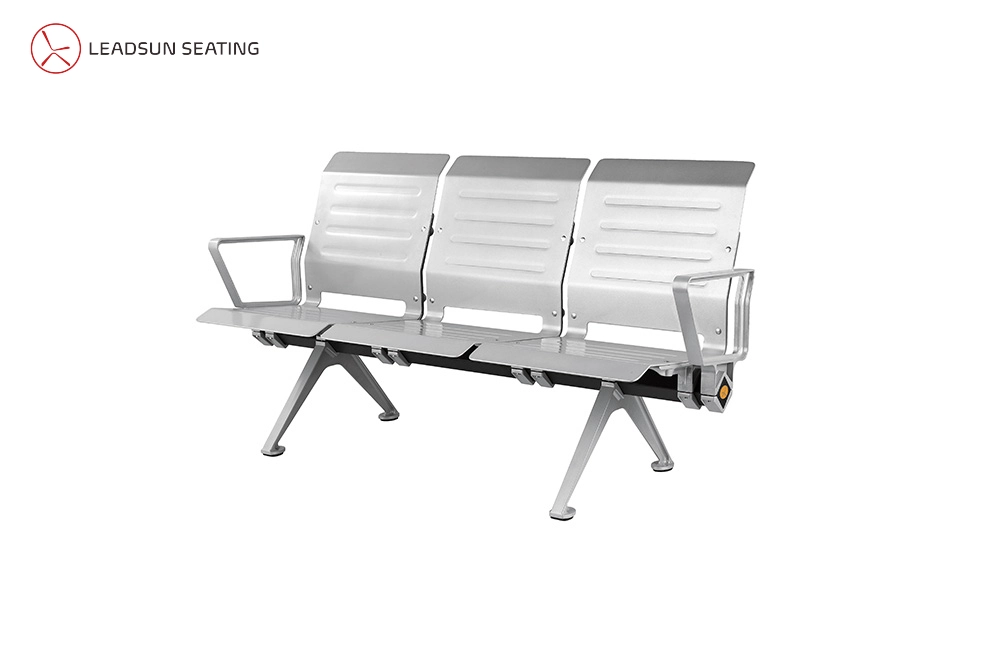
LS-529AL Aluminum Ergonomic Waiting Chairs | Modular & Durable Seating by Leadsun Seating
Leadsun's LS-529AL aluminum ergonomic waiting chairs offer customizable lobby seating solutions. These durable office chairs provide modern waiting area solutions, built for comfort and longevity. Modular design ensures flexibility.
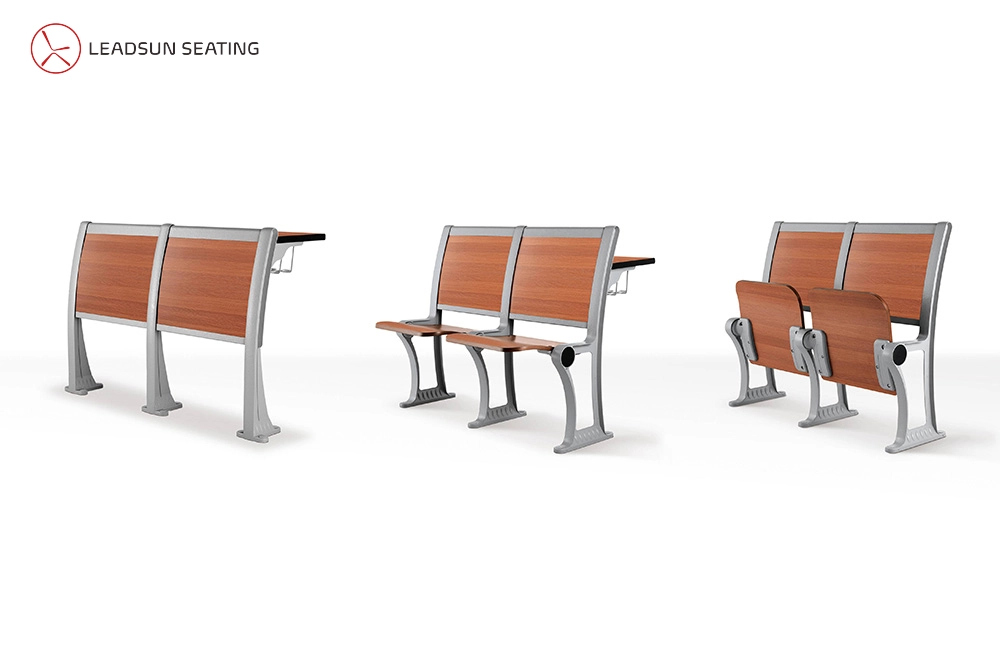
LS-908 Series Fixed Public Auditorium Chair or Tiered Classroom Solutions by Leadsun Seating
Introducing the LS-908 Series by Leadsun, your ideal solution for tiered classroom seating and fixed public auditorium chairs. Designed for comfort and durability, this series enhances audience engagement in educational and corporate settings. Discover the perfect blend of functionality and style with Leadsun Seating.
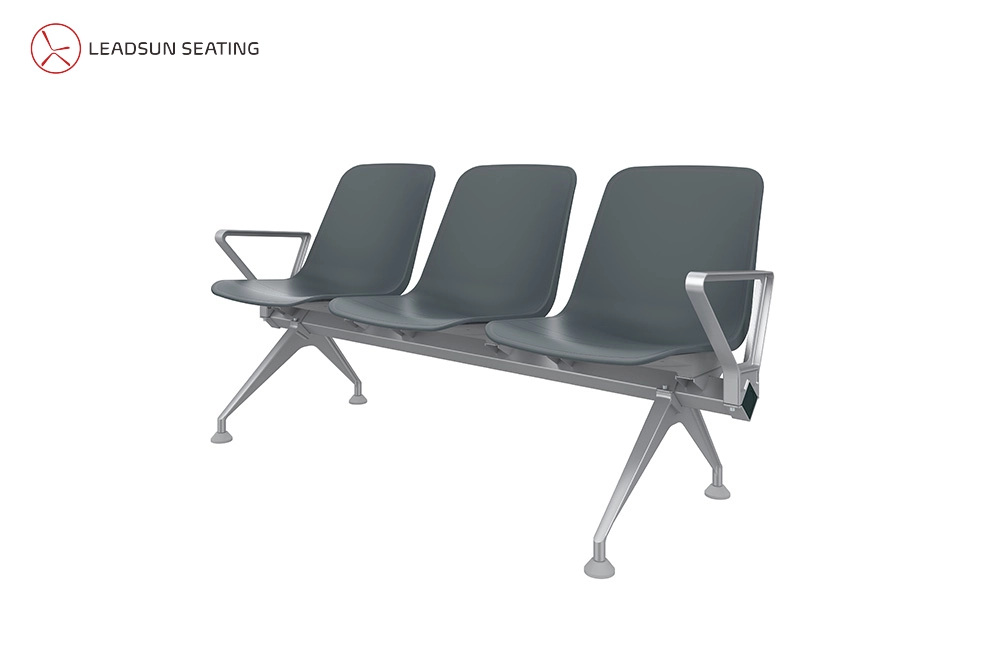
LS-550 Comfortable and Durable Waiting Chair | Customizable Waiting Chair Supplier Leadsun Seating
The LS-550 waiting chair from Leadsun offers superior comfort and durability for any public place. Customize your seating with Leadsun, a leading customizable waiting chair supplier. Ideal for high-traffic areas, the LS-550 ensures lasting performance and style.
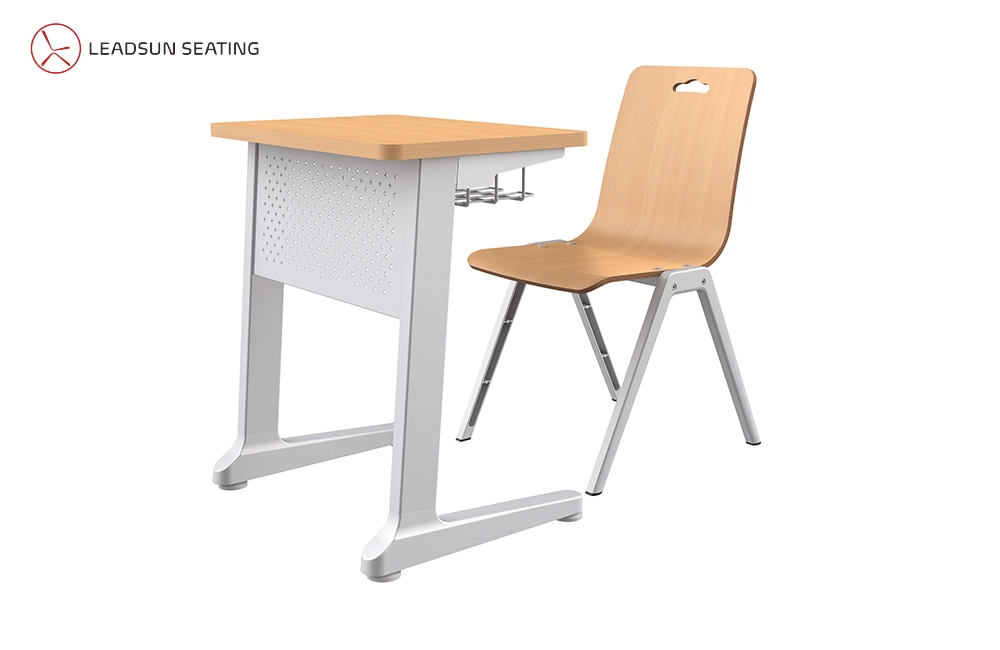
LS-9301 Single movable classroom chair |The Ultimate Flexible Solution for Modern Classrooms by Leadsun Seating
Leadsun's LS-9301 single movable classroom chair offers ultimate flexibility for modern learning environments. This activity desk and chair solution ensures comfortable and adaptable seating for students. Ideal for dynamic classrooms.
Get in touch with us
If you have any comments or good suggestions, please leave us a message, later our professional staff will contact you as soon as possible.

Leadsun Seating is also engaged in the design, development, production, and marketing of lightweight public seats in public places, with an annual output of desks and chairs.
 Scan QR Code