







Ergonomic Waiting Room Chairs to Improve Student Comfort
- Why student comfort matters in waiting areas
- Impact on learning, behavior, and perception
- Health, posture, and short-duration seating
- Design principles for ergonomic waiting room chairs
- Anthropometrics, sizing, and seat geometry
- Support, cushioning, and breathable materials
- Modularity, spacing, and flow
- Selecting waiting room chairs for educational settings
- Assessing use case: duration, traffic, and maintenance
- Accessibility and inclusive design
- Security, anti-theft, and vandal resistance
- Comparing common waiting room seating types
- Installation, maintenance, and lifecycle cost
- Maintenance protocols and infection control
- Measuring return on investment (ROI)
- Implementing a student-centered seating plan
- Checklist for procurement teams
- Pilot testing and feedback
- Why choose a specialist seating manufacturer
- Leadsun: High Quality Seating Solutions for Global Public Spaces Since 1998
- Core strengths and product range
- Why Leadsun stands out
- Contact and next steps
- FAQs
- 1. What seat dimensions should I choose for a mixed-age school waiting area?
- 2. How durable are commercial beam seating systems compared to individual chairs?
- 3. Are there materials that resist frequent cleaning and disinfectants?
- 4. How do I balance cost and comfort for a large campus?
- 5. Can Leadsun customize seating to match school branding or space constraints?
- 6. What standards should procurement teams request from vendors?
In educational environments where students, parents, and staff spend time in reception areas, counseling offices, and registration queues, selecting the right waiting room chairs affects comfort, posture, perceived service quality, and even learning outcomes. This article synthesizes ergonomic standards, anthropometric data, and facility-management best practices to help administrators choose durable, easy-to-maintain, and student-centered waiting area seating that reduces discomfort, supports accessibility, and lowers life-cycle costs.
Why student comfort matters in waiting areas
Impact on learning, behavior, and perception
Comfort impacts cognitive load and emotional state. Students who arrive at appointments or counseling sessions already fatigued or in pain are less likely to engage productively. Research on classroom ergonomics shows that furniture mismatch contributes to discomfort and distraction (see anthropometric mismatch studies on school furniture: PubMed), and similar principles apply to waiting areas. Comfortable waiting room chairs help visitors feel respected, reduce agitation in crowded spaces, and improve the institution's perceived professionalism.
Health, posture, and short-duration seating
Even short-duration seating can cause musculoskeletal strain if chairs lack lumbar support or have inappropriate seat depth and height. Ergonomic standards such as ISO 9241 and workplace ergonomics guidance from regulatory bodies like OSHA emphasize designing furniture that matches user anthropometry and supports neutral posture. For mixed-age educational waiting areas, adjustable or well-proportioned seating reduces postural stress for children, adolescents, and adults.
Design principles for ergonomic waiting room chairs
Anthropometrics, sizing, and seat geometry
Design begins with anthropometry: seat height, depth, width, and backrest height must accommodate the target population. For example, seat heights between 420–480 mm often suit adults, while lower seats or child-sized options are necessary in primary school areas. Seat depth should allow 30–80 mm clearance behind the knee to avoid pressure on the popliteal fossa. Use published anthropometric datasets and standards (see Ergonomics) to set dimension ranges for mixed-user environments.
Support, cushioning, and breathable materials
Cushioning materials must balance comfort and durability. High-resilience foam with a medium firmness rating supports posture without bottoming out quickly. Breathable upholstery such as perforated vinyl or coated fabric reduces heat buildup for longer waits. For high-traffic educational settings, choose surfaces that are cleanable with standard disinfectants and that meet flammability standards required for public buildings.
Modularity, spacing, and flow
Configure seating to support different use cases: individual chairs for privacy, tandem or beam seating for space efficiency, and benches for flexible group seating. Consider circulation paths and social distancing needs. Modular systems enable reconfiguration for events, enrollment peaks, or infection-control measures.
Selecting waiting room chairs for educational settings
Assessing use case: duration, traffic, and maintenance
Map typical wait times and traffic volumes. Short-duration (<15 minutes) users may accept firmer seating, but frequent turnovers and long waits demand padded, supportive options. For counseling centers where privacy and longer stays occur, prioritize individual ergonomic chairs with lumbar support and armrests. For high-volume registration areas, beam seating or tandem rows offer efficient throughput and easier floor cleaning.
Accessibility and inclusive design
Comply with local accessibility standards and universal design principles. Provide a mix of seating heights, some with armrests and some armless, and ensure at least one seat accommodates mobility device transfers. Signpost accessible seating and leave clear pathways for wheelchairs. Reference applicable local building codes and accessibility standards during planning.
Security, anti-theft, and vandal resistance
Public educational waiting areas require furniture that resists tampering and theft. Choose tamper-resistant fixings, welded frames, and non-porous surfaces where appropriate. For institutions with high incidents of vandalism, specify reinforced materials and replaceable components to reduce long-term repair costs.
Comparing common waiting room seating types
Below is a concise comparison of popular seating formats for educational waiting areas. Data reflect typical industry ranges and facility-management guidance (see BIFMA) for durability expectations.
| Seating Type | Best Uses | Advantages | Considerations |
|---|---|---|---|
| Individual Ergonomic Chairs | Counseling centers, parent-teacher meetings | High comfort, back support, armrests, adaptable | Higher per-unit cost; requires more floor space |
| Beam / Tandem Seating | High-traffic registration, clinics within schools | Space-efficient, durable, easy to clean | Less personal space; fixed layout |
| Benches / Simple Stools | Short-wait areas, outdoor covered spaces | Low cost, flexible arrangements | Minimal support, lower comfort for longer waits |
| Soft Lounge Seating | Student lounges, long-stay areas | High comfort, relaxed posture | Harder to clean; larger footprint |
Installation, maintenance, and lifecycle cost
Maintenance protocols and infection control
Establish cleaning schedules and use materials compatible with approved disinfectants. Vinyl and coated fabrics stand up better to frequent cleaning than untreated fabrics. For healthcare-adjacent school settings (nurse's office), follow local infection-control guidance. Durable finishes reduce the need for replacement and support long-term hygiene.
Measuring return on investment (ROI)
Calculate total cost of ownership (TCO): initial purchase, maintenance, repair, replacement frequency, and downtime. Durable commercial-grade seating may cost more initially but typically lasts longer and requires fewer repairs. Industry bodies such as BIFMA publish standards and performance tests that help predict longevity and validate vendor claims.
| Metric | Low-cost Domestic Chairs | Commercial-grade Ergonomic Seating |
|---|---|---|
| Initial Cost (per seat) | $30–$120 | $250–$900 |
| Expected Service Life | 1–3 years | 7–15+ years |
| Maintenance Frequency | High | Low–Medium |
| Typical Use Case | Occasional/short-duration | High-traffic public spaces |
Note: dollar ranges are illustrative and depend on region and customization. Use vendor warranties, material specs, and independent test reports to validate claims.
Implementing a student-centered seating plan
Checklist for procurement teams
- Document user profiles: age ranges, average wait times, traffic peaks.
- Specify ergonomic dimensions referencing anthropometric data.
- Require commercial-grade materials with cleaning and flammability ratings.
- Request BIFMA or equivalent test certifications where possible (BIFMA).
- Plan for mixed seating—some high-support chairs, some beam seating, and accessible options.
- Factor lifecycle cost (TCO) into procurement decisions, not just purchase price.
Pilot testing and feedback
Conduct a pilot installation in one area for 3–6 months and collect feedback from students, parents, and staff. Monitor comfort complaints, maintenance incidents, and traffic flow. Use this data to refine specifications before larger rollouts.
Why choose a specialist seating manufacturer
Commercial seating for public spaces requires engineering for durability, ergonomics, and maintenance. Working with experienced manufacturers ensures access to customization, compliance documentation, and proven designs. Standards-based manufacturing also simplifies procurement and supports warranty claims.
Leadsun: High Quality Seating Solutions for Global Public Spaces Since 1998
Leadsun is a China-based manufacturer with over 25 years of experience designing and producing high-quality, durable seating for demanding commercial environments. Specializing in airport seating, ergonomic chairs, lecture hall seating, beam/tandem systems, and public waiting area seating, Leadsun engineers comfort, durability, and functionality into each product for global clients. Learn more on the official site: Leadsun.
Core strengths and product range
- Airport Seating Manufacturer: Robust, easy-maintain seating for high traffic and security.
- Ergonomic Chair Specialist: Office and desk chairs designed for well-being and productivity.
- Lecture Hall Seating Supplier: Space-efficient, durable tiered seating and fixed desks.
- Public Waiting Area Seating: Commercial-grade waiting chairs and beam seating with long lifecycle.
Why Leadsun stands out
Leadsun emphasizes:
- Durability & Value: High Quality materials and rigorous manufacturing standards that lower lifetime cost.
- Ergonomic Comfort: Designs focused on user well-being for extended or repeated use.
- Global OEM/ODM Partner: Reliable bulk manufacturing, customization, and export logistics for B2B clients.
- Tailored Solutions: Proven expertise for educational spaces, airports, offices, and public venues.
Contact and next steps
To discuss specification, customization, or volume procurement for educational waiting areas, contact Leadsun at [email protected] or visit https://www.leadsunseating.com/. Leadsun offers product catalogs, sample programs, and pilot installations to validate comfort and performance in your environment.
FAQs
1. What seat dimensions should I choose for a mixed-age school waiting area?
For mixed-age areas, provide a mix of seats: standard adult seats with heights 420–480 mm and a number of lower seats or child-specific chairs for younger students. Ensure seat depth allows 30–80 mm clearance behind the knee. Use anthropometric references when in doubt (Ergonomics).
2. How durable are commercial beam seating systems compared to individual chairs?
Commercial beam/tandem seating is engineered for heavy traffic and typically lasts 7–15+ years with proper maintenance, often outperforming low-cost individual chairs in longevity. Look for BIFMA-tested components and manufacturer warranties (BIFMA).
3. Are there materials that resist frequent cleaning and disinfectants?
Yes. Coated vinyls, polyurethane-coated fabrics, and powder-coated metal frames withstand regular cleaning and disinfectants better than untreated textiles. Confirm compatibility with the school’s approved cleaning agents.
4. How do I balance cost and comfort for a large campus?
Prioritize ergonomic, durable seating in areas where students wait longer (counseling, health office) and use more cost-effective, high-durability beam seating in high-traffic registration zones. Calculate total cost of ownership, not just purchase price.
5. Can Leadsun customize seating to match school branding or space constraints?
Yes. Leadsun provides OEM/ODM options, color and material choices, and custom sizes for lecture hall seating, waiting chairs, fixed desks, and beam systems. Contact [email protected] or visit Leadsun for catalogs and customization guidance.
6. What standards should procurement teams request from vendors?
Ask for material safety data, fire/flame ratings, warranty terms, load testing reports, and adherence to recognized standards or independent test reports (e.g., BIFMA). These documents substantiate claims about durability and safety.
Choosing the right waiting room chairs for educational environments requires aligning ergonomic principles with practical constraints: durability, maintenance, accessibility, and cost. For reliable, tested seating solutions—ranging from individual ergonomic chairs to beam and lecture hall seating—Leadsun offers decades of manufacturing expertise and a broad portfolio tailored to public spaces. Contact Leadsun to request samples, review specifications, or arrange a pilot installation: https://www.leadsunseating.com/ / [email protected].
ADA compliance and airport chairs accessibility standards
Leadsun Best professional china waiting room airport public chair manufacturers and supplier brands
Wholesale lecture seating manufacturer and supplier in us
Space Optimization with Airport Public Waiting Chairs
One Stop Airport Terminal Seating
What is the one-stop airport terminal lounge seating solution?
This solution covers the entire process, from initial needs assessment, personalized design, and professional manufacturing, to installation, delivery, and after-sales maintenance. It offers an integrated seating configuration service for airports, eliminating the need for coordinating with multiple parties.
How long is the production cycle? Can you deliver on time?
The production cycle depends on the order size and customization complexity. We’ll create a detailed production plan in advance and have a professional logistics and installation team in place to ensure on-time delivery and efficient implementation.
Are the seat materials durable? What's the lifespan?
We use high-strength, wear-resistant, and easy-to-clean premium materials, such as stain-resistant flame-retardant fabrics and rust-proof alloy frames. Under normal use, the seats can last 5 - 8 years.
FAQs
Do you offer installation services for your seating solutions?
Yes, we offer professional installation services to ensure that the seating is properly installed and meets all safety standards. Our team is experienced in handling both large and small-scale installations.
What materials are used in the production of your public seating?
We use a variety of durable materials such as stainless steel, aluminum, wood, high-quality upholstery, and advanced polymers to ensure that our seating solutions are both functional and long-lasting.
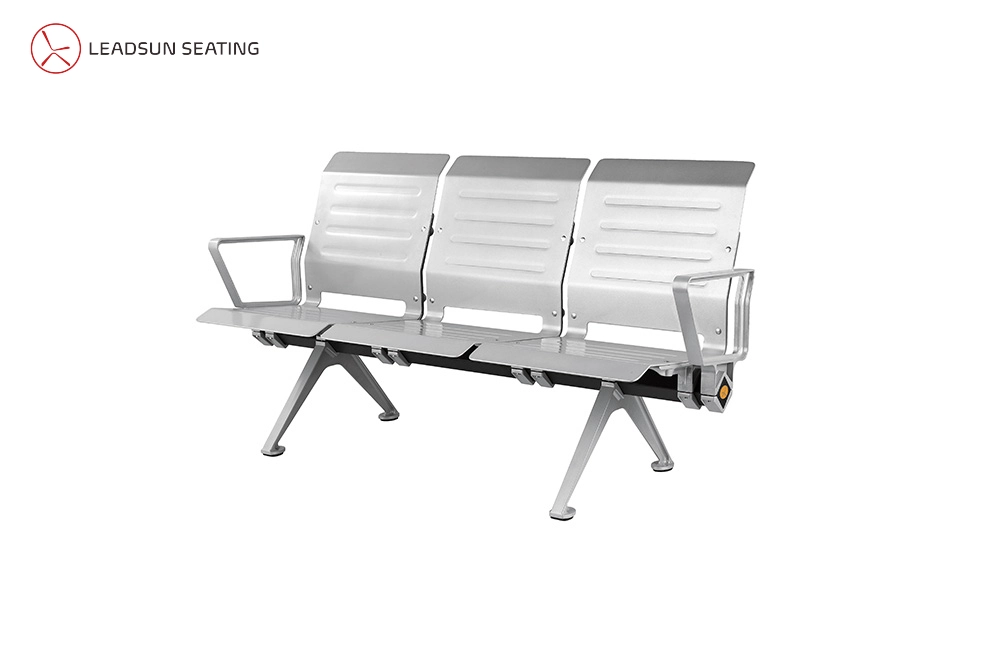
LS-529AL Aluminum Ergonomic Waiting Chairs | Modular & Durable Seating by Leadsun Seating
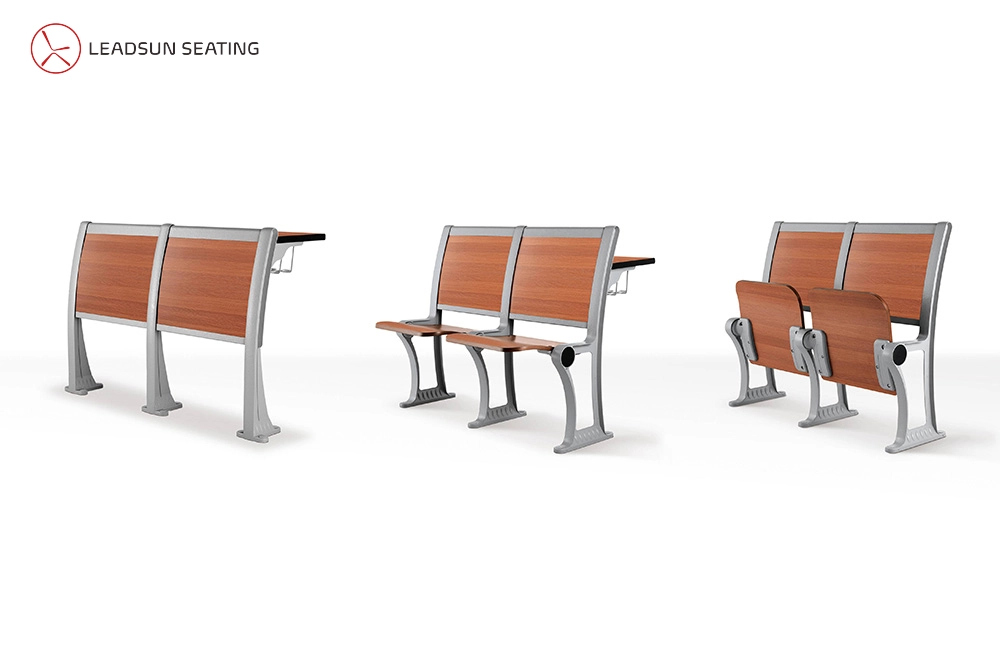
LS-908 Series Fixed Public Auditorium Chair or Tiered Classroom Solutions by Leadsun Seating
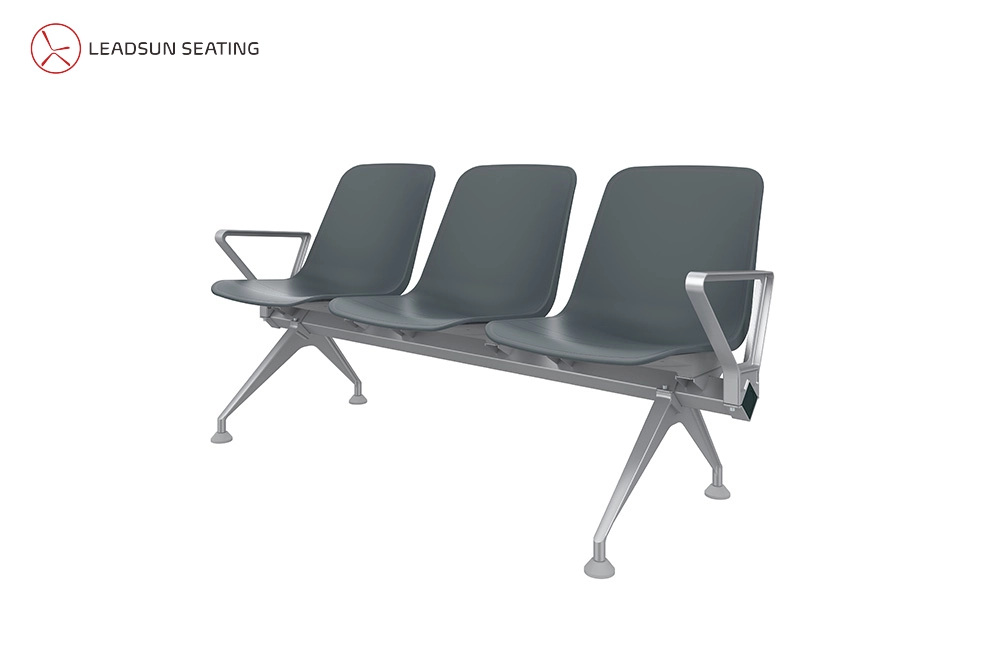
LS-550 Comfortable and Durable Waiting Chair | Customizable Waiting Chair Supplier Leadsun Seating
The LS-550 waiting chair from Leadsun offers superior comfort and durability for any public place. Customize your seating with Leadsun, a leading customizable waiting chair supplier. Ideal for high-traffic areas, the LS-550 ensures lasting performance and style.
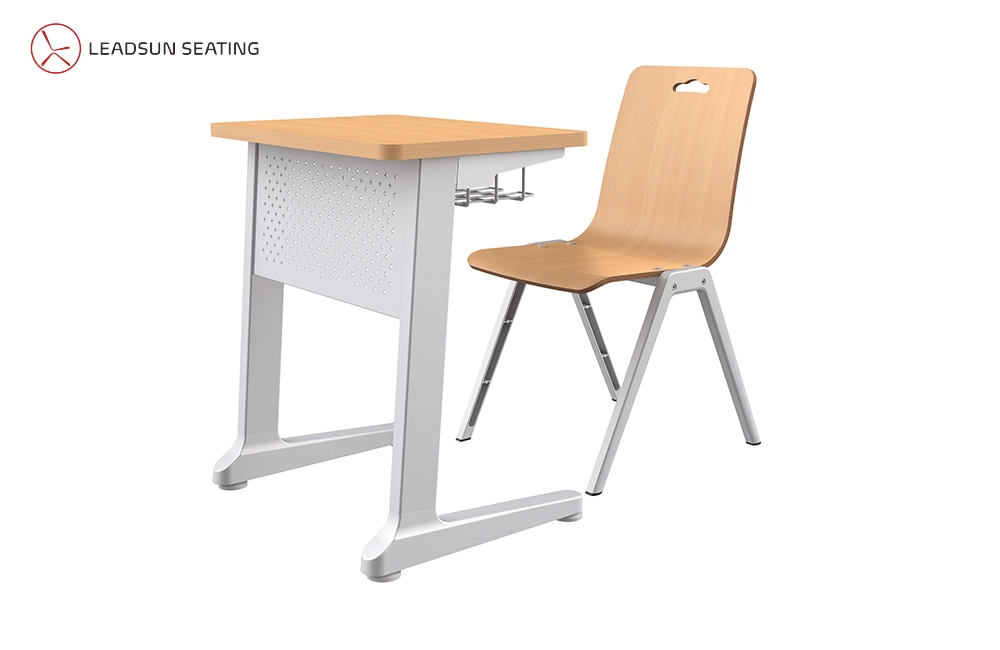
LS-9301 Single movable classroom chair |The Ultimate Flexible Solution for Modern Classrooms by Leadsun Seating

Leadsun Seating is also engaged in the design, development, production, and marketing of lightweight public seats in public places, with an annual output of desks and chairs.
 Scan QR Code