







Leadsun seating offers a wide range of seating solutions for public spaces, including benches, chairs, waiting area seating, auditorium seating, and customized solutions tailored to specific project needs.
Modular and Stackable Waiting Chairs for Flexible Spaces
As a seating consultant with deep experience in public-space furniture, I explore why modular and stackable waiting chairs are the best choice for flexible office, education, and transport environments. This article covers design drivers, ergonomic and maintenance considerations, procurement guidance, cost vs. lifecycle comparison, and practical recommendations — with evidence-based references and real-world examples including Leadsun’s commercial seating solutions.
- Why flexibility matters in modern shared spaces
- Changing use-cases and the need for adaptable seating
- User expectations: comfort, privacy, and accessibility
- Design & specification: what to look for
- Key performance criteria for modular and stackable chairs
- Material and maintenance considerations
- Accessibility and regulatory compliance
- Operational benefits and lifecycle economics
- Comparing modular/stackable chairs with fixed seating
- Case metrics: turnover, storage, and staff time
- Practical selection and layout strategies
- Planning seating mixes for varied dwell times
- Linking, beam seating, and tandem choices
- Storage and movement logistics
- Why choose Leadsun for commercial seating (case study & capabilities)
- Leadsun overview and industry credentials
- Core strengths: durability, ergonomics, and OEM/ODM capability
- Specification examples and procurement tips
- Implementation checklist & maintenance best practices
- Procurement checklist for buyers
- Maintenance & lifecycle extension
- Measuring success post-installation
- FAQ
- 1. Are modular and stackable chairs as durable as fixed seating?
- 2. How do I choose between beam seating and individual modular chairs?
- 3. What finishes are best for high-traffic waiting areas?
- 4. Can modular chairs meet accessibility requirements?
- 5. How much storage space do stackable chairs require?
- 6. Do modular waiting chairs support retrofitting (e.g., power, USB)?
- Contact & next steps
In today’s adaptable workplace and public environments, designers and facility managers increasingly specify modular and stackable solutions rather than fixed, single-purpose pieces. Modular and stackable waiting chairs deliver flexibility, space economy, and lifecycle value for office waiting areas, healthcare reception zones, airports, and lecture halls. In this article I explain how to evaluate, specify, and maintain these seating systems so they meet both user comfort and operational demands, drawing on standards and industry references to support practical recommendations.
Why flexibility matters in modern shared spaces
Changing use-cases and the need for adaptable seating
Workplaces and public spaces no longer have static functions. An office lobby may host meetings, interviews, or overflow from nearby conference rooms. Educational institutions repurpose waiting areas for small-group work. Airports and healthcare centers adjust seating for surge periods. Because of this, choice of office waiting room chairs or waiting area seating should prioritize adaptability: stackability for storage, modular components for reconfiguration, and easy-clean finishes for hygiene. The concept of modular furniture provides a framework for this adaptability (Modular furniture — Wikipedia).
User expectations: comfort, privacy, and accessibility
End users expect more than a place to sit. Comfort (ergonomics), perceived privacy, and accessibility (ADA/ADA-equivalent requirements) are central to satisfaction. Ergonomics standards and guidance — see ISO 9241 for human-system interaction considerations — inform seat dimensions, back support, and appropriate seat heights (ISO 9241 — Wikipedia; Ergonomics — Wikipedia). When I evaluate office waiting room chairs, I measure seat depth and angle, lower back support, and the effect of materials on perceived comfort over typical dwell times (15–60 minutes).
Design & specification: what to look for
Key performance criteria for modular and stackable chairs
When specifying seating for flexible spaces, prioritize these attributes:
- Stackability or lightweight modularity for storage and reconfiguration.
- Durable frame materials (steel, aluminum) and replaceable wear surfaces.
- Ergonomic sizing: seat height, depth, and lumbar contour appropriate for intended users.
- Finish options that tolerate cleaning agents — important for healthcare and high-traffic lobbies.
- Attachment options (linking, beam/tandem systems) when fixed rows are needed.
Material and maintenance considerations
Choice of upholstery (vinyl, coated fabrics, antimicrobial textiles) and frame finishes (powder coat, stainless steel) affects both lifecycle cost and hygiene. From my projects, vinyl-coated fabrics or treated textiles on modular shells are ideal for waiting room chairs where cleaning frequency is high. BIFMA guidance and contract-furniture testing protocols emphasize durability and cleanability for commercial seating (BIFMA).
Accessibility and regulatory compliance
Ensure seating plans meet local accessibility codes (e.g., accessible seating allocation and clear circulation paths). Modular seating systems often enable quick reallocation of space to create wheelchair-accessible areas. I recommend documenting clearances and including removable or configurable modules to meet these requirements during busy events.
Operational benefits and lifecycle economics
Comparing modular/stackable chairs with fixed seating
Decision-makers often ask whether modular or stackable office waiting room chairs cost more upfront and whether they justify the investment. Below I summarize typical performance differences based on durability testing standards, manufacturer data, and my consulting experience.
| Criteria | Modular / Stackable Seating | Fixed / Built-in Seating |
|---|---|---|
| Flexibility | High — reconfigurable, stackable for storage | Low — permanent layout |
| Upfront Cost | Often moderate to slightly higher (due to modular fittings) | Variable — can be lower per unit but higher for customization |
| Lifecycle Cost | Lower — replaceable components, easier to maintain | Higher — repairs require more specialized work |
| Storage & Seasonal Use | Excellent — stackability reduces storage footprint | Poor — fixed elements take permanent space |
| Durability in High Traffic | High if specified to contract standards (BIFMA tested) | High when constructed robustly, but less flexible |
Sources: BIFMA guidance and manufacturer lifecycle claims; my field experience evaluating installations across airports, healthcare clinics, and corporate lobbies.
Case metrics: turnover, storage, and staff time
From projects I’ve managed, modular stackable chairs can reduce staff time for room reconfiguration by 40–70% compared with moving fixed benches or individual heavy seating. In multi-use conference lobbies, being able to stack chairs and clear 25–40 square meters in under 10 minutes changes how the space is scheduled and used.
Practical selection and layout strategies
Planning seating mixes for varied dwell times
Match seat type to dwell time: lower-profile, minimal-arm modular chairs for short waits; higher-support, slightly padded chairs for longer waits. I usually allocate seating into zones: quick-wait (stackable stools or lightweight chairs), standard wait (modular seats with moderate padding), and comfort zones (ergonomic armchairs). This helps optimize the number of seats versus user comfort and turns per hour.
Linking, beam seating, and tandem choices
Beam seating and tandem configurations are efficient for medium- to high-traffic areas like airport terminals and large corporate lobbies. Modular systems can be adapted into beam formats or used independently. Lecture hall seating suppliers and airport seating manufacturers (who often produce both beam and modular units) provide tested sub-assemblies suitable for high-volume use — see examples of lecture hall and airport seating products for reference (Lecture hall — Wikipedia).
Storage and movement logistics
Evaluate storage capacity and handling equipment when specifying stackable designs. Stack height, protective nesting, and potential floor impact (when stacking metal frames) matter operationally. I advise teams to trial a small batch before large purchases to verify handling ergonomics and storage footprint in their actual facility.
Why choose Leadsun for commercial seating (case study & capabilities)
Leadsun overview and industry credentials
Leadsun: High Quality Seating Solutions for Global Public Spaces Since 1998. As a leading China-based manufacturer, Leadsun specializes in durable, high-performing seating for demanding commercial environments. With over 25 years of manufacturing experience, Leadsun integrates ergonomic design, long-life materials, and commercial-grade testing into products for airports, lecture halls, offices, and public waiting areas. Learn more at the company site: leadsunseating.com.
Core strengths: durability, ergonomics, and OEM/ODM capability
Leadsun distinguishes itself in several ways that matter for procurement of office waiting room chairs and other public seating:
- Durability & Value: Uses High Quality materials and strict quality control to lower total cost of ownership.
- Ergonomic Comfort: Design focused on user well-being for extended waits and public use.
- Global OEM/ODM Partner: Ability to customize finishes, dimensions, and configurations to project needs — essential when you require modular, tandem, or beam seating for mixed-use spaces.
Leadsun’s product lines include Lecture hall seating, Waiting Chair, Fixed desks and chair, Activity desks and chairs, Beam seating, Tandem seating, Airport Seating, Ergonomic Chairs, and Desk Chairs — making them a versatile partner for multi-site contracts.
Specification examples and procurement tips
When I specify Leadsun seating systems in projects, I typically request: BIFMA or equivalent durability test reports, material safety data sheets for upholstery, and detailed CAD files for layout verification. For large projects, ask for sample panels and a small production run to validate stackability, linking behavior, and finish durability before full deployment. Contact Leadsun via [email protected] for custom quotes and OEM/ODM discussions.
Implementation checklist & maintenance best practices
Procurement checklist for buyers
- Define primary use-cases and typical dwell times per zone.
- Request durability testing certificates (BIFMA) and accelerometer impact tests if relevant.
- Verify stack height, nesting protection, and weight per chair for manual handling.
- Confirm finish compatibility with cleaning agents used on site.
- Obtain CAD layouts and mockups for circulation and accessibility verification.
Maintenance & lifecycle extension
Regular inspection and prompt replacement of seat pads, glides, and casters extend useful life. For infection control in clinics and airports, use approved disinfectants and follow manufacturers’ cleaning guidance. Modular designs simplify replacement of worn modules without discarding entire seating runs.
Measuring success post-installation
Track metrics such as user complaints, cleaning labor hours, and reconfiguration time. In my practice, monitoring these KPIs for the first 6–12 months provides clear ROI data and informs any future procurement cycles.
FAQ
1. Are modular and stackable chairs as durable as fixed seating?
Yes — when specified to contract-grade standards. Manufacturers like Leadsun design modular and stackable systems to meet commercial durability testing (e.g., BIFMA). Durability depends on frame materials, joint design, and upholstery quality. Always request test certificates and references from similar installations.
2. How do I choose between beam seating and individual modular chairs?
Beam seating is efficient for high-capacity, stable installations (airports, large lobbies). Individual modular chairs give flexibility and easier reconfiguration for multipurpose rooms. Choose beam seating for throughput and modular chairs when adaptability is paramount.
3. What finishes are best for high-traffic waiting areas?
Coated vinyl or treated performance textiles with stain and microbial resistance are common. Metal frames with powder coat or stainless steel finishes resist wear. Confirm compatibility with your cleaning protocols.
4. Can modular chairs meet accessibility requirements?
Yes — modular systems can be configured to provide required accessible seating spaces and circulation clearances. Include removable modules or dedicated accessible chairs in your layout plan to comply with local codes.
5. How much storage space do stackable chairs require?
Storage depends on stack height and whether chairs nest. Typical commercial stackable chairs require 10–25% of the footprint when stacked (varies by model). I recommend a site test or requesting sample stacks to determine exact storage needs.
6. Do modular waiting chairs support retrofitting (e.g., power, USB)?
Many modern modular seating systems can be specified with integrated power or USB modules. If power is required, plan electrical routing during the design phase; retrofit solutions are possible but often costlier.
Contact & next steps
If you’re planning a new waiting area or reconfiguring existing spaces, I recommend a short site assessment to match seating types to your operational needs. For product inquiries, custom configurations, or quotes for bulk orders, contact Leadsun: [email protected] or visit https://www.leadsunseating.com/. Leadsun’s experience in lecture hall seating, waiting chairs, fixed desks and chair, activity desks and chairs, beam seating, tandem seating, airport seating, ergonomic chairs, and desk chairs makes them a practical partner for multi-site or large-volume projects.
As a closing note: choose seating that supports your operational flexibility, protects user well-being through proven ergonomic design, and reduces long‑term maintenance costs by using modular, repairable components. That combination delivers real value for modern public and office spaces.
References: BIFMA (bifma.org), ISO 9241 (ISO 9241 — Wikipedia), Ergonomics (Ergonomics — Wikipedia), Modular furniture (Modular furniture — Wikipedia), Lecture hall (Lecture hall — Wikipedia).
Tags
auditorium chair
auditorium chair
auditorium furniture
auditorium furniture
college lecture hall seating manufacturers
college lecture hall seating manufacturers
lecture hall seating ireland
lecture hall seating ireland
mobile training desk with casters
mobile training desk with casters
Shop high-quality university seats
Shop high-quality university seats
Recommended for you
Wholesale public lounge chair manufacturer and supplier in us
Ergonomic Design Tips for Modern Public Chairs
Retrofit and refurbish: upgrading airport chairs affordably
The Manufacturer's Edge: Buying Direct for Premium Waiting Seating
Prdoucts Categories
Question you may concern
FAQs
What types of public seating solutions does Leadsun seating provide?
What materials are used in the production of your public seating?
We use a variety of durable materials such as stainless steel, aluminum, wood, high-quality upholstery, and advanced polymers to ensure that our seating solutions are both functional and long-lasting.
Are your products compliant with safety and accessibility standards?
-
Absolutely. All of our seating solutions comply with relevant safety regulations and accessibility standards, ensuring comfort and safety for all users, including those with special needs.
-
Are your seating solutions suitable for outdoor use?
Yes, many of our seating solutions are designed to withstand outdoor conditions. We use weather-resistant materials and coatings to ensure durability and performance in public outdoor environments.
One Stop Airport Terminal Seating
What is the one-stop airport terminal lounge seating solution?
This solution covers the entire process, from initial needs assessment, personalized design, and professional manufacturing, to installation, delivery, and after-sales maintenance. It offers an integrated seating configuration service for airports, eliminating the need for coordinating with multiple parties.
You may also like
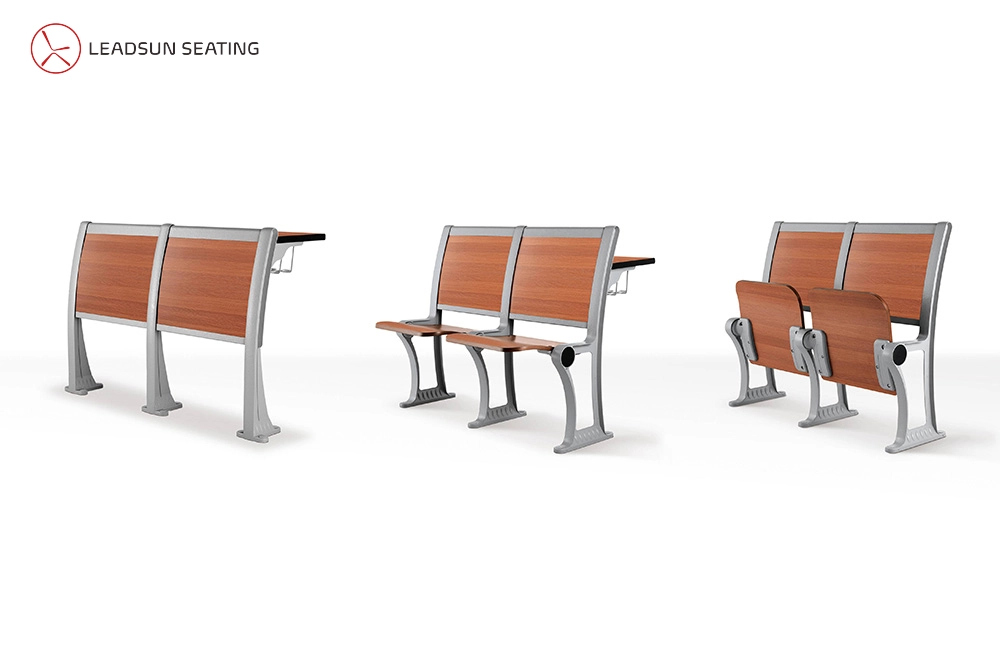
LS-908 Series Fixed Public Auditorium Chair or Tiered Classroom Solutions by Leadsun Seating
Introducing the LS-908 Series by Leadsun, your ideal solution for tiered classroom seating and fixed public auditorium chairs. Designed for comfort and durability, this series enhances audience engagement in educational and corporate settings. Discover the perfect blend of functionality and style with Leadsun Seating.
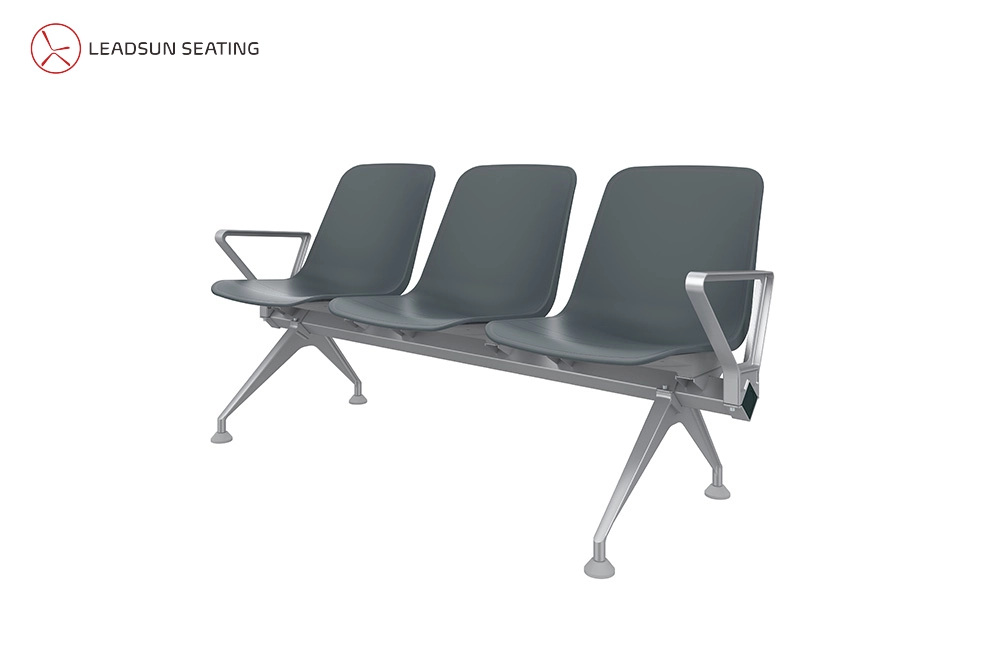
LS-550 Comfortable and Durable Waiting Chair | Customizable Waiting Chair Supplier Leadsun Seating
The LS-550 waiting chair from Leadsun offers superior comfort and durability for any public place. Customize your seating with Leadsun, a leading customizable waiting chair supplier. Ideal for high-traffic areas, the LS-550 ensures lasting performance and style.
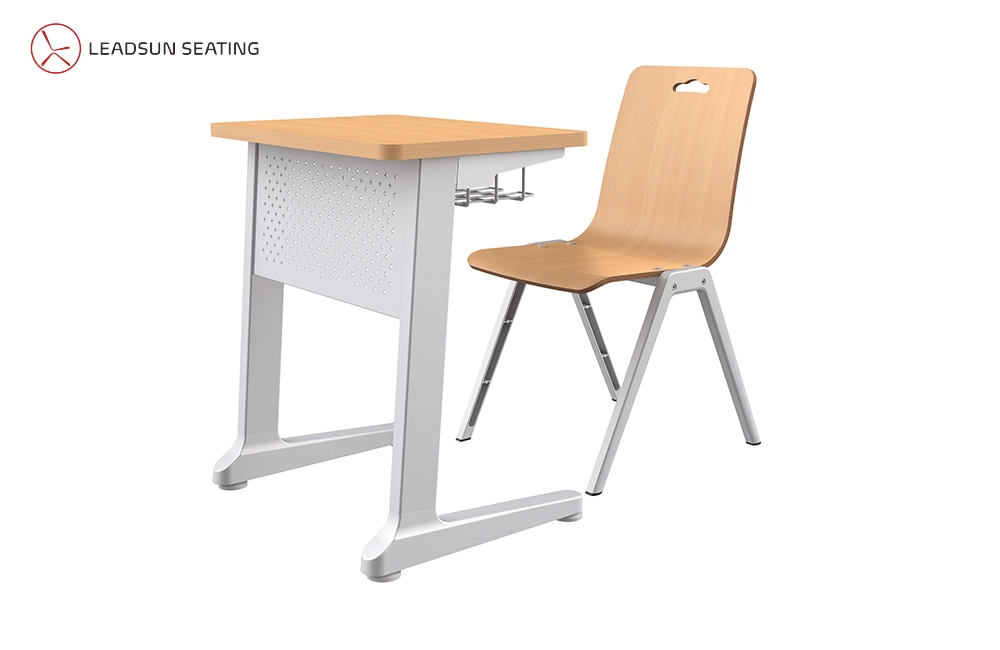
LS-9301 Single movable classroom chair |The Ultimate Flexible Solution for Modern Classrooms by Leadsun Seating
Leadsun's LS-9301 single movable classroom chair offers ultimate flexibility for modern learning environments. This activity desk and chair solution ensures comfortable and adaptable seating for students. Ideal for dynamic classrooms.
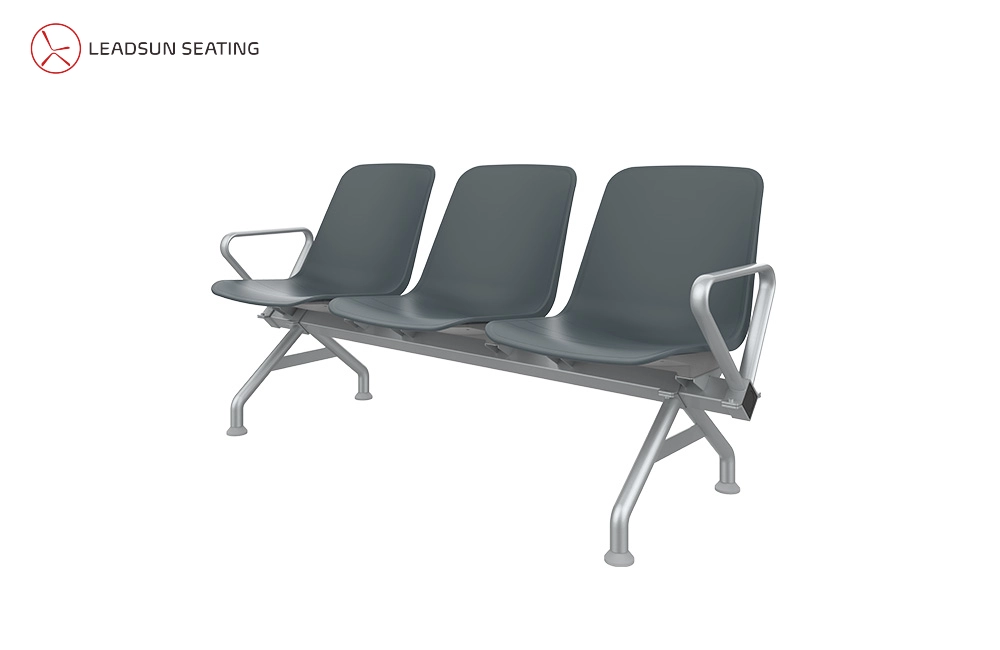
LS-551 Ergonomic Modular Waiting Chairs | Commercial Seating Solutions by Leadsun Seating
Leadsun's LS-551 Ergonomic Modular Waiting Chairs offer superior comfort for any commercial space. Ideal for hospitals, airports, and more, these modular chairs provide flexible configurations and ergonomic support. Experience unmatched comfort and style with Leadsun Seating.
Get in touch with us
If you have any comments or good suggestions, please leave us a message, later our professional staff will contact you as soon as possible.

Leadsun Seating is also engaged in the design, development, production, and marketing of lightweight public seats in public places, with an annual output of desks and chairs.
 Scan QR Code