







Leadsun seating offers a wide range of seating solutions for public spaces, including benches, chairs, waiting area seating, auditorium seating, and customized solutions tailored to specific project needs.
Sustainable Materials for Cappuccino Beam Seating
This article examines sustainable material choices for cappuccino beam seating used in lecture halls, airports and public waiting areas. It compares recycled metals, rPET fabrics, FSC timber, bio-based plastics and natural composites by durability, maintenance and lifecycle impacts. Practical design, standards, and a vendor checklist are included, plus how Leadsun delivers durable, sustainable seating solutions for large public spaces.
- Why Sustainability Matters in Public Seating
- Key Sustainable Materials for Cappuccino Beam Seating
- Material Performance Comparison for Cappuccino Beam Seating
- Design and Engineering Considerations for Sustainable Cappuccino Beam Seating
- Certifications and Standards to Look For in Cappuccino Beam Seating
- Lifecycle Cost Analysis: Why Sustainable Choices Save Money
- Leadsun: High Quality Seating Solutions for Sustainable Public Spaces
- How Leadsun Supports Sustainable Cappuccino Beam Seating
- Specification Checklist: Selecting Sustainable Cappuccino Beam Seating
- Frequently Asked Questions (FAQs)
- 1. What is cappuccino beam seating and why is material choice important?
- 2. Are recycled materials as durable as virgin materials for beam seating?
- 3. How do I verify a supplier's sustainability claims?
- 4. Can sustainable seating meet fire safety and durability regulations?
- 5. What maintenance practices extend the life of cappuccino beam seating?
- 6. How do sustainable choices affect procurement cost?
- Contact & Product Inquiry
- References
Why Sustainability Matters in Public Seating
Public seating — including cappuccino beam seating used in lecture halls, waiting areas and airports — faces intensive daily use, strict safety and hygiene expectations, and long service-life requirements. Choosing sustainable materials reduces lifetime environmental impact, lowers total cost of ownership, and often improves brand or facility sustainability ratings (e.g., LEED). For facility managers and procurement teams, sustainability must be balanced with durability, reparability, fire/safety compliance and occupant comfort. This article provides a practical, evidence-based guide to material choices, engineering strategies, standards and vendor selection for sustainable cappuccino beam seating.
Key Sustainable Materials for Cappuccino Beam Seating
Different components of beam seating (frame, beam, seats, tablet arms, upholstery, fasteners and finishes) have distinct material needs. The following materials are commonly used or emerging as strong sustainable options for commercial beam seating:
- Recycled steel — ideal for primary structural beams and brackets. High recycled content, excellent strength and well-established recycling streams.
- Recycled aluminum — used for legs, end panels and trim where lighter weight and corrosion resistance are required. Recycling aluminum saves substantial energy versus primary production.
- Recycled polypropylene (rPP) and molded recycled plastics — good for durable seat shells and armrests; easily cleaned and often recyclable at end of life.
- rPET fabrics — upholstery made from recycled PET bottles offers stain resistance, good abrasion performance and lower virgin petrochemical use.
- FSC-certified timber — for timber armrests or decorative elements where a warm aesthetic is desired and chain-of-custody is important.
- Bamboo and natural fiber composites — fast-growing bamboo or natural fiber-filled composites can be used for panels or trim where stiffness and a renewable profile are priorities.
- Low-VOC powder coatings and waterborne paints — reduce indoor air emissions, improving indoor air quality in enclosed spaces.
- Modular, replaceable components — not a material per se, but a design approach that extends overall product life by allowing worn parts to be replaced rather than discarding the entire assembly.
Material Performance Comparison for Cappuccino Beam Seating
Below is a concise comparison of key sustainable material options to help procurement and specification decisions. Figures such as embodied energy are presented qualitatively or from industry-acknowledged estimates; check linked references for detailed LCA data.
| Material | Recyclability | Relative Embodied Energy | Durability (Commercial Use) | Maintenance | Best Uses in Cappuccino Beam Seating |
|---|---|---|---|---|---|
| Recycled Steel | High (closed-loop) | Moderate (recycled steel lowers energy ~60% vs primary) | 20+ years | Low (coating inspections) | Main beams, brackets, supports |
| Recycled Aluminum | High | Low (recycling saves up to ~90–95% energy) | 15–25 years | Low (resistant to corrosion) | Legs, end caps, trim |
| rPP / Molded Recycled Plastics | Moderate–High (depending on local streams) | Low–Moderate | 10–20 years (impact resistant) | Low (washable) | Seat shells, armrests |
| rPET Upholstery | Moderate (can be recycled back to fibers) | Low (reuses PET feedstock) | 8–15 years (depends on abrasion class) | Medium (cleaning regimens) | Upholstered seats, cushions |
| FSC Timber | Variable (recyclable/biomass) | Low–Moderate (depends on processing & transport) | 10–20+ years (with protective finishes) | Medium (surface care) | Armrests, panels, trim |
| Bamboo / Natural Fiber Composites | Variable | Low (renewable feedstock) | 8–15 years | Medium | Decorative panels, trim |
Sources for energy and recyclability: Aluminum Association; World Steel Association; Textile Exchange (see References).
Design and Engineering Considerations for Sustainable Cappuccino Beam Seating
Material choice alone does not guarantee sustainability. Engineering choices that maximize lifespan and facilitate end-of-life recovery are equally important:
- Modularity and replaceability — bolts, clips and standardized fasteners let maintenance teams replace seat shells, cushions and tablet arms without discarding the beam.
- Separable materials — avoid irreversible adhesives that prevent disassembly and recycling. Use mechanical joining where possible.
- Coatings and finishes — specify powder-coat or low-VOC waterborne finishes to reduce off-gassing and increase scratch resistance.
- Fire, safety and strength compliance — ensure structural designs meet applicable commercial standards (e.g., EN 16139 for strength & durability; local fire safety rules) so longevity and regulatory compliance are not compromised.
- Hygiene and cleanability — surfaces should tolerate frequent cleaning with approved disinfectants to reduce replacement from hygiene concerns.
Certifications and Standards to Look For in Cappuccino Beam Seating
Certifications provide independent validation and simplify procurement decisions. Key certifications and standards:
- EN 16139 / EN 1728 — European standards for strength, durability and safety of seating for non-domestic use.
- BIFMA — US-based furniture performance and sustainability programs (BIFMA e3).
- FSC Chain of Custody — for responsibly sourced timber components.
- UL GREENGUARD — low chemical emissions (important for indoor air quality).
- ISO 14001 — environmental management system certification for manufacturers.
Lifecycle Cost Analysis: Why Sustainable Choices Save Money
Short-term purchase price is only one side of the calculation. A lifecycle cost approach will factor in maintenance, cleaning, replacement cycles and end-of-life recovery. Two concrete points illustrate savings:
- Recycled aluminum and steel save production energy — recycled aluminum can save up to ~90–95% of the energy compared with primary production; recycled steel offers substantial energy and emission reductions compared to virgin steel. Lower embodied energy generally means lower lifecycle environmental cost and often lower upfront cost for recycled scrap inputs (see References).
- Long-lived materials reduce replacement frequency — choosing structural steel beams and modular seat shells that last 15–20+ years reduces procurement cycles and downtime costs for public facilities.
Leadsun: High Quality Seating Solutions for Sustainable Public Spaces
Leadsun is a China-based manufacturer with over 25 years’ experience producing heavy-duty seating for airports, lecture halls and public waiting areas. Combining engineered durability with sustainable options, Leadsun provides OEM/ODM capability and global export logistics tailored to B2B needs.
How Leadsun Supports Sustainable Cappuccino Beam Seating
- Durability & Value — Leadsun designs using robust materials and coatings that extend service life and reduce lifetime cost.
- Ergonomic Comfort — Seats engineered to support prolonged use in lecture halls and waiting areas without sacrificing durability.
- Customization & Modular Design — Options for replaceable seat shells, varying upholstery materials (including rPET fabrics), and modular beam sections that simplify maintenance and upgrade.
- Global OEM/ODM Partner — Decades of manufacturing excellence and export experience for bulk orders, with quality control and testing to recognized standards.
- Application Expertise — Core products include lecture hall seating, waiting chairs, fixed desks and chairs, activity desks and chairs, beam seating (including cappuccino beam seating), tandem seating, airport seating, ergonomic chairs and desk chairs.
For clients seeking sustainable, long-lasting seating solutions for high-traffic public spaces, Leadsun combines technical capability, global supply chain experience and an emphasis on materials and finishes that align with modern sustainability requirements.
Specification Checklist: Selecting Sustainable Cappuccino Beam Seating
Use this checklist during tendering or evaluation:
- Does the supplier provide material content declarations (recycled content %)?
- Are key components modular and replaceable without special tooling?
- Do finishes meet low-VOC / GREENGUARD or equivalent standards?
- Are structural elements tested to EN 16139 / BIFMA durability classes?
- Can upholstery be specified as rPET or other recycled/low-impact textile?
- What warranty and expected service life does the manufacturer offer?
- Is there end-of-life take-back, recycling guidance, or disassembly documentation?
Frequently Asked Questions (FAQs)
1. What is cappuccino beam seating and why is material choice important?
Cappuccino beam seating refers to multi-seat, fixed-row seating assemblies often used in lecture halls and waiting areas, characterized by a continuous beam supporting individual seats. Material choice is critical because these systems must combine structural strength, occupant comfort, hygiene, compliance with safety standards and cost-effective lifecycle performance.
2. Are recycled materials as durable as virgin materials for beam seating?
Yes — when specified correctly. Recycled steel and recycled aluminum retain structural properties equivalent to virgin metals when processed properly. Recycled plastics (rPP, rPET) used in seat shells and upholstery have been engineered to meet commercial abrasion and impact standards. Always check third-party test results and manufacturer warranties.
3. How do I verify a supplier's sustainability claims?
Request material declarations (e.g., % recycled content), independent test reports (EN/BIFMA), and certifications such as FSC for timber or GREENGUARD for low emissions. Also ask for environmental management system certifications (ISO 14001) and sample lifecycle cost analyses.
4. Can sustainable seating meet fire safety and durability regulations?
Yes. Properly specified sustainable materials can meet fire and strength standards. Manufacturers should provide compliance documentation for applicable local regulations and international standards (e.g., EN 16139, local fire codes). Consider testing upholstery and composite panels for the relevant fire performance classification.
5. What maintenance practices extend the life of cappuccino beam seating?
Regular inspections, prompt replacement of worn modular components (seat shells, cushions), appropriate cleaning regimens specified by the manufacturer, and periodic tightening of fasteners all improve longevity. Using cleanable, stain-resistant upholstery and durable finishes reduces wear-related replacement.
6. How do sustainable choices affect procurement cost?
Initial costs may be comparable or slightly higher depending on materials and certifications. However, savings from reduced maintenance, fewer replacements and lower disposal costs typically make sustainable selections more cost-effective over the product lifecycle.
Contact & Product Inquiry
For project consultations, custom configurations of cappuccino beam seating, or to request samples and technical specifications, contact Leadsun: [email protected] (or visit the Leadsun product catalog). Leadsun offers tailored solutions for lecture halls, airports and public spaces with proven durability and sustainable options.
References
- The Aluminum Association — Aluminum Recycling. https://www.aluminum.org/sustainability/recycling. Accessed 2025-12-11.
- World Steel Association — Sustainability and Steel Recycling. https://www.worldsteel.org/steel-by-topic/sustainability.. Accessed 2025-12-11.
- FSC (Forest Stewardship Council) — About FSC. https://fsc.org/en. Accessed 2025-12-11.
- FAO — Bamboo: An overview of its resources and importance. http://www.fao.org/forestry/56847/en/. Accessed 2025-12-11.
- UL Solutions — UL GREENGUARD Certification. https://www.ul.com/resources/ul-greenguard-certification. Accessed 2025-12-11.
- BIFMA — Furniture Standards and Sustainability. https://www.bifma.org. Accessed 2025-12-11.
- European Committee for Standardization (CEN) / BSI — BS EN 16139:2013 Furniture — Strength, durability and safety. https://www.bsigroup.com. Accessed 2025-12-11.
- Textile Exchange — Preferred Fiber & Materials Market Report (rPET trends & benefits). https://textileexchange.org. Accessed 2025-12-11.
- ISO — ISO 14040: Environmental management — Life cycle assessment — Principles and framework. https://www.iso.org/standard/37456.. Accessed 2025-12-11.
Tags
lecture hall chair with desk
lecture hall chair with desk
modular training tables for lecture halls
modular training tables for lecture halls
fixed bench seating
fixed bench seating
office nesting chairs
office nesting chairs
Classroom Furniture
Classroom Furniture
Aluminum Alloy PU Waiting Chair - LS-508
Aluminum Alloy PU Waiting Chair - LS-508
Recommended for you
Retractable Seating Solutions for Multipurpose Halls
Top 5 lecture hall desk seat Company List and Products Compared
Leadsun Best professional waiting area chair manufacturers and supplier brands
Top 5 carnegie lecture hall seats Company List and Products Compared
Prdoucts Categories
Question you may concern
One Stop Airport Terminal Seating
What are the advantages of the one-stop solution compared to traditional procurement methods?
The one-stop solution integrates the entire service process, saving communication costs and time. It avoids coordination issues that arise when working with multiple parties and ensures consistency and coherence in design, production, and after-sales service.
How do you ensure seat installation doesn't disrupt airport operations?
We’ll develop a detailed installation plan, giving priority to non-peak hours for construction. We also use a modular installation approach to minimize any impact on airport operations.
What is the one-stop airport terminal lounge seating solution?
This solution covers the entire process, from initial needs assessment, personalized design, and professional manufacturing, to installation, delivery, and after-sales maintenance. It offers an integrated seating configuration service for airports, eliminating the need for coordinating with multiple parties.
FAQs
What types of public seating solutions does Leadsun seating provide?
Do you offer installation services for your seating solutions?
Yes, we offer professional installation services to ensure that the seating is properly installed and meets all safety standards. Our team is experienced in handling both large and small-scale installations.
You may also like
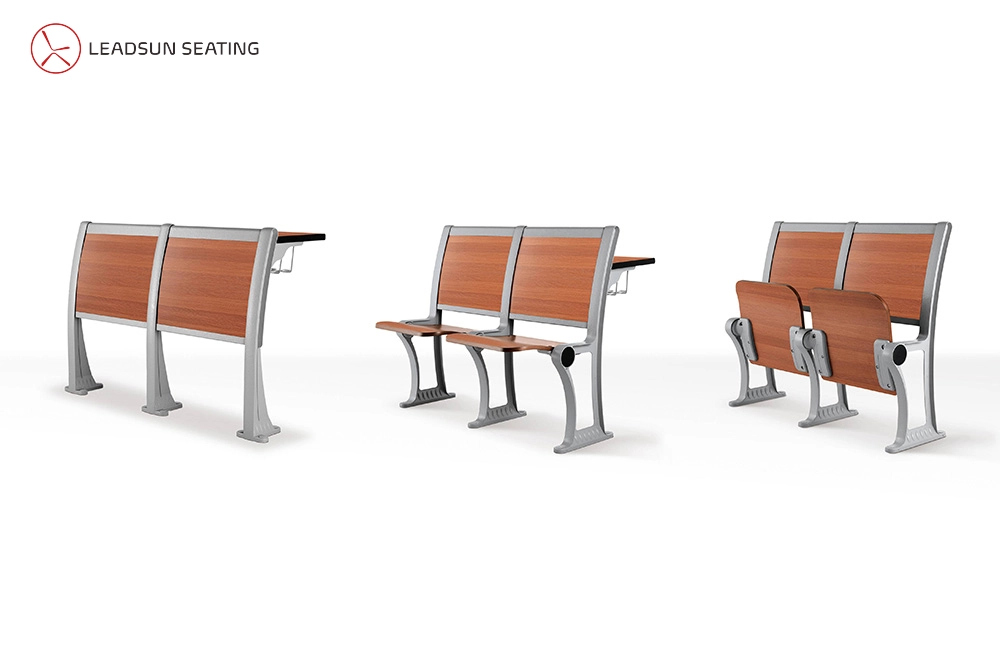
LS-908 Series Fixed Public Auditorium Chair or Tiered Classroom Solutions by Leadsun Seating
Introducing the LS-908 Series by Leadsun, your ideal solution for tiered classroom seating and fixed public auditorium chairs. Designed for comfort and durability, this series enhances audience engagement in educational and corporate settings. Discover the perfect blend of functionality and style with Leadsun Seating.
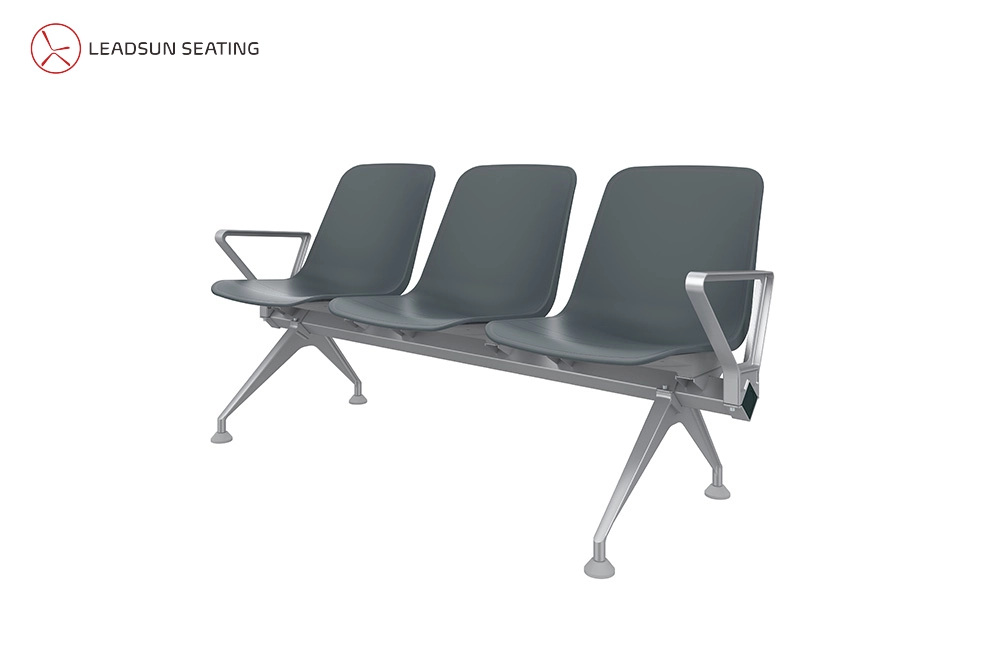
LS-550 Comfortable and Durable Waiting Chair | Customizable Waiting Chair Supplier Leadsun Seating
The LS-550 waiting chair from Leadsun offers superior comfort and durability for any public place. Customize your seating with Leadsun, a leading customizable waiting chair supplier. Ideal for high-traffic areas, the LS-550 ensures lasting performance and style.
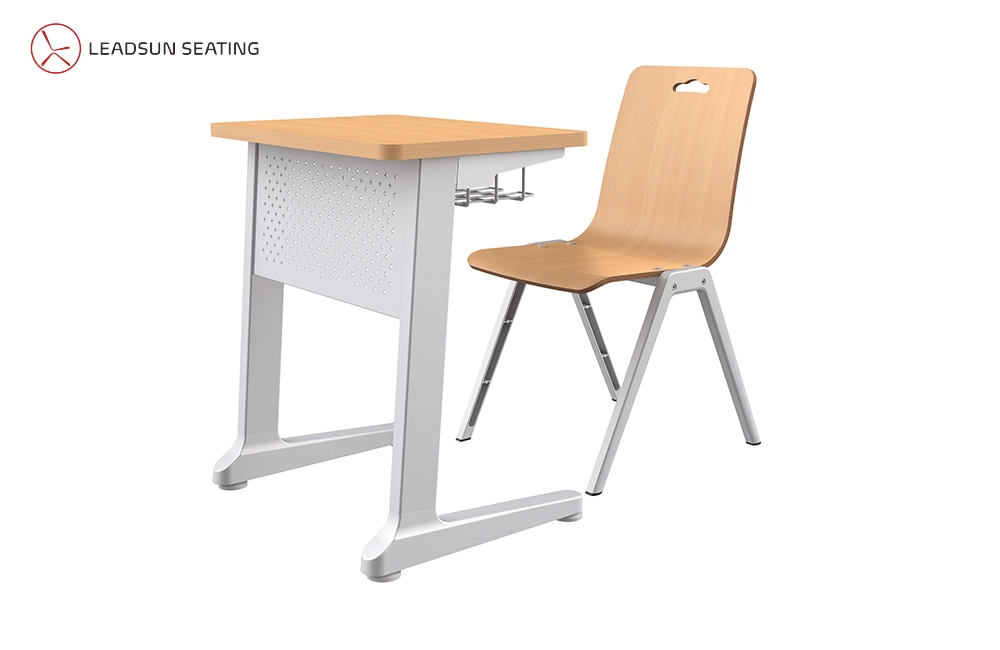
LS-9301 Single movable classroom chair |The Ultimate Flexible Solution for Modern Classrooms by Leadsun Seating
Leadsun's LS-9301 single movable classroom chair offers ultimate flexibility for modern learning environments. This activity desk and chair solution ensures comfortable and adaptable seating for students. Ideal for dynamic classrooms.
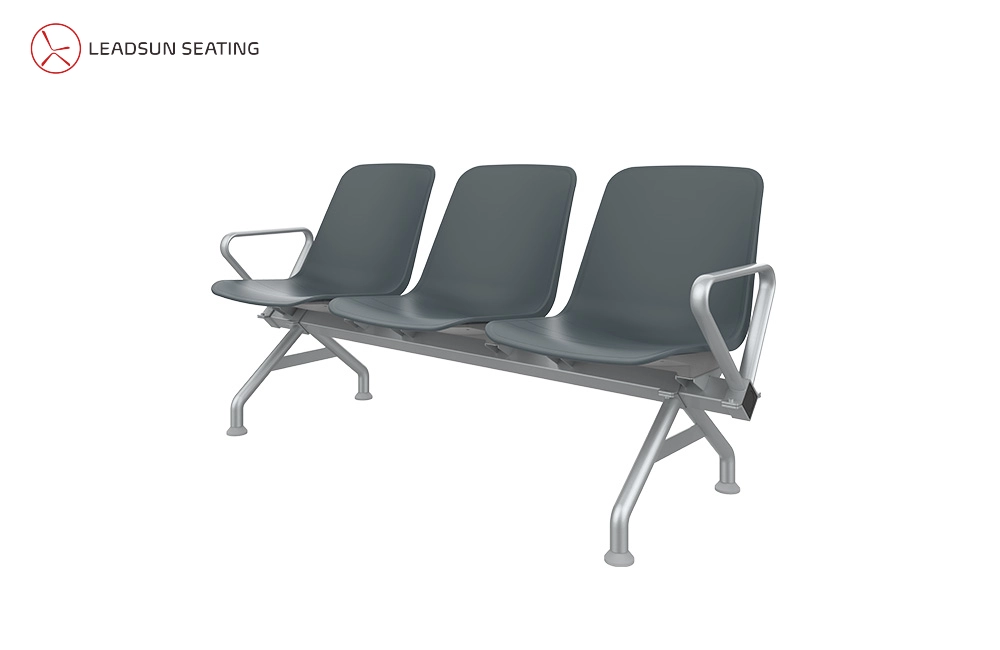
LS-551 Ergonomic Modular Waiting Chairs | Commercial Seating Solutions by Leadsun Seating
Leadsun's LS-551 Ergonomic Modular Waiting Chairs offer superior comfort for any commercial space. Ideal for hospitals, airports, and more, these modular chairs provide flexible configurations and ergonomic support. Experience unmatched comfort and style with Leadsun Seating.
Get in touch with us
If you have any comments or good suggestions, please leave us a message, later our professional staff will contact you as soon as possible.

Leadsun Seating is also engaged in the design, development, production, and marketing of lightweight public seats in public places, with an annual output of desks and chairs.
 Scan QR Code