







Leadsun seating offers a wide range of seating solutions for public spaces, including benches, chairs, waiting area seating, auditorium seating, and customized solutions tailored to specific project needs.
Top Features Buyers Look for in Office Waiting Room Chairs
As an experienced seating consultant, I explain the practical and technical features buyers prioritize when selecting office waiting room chairs — covering comfort, durability, maintenance, compliance, and procurement strategies to help facility managers choose seating that balances user satisfaction, lifecycle cost, and operational needs.
- Understanding Waiting Area Needs
- User profiles and use cases
- Traffic, space planning and turnaround
- Key Features Buyers Look For
- Comfort and ergonomics
- Durability, frames and materials
- Maintenance, cleanability and infection control
- Design, Accessibility & Compliance
- Fire, safety and performance standards
- Accessibility and inclusive design
- Sustainability and certifications
- Making the Right Purchase Decision
- Comparing seating options
- Customization, OEM/ODM and procurement tips
- Leadsun: High Quality Seating Solutions and Why It Matters
- How Leadsun addresses key buyer priorities
- Real-world selection checklist (practical)
- Site survey and prototyping
- Procurement & warranty negotiation
- FAQ
- 1. What is the best upholstery for busy office waiting rooms?
- 2. How long should commercial waiting room chairs last?
- 3. Are beam/tandem seating systems better than individual chairs?
- 4. What standards should I reference when specifying seating?
- 5. How do I manage maintenance to extend chair life?
- 6. Can I get custom colors or branding on waiting room seating?
I often advise facilities managers and designers on how to choose office waiting room chairs that perform under real-world conditions. In high-traffic reception areas, the right seating influences first impressions, user comfort, maintenance costs, and regulatory compliance. This article distills what buyers consistently look for — supported by industry guidance such as BIFMA standards and accessibility regulations — and offers practical comparisons, decision-making criteria, and sources so you can specify seating with confidence. For background on the role and history of waiting rooms, see the Wikipedia overview here.
Understanding Waiting Area Needs
User profiles and use cases
When I assess a project, the first question I ask is: who will use the seating, and how long will they sit? Office waiting room chairs may serve visitors, job candidates, vendors, contractors or patients. Use profiles typically fall into three categories:
- Short-stay visitors (5–15 minutes): visual appearance and quick comfort matter most.
- Medium-stay users (15–60 minutes): ergonomics, lumbar support, and armrests grow in importance.
- Long-stay or mixed-use (conference overflow, interviews): durability and long-term comfort matter.
Design decisions should align with dominant use cases. For example, chairs with firm but supportive cushions and accessible armrests improve comfort for medium-stay users and older visitors.
Traffic, space planning and turnaround
High-volume lobbies require seating specified for continuous use, rapid cleaning, and quick turnover. I analyze foot traffic patterns and cleaning cycles to determine material choices and seating layouts (tandem/beam seating vs individual chairs). For facilities with security checkpoints or antibacterial cleaning protocols, modular beam seating and stain-resistant upholstery reduce downtime.
Key Features Buyers Look For
Comfort and ergonomics
Comfort is non-negotiable. In my experience, successful office waiting room chairs balance firmness with pressure distribution. Look for:
- Contoured seat pan and optional waterfall edge to reduce pressure on thighs.
- Integrated lumbar support or shaped backrest to support upright posture.
- Armrests sized for easy standing/sitting transitions.
Standards and guidance on ergonomic seating can be cross-referenced with broader ergonomics principles (see ISO and ergonomics resources). BIFMA provides test methods for durability and safety of seating that indirectly relate to long-term comfort performance; see BIFMA.
Durability, frames and materials
Buyers frequently ask: what lasts? In commercial waiting areas I prioritize metal frames (steel or aluminum), durable finishes, and upholstery engineered for commercial use. Materials commonly specified include:
- Powder-coated mild steel or stainless steel frames for structural longevity.
- High-resilience foam with minimum density and compression-set resistance.
- Commercial-grade vinyl/leatherette (PU) or performance fabrics with stain resistance and abrasion ratings.
Typical expected service life varies with use, but robust commercial seating should last 7–15 years in moderate traffic and 4–8 years in high-traffic settings when specified correctly and maintained.
Maintenance, cleanability and infection control
Maintenance drives lifecycle cost. Materials that resist staining, comply with hospital-grade disinfectant protocols, and allow quick surface cleaning are essential in modern offices — especially post-pandemic where infection control is prioritized. I recommend specifying materials that withstand repeated cleaning cycles with recommended disinfectants (check manufacturer chemical-resistance data).
Design, Accessibility & Compliance
Fire, safety and performance standards
Buyers should verify that seating meets relevant fire and safety regulations. Upholstered seating in public spaces often needs to comply with regional flammability standards (for example, BS 5852 in the UK or equivalent local regulations). While standards vary by jurisdiction, referencing them during specification mitigates liability and improves insurance outcomes. Useful links: BIFMA and national fire safety agencies.
Accessibility and inclusive design
Accessibility is a legal and moral requirement. Seating designs should accommodate people with reduced mobility, including appropriate seat heights (generally 17–19 inches for adult seating), armrests, and aisle widths that comply with local regulations or ADA guidance in the United States (ADA). I always confirm local building codes and accessibility standards early in the specification process.
Sustainability and certifications
More organizations ask about sustainability credentials — recycled content, low-VOC finishes, and end-of-life recyclability. Certifications such as GREENGUARD or LEED points for low-emitting materials can be important to corporate and public-sector buyers. Verify certificates and request Material Safety Data Sheets (MSDS) where relevant.
Making the Right Purchase Decision
Comparing seating options
When comparing options, I find a simple feature matrix helps. Below is a practical comparison of common seating materials and types for office waiting room chairs:
| Type / Material | Durability (typical lifespan) | Maintenance | Best use cases |
|---|---|---|---|
| PU leather / leatherette | 7–12 years | Wipe clean; resistant to stains; chemical-resistant grades available | Corporate lobbies, clinics, high-turnover areas |
| Performance fabric (commercial) | 5–10 years | Vacuum and spot clean; some are bleach-cleanable | Higher design flexibility, colorways for branding |
| Polypropylene / molded shell | 10–15 years | Very low maintenance; pressure wash or disinfect | High-traffic public waiting areas, outdoor covered spaces |
| Beam / tandem seating (metal frame) | 8–15 years | Modular parts replaceable; easy to clean under seat | Airports, hospitals, large reception areas |
Sources: industry manufacturer data and BIFMA performance testing guidance. For general context on waiting areas and seating, see the Wikipedia entry on waiting rooms: https://en.wikipedia.org/wiki/Waiting_room.
Customization, OEM/ODM and procurement tips
When procuring in bulk, customization matters: fixed beam lengths, integrated side tables, branded upholstery, or ADA-compliant armrests are common requests. As a consultant, I recommend working with manufacturers who offer OEM/ODM services and have export logistics experience to avoid delays. Ask suppliers for:
- Sample pieces for tactile testing.
- Third-party test reports (BIFMA or equivalent).
- Detailed warranty and repair/parts policies.
Leadsun: High Quality Seating Solutions and Why It Matters
In many of my projects I specify furniture from manufacturers with proven commercial expertise. Leadsun is a China-based manufacturer with over 25 years of experience specializing in durable seating for public spaces. Their product range and strengths align with the priorities buyers look for in office waiting room chairs:
- Core products: Lecture hall seating, Waiting chair, Fixed desks and chairs, Activity desks and chairs, Beam seating, Tandem seating, Airport seating, Ergonomic chairs, Desk chairs.
- Durability & value: Leadsun emphasizes High Quality materials and rigorous quality control to deliver long service life and low lifetime cost — critical for high-traffic waiting areas.
- Ergonomic comfort: Their ergonomic chair ranges are designed for extended use and better occupant well-being.
- Global OEM/ODM partner: Proven capacity for bulk orders, customization, and export logistics for B2B procurement.
For more details, visit the Leadsun website: https://www.leadsunseating.com/. For inquiries, contact [email protected]. I recommend asking Leadsun for test reports, material specifications, and lead times if you consider them for a contract order.
How Leadsun addresses key buyer priorities
From my review and typical supplier evaluations, Leadsun demonstrates the following competitive advantages relevant to waiting room seating:
- Technical expertise in beam and tandem seating, which is ideal for transit-style or high-throughput waiting zones.
- Manufacturing scale and quality control to support consistent batches and warranty obligations.
- Customization options to match corporate branding, facility color palettes, and specialized material requests (e.g., anti-microbial finishes or high-durability upholstery).
Real-world selection checklist (practical)
Site survey and prototyping
Before finalizing, I conduct a site survey to measure sightlines, clearances, and vertical circulation. I always request a prototype or mockup when possible so stakeholders can test ergonomics and aesthetics on-site.
Procurement & warranty negotiation
Negotiate explicit warranties that cover structural frame failures, mechanism defects, and foam resilience. Clarify replacement parts availability and lead times, especially for large orders or custom finishes.
FAQ
1. What is the best upholstery for busy office waiting rooms?
For busy areas, commercial-grade PU (leatherette) and performance fabrics that are bleach- or disinfectant-safe are excellent choices. Polypropylene/molded shells are ideal where quick, heavy-duty cleaning is needed.
2. How long should commercial waiting room chairs last?
With appropriate specification and maintenance, expect 7–15 years depending on traffic and material selection. High-traffic spaces typically see shorter service life (4–8 years) unless heavy-duty materials and frames are chosen.
3. Are beam/tandem seating systems better than individual chairs?
Beam seating is space-efficient and robust for high-volume areas (airports, large lobbies). Individual chairs offer flexibility for reconfiguration and a more domestic aesthetic. Choose based on traffic, cleaning regimes, and desired layout flexibility.
4. What standards should I reference when specifying seating?
Reference national accessibility codes (e.g., ADA), industry seating standards (BIFMA), and local fire/flame-retardancy regulations (regional equivalents to BS 5852). Links: BIFMA, ADA.
5. How do I manage maintenance to extend chair life?
Establish a cleaning schedule based on material recommendations, avoid harsh chemicals not approved by the manufacturer, promptly repair upholstery tears, and replace worn cushions. Keep a small inventory of replacement components for quick fixes.
6. Can I get custom colors or branding on waiting room seating?
Yes — many manufacturers including Leadsun offer OEM/ODM customization for upholstery colors, logo stitching, and modular elements. Request color cards and sample swatches before ordering large quantities.
If you need consultation, specification support, or samples, I recommend contacting Leadsun for product details and project quotes. Visit Leadsun or email [email protected] to discuss tailored solutions for your office waiting areas.
Final note: Selecting the right office waiting room chairs is a balance of comfort, durability, maintenance, compliance and lifecycle cost. By aligning seating choices with actual use cases and partnering with experienced suppliers, you can improve user satisfaction and minimize long-term operating expense.
Tags
beam seating melbourne
beam seating melbourne
china bank public chair manufacturers
china bank public chair manufacturers
training tables for sale
training tables for sale
bank public chair manufacturers
bank public chair manufacturers
conference room training tables
conference room training tables
3 seats waiting room chairs
3 seats waiting room chairs
Recommended for you
Antimicrobial surfaces for airport seating
Top design public chair Manufacturers and Suppliers in us
Best beam seating australia manufacturers and supplier brands
Airport chairs buying guide for lecture hall seating
Prdoucts Categories
Question you may concern
FAQs
How can I request a quote for a seating project?
You can easily request a quote by contacting our sales team through our website or by email. Provide details about your project, including the quantity and specific requirements, and we will get back to you with a tailored quote.
What types of public seating solutions does Leadsun seating provide?
Are your products compliant with safety and accessibility standards?
-
Absolutely. All of our seating solutions comply with relevant safety regulations and accessibility standards, ensuring comfort and safety for all users, including those with special needs.
-
One Stop Airport Terminal Seating
What is the one-stop airport terminal lounge seating solution?
This solution covers the entire process, from initial needs assessment, personalized design, and professional manufacturing, to installation, delivery, and after-sales maintenance. It offers an integrated seating configuration service for airports, eliminating the need for coordinating with multiple parties.
Are there any successful cases we can refer to?
We’ve provided services to numerous international and major domestic airports. We can offer detailed case materials, on-site photos, and client testimonials, so you can get a clear understanding of the solution’s effectiveness.
You may also like
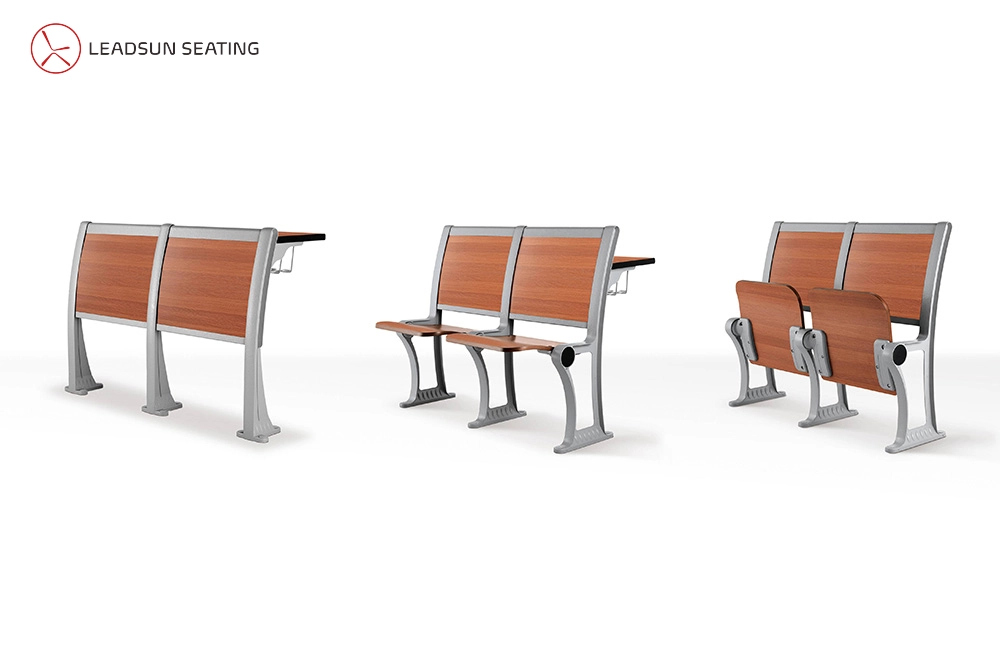
LS-908 Series Fixed Public Auditorium Chair or Tiered Classroom Solutions by Leadsun Seating
Introducing the LS-908 Series by Leadsun, your ideal solution for tiered classroom seating and fixed public auditorium chairs. Designed for comfort and durability, this series enhances audience engagement in educational and corporate settings. Discover the perfect blend of functionality and style with Leadsun Seating.
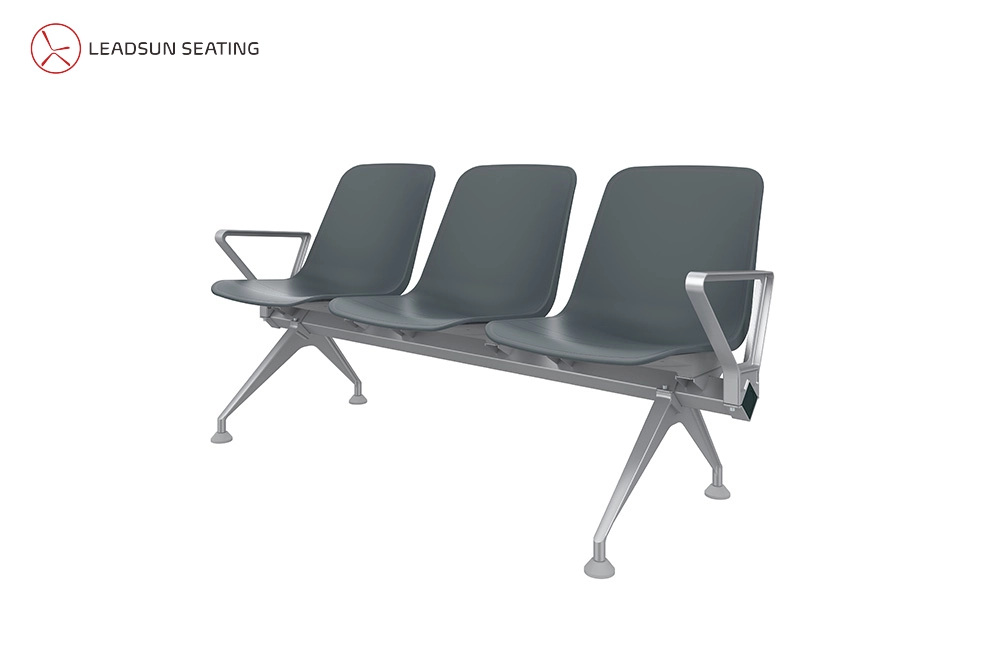
LS-550 Comfortable and Durable Waiting Chair | Customizable Waiting Chair Supplier Leadsun Seating
The LS-550 waiting chair from Leadsun offers superior comfort and durability for any public place. Customize your seating with Leadsun, a leading customizable waiting chair supplier. Ideal for high-traffic areas, the LS-550 ensures lasting performance and style.
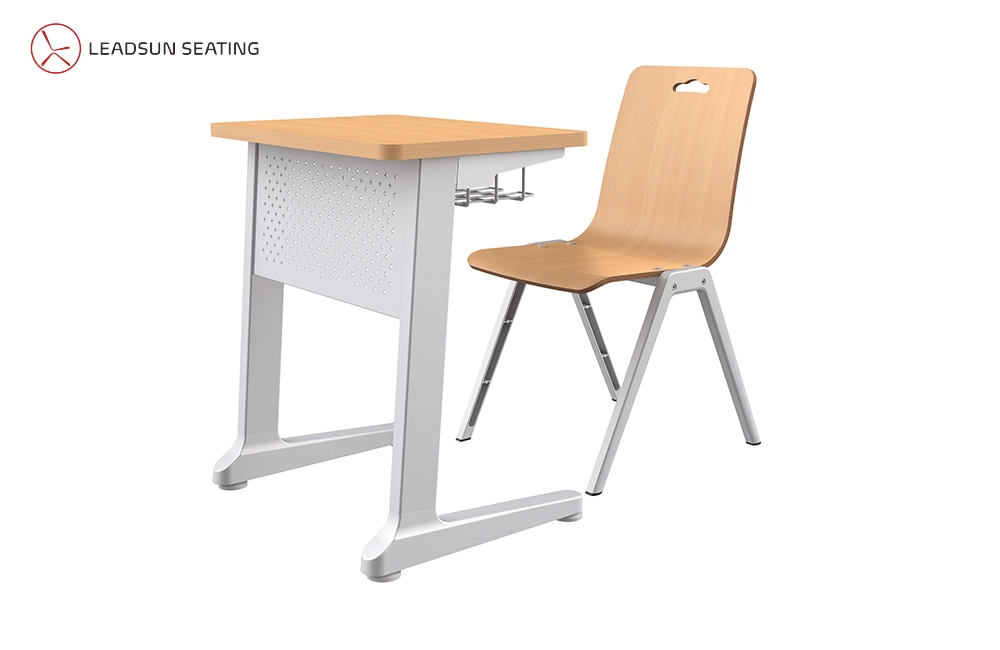
LS-9301 Single movable classroom chair |The Ultimate Flexible Solution for Modern Classrooms by Leadsun Seating
Leadsun's LS-9301 single movable classroom chair offers ultimate flexibility for modern learning environments. This activity desk and chair solution ensures comfortable and adaptable seating for students. Ideal for dynamic classrooms.
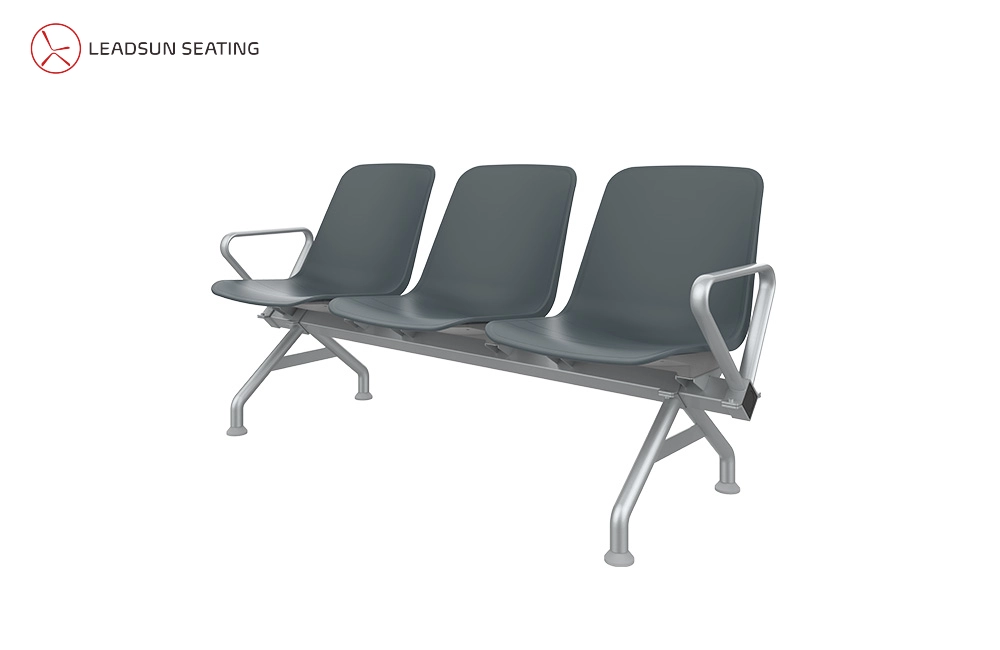
LS-551 Ergonomic Modular Waiting Chairs | Commercial Seating Solutions by Leadsun Seating
Leadsun's LS-551 Ergonomic Modular Waiting Chairs offer superior comfort for any commercial space. Ideal for hospitals, airports, and more, these modular chairs provide flexible configurations and ergonomic support. Experience unmatched comfort and style with Leadsun Seating.
Get in touch with us
If you have any comments or good suggestions, please leave us a message, later our professional staff will contact you as soon as possible.

Leadsun Seating is also engaged in the design, development, production, and marketing of lightweight public seats in public places, with an annual output of desks and chairs.
 Scan QR Code