







Leadsun seating offers a wide range of seating solutions for public spaces, including benches, chairs, waiting area seating, auditorium seating, and customized solutions tailored to specific project needs.
How to choose comfortable waiting room chairs for long waits?
2026-03-20
Practical guide for buyers and facility managers: how to select waiting room chairs for long waits in lecture hall settings. Covers foam density, upholstery cleanability, frame durability, ADA spacing, test standards (Wyzenbeek, fire tests), tip-up vs bench trade-offs and maintenance to ensure comfort and longevity.
- 1. What foam density, thickness and ILD (firmness) should I specify so waiting room chairs stay comfortable for patients or attendees who sit 1–3+ hours?
- 2. Which upholstery materials tolerate daily disinfecting (bleach, peroxide) without degrading within 24 months?
- 3. What frame types, fastenings and mounting options prevent squeaks, wobble and loose seats in high-traffic lecture-hall waiting areas?
- 4. How do I balance seat width, row spacing (seat pitch), ADA compliance and sightlines in a 20–40 seat waiting/lecture hall area without blocking egress?
- 5. Which industry tests and minimum performance metrics should I require from suppliers to ensure 5+ year durability?
- 6. For long waits and frequent cleaning which is better: tip-up individual seats or linked modular bench seating?
- Concluding summary: Advantages of choosing seats by these criteria
1. What foam density, thickness and ILD (firmness) should I specify so waiting room chairs stay comfortable for patients or attendees who sit 1–3+ hours?
For long waits the comfort and long-term support of the seat cushion depend primarily on foam density, foam thickness, and ILD (indentation load deflection). For commercial waiting room chairs and lecture-hall seating specify: a minimum foam density of ~3.0 lb/ft³ (higher for higher traffic — 3.5–4.0 lb/ft³), cushion thickness of 3–4 inches for individual seats (2–3 inches for bench saddles with high-density core), and an ILD in the 35–45 range for the main support layer.
Why these numbers matter: density controls how long the foam resists bottoming out; 3.0+ lb/ft³ will retain shape and support over years of daily use. A moderate ILD (35–45) balances support and pressure relief — too soft (low ILD) causes slumping and poor posture for long waits; too firm (high ILD) concentrates pressure and increases discomfort. For users who are heavier or require extended sitting, specify a layered construction: a firmer core (higher density/ILD) for support plus a softer quilting layer for comfort and pressure distribution.
Practical checks for procurement: ask for a foam spec sheet, time-compression test results (if available), and warranty terms for sagging. Use terms like high-density foam and fire-retardant foam in purchase orders to ensure compliance with local code.
2. Which upholstery materials tolerate daily disinfecting (bleach, peroxide) without degrading within 24 months?
In high-turnover waiting rooms and lecture hall foyers cleaning compatibility is critical. Look for healthcare-grade, bleach-cleanable surfaces: antimicrobial vinyls (PVC/polyurethane blends), thermoplastic polyolefin (TPO) and performance fabrics treated with factory-applied finishes such as Crypton® or equivalent that explicitly list disinfectant compatibility. Key procurement specifications:
- Bleach compatibility: fabrics and vinyls rated for 10:1 water-to-bleach solutions (or manufacturer-specified dilution) with lab-proven colorfastness and tack resistance.
- Abrasion resistance: Wyzenbeek or Martindale results — require at least 30,000 double rubs for moderate traffic; for heavy traffic and lecture halls aim for 50,000–100,000+ Wyzenbeek double rubs.
- Antimicrobial finish: factory-applied, durable, not just topical sprays. This reduces bacterial load between cleanings and helps meet infection control expectations.
Avoid untreated woven textiles in high-cleaning zones unless they have a proven performance finish. When requesting samples, run a cleaning protocol (manufacturer-recommended disinfectant, dwell time) and inspect seams, piping and foam for degradation. Include cleaning-compatibility clauses in the contract and specify warranty exclusions for misuse.
3. What frame types, fastenings and mounting options prevent squeaks, wobble and loose seats in high-traffic lecture-hall waiting areas?
Squeaks and wobble are mostly frame and fastening issues. Specify these features for durability:
- Frame material: tubular or boxed steel (cold-rolled) with a minimum 14–16 gauge in load-bearing members. For corrosion resistance choose powder-coated finishes or stainless components in humid environments.
- Joints: prefer welded main frame assemblies with gussets on key stress points rather than fully bolted frames. Where bolting is required (e.g., modular systems), use lock washers, threadlocker, or Nylock nuts and recessed access to prevent tampering.
- Seat attachments: use captive fasteners and hidden mounts that distribute load across the frame (not single-point screws into wood). For tip-up or fold-down lecture-style seats ensure the pivot is a sealed bushing or maintenance-free bearing.
- Floor anchoring: for fixed rows specify floor-anchoring plates with anti-rotation features; where removable seating is required, use bolt-down anchors with tamper-resistant heads.
Maintenance matters: include a maintenance schedule for periodically checking and tightening fasteners (typically first inspection at 90 days, then every 6–12 months). Specify expected service life (e.g., 5–10 years) and contractual response times for hardware failures.
4. How do I balance seat width, row spacing (seat pitch), ADA compliance and sightlines in a 20–40 seat waiting/lecture hall area without blocking egress?
Balancing capacity with comfort and code-compliance is a spatial-design problem. Practical, widely accepted measures:
- Seat width: plan 18–22 inches per seat. 18 is the minimum for economy installations; 20–22 increases comfort for long waits and is recommended in lecture-hall adjacent waiting areas.
- Seat depth: 16–18 inches to support most adults without causing pressure behind the knees. A waterfall front edge improves circulation.
- Row spacing / seat pitch: for waiting areas that also function as lecture overflow, provide 30–36 inches of clear circulation in front of a seated person for passage; in fixed lecture seating, standard row-to-row pitch is larger to allow legroom and egress—consult your local building/fire code but use at least 36 as a practical minimum for waiting contexts.
- ADA-accessible seating: provide seats with 17–19 seat heights to accommodate people transferring from wheelchairs; ensure designated clear floor space next to seating locations and accessible routes with minimum 36 width.
- Egress and sightlines: maintain required aisle widths for egress (commonly 36 or wider depending on occupancy); stagger seating or use risers in lecture halls to maintain sightlines without crowding.
When planning a 20–40 seat area, mock up a plan using actual sample chairs (or templates) to validate aisle widths, turning radii for wheelchairs, and sightlines to the stage or lectern. This prevents over-cramming and preserves comfort for long waits.
5. Which industry tests and minimum performance metrics should I require from suppliers to ensure 5+ year durability?
Ask suppliers to provide test reports and certificates rather than verbal claims. Key tests and target metrics:
- Abrasion: Wyzenbeek (double rubs) or Martindale. Minimums: 30,000 double rubs for general commercial; 50,000–100,000+ for heavy-traffic lecture halls.
- Flammability: compliance with local requirements — in the U.S., NFPA standards (e.g., NFPA 260/260/261 applicability) and CAL TB117-2013 compliance are commonly requested for upholstery and foam; in other regions request EN 1021 or local equivalents. Also request documentation of flame-spread classification for exposed surfaces (ASTM E84 where applicable).
- Load rating and structural tests: static load tests and cycling tests on seat mechanisms. Require seats or rows rated for at least 300–400 lb per seat static load; for bariatric options provide 500+ lb rated seats. Ask for cycle testing on moving parts (e.g., tip-up mechanisms) showing tens of thousands of cycles.
- Corrosion and finish: salt-spray or equivalent testing for frames if located in humid or coastal environments; require powder-coat thickness and adhesion data.
- Chemical resistance and cleanability: manufacturer laboratory data showing resistance to common disinfectants and stated cleaning protocols.
Require warranties that cover structural failure, mechanism failure, and upholstery delamination for a minimum commercial term (commonly 3–7 years depending on product class). Put test result submission and warranty clauses into procurement specifications.
6. For long waits and frequent cleaning which is better: tip-up individual seats or linked modular bench seating?
Both systems have pros and cons; choose based on program needs, cleaning frequency, capacity, and flexibility.
Tip-up individual seats (theater/lecture-style):
- Pros: space-saving when used in corridors or multi-use lecture areas; easier to clean the floor underneath; clearer seating delineation for assigned capacities; can integrate tablet arms or power/USB modules per seat.
- Cons: more moving parts (pivots) that require higher-spec mechanisms and more maintenance; higher initial cost per seat; fixed orientation may reduce flexibility for different layouts.
Linked modular bench seating (continuous benches with individual seat modules or open bench):
- Pros: simplicity, fewer moving parts, lower maintenance; faster to install and reconfigure; often lower per-seat cost; easy to add antimicrobial vinyl or welded seams for infection control.
- Cons: harder to maintain social distancing or delineate seats; cleaning under the bench can be more difficult if bench skirts are present; less personal space if seat widths are minimized.
Recommendation for high-cleanliness, high-traffic lecture-hall waiting areas: prefer heavy-duty tip-up seats where space economy and floor cleaning access are key (for example, in narrow circulation spaces or when quick turnover is essential). For flexible multipurpose waiting rooms where cost and low maintenance are priorities, select modular bench seating with healthcare-grade, bleach-cleanable upholstery. In both cases insist on robust mechanisms, serviceable parts and clear maintenance instructions.
Concluding summary: Advantages of choosing seats by these criteria
Specifying foam density/ILD, healthcare-grade upholstery, tested frames and clear performance metrics ensures waiting room chairs that remain comfortable, safe and serviceable over years of heavy use. The advantages are: improved occupant comfort during long waits (reducing complaints), lower lifecycle costs due to fewer replacements and repairs, simplified cleaning and infection-control compliance, and reduced liability from certified fire/structural testing. Choosing the correct seat type (tip-up vs bench), combined with ADA-aware spacing and robust mounting, balances capacity and accessibility while preserving sightlines and egress.
For a tailored quote and specification support for lecture hall seating and waiting room chairs, contact us at www.leadsunseating.com or email [email protected].
Recommended for you

15 Best Office Waiting Room Chairs of 2026: The Ultimate Comfort & Style Guide

The Future of Reception Areas: 10 Modern Waiting Room Chair Trends to Watch in 2026

Airport Seating Reimagined: The 2026 Global Guide to Terminal Comfort and Design

7 Costly Mistakes Facilities Managers Make When Specifying Commercial Bench Seating

Commercial Beam Seating Solutions for High-Traffic Public Spaces
Prdoucts Categories
FAQ
FAQs
What types of public seating solutions does Leadsun seating provide?
Are your products compliant with safety and accessibility standards?
-
Absolutely. All of our seating solutions comply with relevant safety regulations and accessibility standards, ensuring comfort and safety for all users, including those with special needs.
-
What is the lead time for custom seating orders?
The lead time for custom seating orders varies depending on the complexity of the design and the order size. Typically, it takes 4-6 weeks for production, with shipping times depending on your location.
What maintenance is required for your seating solutions?
The maintenance required depends on the material and location of the seating. Generally, regular cleaning and periodic inspections are recommended. We provide maintenance guidelines with each product to ensure long-term durability.
One Stop Airport Terminal Seating
How do you ensure seat installation doesn't disrupt airport operations?
We’ll develop a detailed installation plan, giving priority to non-peak hours for construction. We also use a modular installation approach to minimize any impact on airport operations.
You may also like
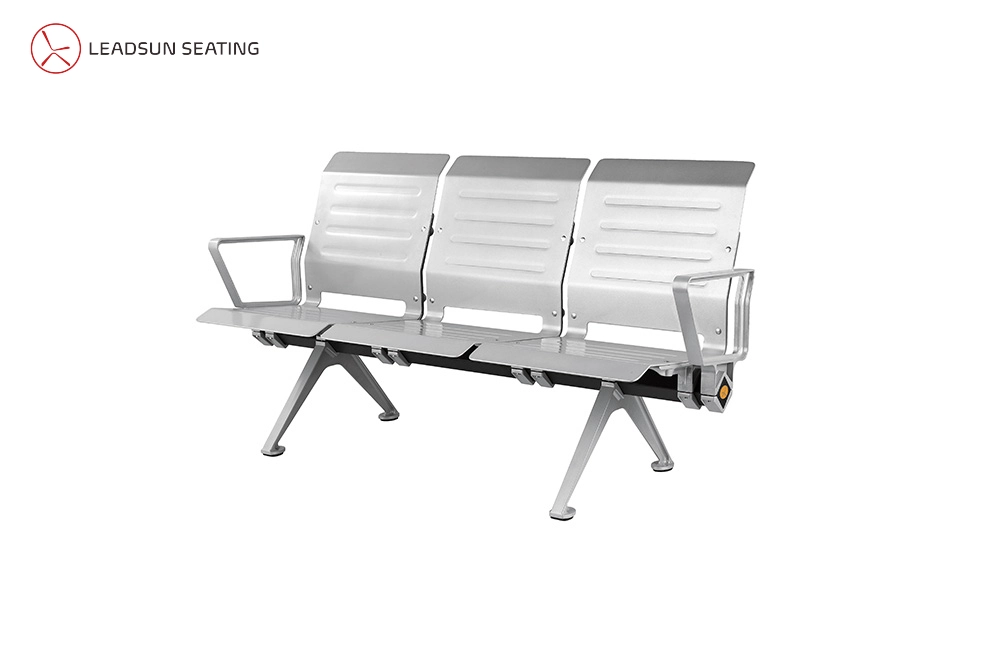
LS-529AL Aluminum Ergonomic Waiting Chairs | Modular & Durable Seating by Leadsun Seating
Leadsun's LS-529AL aluminum ergonomic waiting chairs offer customizable lobby seating solutions. These durable office chairs provide modern waiting area solutions, built for comfort and longevity. Modular design ensures flexibility.
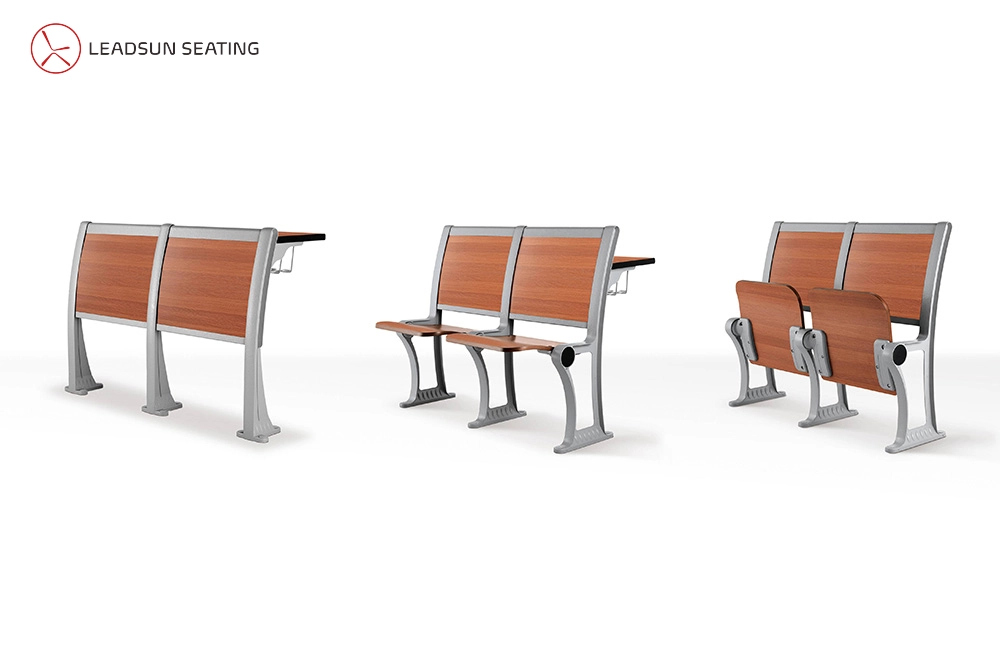
LS-908 Series Fixed Public Auditorium Chair or Tiered Classroom Solutions by Leadsun Seating
Introducing the LS-908 Series by Leadsun, your ideal solution for tiered classroom seating and fixed public auditorium chairs. Designed for comfort and durability, this series enhances audience engagement in educational and corporate settings. Discover the perfect blend of functionality and style with Leadsun Seating.
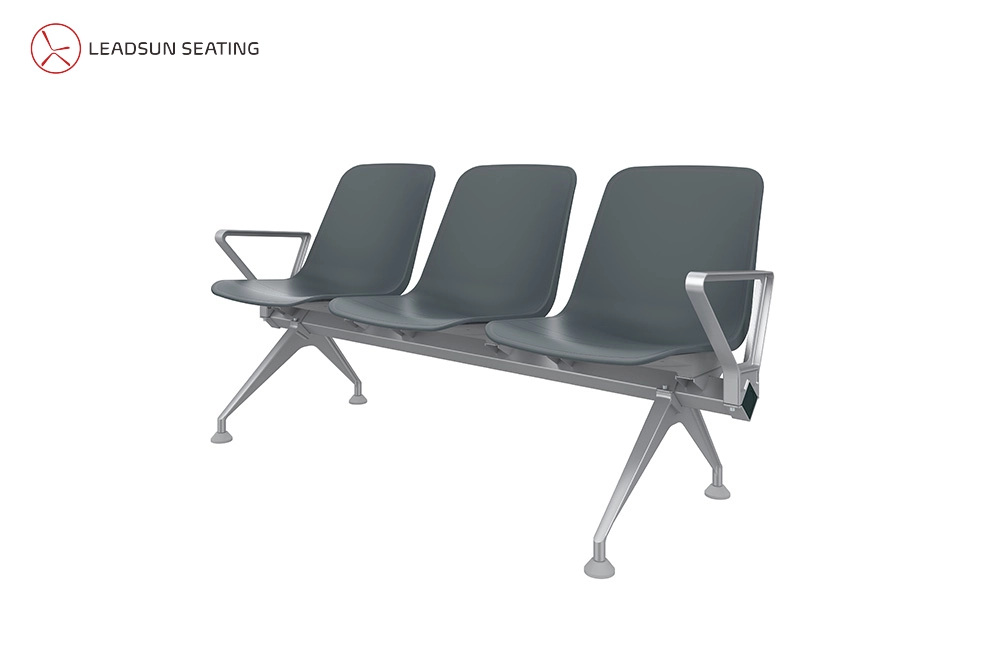
LS-550 Comfortable and Durable Waiting Chair | Customizable Waiting Chair Supplier Leadsun Seating
The LS-550 waiting chair from Leadsun offers superior comfort and durability for any public place. Customize your seating with Leadsun, a leading customizable waiting chair supplier. Ideal for high-traffic areas, the LS-550 ensures lasting performance and style.
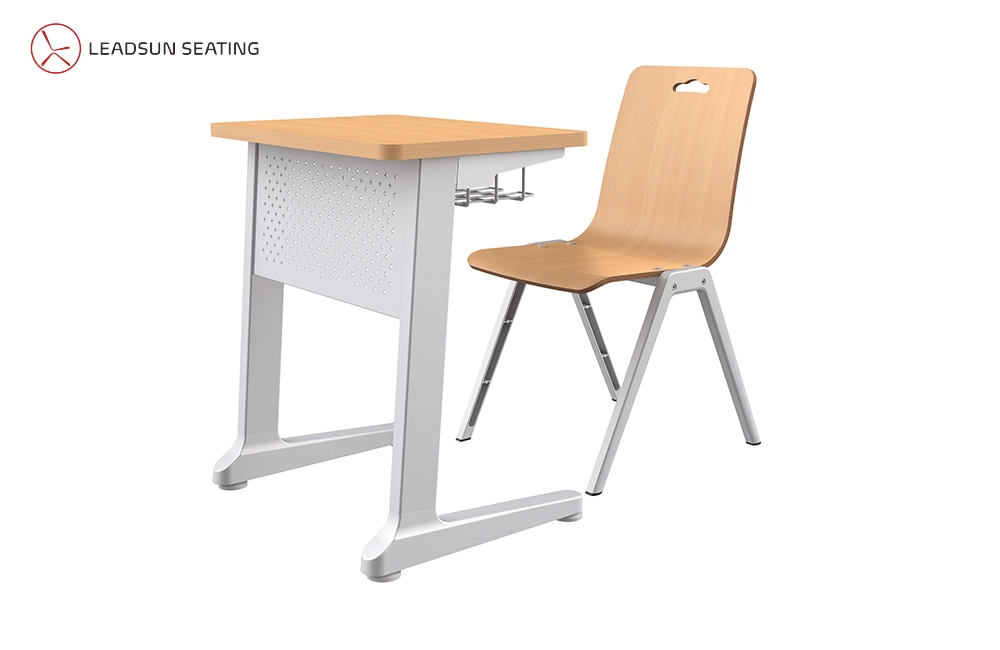
LS-9301 Single movable classroom chair |The Ultimate Flexible Solution for Modern Classrooms by Leadsun Seating
Leadsun's LS-9301 single movable classroom chair offers ultimate flexibility for modern learning environments. This activity desk and chair solution ensures comfortable and adaptable seating for students. Ideal for dynamic classrooms.
Ready for your public seating project?
We specialize in providing high-quality, customizable seating solutions for public spaces, and we are excited to assist you with your project.
Our professional team will quickly answer your questions and provide customized solutions to ensure you have a worry-free experience.

Leadsun Seating is also engaged in the design, development, production, and marketing of lightweight public seats in public places, with an annual output of desks and chairs.
 Scan QR Code