







Leadsun seating offers a wide range of seating solutions for public spaces, including benches, chairs, waiting area seating, auditorium seating, and customized solutions tailored to specific project needs.
How to measure space for office waiting room seating layout?
2026-04-01
Practical, code-aware guidance for planning office waiting room chairs and lecture hall seating. Learn exact footprint calculations, ADA wheelchair integration, seat pitch, upholstery specs, power/data planning, and anchoring methods for multi-use seating.
- 1. How do I calculate the exact floor footprint and aisle widths for a 20-seat office waiting room that must include two wheelchair spaces?
- 2. What minimum row spacing (seat pitch) should I use if the waiting room doubles as a lecture/training area with fixed or flip-up tablet seating?
- 3. How can I integrate wheelchair-accessible seating seamlessly into modular seating clusters without breaking sightlines or circulation flow?
- 4. Which upholstery and frame specifications reliably balance antimicrobial properties, cleanability, and long-term durability for high-traffic office waiting room chairs and lecture hall seating?
- 5. How should I measure and plan for power, data, and HVAC clearances when seating will include power modules, tablet arms, or integrated AV for lecture-style use?
- 6. What anchoring and mounting methods minimize floor damage while meeting code for fixed lecture-hall style seating in multi-use waiting areas?
- Concluding summary: Advantages of professional lecture-hall-grade seating for office waiting rooms
Designing a waiting area that doubles as lecture hall seating or training space requires precise space measurement, accessibility compliance, durable materials, and flexible layout choices. Below are six specific, beginner-focused long-tail questions that often lack in-depth online answers, followed by practical, code-aware solutions based on standard planning norms and ADA/IBC guidance. Semantic concepts such as reception seating, waiting area furniture, modular seating, seat pitch, aisle width, antimicrobial upholstery, and wheelchair-accessible seating are used naturally throughout.
1. How do I calculate the exact floor footprint and aisle widths for a 20-seat office waiting room that must include two wheelchair spaces?
Step 1 — Choose design assumptions (use accepted planning norms):
- Typical seat width (with armrests) for waiting room chairs: 20–22 inches.
- Seat depth: 18–20 inches. Allow legroom (knee space) to reach a total depth of approx. 34–36 inches for each row where people sit facing forward.
- Provide wheelchair clearances per ADA: 30 x 48 (760 mm x 1220 mm) is the commonly used clear floor space dimension.
- Accessible route/aisle minimum: 36 (915 mm); where two-way pedestrian traffic or higher occupancy anticipates, plan 44–48 (1120–1220 mm).
- Planning allowance per seat (practical rule of thumb): compact layout 6–9 sq ft/seat; comfortable layout 10–15 sq ft/seat.
Step 2 — Apply calculation for 20 seats + 2 wheelchair spaces (example using a comfortable planning allowance):
- Seats footprint (comfortable): 20 seats × 10 sq ft = 200 sq ft.
- Wheelchair clearances: 2 × 30 × 48 ≈ 2 × 10 sq ft = 20 sq ft.
- Subtotal: 220 sq ft. Add 20% circulation and service allowance (paths to reception, doors): 220 × 1.20 = 264 sq ft.
Step 3 — Translate to actual layout dimensions (one practical configuration):
- Two parallel runs of seating, 10 seats per run, seat width 22: run length ≈ 10 × 22 = 220 ≈ 18.3 ft. Add 6–12 inches at each end for end clearance → plan ~19.5 ft length.
- Row depth: seat depth 20 + knee/aisle space 16 = 36 (3 ft). Two rows back-to-back with a central circulation aisle of 44 ≈ 3.7 ft → required depth ≈ 3 ft (row 1) + 3.7 ft (aisle) + 3 ft (row 2) = 9.7 ft. Add perimeter clearance and reception desk approach → plan ~13–15 ft depth overall.
Result: a compact 19.5 ft × 13.5 ft rectangle ≈ 263 sq ft, matching the earlier square-foot estimate. Always verify aisle widths against local egress and fire codes; when in doubt use 44 as a safe two-way circulation width.
2. What minimum row spacing (seat pitch) should I use if the waiting room doubles as a lecture/training area with fixed or flip-up tablet seating?
Seat pitch is the fore-aft spacing from a fixed point on one row to the same point on the next row. For multi-use lecture-style seating that must remain comfortable for 60–90 minute sessions and still function as reception seating:
- Recommended seat pitch for fixed/lecture seating: 33–36 (840–915 mm) minimum. This is a widely used industry standard that balances legroom and capacity.
- For tablet-arm or small writing surfaces use 36–38 to provide adequate elbow clearance and entry into the row.
- For portable waiting room chairs that will be reconfigured into rows, plan on at least 40 clear between rows to allow for chairs to be pulled out and for comfortable circulation.
Design tips: stagger chairs in lecture configuration to preserve sightlines; where possible use flip-up tablet arms built into reception seating or portable clip-on work surfaces. Always confirm egress requirements because tighter pitch increases occupant load per area, which can trigger additional exit width or fire-protection requirements in local codes.
3. How can I integrate wheelchair-accessible seating seamlessly into modular seating clusters without breaking sightlines or circulation flow?
Best practices to integrate accessible seating into reception seating or lecture clusters:
- Distribute wheelchair spaces rather than clustering them in one corner. For small rooms include at least one wheelchair space adjacent to each major seating cluster so companions can sit next to the wheelchair space (companion seating within 18 is best).
- Clear floor space 30 × 48 is required for a single wheelchair position; provide forward and side approach clearances depending on orientation. For lecture configurations provide row-level companion seats with removable modules.
- Maintain an accessible route of at least 36 width to each wheelchair location; use 44 aisles where two-way traffic occurs. Avoid routing accessible paths behind fixed reception desks or across temporary storage areas.
- For modular seating systems choose units with removable or field-replaceable seats so you can create an accessible bay without custom fabrication. Some modular benches allow one or two modules to be removed, providing exact clear floor dimensions required.
- Surface and slope: ensure firm, stable flooring with slope no greater than 1:48 within the clear space. If seating sits atop raised platforms, provide compliant ramps and guardrails per local accessibility codes.
These choices maintain sightlines: locate wheelchair positions toward the middle or sides of rows rather than behind obstructive columns; where elevation changes occur, provide adjacent companion seating on the same grade.
4. Which upholstery and frame specifications reliably balance antimicrobial properties, cleanability, and long-term durability for high-traffic office waiting room chairs and lecture hall seating?
Materials choices for waiting area/reception seating and lecture hall seating should address heavy use, cleaning protocols (especially in medical-adjacent environments), and lifespan:
- Upholstery: choose performance vinyl/PU leatherette or high-performance textiles rated for heavy commercial use (double rubs > 100,000 for heavy-duty textiles). Antimicrobial-treated surfaces (e.g., silver-ion or bonded antimicrobial finishes) reduce microbial load but are not a substitute for cleaning. Prefer impermeable or water-resistant finishes where disinfectant use is frequent.
- Removability: select removable covers or panel-based cushions to allow thorough laundering or replacement without discarding entire chairs.
- Frame: steel frames (16–18 gauge) with protective powder coat finishes are common for long life. For bolted/fixed lecture seating, use welded seat pans with reinforced leg connections and corrosion-resistant hardware.
- Foam & fire safety: use commercial-grade, high-resilience foam that meets local fire/smoke standards (e.g., in the U.S. look for compliance with applicable fire regulations like California TB117-2013 flammability test for foam and cover combinations or other local standards).
- Cleaning & maintenance: use finishes compatible with common hospital-grade disinfectants; avoid textiles that wick or trap contaminants. For waiting area furniture, choose materials that withstand frequent wiping with 70% isopropyl alcohol or quaternary ammonium compounds, as specified by the manufacturer.
Work with manufacturers to obtain material data sheets (MDS), cleanability guides, and certifications (e.g., antimicrobial treatment data, flammability test reports). These documents demonstrate E-E-A-T-level product claims and support procurement decisions.
5. How should I measure and plan for power, data, and HVAC clearances when seating will include power modules, tablet arms, or integrated AV for lecture-style use?
Integrating power and data into seating increases user value but requires coordination with MEP (mechanical, electrical, plumbing) and code constraints:
- Power planning: typical design practice places power access every 8–12 feet along fixed seating runs or every 6–10 seats on modular benches. For portable clusters, provide wall outlets or floor boxes near groupings rather than plug-in strips across circulation paths.
- Data/AV: provide low-voltage raceways and conduit routed under floors, in seat pedestals, or through floor boxes; avoid surface cabling across aisle or accessible routes. Use dedicated circuits for high-draw AV equipment; ensure all devices have surge protection and labeled circuits.
- HVAC clearances: do not block supply diffusers or return grilles. Maintain manufacturer-recommended clearances (commonly several inches) around HVAC registers and ensure seating doesn’t create dead zones that reduce airflow. Avoid locating heat-generating power modules directly under tightly upholstered seats without ventilation.
- Safety & code: all in-seat power must comply with local electrical codes (e.g., NEC in the U.S.). Embedded power modules require licensed electrical work and inspection. Ensure cords or raceways do not reduce an accessible route below the 36 requirement or create trip hazards.
Practical tip: mock up a small module with seat, power unit and cable management in-situ to test sightlines, HVAC impact, and cable routing before committing to a full purchase.
6. What anchoring and mounting methods minimize floor damage while meeting code for fixed lecture-hall style seating in multi-use waiting areas?
Choose anchoring solutions based on subfloor type (concrete slab, wood deck, raised access floor) and whether seating is intended to be permanent or semi-permanent:
- Concrete slabs: use expansion anchors or concrete screws designed to the expected pull-out loads and seismic requirements. Use stainless steel or zinc-coated anchors for corrosion resistance. Anchor layout should be specified by the seating manufacturer and structural engineer when required.
- Wood subfloors: mount to underlying structure (blocking) rather than just the subfloor panel. Use structural anchors through the plywood into joists or blocking. Avoid thin-slab fasteners that rely only on surface purchase.
- Raised access floors: use pedestal-mounted systems that distribute load to multiple panels or provide a freestanding support frame. Avoid drilling through the modular panels unless manufacturer-approved; use clamps or weighted brackets when necessary.
- Minimal-damage options: freestanding modular seating with wide-base legs or bolted-in floor plates distributes load and avoids many localized penetrations. For semi-permanent setups, use removable anchors (sleeves or inserts) that can be capped when seating is removed.
- Code & safety: in regions with seismic requirements, anchoring must meet local seismic anchorage standards. For egress and fire safety, anchors must not create trip hazards; cords or base plates should be recessed or flush with finish floor where practical.
Document anchoring details with a floor plan and anchor schedule for the installer. Use manufacturer installation guides and, for public assembly spaces, consult a structural or code professional to confirm compliance.
Concluding summary: Advantages of professional lecture-hall-grade seating for office waiting rooms
Selecting lecture-hall-grade seating or robust modular waiting room chairs delivers several advantages: improved durability and lower lifetime cost through heavy-duty frames and commercial textiles; better accessibility and compliance when wheelchair positions and aisle widths are planned into the layout; flexible use of space when seat pitch and modularity allow conversion between reception, lecture, and training formats; and simplified maintenance with antimicrobial, cleanable surfaces and removable cushions. Thoughtful planning—using the seat widths, row pitches, wheelchair clearances, and anchoring methods outlined above—reduces rework, meets code obligations, and produces a reception area that functions reliably for years.
If you need a site-specific seating layout, spec sheet comparisons, or a quote for reception seating, lecture hall seating, modular seating, or waiting area furniture, contact us for a quote at www.leadsunseating.com or email [email protected].
Recommended for you

15 Best Office Waiting Room Chairs of 2026: The Ultimate Comfort & Style Guide

The Future of Reception Areas: 10 Modern Waiting Room Chair Trends to Watch in 2026

Airport Seating Reimagined: The 2026 Global Guide to Terminal Comfort and Design

7 Costly Mistakes Facilities Managers Make When Specifying Commercial Bench Seating

Commercial Beam Seating Solutions for High-Traffic Public Spaces
Prdoucts Categories
FAQ
One Stop Airport Terminal Seating
Can you provide personalized seat customization?
We support comprehensive customization, including seat styles, functional modules (like charging ports, cup holders, etc.), color schemes, and even integrating airport brand elements to showcase a unique style.
Are the seat materials durable? What's the lifespan?
We use high-strength, wear-resistant, and easy-to-clean premium materials, such as stain-resistant flame-retardant fabrics and rust-proof alloy frames. Under normal use, the seats can last 5 - 8 years.
Are there any successful cases we can refer to?
We’ve provided services to numerous international and major domestic airports. We can offer detailed case materials, on-site photos, and client testimonials, so you can get a clear understanding of the solution’s effectiveness.
FAQs
What types of public seating solutions does Leadsun seating provide?
What materials are used in the production of your public seating?
We use a variety of durable materials such as stainless steel, aluminum, wood, high-quality upholstery, and advanced polymers to ensure that our seating solutions are both functional and long-lasting.
You may also like
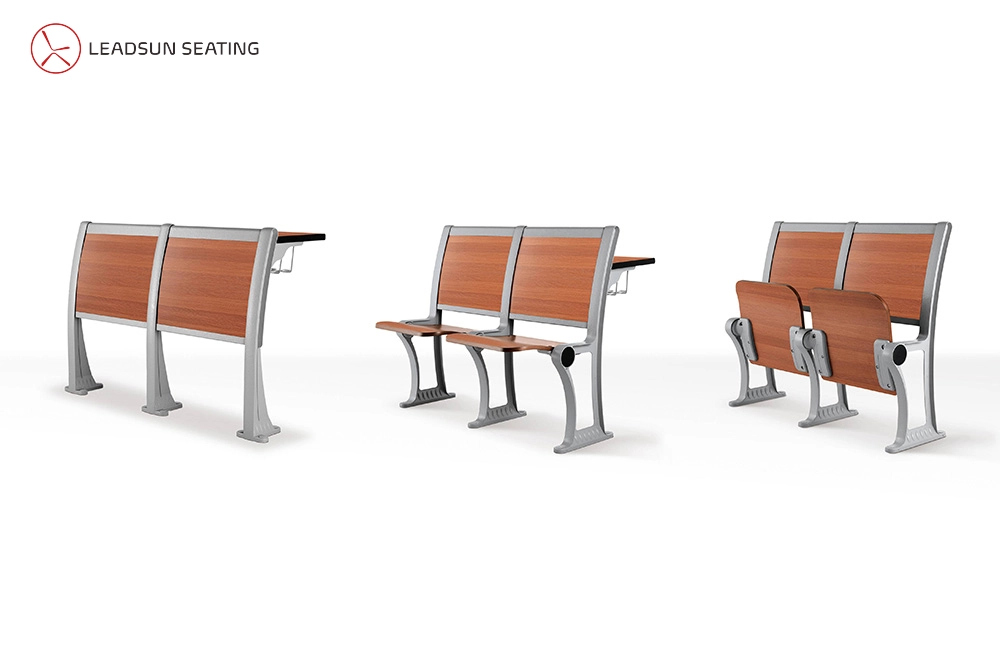
LS-908 Series Fixed Public Auditorium Chair or Tiered Classroom Solutions by Leadsun Seating
Introducing the LS-908 Series by Leadsun, your ideal solution for tiered classroom seating and fixed public auditorium chairs. Designed for comfort and durability, this series enhances audience engagement in educational and corporate settings. Discover the perfect blend of functionality and style with Leadsun Seating.
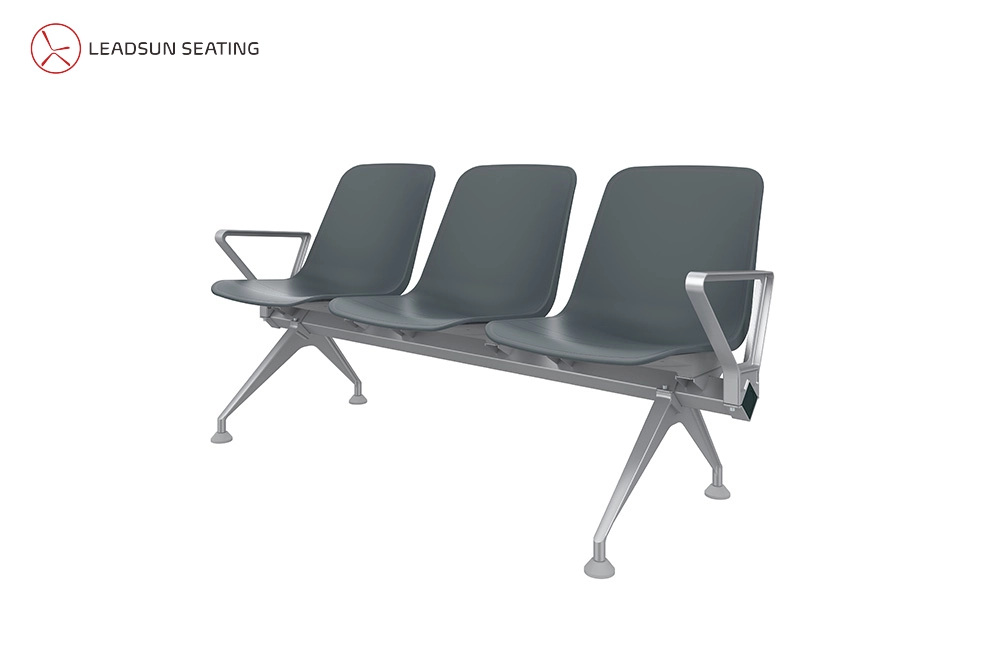
LS-550 Comfortable and Durable Waiting Chair | Customizable Waiting Chair Supplier Leadsun Seating
The LS-550 waiting chair from Leadsun offers superior comfort and durability for any public place. Customize your seating with Leadsun, a leading customizable waiting chair supplier. Ideal for high-traffic areas, the LS-550 ensures lasting performance and style.
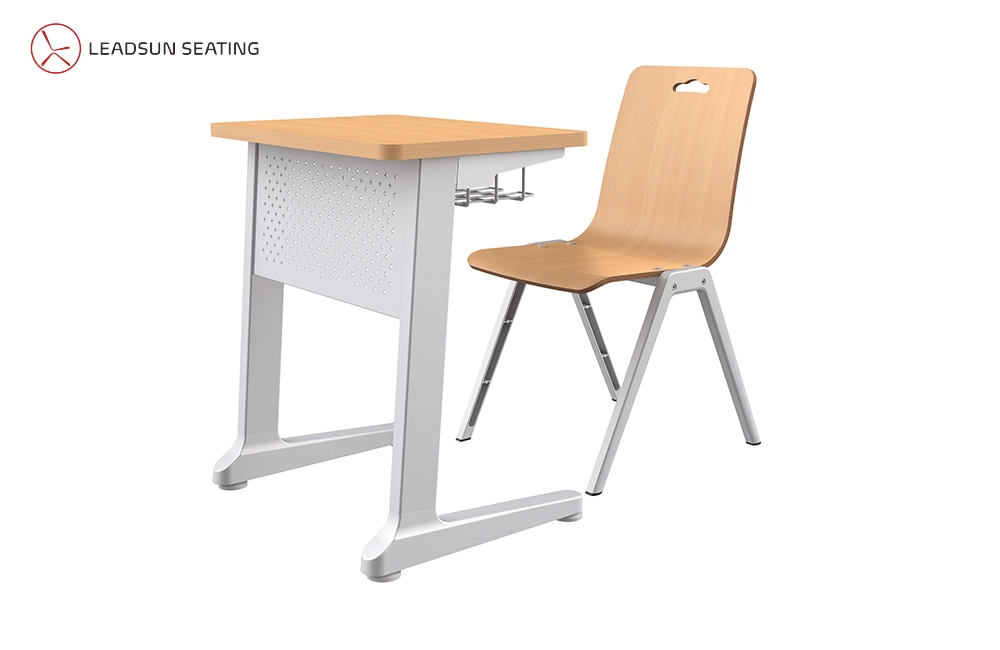
LS-9301 Single movable classroom chair |The Ultimate Flexible Solution for Modern Classrooms by Leadsun Seating
Leadsun's LS-9301 single movable classroom chair offers ultimate flexibility for modern learning environments. This activity desk and chair solution ensures comfortable and adaptable seating for students. Ideal for dynamic classrooms.
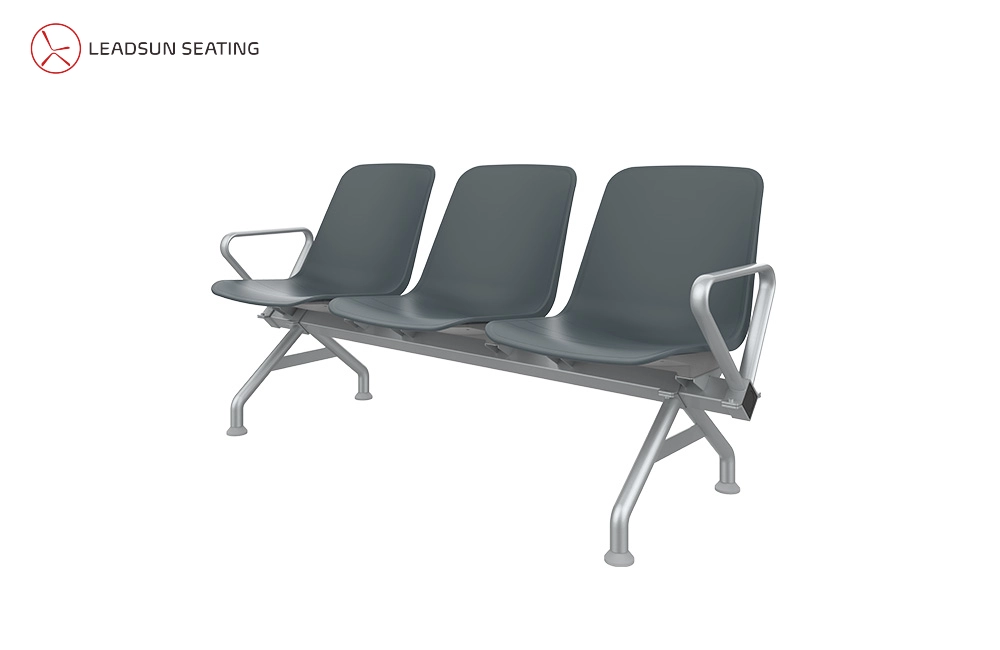
LS-551 Ergonomic Modular Waiting Chairs | Commercial Seating Solutions by Leadsun Seating
Leadsun's LS-551 Ergonomic Modular Waiting Chairs offer superior comfort for any commercial space. Ideal for hospitals, airports, and more, these modular chairs provide flexible configurations and ergonomic support. Experience unmatched comfort and style with Leadsun Seating.
Ready for your public seating project?
We specialize in providing high-quality, customizable seating solutions for public spaces, and we are excited to assist you with your project.
Our professional team will quickly answer your questions and provide customized solutions to ensure you have a worry-free experience.

Leadsun Seating is also engaged in the design, development, production, and marketing of lightweight public seats in public places, with an annual output of desks and chairs.
 Scan QR Code