







What are ADA-compliant waiting room chair requirements?
- 1) How many ADA-compliant wheelchair spaces are required in a 30-seat office waiting room with freestanding chairs?
- 2) Can I make existing bolted waiting room chairs ADA-compliant without replacing them entirely?
- 3) What exact clearances and turning radii must I leave around waiting room chairs to meet ADA (including for mobility scooters)?
- 4) Which seat heights and armrest designs are best to enable independent transfers for elderly patients in medical waiting rooms?
- 5) Are stackable or modular waiting room chairs allowed under ADA, and how should I arrange them to preserve accessibility during peak times?
- 6) What specifications (fire rating, BIFMA durability, anti-microbial fabric) should I require in tender documents to ensure office waiting room chairs are compliant, durable, and safe in public lecture hall lobbies?
- Concluding summary: Advantages of ADA-compliant, durable waiting and lecture-hall lobby seating
1) How many ADA-compliant wheelchair spaces are required in a 30-seat office waiting room with freestanding chairs?
Short answer: the 2010 ADA Standards do not prescribe a fixed number of wheelchair spaces for typical waiting rooms with movable seating. ADA scoping gives specific seat counts for assembly areas, but ordinary commercial waiting areas are governed by accessibility scoping and technical requirements (accessible route, clear floor space, sight lines) rather than a rigid seat-to-wheelchair ratio.
Why you still need a plan: many purchasers and facility managers are surprised that “no fixed number” doesn’t mean “no requirement.” You must ensure that at least one continuous accessible route (minimum 36 inches clear width) leads from the entrance and registration desk to a usable waiting location, and that the space allows a 30 x 48 (760 x 1220 mm) clear floor space for wheelchair users adjacent to the seating area (2010 ADA Standards). For lecture-hall lobbies or larger public waiting zones, provide dispersed accessible locations so wheelchair users have comparable choices (line-of-sight, proximity to services).
Practical industry guidance: for small offices (under ~20–40 seats) provide a minimum of one dedicated wheelchair space and ensure surrounding seats are removable or reconfigurable; for larger waiting zones (lecture hall lobbies, clinics), aim for 5–10% of seating capacity to be easily convertible to accessible locations or explicitly allocated as wheelchair spaces. This isn’t a legal quota from ADA, but reflects best practices used by healthcare providers and venue managers to meet demand while preserving accessible routes.
2) Can I make existing bolted waiting room chairs ADA-compliant without replacing them entirely?
Yes—often you can meet accessibility requirements through targeted modifications rather than wholesale replacement, but the feasibility depends on layout and how the chairs are installed.
- Convert seats to clear floor space: remove one or more bolted chairs to create a 30 x 48 wheelchair space on an accessible route. Make sure the adjacent seats or bench do not block the space.
- Reconfigure rows or aisles: increase aisle clearances to meet the 36 clear width minimum and provide required turning circles (60 diameter) where needed for mobility devices.
- Install transfer-assist elements: where transfer seating is appropriate, add firm, fixed armrests or transfer arms to seats that will be used by ambulatory users. However, arm additions must be secure, meet load requirements, and not create trip hazards.
- Replace a subset of bolted chairs: if frames are damaged or layout cannot meet clearances, replace targeted units with modular, BIFMA-rated seating that has integrated wheelchair locations.
Note: Any retrofit must preserve the accessible route and comply with local building and fire codes (e.g., NFPA Life Safety Code). If the bolted seating is concentrated in a lobby serving a lecture hall, coordinate with venue egress plans to avoid violations when you remove or relocate seats.
3) What exact clearances and turning radii must I leave around waiting room chairs to meet ADA (including for mobility scooters)?
Key measurable dimensions to design and verify:
- Clear floor space for wheelchairs: 30 x 48 (760 x 1220 mm) is the standard clear space required for a single wheelchair user adjacent to fixed or freestanding seating.
- Accessible route width: minimum 36 (915 mm) continuously. Wider is recommended where circulation is heavy—60 or more allows two wheelchairs to pass comfortably.
- Turning space: a 60 (1525 mm) diameter circle or equivalent T-shaped turning space is required where users must turn around (e.g., at the end of an accessible route or in a waiting alcove).
- Clearance in front of chairs: maintain at least 48 (1220 mm) from the front of fixed seating to opposite obstruction if that area is to be used for wheelchair positioning.
Mobility scooters: there is no single-size rule because scooters vary widely. Design to the largest expected device when you serve populations that use scooters—plan for 36–48 wide paths and 60 turning areas. If possible, consult local usage data or ask clients what devices their users commonly use.
4) Which seat heights and armrest designs are best to enable independent transfers for elderly patients in medical waiting rooms?
Designing seating for independent transfers balances ergonomics and accessibility. Evidence-based, widely accepted dimensions to request in specifications:
- Seat height: 17–19 (430–485 mm) above the finished floor is recommended for most adult transfers. Lower seats increase difficulty; higher seats can impede foot stability—this range optimizes standing and sitting motions for older adults.
- Seat depth: 16–18 (405–455 mm) prevents excessive forward sliding and supports thigh length without restricting circulation.
- Seat width: at least 20 (510 mm) per seat; wider (22–24) for bariatric options.
- Armrests: fixed, sturdy armrests that extend to the front edge of the seat aid lateral transfer. They should be continuous and capable of supporting bodyweight—specify manufacturers’ static load tests. Avoid narrow, soft, or folding arms for transfer seats.
Additional points: choose firm cushions with moderate foam density to avoid excessive sink-in, and test prototypes with local users when possible. For lecture hall lobbies that double as waiting areas before/after events, include some higher or extra-armrest options to accommodate older patrons and persons with limited strength.
5) Are stackable or modular waiting room chairs allowed under ADA, and how should I arrange them to preserve accessibility during peak times?
Yes—stackable and modular chairs are allowed so long as the final arrangement meets ADA technical requirements (accessible routes, clear floor spaces, turning areas). The challenge is operational: temporary reconfigurations during peak times often block accessible routes or remove wheelchair spaces.
Operational controls to adopt:
- Designate and mark at least one permanent accessible space that is never removed or blocked during events—use signage and floor marking.
- If you use stackable chairs to increase capacity for lectures, keep a written layout plan that preserves 36 minimum routes and 30 x 48 wheelchair locations at all times.
- Provide trained staff or ushers who understand where accessible seating must remain during setup/strike.
- Specify a set of modular seats that lock into place quickly to create stable rows while allowing quick conversion to wheelchair spaces when needed.
These steps let you use stackable seating for flexibility while fulfilling accessibility and safety obligations.
6) What specifications (fire rating, BIFMA durability, anti-microbial fabric) should I require in tender documents to ensure office waiting room chairs are compliant, durable, and safe in public lecture hall lobbies?
When purchasing commercial reception seating for high-traffic lobbies or lecture-hall waiting areas, include measurable industry standards and test criteria in procurement documents:
- BIFMA compliance: require products that meet relevant ANSI/BIFMA standards for commercial seating (for example ANSI/BIFMA X5.1 for general-purpose seating). This ensures frame strength, durability, and performance testing.
- Fabric durability: specify Wyzenbeek or Martindale abrasion resistance—100,000 double rubs (Wyzenbeek) is common for heavy commercial use; 30,000–50,000 can suffice for moderate traffic. Also require colorfastness and seam strength tests.
- Flammability and safety: require compliance with local fire codes and applicable standards—California TB117-2013 (for upholstery smolder resistance) or NFPA recommendations where applicable. Confirm the product meets the authority having jurisdiction (AHJ) requirements for public assembly and egress areas.
- Cleanability/healthcare needs: for medical waiting rooms and high-touch lecture-hall lobbies, choose anti-microbial, bleach-cleanable vinyls or performance fabrics compatible with hospital-grade disinfectants, and request manufacturer cleaning compatibility data.
- Load and life-cycle warranties: require static load testing data and a commercial warranty (frame/structural 5–10 years, mechanisms 2–5 years). Include expected life cycles (e.g., projected 8–12 years under heavy use) where possible.
- Fixing and anchoring: for bolted-down seating, specify anchorage types, anti-tip features, and compliance with local seismic and building codes.
Including these measurable standards in tender documentation reduces ambiguity, speeds evaluation, and ensures the delivered office waiting room chairs meet both ADA accessibility needs and venue durability demands.
Concluding summary: Advantages of ADA-compliant, durable waiting and lecture-hall lobby seating
Choosing ADA-informed, BIFMA-rated, and cleanable waiting room and lobby seating delivers clear benefits: reduced legal and compliance risk, improved user comfort and dignity, lower lifetime maintenance and replacement costs, and operational flexibility for lecture-hall peaks. When you specify clear floor spaces (30 x 48), accessible routes (36 min), appropriate seat heights (17–19), sturdy armrests, and tested upholstery (Wyzenbeek abrasion, TB117-2013 or local flammability compliance), you create welcoming, safe, and long-lasting public spaces.
For tailored layouts, product samples, and a quote for commercial reception seating, contact us at www.leadsunseating.com or [email protected].

15 Best Office Waiting Room Chairs of 2026: The Ultimate Comfort & Style Guide

The Future of Reception Areas: 10 Modern Waiting Room Chair Trends to Watch in 2026

Airport Seating Reimagined: The 2026 Global Guide to Terminal Comfort and Design

7 Costly Mistakes Facilities Managers Make When Specifying Commercial Bench Seating

Commercial Beam Seating Solutions for High-Traffic Public Spaces
FAQs
How can I request a quote for a seating project?
You can easily request a quote by contacting our sales team through our website or by email. Provide details about your project, including the quantity and specific requirements, and we will get back to you with a tailored quote.
What materials are used in the production of your public seating?
We use a variety of durable materials such as stainless steel, aluminum, wood, high-quality upholstery, and advanced polymers to ensure that our seating solutions are both functional and long-lasting.
One Stop Airport Terminal Seating
What are the advantages of the one-stop solution compared to traditional procurement methods?
The one-stop solution integrates the entire service process, saving communication costs and time. It avoids coordination issues that arise when working with multiple parties and ensures consistency and coherence in design, production, and after-sales service.
What does the after-sales service include?
Our after-sales service covers daily maintenance guidance, regular inspections, fault repairs, and component replacements. Our professional after-sales team is available 24/7 to ensure the long-term stable operation of the seats.
How long is the production cycle? Can you deliver on time?
The production cycle depends on the order size and customization complexity. We’ll create a detailed production plan in advance and have a professional logistics and installation team in place to ensure on-time delivery and efficient implementation.
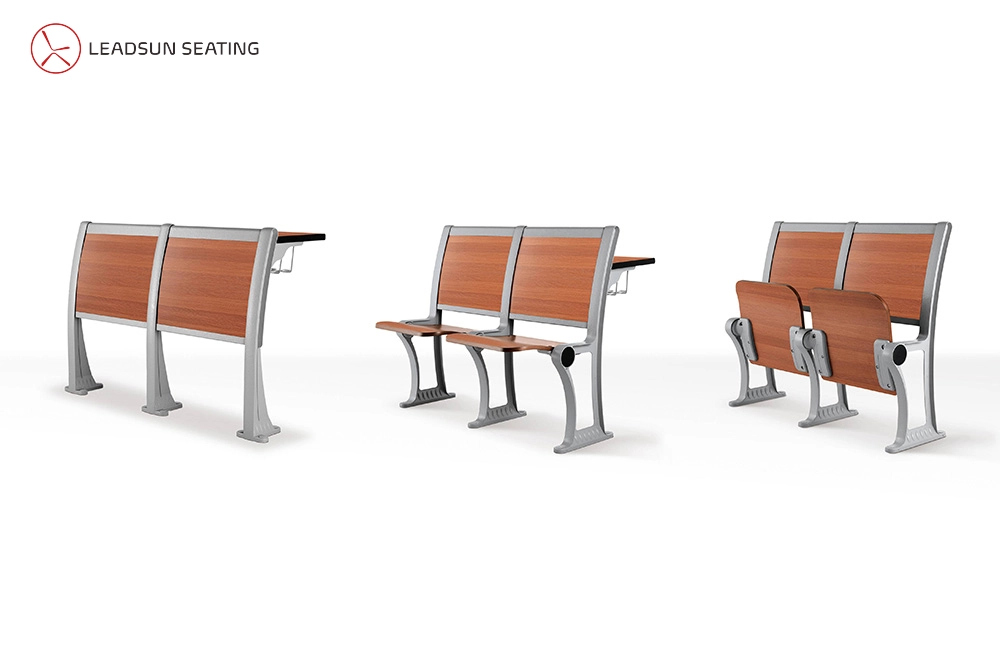
LS-908 Series Fixed Public Auditorium Chair or Tiered Classroom Solutions by Leadsun Seating
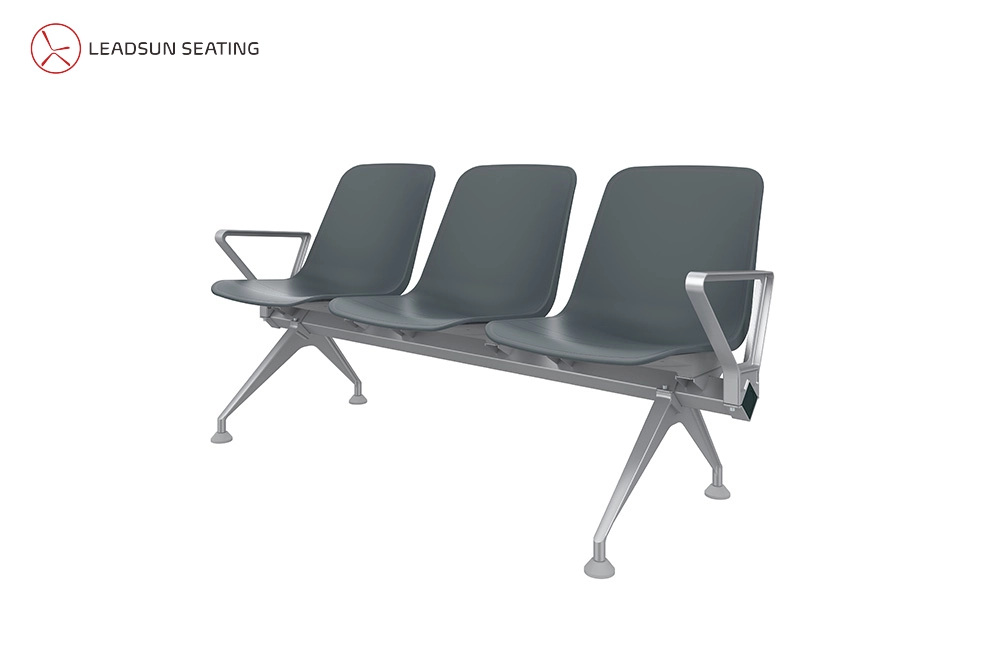
LS-550 Comfortable and Durable Waiting Chair | Customizable Waiting Chair Supplier Leadsun Seating
The LS-550 waiting chair from Leadsun offers superior comfort and durability for any public place. Customize your seating with Leadsun, a leading customizable waiting chair supplier. Ideal for high-traffic areas, the LS-550 ensures lasting performance and style.
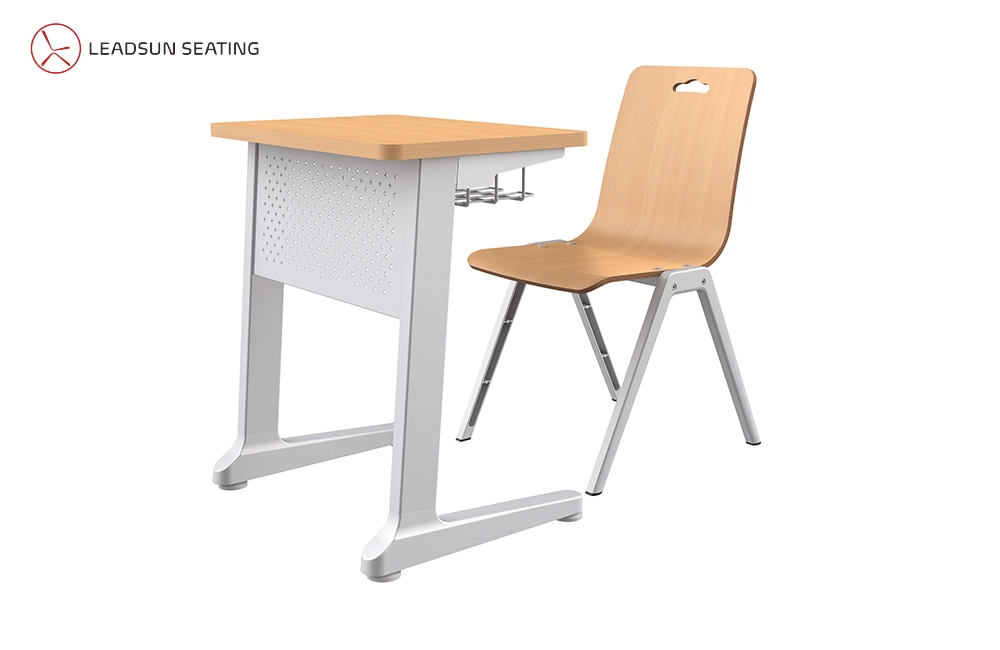
LS-9301 Single movable classroom chair |The Ultimate Flexible Solution for Modern Classrooms by Leadsun Seating
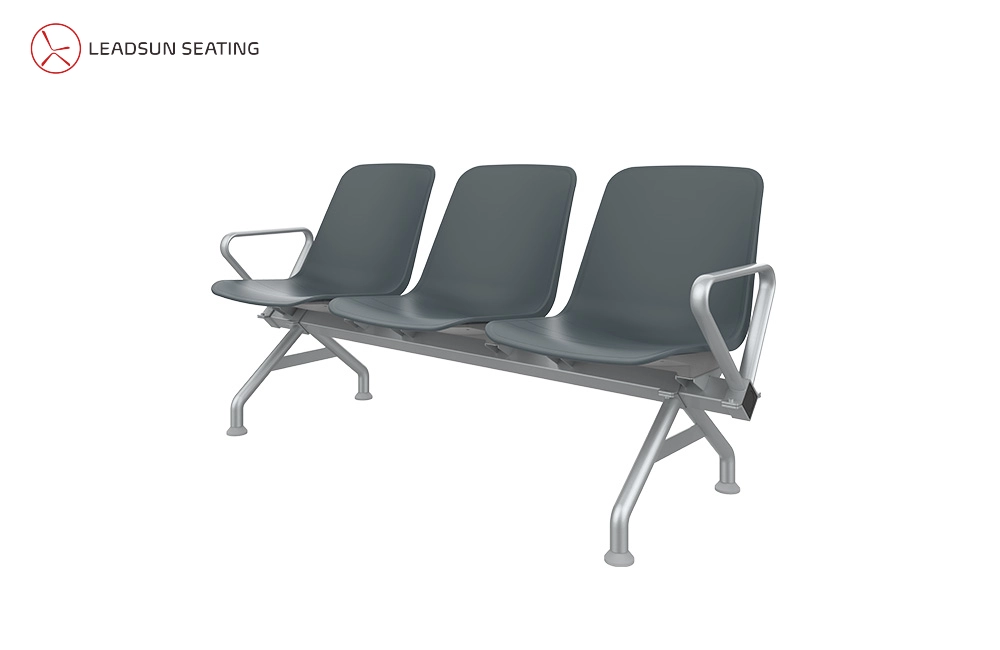
LS-551 Ergonomic Modular Waiting Chairs | Commercial Seating Solutions by Leadsun Seating
Ready for your public seating project?
We specialize in providing high-quality, customizable seating solutions for public spaces, and we are excited to assist you with your project.
Our professional team will quickly answer your questions and provide customized solutions to ensure you have a worry-free experience.

Leadsun Seating is also engaged in the design, development, production, and marketing of lightweight public seats in public places, with an annual output of desks and chairs.
 Scan QR Code