







How to maintain and clean waiting area chairs effectively?
- 1. How do I remove deep-set stains from vinyl waiting area chairs without damaging antimicrobial coatings or upholstery finishes?
- 2. Which disinfectants and dwell times safely kill viruses on foam‑padded lecture hall seats without degrading foam or adhesives?
- 3. What are best practices to prevent and repair rust on powder‑coated steel frames in coastal waiting areas?
- 4. How can I repair delaminating plywood or cracked molded plastic shells on high‑traffic waiting area chairs without full replacement?
- 5. What is an evidence‑based cleaning schedule and checklist for waiting area chairs in hospitals versus corporate lobbies?
- 6. How can I extend the service life of waiting area chairs in high‑traffic lecture halls, and when is reupholstering preferable to full replacement?
- Concluding summary: Advantages of professional waiting area chairs and managed lecture hall seating
Waiting Area Chairs: 6 Expert Long‑Tail Answers for Maintenance & Lecture Hall Seating
This article gives facility managers, purchasing specialists, and maintenance teams actionable, code-aware guidance on maintaining waiting area chairs and lecture hall seating. It embeds industry terms like antimicrobial coatings, vinyl upholstery, powder-coated frames, foam padding, ADA compliance, and fire-rated materials to help make informed purchase and maintenance decisions.
1. How do I remove deep-set stains from vinyl waiting area chairs without damaging antimicrobial coatings or upholstery finishes?
Problem: Stains that penetrate close to the surface can be stubborn, and aggressive cleaners or abrasive methods can strip factory-applied antimicrobial or stain-resistant finishes.
Step-by-step method:
- Identify material: Confirm the upholstery material—vinyl, polyurethane (PU) coated fabric, genuine leather, or fabric. Most public waiting area chairs use commercial-grade vinyl or coated fabrics.
- Start with the mildest option: Use a pH-neutral detergent (1–2% solution) and warm water. Apply with a soft microfiber cloth, blot (don’t scrub), and rinse with clean water. Blot dry to prevent water ingress to seams.
- If the stain remains, test a spot: Choose an inconspicuous area and test the next step for 10–30 minutes to ensure there’s no discoloration or finish damage.
- Use isopropyl alcohol (70%) for ink or dye stains: Apply sparingly with a cloth, blot, then rinse. Note: repeated alcohol use can dull some coatings—perform patch test first.
- For protein or organic stains (food, blood): Use an enzymatic cleaner designed for upholstery; follow manufacturer dwell time and rinse thoroughly.
- Avoid strong abrasives, acetone, undiluted bleach, or concentrated solvents on coated surfaces; these can remove antimicrobial and stain-resistant coatings.
- After cleaning, condition: If the upholstery manufacturer recommends a protectant or conditioner, apply it to restore water repellency and protect seams.
Why this works: Commercial vinyl and coated fabrics are engineered to resist staining but rely on surface finishes. Preserving that finish by starting mild and using tested disinfectants protects both appearance and built-in antimicrobial treatments.
2. Which disinfectants and dwell times safely kill viruses on foam‑padded lecture hall seats without degrading foam or adhesives?
Problem: Effective disinfection is critical in public assembly spaces, but many disinfectants (high-concentration bleach, solvents) can dry or weaken foam and adhesives over time.
Guidance (practical and compliant):
- Follow label and authoritative lists: Use EPA-registered disinfectants (e.g., products on EPA List N for SARS-CoV-2 when relevant) and follow the product label for contact/dwell time and compatibility with upholstery.
- Preferred chemistries for padded seats: 70% isopropyl alcohol wipes (for quick non-porous surfaces), quaternary ammonium compounds (quats) formulated for vinyl/coated fabrics, and dilute sodium hypochlorite (bleach) when compatible. Typical effective concentrations: 70% alcohol for many enveloped viruses; 0.1% (1000 ppm) sodium hypochlorite is a commonly recommended surface concentration for SARS-CoV-2 disinfection on hard non-porous surfaces. Always check upholstery compatibility before using bleach.
- Dwell times: Follow the product label—commonly 30 seconds to 10 minutes. If label lists a 1-minute contact time for enveloped viruses, ensure the surface remains visibly wet for that duration.
- Minimize exposure of foam and adhesives: Avoid saturating seams or seams’ undersides. Apply disinfectant with a saturated wipe rather than pouring or spraying; blot excess immediately. Excess liquid leads to wicking into foam and can accelerate adhesive degradation or microbial growth in foam cores.
- Ventilate and dry: After disinfection, dry the seats rapidly using airflow; compressed air or warm ventilation helps reduce residual moisture reaching foam layers.
- Manufacturer and test patch: Always consult the chair manufacturer’s maintenance datasheet; perform a small-scale compatibility test before large-scale application.
Why this works: The balance between microbiological control and material longevity is achieved by selecting EPA-registered chemistries, using proper dwell times, and minimizing liquid penetration into padding.
3. What are best practices to prevent and repair rust on powder‑coated steel frames in coastal waiting areas?
Problem: Salt, humidity, and coastal aerosols accelerate corrosion even on painted or powder-coated frames; small chips can become focal points for rust.
Preventative maintenance:
- Material selection at purchase: For coastal installations, specify 316 stainless steel or aluminum frames, or powder-coated steel with a marine-grade pre-treatment and topcoat. If budget restricts stainless, insist on high-quality powder-coating and seal welded joints.
- Routine washdown: Rinse frames with fresh water weekly or bi-weekly to remove salt deposits; for very exposed sites, rinse more frequently. Use mild detergent if grease or deposits are present.
- Inspect and touch up: Monthly visual inspections for chips or scratches. Touch up exposed steel with a zinc-rich primer and matching powder-coat touch-up paint or an epoxy primer and topcoat specified for outdoor use.
- Protective barriers: Where possible, locate seating away from direct salt spray or use architectural features to reduce exposure. Repair steps for minor rusting or chips:
- Remove loose rust with a stainless-steel wire brush or sandpaper to bright metal.
- Apply a rust converter if pitting is minor; for structural pitting, replace the frame or consult a fabricator.
- Prime with a zinc-rich or epoxy primer to inhibit further corrosion.
- Topcoat with matching outdoor-grade finish; allow full cure before returning to service.
- Assess load-bearing safety: Inspect for cracks at stress points (front edge of seat, where legs attach). If cracks affect structural attachment points or if fasteners pull out, replacement is usually safer.
- For delaminating plywood: Dry the area; inject a moisture-resistant exterior plywood adhesive (phenol-resorcinol or marine-grade epoxy) into the delaminated layers, clamp uniformly using cauls or vacuum bagging, and cure per adhesive instructions. Sand and refinish with matching veneer or durable topcoat.
- For small cracks in molded plastic shells (polypropylene, ABS): Use a structural plastic adhesive or two-part epoxy formulated for the plastic type. Roughen mating surfaces, apply adhesive, clamp until cure, and optionally reinforce the inside surface with a bonded glass-fiber patch if loads are high.
- For larger failures: Consider bonding a thin aluminum or composite reinforcement plate to the underside of the shell to restore stiffness; ensure edges are sealed to prevent moisture ingress.
- Reinstate finish: After structural repair, repair cosmetic surface with matching filler and a topcoat suitable for the substrate. This preserves appearance and protects the repair.
- Hospital outpatient waiting rooms / high-risk clinical areas:
- High-touch disinfection (armrests, seat edges, backs): multiple times per shift—minimum every 4 hours in high traffic or between patients in high-turnover clinics.
- Full surface cleaning daily: upholstery vacuuming (for fabric) and surface disinfection for non-porous surfaces once daily.
- Deep clean weekly: inspect seams and under-seat areas; use enzymatic or hospital-grade cleaning for organic buildup.
- Monthly audit: sample surfaces with ATP luminometry or culture swabs as per facility infection control to verify cleaning effectiveness.
- Corporate lobbies / low-risk public waiting areas:
- High-touch disinfection (armrests, backs): daily or twice daily during peak occupancy.
- Surface cleaning: weekly for light traffic; twice-weekly for heavy traffic (e.g., commuter hubs).
- Deep clean monthly: vacuum fabric seating and clean vinyl with manufacturer-recommended cleaners.
- Quarterly audit: visual and tactile inspection for wear, mildew, or seam failures.
- Inspect and record visible damage (tears, chips, rust) and log for repairs.
- Clean dust and debris: vacuum or brush under-seat areas and between cushions.
- Disinfect high-touch surfaces per label directions; ensure dwell time.
- Spot-treat stains and note items needing deeper restoration.
- Ensure adequate drying and ventilation post-cleaning to prevent microbial growth in foam.
- Specify durable materials at purchase: high-density foam with certified fire ratings, wear-resistant vinyl or performance fabrics (with high double‑rub ratings), and reinforced frames.
- Protect high-wear elements: use replaceable arm caps, seat covers, or anti-abrasion strips in contact zones.
- Implement a preventive maintenance plan: scheduled inspections, tightening hardware annually, and addressing small repairs immediately to prevent escalation.
- Modular design: Choose chairs with replaceable shells, cushions, and hardware to lower life-cycle costs.
- Reupholster when:
- The frame and mechanisms (folding, swivel, mounting points) are structurally sound;
- Foam still retains shape and resiliency (no wet rot, no severe compression or odor issues); and
- Reupholstery cost (including foam replacement if needed) is materially lower than new-seat procurement and the chair meets current code requirements (fire rating, ADA clearances).
- Replace when:
- Structural frame or fasteners are corroded, cracked, or unsafe;
- Acoustic, ergonomic, or code changes require a different chair geometry (for example, new ADA or fire-safety standards); or
- Total repair and reupholstery cost approaches or exceeds the cost of new fixed seating with modern warranties and better durability.
When to replace: If corrosion compromises welds or alters load-bearing geometry, remove and replace the frame—safety and code (e.g., fire and egress integrity) take precedence.
4. How can I repair delaminating plywood or cracked molded plastic shells on high‑traffic waiting area chairs without full replacement?
Problem: Shell delamination or cracking is common in molded plywood and plastic shells in lecture halls and clinics. Quick, cost-effective repairs can extend service life if structural integrity isn’t compromised.
Repair workflow:
Note on cost-effectiveness: Repairs are generally justified for High Quality chairs where replacement shell lead time or cost is high. Always document repairs and perform a load test before returning seats to high-occupancy areas.
5. What is an evidence‑based cleaning schedule and checklist for waiting area chairs in hospitals versus corporate lobbies?
Problem: Facilities classed as low- and high‑risk require different intensities of cleaning. Many online schedules are generic and not tailored to traffic patterns, surface type, or infection risk.
Risk-tiered schedule (use as starting framework; adapt per local infection control policies):
Checklist items for each cleaning event:
Why audits matter: Objective measures (ATP, visual logs) help adjust frequency to real-world use and demonstrate compliance with infection prevention expectations in clinical settings.
6. How can I extend the service life of waiting area chairs in high‑traffic lecture halls, and when is reupholstering preferable to full replacement?
Problem: Budget-conscious institutions must balance maintenance, reupholstery, and replacement while meeting comfort, fire-rating, and accessibility requirements in assembly seating.
Life‑extension tactics:
When to reupholster vs replace (decision criteria):
Practical tip: Request a professional refurbishment quote and a new-seat quote side-by-side. Also compare warranties—new seating often includes multi-year warranties on frame and finish that change the life-cycle economics.
Concluding summary: Advantages of professional waiting area chairs and managed lecture hall seating
Choosing commercial-grade waiting area chairs and lecture hall seating with the right materials (vinyl or performance fabrics, powder-coated or stainless frames, fire-rated foams) and a documented maintenance program yields longer service life, improved hygiene control, and better occupant comfort. Benefits include reduced total cost of ownership through modular designs, easier compliance with ADA and local fire codes, and safer indoor environments via targeted disinfection protocols that preserve upholstery and foam. Preventive maintenance—regular washdowns in coastal sites, periodic audits in clinical settings, and repair-first approaches for shells and frames—keeps facilities functional and attractive while minimizing downtime and capital expense.
For tailored recommendations, specification assistance, or a refurbishment vs replacement assessment for lecture hall seating or waiting area chairs, contact LeadSun Seating at www.leadsunseating.com or email [email protected] for a quote.

15 Best Office Waiting Room Chairs of 2026: The Ultimate Comfort & Style Guide

The Future of Reception Areas: 10 Modern Waiting Room Chair Trends to Watch in 2026

Airport Seating Reimagined: The 2026 Global Guide to Terminal Comfort and Design

7 Costly Mistakes Facilities Managers Make When Specifying Commercial Bench Seating

Commercial Beam Seating Solutions for High-Traffic Public Spaces
One Stop Airport Terminal Seating
How does the seat design ensure passenger comfort?
The solution adopts ergonomic design principles. We optimize seat curves, backrest angles, and seat surface materials to effectively relieve the fatigue of passengers during long waits.
Are there any successful cases we can refer to?
We’ve provided services to numerous international and major domestic airports. We can offer detailed case materials, on-site photos, and client testimonials, so you can get a clear understanding of the solution’s effectiveness.
What does the after-sales service include?
Our after-sales service covers daily maintenance guidance, regular inspections, fault repairs, and component replacements. Our professional after-sales team is available 24/7 to ensure the long-term stable operation of the seats.
Are the seat materials durable? What's the lifespan?
We use high-strength, wear-resistant, and easy-to-clean premium materials, such as stain-resistant flame-retardant fabrics and rust-proof alloy frames. Under normal use, the seats can last 5 - 8 years.
FAQs
How can I request a quote for a seating project?
You can easily request a quote by contacting our sales team through our website or by email. Provide details about your project, including the quantity and specific requirements, and we will get back to you with a tailored quote.
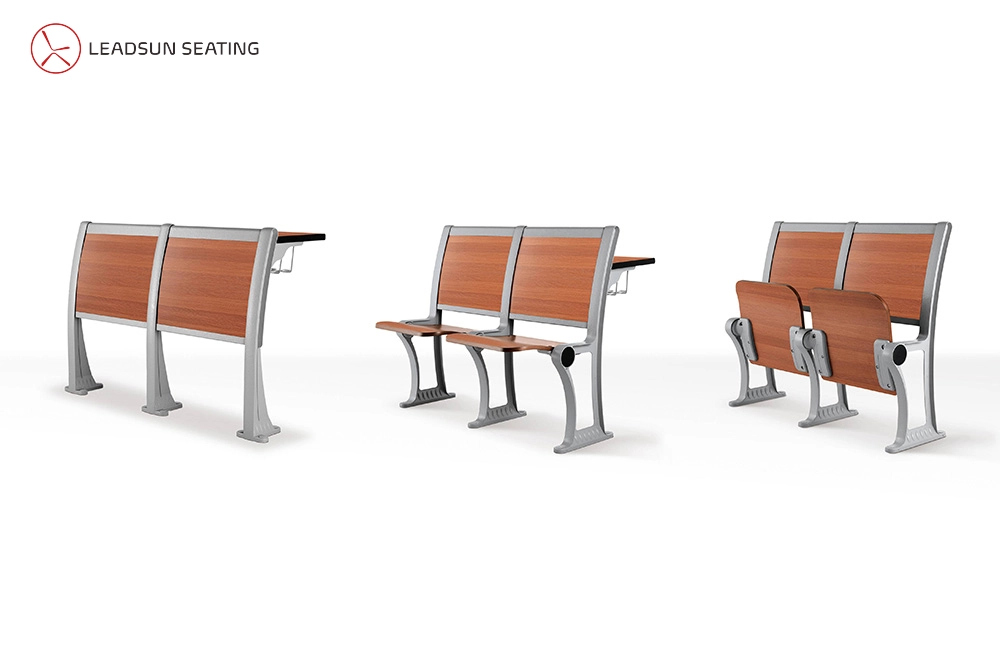
LS-908 Series Fixed Public Auditorium Chair or Tiered Classroom Solutions by Leadsun Seating
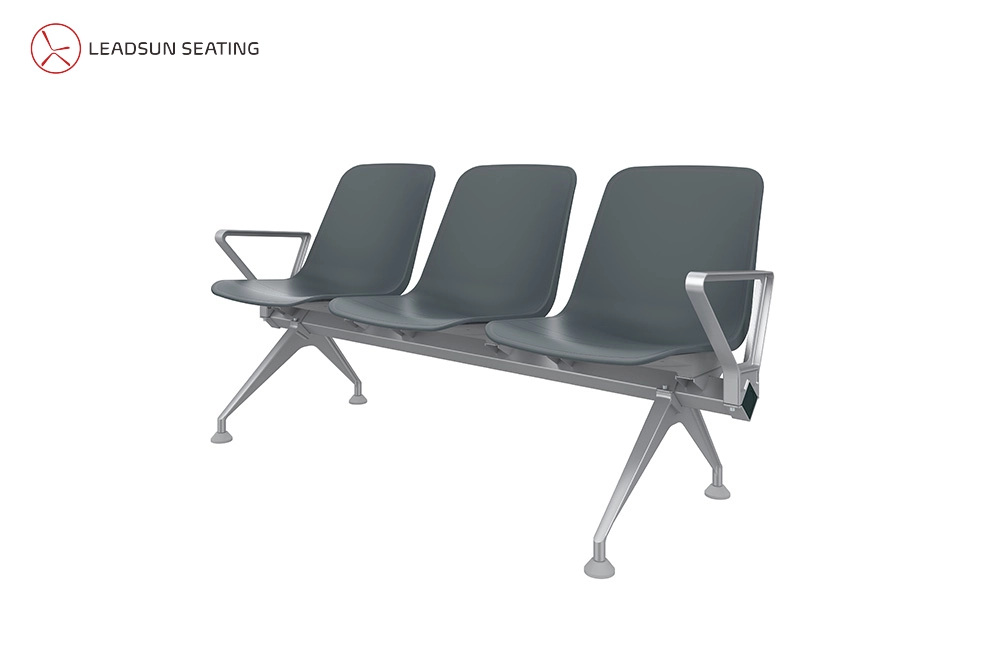
LS-550 Comfortable and Durable Waiting Chair | Customizable Waiting Chair Supplier Leadsun Seating
The LS-550 waiting chair from Leadsun offers superior comfort and durability for any public place. Customize your seating with Leadsun, a leading customizable waiting chair supplier. Ideal for high-traffic areas, the LS-550 ensures lasting performance and style.
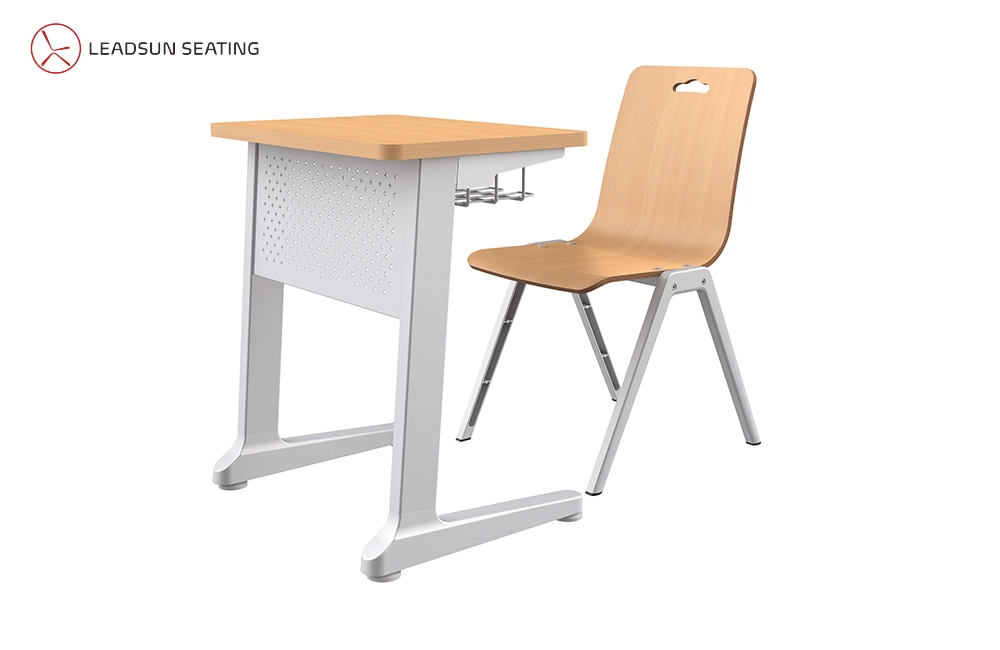
LS-9301 Single movable classroom chair |The Ultimate Flexible Solution for Modern Classrooms by Leadsun Seating
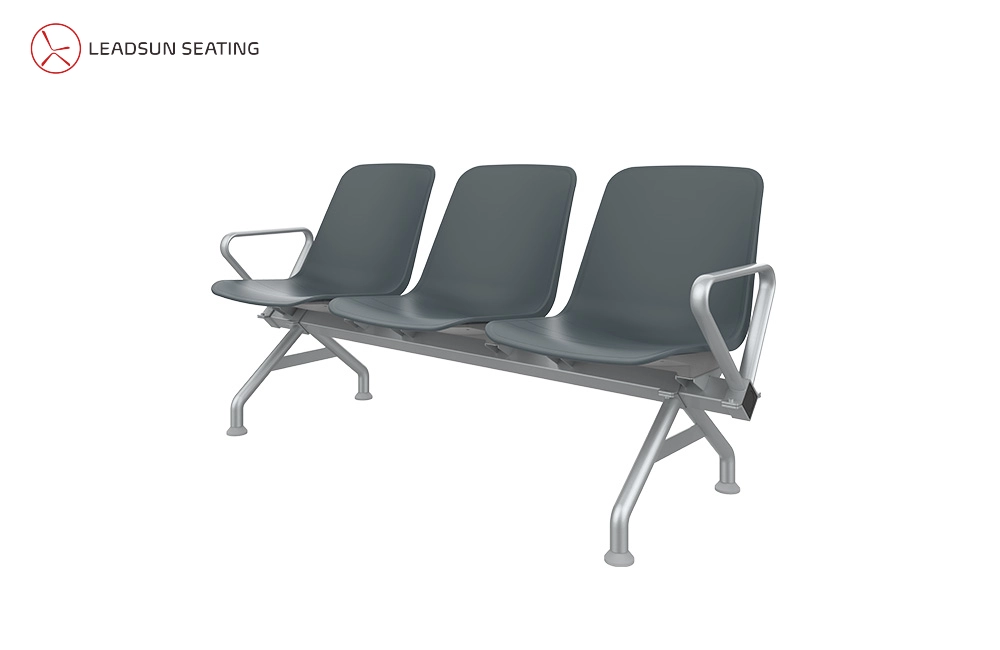
LS-551 Ergonomic Modular Waiting Chairs | Commercial Seating Solutions by Leadsun Seating
Ready for your public seating project?
We specialize in providing high-quality, customizable seating solutions for public spaces, and we are excited to assist you with your project.
Our professional team will quickly answer your questions and provide customized solutions to ensure you have a worry-free experience.

Leadsun Seating is also engaged in the design, development, production, and marketing of lightweight public seats in public places, with an annual output of desks and chairs.
 Scan QR Code