







Why choose antimicrobial fabrics for airport seating?
- 1. How do I evaluate antimicrobial test reports for fabrics so I can compare lecture hall seating to airport seating standards?
- 2. What durability specifications should I require for lecture hall seating to match airport seating in high‑traffic performance?
- 3. How should I specify cleaning and disinfection compatibility for antimicrobial fabrics used in lecture halls?
- 4. Will antimicrobial upholstery affect lecture hall acoustics or sightlines compared with airport seating?
- 5. How do I ensure modularity, power/data integration, and code compliance (ADA/fire) when specifying airport‑grade seating for a lecture hall?
- 6. How can I calculate total cost of ownership (TCO) for antimicrobial fabrics versus standard upholstery when buying lecture hall seating?
- Concluding summary: Advantages of using antimicrobial fabrics for airport seating and lecture hall seating
1. How do I evaluate antimicrobial test reports for fabrics so I can compare lecture hall seating to airport seating standards?
Purchasers often see vague “antimicrobial” claims. The practical step is to require independently run, standard test reports. For textiles look for results from AATCC 100 (antibacterial assessment of textile products) or ISO 20743 (antibacterial activity of textile products). These reports should state: test method, organism(s) used (Staphylococcus aureus and Escherichia coli are common), exposure time, and quantitative reduction expressed as percent or log reduction. Aim for a minimum of a 3‑log reduction (≈99.9%) documented under the stated protocol — this is the accepted threshold in many infection‑control applications and aligns with what airport seating suppliers commonly quote.
Also verify durability of the antimicrobial treatment. Ask for accelerated wash/abuse cycles or simulated cleaning reports that show maintained efficacy after the number of cycles you expect (e.g., 100–500 cleaning cycles depending on venue). If the finish is claimed to be “built‑in” (e.g., silver‑ion infused fibers or polymer‑integrated bacteriostat), suppliers should provide evidence of sustained activity after laundering, abrasion (Wyzenbeek or Martindale), and disinfection exposure (see cleaning protocols below).
Note: ISO 22196 covers plastics and coatings; it is useful when components such as armrests or plastic seat shells are treated. Always request third‑party lab certificates rather than vendor summaries.
2. What durability specifications should I require for lecture hall seating to match airport seating in high‑traffic performance?
Airport seating is engineered for continuous heavy public use; translating that to lecture halls means specifying contract‑grade components across upholstery, cushions, frames, and finishes.
Key specs to require:
- Fabric abrasion resistance: Wyzenbeek (ASTM D4157) double rubs ≥100,000 for heavy‑traffic installations—or Martindale (ISO 12947) >50,000 rubs if supplier uses that test. These figures reduce surface pilling and thread breakage in high‑turnover environments.
- Seam and upholstery strength: Tensile and seam slippage results per supplier testing; look for reinforced stitching and bar‑tack at stress points.
- Foam density & resilience: Commercial seat foam commonly ranges 30–45 kg/m3 (about 1.8–2.8 lb/ft3). For auditorium/airport durability consider higher density foam and high‑resilience (HR) types designed to retain shape with frequent use. Ask for foam compression set and Indentation Load Deflection (ILD) data.
- Frame and hardware: Steel frames with corrosion‑resistant finishes (zinc/epoxy) and welded joints for fixed seating; aluminum extrusions with anodized finish for retractable systems. Fasteners should be tamper‑resistant for public spaces.
- Surface protection: Powder coat with salt‑spray (ASTM B117) resistance data for coastal installations; anti‑graffiti or stain‑release finishes tested per AATCC protocols.
Insist on factory QA results and a stated expected service life (years or cycles) based on simulated use. Benchmarks used in airport seating manufacturers are strong references when negotiating warranty terms.
3. How should I specify cleaning and disinfection compatibility for antimicrobial fabrics used in lecture halls?
Begin with a practical cleaning spec in your purchase documents. Specify which disinfectants you plan to use (EPA‑registered hospital disinfectants, 0.1% sodium hypochlorite diluted solutions, hydrogen peroxide wipes, quaternary ammonium compounds) and require supplier test data showing fabric colorfastness, dimensional stability, and preserved antimicrobial performance after realistic exposure.
Relevant tests to request:
- AATCC 165 (colorfastness to laundering or bleach) or AATCC 8 (colorfastness to water/source) depending on disinfectant chemistry.
- Simulated cleaning cycles: Provide the supplier the expected cleaning regimen (e.g., daily spray/disinfect + weekly deeper wipe) and ask for lab simulation demonstrating preserved performance after the equivalent of X years (e.g., 1,000 wipe cycles).
Operational notes:
- Prefer antimicrobial treatments integrated into fiber or polymer matrix (built‑in) over topical coatings when frequent disinfection is required; built‑in technologies generally withstand more cleaning cycles.
- Provide staff cleaning protocols that match the tested disinfectants and contact times the manufacturer used so field performance matches lab results.
4. Will antimicrobial upholstery affect lecture hall acoustics or sightlines compared with airport seating?
Antimicrobial treatment itself (silver ions, quaternary coatings) is typically at the fiber or finish level and has negligible direct effect on acoustic absorption. What matters for acoustics is fabric porosity, pile, and backing plus seat geometry.
Considerations:
- Choose fabrics with open‑weave or microsuede finishes when seat surfaces are expected to contribute to mid‑high frequency absorption; manufacturers can provide NRC (Noise Reduction Coefficient) impact data for typical seat covers.
- Seat backs and under‑seat cavities: Packaged foam + rigid backs can reflect sound; if speech intelligibility is critical, coordinate upholstery choices with room acoustic design and add separate absorption (baffles, wall panels) rather than relying on seat upholstery alone.
- Sightlines: Antimicrobial finishes do not change opacity or reflectivity significantly. Focus on seat height, back tilt, and row rake for sightline compliance with recommended sightline angles (stadium rake guidance often used in lecture halls).
In short: evaluate acoustic performance of your seating assembly as a whole (fabric + shell + foam) and ensure the antimicrobial fabric is tested within that assembly when acoustic outcomes matter.
5. How do I ensure modularity, power/data integration, and code compliance (ADA/fire) when specifying airport‑grade seating for a lecture hall?
Airport seating often integrates power/data modules, modular banks, and strict egress considerations—borrow those practices for lecture halls but verify local codes.
Actionable checklist:
- Accessibility: Follow the ADA Standards for Accessible Design (2010) for wheelchair locations, companion seats, and aisle widths. Early in design, allocate wheelchair platforms at multiple locations and ensure accessible routes to them.
- Fire & egress: Reference NFPA 101 (Life Safety Code) for occupancy classification and egress calculations; upholstery and foam should meet the applicable vertical/horizontal flame spread and smolder resistance tests (NFPA 260, ASTM E84 as required by jurisdiction). For California, CAL TB 117-2013 is the upholstery flammability standard to reference.
- Power/data: Require UL/CE listing for power modules and IEC/UL compliance for low‑voltage components. Design cable routing with accessible conduits to meet future servicing and avoid tripping hazards.
- Modular systems: Use demountable banks or linking hardware that allow reconfiguration with standard tools; for retractable seating, require mechanical safety interlocks and manufacturer maintenance manuals.
Request manufacturer documentation demonstrating conformance with each named standard and provide local authority having jurisdiction (AHJ) an overview package during review.
6. How can I calculate total cost of ownership (TCO) for antimicrobial fabrics versus standard upholstery when buying lecture hall seating?
TCO is the practical tool procurement teams need. Build a simple model using these line items:
- Initial capital cost (per seat) including upholstery upgrade High Quality for antimicrobial fabric.
- Annual maintenance cost: labor hours × hourly rate for routine cleaning + cost of cleaning agents and supplies. Antimicrobial fabrics may reduce deep cleaning frequency.
- Replacement/repair frequency: estimated years to replacement or percentage of seats needing reupholstery per year. Durable antimicrobial, high‑abrasion fabrics often extend replacement cycles.
- Downtime/operational disruption costs: cost of seat unavailability during maintenance or replacement (impact on events).
- Residual value and disposal: salvage or recycling costs for foam and frames.
Example framework (no fabricated figures): if antimicrobial fabric adds X% to initial cost but extends replacement interval from Y years to Z years and reduces cleaning labor by A hours/year, compute net present value of the difference over your planning horizon (5–15 years). Many public institutions find a 10–25% High Quality for high‑performance, disinfectant‑resistant textiles is recouped by lower lifecycle maintenance and longer service life—validate with supplier data and field references.
Include clauses in your procurement: require field references (other lecture halls, airports, transit hubs) and warranty terms tied to documented usage and cleaning regimens.
Concluding summary: Advantages of using antimicrobial fabrics for airport seating and lecture hall seating
Antimicrobial fabrics—when specified with verified third‑party test reports, durable construction, and compatible cleaning protocols—offer measurable benefits for high‑traffic public seating. They reduce microbial load between cleanings, can sustain frequent disinfection without performance loss when the treatment is built into the fiber, and when paired with airport‑grade construction metrics (high abrasion resistance, resilient foam, robust frames) they extend service life and lower total cost of ownership. For lecture halls, these materials also support infection control policies, simplify maintenance, and help maintain a professional appearance under heavy use. Always require documented lab evidence (AATCC 100 / ISO 20743), abrasion and colorfastness data (Wyzenbeek / Martindale, AATCC 165), and compliance with local fire/ADA codes before acceptance.
For a specification review or a custom quote tailored to your lecture hall layout, seating capacity, and local code requirements, contact us for a quote at www.leadsunseating.com or email [email protected].

15 Best Office Waiting Room Chairs of 2026: The Ultimate Comfort & Style Guide

The Future of Reception Areas: 10 Modern Waiting Room Chair Trends to Watch in 2026

Airport Seating Reimagined: The 2026 Global Guide to Terminal Comfort and Design

7 Costly Mistakes Facilities Managers Make When Specifying Commercial Bench Seating

Commercial Beam Seating Solutions for High-Traffic Public Spaces
One Stop Airport Terminal Seating
What are the advantages of the one-stop solution compared to traditional procurement methods?
The one-stop solution integrates the entire service process, saving communication costs and time. It avoids coordination issues that arise when working with multiple parties and ensures consistency and coherence in design, production, and after-sales service.
What does the after-sales service include?
Our after-sales service covers daily maintenance guidance, regular inspections, fault repairs, and component replacements. Our professional after-sales team is available 24/7 to ensure the long-term stable operation of the seats.
How long is the production cycle? Can you deliver on time?
The production cycle depends on the order size and customization complexity. We’ll create a detailed production plan in advance and have a professional logistics and installation team in place to ensure on-time delivery and efficient implementation.
FAQs
Are your seating solutions suitable for outdoor use?
Yes, many of our seating solutions are designed to withstand outdoor conditions. We use weather-resistant materials and coatings to ensure durability and performance in public outdoor environments.
What materials are used in the production of your public seating?
We use a variety of durable materials such as stainless steel, aluminum, wood, high-quality upholstery, and advanced polymers to ensure that our seating solutions are both functional and long-lasting.
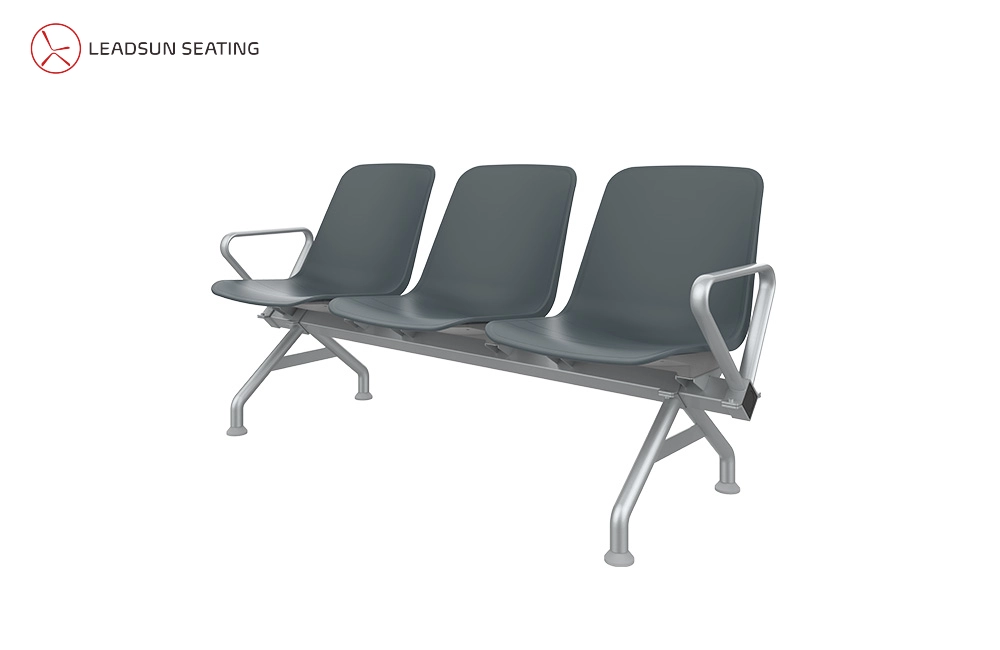
LS-551 Ergonomic Modular Waiting Chairs | Commercial Seating Solutions by Leadsun Seating
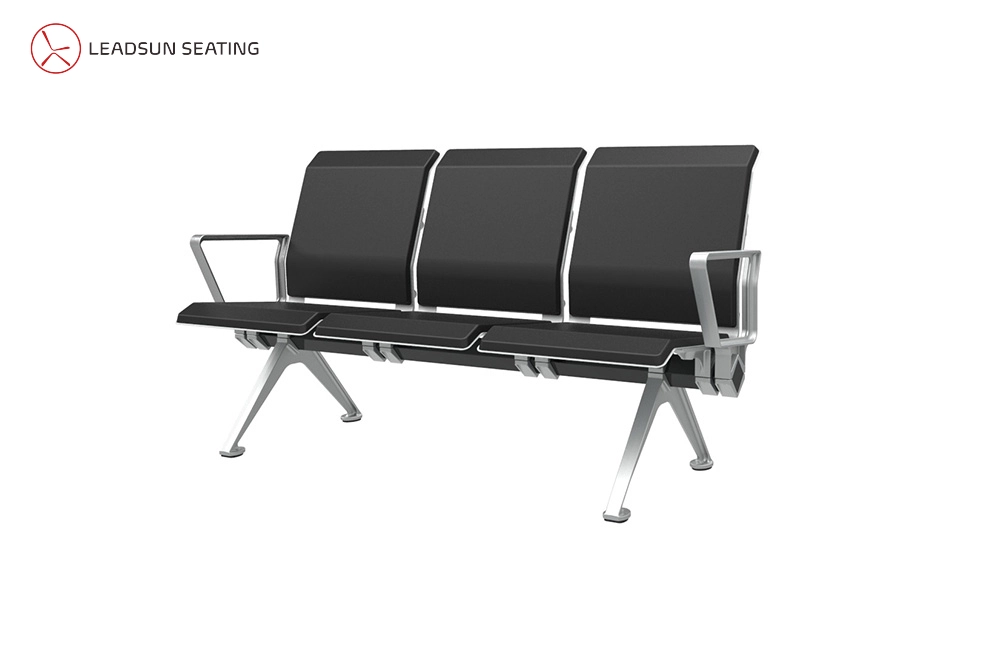
LS-529Y Ergonomic Waiting Chairs | High-Density PU Seating Solutions by Leadsun Seating
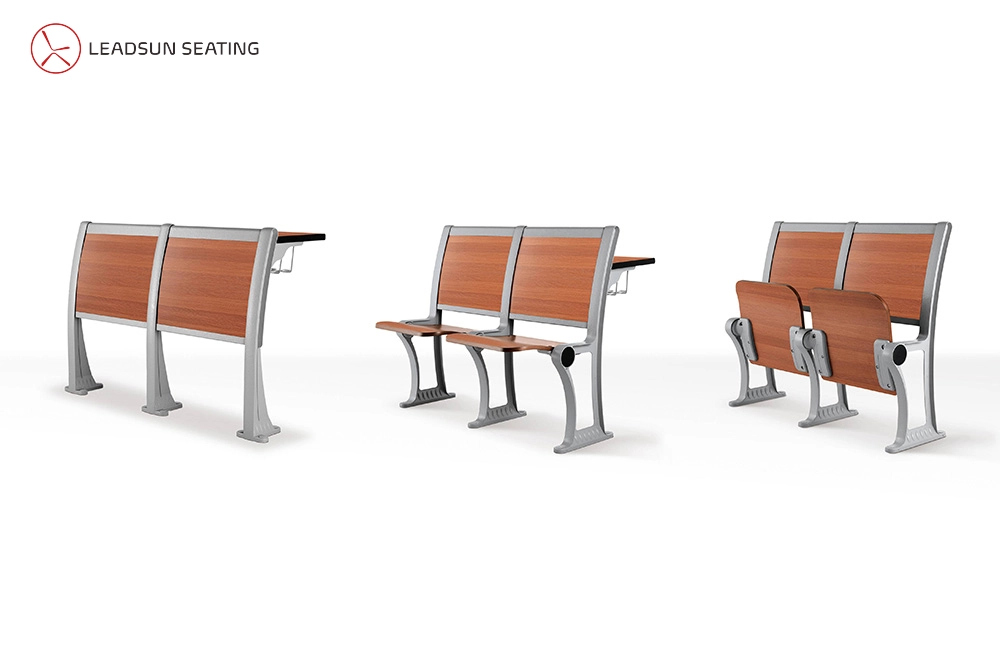
LS-908 Series Fixed Public Auditorium Chair or Tiered Classroom Solutions by Leadsun Seating
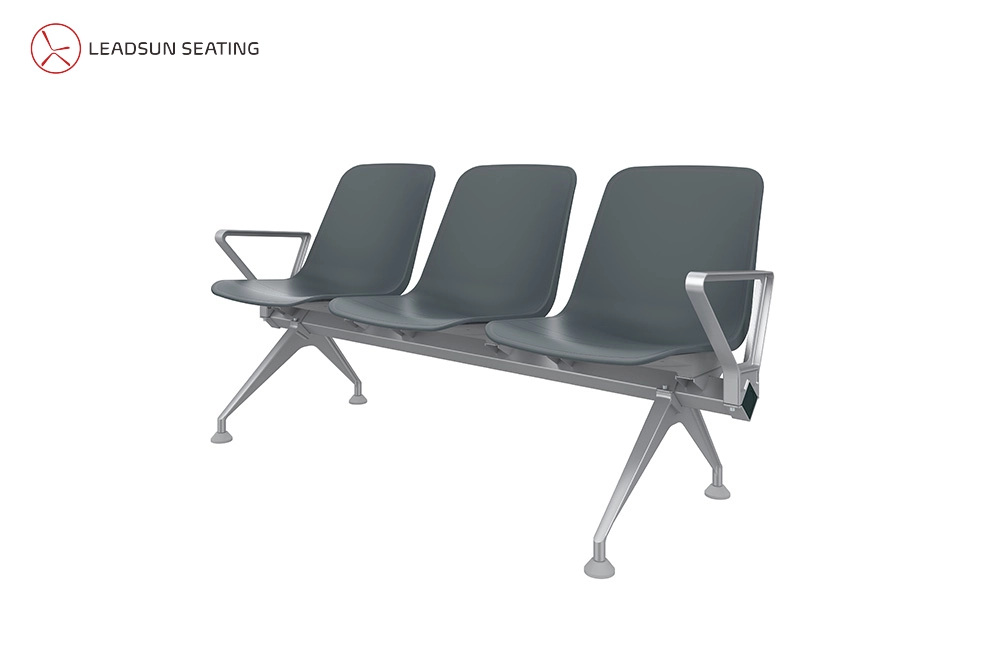
LS-550 Comfortable and Durable Waiting Chair | Customizable Waiting Chair Supplier Leadsun Seating
The LS-550 waiting chair from Leadsun offers superior comfort and durability for any public place. Customize your seating with Leadsun, a leading customizable waiting chair supplier. Ideal for high-traffic areas, the LS-550 ensures lasting performance and style.
Ready for your public seating project?
We specialize in providing high-quality, customizable seating solutions for public spaces, and we are excited to assist you with your project.
Our professional team will quickly answer your questions and provide customized solutions to ensure you have a worry-free experience.

Leadsun Seating is also engaged in the design, development, production, and marketing of lightweight public seats in public places, with an annual output of desks and chairs.
 Scan QR Code