







Leadsun seating offers a wide range of seating solutions for public spaces, including benches, chairs, waiting area seating, auditorium seating, and customized solutions tailored to specific project needs.
What are ADA compliance requirements for commercial bench seating?
2026-03-07
Practical, code-based answers for specifying commercial bench seating in lecture halls. Learn ADA wheelchair-space counts, dimensional requirements, retrofit strategies, documentation, materials and integrating power without losing accessibility.
- 1) How do I calculate the number and placement of wheelchair spaces for commercial bench seating in a lecture hall while preserving sightlines and price-tier dispersion?
- 2) What are the dimensional requirements (seat height, seat depth, clear floor area) I must follow for ADA-compliant fixed bench seating in auditoriums?
- 3) How can I retrofit continuous commercial bench seating to meet ADA rules without losing excessive seats or creating sightline problems?
- 4) What documentation and on-site verification will inspectors expect to prove ADA compliance for commercial bench seating?
- 5) Which materials and finishes for commercial bench seating best balance durability, acoustic performance and fire-code compliance in lecture halls?
- 6) How do I integrate power, data, and removable seating into commercial bench seating without compromising ADA access, egress, or code requirements?
- Conclusion
Commercial Bench Seating: ADA Compliance & Lecture Hall Buying Guide
This article answers six common, under-documented long-tail questions beginners and facility buyers ask when specifying commercial bench seating for lecture halls and auditoriums. Answers reference the 2010 ADA Standards for Accessible Design (Sections 221 and 802) and standard industry practice for sightlines, egress, finishes and retrofit strategies. For a custom quote, contact us at [email protected] or visit www.leadsunseating.com.
1) How do I calculate the number and placement of wheelchair spaces for commercial bench seating in a lecture hall while preserving sightlines and price-tier dispersion?
Pain point: Buyers know they must provide wheelchair spaces, but struggle with the ADA-required minimum counts, where to put them so all price tiers/sightlines are represented, and how to lay them out within long continuous auditorium benches.
Quick rule of thumb (based on the 2010 ADA Standards for Accessible Design): use the seating-capacity table in Section 221.2 to determine the minimum number of wheelchair spaces required for assembly areas. The table prescribes minimum wheelchair spaces by total seating capacity; for example: 4–25 = 1 space, 26–50 = 2 spaces, 51–150 = 3, 151–300 = 4, 301–500 = 5, 501–1000 = 6, 1001–5000 = 7, and 5001+ = 8 (see ADA 2010 Section 221). Always verify current ADA guidance and local amendments before final design.
Placement strategy to preserve sightlines and price-tier dispersion:
- Disperse required wheelchair spaces among price categories (front, middle, rear and different ticket price blocks). ADA requires wheelchair spaces to be provided in a range of locations with lines of sight comparable to those of other seats in the same price range.
- Avoid grouping all wheelchair spaces at the back. Provide at least one in each cone of good sightline (front, mid, rear) or per ticket section if possible.
- When working with continuous bench seating, convert short sections of bench into wheelchair platforms (see retrofit section below) so companion seats and wheelchair positions can be adjacent to fixed bench rows without creating sightline obstructions.
- Design accessible routes (minimum 36 in clear width per ADA Section 403) to each wheelchair location without forcing users into detours that impair sightlines or ticketing logic.
Practical layout tip: run simulations (sightline diagrams) from each proposed wheelchair space to the lectern/stage using the rake and sightline method your venue uses. If bench backs and seat heights are lower or removed in accessible rows, verify that the lateral sightline and vertical viewing angles meet the same sightlines available to adjacent ticketed seats.
2) What are the dimensional requirements (seat height, seat depth, clear floor area) I must follow for ADA-compliant fixed bench seating in auditoriums?
Pain point: Many product descriptions list bench lengths and finishes but omit the clear dimensional guidance needed for compliance and comfortable use.
Key dimensional principles you must apply (drawn from the ADA Standards and industry best practice):
- Wheelchair clear floor space: Provide the standard 30 inch by 48 inch (762 mm by 1220 mm) clear floor space at wheelchair positions where the wheelchair is to be occupied. This is the ADA-recommended clear floor area allowing forward or parallel approach.
- Accessible route width: Accessible routes to wheelchair spaces must be at least 36 inches (914 mm) clear (ADA Section 403). Aisles used as accessible routes often need to be wider to meet egress and turning requirements.
- Seat height: For fixed benches intended for general seating, a seat height of 17–19 inches (430–485 mm) from finish floor to top of seat is industry-preferred for accessibility and transfer compatibility. If a bench is intended to facilitate transfers from a wheelchair, maintain seat heights within this range and coordinate with handhold/arm design.
- Seat depth: Typical comfortable seat depth for auditorium benches is 15–18 inches (380–460 mm). Deeper seats can impede safe transfers and restrict leg room in compact rows.
- Companion seating: Provide at least one companion seat adjacent to each wheelchair space; companions should have the same lines of sight and be priced in the same tier when applicable.
- Platform thickness and edge: Platforms created for wheelchair spaces should be flush with the finished aisle or bench floor, with edge protection and a surface that meets slip resistance and flame-spread requirements.
Note: While these dimensions align with ADA clearances and common ergonomic standards, always confirm the latest ADA Advisory and local code rules—especially if your bench design includes transfer-enabled benches or removable segments.
3) How can I retrofit continuous commercial bench seating to meet ADA rules without losing excessive seats or creating sightline problems?
Pain point: Facilities with long continuous benches fear major capacity loss when bringing spaces up to ADA standards.
Retrofit options that balance compliance and seat retention:
- Minimum-compression approach: Identify the required number of wheelchair spaces (per ADA table). Create compact wheelchair platforms spaced throughout the bench run (for dispersion). Each wheelchair location typically removes 2–4 bench seats depending on bench length and required companion seats; two companions may replace multiple bench seats but can often be planned so seat loss is minimized.
- Use removable bench modules: Design bench sections that bolt to the floor but can be removed and replaced with flush wheelchair platforms. This keeps inventory stable and makes future reconfiguration easier.
- Create inset wheelchair platforms: Where benches are continuous, carve out a recessed platform adjacent to an aisle—this increases usable sightlines because the wheelchair user is on the same plane as adjacent seats.
- Stagger wheelchair positions: Instead of putting all accessible spots in a single row, distribute them across rows and levels so you maintain a balanced seating plan and reduce local capacity loss in any single row.
- Preserve revenue seats: Work with ticketing to reclassify and price remaining adjacent seats as companion or accessible-view seats to maintain revenue impact neutrality where possible.
Example calculation (illustrative): In a 500-seat hall requiring five wheelchair spaces, distribute those five spaces as: one front, two mid, two rear. Each space plus companion will typically occupy 36–48 in of bench length (bench seat = ~18 in per person). Properly placed, you can often meet code while losing fewer than 10 seats total; exact figures depend on bench seat width used by your seating standard.
4) What documentation and on-site verification will inspectors expect to prove ADA compliance for commercial bench seating?
Pain point: Facilities complete physical changes but fail inspections because they lack the right plans, calculations or on-site measurements.
Typical documentation and verification items inspectors request:
- Seating capacity and wheelchair-space calculation showing the total seating count, the ADA Table 221.2 application, and the resulting number and distribution of wheelchair spaces.
- Dimensioned seating plans and sections showing wheelchair clear floor space (30 x 48), aisle widths (minimum 36 accessible route), seat heights, platform heights and ramp slopes where applicable.
- Sightline diagrams that demonstrate comparable lines of sight for wheelchair positions and adjacent ticketed seats—this is often expected in performance venues where sightline parity is an explicit ADA requirement.
- Shop drawings and product cut sheets for bench units (showing fixed vs. removable sections), materials data (fire rating for upholstery/finishes), and attachment details (floor anchorage and continuous bench connections).
- On-site verification checklist: inspector may measure a sample of wheelchair spaces, aisle widths, and seat heights and ask to see that companion seats are provided.
- Accessibility statement and certification from the vendor/installer confirming that components were installed per the approved plans and ADA standards. Keep photographic records of installation as-built conditions.
Best practice: Deliver a single compliance packet to the authority having jurisdiction (AHJ) containing plan excerpts, calculations, product spec sheets, and a signed installer verification. This shortens review times and reduces re-inspection risk.
5) Which materials and finishes for commercial bench seating best balance durability, acoustic performance and fire-code compliance in lecture halls?
Pain point: Standard product pages speak of “durable finishes” but give no actionable tradeoffs for lecture halls that have strict acoustic and fire-safety needs.
Material and finish selection guidelines:
- Structural frames: Powder-coated steel or aluminum extrusions resist heavy use and are low-maintenance. Choose bolted-to-floor bracket systems that allow bench modules to be removed for maintenance or reconfiguration.
- Seat and back materials: High-density foam wrapped in durable commercial-grade textiles or vinyls is common. For heavy-use lecture halls, Crypton or polyurethane-coated fabrics offer stain resistance and high abrasion ratings (double-rub counts). For bench surfaces where people may stand, consider solid wood or phenolic seat toppers with an acoustically absorptive underlayer.
- Acoustic considerations: Upholstered bench backs and vertical absorptive panels behind or between bench sections help reduce reverberation. Where speech intelligibility is critical, combine bench upholstery with overhead acoustic baffles rather than relying solely on seat fabric.
- Fire and flammability: Bench upholstery and foam must meet local fire code requirements. In the U.S., textiles and foams in public assembly often need to comply with NFPA standards relevant to your jurisdiction. Always request manufacturer test reports (flame-spread, smoke-developed index, NFPA test references) and submit them with your AHJ packet.
- Sustainability and maintenance: Choose finishes with easy-clean surfaces and replaceable upholstery panels to extend product life and allow spot repairs. Consider recycled-content frames and Greenguard/low-VOC upholstery to meet LEED or institutional sustainability goals.
Vendor checklist: require abrasion ratings (double-rub), flammability test reports, warranty terms for structural components (minimum 5–10 years recommended for institutional seating), and replacement part availability.
6) How do I integrate power, data, and removable seating into commercial bench seating without compromising ADA access, egress, or code requirements?
Pain point: Facilities want power and USB outlets embedded in benches and easily removable sections for events; they worry this will block accessible routes or violate egress and code clearance.
Integration strategy and code-aware guidance:
- Keep accessible routes clear: Any power/data raceways or floor boxes must not reduce an accessible route below the 36 in minimum clear width. If a floor box is installed in an aisle or wheelchair platform, ensure the cover is flush and slip-resistant and the route remains unobstructed.
- Locate outlets thoughtfully: Preferred locations for embedded power/data are at the back of the bench (under a lip), in armrest modules outside the accessible clear area, or in adjacent service channels—avoid placing outlet blocks within the 30 x 48 wheelchair clear floor space.
- Removable bench modules: Design modules to disconnect power/data via quick-disconnect, local-code-compliant connections so modules can be removed for events. Provide an easy method to secure exposed conduits and covers to maintain egress paths when seats are removed.
- Electrical code coordination: Work with a licensed electrical engineer to ensure integrated power meets NEC (National Electrical Code) rules for floor boxes in assembly spaces and that it is installed by a licensed electrician. Provide GFCI protection where required and use tamper-resistant outlets in public venues.
- Emergency egress & fire marshal review: Before installing embedded power/data, obtain fire-marshal sign-off, since added cables/boxes can affect smoke/heat detection, and ensure any service chase does not conceal required detection or suppression components.
Implementation tip: Create one accessible, powered bench location per section where presenters or ADA users may need devices; avoid random powered benches that break accessibility planning. Keep detailed as-built wiring diagrams with your seating documentation for maintenance and inspections.
Conclusion
Choosing ADA-compliant commercial bench seating for lecture halls requires balancing code requirements, sightlines, revenue considerations and acoustic/finish choices. By applying the ADA 2010 scoping table for wheelchair spaces, honoring clear floor spaces (30 x 48), preserving accessible route widths (36 min), and adopting modular/removable bench strategies, facilities can meet compliance while minimizing capacity loss and maintaining audience experience. Prioritize durable frames, code-compliant upholstery, and thoughtfully integrated power/data to keep benches serviceable and safe.
Leadsun Seating combines lecture hall seating expertise, commercial bench seating product lines and project-level ADA consulting to deliver compliant, cost-effective solutions. Contact us for a customized quote at [email protected] or visit www.leadsunseating.com.
Recommended for you

15 Best Office Waiting Room Chairs of 2026: The Ultimate Comfort & Style Guide

The Future of Reception Areas: 10 Modern Waiting Room Chair Trends to Watch in 2026

Airport Seating Reimagined: The 2026 Global Guide to Terminal Comfort and Design

7 Costly Mistakes Facilities Managers Make When Specifying Commercial Bench Seating

Commercial Beam Seating Solutions for High-Traffic Public Spaces
Prdoucts Categories
FAQ
FAQs
What types of public seating solutions does Leadsun seating provide?
Are your seating solutions suitable for outdoor use?
Yes, many of our seating solutions are designed to withstand outdoor conditions. We use weather-resistant materials and coatings to ensure durability and performance in public outdoor environments.
What is the lead time for custom seating orders?
The lead time for custom seating orders varies depending on the complexity of the design and the order size. Typically, it takes 4-6 weeks for production, with shipping times depending on your location.
One Stop Airport Terminal Seating
Are the seat materials durable? What's the lifespan?
We use high-strength, wear-resistant, and easy-to-clean premium materials, such as stain-resistant flame-retardant fabrics and rust-proof alloy frames. Under normal use, the seats can last 5 - 8 years.
What are the advantages of the one-stop solution compared to traditional procurement methods?
The one-stop solution integrates the entire service process, saving communication costs and time. It avoids coordination issues that arise when working with multiple parties and ensures consistency and coherence in design, production, and after-sales service.
You may also like
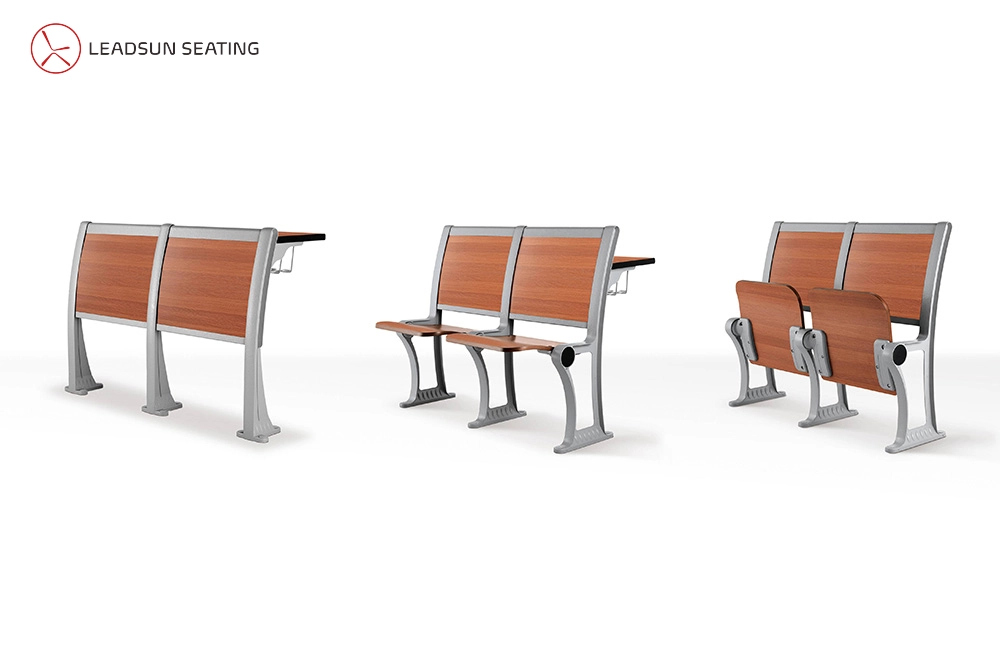
LS-908 Series Fixed Public Auditorium Chair or Tiered Classroom Solutions by Leadsun Seating
Introducing the LS-908 Series by Leadsun, your ideal solution for tiered classroom seating and fixed public auditorium chairs. Designed for comfort and durability, this series enhances audience engagement in educational and corporate settings. Discover the perfect blend of functionality and style with Leadsun Seating.
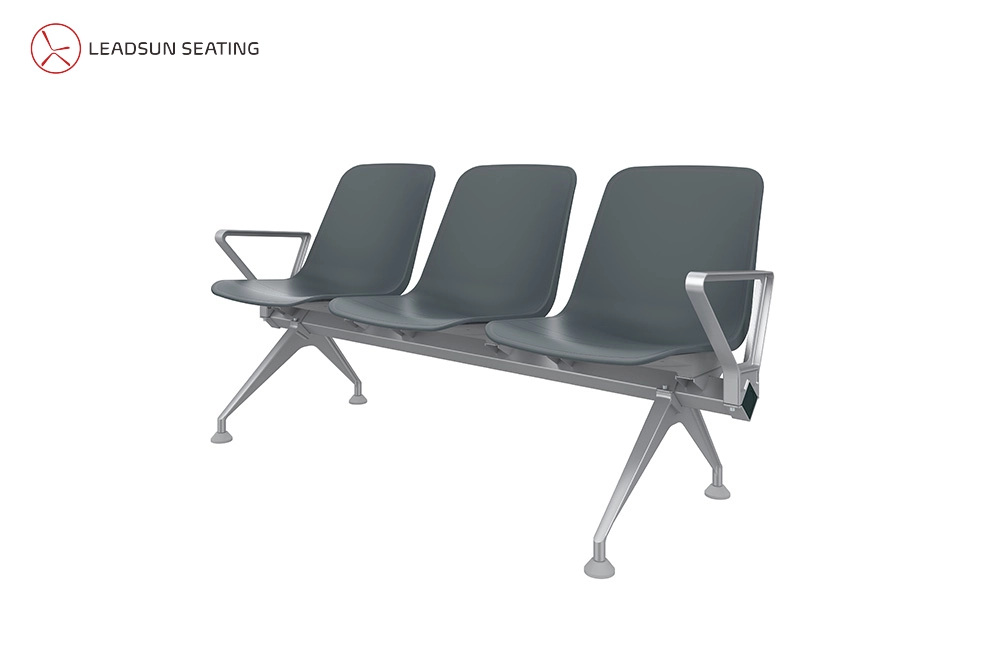
LS-550 Comfortable and Durable Waiting Chair | Customizable Waiting Chair Supplier Leadsun Seating
The LS-550 waiting chair from Leadsun offers superior comfort and durability for any public place. Customize your seating with Leadsun, a leading customizable waiting chair supplier. Ideal for high-traffic areas, the LS-550 ensures lasting performance and style.
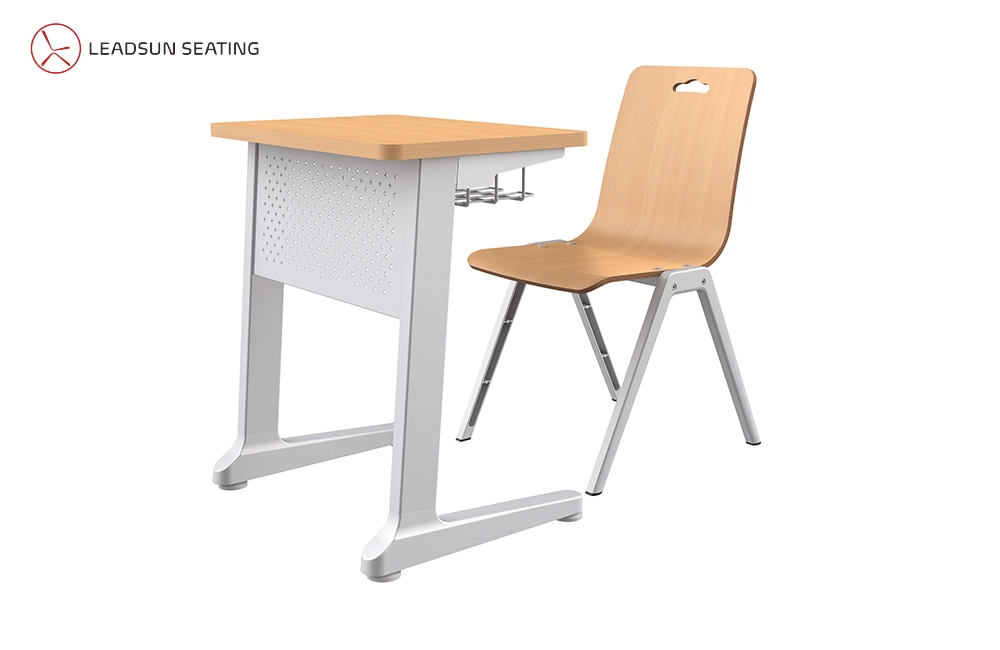
LS-9301 Single movable classroom chair |The Ultimate Flexible Solution for Modern Classrooms by Leadsun Seating
Leadsun's LS-9301 single movable classroom chair offers ultimate flexibility for modern learning environments. This activity desk and chair solution ensures comfortable and adaptable seating for students. Ideal for dynamic classrooms.
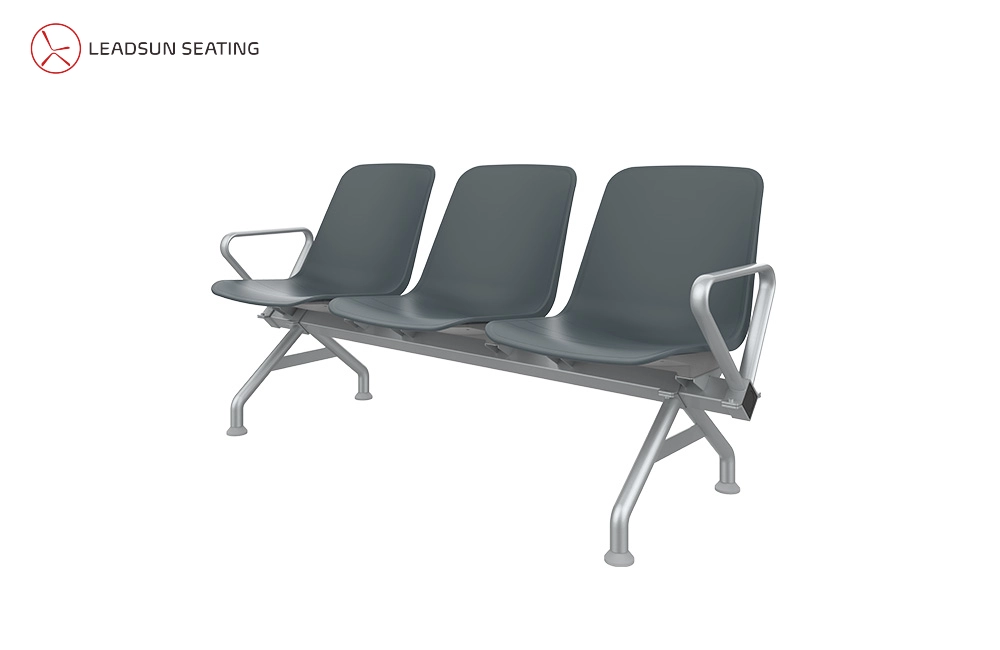
LS-551 Ergonomic Modular Waiting Chairs | Commercial Seating Solutions by Leadsun Seating
Leadsun's LS-551 Ergonomic Modular Waiting Chairs offer superior comfort for any commercial space. Ideal for hospitals, airports, and more, these modular chairs provide flexible configurations and ergonomic support. Experience unmatched comfort and style with Leadsun Seating.
Ready for your public seating project?
We specialize in providing high-quality, customizable seating solutions for public spaces, and we are excited to assist you with your project.
Our professional team will quickly answer your questions and provide customized solutions to ensure you have a worry-free experience.

Leadsun Seating is also engaged in the design, development, production, and marketing of lightweight public seats in public places, with an annual output of desks and chairs.
 Scan QR Code